

Your Parent Refuses Care: What to Do When Resistance Meets Real Risk
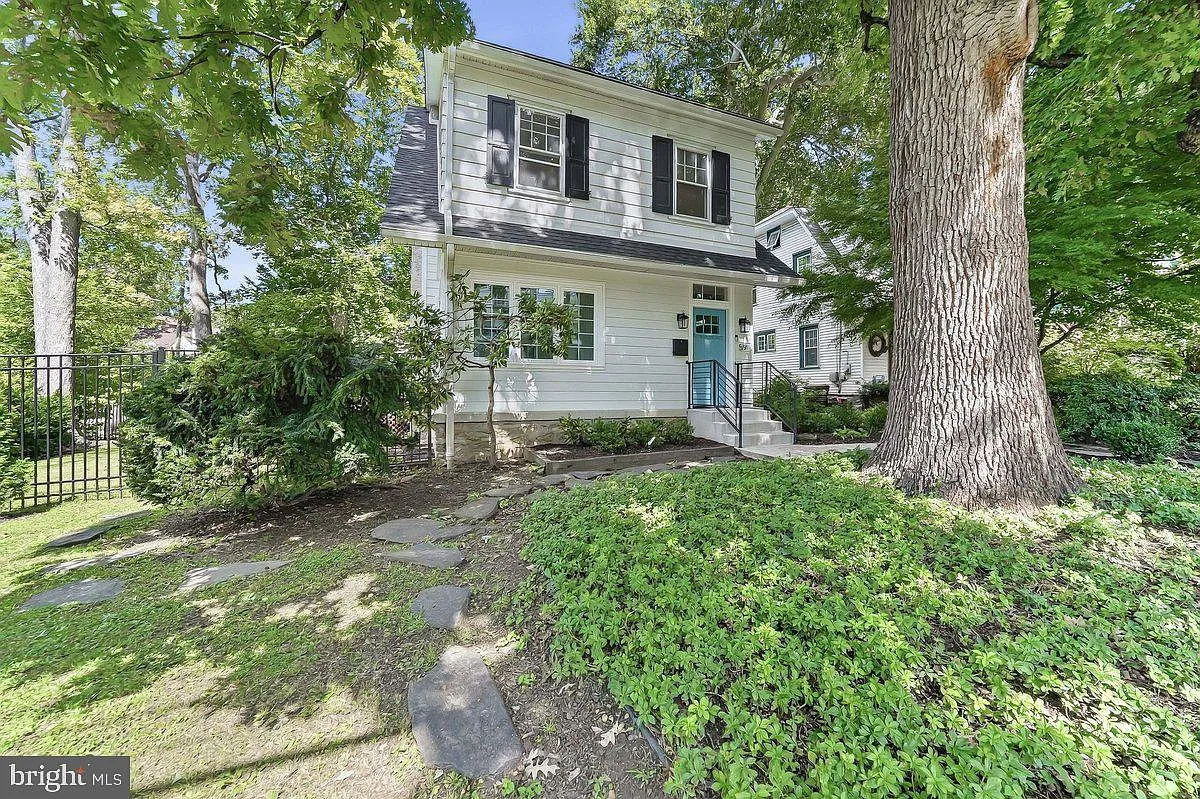
Bell Elite Senior Living — a nurse-led, family-owned personal care home in Lansdowne, PA. Warm living spaces, private bedrooms, and a chef's kitchen — come see the difference.
The Psychology of Resistance: Understanding the Why
Have you ever looked into your parent’s eyes and seen a flicker of fear where there used to be nothing but unwavering strength? It is a heartbreaking moment that many families across the Philadelphia suburbs face when a loved one begins to decline. You notice the mail piling up on the counter in their Havertown home or perhaps you see that they are wearing the same outfit for three days straight. When you gently suggest that maybe a little extra help would be a good idea, you are met with a wall of defensiveness that feels impossible to climb. Why is it that the very people who raised us to be wise and careful are often the ones who take the most significant risks with their own safety?
Imagine this: your father has lived in the same split-level in Broomall for forty years. Every creak in the floorboards is a memory and every scratch on the doorframe is a testament to the life he built. To him, accepting a caregiver or moving to a personal care home is not just about getting help with his medication. In his mind, it is the first step toward the erasure of his identity. Resistance is rarely about being stubborn for the sake of it; instead, it is a desperate attempt to maintain a sense of agency in a world that feels like it is rapidly shrinking. Studies show that nearly 70 percent of seniors will require some form of long-term care in their lifetime, yet the emotional hurdle of admitting that need remains the single greatest barrier to safety.
Does it help to realize that this pushback is actually a grief response? They are grieving the loss of their driving privileges, the loss of their physical stamina, and the loss of the role they once held as the family protector. When you approach them with logic, you are speaking to their brain, but their resistance is coming straight from their heart. Have you considered that their anger might actually be a mask for a deep-seated terror of the unknown? As a nurse, I have sat at many kitchen tables in Media and Upper Darby listening to these intense debates, and I can tell you that the breakthrough usually happens when the family stops arguing about the facts and starts acknowledging the feelings.
Speak With Our Nursing Team
We help Pennsylvania families navigate senior care decisions with compassion and clinical expertise.
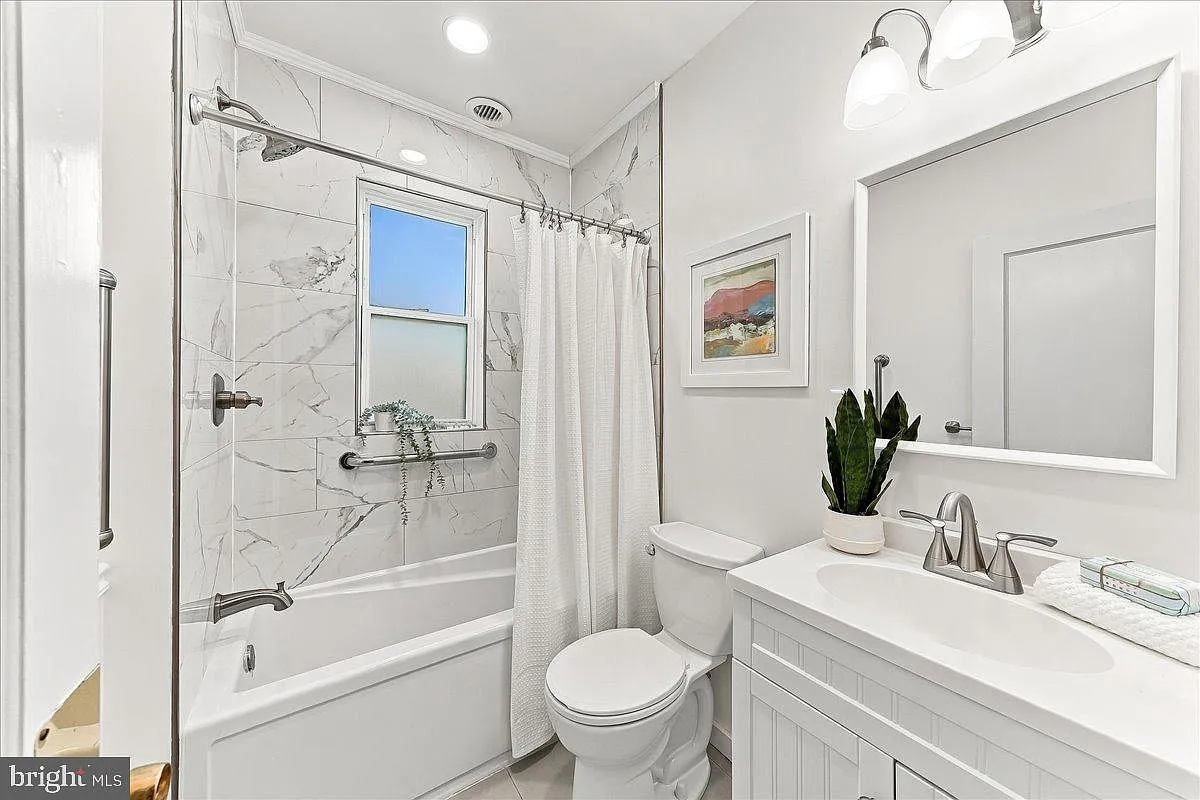
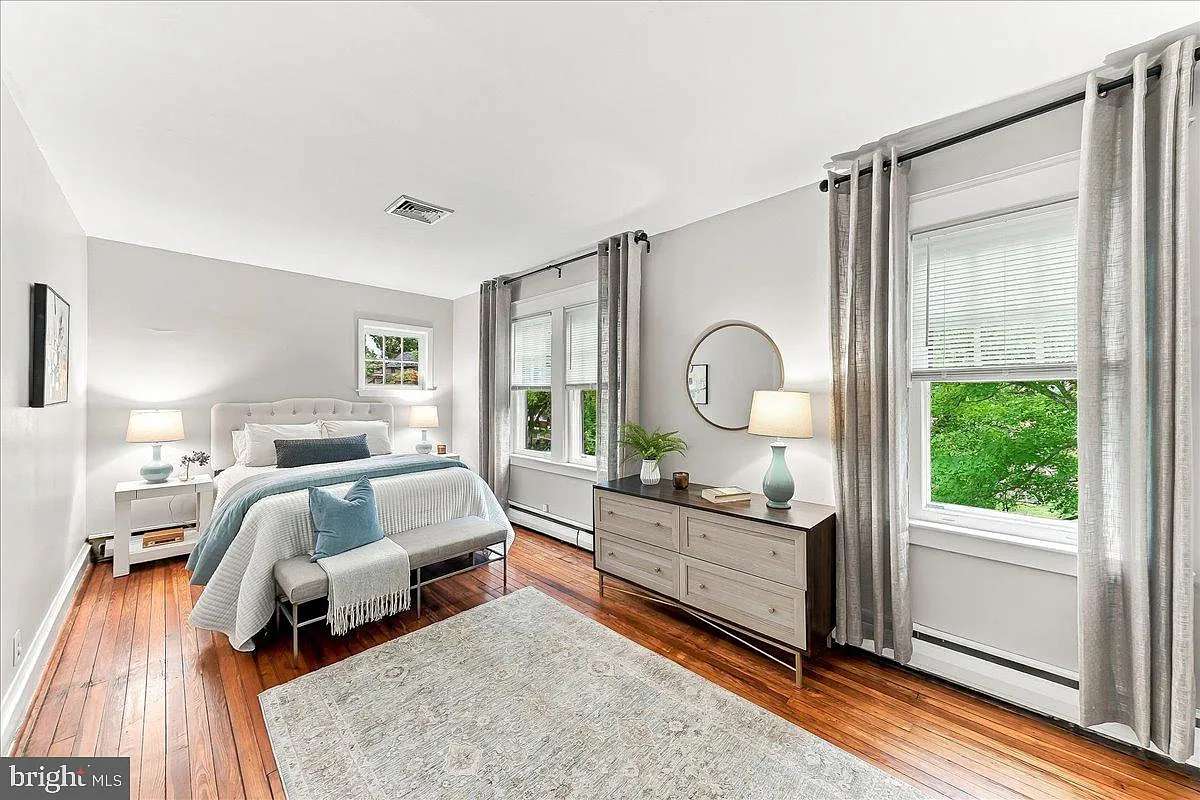
Private bedrooms and accessible bathrooms, designed for safety, comfort, and dignity.
Q: Why does my parent get so angry when I bring up the idea of moving to a senior living community? The anger you are experiencing is often a secondary emotion used to cover up vulnerability or a loss of control. For many seniors in Delaware County, their home represents their last shred of independence, and the suggestion of moving feels like a forced surrender. It is helpful to view this anger as a defense mechanism rather than a personal attack on your intentions, as this shift in perspective allows you to respond with empathy instead of defensiveness.
When we talk about resistance, we also have to talk about the cognitive changes that might be happening behind the scenes. An estimated 50 million people worldwide are living with dementia, and many of them experience a condition called anosognosia. This is not simple denial; it is a physiological inability to recognize one’s own impairments because the part of the brain responsible for self-awareness is damaged. If your mother truly believes she is still capable of driving down West Chester Pike even though she can no longer find her keys, no amount of arguing will change her mind. Have you noticed that her logic seems to follow a different set of rules lately? This is where the risk becomes real because her internal map of her abilities no longer matches the physical reality of her limitations.
Bell Elite Senior Living understands that these transitions are filled with nuance. We see the struggle of the daughter in Springfield who is exhausted from being the primary caregiver while also trying to manage her own career and children. We hear the concerns of the son in Drexel Hill who worries every time the phone rings that it might be the hospital calling about another fall. Personal care homes are designed to bridge this gap by providing a residential environment that feels like home while offering the professional oversight of a nurse-led team. If you are feeling stuck, remember that you are not failing your parent by seeking help; you are actually fulfilling your role as their advocate.
Recognizing the Tipping Point: When Safety Outweighs Autonomy
Speak With Our Nursing Team
We help Pennsylvania families navigate senior care decisions with compassion and clinical expertise.
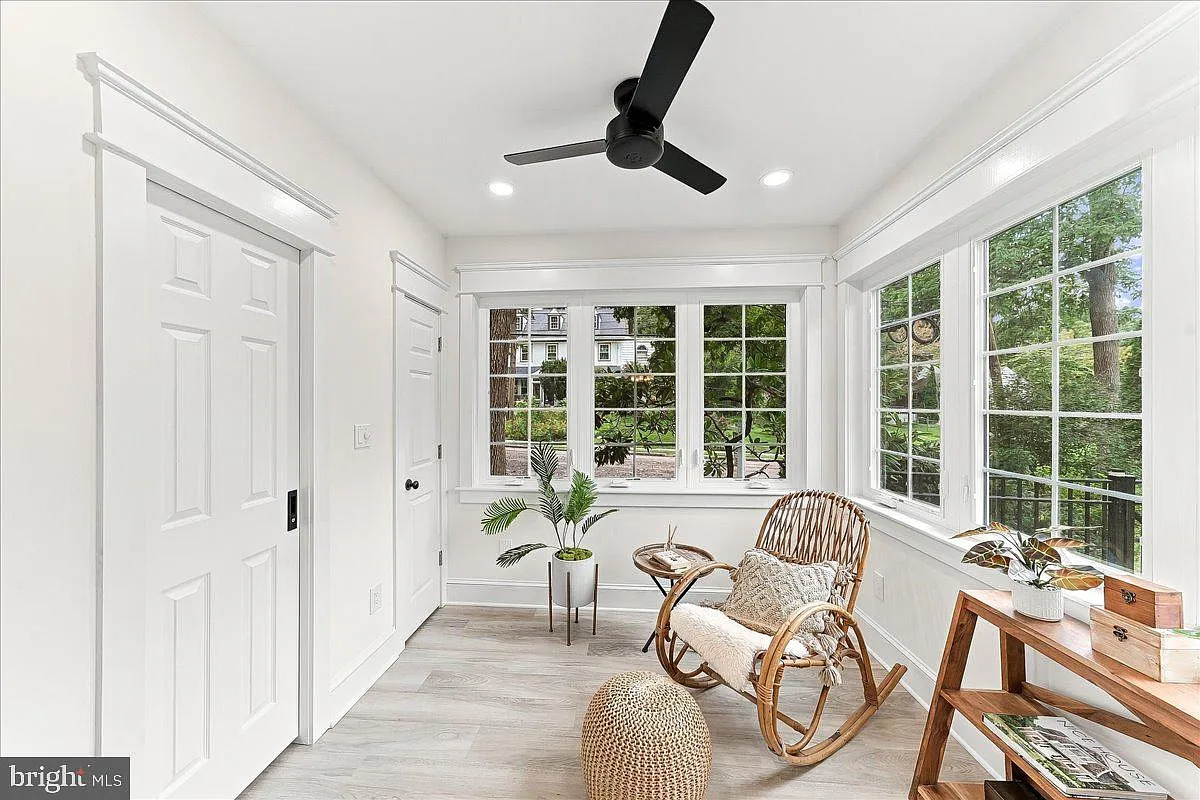
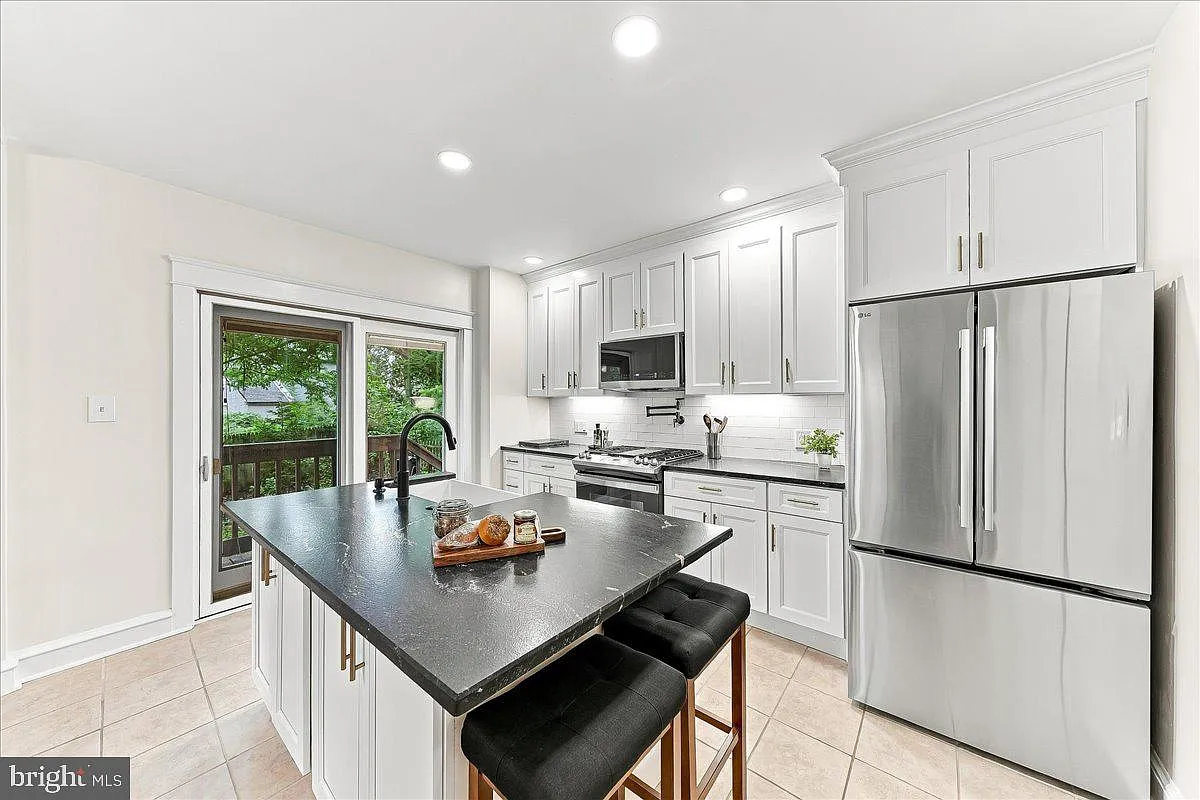
Home-cooked meals in our chef's kitchen and peaceful moments in the sunroom — life at Bell Elite.
At what exact moment does a minor slip in the bathroom transition from a clumsy mistake into a definitive signal that living alone is no longer a viable option? It is a question that haunts many families in Delaware County as they try to balance their parent's desire for freedom with the objective reality of their declining health. You might find yourself playing a constant game of "what if" while you lie awake at night. What if she leaves the stove on again? What if he forgets to take his blood pressure medication for three days in a row? This mental gymnastics is exhausting, and it often prevents us from seeing the situation for what it truly is: a crisis in the making.
Picture this scenario: your mother, who was once the most organized woman in Swarthmore, is now forgetting to pay her utility bills. You find unopened notices from PECO tucked under a pile of magazines. At first, you tell yourself she is just getting a bit forgetful, but then you notice she has lost ten pounds because she forgot how to use the microwave or simply lost the motivation to cook. Nutritional deficiencies and dehydration are among the top reasons for hospitalizations in seniors over the age of eighty, and these issues often develop so slowly that they are easy to overlook until they become an emergency. Are you looking at the small signs, or are you waiting for a catastrophic event to force your hand?
Q: How do I know if my parent’s forgetfulness is normal aging or something more serious that requires professional care? Normal aging might involve forgetting where the car keys are, but a serious concern arises when a person forgets what the keys are used for or how to navigate familiar streets in their own neighborhood. If you notice a pattern of missed medications, poor hygiene, unexplained bruising, or a significant change in personality, these are red flags that go beyond typical aging. A professional assessment from a nurse-led team like Bell Elite Senior Living can help clarify whether the current living situation is still safe or if a higher level of support is necessary.
The "Red Line" is different for every family, but it almost always involves a risk to physical safety or a decline in the quality of life that cannot be managed at home. In Pennsylvania, personal care homes are regulated to ensure that residents receive help with activities of daily living such as bathing, dressing, and medication management. If your loved one is residing in a large house in Montgomery County that they can no longer navigate safely, the house itself becomes a hazard. Steep stairs, cluttered hallways, and high-walled bathtubs are like landmines for someone with balance issues. Did you know that one in four older Americans falls each year, and for many, that first fall marks the beginning of a rapid decline in independence?
Q: My father refuses to let anyone into the house to help, but I know he isn't eating properly. What should I do? When a parent refuses in-home help, it often stems from a fear of strangers or a feeling of being invaded. In these cases, it can be more effective to frame the help as a "luxury service" or a "social opportunity" rather than a medical necessity. If the resistance continues and his health is at risk, you may need to involve a neutral third party, such as a primary care physician or a geriatric care manager, who can provide an objective medical recommendation that carries more weight than a suggestion from a family member.
Speak With Our Nursing Team
We help Pennsylvania families navigate senior care decisions with compassion and clinical expertise.
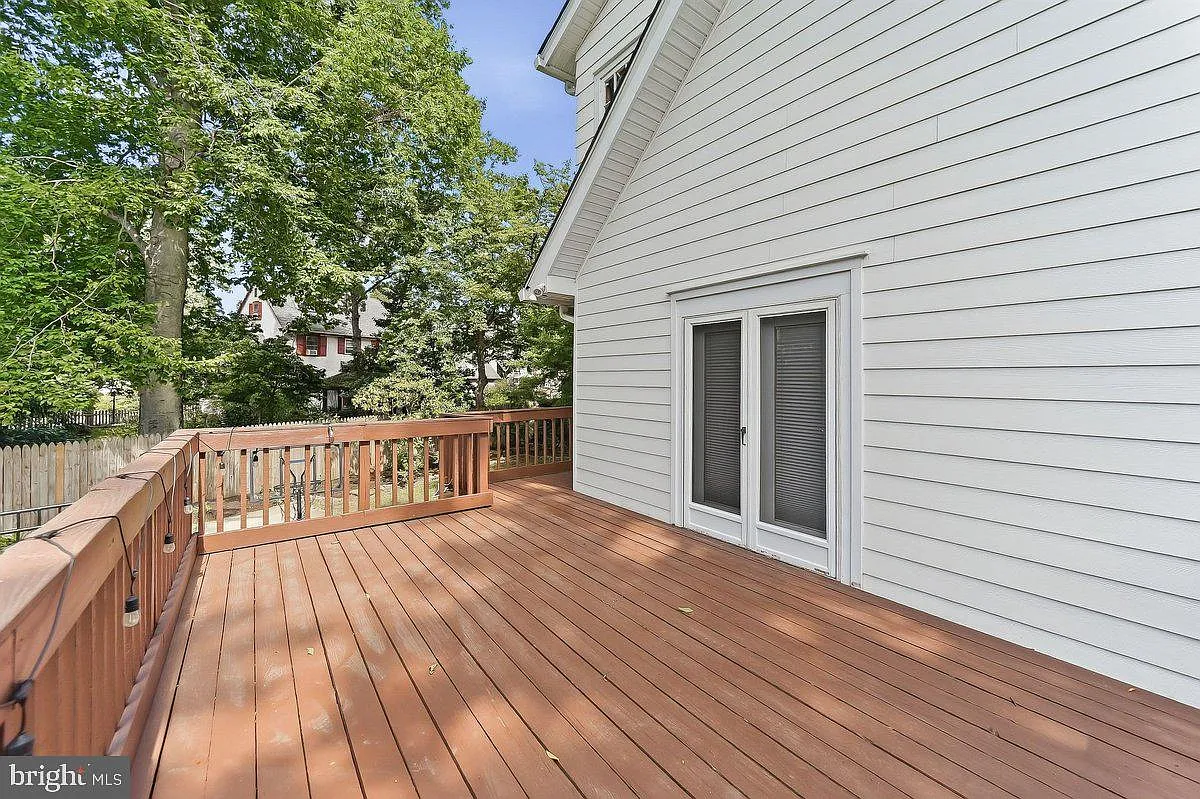
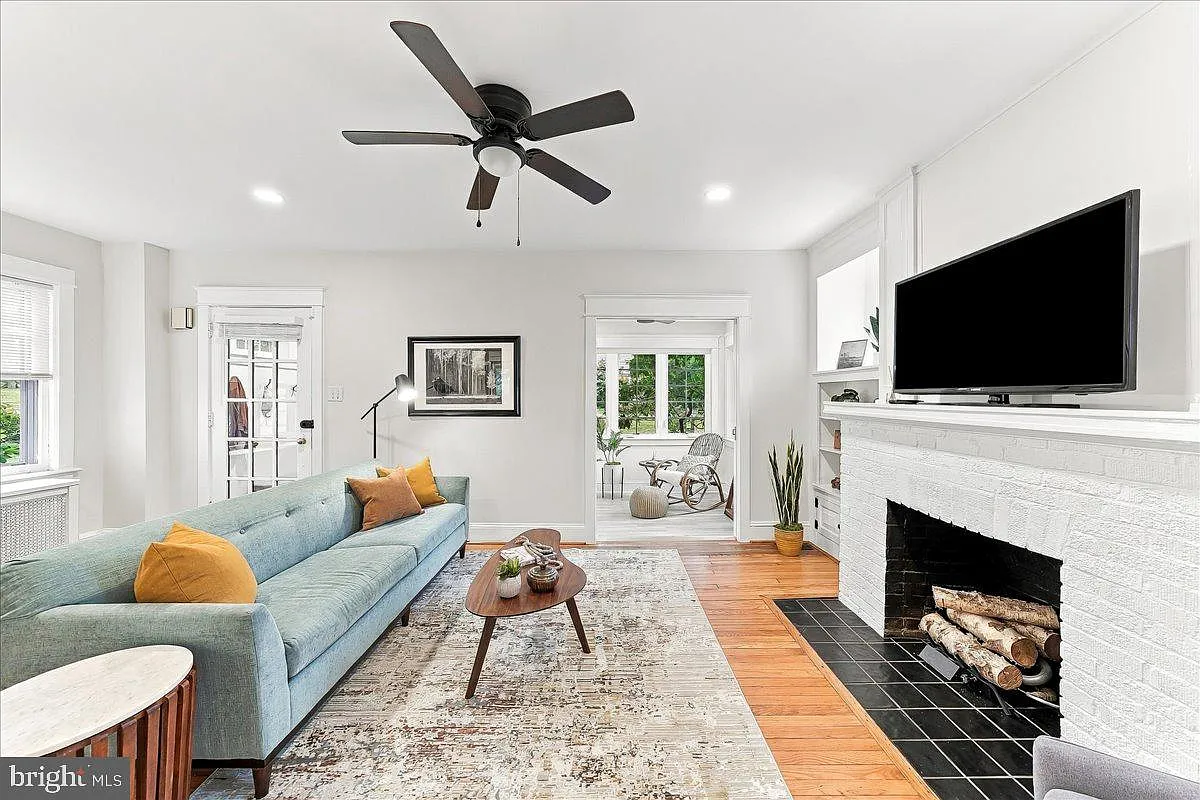
Gather in our warm living room or enjoy fresh air on the deck — every space feels like home.
We also have to consider the social isolation that often accompanies the refusal of care. A parent might stay in their home in Chester County because they feel safe there, but if they never leave the house and their only interaction is with the television, their cognitive health will suffer. Social isolation is as damaging to health as smoking fifteen cigarettes a day, and it significantly increases the risk of depression and dementia. When a parent resists care, they aren't just saying no to a nurse; they are often inadvertently saying no to the social engagement and mental stimulation that could actually prolong their life. Bell Elite Senior Living (484) 356-1070 provides a small, family-owned environment where residents are not just numbers, but members of a vibrant, connected community.
Have questions about personalized care options? Bell Elite Senior Living's nursing team is ready to help. Call (484) 356-1070 or schedule a free consultation today.
The Nurse’s Approach: Navigating Tough Conversations Without Conflict
Can you recall the last time you tried to suggest help only to have the conversation shut down before you could even finish your sentence? It is a frustrating cycle that can leave you feeling like a teenager again, arguing with a parent who refuses to listen. As a nurse, I have learned that the way we frame these conversations is often more important than the information we are trying to share. If you approach the topic with a list of "shoulds" and "musts," your parent will likely go into a defensive crouch. Have you tried shifting the focus from what they are losing to what they could potentially gain by having more support?
Imagine this: instead of saying "You can't live here anymore because you're going to fall," you try saying "I'm so worried about you that I can't sleep at night, and I want us to find a solution that gives us both some peace of mind." By using "I" statements, you take the pressure off them and place the focus on your own feelings and the family's collective well-being. This subtle shift can change the dynamic from a confrontation to a collaboration. Research suggests that seniors are more likely to accept help when they feel it is a way to help their children reduce their stress, rather than a sign of their own weakness.
Q: Is it ever okay to use a "therapeutic fib" to get a resistant parent to look at a senior living community? In the world of dementia care, therapeutic fibbing or "validation therapy" is sometimes used to reduce distress and ensure safety. If a parent is adamantly opposed to "personal care" but might agree to visit a "beautiful new residence" or a "social club," it may be appropriate to use that terminology. The goal is not to deceive for the sake of it, but to meet them in a reality where they feel safe enough to take a step toward the care they desperately need.
The nurse-led model at Bell Elite Senior Living emphasizes the importance of clinical expertise combined with deep compassion. When we talk to families in areas like Swarthmore or Drexel Hill, we often suggest the "test drive" approach. Instead of telling a parent they are moving forever, suggest a short-term respite stay. This allows them to experience the delicious meals, the social activities, and the attentive care without feeling like they have made an irrevocable decision. Respite care is a vital tool for families, providing a much-needed break for the primary caregiver while giving the senior a chance to see that life in a personal care home can actually be quite enjoyable.
Q: How do I handle it when my siblings and I don't agree on whether it's time for our parent to move? Sibling conflict is incredibly common and adds a heavy layer of stress to an already difficult situation. It is best to hold a family meeting, perhaps with a neutral mediator or a representative from a facility like Bell Elite Senior Living, to look at the objective data regarding your parent's health. Focus on the facts of the situation, such as medical reports and safety assessments, to move the conversation away from emotional opinions and toward a consensus based on your parent’s actual needs.
Have you ever considered that your parent might be more willing to listen to a professional than to you? There is a certain "prophet in his own land" syndrome where parents find it difficult to take advice from the children they once potty-trained. A visit to their primary care doctor in Media or a consultation with the nursing staff at Bell Elite Senior Living can provide the clinical authority needed to break through the resistance. When a nurse says "For your safety, we need to manage your insulin more closely," it sounds like a medical necessity rather than a daughter nagging her father. Utilizing the phone number (484) 356-1070 to speak with a professional can be the first step in shifting the burden of persuasion off your shoulders.
Personal Care vs. Nursing Homes: Decoding the Pennsylvania Landscape
Do you find yourself confused by the alphabet soup of senior living options available across the Philadelphia suburbs? You are certainly not alone in this confusion, as the terms "assisted living," "personal care," and "nursing home" are often used interchangeably in casual conversation, even though they represent very different levels of care and regulation. In Pennsylvania, personal care homes like Bell Elite Senior Living are designed for individuals who need assistance with daily tasks but do not require the constant, high-level medical intervention found in a traditional nursing home. This distinction is crucial because it affects everything from the cost of care to the daily experience of the resident.
Picture this: your father is still quite mobile and enjoys his morning coffee while reading the news, but he struggles to remember which pills to take or how to safely step into a high-rimmed shower. A nursing home might feel far too clinical and restrictive for him, potentially leading to a faster cognitive decline due to the institutional atmosphere. On the other hand, a personal care home provides a residential setting that feels like a real home, where he can have his own space while still being monitored by a team of professionals. Personal care homes in Pennsylvania provide a middle ground that honors independence while ensuring that help is always just a few steps away.
Q: What is the main difference between a personal care home and a skilled nursing facility in Pennsylvania? The primary difference lies in the level of medical care provided. Skilled nursing facilities, or nursing homes, are designed for residents with complex medical needs who require 24-hour nursing care and frequent physician involvement. Personal care homes are intended for seniors who need help with "activities of daily living," such as bathing, dressing, and medication administration, but are otherwise medically stable. Personal care homes often offer a more home-like, social environment that is less institutional than a nursing home.
When you are exploring options in Delaware County, it is important to look at the staff-to-resident ratio and the philosophy of the care team. Bell Elite Senior Living is a nurse-led, family-owned home, which means the decisions are made by people who are deeply invested in the clinical and emotional well-being of the residents. We aren't a massive corporation based in another state; we are part of the local community, serving families in Springfield, Broomall, and beyond. Nurse-led homes often have a higher level of clinical oversight, allowing the team to spot small changes in a resident’s health before they turn into major medical issues.
Q: Is personal care covered by Medicare in Pennsylvania? Generally speaking, Medicare does not cover the cost of personal care homes or assisted living, as these are considered "custodial care" rather than "skilled medical care." Families typically pay for personal care through private funds, long-term care insurance, or specialized programs for veterans. Some Pennsylvania residents may qualify for the Living Independence for the Elderly (LIFE) program or other state-specific waivers, but it is essential to discuss financial planning with a specialist early in the process.
Have you thought about the hidden costs of keeping a resistant parent in their own home? Beyond the mortgage and taxes, there is the cost of home modifications, private duty caregivers, and the often-overlooked "caregiver tax" on your own health and career. Caregivers of elderly relatives lose an average of $300,000 in lifetime wages and social security benefits due to cutting back on work hours or leaving the workforce entirely. When you add up these factors, a move to a personal care home often becomes a financially sound decision as well as a safety-conscious one. Bell Elite Senior Living and our team at (484) 356-1070 can help you navigate these complex decisions with clarity and compassion.
Ready to explore tailored care solutions? Speak with our coordinators at Bell Elite. Phone: (484) 356-1070 • Request a tour
The Legal and Ethical Maze of Forced Care in Delaware County
What happens when the person you love is no longer capable of making decisions that keep them out of harm's way, but they still vehemently refuse any form of assistance? This is perhaps the most painful position a family member can find themselves in, as it involves navigating the delicate balance between a person's civil liberties and your moral obligation to keep them safe. In Pennsylvania, the law generally favors an individual's right to self-determination unless it can be proven that they lack the capacity to make their own decisions. Have you explored whether your parent has a designated Power of Attorney (POA) for both finances and healthcare?
Imagine this: your aunt in Upper Darby is living in squalor, the house is freezing because she forgot to fill the oil tank, and she is clearly confused. However, when the police or social services perform a wellness check, she "showtimes"—she pulls herself together just long enough to appear lucid and competent to the authorities. This is a common phenomenon that leaves families feeling helpless. "Showtiming" can mask significant cognitive decline, making it difficult to initiate legal interventions like guardianship unless there is a clear, documented pattern of danger. If you find yourself in this situation, documentation becomes your most powerful tool.
Q: What can I do if my parent is clearly unsafe but refuses to sign a Power of Attorney? If a parent lacks the capacity to sign a POA and is in immediate danger, you may need to petition the court for guardianship. This is a legal process where a judge determines that an individual is "incapacitated" and appoints a guardian to make decisions on their behalf. This should always be a last resort, as it removes many of the individual's rights. Consulting with an elder law attorney in Delaware County or Montgomery County can help you understand the specific legal requirements and procedures in Pennsylvania.
The ethical dilemma is often just as heavy as the legal one. You might feel like you are betraying your parent's trust by forcing a move, but you must ask yourself: is it more loving to respect their wish to stay home and risk a fatal accident, or to move them to a place like Bell Elite Senior Living where they can live with dignity and safety? A study by the Journal of the American Geriatrics Society found that nearly 50 percent of caregivers experience high levels of emotional distress, much of which stems from this very conflict. You are not "putting them away"; you are "placing them into care." The language we use matters, both for their dignity and for your own peace of mind.
Q: Can I force my parent to move to a personal care home if they have dementia? If you have a medical Power of Attorney that has been activated by a physician's declaration of incapacity, you may have the legal authority to make placement decisions. However, "forcing" a move is physically and emotionally traumatic. It is almost always better to work with a professional team, such as the staff at Bell Elite Senior Living, to create a transition plan that uses behavioral interventions and environmental cues to make the move feel as natural and non-threatening as possible.
Does the weight of this responsibility feel like it is crushing you? You do not have to carry it alone. Delaware County has a variety of resources, from the Office of Services for the Aging (COSA) to private geriatric care managers who can help you navigate the system. At Bell Elite Senior Living, we often talk to families who are at their wits' end, and our nurse-led team provides a listening ear and professional guidance. Sometimes the best thing you can do for your parent is to stop being their "enforcer" and start being their child again, allowing a professional team to handle the complexities of their daily care.
Building a Bridge to a Safer Future with Bell Elite Senior Living
Have you considered that the best way to honor your parent’s legacy is by ensuring their final chapters are written with dignity and professional support? We often think of moving to senior living as an ending, but for many residents at Bell Elite Senior Living, it is actually a new beginning. Free from the burdens of home maintenance, the fear of falling, and the crushing weight of loneliness, many seniors find a renewed sense of purpose. They engage in activities they haven't enjoyed in years, they make new friends who understand exactly what they are going through, and they rediscover the joy of a well-cooked meal shared with others.
Imagine this: your father, who was once withdrawn and irritable in his lonely house in Havertown, is now participating in morning stretches and laughing with a neighbor over a game of cards. You visit him and, for the first time in years, you aren't spending the whole time checking his pill bottles or cleaning his kitchen. Instead, you are sitting on the porch, talking about the Phillies or your children, enjoying his company without the constant undercurrent of anxiety. Families often report that their relationship with their parent improves significantly after the move, because they can go back to being a son or daughter rather than a stressed-out caregiver.
Q: What makes a family-owned, nurse-led home different from a large corporate facility? In a smaller, family-owned setting like Bell Elite Senior Living, there is a level of intimacy and accountability that is often missing in large institutions. The owners and nursing staff know every resident's favorite breakfast, their family history, and the subtle signs that they might be feeling under the weather. This personalized attention ensures that care is proactive rather than reactive, and it creates a "family" atmosphere where everyone feels seen and valued.
Bell Elite Senior Living is proud to serve the families of Delaware County, including those in Media, Swarthmore, and the surrounding Philadelphia suburbs. We understand the local culture, the local hospitals, and the specific needs of our community. Our nurse-led approach means that clinical excellence is baked into everything we do, from our medication management protocols to our nutritional programs. With over 15 years of experience in the field, our family-owned team is dedicated to providing the kind of care we would want for our own parents.
If you are standing at the crossroads of resistance and risk, take a deep breath. You are doing the hard work of love by asking these questions and seeking out the best possible solutions. The road ahead might not be easy, but you don't have to walk it in the dark. Whether you are just starting to notice the signs of decline or you are in the middle of a full-blown crisis, we are here to help you find a path forward that honors your parent's life and protects their future. Give us a call at (484) 356-1070 and let’s talk about how we can support your family during this transition.
Q: How do we start the process of moving to Bell Elite Senior Living if my parent is still saying no? The first step is a conversation, not a move. Reach out to us at (484) 356-1070 for a confidential consultation where we can discuss your parent's specific situation and their sources of resistance. We can help you develop a strategy that might include a tour, a meal at our home, or a meeting with our nursing team. By taking it one small step at a time, we can often lower the emotional temperature and help your parent see that a safer, more vibrant life is waiting for them here in Delaware County.
Your parent’s safety is a non-negotiable priority, but their dignity is equally important. At Bell Elite Senior Living, we specialize in balancing those two needs with grace and professional expertise. Don't wait for a crisis to make the decision for you. Reach out today, explore the options, and let us help you turn a stressful situation into a source of peace for your entire family. Together, we can ensure that your loved one receives the elite care they deserve in a place that truly feels like home.
A Glimpse Inside Bell Elite
A warm, family-like residence — not an institution. Every space is designed for comfort, safety, and dignity.
Ready to Take the Next Step?
Bell Elite Senior Living is a nurse-led, family-owned personal care home in Delaware County, Pennsylvania. We're here to help.
Proudly Serving Families Across the Greater Philadelphia Region
Bell Elite Senior Living is a nurse-led, family-owned personal care home located in Delaware County, Pennsylvania — and we proudly serve families from across the entire Greater Philadelphia area and surrounding communities. Whether you are searching for a personal care home in Delaware County PA, exploring senior living options near Philadelphia, or looking for compassionate elder care for a loved one in Montgomery County, Bucks County, or Chester County, our team is here to help guide you through every step of the decision.
Families come to Bell Elite from throughout Philadelphia and its suburbs — including Upper Darby, Havertown, Drexel Hill, Broomall, Swarthmore, Media, Springfield, Lansdowne, Darby, Collingdale, and Sharon Hill in Delaware County; Ardmore, Norristown, Lansdale, Cheltenham, Abington, Blue Bell, Jenkintown, Ambler, and Horsham in Montgomery County; Doylestown, Newtown, Langhorne, Bristol, Yardley, Quakertown, and Levittown in Bucks County; and West Chester, Malvern, Exton, Downingtown, Phoenixville, Coatesville, and Paoli in Chester County. We are also a trusted resource for families in South Jersey communities such as Cherry Hill, Voorhees, Marlton, Moorestown, Mount Laurel, Haddonfield, Collingswood, and Camden County who are seeking high-quality personal care across the river in Pennsylvania. Families from Wilmington, Newark, and New Castle County, Delaware also regularly choose Bell Elite for its clinical excellence and intimate, home-like setting.
Our central location in Delaware County puts us within easy reach of Center City Philadelphia, the Main Line, South Philadelphia, Northeast Philadelphia, and the Philadelphia suburbs — making visits from family members throughout the region straightforward and stress-free. We understand that choosing the right personal care home is one of the most important decisions a family will make, and distance should never be a barrier to accessing exceptional, nurse-led care.
Frequently Asked Questions About Our Service Area
Does Bell Elite Senior Living serve families from Philadelphia?
Yes. Bell Elite Senior Living is located in Delaware County, PA, just minutes from Philadelphia. We regularly welcome residents and their families from across Philadelphia, including South Philly, Northeast Philadelphia, Kensington, Germantown, and Center City.
Do you accept residents from Montgomery County, PA?
Absolutely. We serve families throughout Montgomery County including Norristown, Ardmore, Lansdale, Cheltenham, Blue Bell, Jenkintown, and Ambler. Our nurse-led care model is a popular choice for families across the Philadelphia suburbs.
Can families from Bucks County place a loved one at Bell Elite?
Yes. Many of our residents come from Bucks County communities such as Doylestown, Newtown, Yardley, Langhorne, and Bristol. Our facility is easily accessible from Route 1 and I-95 corridors.
Do you serve Chester County families looking for personal care?
Yes. Families from West Chester, Malvern, Exton, Downingtown, Phoenixville, Paoli, and Coatesville in Chester County frequently choose Bell Elite for our small resident count, clinical oversight, and personalized care plans.
Is Bell Elite an option for families in South Jersey near Philadelphia?
Yes. Many families from Cherry Hill, Voorhees, Marlton, Mount Laurel, Haddonfield, Moorestown, and Camden County in New Jersey choose Bell Elite Senior Living in nearby Delaware County, PA for its nurse-led care and welcoming environment.
Do you accept residents from Delaware (Wilmington, Newark, New Castle County)?
Yes. Families from Wilmington, Newark, Middletown, and throughout New Castle County, Delaware have placed loved ones at Bell Elite. Our location in Delaware County, PA makes us a convenient and high-quality option for Delaware families seeking nurse-led personal care.
How do I find out if Bell Elite can serve my family's location?
Call us at (484) 356-1070 or visit our contact page. We serve the entire Greater Philadelphia region and surrounding areas and are happy to discuss your specific situation, schedule a tour, and answer any questions about our care services.
Related Articles



Related Care Services at Bell Elite
Our nurse-led personal care home in Lansdowne, PA offers specialized services for seniors across the Greater Philadelphia region.
Personal Care Home Near You
Bell Elite is located in Lansdowne, PA — minutes from Philadelphia. See care details for your community:
Have Questions After Reading?
Our nursing team offers free, no-pressure consultations for Pennsylvania families.
Talk to a nurse, not a salesperson. Our team includes RNs, LPNs, a PMHNP, and Family Nurse Practitioners.