
Wound Care for the Elderly: What Every Family Caregiver Needs to Know
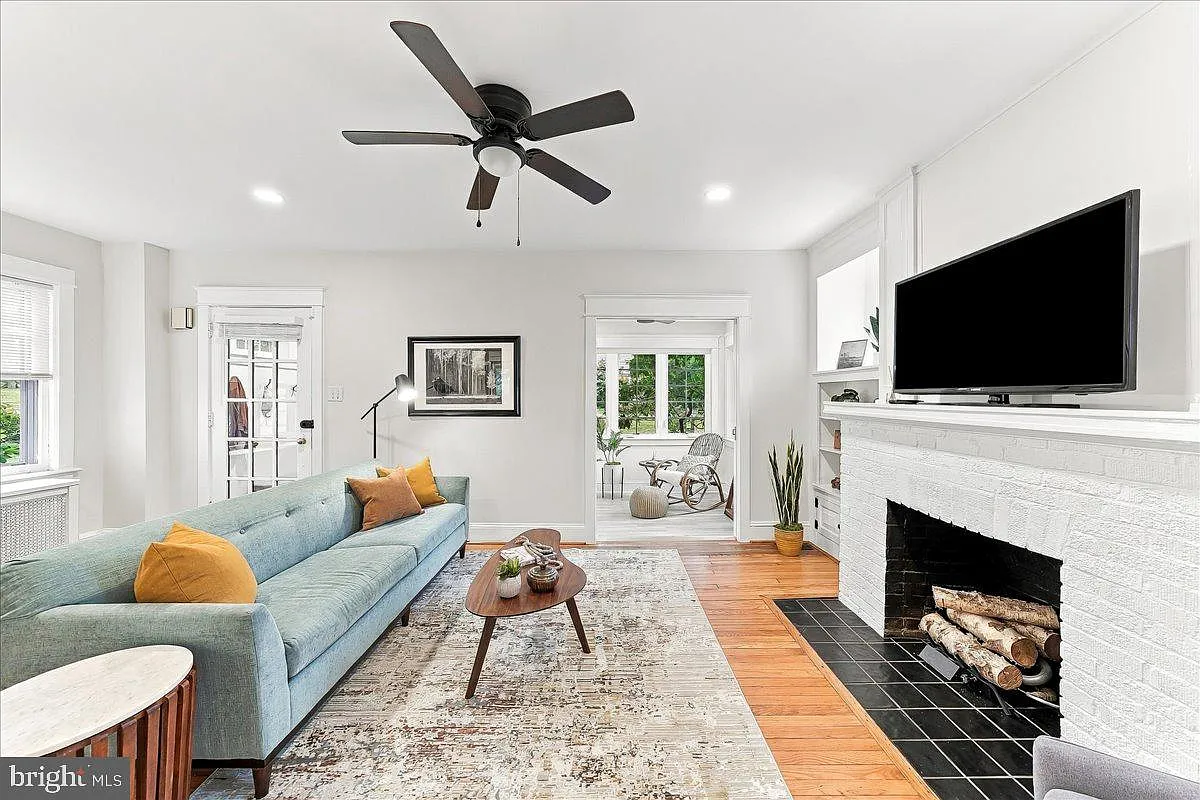
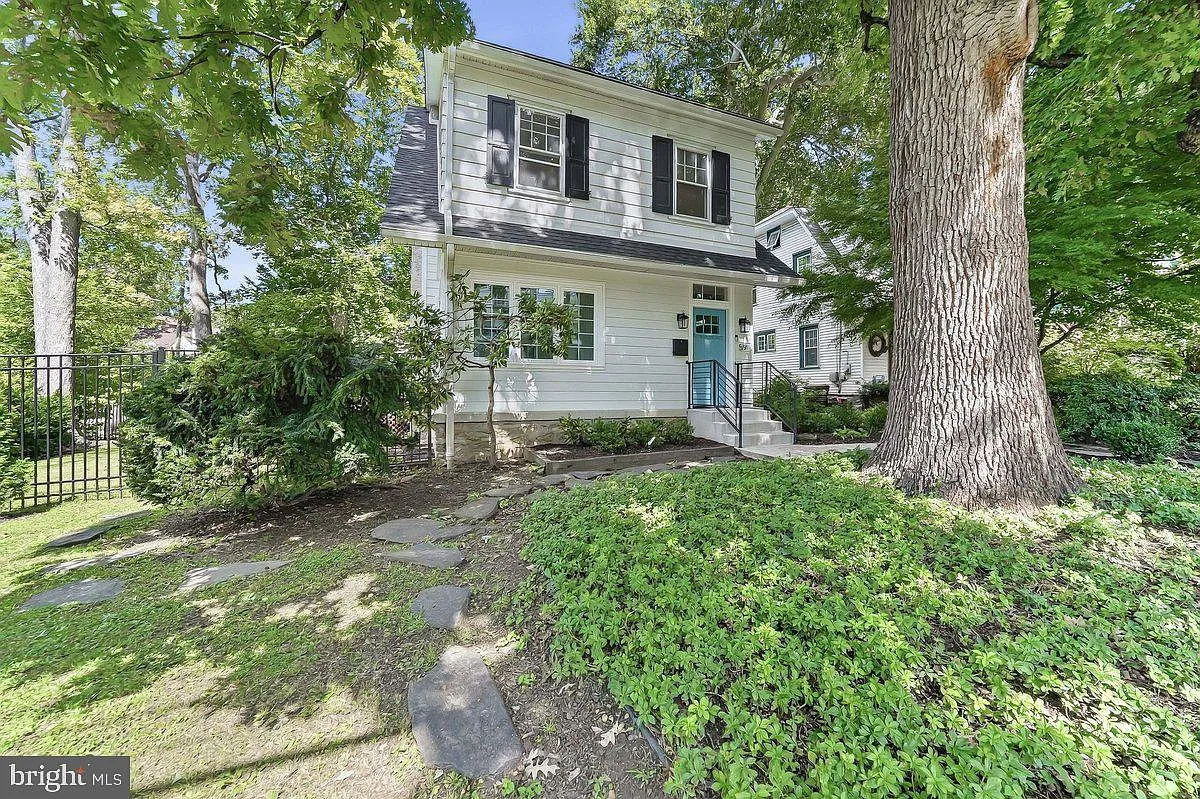
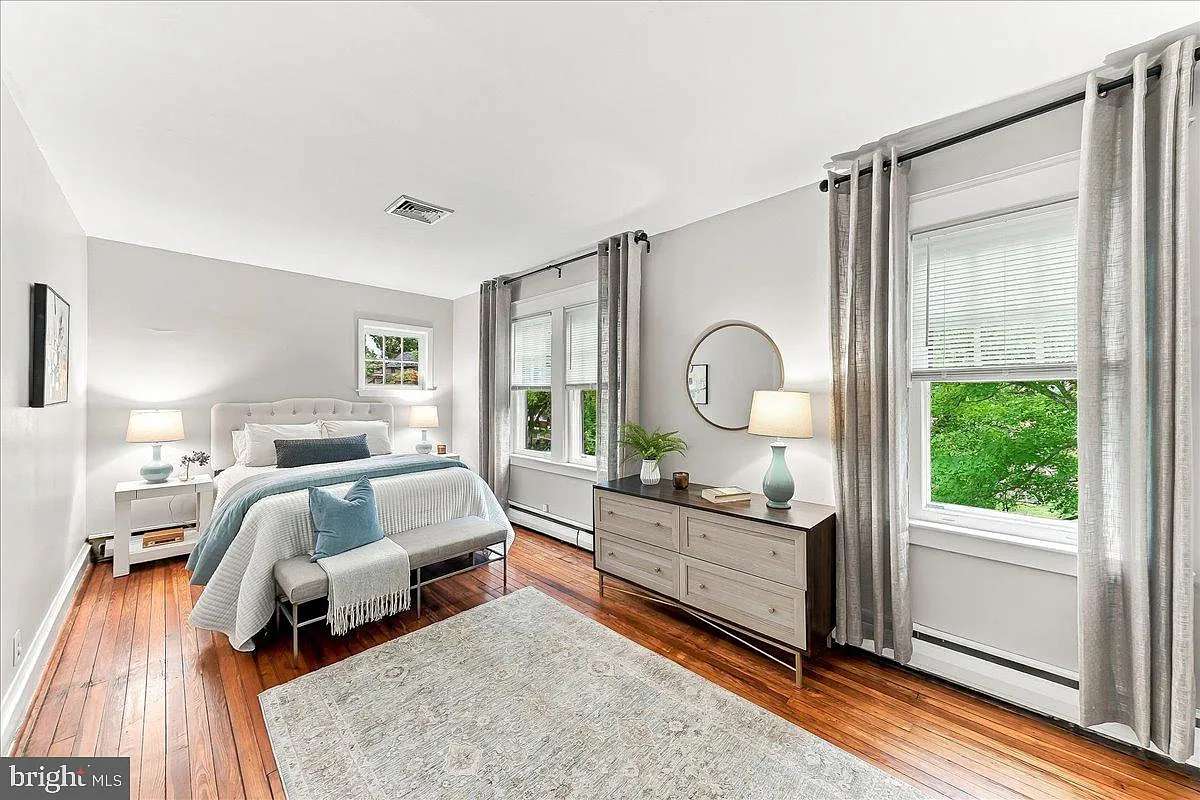
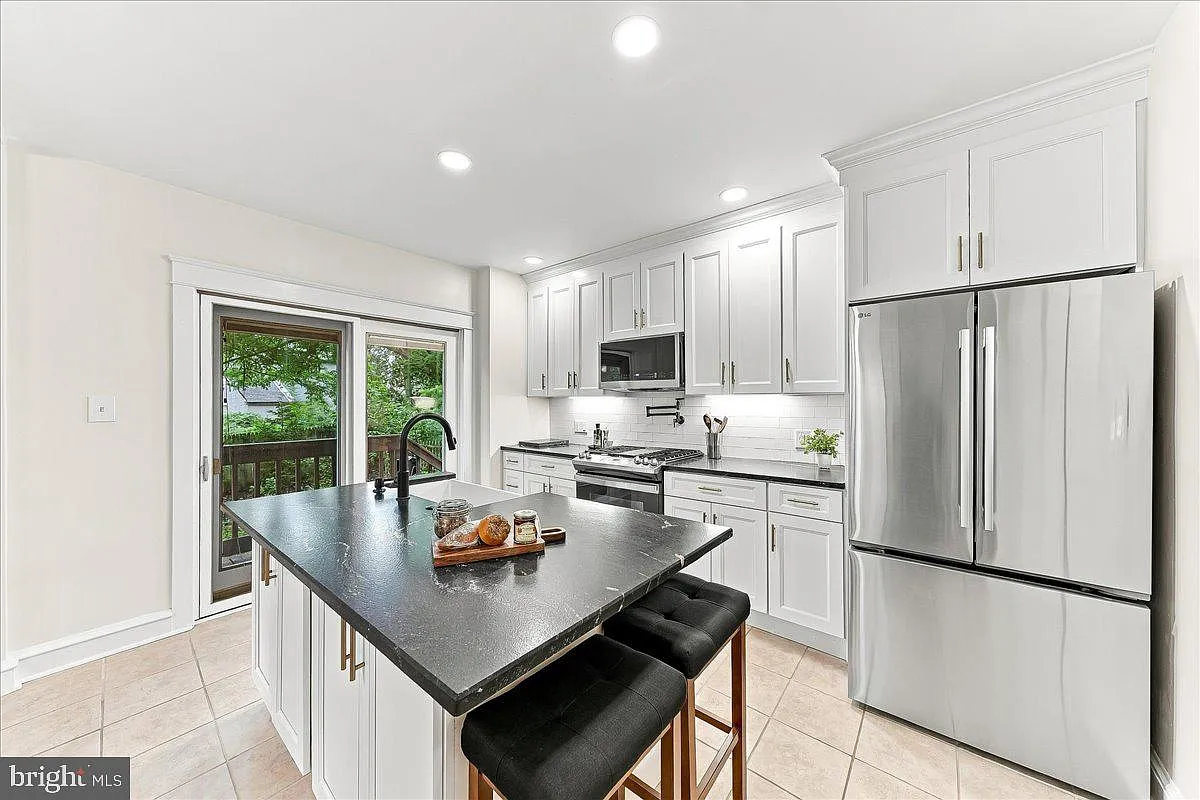
Bell Elite Senior Living — a nurse-led, family-owned personal care home in Lansdowne, PA. Warm living spaces, private bedrooms, and a chef's kitchen — come see the difference.
The Invisible Vulnerability of Aging Skin and Why It Matters
Have you ever noticed how a simple scratch on your loved one’s arm seems to linger for weeks instead of healing in days? It is a common realization for many families across Delaware County, Pennsylvania, when they suddenly notice that the vibrant, resilient skin their parents once had has become as fragile as tissue paper. As a nurse, I often tell families that skin is actually the largest organ of the body, yet it is frequently the most overlooked until a crisis occurs. When we talk about wound care for the elderly, we are not just talking about bandages and ointments, but rather we are discussing a complex biological process that slows down significantly as the years pass by.
Imagine this: your mother is reaching for a glass of water in her kitchen in Media, and her arm lightly brushes against the edge of the granite countertop. In her younger years, this might have caused a faint red mark that vanished by dinner, but now, it results in a jagged skin tear that bleeds persistently and refuses to close. This happens because the epidermis thins by nearly 20 percent as we age, leaving the underlying blood vessels exposed and the structural integrity of the skin compromised. When you are looking at these changes, it is natural to feel a sense of protectiveness and even a bit of fear regarding what might happen next.
Is it possible that the environment in Pennsylvania plays a role in this delicate balance? Our local climate, with its humid summers and bone-dry winters, can be particularly harsh on senior skin, often leading to chronic dryness that invites cracking and infection. For families in Havertown or Upper Darby, keeping an eye on these environmental factors is just as important as monitoring medications. We must understand that aging skin loses its sebaceous glands and its ability to retain moisture, which means the natural barrier that protects us from the outside world is constantly under siege.
Speak With Our Nursing Team
We help Pennsylvania families navigate senior care decisions with compassion and clinical expertise.
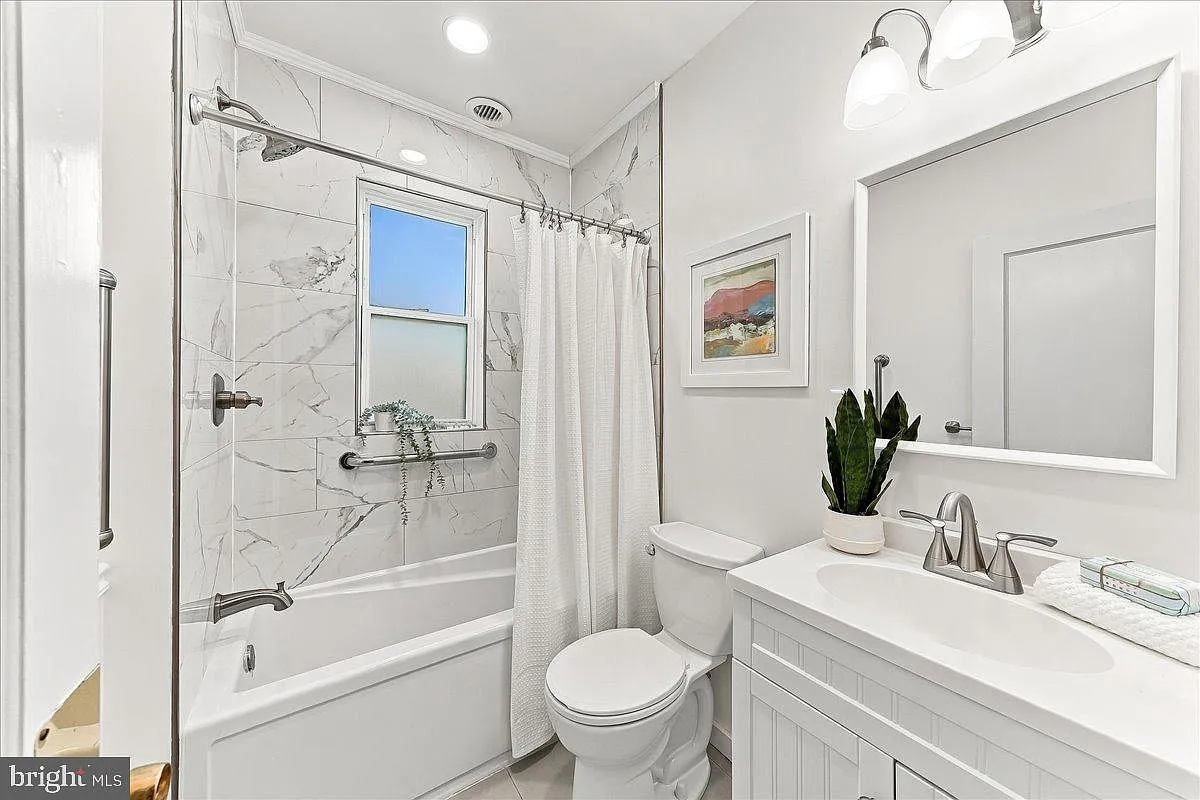
Private bedrooms and accessible bathrooms, designed for safety, comfort, and dignity.
Q: Is it normal for skin to get paper-thin as we age? Yes, it is a very common biological shift known as dermatoporosis. As we grow older, the collagen and elastin fibers that provide strength and elasticity begin to break down, and the fatty layer beneath the skin that acts as a cushion starts to disappear. This makes the skin much more susceptible to tearing from even the slightest friction or pressure, which is why specialized care and gentle handling become so critical in a personal care home setting.
Do you ever wonder why a small wound seems to cause so much systemic fatigue in your elderly relative? The body has to divert a massive amount of energy and resources to repair even a minor injury, and for a senior whose "tank" might already be low, this can be exhausting. When we see a wound that won't heal, it is often a signal that something deeper is happening within the body’s internal systems. It might be a sign of poor circulation, nutritional gaps, or even the early stages of a more significant health decline. At Bell Elite Senior Living, we prioritize these observations because a nurse’s eye can catch the subtle shifts that a casual observer might miss.
Q: What are the most common types of wounds that caregivers should watch for? The most frequent issues we see include pressure ulcers, which occur from sitting or lying in one position for too long, and venous stasis ulcers, which are caused by poor circulation in the legs. Additionally, skin tears from accidental bumps and diabetic foot ulcers are very common and require immediate clinical attention to prevent complications like cellulitis or bone infections. Each of these requires a different approach to treatment, which is why having a professional assessment is so important for residents in the Philadelphia suburbs.
Recognizing the Red Flags Before They Become Emergencies
Speak With Our Nursing Team
We help Pennsylvania families navigate senior care decisions with compassion and clinical expertise.
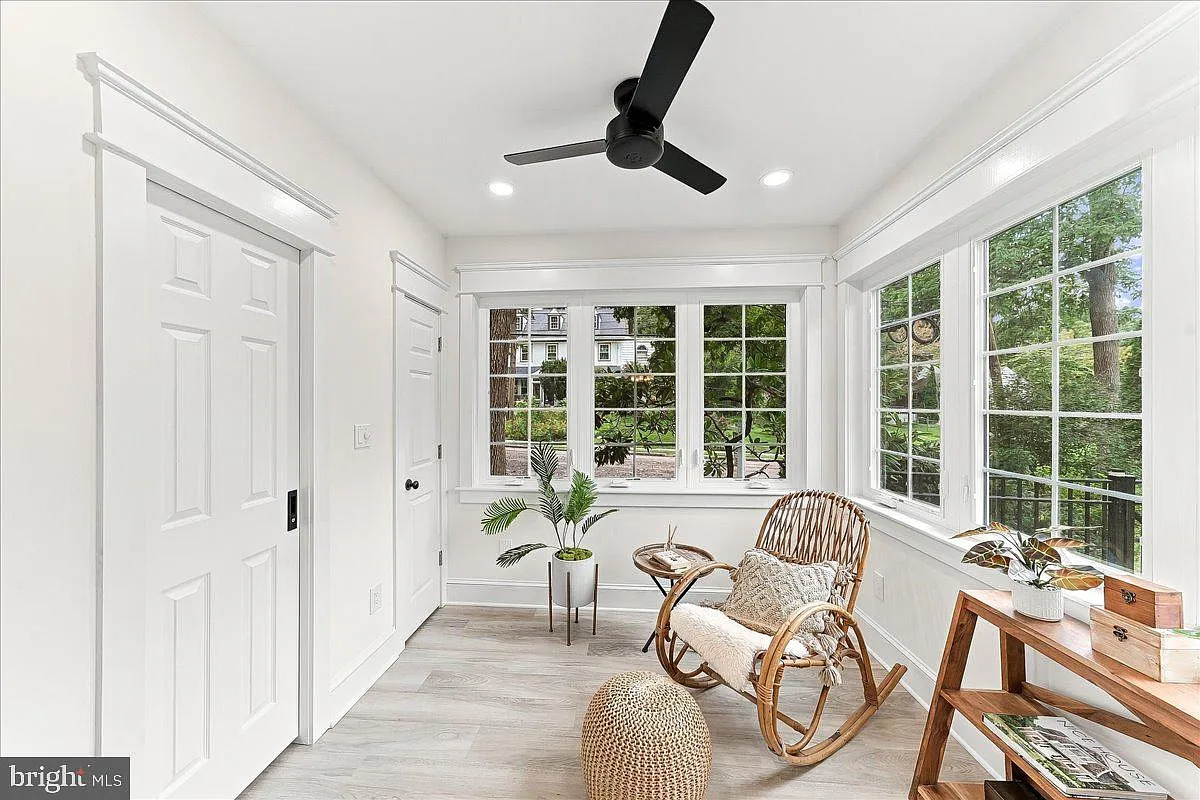
Home-cooked meals in our chef's kitchen and peaceful moments in the sunroom — life at Bell Elite.
Do you find yourself holding your breath every time you help your parent change their clothes, fearing you might find a new bruise or a red mark that wasn’t there yesterday? That anxiety is something many caregivers in Springfield and Broomall share, and it stems from a place of deep love and responsibility. Picture this scenario: you are helping your father put on his socks and you notice a small, dusky purple spot on his heel that doesn’t turn white when you press it. This is what we call a non-blanchable erythema, and it is the body’s first loud scream that a pressure injury is forming. If we catch it here, we can often reverse the damage, but if it goes unnoticed, it can quickly progress into a deep, painful wound that takes months to heal.
How often are we actually checking those "hidden" spots like the tailbone, the backs of the knees, or the areas behind the ears where oxygen tubing might rest? In the hustle of daily life, it is easy to miss these zones, yet they are the primary sites for skin breakdown. We have to be detectives in our own homes, looking for changes in temperature, such as a patch of skin that feels unusually hot or cold, or changes in texture, like skin that feels "boggy" or soft like a overripe peach. Statistically, over 2.5 million people in the United States develop pressure sores every year, and the vast majority of these cases are among the elderly population.
Q: What does it mean if a wound has a strange odor even if it doesn't look bad? An unusual or foul odor is often one of the first signs of a bacterial imbalance or a localized infection. Even if the wound looks small on the surface, a scent can indicate that bacteria are active beneath the skin or within the wound bed itself. It is never something to ignore or try to "wash away" with soap and water, as it requires a clinical evaluation to determine if antibiotics or specialized dressings are needed to manage the bioburden.
Have you ever noticed a wound that seems to be covered in a yellowish, stringy material that won't come off with a simple rinse? This is called slough, and it acts like a literal lid on a box, preventing the healthy new tissue from growing underneath. In our nurse-led environment at Bell Elite Senior Living, we know that removing this debris safely is essential for healing, but it must be done with precision to avoid damaging the fragile "granulation" tissue that looks like tiny red pebbles. If you see this at home, it is a clear sign that the wound has stalled and needs professional intervention from someone familiar with Pennsylvania’s high standards for clinical care.
Q: Why do some wounds look like they are getting larger even when we are treating them? This is a frustrating phenomenon known as "debridement" or "opening up," where the true extent of the damage is finally revealed once the dead tissue is removed. Sometimes, a wound that looks small on the surface is actually like an iceberg, with significant damage hidden underneath the top layer of skin. While it can be frightening to see a wound grow in size, it is often a necessary part of the process to get down to healthy, living tissue that is capable of closing.
Speak With Our Nursing Team
We help Pennsylvania families navigate senior care decisions with compassion and clinical expertise.
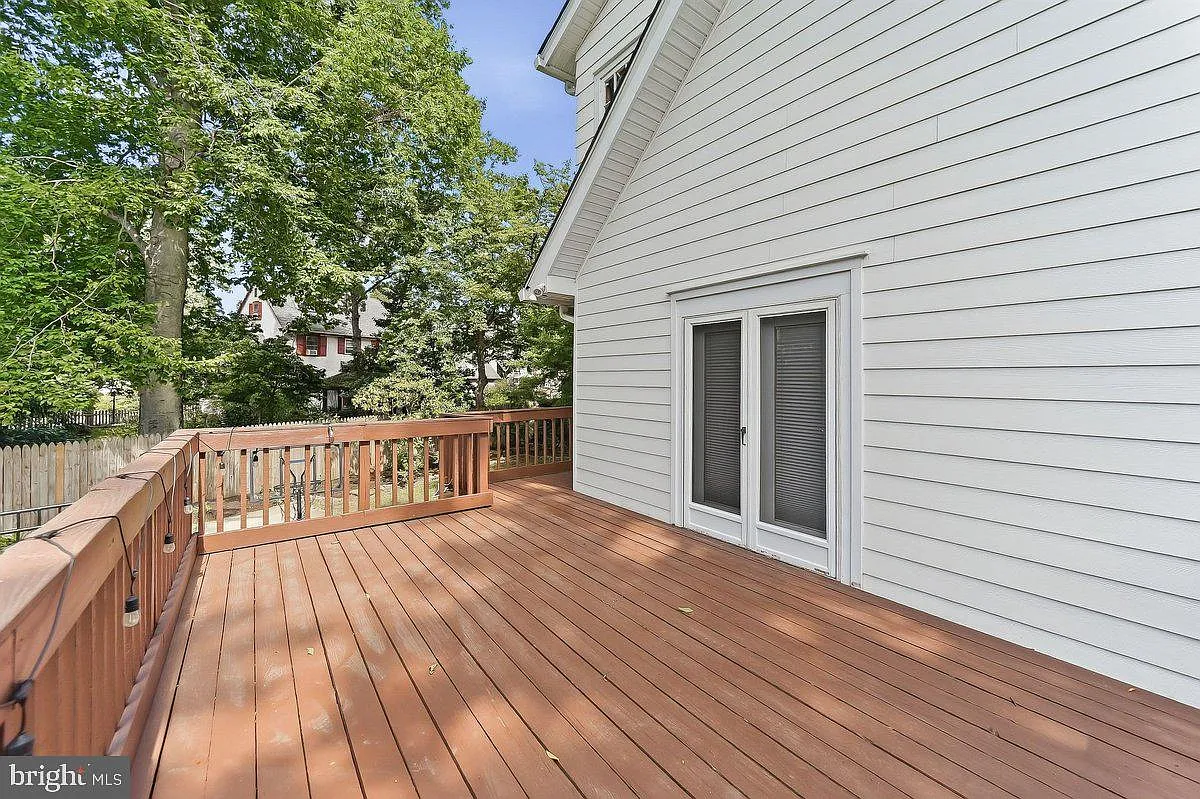
Gather in our warm living room or enjoy fresh air on the deck — every space feels like home.
Have questions about personalized care options? Bell Elite Senior Living's nursing team is ready to help. Call (484) 356-1070 or schedule a free consultation today.
The Vital Connection Between Nutrition and Wound Recovery
Could the secret to healing a stubborn wound actually be hidden in your loved one’s kitchen pantry rather than their medicine cabinet? This is a question I ask families frequently because even the most expensive silver-infused bandages cannot work miracles if the body doesn't have the building blocks it needs to rebuild tissue. Imagine the body as a construction site where a wall has fallen down; if the delivery trucks stop bringing bricks and mortar, the workers cannot finish the job. For seniors in Delaware County, ensuring that those "delivery trucks" are full of protein, vitamins, and minerals is the most important step in any wound care plan.
Why is it that so many seniors lose their appetite just when they need nutrition the most? We often see this in residents from Drexel Hill or Swarthmore who may be struggling with loneliness or the side effects of medications. When the body is trying to heal a wound, its demand for calories and protein skyrockets, sometimes requiring up to 50 percent more protein than a healthy adult would typically need. If they are only eating tea and toast, the body will actually start breaking down its own muscle mass to try and heal the skin, which leads to a dangerous cycle of weakness and further skin breakdown.
Q: Which specific vitamins are most important for skin healing in the elderly? Vitamin C is crucial because it helps the body produce collagen, which is the "glue" that holds skin cells together. Zinc is another powerhouse that plays a major role in cell division and protein synthesis. Additionally, Vitamin A helps to stimulate the early inflammatory response that kicks off the healing process, and Vitamin E helps protect the new cell membranes from damage. A balanced diet focused on these micronutrients can significantly shorten the time a wound remains open.
Have you ever watched how much water your loved one actually drinks in a day? Dehydration is a silent enemy of wound care because water is the medium that carries oxygen and nutrients to the wound site and whisks away the waste products. For a senior living in the Philadelphia suburbs, where the air can be dry, staying hydrated is a constant battle. If the skin is dehydrated, it becomes less pliable and more likely to crack under pressure, much like a dry sponge that crumbles when you bend it. We encourage a "sip-by-sip" approach throughout the day at Bell Elite Senior Living to ensure that the skin stays hydrated from the inside out.
Q: My loved one has diabetes; does that change how we look at their diet for wound care? Absolutely, as high blood sugar levels can actually paralyze the white blood cells that are supposed to fight off infection. When blood sugar is poorly controlled, it also narrows the small blood vessels, making it even harder for blood to reach the extremities like the feet. For a diabetic senior, wound care is a delicate dance between providing enough calories for healing while keeping blood sugar levels within a tight range to prevent the "sugar-coating" of cells that stalls the entire recovery process.
The Challenges of Home Care and the Threshold for Professional Help
How do you know when a small bandage at home is no longer enough to protect your family member from a serious infection? This is perhaps the most difficult question for family caregivers in places like Havertown or Broomall, where the desire to keep a parent at home often clashes with the reality of complex medical needs. Imagine the stress of trying to perform a sterile dressing change on a restless parent who doesn't understand why you are touching a painful area. The emotional toll of being both the "child" and the "nurse" can lead to burnout that affects the health of everyone in the household.
Is it realistic to expect a family member to manage specialized equipment like negative pressure wound therapy or "wound vacs" without professional training? These devices are incredibly effective, but they require constant monitoring and troubleshooting that can be overwhelming for someone who isn't a licensed clinician. In Pennsylvania, personal care homes like Bell Elite Senior Living bridge this gap by providing professional oversight in a setting that still feels like a home. When the technical requirements of wound care begin to overshadow the quality of the time you spend together, it is often a sign that a higher level of care is necessary for the safety of your loved one.
Q: What are the specific signs that a wound is becoming infected? You should look for the "classic five" signs: increased redness spreading away from the wound, localized heat, new or worsening pain, swelling, and the presence of pus or cloudy drainage. Systemic signs like a fever, chills, or sudden confusion (which is a very common sign of infection in seniors) are urgent red flags that require immediate medical attention. In Delaware County, we take these signs very seriously because an infection can turn into sepsis, a life-threatening condition, much faster in an elderly person than in a younger adult.
Have you considered how much the physical environment of a home can contribute to wound risks? A beautiful old home in Media might have narrow hallways or steep stairs that increase the risk of falls and subsequent skin tears. Furthermore, if a senior is spending most of their time in a standard recliner that isn't designed for pressure relief, they are at a much higher risk for "bottom-up" skin damage. Professional care settings are specifically designed with flooring, furniture, and lighting that minimize these risks, providing a layer of protection that is difficult to replicate in a traditional private residence.
Q: How do I talk to my parent about moving to a personal care home because of their medical needs? It is best to approach the conversation from a place of partnership and safety rather than "taking away" their independence. You might say, "I want to make sure you have the best possible care so that your leg can finally heal and you can get back to doing the things you love." Emphasizing that a nurse-led home like Bell Elite Senior Living can provide the specialized attention that is currently missing often helps them see the transition as a way to improve their quality of life rather than a loss of it.
Ready to explore tailored care solutions? Speak with our coordinators at Bell Elite. Phone: (484) 356-1070 • Request a tour
The Nurse-Led Strategy for Prevention and Long-Term Skin Integrity
What if I told you that the most powerful tool in wound care isn't a high-tech cream, but the simple act of regular movement and repositioning? In the world of nursing, we often say that "motion is lotion" for the joints and the skin. For someone who spends the majority of their day in a wheelchair or bed in a Chester County or Montgomery County residence, the pressure on the skin can actually cut off the blood supply to the tissues in as little as two hours. This is why a structured turning schedule is the cornerstone of any high-quality care plan, ensuring that no single area of the body bears the weight for too long.
Imagine a specialized care team that views every bath and every dressing change as an opportunity for a full-body assessment. At Bell Elite Senior Living, our nurse-led approach means that we aren't just looking at the wound; we are looking at the whole person. We examine the fit of their shoes to prevent blisters, we check the moisture levels of their skin to prevent cracking, and we monitor their mobility to ensure they are getting the right amount of activity. Research shows that consistent repositioning can reduce the incidence of pressure ulcers by up to 50 percent, making it one of the most effective "medicines" we have in our toolkit.
Q: How often should someone be moved if they spend most of their day in a recliner? Generally, we recommend a "micro-shift" every fifteen to thirty minutes and a complete change of position at least every two hours. Even a small shift in weight can allow blood to flow back into compressed tissues. For those with high risk, specialized pressure-redistributing cushions and mattresses are essential tools that we utilize to ensure that the pressure is spread across a larger surface area rather than concentrated on bony prominences like the hips or tailbone.
Do you ever worry that your loved one is being "over-medicated" or that their skin is reacting to a new prescription? In a nurse-led personal care home, we have the clinical expertise to recognize when a medication might be causing skin thinning or increased bruising. For example, certain blood thinners or steroids, which are common for seniors in Pennsylvania, can significantly impact how the skin responds to trauma. We work closely with physicians to balance these necessary medications with the need for skin protection, ensuring a holistic approach that a non-clinical setting might lack.
Q: Can specialized clothing really help prevent skin tears? Yes, there are many innovative products like "skin sleeves" or padded protectors for the shins and forearms that can provide a much-needed layer of defense. These are especially helpful for seniors who may be prone to bumping into furniture or who have very fragile skin due to long-term medication use. We also recommend smooth, moisture-wicking fabrics that reduce friction and "shear," which is the damaging force that occurs when the skin stays in place but the underlying bone and muscle move.
Finding Peace of Mind and Restoring the Family Bond
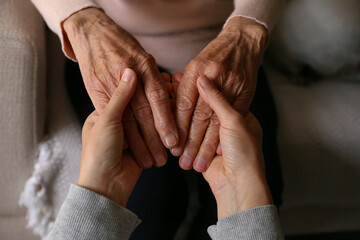
Are you ready to stop being the full-time wound technician and go back to being the loving daughter or son again? This is the ultimate goal of Bell Elite Senior Living. When a family in Delaware County chooses a nurse-led, family-owned home, they are choosing to hand over the clinical burdens so they can focus on the emotional connection. Picture yourself walking into your mother's room and instead of immediately asking about her bandages or looking at the drainage on her dressing, you can simply sit down, hold her hand, and talk about the family news in Media or the upcoming community events in Swarthmore.
Why does the "family-owned" aspect of a personal care home make such a difference in wound care? In a larger, corporate facility, care can sometimes feel transactional or governed by rigid, distant protocols. In a family-owned setting like ours, there is a level of accountability and heart that mirrors the care you would provide yourself. We know our residents' stories, their favorite snacks, and exactly how they like their pillows positioned, which all contribute to the low-stress environment that is scientifically proven to enhance the healing process.
Q: How do Pennsylvania state regulations protect my loved one in a personal care home? Pennsylvania has strict standards for personal care homes regarding staffing, safety, and the documentation of medical care. These regulations ensure that residents receive a baseline of high-quality supervision and that any changes in health status are reported and addressed promptly. At Bell Elite Senior Living, we often exceed these standards because our nurse-led leadership understands that "compliance" is just the starting point for truly exceptional care.
Have you considered the psychological impact that a chronic wound has on a senior? It can be incredibly isolating to feel that your body is "failing" or to be embarrassed by the appearance or smell of a wound. By providing a community where they are surrounded by peers and supported by a compassionate clinical team, we help restore their dignity and their sense of self. We celebrate the small victories, like a wound that has decreased in size by a few millimeters or a day when a resident felt strong enough to walk to the dining room for lunch.
Q: What should I look for during a tour to know if a home is good at wound care? Look for a clean, odor-free environment and ask specifically about their nursing oversight. You should inquire about how they handle dressing changes, who performs the skin assessments, and how they communicate with the resident's primary doctor. A quality home will be transparent about their protocols and should be able to explain how they tailor their care to each individual's unique skin needs. At Bell Elite Senior Living, we welcome these questions because we are proud of the meticulous, nurse-driven care we provide every single day.
When you think about the future of your family member, remember that you don't have to carry the weight of their medical needs alone. The journey of aging comes with many challenges, and skin health is just one of them, but with the right team by your side, it is a challenge that can be managed with grace and expertise. We invite you to reach out and see how our specialized approach can provide the healing environment your loved one deserves, right here in the heart of Delaware County. Bell Elite Senior Living is more than just a place to stay; it is a place where health is prioritized, and families are supported with every step and every bandage along the way.
A Glimpse Inside Bell Elite
A warm, family-like residence — not an institution. Every space is designed for comfort, safety, and dignity.
Ready to Take the Next Step?
Bell Elite Senior Living is a nurse-led, family-owned personal care home in Delaware County, Pennsylvania. We're here to help.
Proudly Serving Families Across the Greater Philadelphia Region
Bell Elite Senior Living is a nurse-led, family-owned personal care home located in Delaware County, Pennsylvania — and we proudly serve families from across the entire Greater Philadelphia area and surrounding communities. Whether you are searching for a personal care home in Delaware County PA, exploring senior living options near Philadelphia, or looking for compassionate elder care for a loved one in Montgomery County, Bucks County, or Chester County, our team is here to help guide you through every step of the decision.
Families come to Bell Elite from throughout Philadelphia and its suburbs — including Upper Darby, Havertown, Drexel Hill, Broomall, Swarthmore, Media, Springfield, Lansdowne, Darby, Collingdale, and Sharon Hill in Delaware County; Ardmore, Norristown, Lansdale, Cheltenham, Abington, Blue Bell, Jenkintown, Ambler, and Horsham in Montgomery County; Doylestown, Newtown, Langhorne, Bristol, Yardley, Quakertown, and Levittown in Bucks County; and West Chester, Malvern, Exton, Downingtown, Phoenixville, Coatesville, and Paoli in Chester County. We are also a trusted resource for families in South Jersey communities such as Cherry Hill, Voorhees, Marlton, Moorestown, Mount Laurel, Haddonfield, Collingswood, and Camden County who are seeking high-quality personal care across the river in Pennsylvania. Families from Wilmington, Newark, and New Castle County, Delaware also regularly choose Bell Elite for its clinical excellence and intimate, home-like setting.
Our central location in Delaware County puts us within easy reach of Center City Philadelphia, the Main Line, South Philadelphia, Northeast Philadelphia, and the Philadelphia suburbs — making visits from family members throughout the region straightforward and stress-free. We understand that choosing the right personal care home is one of the most important decisions a family will make, and distance should never be a barrier to accessing exceptional, nurse-led care.
Frequently Asked Questions About Our Service Area
Does Bell Elite Senior Living serve families from Philadelphia?
Yes. Bell Elite Senior Living is located in Delaware County, PA, just minutes from Philadelphia. We regularly welcome residents and their families from across Philadelphia, including South Philly, Northeast Philadelphia, Kensington, Germantown, and Center City.
Do you accept residents from Montgomery County, PA?
Absolutely. We serve families throughout Montgomery County including Norristown, Ardmore, Lansdale, Cheltenham, Blue Bell, Jenkintown, and Ambler. Our nurse-led care model is a popular choice for families across the Philadelphia suburbs.
Can families from Bucks County place a loved one at Bell Elite?
Yes. Many of our residents come from Bucks County communities such as Doylestown, Newtown, Yardley, Langhorne, and Bristol. Our facility is easily accessible from Route 1 and I-95 corridors.
Do you serve Chester County families looking for personal care?
Yes. Families from West Chester, Malvern, Exton, Downingtown, Phoenixville, Paoli, and Coatesville in Chester County frequently choose Bell Elite for our small resident count, clinical oversight, and personalized care plans.
Is Bell Elite an option for families in South Jersey near Philadelphia?
Yes. Many families from Cherry Hill, Voorhees, Marlton, Mount Laurel, Haddonfield, Moorestown, and Camden County in New Jersey choose Bell Elite Senior Living in nearby Delaware County, PA for its nurse-led care and welcoming environment.
Do you accept residents from Delaware (Wilmington, Newark, New Castle County)?
Yes. Families from Wilmington, Newark, Middletown, and throughout New Castle County, Delaware have placed loved ones at Bell Elite. Our location in Delaware County, PA makes us a convenient and high-quality option for Delaware families seeking nurse-led personal care.
How do I find out if Bell Elite can serve my family's location?
Call us at (484) 356-1070 or visit our contact page. We serve the entire Greater Philadelphia region and surrounding areas and are happy to discuss your specific situation, schedule a tour, and answer any questions about our care services.
Related Articles


Related Care Services at Bell Elite
Our nurse-led personal care home in Lansdowne, PA offers specialized services for seniors across the Greater Philadelphia region.
Personal Care Home Near You
Bell Elite is located in Lansdowne, PA — minutes from Philadelphia. See care details for your community:
Have Questions After Reading?
Our nursing team offers free, no-pressure consultations for Pennsylvania families.
Talk to a nurse, not a salesperson. Our team includes RNs, LPNs, a PMHNP, and Family Nurse Practitioners.