

When Your Loved One Says 'I'm Fine': Recognizing Hidden Decline in Seniors
Bell Elite Senior Living — a nurse-led, family-owned personal care home in Lansdowne, PA. Warm living spaces, private bedrooms, and a chef's kitchen — come see the difference.
The Quiet Resilience of the "I’m Fine" Response
Have you ever walked away from a Sunday dinner in Media or Havertown feeling like something was just slightly off, even though your mother insisted she was doing great? It is a scenario that plays out in living rooms across Delaware County every single day. Picture this: you arrive at your parent’s home, the same house where you grew up, expecting the usual warmth and order, but instead, you notice a stack of unopened mail on the sideboard and a strange, faint odor coming from the kitchen. When you gently ask how things are going, your loved one looks you in the eye with a practiced smile and says those two heavy words: "I'm fine." But as a nurse who has spent years looking past the surface, I can tell you that over 70 percent of seniors will eventually require some form of long-term care, yet many will spend months or even years masking their struggles to maintain a sense of autonomy. Why is it so difficult for our elders to admit they need a helping hand? Could it be that they are not just trying to convince you, but are also trying to convince themselves that they still have everything under control?
Q: Why do seniors often hide their symptoms or decline from their family members? The primary driver behind this behavior is almost always the fear of losing independence. For many seniors in the Philadelphia suburbs, their home is their sanctuary and their identity, and admitting to a struggle feels like handing over the keys to their freedom. They may also feel a deep sense of guilt about becoming a burden to their children, who are already juggling careers and families of their own. This internal pressure leads them to develop sophisticated "masking" techniques, such as avoiding certain topics, limiting their movements during visits, or even cleaning just the areas they know you will see.
When we talk about hidden decline, we are looking at a complex psychological landscape where pride and fear intersect. Do you think it is possible that your loved one sees their struggle as a personal failure rather than a natural biological process? Imagine the mental energy it takes for a senior in Drexel Hill to navigate a steep staircase when their knees are screaming in pain, all while trying to keep their breathing steady so you do not hear them gasping for air. This "masking" is a testament to their strength, but it is also a dangerous barrier to getting the support they truly deserve. Research shows that early intervention in senior care can significantly improve long-term health outcomes, yet the "I'm fine" wall often delays that intervention until a crisis occurs. How many times have we seen a simple trip and fall become the catalyst for a total life change, simply because the precursor signs were ignored or hidden?
Speak With Our Nursing Team
We help Pennsylvania families navigate senior care decisions with compassion and clinical expertise.
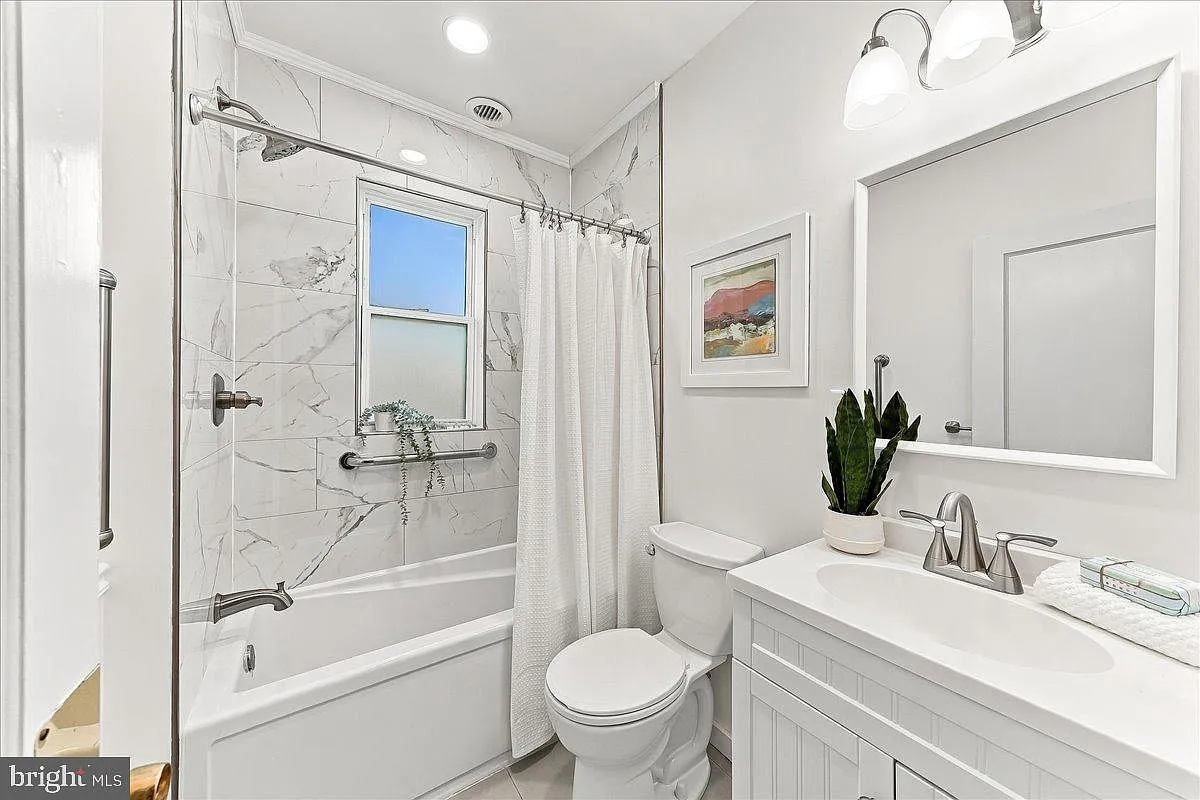
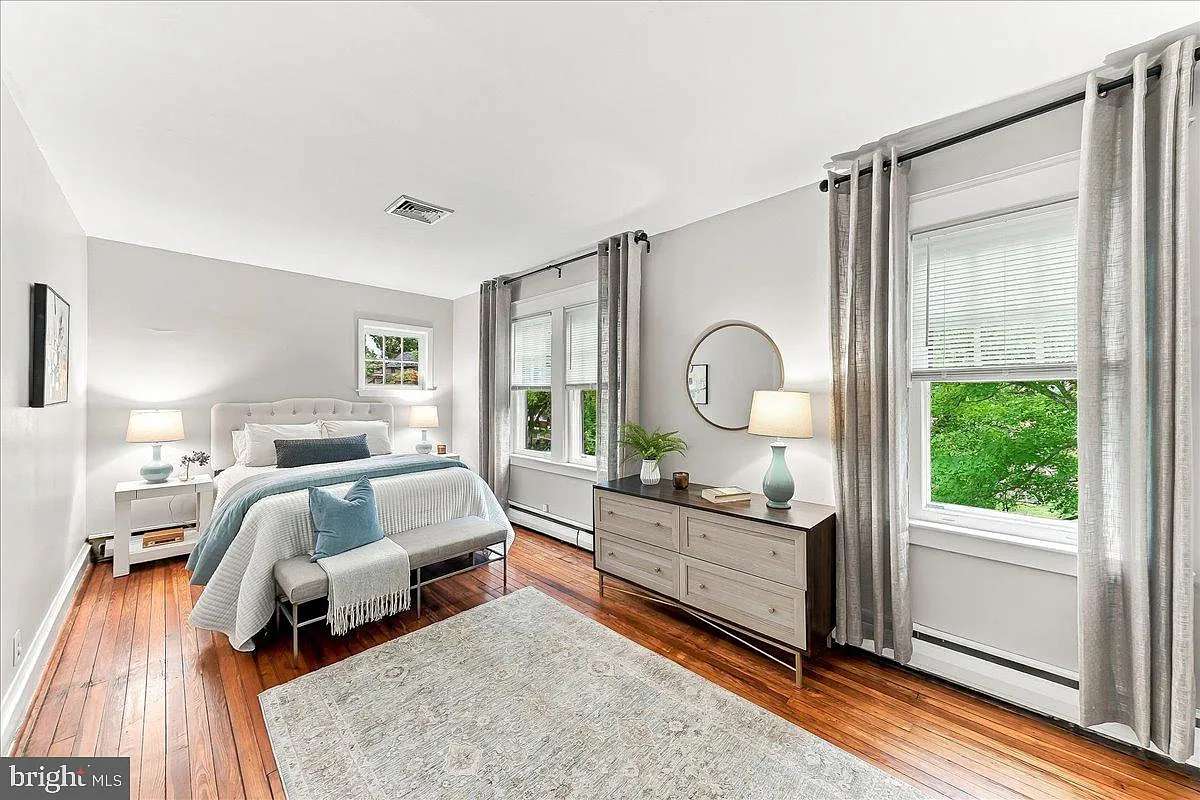
Private bedrooms and accessible bathrooms, designed for safety, comfort, and dignity.
As a family member, you are in a unique position to see the cracks in the armor, but it requires a level of observation that goes beyond a casual chat. Are you looking at the way they hold their coffee mug, or noticing if they seem to be wearing the same outfit two days in a row? At Bell Elite Senior Living, we understand that these subtle shifts are often the most telling indicators of a need for more structured support. We see the relief on the faces of families when they realize they no longer have to be the "detective" in their parent's life. Instead of spending your visits checking the fridge and the medicine cabinet, you can go back to being the daughter or the son. Is it time to stop taking "I'm fine" at face value and start looking at the reality of the situation? We believe that every senior deserves to live with dignity, which often starts with a nurse-led approach that recognizes the difference between "getting by" and truly thriving. If you are feeling that tug of intuition that something isn't right, you are likely correct, and it is never too early to start exploring what a supportive environment could look like.
The Physical Telltales and the Weight of Silence
What happens when the daily routines that once felt effortless begin to feel like a mountain your loved one can no longer climb? The physical signs of decline are often the first to manifest, yet they are also the easiest for a senior to explain away with a quick joke or a shrug. Imagine visiting your father in Springfield on a humid Pennsylvania afternoon and noticing he has lost a significant amount of weight, even though he claims his appetite is better than ever. You might see a bruise on his forearm that he says he "just got from the garden," but your gut tells you it looks more like a fall he hasn't mentioned. Are you noticing a change in the way they move, perhaps a slight shuffle or a tendency to hold onto furniture as they navigate the hallway? According to the CDC, one out of four older adults falls each year, but less than half tell their doctor, often because they fear it will lead to a loss of their driving privileges or their home.
Q: Is weight loss a normal part of aging, or should I be concerned? While some metabolic changes occur as we age, significant or rapid weight loss is never "normal" and should be treated as a major red flag. It often indicates a variety of underlying issues, ranging from difficulty standing long enough to cook a meal, to cognitive changes that cause them to forget to eat, or even dental problems that make chewing painful. In a nurse-led setting like Bell Elite Senior Living, we monitor nutritional intake closely because we know that poor nutrition leads to muscle wasting, which directly increases the risk of debilitating falls.
Speak With Our Nursing Team
We help Pennsylvania families navigate senior care decisions with compassion and clinical expertise.
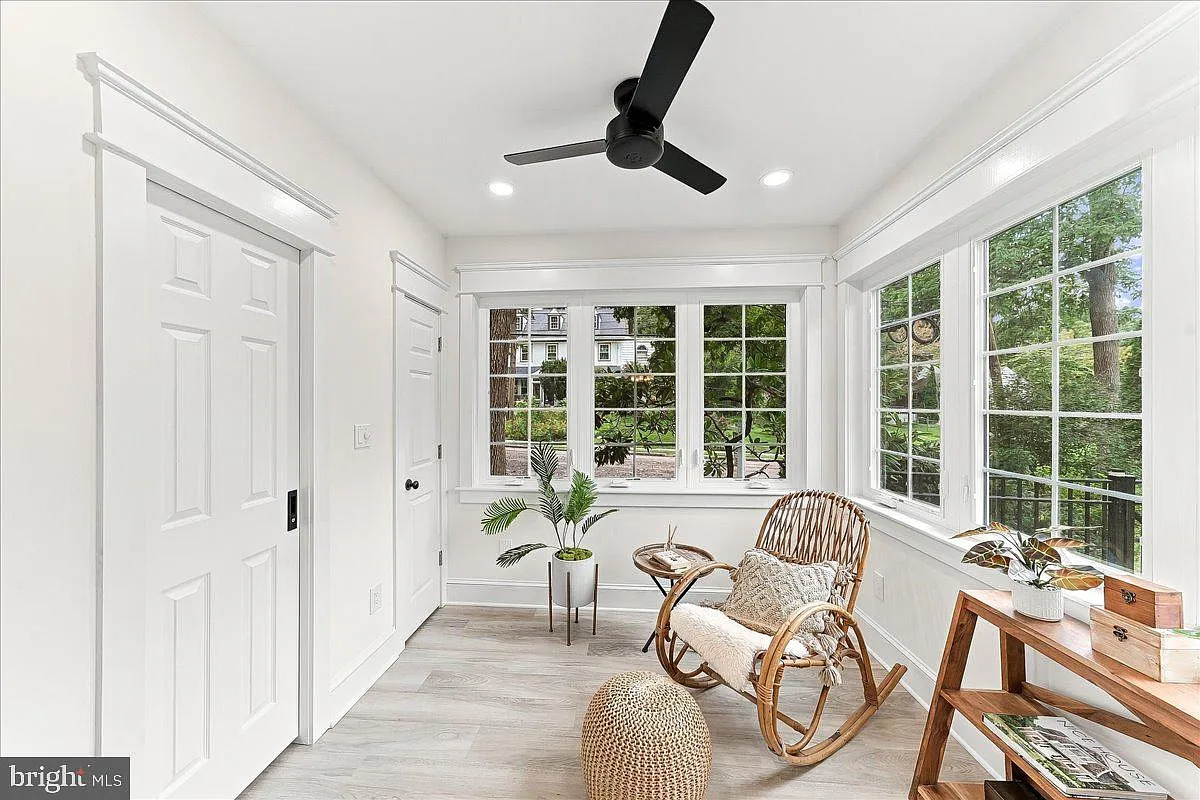
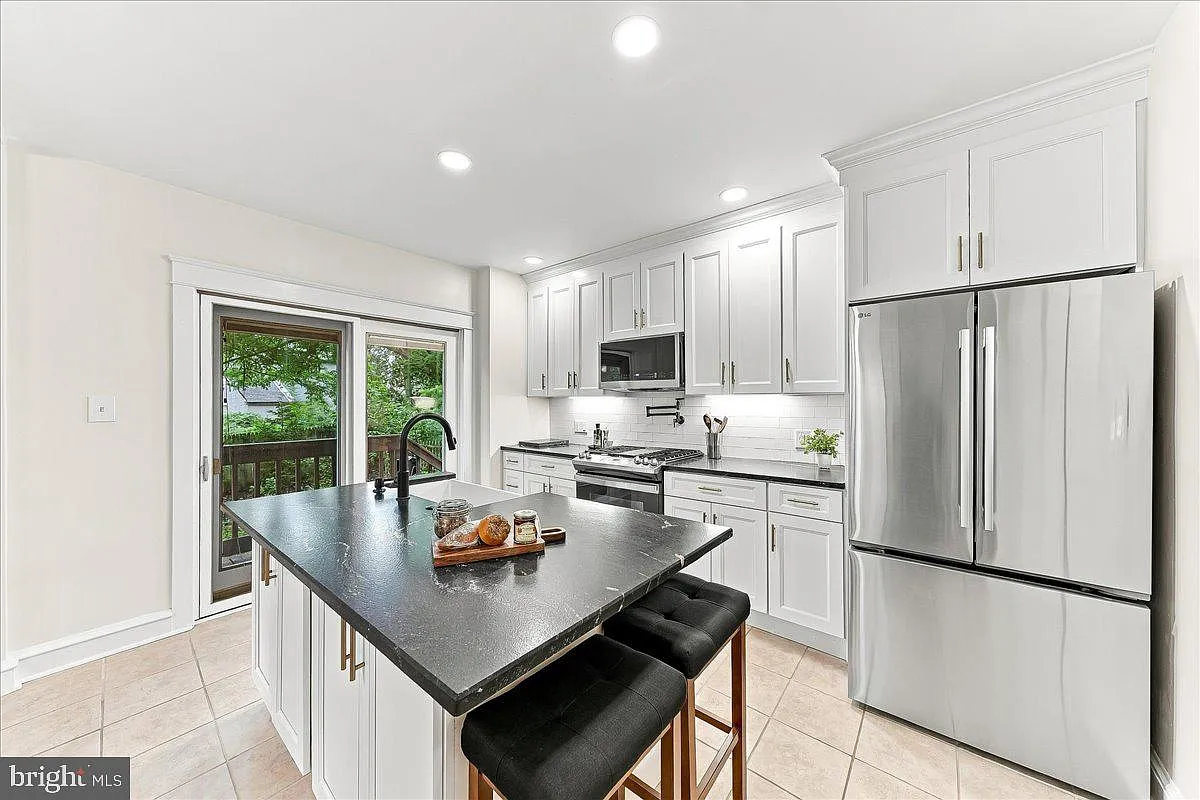
Home-cooked meals in our chef's kitchen and peaceful moments in the sunroom — life at Bell Elite.
Physical decline is rarely a straight line; it is often a series of small, jagged dips that eventually accumulate into a state of frailty. Have you noticed if your loved one’s personal hygiene has started to slip? Perhaps the hair isn't as neat as it used to be, or there is a subtle, lingering scent of unwashed clothes. This isn't laziness: it is often a sign that the physical act of bathing has become frightening or exhausting. Many seniors in Delaware County live in older homes with high-walled tubs that are notoriously difficult to navigate as balance declines. When a senior says "I'm fine," they might mean they managed to get through the day without a disaster, but are they actually maintaining the standard of living they enjoyed five years ago?
The eyes can also tell a story that the words refuse to voice. Do they seem to be squinting more, or have they stopped reading the local paper because the exertion is too much? Vision and hearing loss are major contributors to social isolation and cognitive decline, yet many seniors resist hearing aids or new prescriptions because they see them as symbols of "getting old." Picture the frustration of sitting at a family gathering in Broomall and only catching every third word of the conversation. Eventually, it becomes easier to just nod and say nothing, which leads to a profound sense of loneliness. Are we doing enough to ensure their physical world is still accessible to them? At Bell Elite Senior Living, we prioritize a nurse-led perspective because we know that managing these physical shifts requires a professional eye that can distinguish between a minor ailment and a systemic decline. Our goal is to catch these changes before they lead to a trip to the emergency room at a local hospital like Crozer-Chester or Lankenau.
Have questions about personalized care options? Bell Elite Senior Living's nursing team is ready to help. Call (484) 356-1070 or schedule a free consultation today.
The Mental and Emotional Landscape of Aging
Do you ever find yourself second-guessing those small moments of forgetfulness, wondering if they are just a sign of a busy mind or something more significant? It is a question that haunts many families in the Philadelphia suburbs as they watch their parents age. There is a profound difference between misplacing your keys and forgetting what those keys are used for. Imagine sitting in a cozy kitchen in Swarthmore, having a conversation with your mother, and realizing she has asked you the same question about your children three times in the last twenty minutes. When you point it out, she might get defensive or laugh it off, saying she’s just "having a senior moment." But is it just a moment, or is it a sign that the cognitive load of daily life is becoming too much for her to bear? Statistics show that nearly one in nine people age 65 and older has Alzheimer's, and the early stages are often marked by this very type of subtle repetition and confusion.
Speak With Our Nursing Team
We help Pennsylvania families navigate senior care decisions with compassion and clinical expertise.
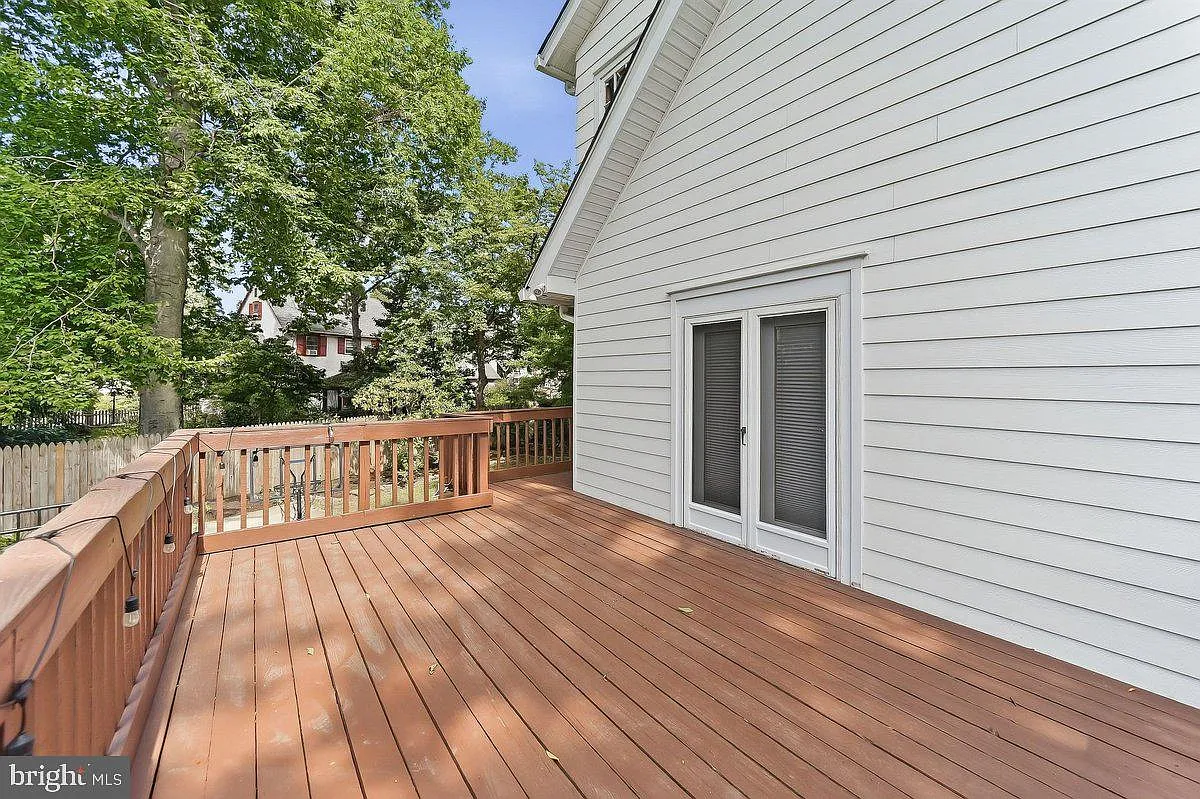
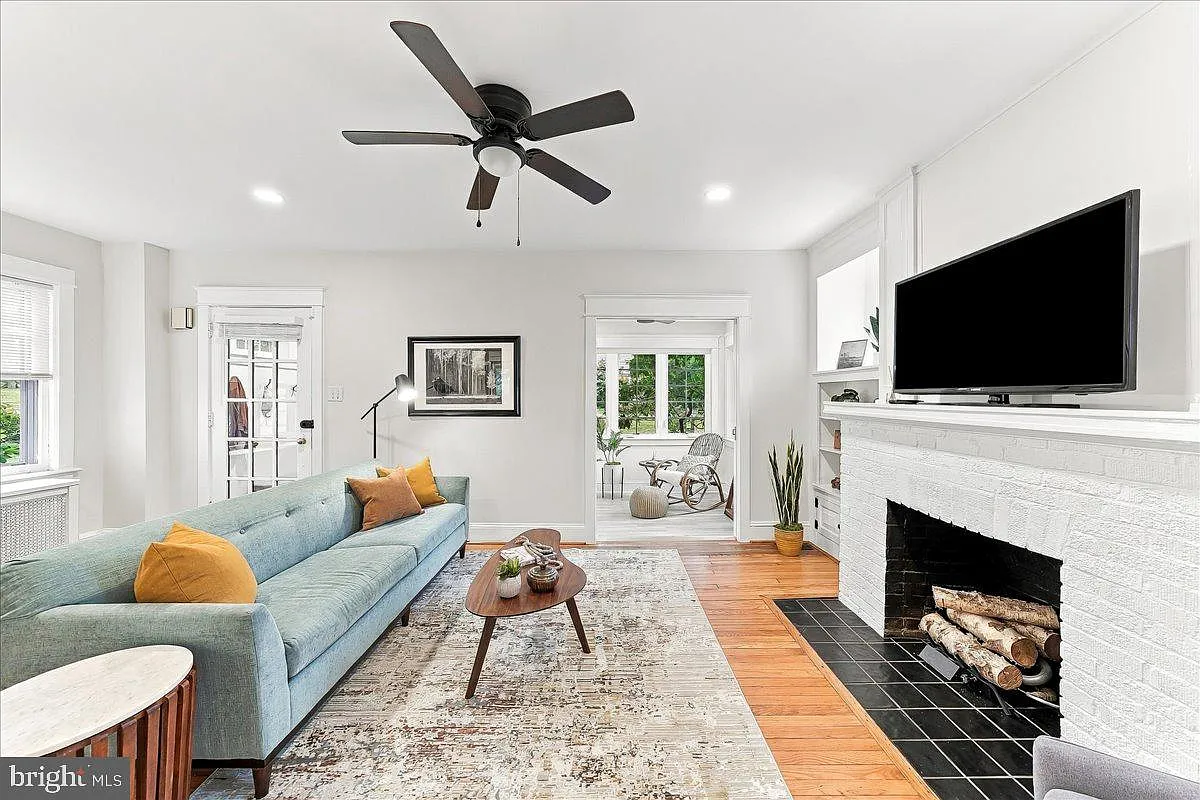
Gather in our warm living room or enjoy fresh air on the deck — every space feels like home.
Q: How can I tell the difference between normal aging and early-stage dementia? Normal aging might involve occasionally forgetting a name or a date but remembering it later. Dementia, however, is characterized by a decline in memory or other thinking skills that is severe enough to reduce a person's ability to perform everyday activities. Key indicators include disorientation to time or place, difficulty performing familiar tasks like following a recipe, and significant changes in judgment, such as giving away large sums of money to telemarketers. If these lapses are interfering with their ability to live safely in their Delaware County home, it is time for a professional assessment.
The emotional shifts can be just as telling as the cognitive ones. Have you noticed a change in your loved one’s temperament? A person who was once the life of the party in Upper Darby might suddenly become withdrawn, irritable, or prone to uncharacteristic outbursts. This is often a defense mechanism against the confusion they are feeling. It is exhausting to try and keep up with a world that is starting to feel blurry and unpredictable. Imagine the anxiety of waking up and not being quite sure what day it is or what you are supposed to be doing. This chronic stress can manifest as depression, which is frequently underdiagnosed in the elderly population. Do you think they might be withdrawing from their bridge club or church group in Havertown not because they lost interest, but because they are afraid of making a mistake in front of their peers?
We must also consider the "sundowning" effect, where confusion and agitation increase as the sun goes down. This can be particularly jarring for family members to witness. You might visit at noon and find them perfectly lucid, only to receive a frantic phone call at 8:00 PM because they are convinced there is someone in the backyard. This volatility is one of the hardest things for family caregivers to manage alone. At Bell Elite Senior Living, we recognize that emotional health is just as vital as physical health. Our nurse-led team is trained to provide the structured, calm environment that seniors with cognitive shifts need to feel secure. We believe that by providing the right level of engagement and routine, we can often reduce the anxiety that leads to these difficult emotional episodes. Are you ready to move from a place of constant worry to a place of support and understanding?
The Home Environment as a Silent Witness
Have you ever taken a closer look at the corners of the kitchen or the stack of mail on the entryway table and realized the home is telling a different story than the person living in it? For many seniors in the Philadelphia suburbs, the home is a source of pride, but it can also become a burden that masks their decline. Imagine walking into a house in Media that has always been spotless, only to notice a layer of dust on every surface and a stack of newspapers that hasn't been touched in weeks. Or perhaps you open the refrigerator and find multiple cartons of expired milk and a lack of fresh produce. These aren't just housekeeping issues; they are windows into the daily struggles your loved one is facing. When a senior stops maintaining their environment, it is often a sign of executive dysfunction or physical exhaustion, both of which indicate that living alone is no longer the safest option.
Q: What are the most common household signs that a senior is no longer thriving at home? Beyond the obvious clutter, look for "scorch marks" on pots and pans which suggest they are forgetting things on the stove. Check for unopened bills, especially if they have always been meticulous with their finances, as this can indicate cognitive decline or a loss of fine motor skills. Another major red flag is a house that is uncomfortably hot or cold, suggesting they are either forgetting how to use the thermostat or are trying to save money in a way that compromises their health. In the variable Pennsylvania climate, this can be particularly dangerous during the humid summers or freezing winters.
The exterior of the home can be just as revealing. Is the lawn in Drexel Hill looking overgrown, or are the flower beds that were once a source of joy now full of weeds? For a senior who has lived in the same neighborhood for decades, the inability to keep up with the "curb appeal" can be deeply demoralizing. They see the neighbors' homes looking well-kept and feel a sense of shame that they can no longer keep pace. Have you considered that the reason they aren't going out as much is that the front steps have become a terrifying obstacle? A simple railing that is loose or a cracked walkway can be enough to keep a senior "housebound," leading to further isolation and decline.
Inside the home, the bathroom often holds the most significant clues. Are there new grab bars that were installed haphazardly, or perhaps a plastic chair placed in the shower? These are "DIY" solutions to a growing problem of instability. Look for medications that are scattered or bottles that are full when they should be empty. Medication mismanagement is one of the leading causes of hospitalizations among seniors, and it is incredibly easy to lose track of complex dosing schedules without professional oversight. Bell Elite Senior Living was founded on the idea that no one should have to struggle through these daily hurdles alone. We provide a setting where the "home" is designed for safety and ease, allowing our residents to focus on living rather than just surviving the chores of a house that has become too big for them. Why let the house become a cage when it could be a place of comfort?
Ready to explore tailored care solutions? Speak with our coordinators at Bell Elite. Phone: (484) 356-1070 • Request a tour
Navigating the Pennsylvania Care Landscape
How do you bridge the gap between recognizing a need for help and actually convincing a fiercely independent loved one that a personal care home in Delaware County might be the best next step? This is perhaps the most difficult hurdle for any family. The transition from a family home to a professional care setting is fraught with emotion, but it is also a decision that should be guided by facts and clinical understanding. In Pennsylvania, the regulations for personal care homes are designed to ensure a high standard of safety and support, but not all facilities are created equal. Have you wondered what sets a nurse-led home like Bell Elite apart from the larger, more corporate "assisted living" complexes you might see in Chester or Montgomery County? The difference often lies in the level of personalized attention and the clinical expertise available on-site every single day.
Q: How do personal care homes differ from nursing homes in Pennsylvania? Personal care homes are designed for individuals who need assistance with activities of daily living, such as bathing, dressing, and medication management, but do not require 24-hour complex medical nursing care. Think of it as a middle ground that provides a high level of support while maintaining a more residential, home-like atmosphere. Nursing homes, or skilled nursing facilities, are more clinical in nature and are intended for those with serious, chronic medical conditions that require constant monitoring and medical intervention. Many families find that a personal care home provides the perfect balance of independence and safety.
When considering a move, it is also important to think about the geography of care. Choosing a home in Delaware County, near familiar landmarks like the Springfield Mall or the parks in Media, can make the transition feel much less jarring for a senior who has spent their life in this area. It allows for easier visits from local friends and family, which is crucial for maintaining those vital social connections. Does your loved one have a favorite local bakery or a church they've attended for forty years? Keeping them close to these anchors can significantly reduce the "transfer trauma" that sometimes accompanies a move. At Bell Elite Senior Living, we pride ourselves on being a family-owned, local presence. We aren't just a facility; we are part of the Delco community, and our nurse-led philosophy means we treat every resident with the same care we would give our own parents.
Q: Is Bell Elite Senior Living considered a "nursing home," and what does "nurse-led" really mean? Bell Elite is a personal care home, which means we focus on creating a warm, familial environment rather than a cold, clinical one. However, being "nurse-led" means our leadership and care strategies are directed by experienced nursing professionals. This is a critical distinction because it means that even the smallest changes in a resident’s health are noticed and addressed through a clinical lens. We don't just wait for a problem to arise; we use our medical expertise to proactively manage health, nutrition, and wellness, providing a level of safety that far exceeds what a non-clinical home can offer.
The cost and logistics of care are also major considerations for families in the Philadelphia suburbs. You may be wondering if your loved one’s long-term care insurance or personal savings will cover the costs of a high-quality personal care home. It is a complex landscape, but we believe that transparency is key. When you compare the cost of 24/7 home health aides, home maintenance, property taxes, and groceries in a place like Havertown or Swarthmore, the value of a comprehensive personal care home becomes very clear. Most families find that moving to a personal care home is actually more cost-effective than trying to piece together a safe environment at home, especially when you factor in the "hidden" costs of caregiver burnout for family members. Are you ready to stop being the full-time caregiver and go back to being a loved one?
Finding Your Way to Peace of Mind
What if you could trade the constant worry and the weekend-long chores for the peace of mind that comes with professional, compassionate care? The journey from recognizing decline to making a change is never easy, but it is one of the greatest acts of love you can perform for your parent. Imagine a future where you visit your mother at Bell Elite Senior Living and, instead of checking her pillbox or scrubbing her floor, you sit on the porch and talk about your children or the latest news in Delaware County. You see her looking well-rested, her hair is done, and she has spent the morning laughing with new friends. This isn't just a dream; it is the reality we strive for every day. Does the idea of a "nurse-led" environment give you the confidence to finally take that next step?
Q: How do I handle a loved one who is resistant to the idea of moving, even when the decline is obvious? Resistance is natural and should be met with empathy, not force. We often recommend starting the conversation early and focusing on the "benefits" rather than the "losses." Instead of talking about what they can't do anymore, talk about the amenities they will gain, such as chef-prepared meals, social activities, and the security of having someone there if they need help. Sometimes, framing it as a "trial period" can lower the stakes. Our team at Bell Elite is also available to help facilitate these conversations, offering a professional perspective that can sometimes be easier for a senior to hear than advice from their own children.
It is also vital to recognize the toll that "aging in place" takes on you, the caregiver. Many families in the Philadelphia suburbs are part of the "sandwich generation," caring for both aging parents and growing children. The stress of managing a parent's decline while working a job in Center City or King of Prussia can lead to significant health problems for the caregiver themselves. Caregiver burnout is a clinical condition that affects millions, and it often stems from the impossible task of trying to be a nurse, a chef, a maid, and a child all at once. By choosing a personal care home like Bell Elite, you are not "giving up" on your loved one; you are choosing to provide them with a team of experts who can give them a better quality of life than they could have alone.
Q: What makes Bell Elite Senior Living different from the larger facilities in Delaware County? Our difference is in our size and our soul. Being family-owned and nurse-led means we don't answer to a corporate board; we answer to the families we serve. We offer a level of intimacy where every staff member knows every resident’s name, their history, and their favorite way to take their tea. In a larger facility, it is easy for a quiet senior to fade into the background. At Bell Elite, our nursing oversight ensures that no one is overlooked. We provide a boutique experience that prioritizes the individual, ensuring that their golden years are spent in comfort and dignity.
As you look toward the future, remember that you don't have to navigate this path alone. The "I'm fine" mask is a heavy one for a senior to wear, and it is equally heavy for a family to watch. Why not let us help carry that weight? Whether your loved one is currently in Media, Drexel Hill, or any of the surrounding Philadelphia suburbs, Bell Elite Senior Living is here to be your partner in care. We invite you to reach out, ask the hard questions, and see for yourself how a nurse-led approach can change everything. Is today the day you trade "I'm fine" for "I'm finally home"?
At Bell Elite Senior Living, we are more than just a personal care home; we are a sanctuary for those who have spent their lives caring for others. Our nurse-led team is dedicated to providing the highest level of clinical oversight in a warm, family-oriented setting. If you have noticed the subtle signs of decline in your loved one, don't wait for a crisis to act. Your peace of mind is just a phone call away. You can reach us at (484) 356-1070 to discuss your family's unique needs and learn more about our commitment to excellence in Delaware County. Let’s work together to ensure your loved one’s next chapter is their best one yet.
A Glimpse Inside Bell Elite
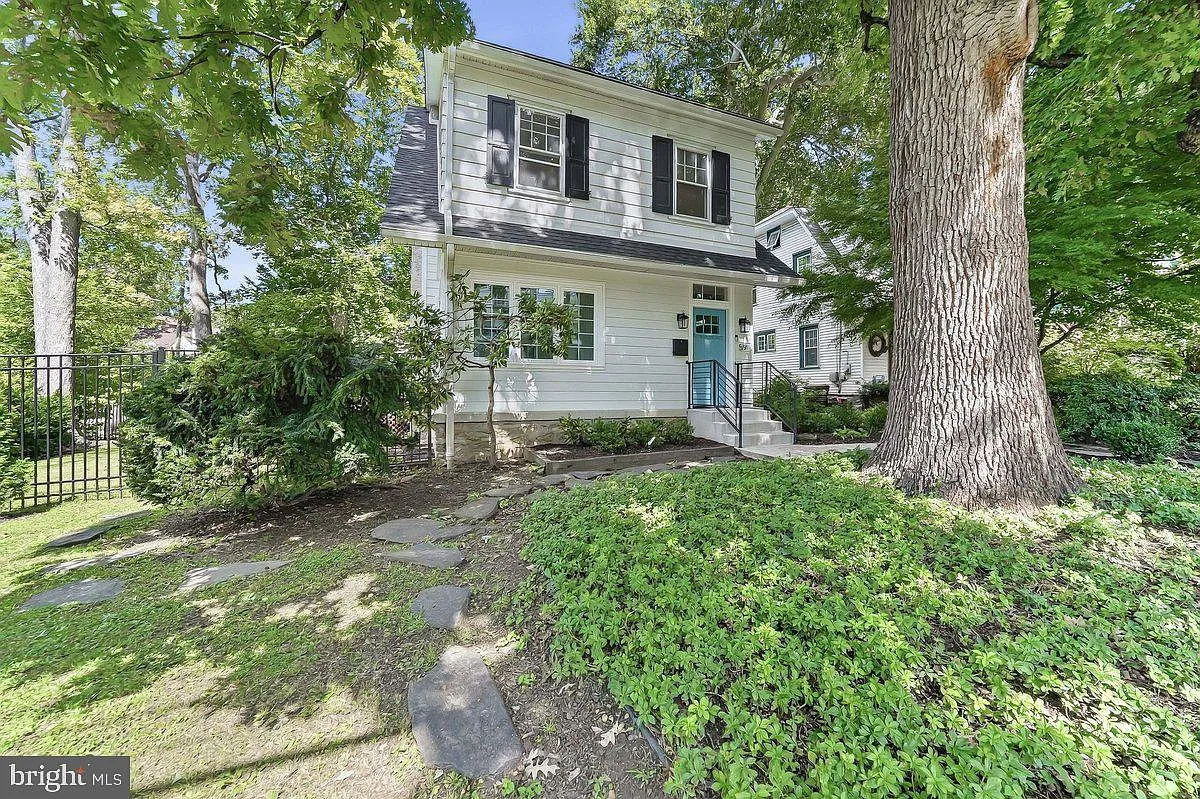
A warm, family-like residence — not an institution. Every space is designed for comfort, safety, and dignity.
Ready to Take the Next Step?
Bell Elite Senior Living is a nurse-led, family-owned personal care home in Delaware County, Pennsylvania. We're here to help.
Proudly Serving Families Across the Greater Philadelphia Region
Bell Elite Senior Living is a nurse-led, family-owned personal care home located in Delaware County, Pennsylvania — and we proudly serve families from across the entire Greater Philadelphia area and surrounding communities. Whether you are searching for a personal care home in Delaware County PA, exploring senior living options near Philadelphia, or looking for compassionate elder care for a loved one in Montgomery County, Bucks County, or Chester County, our team is here to help guide you through every step of the decision.
Families come to Bell Elite from throughout Philadelphia and its suburbs — including Upper Darby, Havertown, Drexel Hill, Broomall, Swarthmore, Media, Springfield, Lansdowne, Darby, Collingdale, and Sharon Hill in Delaware County; Ardmore, Norristown, Lansdale, Cheltenham, Abington, Blue Bell, Jenkintown, Ambler, and Horsham in Montgomery County; Doylestown, Newtown, Langhorne, Bristol, Yardley, Quakertown, and Levittown in Bucks County; and West Chester, Malvern, Exton, Downingtown, Phoenixville, Coatesville, and Paoli in Chester County. We are also a trusted resource for families in South Jersey communities such as Cherry Hill, Voorhees, Marlton, Moorestown, Mount Laurel, Haddonfield, Collingswood, and Camden County who are seeking high-quality personal care across the river in Pennsylvania. Families from Wilmington, Newark, and New Castle County, Delaware also regularly choose Bell Elite for its clinical excellence and intimate, home-like setting.
Our central location in Delaware County puts us within easy reach of Center City Philadelphia, the Main Line, South Philadelphia, Northeast Philadelphia, and the Philadelphia suburbs — making visits from family members throughout the region straightforward and stress-free. We understand that choosing the right personal care home is one of the most important decisions a family will make, and distance should never be a barrier to accessing exceptional, nurse-led care.
Frequently Asked Questions About Our Service Area
Does Bell Elite Senior Living serve families from Philadelphia?
Yes. Bell Elite Senior Living is located in Delaware County, PA, just minutes from Philadelphia. We regularly welcome residents and their families from across Philadelphia, including South Philly, Northeast Philadelphia, Kensington, Germantown, and Center City.
Do you accept residents from Montgomery County, PA?
Absolutely. We serve families throughout Montgomery County including Norristown, Ardmore, Lansdale, Cheltenham, Blue Bell, Jenkintown, and Ambler. Our nurse-led care model is a popular choice for families across the Philadelphia suburbs.
Can families from Bucks County place a loved one at Bell Elite?
Yes. Many of our residents come from Bucks County communities such as Doylestown, Newtown, Yardley, Langhorne, and Bristol. Our facility is easily accessible from Route 1 and I-95 corridors.
Do you serve Chester County families looking for personal care?
Yes. Families from West Chester, Malvern, Exton, Downingtown, Phoenixville, Paoli, and Coatesville in Chester County frequently choose Bell Elite for our small resident count, clinical oversight, and personalized care plans.
Is Bell Elite an option for families in South Jersey near Philadelphia?
Yes. Many families from Cherry Hill, Voorhees, Marlton, Mount Laurel, Haddonfield, Moorestown, and Camden County in New Jersey choose Bell Elite Senior Living in nearby Delaware County, PA for its nurse-led care and welcoming environment.
Do you accept residents from Delaware (Wilmington, Newark, New Castle County)?
Yes. Families from Wilmington, Newark, Middletown, and throughout New Castle County, Delaware have placed loved ones at Bell Elite. Our location in Delaware County, PA makes us a convenient and high-quality option for Delaware families seeking nurse-led personal care.
How do I find out if Bell Elite can serve my family's location?
Call us at (484) 356-1070 or visit our contact page. We serve the entire Greater Philadelphia region and surrounding areas and are happy to discuss your specific situation, schedule a tour, and answer any questions about our care services.
Related Articles



Related Care Services at Bell Elite
Our nurse-led personal care home in Lansdowne, PA offers specialized services for seniors across the Greater Philadelphia region.
Personal Care Home Near You
Bell Elite is located in Lansdowne, PA — minutes from Philadelphia. See care details for your community:
Have Questions After Reading?
Our nursing team offers free, no-pressure consultations for Pennsylvania families.
Talk to a nurse, not a salesperson. Our team includes RNs, LPNs, a PMHNP, and Family Nurse Practitioners.