

Wandering and Elopement in Dementia: Safety Planning for Families
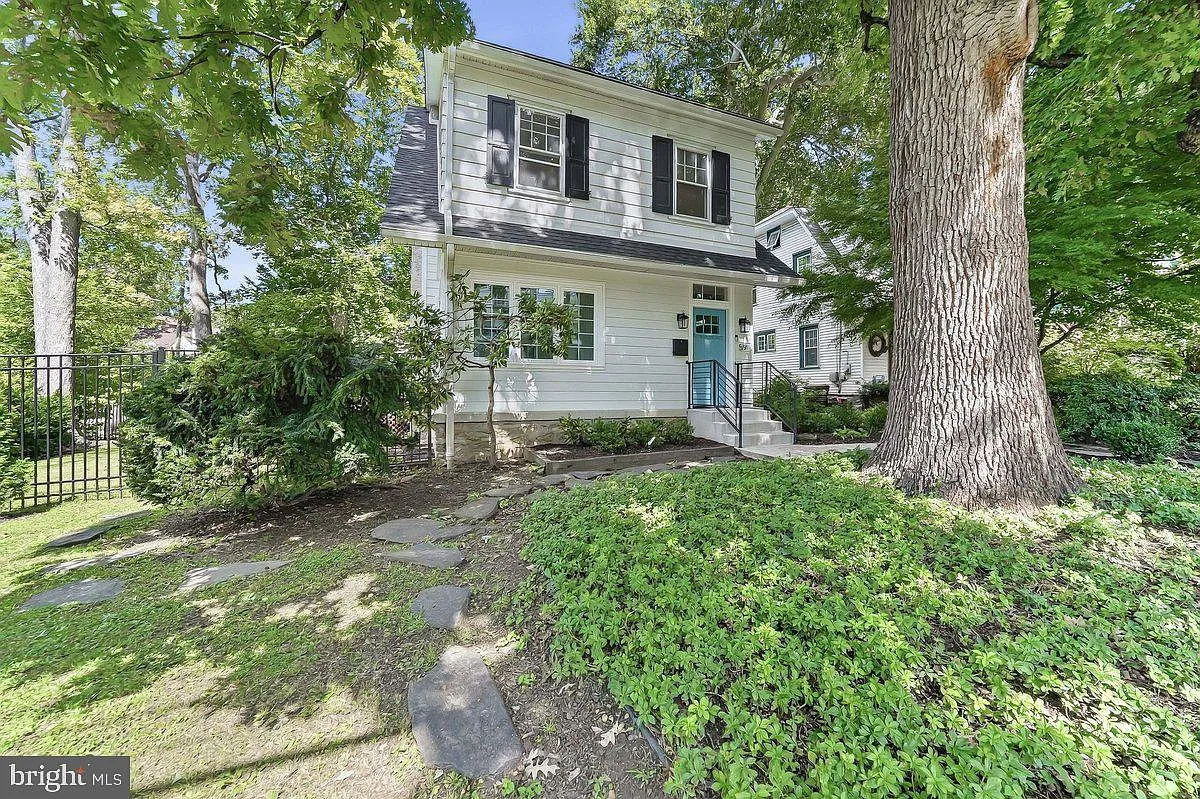
Bell Elite Senior Living — a nurse-led, family-owned personal care home in Lansdowne, PA. Warm living spaces, private bedrooms, and a chef's kitchen — come see the difference.
Have you ever felt that sudden, heart-stopping chill when you realize a loved one is no longer in the room where you left them just a few moments ago?
It is a feeling that many families across Delaware County, Pennsylvania know all too well, yet it remains one of the most frightening aspects of caring for a senior with memory loss. Imagine this: you are in the kitchen of your Drexel Hill home, simply rinsing a few dishes after lunch, and when you turn back to the living room, your father’s chair is empty. The back door is slightly ajar, and the quiet afternoon suddenly feels heavy with a specific type of dread that only a caregiver understands. This phenomenon is known as wandering, and while it is a common symptom of Alzheimer’s and other forms of dementia, it requires a level of vigilance that can exhaust even the most dedicated family members. As a nurse, I have sat with countless families in Media and Upper Darby who feel guilty about this fear, but I want you to know that wandering is not a failure of your supervision. It is a biological byproduct of a brain that is struggling to navigate its physical environment. Statistics show that six out of ten people living with dementia will wander at least once, and many will do so repeatedly if the underlying triggers are not addressed.
Have you considered why your loved one feels the need to move so restlessly? Is it a search for a place that no longer exists, or perhaps a physiological response to a discomfort they cannot name? We often see that wandering is a form of communication. When a senior in Springfield or Havertown begins to pace or look for an exit, they might be telling you that they are hungry, bored, or perhaps searching for a bathroom they can no longer find on their own. Personal care homes in Pennsylvania are specifically designed to mitigate these risks, but when you are managing this at home, the burden of safety falls entirely on your shoulders. It is a heavy weight to carry, especially when you are trying to balance your own life with the 24/7 demands of memory care.
Q: Is wandering always a sign of distress? Not necessarily, although it often stems from a sense of confusion or a perceived need to "go to work" or "go home." Sometimes, the wandering is simply a result of excess energy or a lifelong habit of being active. However, because the person’s ability to recognize hazards like traffic or cold weather is compromised, every instance of wandering must be treated as a potential safety risk regardless of the intent behind it.
Speak With Our Nursing Team
We help Pennsylvania families navigate senior care decisions with compassion and clinical expertise.
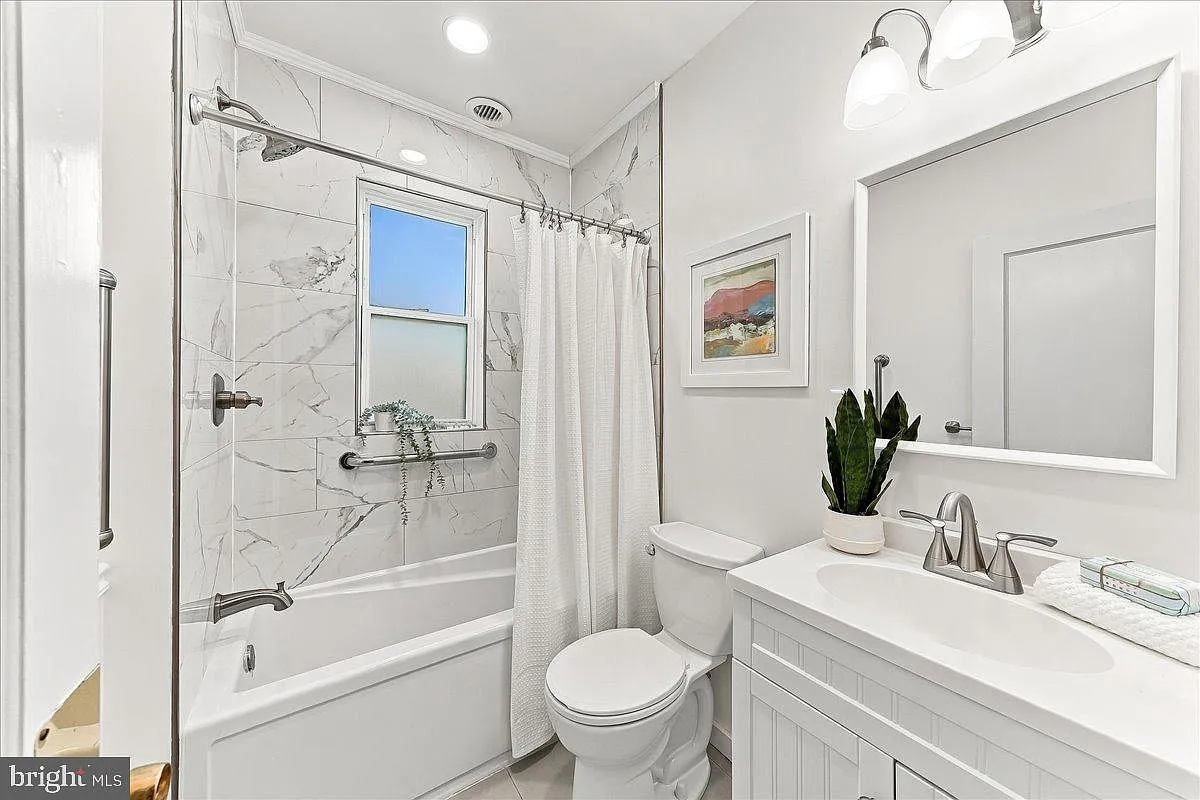
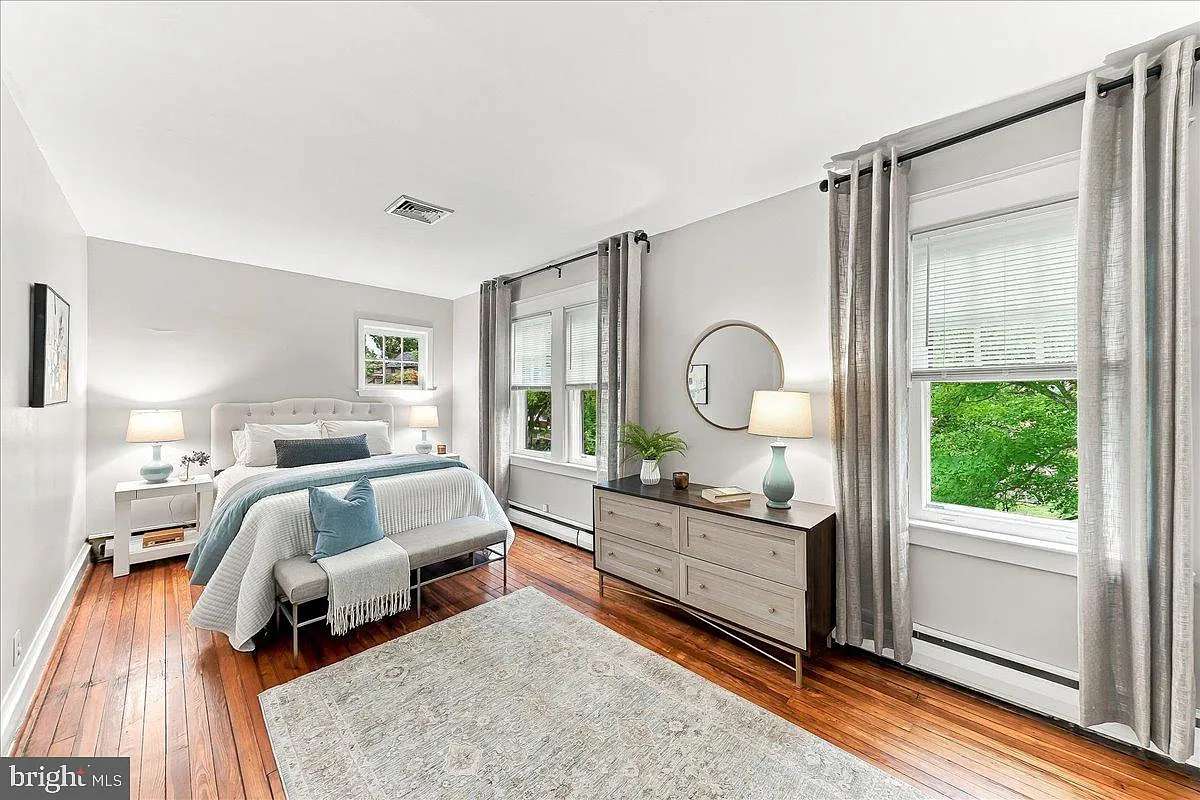
Private bedrooms and accessible bathrooms, designed for safety, comfort, and dignity.
Bell Elite Senior Living understands that the goal is not to restrict a person's freedom but to ensure their movement happens within a protected space. In our nurse-led environment, we focus on the "why" behind the movement. Does the resident need more engagement? Are they experiencing a medication side effect that causes restlessness? When you call us at (484) 356-1070, we don't just talk about beds and meals; we talk about the specific patterns your loved one is showing. We look at the layout of your home in Broomall or Swarthmore and help you understand how the environment might be contributing to their desire to elope.
Why is the distinction between wandering and elopement so critical for families to understand? Wandering is often aimless, but elopement is a determined effort to leave a safe area. Elopement carries a much higher risk of injury or death, particularly in suburban areas where busy roads like West Chester Pike or Township Line Road pose immediate threats. If your loved one is "exit seeking," meaning they are actively trying to manipulate locks or waiting by the door for someone to leave, your safety plan needs to be significantly more robust.
Q: How can I tell if my mother is at high risk for elopement? If she frequently talks about "going home" even when she is already there, or if she expresses anxiety about being late for a job she retired from decades ago, her risk is elevated. Additionally, if she has started to pace in patterns or appears restless during the evening hours, often referred to as sundowning, you should begin preparing for the possibility of an elopement attempt.
Can you picture the transition that happens in the mind when a familiar hallway suddenly looks like a foreign labyrinth?
Speak With Our Nursing Team
We help Pennsylvania families navigate senior care decisions with compassion and clinical expertise.
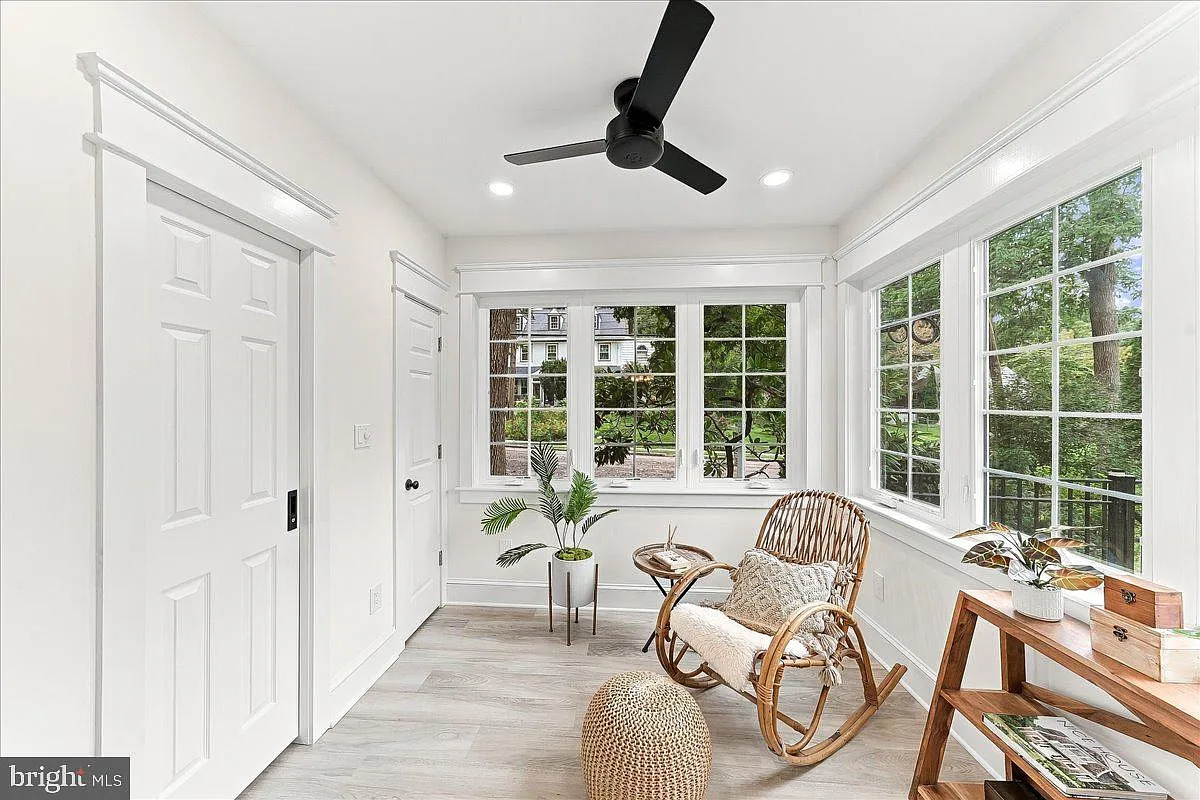
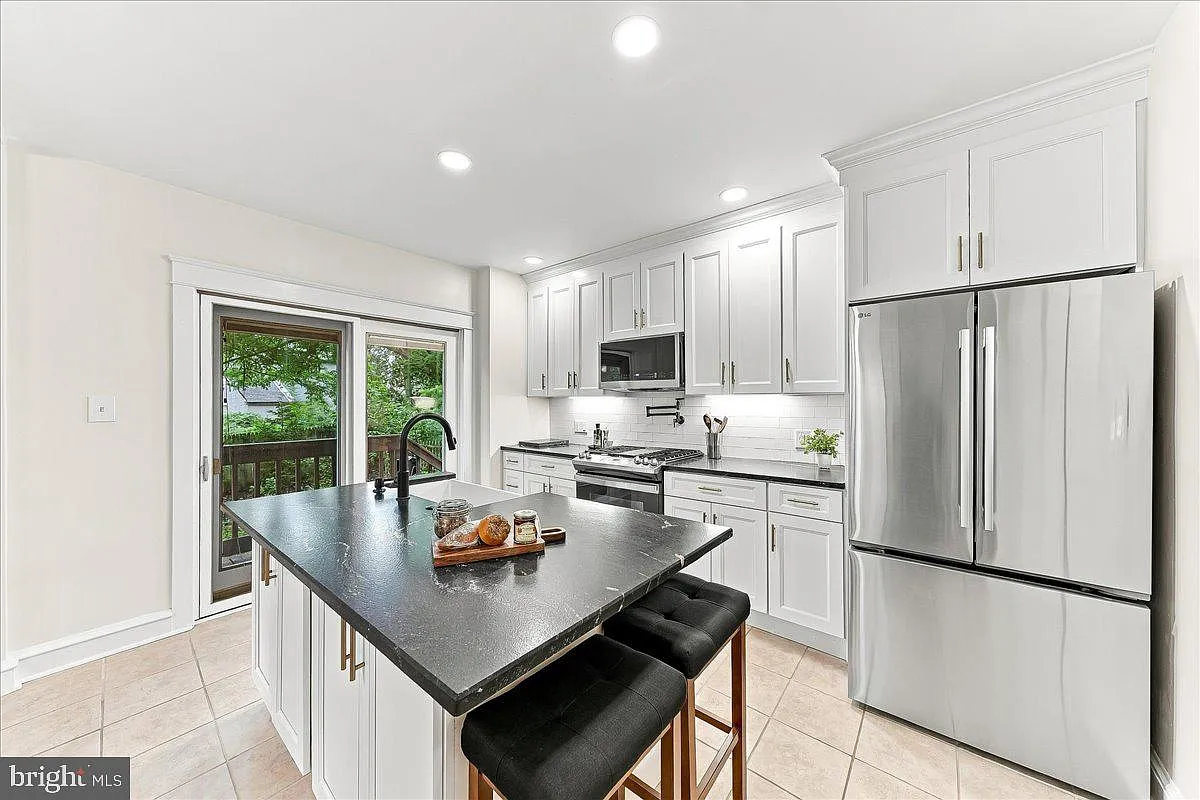
Home-cooked meals in our chef's kitchen and peaceful moments in the sunroom — life at Bell Elite.
This is the reality for many seniors in Delaware County who suffer from spatial disorientation. To you, the hallway in your Havertown colonial leads to the bathroom, but to someone with advancing dementia, that same hallway might look like a dark tunnel or a street they don't recognize. Spatial awareness is one of the first things to erode in certain types of dementia, making it incredibly easy for a person to get lost in their own backyard. Have you noticed your loved one stopping at thresholds or appearing hesitant to walk onto a dark rug? These are clues that their brain is misinterpreting visual data. A dark rug can look like a hole in the floor, and a reflection in a window can look like an intruder, both of which can trigger a flight response that leads to wandering.
In the context of the Philadelphia suburbs, the change of seasons adds another layer of danger. A summer evening walk in Swarthmore is very different from a freezing January night in Media. Hyperthermia and hypothermia are major risks for seniors who elope, as they may not have the cognitive presence of mind to dress appropriately for the weather or seek shelter when they become cold or overheated. As a nurse, I always tell families that the "golden hour" after a person goes missing is the most critical time for a safe recovery. If a senior is not found within the first twenty-four hours, the risk of a serious medical emergency increases by over 50 percent.
Q: Why do some seniors wander only at night? This is often linked to disruptions in the circadian rhythm, which is the body's internal clock. In many dementia patients, the internal clock becomes skewed, leading to wakefulness at night and sleepiness during the day. This, combined with the shadows and low light of nighttime which can increase confusion, creates a perfect storm for midnight wandering while the rest of the household is asleep.
Have you audited your home for these specific "exit triggers"? Sometimes, it is as simple as a coat hanging by the door or a set of keys sitting on a console table. To a person with dementia, these are visual cues that scream "it is time to leave." Removing these cues can significantly reduce the urge to elope. At Bell Elite Senior Living, our family-owned approach means we look at the small details that big corporate facilities often miss. We know that a nurse-led team can spot the subtle signs of a brewing "exit-seeking" episode before it happens. Our phone number, (484) 356-1070, is a resource for you to discuss these patterns with professionals who live and work right here in Delaware County.
Is your current living situation truly sustainable if you are losing sleep every night wondering if the door alarm will go off? The physical and emotional exhaustion of the "watchman" role can lead to caregiver burnout, which in turn makes it harder to provide the patient, loving care your senior deserves. Caregiver stress is a leading factor in the decline of the health of the primary caregiver, often resulting in their own medical issues. You cannot pour from an empty cup, and you cannot provide 24-hour security while also trying to be a daughter, a son, or a spouse.
Speak With Our Nursing Team
We help Pennsylvania families navigate senior care decisions with compassion and clinical expertise.
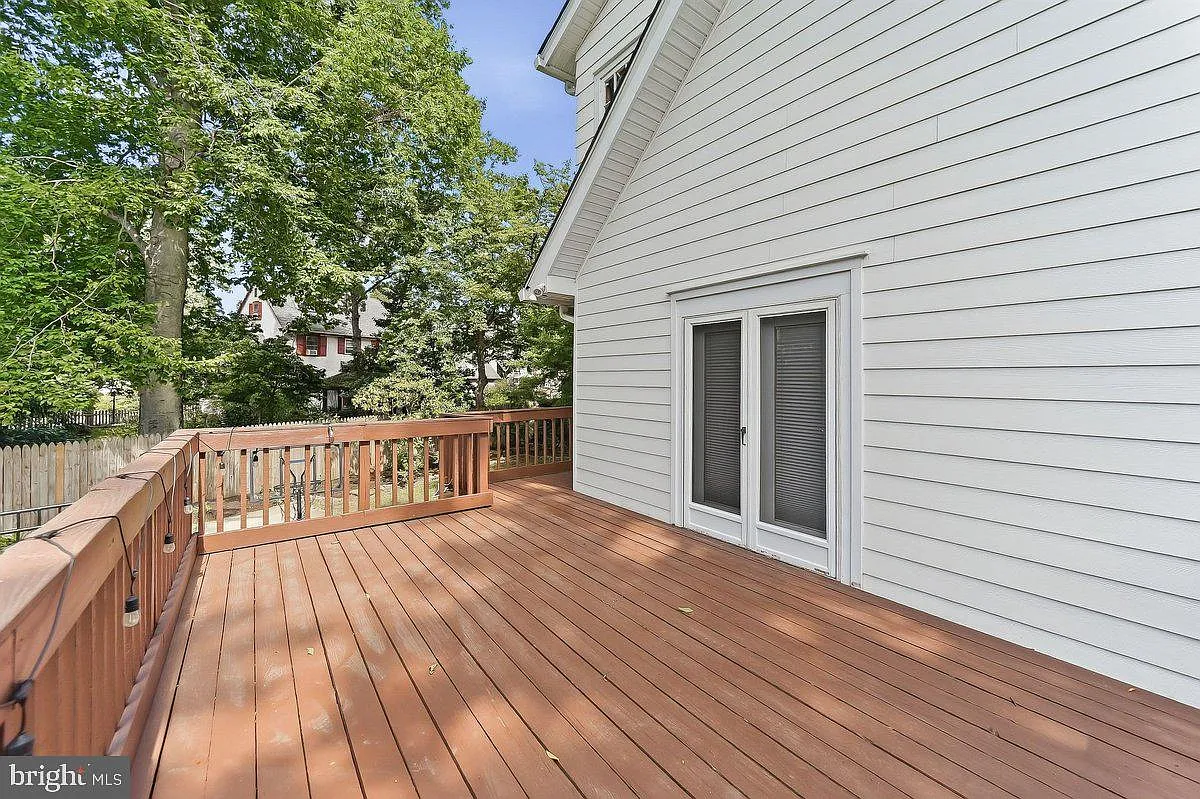
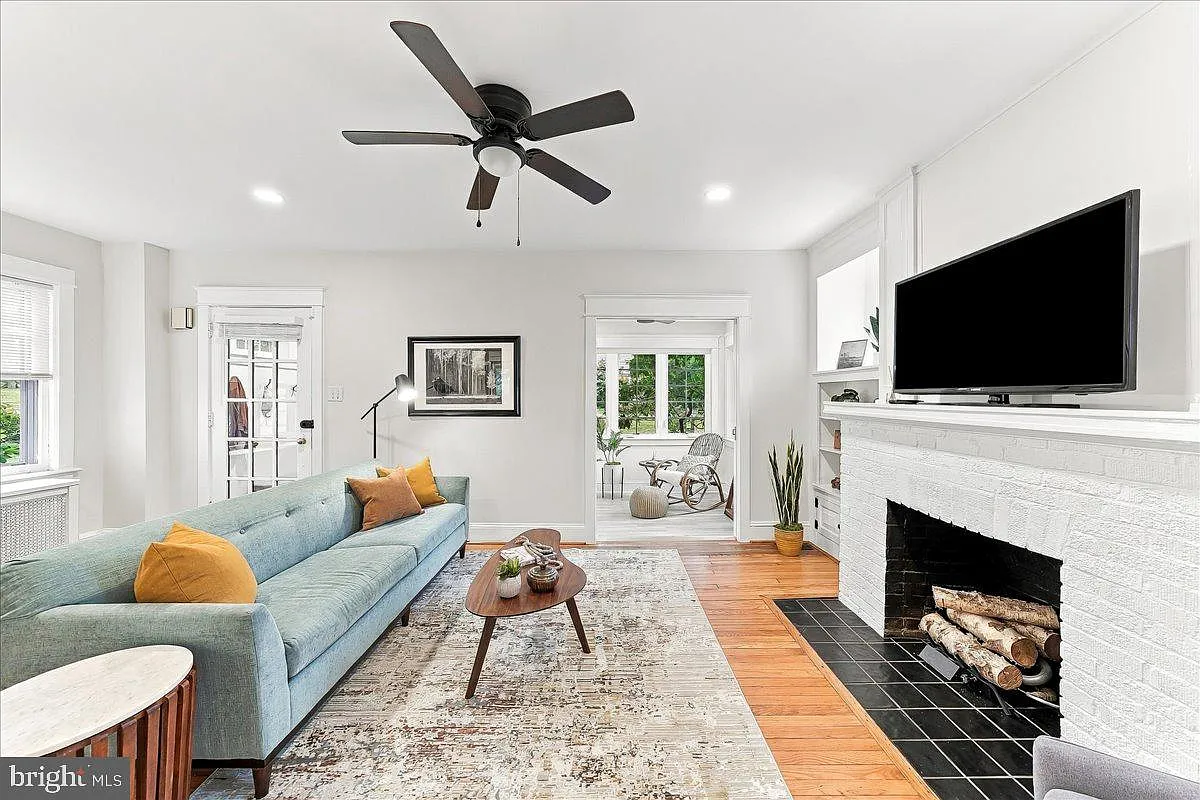
Gather in our warm living room or enjoy fresh air on the deck — every space feels like home.
Have questions about personalized care options? Bell Elite Senior Living's nursing team is ready to help. Call (484) 356-1070 or schedule a free consultation today.
What would it mean for your peace of mind to know that a professional nurse is overseeing your loved one’s safety every hour of the day?
In Delaware County, we have a wealth of resources, but navigating them can feel like a full-time job. When we talk about safety planning, we aren't just talking about deadbolts and window sensors. We are talking about a comprehensive approach to wellness that minimizes the triggers for wandering in the first place. Research indicates that structured daily routines can decrease wandering behaviors by up to 40 percent. When a person has a predictable schedule filled with engaging activities, they are less likely to feel the bored, anxious restlessness that leads to wandering.
Have you thought about the role of medication in this equation? Sometimes, the very drugs prescribed to help with anxiety or sleep can actually increase confusion and contribute to a higher risk of falls and wandering. As a nurse-led personal care home, we keep a clinical eye on these factors. We work closely with physicians to ensure that medications are optimized and not contributing to the problem. This level of oversight is often what sets a family-owned home like Bell Elite Senior Living apart from other options in Montgomery County or Chester County. We are small enough to know every resident's gait, their favorite time of day, and the specific look in their eye when they are starting to feel overwhelmed.
Q: Can technology like GPS trackers replace the need for constant supervision? While GPS trackers and wearable technology are wonderful tools that provide an extra layer of security, they are not a substitute for human intervention. A tracker can tell you where someone is, but it cannot prevent them from walking into a dangerous intersection or falling down a flight of stairs. Technology should be viewed as a backup to a primary plan of active, engaged supervision.
Imagine the relief of not having to jump every time you hear a floorboard creak. In towns like Upper Darby or Drexel Hill, where houses are often older and have multiple exits and steep stairs, the physical environment itself can be a hazard. Safety planning for families involves looking at the home through the eyes of someone who no longer understands how a deadbolt works or why they shouldn't open a window on the second floor. It means installing high-contrast signage, using "camouflage" covers for exit doors, and ensuring that all outdoor spaces are securely fenced.
Do you have a "missing person" profile ready just in case? This is a vital part of safety planning that many families in Pennsylvania overlook until it is too late. A profile should include a recent photo, a list of favorite places the person used to frequent, their medical conditions, and a description of their typical "wandering" style. Some people wander in a straight line, while others tend to follow a dominant hand and make frequent right turns. Knowing these patterns can help local law enforcement in Media or Springfield find your loved one much faster.
Q: What should I do if I find my loved one wandering outside? Approach them from the front and call them by name in a calm, soothing voice. Avoid using a panicked tone, as this can trigger a "fight or flight" response and cause them to run away or become combative. Offer to "walk with them" rather than telling them they must go back inside immediately. Once you have their trust, you can gently guide them back to a safe location.
Have you ever wondered if the "wanderer" is actually a "searcher" looking for a sense of purpose that has been lost to memory decline?
This is a perspective we hold dear at Bell Elite Senior Living. We don't see wandering as a "problem behavior" to be medicated away; we see it as a search for meaning. If a former teacher from Radnor or a retired engineer from Broomall is pacing the halls, they aren't just moving their legs. They are often trying to find their classroom or their office. By redirecting that energy into a meaningful task, such as folding towels or "sorting files," we can often satisfy the underlying urge to be productive. Meaningful engagement is the most effective non-pharmacological intervention for wandering.
Is your loved one’s current environment providing enough of this engagement? When a senior sits in front of a television for hours on end, their brain becomes both under-stimulated and over-taxed by the flickering lights and noise. This paradox often leads to a burst of "exit-seeking" behavior as they try to escape the sensory overload. In the Philadelphia suburbs, we have beautiful parks and community centers, but for someone with advanced dementia, these places can be too loud or too busy. A smaller, more intimate setting allows for social interaction without the overwhelming "noise" of a large institution.
Q: How does the "sundowning" effect contribute to wandering in Delaware County? Sundowning refers to the increased confusion and agitation that many dementia patients experience as the sun goes down. In our region, where winter days are short and dark by 4:30 PM, this can be a long and difficult period for caregivers. The lack of light can cause shadows that look like people or objects, and the natural dip in energy at the end of the day can make it harder for the senior to regulate their emotions, leading to a desperate urge to "go home" to a place of perceived safety.
As a family-owned home, we take the time to understand the history of every person who enters our care. If we know that a gentleman spent forty years working the night shift at a plant in Chester, we aren't surprised when he wants to be active at 2:00 AM. We adapt to him, rather than forcing him to adapt to a rigid institutional schedule. This is the hallmark of nurse-led care. We use our clinical training to monitor health, but we use our hearts to ensure every resident feels seen and understood. You can reach us at (484) 356-1070 to discuss how this philosophy could change your family’s life.
Have you considered the financial and emotional cost of a wandering incident that leads to an injury? A single fall can lead to a hip fracture, which statistically increases the risk of mortality in seniors within the first year by nearly 30 percent. Preventing that first fall or that first elopement is not just about safety; it is about preserving your loved one’s quality of life for as long as possible. Transitioning to a professional care setting like ours in Delaware County is an investment in their longevity and your own mental health.
Ready to explore tailored care solutions? Speak with our coordinators at Bell Elite. Phone: (484) 356-1070 • Request a tour
Does it feel like you are constantly walking on eggshells, waiting for the sound of a door opening that shouldn't be?
The hyper-vigilance required to prevent wandering can lead to a form of secondary trauma for family caregivers. You may find yourself unable to concentrate at work or struggling to enjoy time with your children because your mind is always back at home, wondering if your spouse or parent is safe. This is why a community safety plan must involve more than just the immediate family. Have you spoken to your neighbors in Swarthmore or Drexel Hill about the situation? A supportive neighborhood network is a vital safety net. When the people on your street know that your father has dementia, they can be an extra set of eyes, gently intervening if they see him walking toward a busy intersection alone.
Q: What is the Silver Alert system in Pennsylvania? Pennsylvania utilizes the Silver Alert system to help locate missing seniors with cognitive impairments. It works similarly to an Amber Alert, broadcasting descriptions of the missing person and any vehicle they might be using via highway signs, radio, and television. To trigger a Silver Alert, the person must be missing, have a documented cognitive impairment, and be in a situation where their health or safety is at risk.
Imagine a life where your primary role is back to being a daughter or a son, rather than a security guard. When you choose a personal care home like Bell Elite Senior Living, you are choosing to restore the relationship. You can visit and enjoy a cup of coffee or a conversation without the underlying stress of monitoring the exits. Our facility is designed with the unique needs of Delaware County families in mind, offering a blend of professional nursing oversight and the warmth of a family home. We are located conveniently for families in Media, Broomall, and Havertown, making it easy for you to remain a constant presence in your loved one’s life.
Have you looked into the "Safe Return" programs offered by the Alzheimer’s Association? These programs provide ID jewelry and a national database that helps return lost seniors to their families. While these are excellent resources, they are most effective when combined with a secure living environment. The reality is that no home can be made 100 percent "dementia-proof," but professional care settings come much closer by utilizing specialized architectural designs that minimize the desire to elope while maximizing the feeling of freedom.
Q: Can dietary changes help reduce wandering? While diet isn't a cure, managing blood sugar levels and reducing caffeine intake can help minimize the "jitters" and restlessness that lead to pacing. Ensuring a senior is well-hydrated is also crucial, as dehydration can lead to increased confusion and urinary tract infections, both of which are major triggers for sudden changes in behavior and increased wandering.
Why wait for a crisis to occur before exploring your options? Many families call us at (484) 356-1070 only after a "near miss" where a loved one was found blocks away or in a neighbor's yard. Those moments are terrifying, and they often serve as a wake-up call that the current situation is no longer safe. Proactive planning is always better than reactive crisis management. By starting the conversation now, you can make a decision with a clear head, rather than out of desperation in an emergency room at a hospital in Philadelphia or Chester.
Is it possible that the greatest gift you can give your loved one is a place where they can move freely without the constant "no" or "don't go there" of a restricted home life?
In a nurse-led personal care home, we create a "yes" environment. Instead of locking doors and creating a feeling of being trapped, we use circular pathways and secure outdoor courtyards where movement is encouraged. For a senior from Springfield or Upper Darby, being able to walk in a garden without a caregiver hovering over them provides a profound sense of dignity and autonomy. Preserving dignity is at the heart of everything we do at Bell Elite Senior Living. We understand that even as the mind changes, the human spirit remains, and that spirit often needs the simple freedom of movement.
Have you ever considered that wandering might be a side effect of loneliness? In the suburbs, houses are spaced out, and if a senior is left alone while family is at work, the silence of a house can be deafening. They may wander outside simply looking for a human voice or a familiar face. Our community provides that social fabric. With a high staff-to-resident ratio, there is always someone available to walk with a resident, listen to their stories, or engage them in a game. This social stimulation often tires the brain in a healthy way, leading to better sleep and less nighttime wandering.
Q: How do you handle a resident who is determined to "leave for work" every morning? We validate their reality. Instead of telling them they are retired, we might ask them about their job or give them a "task" that feels related to their former career. By entering their world, we reduce their anxiety and gently transition them into a different activity, such as breakfast or a morning exercise group. This technique, known as validation therapy, is a core part of our nursing approach.
Does the thought of a "nurse-led" facility give you a different kind of confidence? It means that the people in charge understand the underlying medical conditions that drive behavior. We aren't just supervisors; we are clinicians who understand how a UTI, a medication change, or a cardiovascular issue can manifest as wandering. This clinical expertise is available to your family 24/7 when you join the Bell Elite family. We are proud to serve the Delaware County community, and we invite you to see the difference that a family-owned, nurse-led perspective can make.
Imagine your next holiday or family gathering without the low-level anxiety of monitoring your loved one's every move. Imagine knowing they are in a place where they are not just "safe," but truly at home. That is the peace of mind we offer. Whether you are in Media, Broomall, or Swarthmore, help is just a phone call away. You don't have to navigate the complexities of dementia and wandering alone. Reach out to us at (484) 356-1070 and let’s talk about how we can create a safety plan that works for your loved one and brings rest back to your entire family. Safety is more than a locked door; it is a community of care that understands the journey you are on.
A Glimpse Inside Bell Elite
A warm, family-like residence — not an institution. Every space is designed for comfort, safety, and dignity.
Ready to Take the Next Step?
Bell Elite Senior Living is a nurse-led, family-owned personal care home in Delaware County, Pennsylvania. We're here to help.
Proudly Serving Families Across the Greater Philadelphia Region
Bell Elite Senior Living is a nurse-led, family-owned personal care home located in Delaware County, Pennsylvania — and we proudly serve families from across the entire Greater Philadelphia area and surrounding communities. Whether you are searching for a personal care home in Delaware County PA, exploring senior living options near Philadelphia, or looking for compassionate elder care for a loved one in Montgomery County, Bucks County, or Chester County, our team is here to help guide you through every step of the decision.
Families come to Bell Elite from throughout Philadelphia and its suburbs — including Upper Darby, Havertown, Drexel Hill, Broomall, Swarthmore, Media, Springfield, Lansdowne, Darby, Collingdale, and Sharon Hill in Delaware County; Ardmore, Norristown, Lansdale, Cheltenham, Abington, Blue Bell, Jenkintown, Ambler, and Horsham in Montgomery County; Doylestown, Newtown, Langhorne, Bristol, Yardley, Quakertown, and Levittown in Bucks County; and West Chester, Malvern, Exton, Downingtown, Phoenixville, Coatesville, and Paoli in Chester County. We are also a trusted resource for families in South Jersey communities such as Cherry Hill, Voorhees, Marlton, Moorestown, Mount Laurel, Haddonfield, Collingswood, and Camden County who are seeking high-quality personal care across the river in Pennsylvania. Families from Wilmington, Newark, and New Castle County, Delaware also regularly choose Bell Elite for its clinical excellence and intimate, home-like setting.
Our central location in Delaware County puts us within easy reach of Center City Philadelphia, the Main Line, South Philadelphia, Northeast Philadelphia, and the Philadelphia suburbs — making visits from family members throughout the region straightforward and stress-free. We understand that choosing the right personal care home is one of the most important decisions a family will make, and distance should never be a barrier to accessing exceptional, nurse-led care.
Frequently Asked Questions About Our Service Area
Does Bell Elite Senior Living serve families from Philadelphia?
Yes. Bell Elite Senior Living is located in Delaware County, PA, just minutes from Philadelphia. We regularly welcome residents and their families from across Philadelphia, including South Philly, Northeast Philadelphia, Kensington, Germantown, and Center City.
Do you accept residents from Montgomery County, PA?
Absolutely. We serve families throughout Montgomery County including Norristown, Ardmore, Lansdale, Cheltenham, Blue Bell, Jenkintown, and Ambler. Our nurse-led care model is a popular choice for families across the Philadelphia suburbs.
Can families from Bucks County place a loved one at Bell Elite?
Yes. Many of our residents come from Bucks County communities such as Doylestown, Newtown, Yardley, Langhorne, and Bristol. Our facility is easily accessible from Route 1 and I-95 corridors.
Do you serve Chester County families looking for personal care?
Yes. Families from West Chester, Malvern, Exton, Downingtown, Phoenixville, Paoli, and Coatesville in Chester County frequently choose Bell Elite for our small resident count, clinical oversight, and personalized care plans.
Is Bell Elite an option for families in South Jersey near Philadelphia?
Yes. Many families from Cherry Hill, Voorhees, Marlton, Mount Laurel, Haddonfield, Moorestown, and Camden County in New Jersey choose Bell Elite Senior Living in nearby Delaware County, PA for its nurse-led care and welcoming environment.
Do you accept residents from Delaware (Wilmington, Newark, New Castle County)?
Yes. Families from Wilmington, Newark, Middletown, and throughout New Castle County, Delaware have placed loved ones at Bell Elite. Our location in Delaware County, PA makes us a convenient and high-quality option for Delaware families seeking nurse-led personal care.
How do I find out if Bell Elite can serve my family's location?
Call us at (484) 356-1070 or visit our contact page. We serve the entire Greater Philadelphia region and surrounding areas and are happy to discuss your specific situation, schedule a tour, and answer any questions about our care services.
Related Articles



Related Care Services at Bell Elite
Our nurse-led personal care home in Lansdowne, PA offers specialized services for seniors across the Greater Philadelphia region.
Personal Care Home Near You
Bell Elite is located in Lansdowne, PA — minutes from Philadelphia. See care details for your community:
Have Questions After Reading?
Our nursing team offers free, no-pressure consultations for Pennsylvania families.
Talk to a nurse, not a salesperson. Our team includes RNs, LPNs, a PMHNP, and Family Nurse Practitioners.