
Vetting the cleanliness of common areas in Bucks County care homes
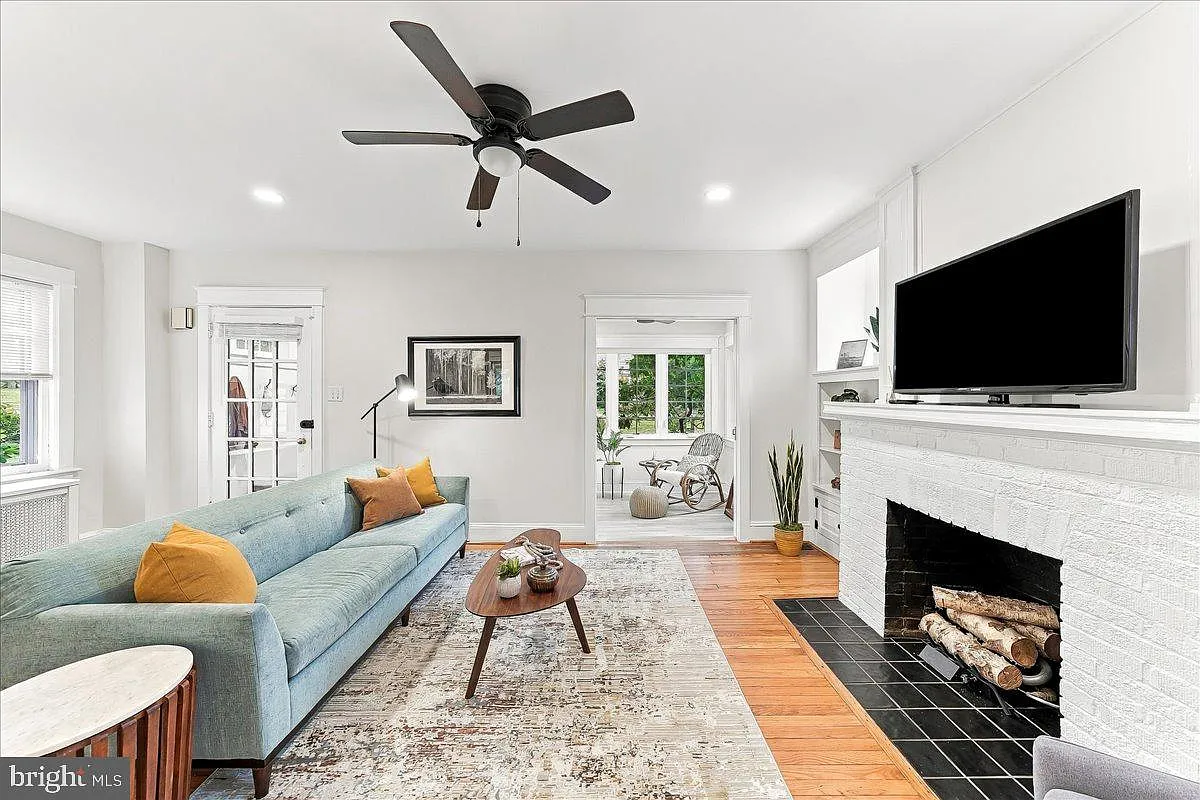
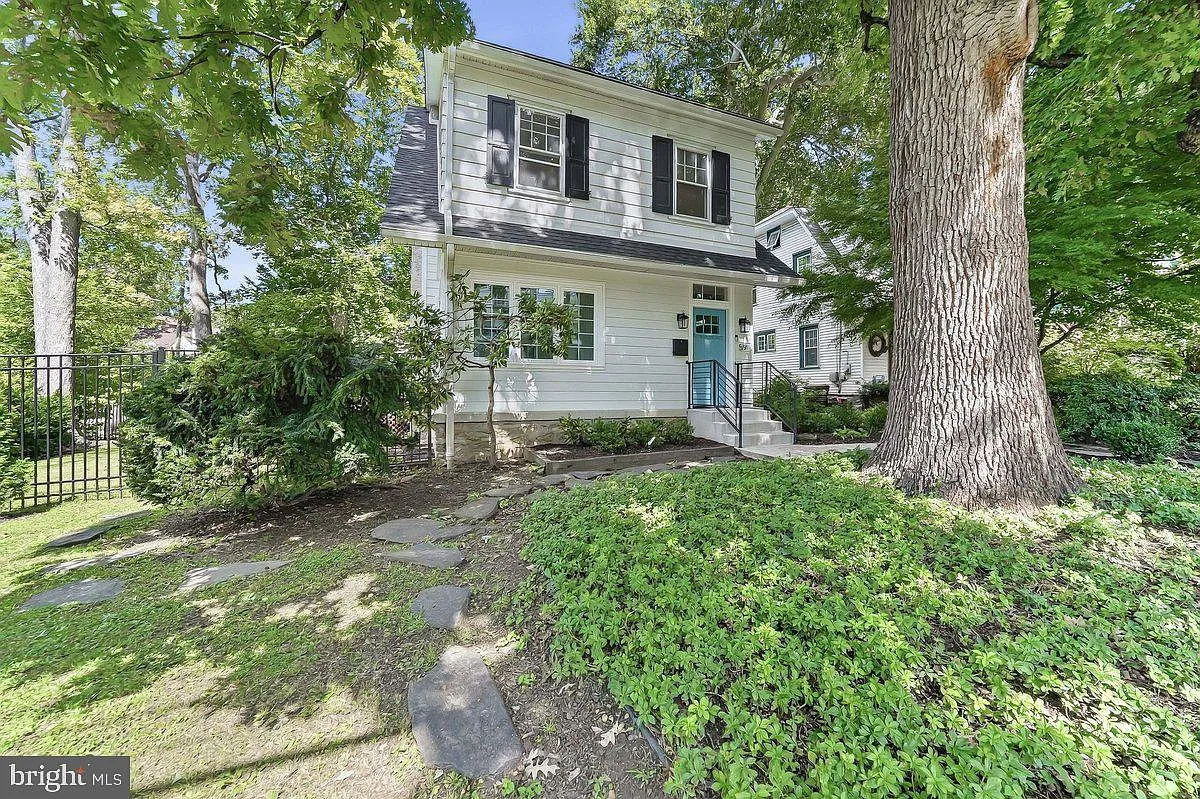
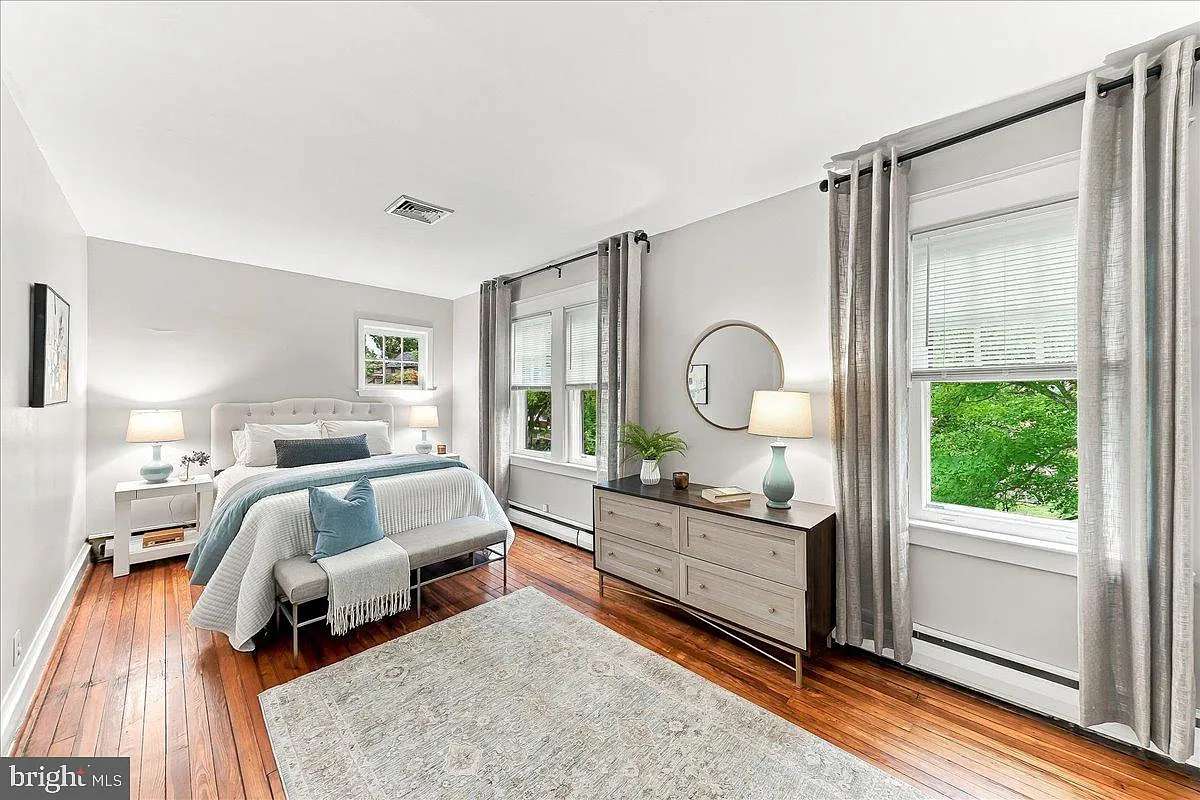
Bell Elite Senior Living — a nurse-led, family-owned personal care home in Lansdowne, PA. Warm living spaces, private bedrooms, and a chef's kitchen — come see the difference.
The Subtle Signs of a Healthy Environment in Pennsylvania Care Homes
Have you ever walked into a facility and felt an immediate, unexplainable sense of unease just from the scent of the air? It is a common experience for families exploring options in the Philadelphia suburbs, where the weight of a monumental decision often meets the sensory reality of a building. When you are visiting a prospective home for your mother or father, your brain is processing a million details at once. You are looking at the smiles on the faces of the staff, the quality of the furniture, and the general layout of the rooms. However, as a nurse who has spent years walking these hallways, I can tell you that the most critical information is often hidden in plain sight within the common areas. Cleanliness in a care home is not just about aesthetics because it serves as the first line of defense against infection and a primary indicator of the home’s overall management philosophy.
Q: What are the most common odors that indicate poor maintenance in a care home? When you enter a personal care home, the air should smell neutral or perhaps slightly of mild cleaning agents or fresh laundry. If you encounter a heavy, cloying scent of floral perfume or industrial air fresheners, it might be a sign that the facility is attempting to mask odors rather than eliminating the source of the problem. A lingering smell of urine or mildew suggests that porous surfaces like carpets or upholstery have not been properly deep-cleaned or that housekeeping is not addressing spills and accidents with the necessary urgency.
Imagine this scenario where you step into a beautifully decorated lobby in a Bucks County facility and everything looks like a five-star hotel. You feel a sense of relief until you sit down in a common area and notice a faint, sticky residue on the armrest of the chair. Does it make you wonder if the cleaning crew is simply wiping around the edges rather than performing a thorough sanitation? This is where the difference between a house that looks clean and a house that is clinically hygienic becomes apparent. In a professional personal care setting, cleanliness is a clinical requirement rather than a domestic chore. When a home is nurse-led, like Bell Elite Senior Living, the standard for what constitutes a safe environment is elevated by medical knowledge and a deep understanding of how pathogens spread among vulnerable populations.
Speak With Our Nursing Team
We help Pennsylvania families navigate senior care decisions with compassion and clinical expertise.
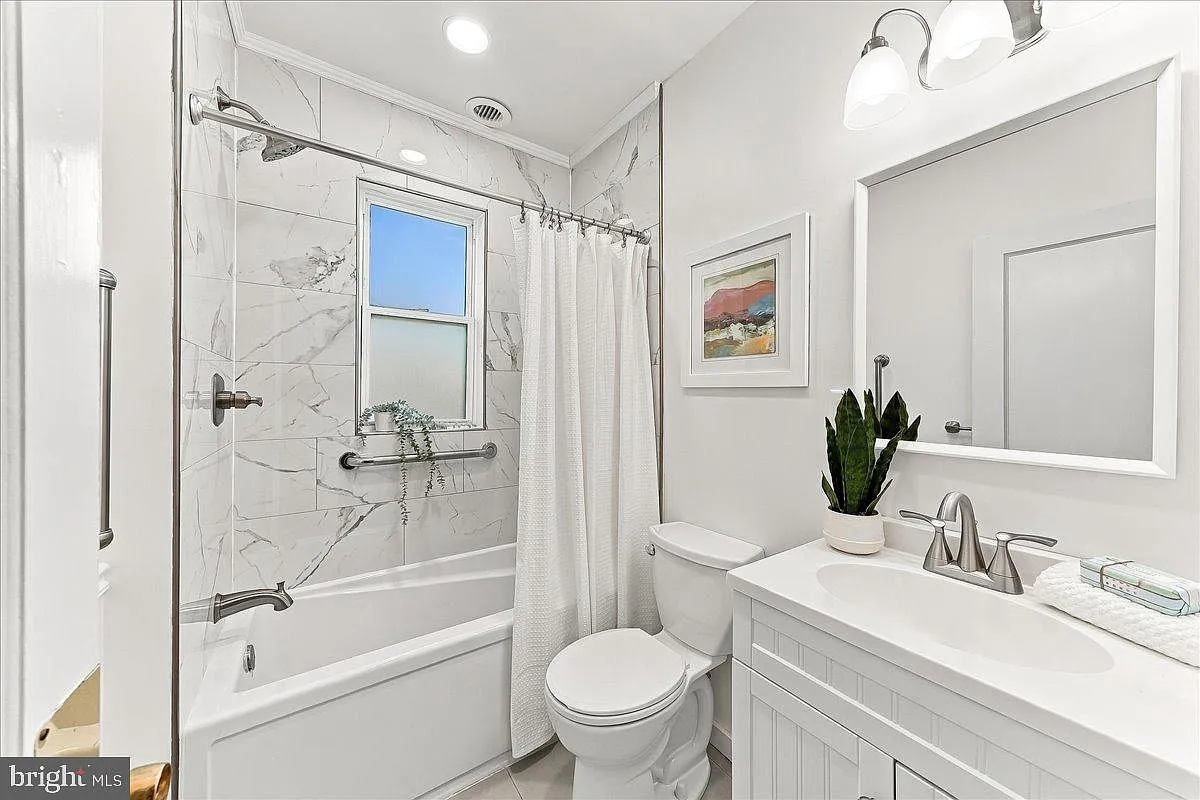
Private bedrooms and accessible bathrooms, designed for safety, comfort, and dignity.
Is it possible that we place too much emphasis on the grand chandeliers and not enough on the baseboards? If you look at the corners of a room or the edges where the floor meets the wall, you will see the true story of the facility’s attention to detail. Dust and grime that accumulate in these neglected spaces can harbor allergens and bacteria that compromise the respiratory health of seniors. Studies show that senior living residents are significantly more susceptible to environmental irritants, making meticulous dusting a health priority. When you are touring homes in Delaware County or the surrounding suburbs, do not be afraid to look closely at the places that aren't at eye level.
Why do some facilities seem to sparkle while others feel perpetually dim and dusty? The answer often lies in the ratio of staff to residents and the specific training provided to the environmental services team. A family-owned home often has a more personal stake in the appearance and hygiene of the property because their name is attached to the quality of care. At Bell Elite Senior Living, located at (484) 356-1070, we believe that a clean home is a sign of respect for the people who live there. We treat every common area as if it were a room in our own private residence, ensuring that every surface is not only visually appealing but also safe for a resident to touch without worry.
Have you noticed how the lighting in a common area can change your perception of cleanliness? Natural light is a wonderful thing, but it also reveals the truth about streaks on windows and dust motes in the air. A well-maintained home will embrace this transparency rather than hiding behind dim, yellowed lighting. When you visit a home in Media or Swarthmore, take a moment to look at the windows and the light fixtures themselves. If the fixtures are covered in a layer of gray dust, it is a safe bet that other higher-level maintenance tasks are also being deferred.
Analyzing High-Touch Surfaces and Shared Resident Spaces
Speak With Our Nursing Team
We help Pennsylvania families navigate senior care decisions with compassion and clinical expertise.
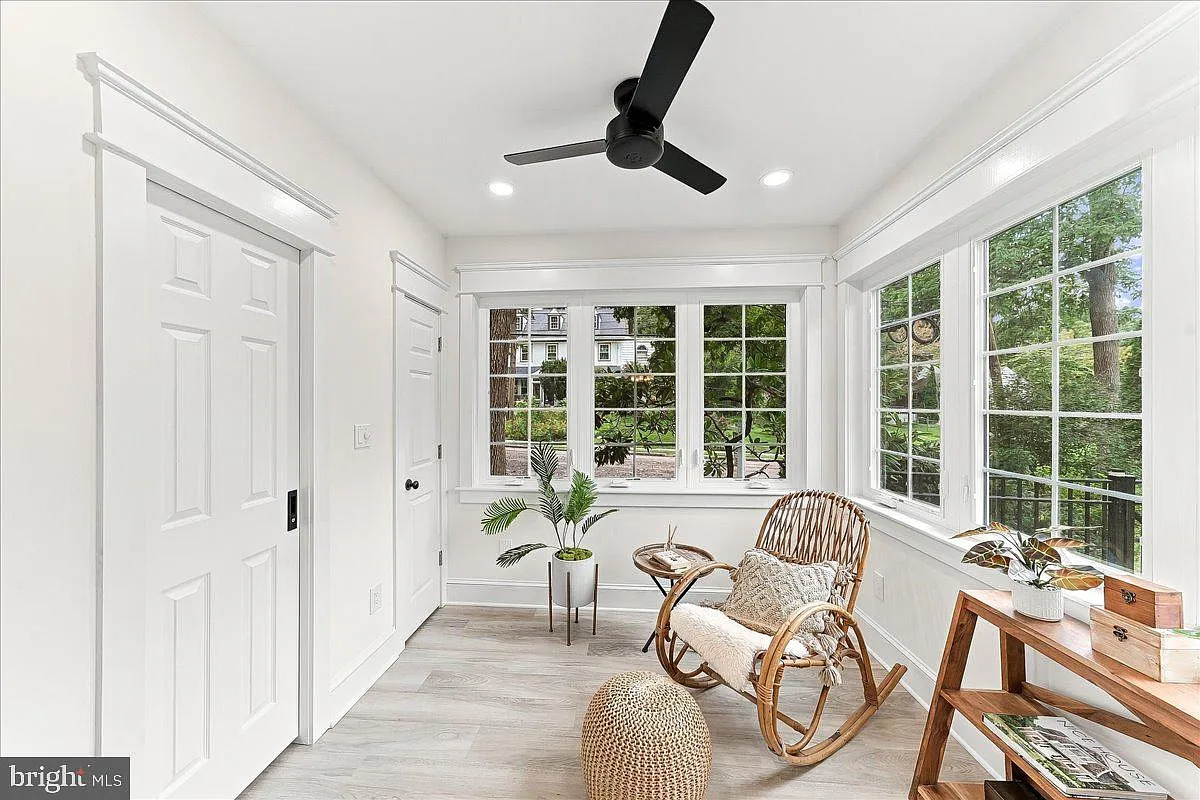
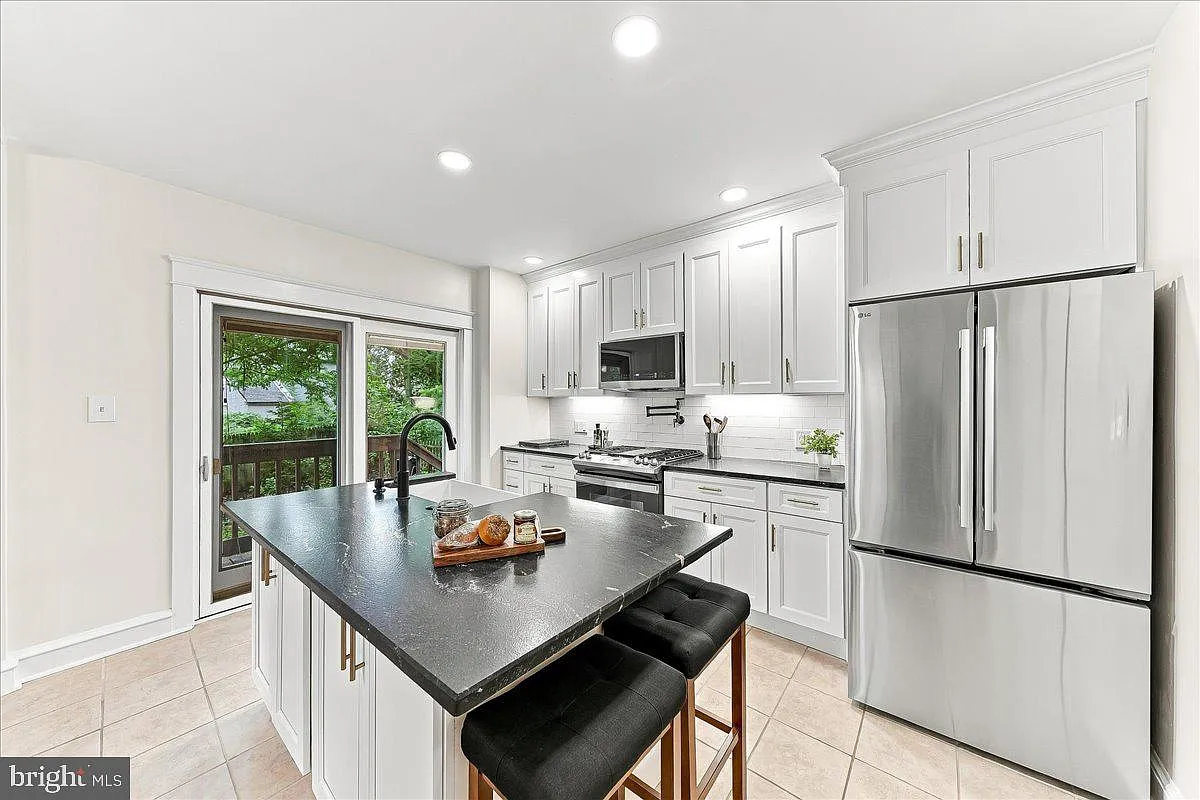
Home-cooked meals in our chef's kitchen and peaceful moments in the sunroom — life at Bell Elite.
Why do we often focus on the gleaming lobby floors while ignoring the very surfaces our loved ones touch a hundred times a day? In the world of infection control, we call these high-touch surfaces, and they are the primary highways for the transmission of viruses and bacteria. Think about the handrails that line the hallways of a personal care home in Delaware County. These rails are essential for the mobility and safety of the residents, yet they are also touched by every resident, staff member, and visitor who walks through the building. If these are not sanitized multiple times a day with medical-grade disinfectants, they can become a significant health risk.
Q: How often should high-touch surfaces in a personal care home be sanitized? In a high-quality personal care environment, high-touch surfaces such as handrails, doorknobs, elevator buttons, and light switches should be disinfected at least twice daily, and more frequently during the height of the flu or cold season. A nurse-led facility will often have a specific protocol that dictates exactly which chemicals are used to ensure that they are effective against common pathogens like norovirus or influenza without being so harsh that they irritate the residents' skin or lungs.
Picture this situation where a resident in a Bucks County care home uses a shared remote control in the media room to change the channel. If that remote hasn't been cleaned since the last three people used it, it is essentially a petri dish of whatever germs those individuals were carrying. Have you ever considered how many people touch the handle of the water pitcher in the dining hall or the buttons on the communal microwave? Research indicates that contaminated hands can transfer viruses to up to 14 other surfaces, which highlights the absolute necessity of a rigorous cleaning schedule for common items.
Does the facility provide easy access to hand sanitizing stations in these common areas? While hand washing is the gold standard, having alcohol-based rub available at every entrance and exit of a common room encourages visitors and residents to maintain hand hygiene. When you are visiting potential homes in Springfield or Broomall, pay attention to whether these stations are full and functional. A neglected hand sanitizer dispenser is a small but telling sign that the facility’s systems for monitoring supplies might be breaking down.
What about the dining area, which is perhaps the most important common space in any senior living community? You should look at the underside of the tables and the creases of the chairs. Crumbs and food debris that are allowed to linger can attract pests and create an unsanitary environment for eating. In Pennsylvania, the Department of Human Services has strict regulations regarding the cleanliness of food service areas, but the best homes exceed these standards because they understand that dining is a central part of a senior's social life and physical well-being.
Speak With Our Nursing Team
We help Pennsylvania families navigate senior care decisions with compassion and clinical expertise.
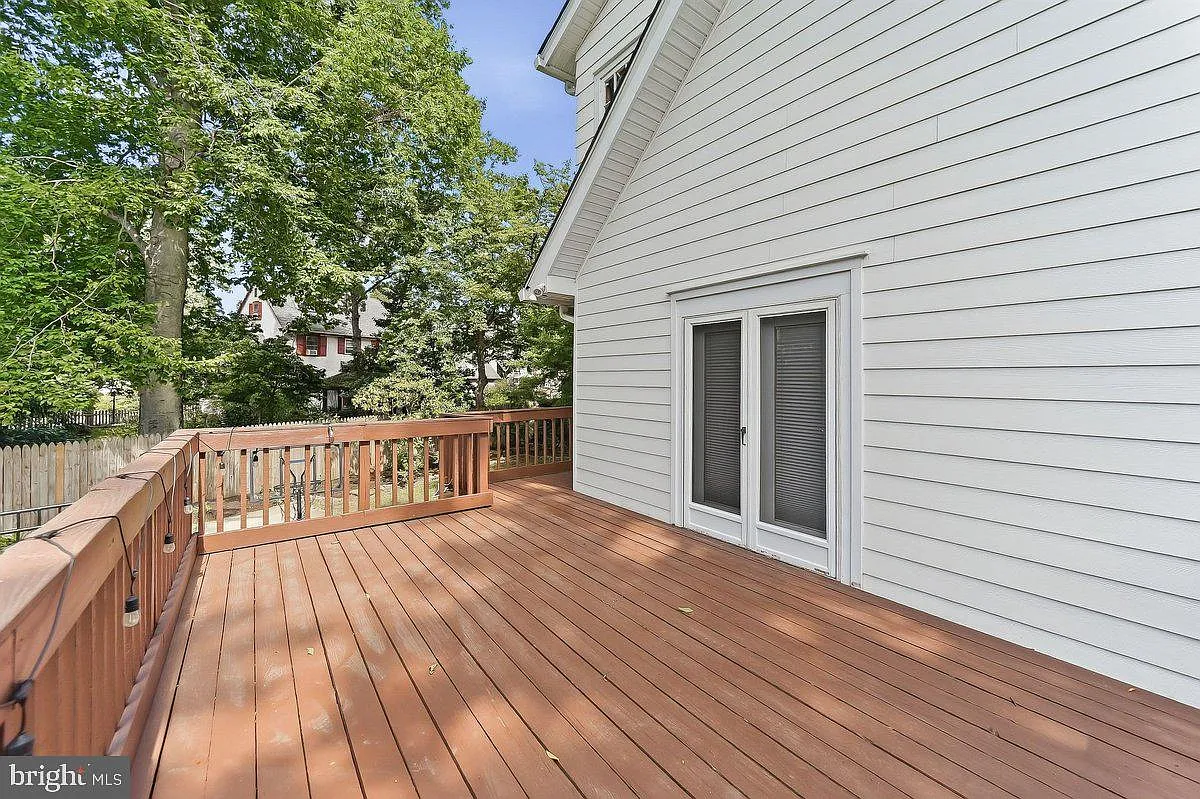
Gather in our warm living room or enjoy fresh air on the deck — every space feels like home.
Have questions about personalized care options? Bell Elite Senior Living's nursing team is ready to help. Call (484) 356-1070 or schedule a free consultation today.
The Secret Health Risks Hidden in Soft Goods and Upholstery
Did you know that the cozy fabric chair in the corner of a common room can hold onto more than just memories? While soft goods like curtains, carpets, and upholstered furniture make a personal care home feel warm and inviting, they also present unique challenges for cleanliness. Unlike a hard surface that can be easily wiped down with a disinfectant, fabrics are porous and can trap dust, pet dander, and biological contaminants deep within their fibers. When you are touring a facility in the Philadelphia suburbs, you should not only look at the furniture but also consider its age and the material it is made from.
Q: Is it better for a facility to have hardwood floors or carpeting in common areas? There is a significant debate on this topic, but from a clinical perspective, hard flooring like luxury vinyl tile or treated wood is often superior because it does not trap allergens and can be thoroughly sanitized. However, many homes in areas like Havertown or Drexel Hill use low-pile carpeting to reduce the risk of slips and to create a quieter, more residential atmosphere. If a home chooses carpeting, they must have a rigorous professional steam-cleaning schedule to ensure that the air quality remains high and the floors stay hygienic.
Imagine this moment where you lean in to hug your loved one who is sitting on a common area sofa, and you catch a whiff of something stale or dusty. That scent is often the result of microscopic particles that have settled into the fabric over months or even years. Have you ever wondered how often those heavy drapes in the dining room are actually taken down and cleaned? According to environmental health experts, soft surfaces can harbor bacteria for several days, making them a potential link in the chain of infection. A nurse-led home like Bell Elite Senior Living prioritizes the use of high-quality, antimicrobial fabrics that are designed to withstand frequent cleaning while still providing a comfortable and homely feel.
Why is the choice of cleaning equipment so important for these soft surfaces? A standard vacuum cleaner might pick up visible dirt, but it often exhausts smaller particles back into the air unless it is equipped with a HEPA filter. When you speak with the staff at a care home, you can ask about their vacuuming protocols and whether they use filtration systems that protect the air quality for residents with asthma or chronic obstructive pulmonary disease. Maintaining high indoor air quality is vital for seniors, as they spend the majority of their time indoors.
Do you see visible stains on the chairs in the activity room? Stains are more than just an eyesore because they indicate that a spill was not addressed quickly, allowing it to soak into the padding below. This can lead to the growth of mold or bacteria that you cannot see but can certainly breathe in. In a family-owned environment, the staff is often more attentive to these details because they take personal pride in the home. At Bell Elite Senior Living, reachable at (484) 356-1070, we understand that the common areas are extensions of our residents' living rooms, and we maintain them with the highest level of care and professional oversight.
Navigating Pennsylvania Regulations and Safety Standards for Hygiene
Have you ever wondered how the state of Pennsylvania actually monitors the hygiene standards of personal care homes in counties like Bucks or Delaware? The regulatory framework is designed to ensure a baseline of safety and cleanliness, but there is a wide range of quality between a home that just barely passes inspection and one that sets a gold standard for the industry. The Pennsylvania Department of Human Services conducts regular inspections, and their reports are public records that can give you deep insight into a facility’s history of compliance.
Q: Where can I find the official inspection reports for a care home in Pennsylvania? You can access these reports through the Pennsylvania Department of Human Services website using their provider search tool. These documents will list any violations found during inspections, including issues related to housekeeping, sanitation, and pest control. It is important to look not just for the presence of a violation, but for how the facility responded to it and whether the same issues recur over time.
Picture this scenario where you are reading a report for a facility in Upper Darby and you see a citation for improper trash disposal or unsanitary kitchen conditions. Does that make you question the oversight of the administration? A single citation might be an isolated incident, but a pattern of cleanliness issues is a significant red flag. Regulatory compliance is the floor, not the ceiling, for high-quality care. When a home is managed by nurses, there is an inherent understanding of the relationship between regulation and resident outcomes, leading to a more proactive approach to maintaining standards.
How do the different counties in the Philadelphia area compare in terms of their local health department involvement? While the state sets the primary rules, local health departments in places like Delaware County or Montgomery County may have additional layers of oversight, particularly regarding food safety and waste management. You should feel empowered to ask a facility director about their most recent inspection and what specific steps they take to exceed the state’s requirements. Transparency is a hallmark of a trustworthy care provider.
What happens when a facility fails to meet these standards? In Pennsylvania, serious or repeated violations can lead to fines, required plans of correction, or even the revocation of a license. This is why choosing a family-owned home can be so beneficial, as the owners are typically on-site and directly involved in daily operations, ensuring that nothing falls through the cracks. At Bell Elite Senior Living, we maintain a culture of constant readiness, meaning we don't just clean for the inspectors because we clean for the health and comfort of our residents every single day.
Ready to explore tailored care solutions? Speak with our coordinators at Bell Elite. Phone: (484) 356-1070 • Request a tour
The Nurse’s Perspective on Environmental Health and Infection Control
Can a truly clean environment actually reduce the frequency of hospitalizations for seniors living in communal settings? As a nurse, I can tell you that the answer is a resounding yes. The connection between the cleanliness of common areas and the overall health of the resident population is direct and measurable. When we talk about infection control, we aren't just talking about the absence of dirt, but the deliberate management of the microbial environment to prevent the spread of disease. This is especially important in counties like Bucks or Delaware, where seasonal viruses can move quickly through the community if proper precautions aren't taken.
Q: What role do registered nurses play in overseeing the cleanliness of a senior living community? In a nurse-led community, the nursing staff works closely with the housekeeping team to identify potential infection risks and to implement evidence-based cleaning protocols. Nurses understand the pathophysiology of diseases and can train staff on the proper "dwell time" for disinfectants—which is the amount of time a cleaner must stay wet on a surface to actually kill the germs. This level of clinical oversight ensures that the cleaning is effective, not just performative.
Imagine this moment where a flu outbreak is reported in the local school district in Media. In a facility with a strong nurse-led cleaning program, the staff immediately shifts into an enhanced sanitation mode, increasing the frequency of cleaning in all common areas and monitoring residents more closely for early symptoms. Does the home you are considering have a written infection control plan? According to the Centers for Disease Control and Prevention, environmental cleaning is a core component of any effective infection prevention program.
Have you ever thought about the impact of clutter on a facility’s ability to stay clean? A common area that is filled with unnecessary knick-knacks and stacks of old magazines is much harder to dust and sanitize. A nurse's eye will look for a streamlined environment that allows for easy access to all surfaces. This also helps with fall prevention, which is another critical aspect of resident safety. When you visit a Bell Elite Senior Living home, you will notice that our common spaces are designed to be both beautiful and functional, with an emphasis on clarity and cleanliness that supports the health of everyone who enters.
Why does the choice of cleaning products matter so much for the elderly? As we age, our respiratory systems can become more sensitive to strong chemicals and volatile organic compounds. A thoughtful care home will use products that are effective against germs but are also eco-friendly and low-odor. This balance is something that we take very seriously at Bell Elite Senior Living, located at (484) 356-1070, because we want our residents to breathe easy in every sense of the phrase.
Choosing a Partner in Care Who Values Every Small Detail
What if the most important thing you look for isn't the architectural beauty of a building, but the way the staff treats the smallest details of hygiene? Choosing a personal care home is about finding a place where you can trust that your loved one is being looked after in every possible way. The cleanliness of common areas is a window into the soul of the facility. If they take the time to ensure the baseboards are clean and the handrails are sanitized, it is a strong indicator that they will also take the time to ensure your father’s medications are correct or that your mother’s social needs are being met.
Q: How does a family-owned personal care home differ from a corporate-owned one regarding maintenance? In a corporate setting, cleaning schedules are often dictated by a distant regional office and may be subject to budget cuts that impact staffing levels. In a family-owned home, the owners are often in the building every day and can immediately address a maintenance issue as soon as it arises. There is a shorter line of communication and a higher level of personal accountability, which often results in a cleaner and more well-maintained environment.
Imagine this feeling of total peace of mind where you drop off your loved one at their new home in Delaware County and you know, without a shadow of a doubt, that the environment is safe, clean, and healthy. You don't have to worry about the hidden germs on the dining room table or the dust under the sofa because you have seen the care that goes into every corner. Have you considered how much stress is relieved when you find a facility that matches your own high standards for hygiene? A clean environment is the foundation upon which all other care is built.
Does the facility welcome your questions about their cleaning protocols? A home that is proud of its standards will be happy to show you their schedules and explain the products they use. They will understand that your questions come from a place of love and concern, and they will respect your desire for the best possible environment for your family member. In areas like Broomall and Havertown, the community is tight-knit, and reputations are built on this kind of transparency and excellence.
Why should you settle for anything less than a nurse-led, family-owned approach? At Bell Elite Senior Living, we combine the clinical expertise of nursing with the warmth and dedication of a family business. We invite you to see the difference for yourself and to experience the comfort of a home that is as healthy as it is heart-centered. Please reach out to us at (484) 356-1070 to learn more about how we maintain our beautiful common areas and how we can provide the exceptional care your loved one deserves in Delaware County.
A Glimpse Inside Bell Elite
A warm, family-like residence — not an institution. Every space is designed for comfort, safety, and dignity.
Ready to Take the Next Step?
Bell Elite Senior Living is a nurse-led, family-owned personal care home in Delaware County, Pennsylvania. We're here to help.
Proudly Serving Families Across the Greater Philadelphia Region
Bell Elite Senior Living is a nurse-led, family-owned personal care home located in Delaware County, Pennsylvania — and we proudly serve families from across the entire Greater Philadelphia area and surrounding communities. Whether you are searching for a personal care home in Delaware County PA, exploring senior living options near Philadelphia, or looking for compassionate elder care for a loved one in Montgomery County, Bucks County, or Chester County, our team is here to help guide you through every step of the decision.
Families come to Bell Elite from throughout Philadelphia and its suburbs — including Upper Darby, Havertown, Drexel Hill, Broomall, Swarthmore, Media, Springfield, Lansdowne, Darby, Collingdale, and Sharon Hill in Delaware County; Ardmore, Norristown, Lansdale, Cheltenham, Abington, Blue Bell, Jenkintown, Ambler, and Horsham in Montgomery County; Doylestown, Newtown, Langhorne, Bristol, Yardley, Quakertown, and Levittown in Bucks County; and West Chester, Malvern, Exton, Downingtown, Phoenixville, Coatesville, and Paoli in Chester County. We are also a trusted resource for families in South Jersey communities such as Cherry Hill, Voorhees, Marlton, Moorestown, Mount Laurel, Haddonfield, Collingswood, and Camden County who are seeking high-quality personal care across the river in Pennsylvania. Families from Wilmington, Newark, and New Castle County, Delaware also regularly choose Bell Elite for its clinical excellence and intimate, home-like setting.
Our central location in Delaware County puts us within easy reach of Center City Philadelphia, the Main Line, South Philadelphia, Northeast Philadelphia, and the Philadelphia suburbs — making visits from family members throughout the region straightforward and stress-free. We understand that choosing the right personal care home is one of the most important decisions a family will make, and distance should never be a barrier to accessing exceptional, nurse-led care.
Frequently Asked Questions About Our Service Area
Does Bell Elite Senior Living serve families from Philadelphia?
Yes. Bell Elite Senior Living is located in Delaware County, PA, just minutes from Philadelphia. We regularly welcome residents and their families from across Philadelphia, including South Philly, Northeast Philadelphia, Kensington, Germantown, and Center City.
Do you accept residents from Montgomery County, PA?
Absolutely. We serve families throughout Montgomery County including Norristown, Ardmore, Lansdale, Cheltenham, Blue Bell, Jenkintown, and Ambler. Our nurse-led care model is a popular choice for families across the Philadelphia suburbs.
Can families from Bucks County place a loved one at Bell Elite?
Yes. Many of our residents come from Bucks County communities such as Doylestown, Newtown, Yardley, Langhorne, and Bristol. Our facility is easily accessible from Route 1 and I-95 corridors.
Do you serve Chester County families looking for personal care?
Yes. Families from West Chester, Malvern, Exton, Downingtown, Phoenixville, Paoli, and Coatesville in Chester County frequently choose Bell Elite for our small resident count, clinical oversight, and personalized care plans.
Is Bell Elite an option for families in South Jersey near Philadelphia?
Yes. Many families from Cherry Hill, Voorhees, Marlton, Mount Laurel, Haddonfield, Moorestown, and Camden County in New Jersey choose Bell Elite Senior Living in nearby Delaware County, PA for its nurse-led care and welcoming environment.
Do you accept residents from Delaware (Wilmington, Newark, New Castle County)?
Yes. Families from Wilmington, Newark, Middletown, and throughout New Castle County, Delaware have placed loved ones at Bell Elite. Our location in Delaware County, PA makes us a convenient and high-quality option for Delaware families seeking nurse-led personal care.
How do I find out if Bell Elite can serve my family's location?
Call us at (484) 356-1070 or visit our contact page. We serve the entire Greater Philadelphia region and surrounding areas and are happy to discuss your specific situation, schedule a tour, and answer any questions about our care services.
Related Articles



Related Care Services at Bell Elite
Our nurse-led personal care home in Lansdowne, PA offers specialized services for seniors across the Greater Philadelphia region.
Personal Care Home Near You
Bell Elite is located in Lansdowne, PA — minutes from Philadelphia. See care details for your community:
Have Questions After Reading?
Our nursing team offers free, no-pressure consultations for Pennsylvania families.
Talk to a nurse, not a salesperson. Our team includes RNs, LPNs, a PMHNP, and Family Nurse Practitioners.