

Urinary Tract Infections in Seniors: Why Early Detection Saves Lives
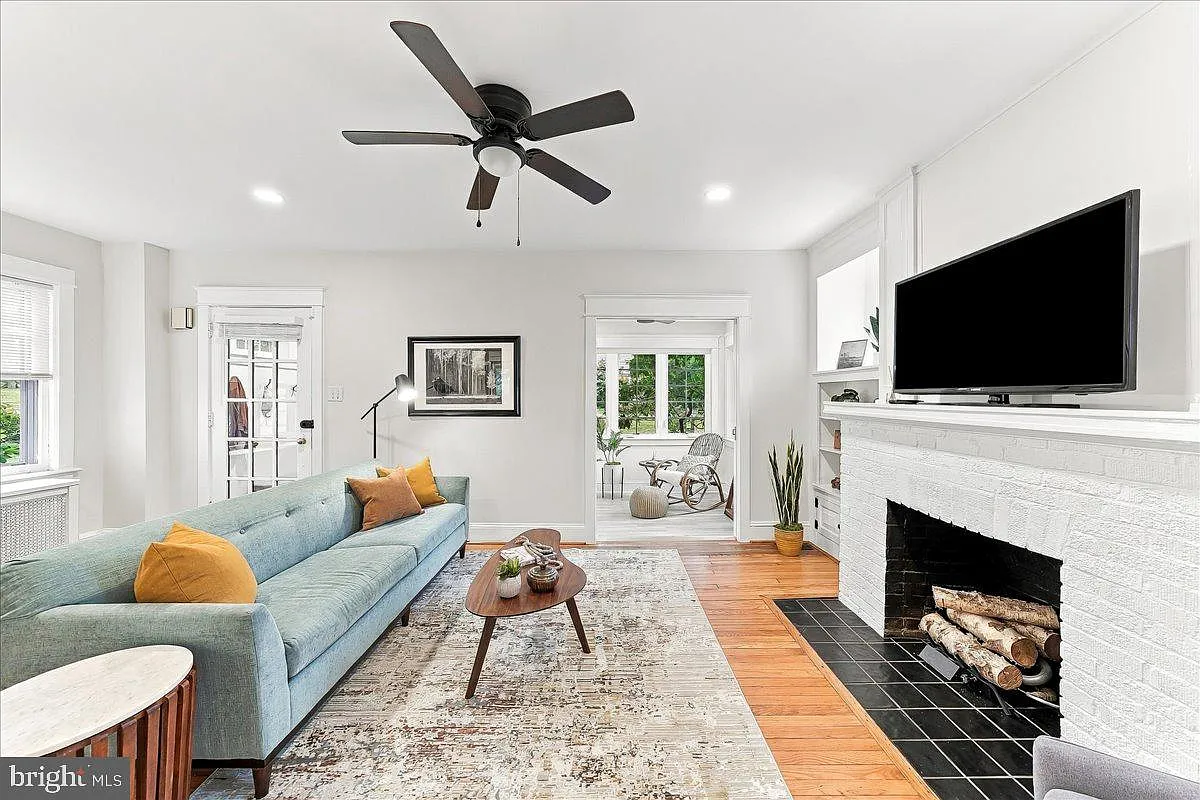
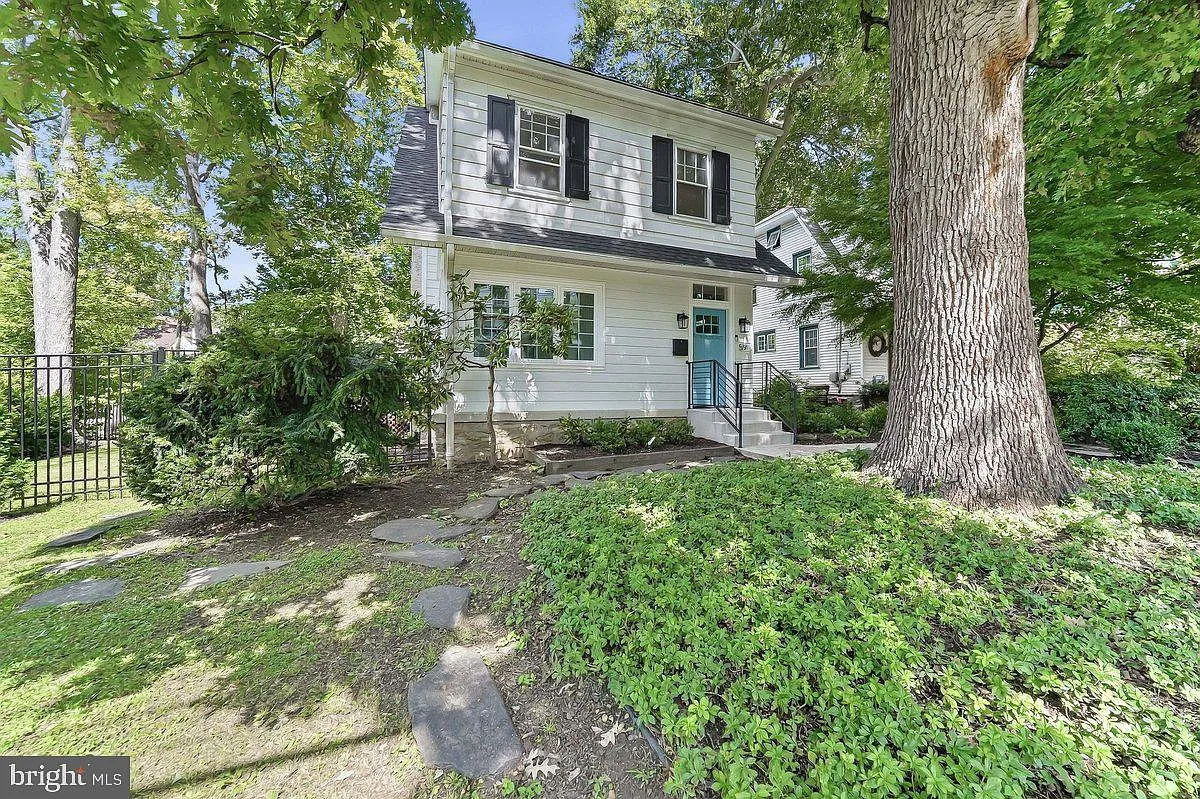

Bell Elite Senior Living — a nurse-led, family-owned personal care home in Lansdowne, PA. Warm living spaces, private bedrooms, and a chef's kitchen — come see the difference.
The Silent Threat That Changes Everything Overnight
Have you ever noticed your aging parent or spouse acting just a little bit "off" without being able to put your finger on the exact cause? Perhaps they were slightly more irritable during your last visit to their home in Drexel Hill, or maybe they seemed unusually lethargic while you were enjoying a quiet afternoon in Media. These subtle shifts in personality or energy levels are often dismissed as simple signs of aging or perhaps a poor night of sleep, yet for seniors, these changes can be the first warning bells of a brewing storm. As a nurse who has spent years observing the delicate balance of geriatric health, I have seen how a seemingly minor issue like a urinary tract infection can quickly escalate into a life-threatening emergency if it is not caught in those early, flickering moments of change.
Imagine this scenario for a moment. Picture your mother, a vibrant woman who has lived in Delaware County her entire life and still prides herself on her sharp wit and her ability to remember every birthday in the family. One Tuesday morning, she seems confused about whether she has eaten breakfast. By Wednesday, she is unsteady on her feet and insists that she sees someone standing in the corner of her living room who isn't there. Because she has no fever and no complaints of physical pain, you might fear she is suddenly experiencing a rapid onset of dementia. You might feel a crushing weight of grief, wondering how she could decline so quickly. But what if the culprit wasn't a permanent neurological shift at all? What if the real enemy was a simple bacterial infection that her body was struggling to signal in the traditional way?
Urinary tract infections are the second most common type of infection in the body, and for the elderly population, they represent a significant percentage of hospitalizations each year. Why is it that something so common can be so dangerous? The answer lies in the way the aging body communicates distress. While a younger person might feel a sharp sting or an urgent need to run to the restroom, a senior might experience no localized symptoms at all. Instead, the infection manifests through the central nervous system, leading to what we call delirium. Do you know how to tell the difference between a bad day and a medical crisis? In seniors, a sudden change in mental status is a medical emergency until proven otherwise.
Speak With Our Nursing Team
We help Pennsylvania families navigate senior care decisions with compassion and clinical expertise.

Private bedrooms and accessible bathrooms, designed for safety, comfort, and dignity.
Q: Why don't seniors always get a fever when they have an infection? The aging immune system does not always respond to invaders with the same intensity as a younger person's system. As we age, our baseline body temperature can actually run slightly lower, meaning a "normal" reading on a thermometer might actually represent a low-grade fever for an older adult. Additionally, the body's ability to mount a febrile response weakens over time, which means the most common indicator of infection is often completely absent in the very people who are most at risk. This is why we must look beyond the thermometer and pay close attention to behavioral cues and physical stamina.
Have you ever considered that the "fog" your loved one seems to be in might be a cry for help from their kidneys and bladder? When bacteria enter the urinary tract and begin to multiply, the body's inflammatory response can be overwhelming for a senior. This inflammation can affect blood flow and oxygenation to the brain, which is why the first sign of a UTI in a personal care home setting is often a fall or a sudden bout of confusion. At Bell Elite Senior Living, we prioritize this clinical observation because we know that catching an infection on Monday can prevent a trip to the emergency room on Tuesday. We are a family-owned, nurse-led community that understands the nuances of Pennsylvania's senior care landscape. If you are worried about a loved one's sudden change in behavior, you can reach our team at (484) 356-1070 to discuss how specialized monitoring can make all the difference.
Is it possible that we have been looking for the wrong symptoms all along? We are taught to look for pain, but in the world of geriatric nursing, we learn to look for "the settles." We look for the way a resident settles into a chair and doesn't want to get up, or the way they settle into a quietness that isn't their norm. In towns like Havertown or Springfield, where families are often balancing busy careers with caregiving, these small changes can be easy to miss. But once you know what to look for, you can become the advocate your loved one needs. Early detection of a UTI can reduce the risk of urosepsis by nearly fifty percent, making your vigilance the most powerful tool in their healthcare arsenal.
The Biological Battleground of the Aging Body
Speak With Our Nursing Team
We help Pennsylvania families navigate senior care decisions with compassion and clinical expertise.
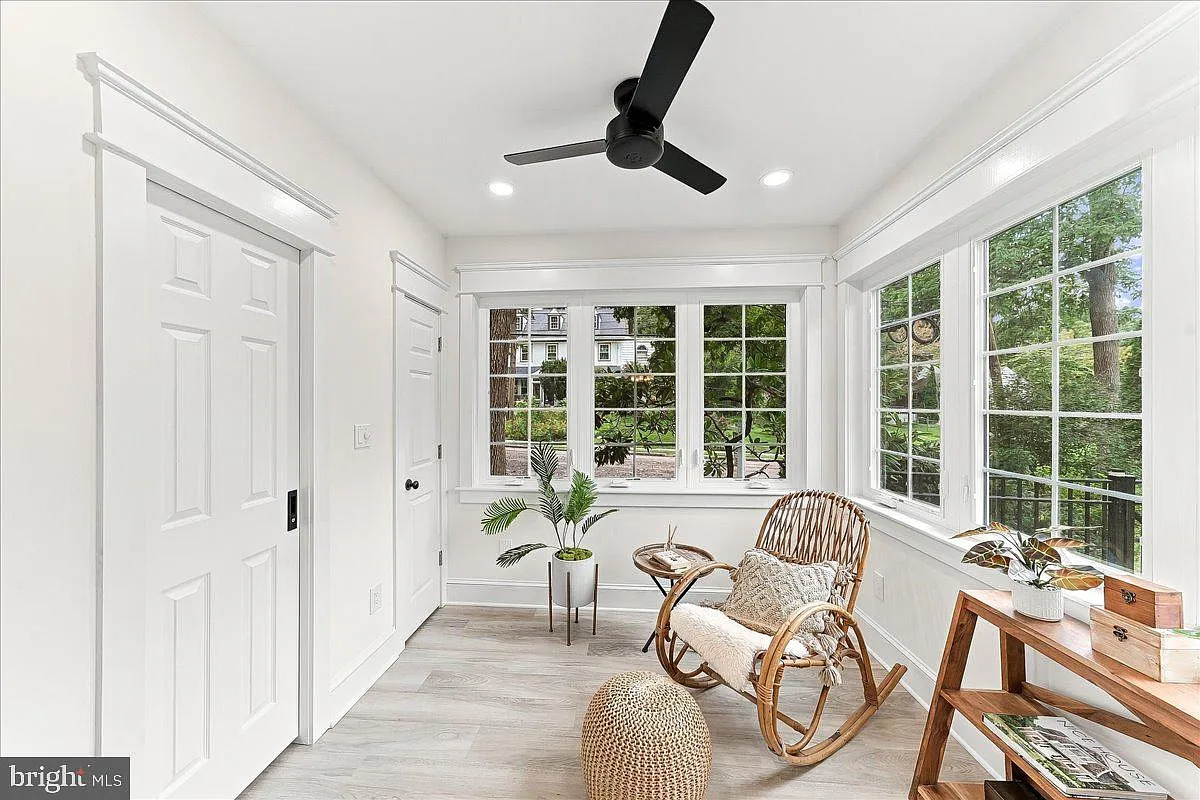
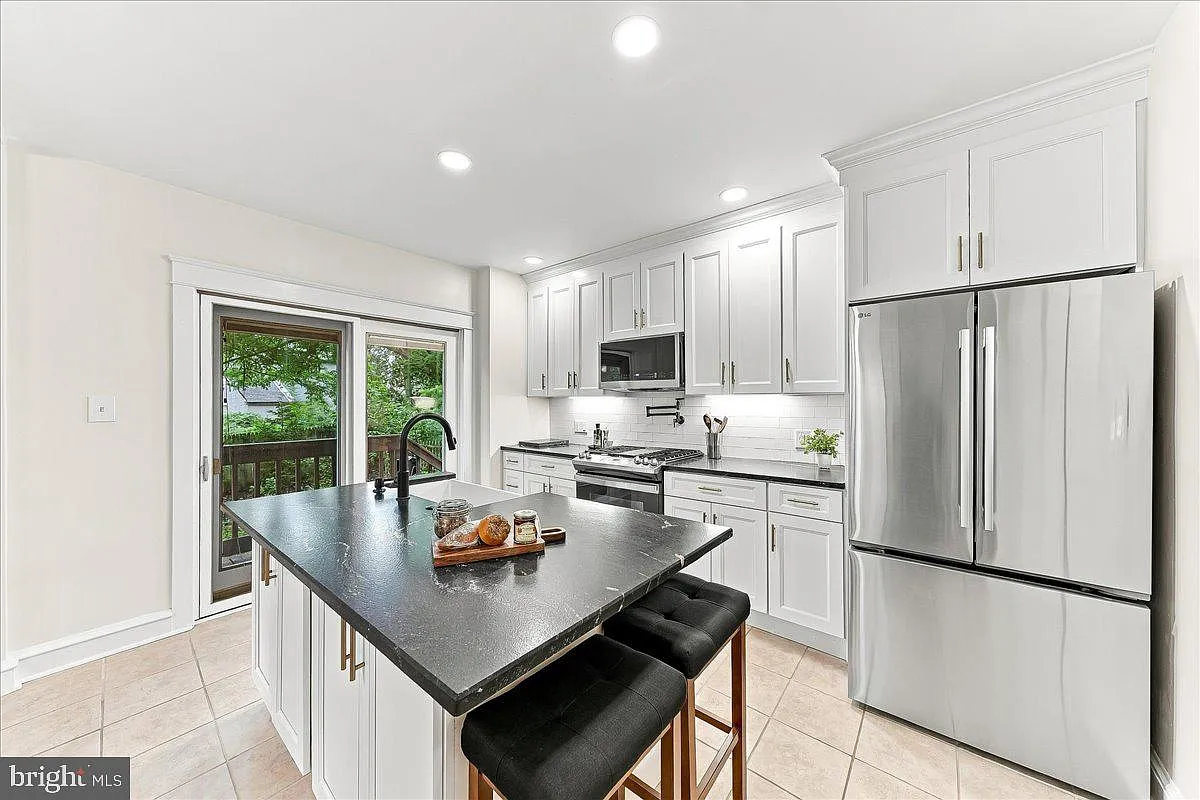
Home-cooked meals in our chef's kitchen and peaceful moments in the sunroom — life at Bell Elite.
Do you realize how much the aging process fundamentally changes the way a human body fights off a simple infection? It is not just about a weaker immune system, although that is a large part of the puzzle. As we age, every system in the body undergoes a transformation that makes us more susceptible to bacterial overgrowth. In the humid summers of the Philadelphia suburbs or the chilly, dry winters of Chester County, these physiological changes can be exacerbated by environmental factors. When you combine natural aging with the unique climate of the Northeast, the risk for dehydration and subsequent infection becomes a constant shadow.
Picture the bladder as a reservoir that needs to be regularly flushed to remain clean. In a healthy younger person, the muscles of the bladder are strong and can empty completely with every visit to the bathroom. However, for many seniors, these muscles become lax or the nerves that signal the brain to empty the bladder become less sensitive. This leads to what we call urinary retention, where a small amount of "old" urine stays in the bladder at all times. This stagnant pool becomes the perfect breeding ground for bacteria. Over thirty percent of seniors experience some form of urinary retention, which significantly increases their daily risk of developing a chronic or acute infection.
Q: Is it true that dehydration is the leading cause of UTIs in Delaware County seniors? While bacteria cause the infection, dehydration is often the primary environmental trigger. When a senior is dehydrated, their urine becomes more concentrated and acidic, which irritates the lining of the bladder and makes it easier for bacteria to latch onto the tissue. In our region, many seniors avoid drinking water because they fear having to make frequent trips to the bathroom or they struggle with mobility. This creates a dangerous cycle where the very thing they are avoiding is the thing that would keep them out of the hospital.
Have you ever thought about how medications might be playing a role in this delicate balance? Many seniors in the Broomall and Newton Square areas take medications for high blood pressure or heart conditions that act as diuretics. These pills are designed to pull fluid out of the body, which is great for the heart but potentially devastating for the urinary tract if not managed with increased water intake. Furthermore, conditions like diabetes, which are common among the elderly, can lead to higher sugar levels in the urine. Bacteria love sugar, and for a senior with unmanaged glucose, their bladder essentially becomes a high-energy buffet for E. coli and other common pathogens.
How can a family member possibly keep track of all these moving parts while also trying to maintain a normal relationship with their parent? This is where the value of a nurse-led personal care home becomes undeniable. At Bell Elite Senior Living, we don't just see a resident, we see a complex biological system that requires constant, gentle calibration. Our nursing background allows us to spot the tiny signs of dehydration or the subtle changes in urinary output that a layperson might overlook. We are located right here in Delaware County, and you can call us at (484) 356-1070 to learn more about our hydration protocols and how we protect our residents from these avoidable crises.
Speak With Our Nursing Team
We help Pennsylvania families navigate senior care decisions with compassion and clinical expertise.
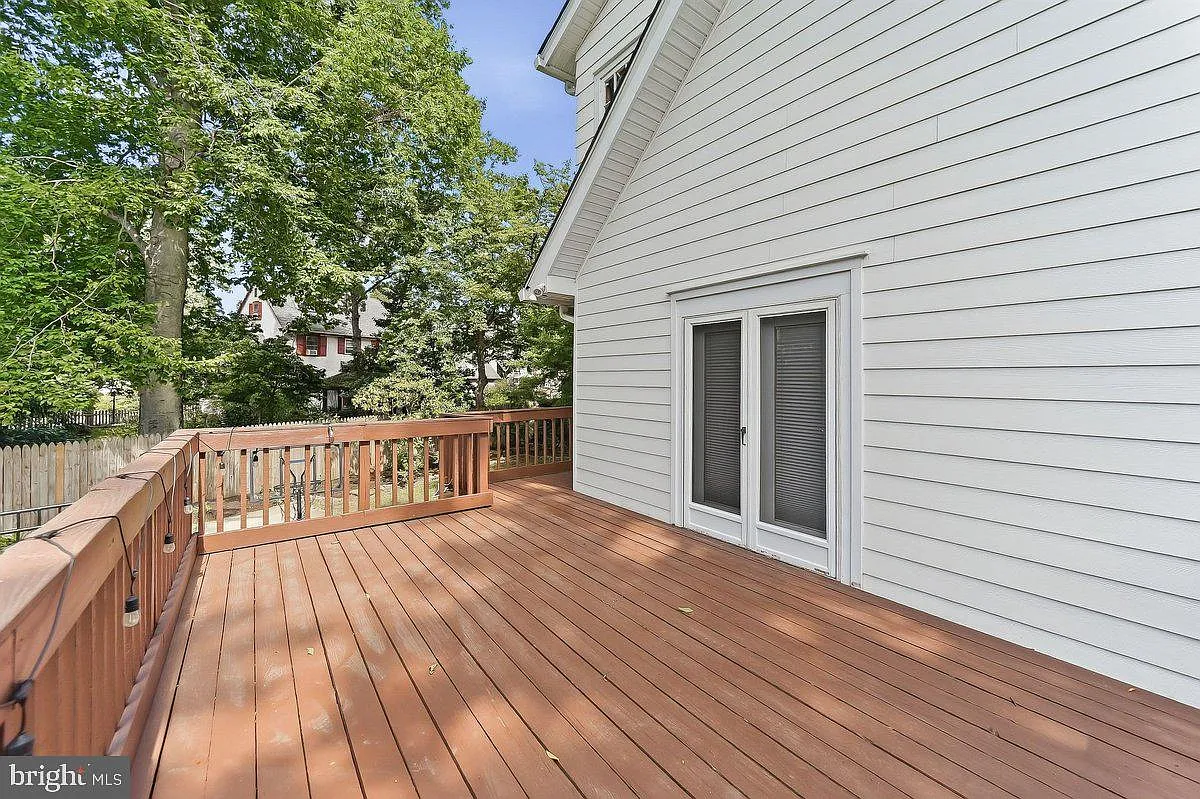
Gather in our warm living room or enjoy fresh air on the deck — every space feels like home.
The mortality rate for untreated urosepsis in seniors can be as high as forty percent, a statistic that should stop every caregiver in their tracks. This is why we cannot afford to "wait and see" if a senior feels better tomorrow. If the infection is allowed to move from the bladder into the kidneys and then into the bloodstream, the body can enter a state of shock that is incredibly difficult to reverse in an older adult. Have you checked your loved one's fluid intake today? Are they drinking enough to keep their system moving, or are they sipping just enough to get by? These questions are the foundation of proactive senior care.
Have questions about personalized care options? Bell Elite Senior Living's nursing team is ready to help. Call (484) 356-1070 or schedule a free consultation today.
The Danger of Atypical Presentation and the Delirium Trap
Could you distinguish between the early stages of dementia and a sudden physical illness in your mother or father if the symptoms looked exactly the same? This is perhaps the most frightening aspect of UTIs in the elderly. In a younger person, the symptoms are physical. In a senior, the symptoms are psychiatric. This phenomenon is known as "atypical presentation," and it is the reason so many seniors are misdiagnosed or sent for neurological testing when they actually need a simple course of antibiotics.
Imagine walking into your father's apartment in Media and finding him agitated, pacing the floor, and insisting that he needs to leave for a job he retired from thirty years ago. He is confused about the time of day and becomes angry when you try to gently correct him. Your heart sinks because you think, "This is it, the dementia has finally taken over." But if you look closer, you might notice that this confusion came on within twenty-four to forty-eight hours. Dementia is a slow, progressive decline that takes years, while delirium is a sudden, sharp change that happens in days or even hours. This distinction is vital for every family in the Philadelphia suburbs to understand.
Q: Why does a bladder infection make a senior act like they have dementia? The brain of an older adult is more vulnerable to metabolic stress. When an infection triggers an immune response, the body releases chemicals called cytokines. In a younger brain, these chemicals are managed effectively. In a senior brain, especially one that might already have some age-related changes, these cytokines can cause a temporary "short circuit." This results in confusion, hallucinations, and extreme agitation. Once the infection is cleared, the delirium usually dissipates, and the person returns to their previous level of cognitive function.
Have you ever wondered why some seniors become incredibly sleepy when they are sick instead of agitated? This is the "quiet" version of delirium, and it is just as dangerous. A resident might stop eating, stop talking, and spend the entire day napping. Because they aren't causing a disturbance, this "hypoactive" delirium is often missed by overworked staff in large, corporate facilities. However, in a smaller, family-owned setting like Bell Elite Senior Living, we know the baseline of every individual. If someone who usually enjoys the morning news is suddenly hard to rouse, our nursing intuition kicks in immediately.
What happens if we miss this window of opportunity? When an infection is left to smolder, it doesn't just stay in the bladder. It can lead to permanent cognitive decline if the delirium is prolonged. Research shows that every day a senior spends in a state of delirium increases their risk of long-term memory loss and functional decline. By catching the UTI early, we aren't just treating a physical ailment, we are protecting the very essence of who that person is. Do you have a plan in place for when these sudden changes occur? Knowing who to call can save you hours of panic and potentially save your loved one's life.
How many times have families in places like Upper Darby or Swarthmore felt helpless as they watched a loved one decline in a hospital setting? The hospital environment itself can worsen delirium due to the loud noises, bright lights, and disrupted sleep schedules. This is why preventing the hospital trip in the first place is our primary goal at Bell Elite Senior Living. By providing a calm, nurse-monitored environment, we can often manage these issues before they require an acute care setting. If you need a partner in this journey, our team at (484) 356-1070 is always here to listen and guide you through the complexities of senior health.
The Nurse-Led Advantage in Personal Care
What does it truly mean to have a clinical eye watching over your family member every single day? In many personal care homes across Montgomery County and Delaware County, the daily operations are managed by administrators who may have business backgrounds but lack clinical training. While they care deeply for their residents, they might not have the "nursing sense" required to detect the subtle physical cues of a developing UTI. Being nurse-led means that our entire philosophy of care is built on a foundation of health assessment and proactive intervention.
Picture the difference between a caregiver who notes that a resident "seems tired" and a nurse who notes that the same resident has a slightly increased respiratory rate, a decreased appetite, and a specific change in the clarity of their urine. The caregiver sees a mood, but the nurse sees a clinical picture. At Bell Elite Senior Living, our family-owned structure allows us to keep our ratios small so that our nursing staff can truly know each resident’s "normal." This level of intimacy is the best defense against the silent progression of infections. In nurse-led facilities, the rate of avoidable hospitalizations is significantly lower than the national average.
Q: What specific things do nurses look for that a family member might miss? Nurses are trained to look for "micro-shifts." We check for skin turgor to assess hydration, we monitor the frequency and quality of bathroom visits, and we look for changes in gait or balance that could indicate internal discomfort. We also look for "sundowning" behaviors that seem more intense than usual. Most importantly, we understand the interaction between a resident's chronic conditions, like heart failure or chronic obstructive pulmonary disease, and how an acute infection might put extra strain on those systems.
Have you ever felt like you were just a number in a large, corporate assisted living facility? The beauty of a smaller, nurse-led home is the ability to pivot quickly. If we suspect a UTI, we don't have to wait through three layers of corporate management to take action. We can coordinate with the resident's physician, collect the necessary samples, and start a hydration protocol immediately. In the Philadelphia suburbs, where the healthcare system can sometimes feel overwhelming and impersonal, having a direct line to a nurse who knows your mother’s name and her favorite tea is a priceless comfort.
Why is the "family-owned" aspect so important when it comes to medical monitoring? When a facility is owned by a family, the reputation of that family is tied to the well-being of the residents. We aren't answering to stockholders, we are answering to you. We understand the weight of the trust you place in us when you move a loved one into Bell Elite Senior Living. That trust is built on the phone calls we make to you at (484) 356-1070, not just when there is a crisis, but when we see a small change that we are already handling.
Proactive nursing care can reduce the use of powerful antibiotics by catching infections when they are still manageable. Over-prescribing antibiotics is a major concern in geriatric medicine, as it can lead to resistant "superbugs" and secondary infections like C. diff. By focusing on hydration, hygiene, and early detection, we often find that we can manage the health of our residents more gently and effectively. Are you ready to move from a reactive care model to a proactive one? The peace of mind that comes from knowing a nurse is the one overseeing your loved one's daily life is something every family deserves.
Ready to explore tailored care solutions? Speak with our coordinators at Bell Elite. Phone: (484) 356-1070 • Request a tour
Prevention and the Art of Proactive Wellness
How can we transform our daily routines to ensure these dangerous infections never take root in the first place? Prevention is not a single act but a collection of small, consistent habits that create a shield around a senior's health. It starts with the most basic element of life, which is water. In many homes in Delaware County, seniors are living in older houses that might be harder to keep at a consistent temperature, or they may be hesitant to use the stairs to get a glass of water. These small barriers to hydration can have massive consequences over time.
Imagine a daily routine where hydration is celebrated rather than forced. Instead of just a glass of plain water, we offer infused waters, herbal teas, or hydrating snacks like melon and cucumber. At Bell Elite Senior Living, we make hydration a social event because we know that a senior is more likely to drink if they are engaged in conversation. Proper hydration can flush the urinary system and reduce bacterial counts by up to sixty percent, making it the most effective "medicine" we have. Have you looked at the color of your loved one's urine lately? It should be the color of light straw, not the color of apple juice or amber.
Q: Are there specific foods or supplements that actually help prevent UTIs? While cranberry juice is the most famous suggestion, the science is a bit more nuanced. Cranberry supplements containing proanthocyanidins can help prevent bacteria from sticking to the bladder wall, but they are not a cure for an active infection. We also focus on probiotics to maintain a healthy balance of bacteria in the gut and urinary tract. However, the most important "supplement" is a high-fiber diet that prevents constipation. Constipation is a hidden risk factor for UTIs because a full bowel can press against the bladder and prevent it from emptying completely.
Have you ever considered the role that proper hygiene plays in a personal care setting? For seniors with mobility issues or those who use incontinence products, hygiene becomes a clinical task rather than just a personal one. Bacteria from the skin can easily migrate into the urinary tract if a person is not cleaned promptly and correctly. This is why having a trained staff who understands the importance of "front-to-back" cleaning and frequent changes is non-negotiable. In our nurse-led environment, we train our team to view every change as an opportunity to assess skin integrity and hygiene, ensuring that no resident is left in a state that could invite infection.
What about the physical environment of the home itself? In the Philadelphia area, many seniors live in beautiful, historic homes in places like Swarthmore or Lansdowne, but these homes can sometimes have bathrooms that are difficult to navigate. If a senior finds it painful or exhausting to get to the toilet, they will naturally hold their urine longer than they should. This retention is a primary driver of infection. By moving into a community like Bell Elite Senior Living, which is designed for senior safety and ease of access, these physical barriers are removed, allowing for more frequent and complete bladder emptying.
Research indicates that seniors who stay active and mobile have twenty percent fewer infections than those who are sedentary. Movement helps the entire body's circulation and helps the bladder function more effectively. This is why we encourage our residents to participate in daily activities and walks around our beautiful Delaware County grounds. We don't just want our residents to be "safe," we want them to be thriving and engaged. If you are struggling to manage your loved one's hygiene or activity levels at home, we are here to help. You can reach Bell Elite at (484) 356-1070 to discuss how our proactive wellness approach can change your family's life.
Finding Peace of Mind in Delaware County
When you lay your head on the pillow tonight, do you feel confident that your loved one is being monitored with expert precision, or do you find yourself worrying about the "what ifs"? It is a heavy burden to be the sole health advocate for an aging parent, especially when you are also managing your own family and career in the busy suburbs of Philadelphia. The transition to a personal care home is often born out of a crisis, but it doesn't have to be. By choosing a community that prioritizes clinical expertise and family values, you can shift your role from "monitor" back to "daughter" or "son."
Imagine visiting your mother and actually being able to talk about the family, the local news in Media, or the upcoming holidays instead of spending your entire visit checking her fridge for water and asking her if it hurts when she goes to the bathroom. This is the gift of professional care. When you choose Bell Elite Senior Living, you are choosing a team that treats your family like our own. Seniors in high-quality personal care environments often see an improvement in their overall health within the first ninety days because the stressors of daily living and medical management are handled by experts.
Q: How do I know if it is time to move my loved one to a nurse-led community like Bell Elite? The right time is often before the "big" crisis happens. If you have noticed frequent trips to the urgent care for infections, unexplained falls, or a general sense that your loved one is no longer managing their hydration and hygiene, it is time to start the conversation. Waiting for a major hospitalization for urosepsis or a broken hip can limit your options and make the transition much more stressful. A proactive move allows your loved one to settle in while they are still able to enjoy the community and build relationships with our staff.
Have you thought about the long-term impact of chronic UTIs on your loved one's independence? Every time a senior is hospitalized for an infection, they lose a bit of their baseline strength. The "revolving door" of the hospital is a reality for many families in Delaware County and Chester County, but it is a cycle that can be broken. With the right nursing oversight and a focus on prevention, we can keep residents out of the hospital and in their "home" at Bell Elite. Our phone number, (484) 356-1070, is more than just a contact point, it is a lifeline for families who are tired of the constant worry.
Does it matter that a home is family-owned? In a world of large healthcare conglomerates, there is something profoundly different about a place where the owners are on-site and the nursing staff is led by people with a personal stake in every resident's success. We understand the specific needs of Pennsylvania families because we are one. We know the local doctors, we understand the state regulations, and we know how to navigate the challenges of aging in our community. We are proud to serve the residents of Delaware County, from the quiet streets of Wallingford to the bustling neighborhoods of Drexel Hill.
Ensuring your loved one is in an environment where UTIs are caught early isn't just a medical choice, it is an act of love. It is about preserving their dignity, their cognitive function, and their time with you. As a nurse, I have seen the difference between a senior who is caught in the cycle of infection and one who is supported by a proactive clinical team. The latter lives a life of greater joy, stability, and longevity. If you are ready to take that step, Bell Elite Senior Living is here to welcome you home. Call us today at (484) 356-1070 to start the conversation that could save your loved one's life.
A Glimpse Inside Bell Elite
A warm, family-like residence — not an institution. Every space is designed for comfort, safety, and dignity.
Ready to Take the Next Step?
Bell Elite Senior Living is a nurse-led, family-owned personal care home in Delaware County, Pennsylvania. We're here to help.
Proudly Serving Families Across the Greater Philadelphia Region
Bell Elite Senior Living is a nurse-led, family-owned personal care home located in Delaware County, Pennsylvania — and we proudly serve families from across the entire Greater Philadelphia area and surrounding communities. Whether you are searching for a personal care home in Delaware County PA, exploring senior living options near Philadelphia, or looking for compassionate elder care for a loved one in Montgomery County, Bucks County, or Chester County, our team is here to help guide you through every step of the decision.
Families come to Bell Elite from throughout Philadelphia and its suburbs — including Upper Darby, Havertown, Drexel Hill, Broomall, Swarthmore, Media, Springfield, Lansdowne, Darby, Collingdale, and Sharon Hill in Delaware County; Ardmore, Norristown, Lansdale, Cheltenham, Abington, Blue Bell, Jenkintown, Ambler, and Horsham in Montgomery County; Doylestown, Newtown, Langhorne, Bristol, Yardley, Quakertown, and Levittown in Bucks County; and West Chester, Malvern, Exton, Downingtown, Phoenixville, Coatesville, and Paoli in Chester County. We are also a trusted resource for families in South Jersey communities such as Cherry Hill, Voorhees, Marlton, Moorestown, Mount Laurel, Haddonfield, Collingswood, and Camden County who are seeking high-quality personal care across the river in Pennsylvania. Families from Wilmington, Newark, and New Castle County, Delaware also regularly choose Bell Elite for its clinical excellence and intimate, home-like setting.
Our central location in Delaware County puts us within easy reach of Center City Philadelphia, the Main Line, South Philadelphia, Northeast Philadelphia, and the Philadelphia suburbs — making visits from family members throughout the region straightforward and stress-free. We understand that choosing the right personal care home is one of the most important decisions a family will make, and distance should never be a barrier to accessing exceptional, nurse-led care.
Frequently Asked Questions About Our Service Area
Does Bell Elite Senior Living serve families from Philadelphia?
Yes. Bell Elite Senior Living is located in Delaware County, PA, just minutes from Philadelphia. We regularly welcome residents and their families from across Philadelphia, including South Philly, Northeast Philadelphia, Kensington, Germantown, and Center City.
Do you accept residents from Montgomery County, PA?
Absolutely. We serve families throughout Montgomery County including Norristown, Ardmore, Lansdale, Cheltenham, Blue Bell, Jenkintown, and Ambler. Our nurse-led care model is a popular choice for families across the Philadelphia suburbs.
Can families from Bucks County place a loved one at Bell Elite?
Yes. Many of our residents come from Bucks County communities such as Doylestown, Newtown, Yardley, Langhorne, and Bristol. Our facility is easily accessible from Route 1 and I-95 corridors.
Do you serve Chester County families looking for personal care?
Yes. Families from West Chester, Malvern, Exton, Downingtown, Phoenixville, Paoli, and Coatesville in Chester County frequently choose Bell Elite for our small resident count, clinical oversight, and personalized care plans.
Is Bell Elite an option for families in South Jersey near Philadelphia?
Yes. Many families from Cherry Hill, Voorhees, Marlton, Mount Laurel, Haddonfield, Moorestown, and Camden County in New Jersey choose Bell Elite Senior Living in nearby Delaware County, PA for its nurse-led care and welcoming environment.
Do you accept residents from Delaware (Wilmington, Newark, New Castle County)?
Yes. Families from Wilmington, Newark, Middletown, and throughout New Castle County, Delaware have placed loved ones at Bell Elite. Our location in Delaware County, PA makes us a convenient and high-quality option for Delaware families seeking nurse-led personal care.
How do I find out if Bell Elite can serve my family's location?
Call us at (484) 356-1070 or visit our contact page. We serve the entire Greater Philadelphia region and surrounding areas and are happy to discuss your specific situation, schedule a tour, and answer any questions about our care services.
Related Articles


Related Care Services at Bell Elite
Our nurse-led personal care home in Lansdowne, PA offers specialized services for seniors across the Greater Philadelphia region.
Personal Care Home Near You
Bell Elite is located in Lansdowne, PA — minutes from Philadelphia. See care details for your community:
Have Questions After Reading?
Our nursing team offers free, no-pressure consultations for Pennsylvania families.
Talk to a nurse, not a salesperson. Our team includes RNs, LPNs, a PMHNP, and Family Nurse Practitioners.