

Tips for visiting a parent with dementia in a Norristown home
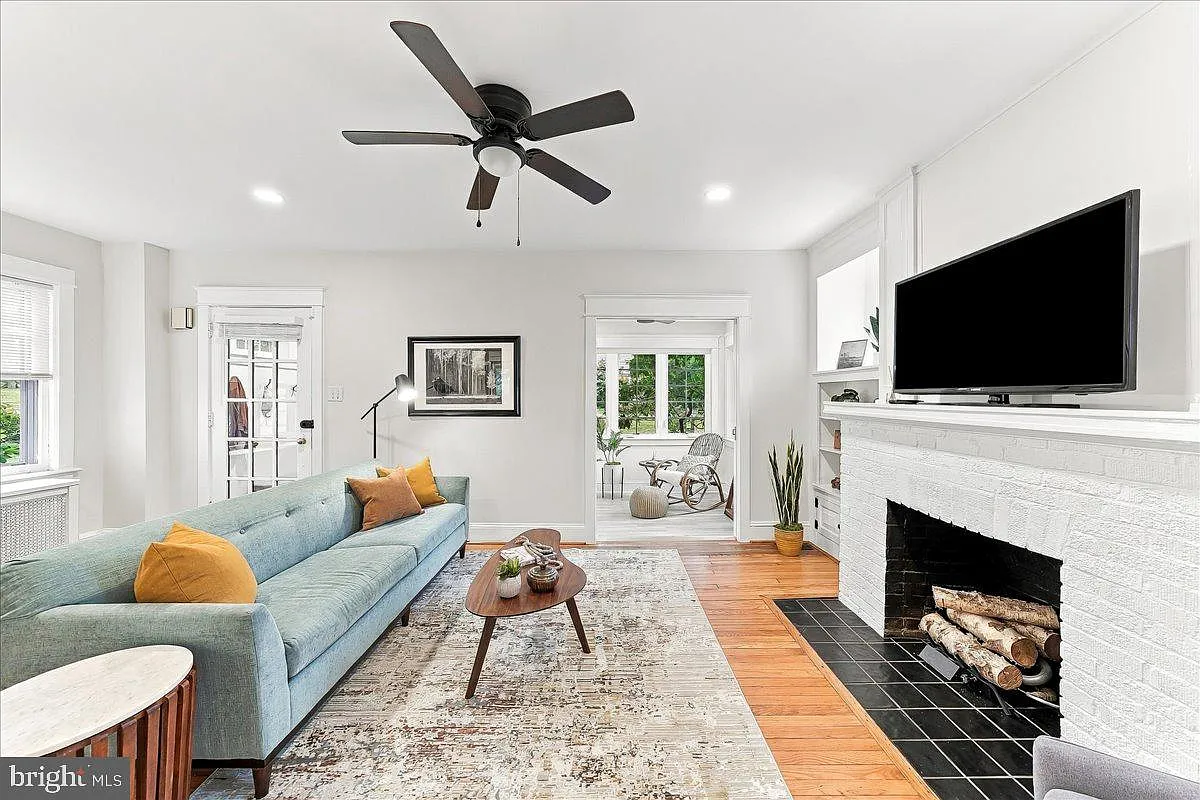
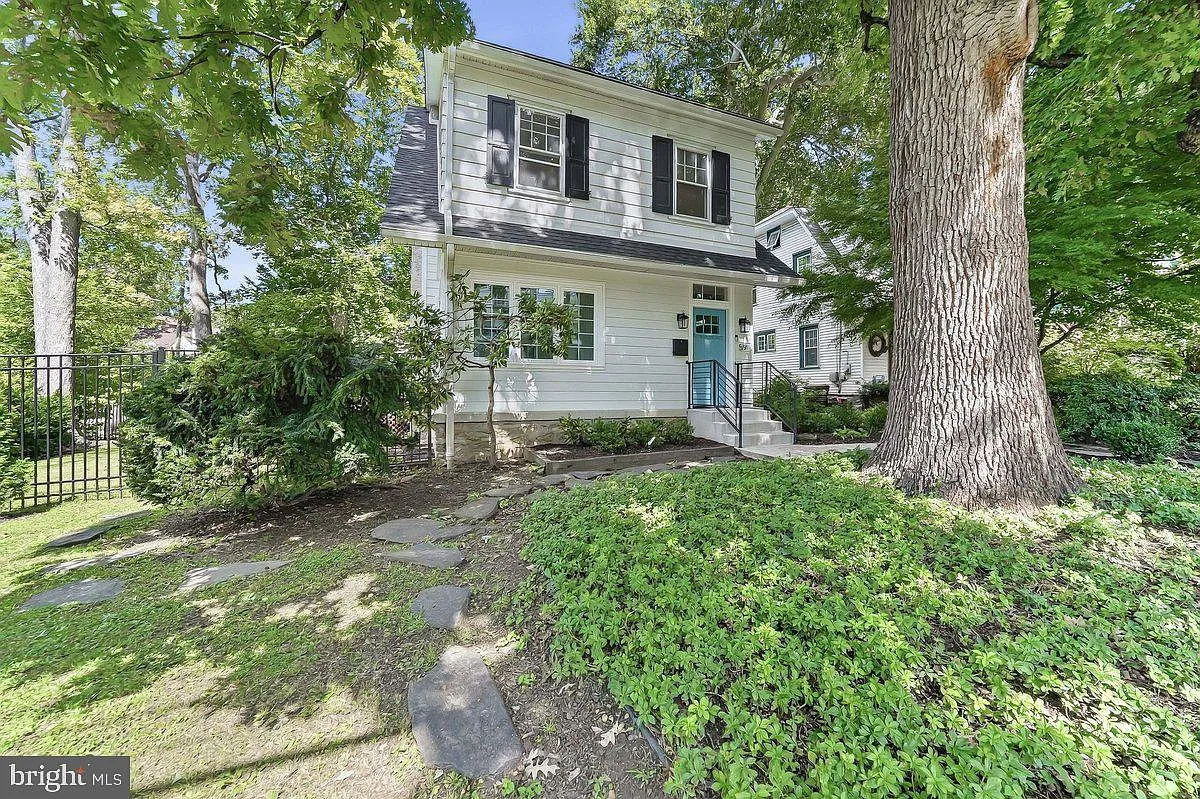
Bell Elite Senior Living — a nurse-led, family-owned personal care home in Lansdowne, PA. Warm living spaces, private bedrooms, and a chef's kitchen — come see the difference.
Navigating the Emotional Threshold of a Memory Care Visit
Have you ever wondered why your heart starts to race the moment you pull into the parking lot of a personal care home in Norristown or Delaware County? Imagine this: you are sitting in your car, your hands gripping the steering wheel a little too tight, and the familiar scent of the Pennsylvania seasons—perhaps the crisp autumn air of a Media afternoon or the heavy humidity of a Springfield summer—is swirling around you. You are there to see your mother or father, yet a part of you feels like a stranger standing on the edge of a vast, unpredictable ocean. It is a common experience for families across the Philadelphia suburbs, and as a nurse who has walked these halls for years, I want you to know that your anxiety is a testament to your love.
Do you feel a sense of guilt for the trepidation you feel before walking through those front doors? Is it possible that the version of your parent you carry in your mind is clashing so violently with the reality of their dementia that the friction is wearing you thin? We often see families in the Montgomery County area struggle with the transition from being the primary caregiver to being a visitor. It is a tectonic shift in identity. You are moving from the person who manages the medications and the meals to the person who simply holds a hand. That transition is not a demotion; it is an invitation to reconnect on a soul level, free from the administrative burdens of daily survival.
Q: Why does my parent seem more confused when I visit them in their new environment? Often, the presence of a familiar face from the past can trigger a "memory shadow" where the parent tries to reconcile their current surroundings with their long-term memories of home. This cognitive dissonance can lead to increased agitation or confusion during the first twenty minutes of a visit as their brain works overtime to place you in their current reality. At Bell Elite Senior Living, we often encourage families to give their loved ones a "grace period" of quiet presence before launching into complex conversation.
Speak With Our Nursing Team
We help Pennsylvania families navigate senior care decisions with compassion and clinical expertise.
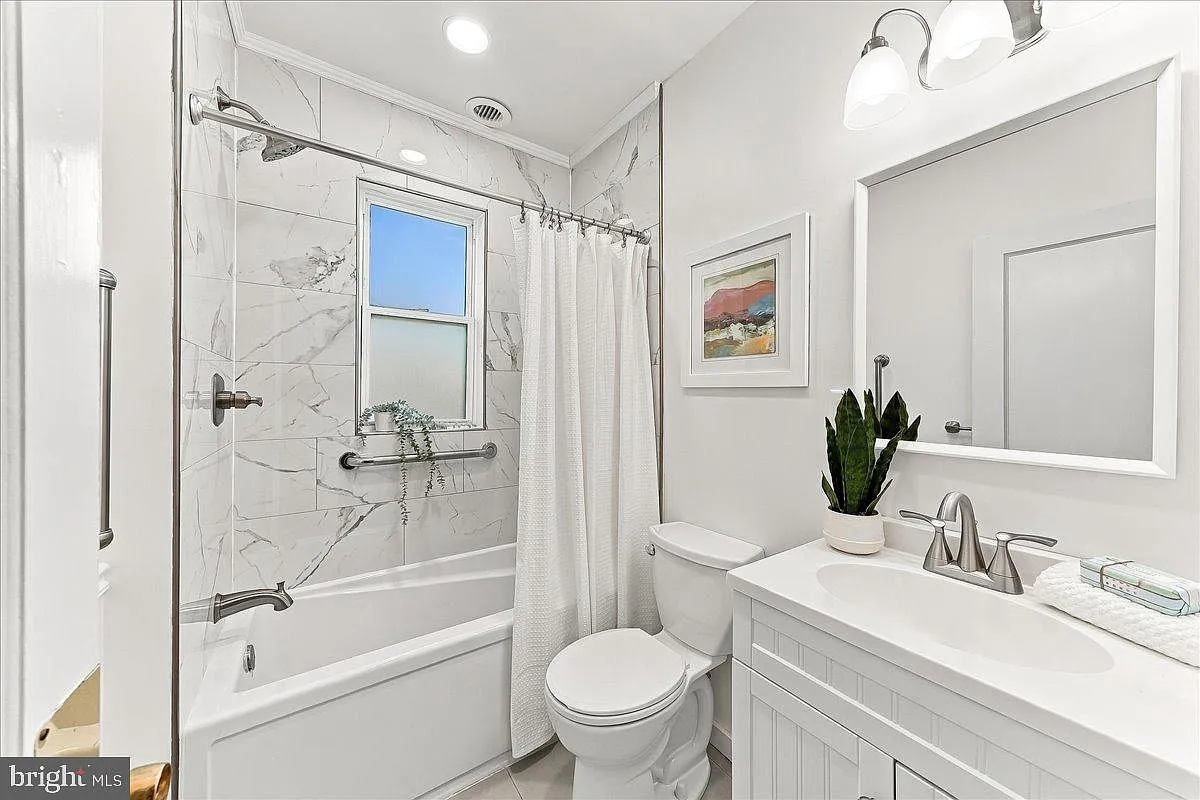
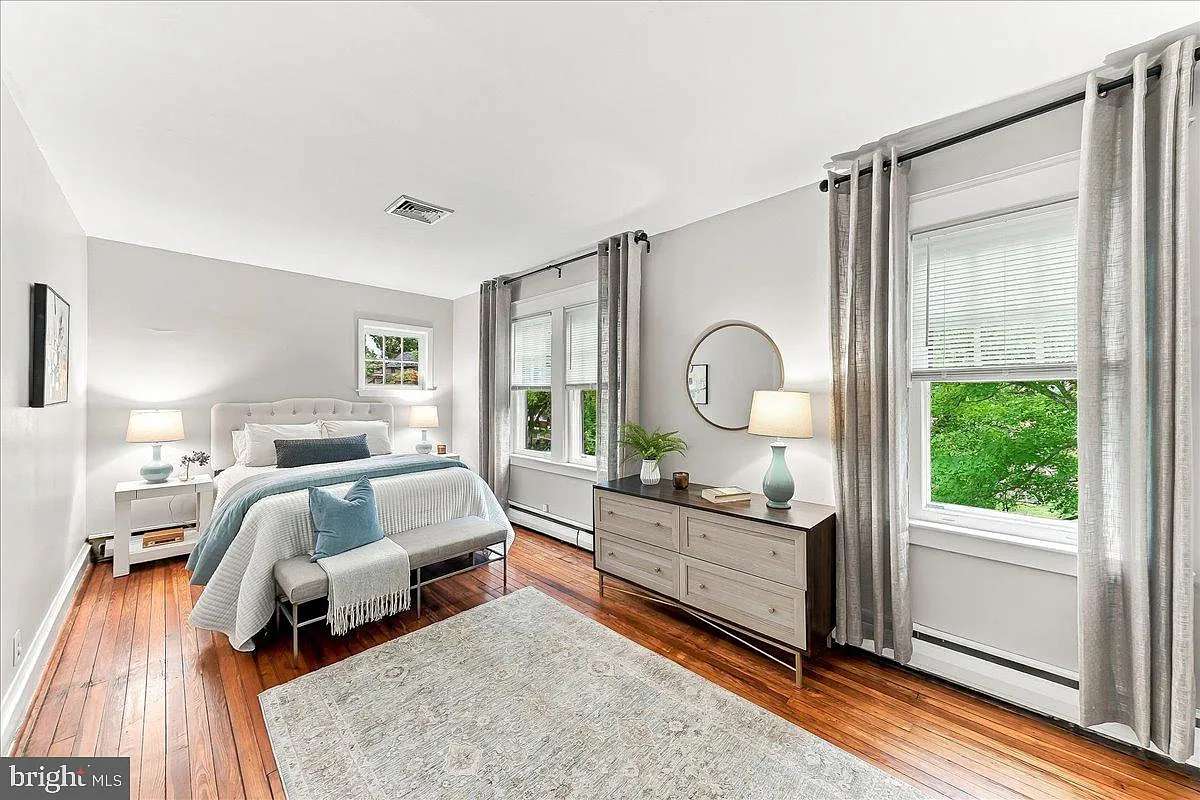
Private bedrooms and accessible bathrooms, designed for safety, comfort, and dignity.
How many times have you rehearsed what you are going to say, only to find that your parent doesn't even recognize your face that day? Statistics show that over 50 percent of residents in personal care homes have some form of cognitive impairment, which means the staff and families in our local Delaware County communities are all navigating these same choppy waters together. You are not alone in this journey. Whether you are coming from Havertown or Drexel Hill, the emotional weight you carry is shared by a community of neighbors who are also learning to love someone through the fog of memory loss.
Q: Is it normal to feel like I want to leave five minutes after arriving? Yes, this is a physiological response to stress known as the "flight" part of the fight-or-flight mechanism. Seeing a parent in a diminished state is a form of grief, and our brains naturally want to protect us from pain by urging us to exit the situation. Recognizing this as a natural protective instinct rather than a lack of love can help you stay present for just five more minutes, which is often when the most meaningful connections happen.
Picture this: you walk into the common area and see your father staring out the window toward the rolling hills of the Brandywine Valley or the bustling streets of Norristown. He looks peaceful, but the moment he sees you, his brow furrows. Is he angry? Is he sad? Most likely, he is simply processing the sensory input of your arrival. At Bell Elite Senior Living, we train our team to recognize that "behavior is communication." When words fail, the body takes over. Understanding this can transform your visit from a stressful obligation into a gentle observation of the person who raised you, now living in a different rhythm of life.
Timing and Atmosphere: Setting the Stage for Success
Speak With Our Nursing Team
We help Pennsylvania families navigate senior care decisions with compassion and clinical expertise.
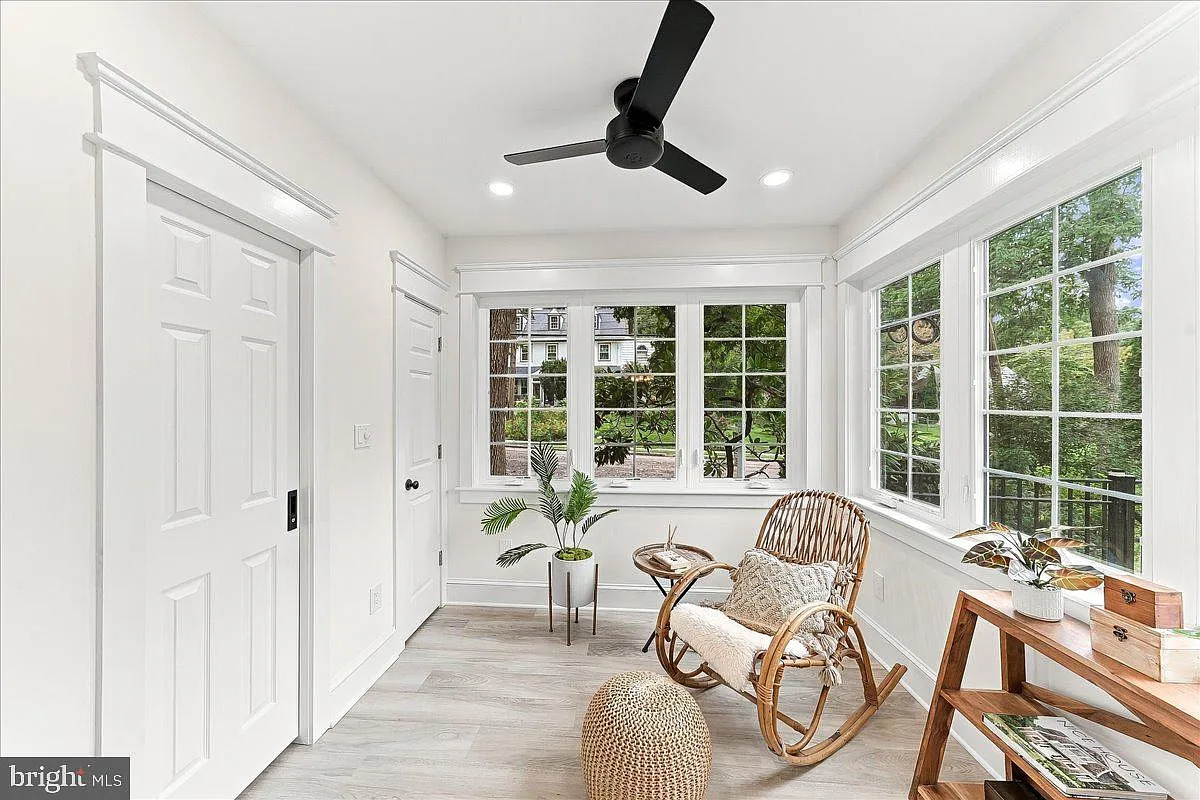
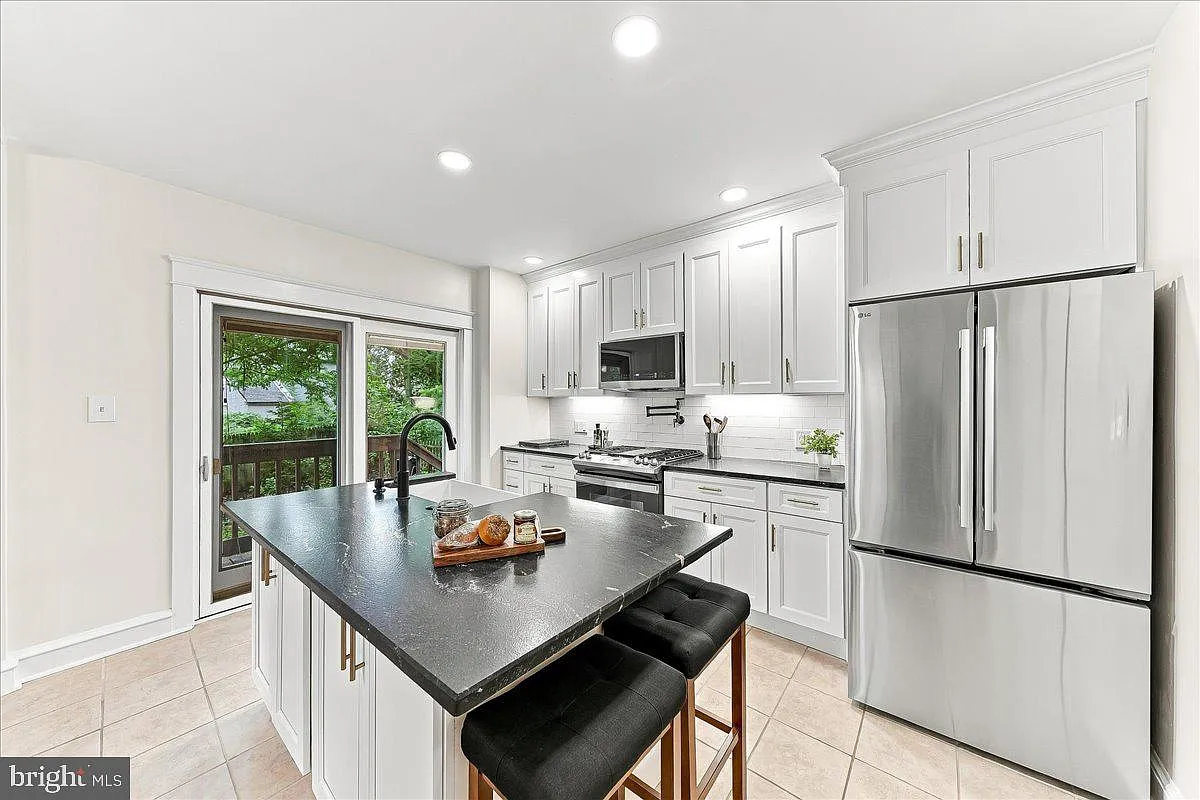
Home-cooked meals in our chef's kitchen and peaceful moments in the sunroom — life at Bell Elite.
Do you think about the clock more than the conversation when you plan your trips to see your parent? Many families in the Philadelphia suburbs try to squeeze a visit in between a commute from the city or after a long day of work in Upper Darby, but for a person with dementia, timing is everything. Have you ever noticed that your parent is sharp and engaged at ten in the morning but seems to fade away or become restless by four in the afternoon? This phenomenon, often called sundowning, is a reality for nearly 20 percent of individuals with Alzheimer’s, and it can turn a well-intentioned visit into a stressful confrontation.
Imagine this: you arrive at the home in Norristown just as the sun is beginning to dip behind the trees. The lighting in the facility changes, the staff is transitioning shifts, and your parent is starting to feel a primal urge to "go home" even though they are already there. If you schedule your visits during these high-energy transition periods, you are fighting an uphill battle against their own biology. Instead, what if you visited during the "golden window" of mid-morning? In the quiet hours after breakfast but before the bustle of lunch, the world feels smaller and more manageable for someone whose brain is struggling to filter out excess noise.
Q: Should I bring the grandkids along for every visit? While the energy of children can be a wonderful spark, it can also be overwhelming for a parent in the middle to late stages of dementia. We suggest "dosage visiting" where you bring the children for short, fifteen-minute intervals or perhaps every other visit. This prevents the sensory overload that often leads to a parent shutting down or becoming irritable in a crowded room.
Is the environment where you sit together working for you or against you? Think about the acoustics of the room. If you are sitting in a busy lounge in a Delaware County personal care home with a television blaring a news program and other residents chatting nearby, your parent's brain is likely exhausted just trying to hear your voice. At Bell Elite Senior Living, we always suggest finding a quiet nook or taking a slow walk in a garden area if the weather allows. The natural light of a Pennsylvania spring day can do wonders for the mood and focus of a senior, providing a neutral backdrop for your interaction.
Q: My mother keeps asking when we are going to leave; how should I respond? Instead of giving a specific time or explaining that she lives there now, try to pivot to the "immediate now." You might say, "We have nowhere to be for the next little while, so let's just enjoy this coffee," or "I'm right here with you, and there's no rush." This validates their feeling of restlessness without creating a confrontation about the reality of their living situation.
Speak With Our Nursing Team
We help Pennsylvania families navigate senior care decisions with compassion and clinical expertise.
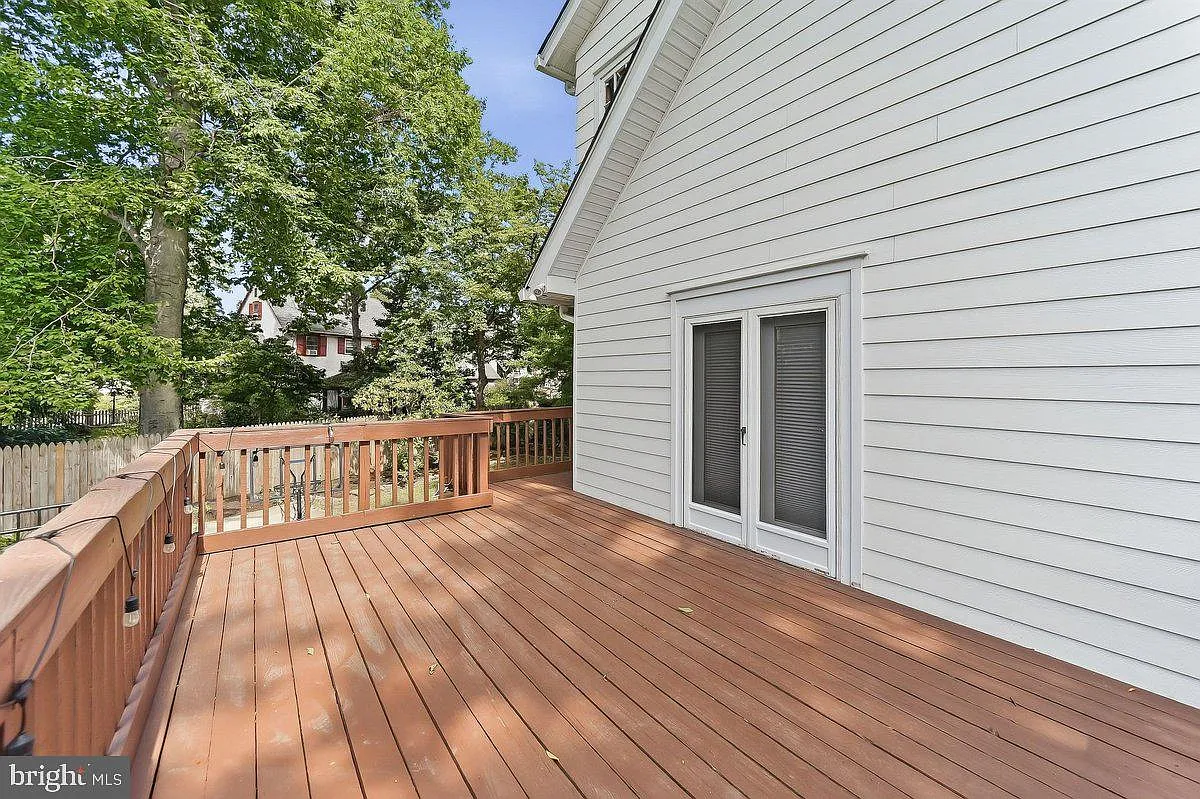
Gather in our warm living room or enjoy fresh air on the deck — every space feels like home.
Picture this: you bring a small bag with you containing a soft blanket laundered in the detergent they used for decades or perhaps a small container of a specific lotion with a scent they love. Sensory cues are often the last things to leave a person with dementia. By filling the immediate space with familiar smells and textures, you are creating a "sensory anchor" that can help ground them in the present moment. This is particularly effective in personal care homes throughout Montgomery and Chester counties, where the clinical environment can sometimes feel sterile. Your goal is to curate the atmosphere so that the focus remains on the bond between you, not the limitations of the diagnosis.
Have questions about personalized care options? Bell Elite Senior Living's nursing team is ready to help. Call (484) 356-1070 or schedule a free consultation today.
The Language of Connection: Communicating Beyond Words
Have you ever found yourself correcting your parent when they get a detail wrong, only to realize that you've just sparked an unnecessary argument? Imagine this: your mother insists that your grandmother, who passed away twenty years ago in a small house in Swarthmore, is coming to pick her up for dinner tonight. Your instinct is to provide the facts. You want to tell her the date, the year, and the reality of the situation. But in the world of dementia, facts are often secondary to feelings. When you correct a person with memory loss, you aren't helping them remember; you are telling them that their current reality is wrong, which causes shame and defensiveness.
Do you know how to practice validation therapy? It is a technique we use constantly at Bell Elite Senior Living, and it involves stepping into their world rather than forcing them into yours. If she says her mother is coming, instead of saying "She's gone," try asking "What was your mother like?" or "What was your favorite thing she used to cook for dinner?" You are honoring the emotion behind the statement. By the time you reach the end of that conversation, the need to "go home" or "wait for mom" has often dissipated because the emotional need for comfort has been met.
Q: How do I handle it when my father repeats the same question five times in ten minutes? The key is to answer each time as if it is the first time he has asked. For the person with dementia, it is the first time. If you become frustrated, he will pick up on your tone and body language even if he can't remember the question he just asked. This leads to a cycle of anxiety for both of you. Try to find a way to redirect the conversation after the third or fourth time by changing the physical environment, such as moving to a different chair or looking out a different window.
What does your body language say before you even open your mouth? Research suggests that over 90 percent of our communication is non-verbal, and this is even more pronounced in seniors with cognitive decline. If you walk into a room in a Drexel Hill facility with your arms crossed, your shoulders hunched, and a look of worry on your face, your parent will mirror that tension. They may not know why they are nervous, but they will feel your stress. Try to approach them from the front, maintain eye contact at their level, and offer a warm, genuine smile. A gentle touch on the hand or shoulder can communicate more love than a twenty-minute monologue ever could.
Q: Should I talk about family members who have recently passed away? Generally, it is best to avoid bringing up recent deaths unless the resident asks directly. For someone with dementia, hearing that a loved one has died can be like hearing the news for the very first time, every single time you tell them. It forces them to re-experience the raw, acute stage of grief repeatedly. If they ask where someone is, you can give a vague but truthful answer like, "They aren't here right now, but I'm here with you," and then redirect to a positive memory of that person.
Can you imagine the frustration of having a thought trapped behind a wall you can no longer climb? When your parent struggles to find a word, give them time. In our fast-paced society, especially in the busy suburbs of Philadelphia, we are conditioned to finish people's sentences to keep the conversation moving. However, for a senior in a Norristown home, that silence is necessary processing time. Count to ten in your head before offering a word. If they still can't find it, offer a guess with a smile, but don't make it a test. Conversations during these visits should feel like a gentle stream, not a high-stakes exam. If you need support navigating these communication hurdles, you can always reach out to the professional staff at (484) 356-1070 for guidance on how to better connect with your loved one.
Shared Moments: Meaningful Activities That Bridge the Gap
Have you ever sat in a room with your parent and felt the silence growing heavier by the minute because you simply didn't know what to do together? Imagine this: you are in a cozy sitting room in a Broomall or Havertown personal care home, and the "how are you" and "did you eat" questions have all been exhausted. The awkwardness can be painful. But what if you stopped trying to have a traditional conversation and started "doing" instead? Activities for those with dementia shouldn't be about the end product; they should be about the shared experience and the sensory stimulation.
Do you have a "visit kit" in your car? This is a secret weapon for families in Delaware County. Inside, you might keep a book of old photographs from their childhood in Swarthmore or Drexel Hill, a playlist of music from their teenage years, or even a simple box of fabric swatches with different textures like silk, wool, and velvet. Music, in particular, is a powerful tool. Studies have shown that music memory is often preserved in the brain long after other types of memory have faded, because it is processed in multiple areas of the brain. Putting on a favorite Frank Sinatra or Mahalia Jackson song can suddenly bring a sparkle back to their eyes that you haven't seen in months.
Q: Is it okay to bring a pet for a visit? Many facilities in the Philadelphia area, including Bell Elite Senior Living, recognize the profound therapeutic value of animals. If your parent was always a dog lover, seeing a well-behaved pet can lower their blood pressure and provide a non-judgmental source of affection. Always check with the administration first, but a "grand-dog" visit is often the highlight of a resident's week.
What if you engaged in "parallel play," just like children do? You don't always have to be looking at each other. You could bring a simple puzzle, a deck of cards to sort by color, or even some fresh flowers from a local Media florist to arrange in a vase together. The act of working with your hands side-by-side reduces the pressure on the parent to perform socially. It allows them to just "be" in your company. Have you ever noticed how much easier it is to talk when you are both looking at something else? This takes the spotlight off their cognitive deficits and places it on a shared, low-stakes task.
Q: My parent just wants to sleep when I visit; should I wake them up? Dementia is exhausting for the brain. If your parent is sleeping deeply, it might be best to let them rest, or you can simply sit by their side and read a book or hold their hand while they doze. Your physical presence still provides a sense of security and companionship, even if they aren't consciously interacting with you. However, if they are just dozing lightly, a gentle touch and a soft "hello" might be enough to wake them for a brief, meaningful connection.
Picture this: you bring a small container of their favorite local treat, perhaps a specific type of chocolate or a soft pretzel that reminds them of trips into the city. Taste and smell are incredibly evocative. As you share a snack, you might find that the flavors trigger a story about a summer long ago or a family holiday. These "micro-moments" of connection are the true goal of a visit. They may not remember that you came an hour after you leave, but the "emotional residue" of feeling loved and safe will linger in their heart for the rest of the day.
Ready to explore tailored care solutions? Speak with our coordinators at Bell Elite. Phone: (484) 356-1070 • Request a tour
The Art of Departure and Managing the Caregiver’s Heart
Have you ever felt that gut-wrenching moment when you stand up to leave and your parent looks at you with a mix of confusion and abandonment? Imagine this: you have had a wonderful hour-long visit at a home in Montgomery County, but the moment you reach for your keys, your parent’s mood shifts. They might ask to go with you, or they might start to cry. This is the hardest part for any family member, but there are ways to make the exit more graceful and less traumatic for both of you.
Do you have an "exit strategy" that doesn't involve a long, drawn-out goodbye? In the world of dementia care, long goodbyes are often more for the benefit of the visitor than the resident. For the person with memory loss, a long goodbye creates a period of escalating anxiety. Instead, try a "task-based exit." You might say, "I'm going to go check on the car now, and I'll see you soon," or wait until a meal is being served or an activity is starting and then slip away while they are engaged. This may feel deceptive to you, but from a clinical perspective, it prevents a "departure crisis" that can ruin the positive energy of the entire visit.
Q: I feel so guilty leaving them there; how do I cope with this? Guilt is a heavy burden, but it is often misplaced. You are not "leaving" them; you are ensuring they are in a safe, professional environment where their needs are met 24/7. At Bell Elite Senior Living, we remind families that they are still the primary "heart" of the care team, even if they aren't the ones providing the hands-on nursing care. Your role has shifted from caregiver to advocate and loving presence, which is a vital part of their well-being.
How do you take care of yourself after you drive away and head back to your home in Havertown or Upper Darby? The emotional hangover from a memory care visit is real. It is important to have a ritual for yourself after a visit. Maybe it is listening to a specific podcast on the drive home, stopping for a coffee in Media, or calling a friend who understands the journey. You cannot pour from an empty cup, and the stress of watching a parent decline is a form of "ambiguous loss"—you are grieving someone who is still physically present but mentally altered. Acknowledging this as a legitimate form of grief is the first step toward healing.
Q: What if they call me constantly asking to come home? This is a common challenge for families in the Philadelphia suburbs. If your parent has access to a phone and calls frequently, it may be necessary to set boundaries or work with the facility staff to manage phone access during their more confused times of day. Often, these calls are a sign of temporary boredom or anxiety rather than a genuine desire to move. When you answer, keep the conversation brief, reassuring, and focused on when you will see them next rather than debating why they cannot go home.
Picture this: you are driving home through the familiar streets of Delaware County, and for the first time in months, you don't feel a pit in your stomach. You realize that while your parent is different, the love is still there. You've learned to navigate the rough patches, you've learned to value the quiet moments, and you've found a partner in a professional care team that treats your family like their own. This peace of mind is what we strive for every day. Remember that your parent’s journey is not a reflection of your failure to care for them at home; it is a reflection of your commitment to providing them with the highest quality of life possible in their later years.
Evaluating the Sanctuary: Why Specialized Care Matters
Have you ever asked yourself if the facility you’ve chosen truly understands the unique neurological needs of your parent? Imagine this: you are walking through a personal care home in the Philadelphia area, and you notice the staff interacting with residents. Are they rushing past with clipboards, or are they stopping to make eye contact and offer a kind word? In the landscape of elder care in Pennsylvania, the difference between a "facility" and a "home" often comes down to the leadership and the philosophy of care.
Do you understand the value of a nurse-led, family-owned model? Many of the larger corporate-owned senior living centers in Montgomery and Bucks counties can feel impersonal, where residents are treated more like "units" than individuals with rich histories. At Bell Elite Senior Living, we believe that being nurse-led changes the entire atmosphere. It means that medical expertise is woven into the daily rhythm of life, not just summoned during an emergency. It means that when you call (484) 356-1070, you are speaking with people who understand the clinical progression of dementia as well as the emotional toll it takes on a family in Springfield or Broomall.
Q: How do Pennsylvania regulations for personal care homes protect my parent? Pennsylvania has specific standards for staffing, safety, and resident rights that every licensed home must follow. However, the best homes go far beyond the minimum state requirements. They focus on person-centered care, which means the daily schedule is built around the resident’s preferences rather than the staff’s convenience. When you tour a home, ask about their staff-to-resident ratio and how they handle specialized memory care training for their team.
What does "personalized care" actually look like in practice? It looks like knowing that your father was a teacher in the Philadelphia school district for thirty years and making sure he always has a book or a newspaper nearby. It looks like understanding that your mother from Swarthmore loves a specific type of herbal tea every afternoon at three. These small details are what make a life worth living, even when the memories of those details are starting to slip away. Personal care homes in Delaware County that prioritize these "life stories" create an environment where residents can thrive rather than just exist.
Q: Can a personal care home handle my parent if their dementia progresses significantly? This is a vital question to ask during your initial consultation. Many homes, including Bell Elite Senior Living, are equipped to provide a high level of support as needs change. However, there are times when a resident may need more intensive skilled nursing care. Having a nurse-led team means we can help you navigate those transitions with clinical insight and compassion, ensuring your parent is always in the most appropriate and safe environment for their current stage of health.
Picture this: you arrive for a visit and find your parent participating in a small group activity, smiling and engaged. They may not know exactly where they are or who everyone is, but they feel a sense of belonging and purpose. This is the ultimate goal of specialized memory care. It is about creating a sanctuary where the "elite" treatment isn't just a name, but a daily reality. Whether you are from Media, Havertown, or anywhere else in the surrounding counties, you deserve to know that your loved one is being cared for by people who see them for who they were, who they are, and who they will continue to be. If you are ready to see what a difference a nurse-led, family-owned home can make, please reach out to us. We are here to walk this path with you, providing the expertise and heart that your family deserves.
A Glimpse Inside Bell Elite
A warm, family-like residence — not an institution. Every space is designed for comfort, safety, and dignity.
Ready to Take the Next Step?
Bell Elite Senior Living is a nurse-led, family-owned personal care home in Delaware County, Pennsylvania. We're here to help.
Proudly Serving Families Across the Greater Philadelphia Region
Bell Elite Senior Living is a nurse-led, family-owned personal care home located in Delaware County, Pennsylvania — and we proudly serve families from across the entire Greater Philadelphia area and surrounding communities. Whether you are searching for a personal care home in Delaware County PA, exploring senior living options near Philadelphia, or looking for compassionate elder care for a loved one in Montgomery County, Bucks County, or Chester County, our team is here to help guide you through every step of the decision.
Families come to Bell Elite from throughout Philadelphia and its suburbs — including Upper Darby, Havertown, Drexel Hill, Broomall, Swarthmore, Media, Springfield, Lansdowne, Darby, Collingdale, and Sharon Hill in Delaware County; Ardmore, Norristown, Lansdale, Cheltenham, Abington, Blue Bell, Jenkintown, Ambler, and Horsham in Montgomery County; Doylestown, Newtown, Langhorne, Bristol, Yardley, Quakertown, and Levittown in Bucks County; and West Chester, Malvern, Exton, Downingtown, Phoenixville, Coatesville, and Paoli in Chester County. We are also a trusted resource for families in South Jersey communities such as Cherry Hill, Voorhees, Marlton, Moorestown, Mount Laurel, Haddonfield, Collingswood, and Camden County who are seeking high-quality personal care across the river in Pennsylvania. Families from Wilmington, Newark, and New Castle County, Delaware also regularly choose Bell Elite for its clinical excellence and intimate, home-like setting.
Our central location in Delaware County puts us within easy reach of Center City Philadelphia, the Main Line, South Philadelphia, Northeast Philadelphia, and the Philadelphia suburbs — making visits from family members throughout the region straightforward and stress-free. We understand that choosing the right personal care home is one of the most important decisions a family will make, and distance should never be a barrier to accessing exceptional, nurse-led care.
Frequently Asked Questions About Our Service Area
Does Bell Elite Senior Living serve families from Philadelphia?
Yes. Bell Elite Senior Living is located in Delaware County, PA, just minutes from Philadelphia. We regularly welcome residents and their families from across Philadelphia, including South Philly, Northeast Philadelphia, Kensington, Germantown, and Center City.
Do you accept residents from Montgomery County, PA?
Absolutely. We serve families throughout Montgomery County including Norristown, Ardmore, Lansdale, Cheltenham, Blue Bell, Jenkintown, and Ambler. Our nurse-led care model is a popular choice for families across the Philadelphia suburbs.
Can families from Bucks County place a loved one at Bell Elite?
Yes. Many of our residents come from Bucks County communities such as Doylestown, Newtown, Yardley, Langhorne, and Bristol. Our facility is easily accessible from Route 1 and I-95 corridors.
Do you serve Chester County families looking for personal care?
Yes. Families from West Chester, Malvern, Exton, Downingtown, Phoenixville, Paoli, and Coatesville in Chester County frequently choose Bell Elite for our small resident count, clinical oversight, and personalized care plans.
Is Bell Elite an option for families in South Jersey near Philadelphia?
Yes. Many families from Cherry Hill, Voorhees, Marlton, Mount Laurel, Haddonfield, Moorestown, and Camden County in New Jersey choose Bell Elite Senior Living in nearby Delaware County, PA for its nurse-led care and welcoming environment.
Do you accept residents from Delaware (Wilmington, Newark, New Castle County)?
Yes. Families from Wilmington, Newark, Middletown, and throughout New Castle County, Delaware have placed loved ones at Bell Elite. Our location in Delaware County, PA makes us a convenient and high-quality option for Delaware families seeking nurse-led personal care.
How do I find out if Bell Elite can serve my family's location?
Call us at (484) 356-1070 or visit our contact page. We serve the entire Greater Philadelphia region and surrounding areas and are happy to discuss your specific situation, schedule a tour, and answer any questions about our care services.
Related Articles



Related Care Services at Bell Elite
Our nurse-led personal care home in Lansdowne, PA offers specialized services for seniors across the Greater Philadelphia region.
Personal Care Home Near You
Bell Elite is located in Lansdowne, PA — a short drive from Norristown. See care details for your community:
Have Questions After Reading?
Our nursing team offers free, no-pressure consultations for Pennsylvania families.
Talk to a nurse, not a salesperson. Our team includes RNs, LPNs, a PMHNP, and Family Nurse Practitioners.