

The True Cost of Waiting: When Delayed Senior Care Becomes Expensive
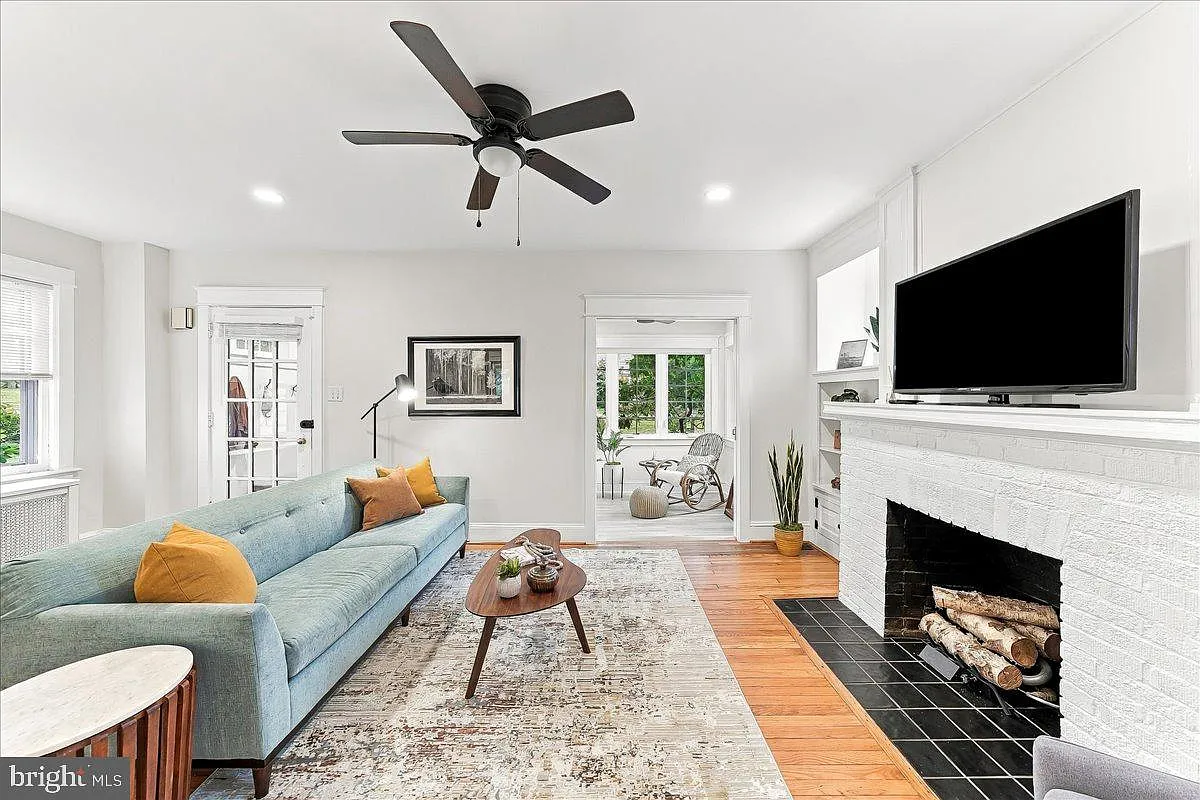
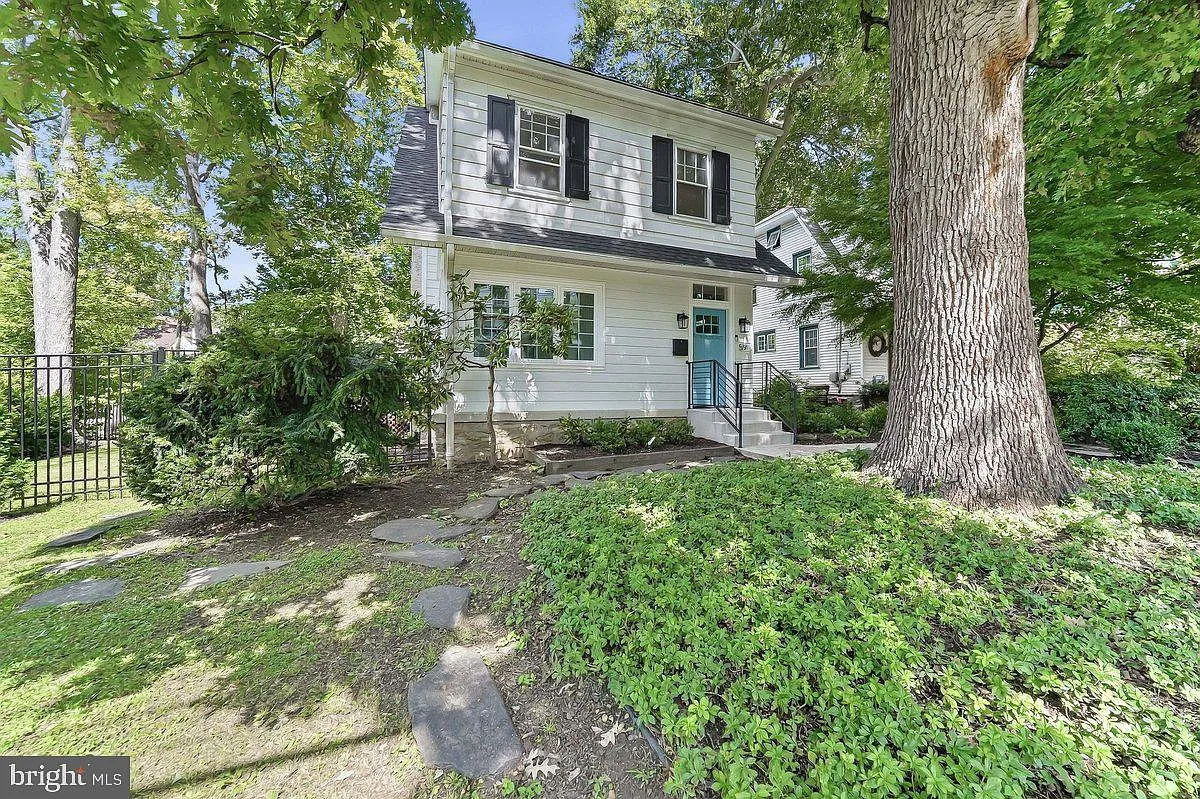
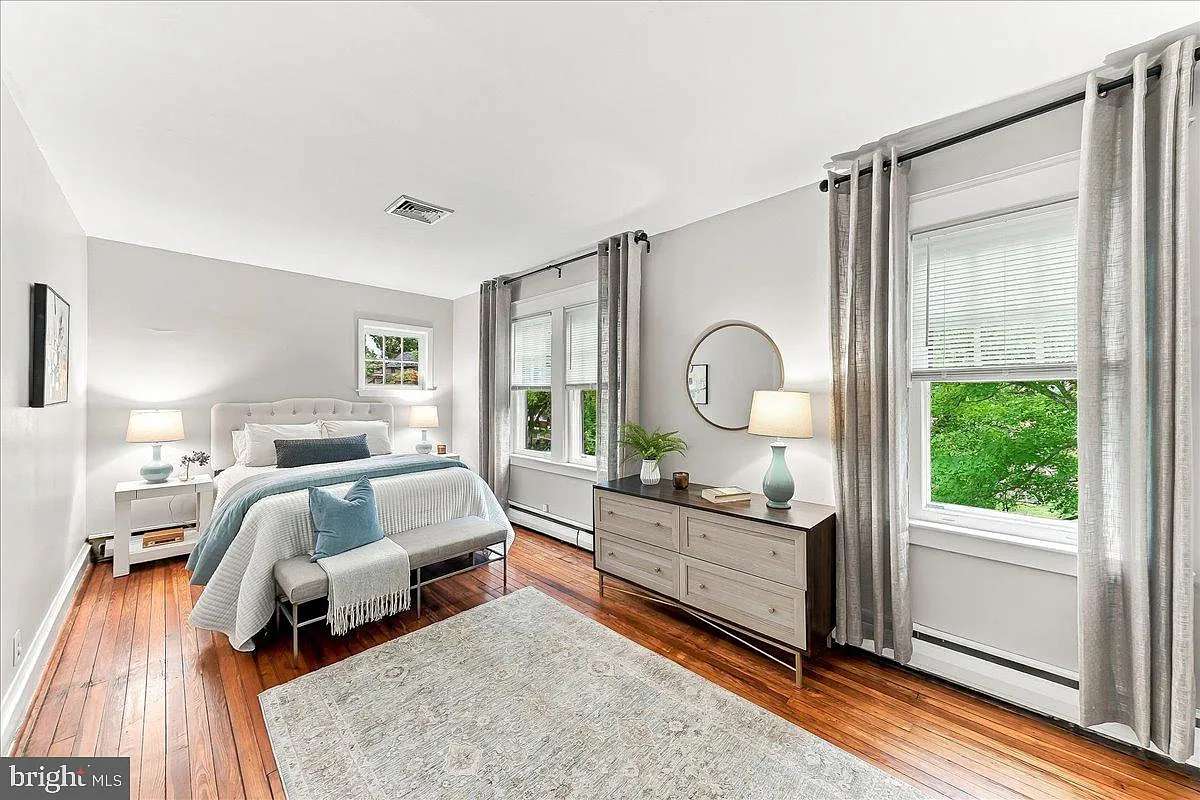
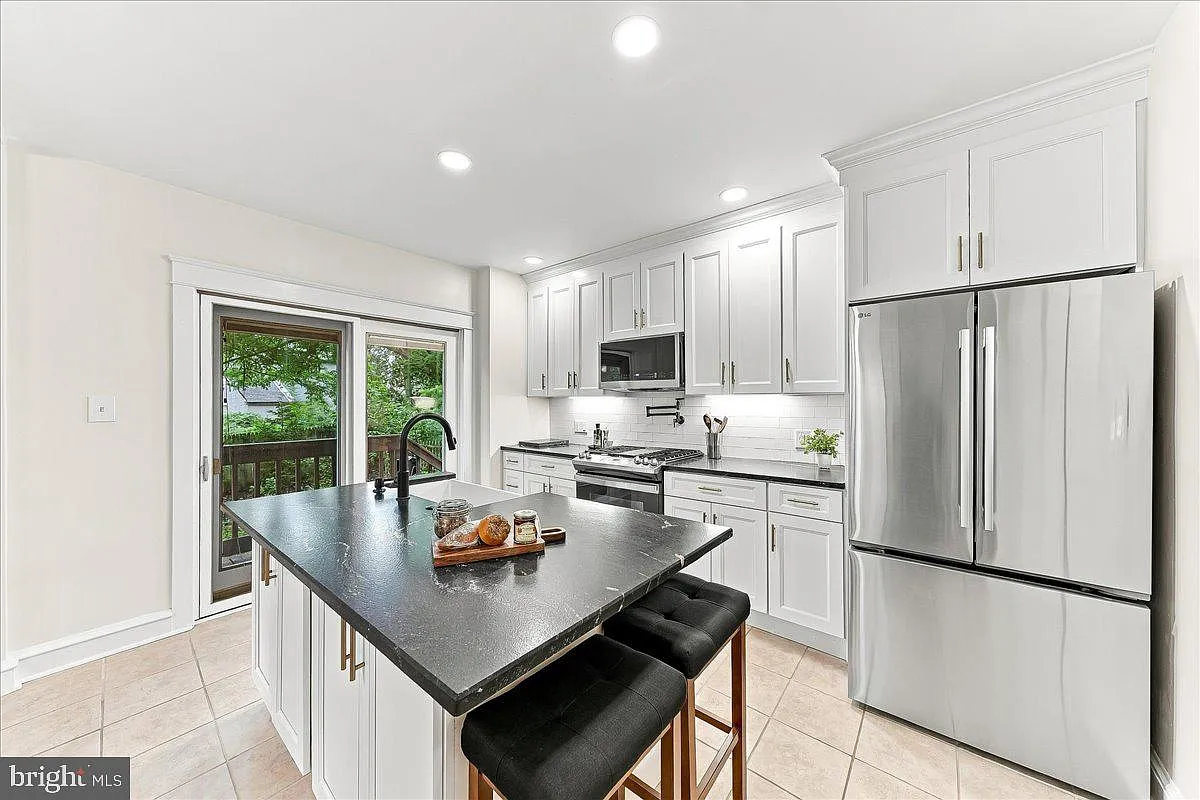
Bell Elite Senior Living — a nurse-led, family-owned personal care home in Lansdowne, PA. Warm living spaces, private bedrooms, and a chef's kitchen — come see the difference.
The Hidden Psychological Burdens of Procrastinating Senior Care Decisions
Have you ever found yourself staring at the phone, knowing you need to make a call about your parent’s safety but feeling a strange, heavy weight holding your hand back? This is the invisible starting line for so many families in Delaware County, Pennsylvania, where the desire to honor a loved one's independence clashes with the mounting evidence that they are no longer safe alone. As a nurse who has walked through these hallways and sat at these kitchen tables for years, I can tell you that the most expensive thing you can spend isn't money, it is the emotional currency of constant, low-grade anxiety. We often convince ourselves that waiting is the respectful choice, the kind choice, or the choice that preserves their dignity for just a little bit longer.
Imagine this scenario for a moment. Your mother lives in the same lovely two-story home in Media where she raised you, but lately, you have noticed the mail piling up on the porch and the faint scent of scorched copper in the kitchen because she forgot a kettle on the stove. You leave her house and drive back to your own home in Springfield, but you don't really leave. A part of your brain stays in her hallway, listening for a fall, wondering if she took her blood pressure medication, or worrying if she will open the door for a stranger. This state of hyper-vigilance is a silent thief. It robs you of your sleep, it distracts you during your daughter's soccer game, and it slowly erodes the quality of the time you actually spend with your parent. When you finally do make the transition to a place like Bell Elite Senior Living, the most common thing I hear from adult children is not a complaint about the move, but a profound sigh of relief that they can finally just be a daughter or a son again.
Q: Why do families wait until a crisis occurs before seeking help? Many families operate under the misconception that moving to a personal care home represents a loss of control or a failure of familial duty. In the suburbs of Philadelphia, there is a strong cultural emphasis on grit and staying in the family home at all costs, which often leads to a "crisis-driven" model of care. Families wait because they fear the conversation will be met with anger or because they believe they can handle the increasing needs themselves, not realizing that waiting until an emergency occurs often limits your options to whatever bed is available in a nursing home rather than choosing a boutique personal care home you actually love.
Speak With Our Nursing Team
We help Pennsylvania families navigate senior care decisions with compassion and clinical expertise.
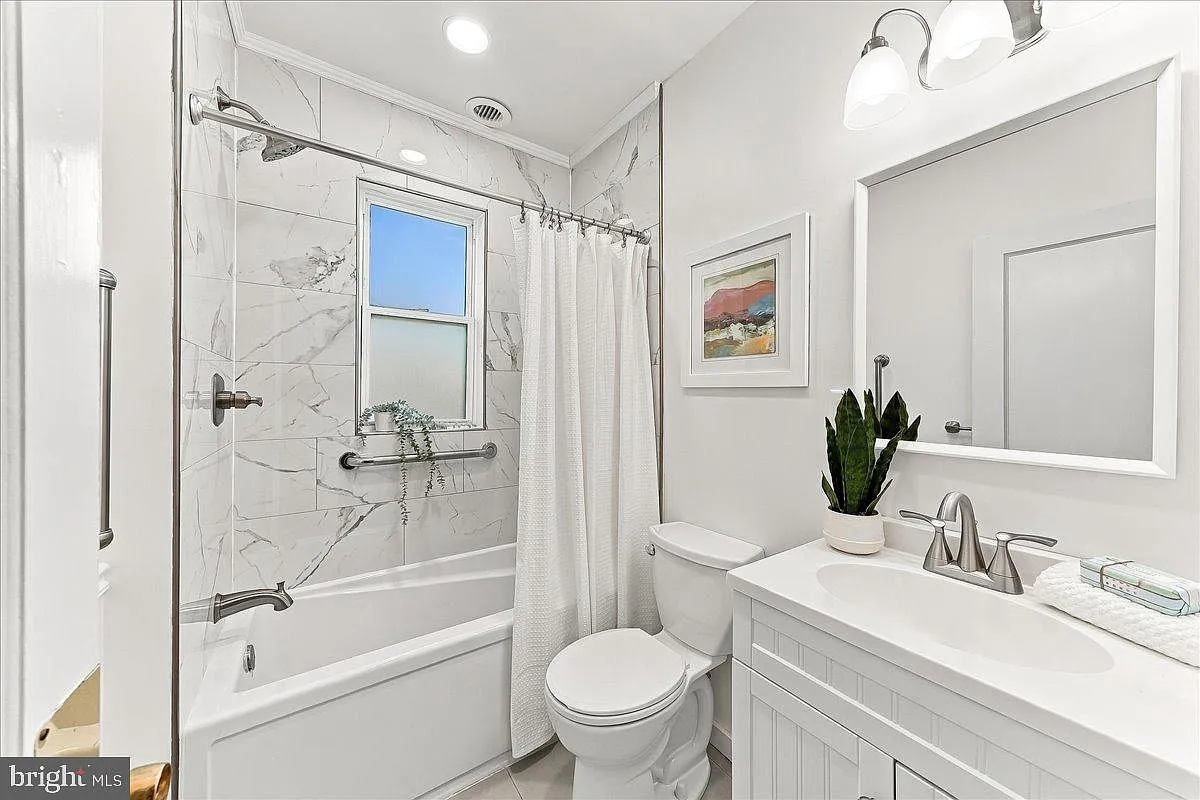
Private bedrooms and accessible bathrooms, designed for safety, comfort, and dignity.
Is it possible that the "kindness" of waiting is actually a form of unintentional neglect toward your own mental health and your parent's safety? We see it all the time when a family from Havertown or Upper Darby comes to us after a middle of the night emergency. The cost of that delay is measured in the frantic search for a facility during a hospital discharge, which is the absolute worst time to make a life-altering decision. When you are under the pressure of a discharge planner telling you that your father must leave the hospital by 4:00 PM, you lose the luxury of touring multiple communities, meeting the staff, and finding a family-owned environment that feels like home. Bell Elite Senior Living and our team at (484) 356-1070 advocate for the "proactive transition" because it allows the senior to be part of the decision, which preserves their dignity far more than being moved while in a state of post-hospitalization confusion.
Q: Is there a specific age when care becomes necessary? Age is rarely the primary factor; instead, we look at functional ability and social engagement as the true metrics of need. A seventy-year-old with advanced Parkinson’s may need more support than a ninety-year-old who is still walking a mile a day in Ridley Creek State Park. We suggest looking for the "Activities of Daily Living" markers, such as difficulty with bathing, dressing, or managing complex medication schedules, as these are the areas where professional intervention prevents the catastrophic events that make waiting so expensive.
Have you noticed how your conversations with your parent have changed from talking about life and memories to a checklist of medical chores? Did you eat? Did you take your pills? Are you dizzy? When you delay professional care, the relationship becomes purely transactional and clinical. You become the unpaid, untrained nurse, and they become the patient. This shift often breeds resentment on both sides. The parent feels hovered over and managed, while the child feels burdened and exhausted. By choosing a nurse-led personal care home earlier, you outsource the "chores" of aging to professionals, allowing your weekend visits to return to being about companionship, laughter, and shared meals. Research shows that seniors in supportive environments often experience a stabilization of chronic conditions simply because their stress levels drop and their nutrition improves.
The True Medical and Financial Stakes of a Single Fall
Speak With Our Nursing Team
We help Pennsylvania families navigate senior care decisions with compassion and clinical expertise.
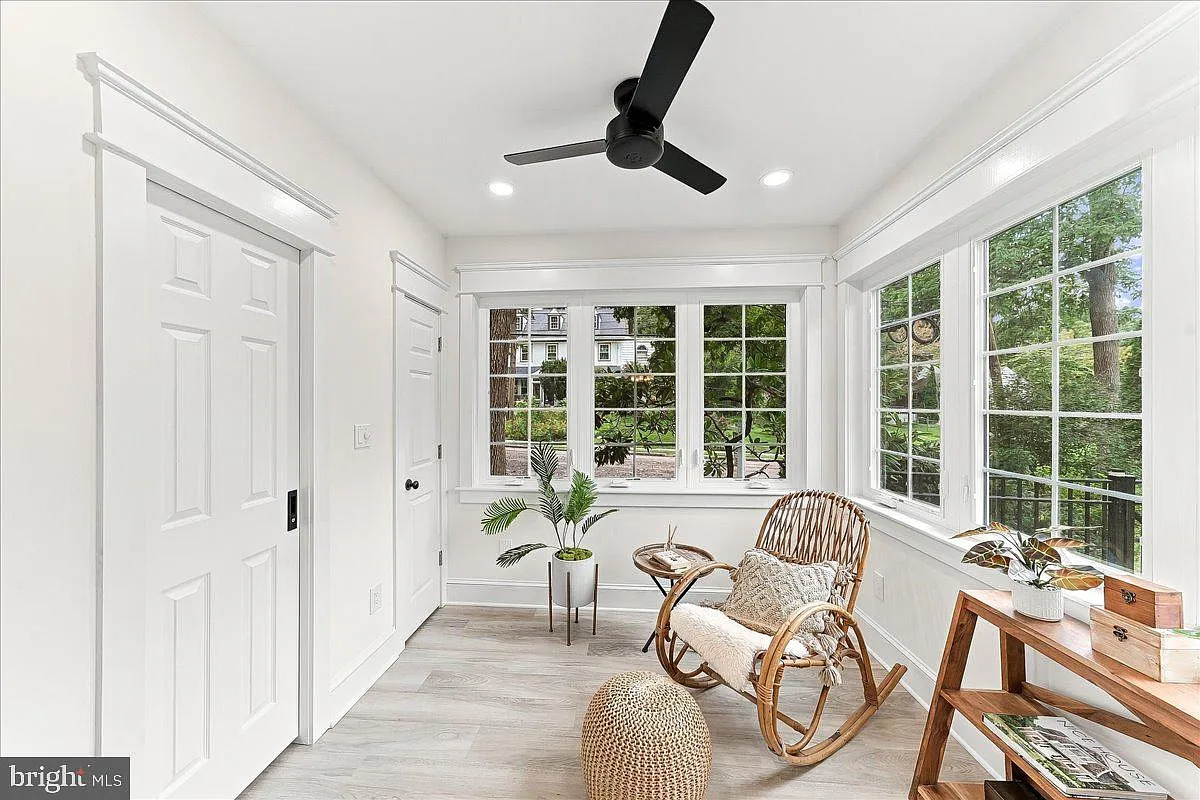
Home-cooked meals in our chef's kitchen and peaceful moments in the sunroom — life at Bell Elite.
Did you know that the average cost of an emergency room visit followed by a short stay in a Delaware County hospital can often exceed the monthly cost of a high-quality personal care home? We often talk about the monthly fee of senior living as a high barrier, but we rarely talk about the staggering financial volatility of aging in place without support. Imagine this: your father is living in his home in Broomall, and he wakes up at 2:00 AM to go to the bathroom. The hallway is dark, his balance isn't what it used to be, and he trips over a rug that has been there for thirty years. That single moment sets off a financial and physical domino effect that can cost tens of thousands of dollars in a matter of weeks.
Q: What is the average cost of a fall-related injury for a senior in Pennsylvania? According to national health data, the average hospital cost for a fall injury is over $30,000, and this does not include the subsequent costs of rehabilitation, physical therapy, or the increased level of care required after the injury. In the Philadelphia suburbs, where specialized rehab centers have high daily rates, a single incident can wipe out a significant portion of a senior's liquid savings. Choosing a personal care home like Bell Elite Senior Living is essentially a form of preventative insurance against these catastrophic, unbudgeted expenses.
Think about the specialized equipment, the ambulance fees, and the high-deductible insurance payments that follow a hip fracture or a head injury. Beyond the direct medical bills, there is the "functional decline" cost. When a senior falls, they often lose a permanent degree of mobility. This means that if they do return home, they now require 24/7 home health aides, which in Delaware County can cost between $25 and $40 per hour. If you do the math, just twelve hours of daily home care can exceed $9,000 per month, which is significantly higher than the comprehensive, nurse-led care provided in a personal care home setting.
Imagine this scenario. You decide to keep your mother at home in Drexel Hill despite her frequent dizzy spells. You hire a home care agency, but the caregiver calls out at the last minute, or there is a snowstorm that hits Southeastern Pennsylvania, and the aide can't get to the house. Suddenly, you are taking a day off work, losing your own income, and rushing over to help her get out of bed. The inconsistency of home care is one of the most hidden costs of waiting. In a family-owned personal care home, the staff is always there. There are no "no-shows," and the environment is physically designed to prevent falls before they happen, with proper lighting, grab bars, and professional monitoring.
Q: How does nurse-led care specifically reduce these hidden costs? Having a nurse-led team means that minor health changes are caught before they become hospital-grade emergencies. For example, a simple urinary tract infection in a senior can cause profound confusion and falls; a nurse will spot the subtle signs of that infection and start treatment immediately, whereas an untrained family member or a basic home health aide might mistake it for "getting older" until the senior is completely non-responsive or injured.
Speak With Our Nursing Team
We help Pennsylvania families navigate senior care decisions with compassion and clinical expertise.
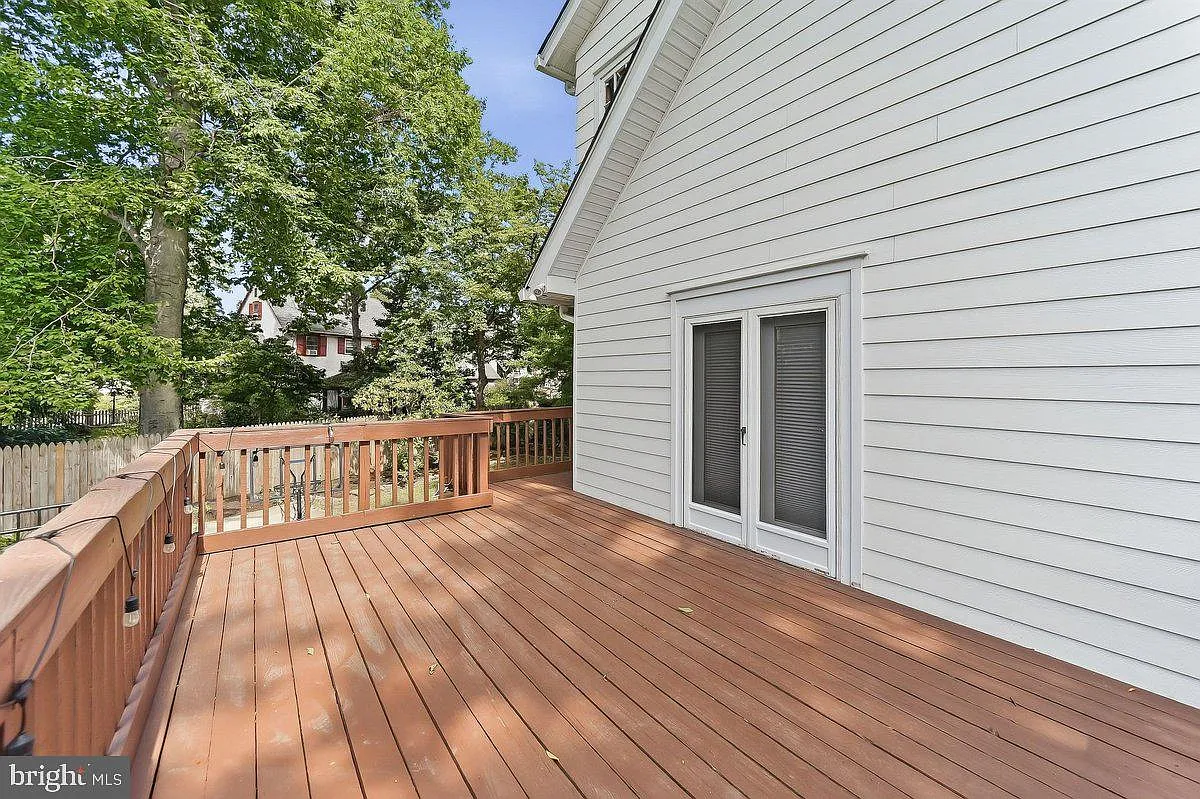
Gather in our warm living room or enjoy fresh air on the deck — every space feels like home.
Bell Elite Senior Living focuses on this proactive medical oversight to keep residents out of the hospital and in their homes. We understand the Pennsylvania Department of Human Services regulations and how to maintain the highest standards of safety that a private residence simply cannot match. Every day you wait to move a struggling senior is a day you are gambling with their physical safety and your family’s financial stability. The question isn't whether you can afford personal care; it's whether you can afford the $50,000 crisis that happens when you don't have it. We are here to talk through these numbers with you at (484) 356-1070 so you can make a choice based on facts rather than fear.
Have questions about personalized care options? Bell Elite Senior Living's nursing team is ready to help. Call (484) 356-1070 or schedule a free consultation today.
The Caregiver’s Toll: Career Damage and Health Erosion
How much of your own career, marriage, and physical health are you quietly sacrificing while trying to be a full-time caregiver for a parent in Delaware County? We often focus so much on the senior that we forget to look at the "second patient" in the room: the adult child. In my years as a nurse, I have seen healthy, vibrant women and men in their fifties and sixties develop their own chronic conditions—high blood pressure, clinical depression, and chronic back pain—simply from the sheer physical and emotional strain of caregiving. If you are missing work to take your father to doctors in Upper Darby or spending your lunch breaks coordinating pharmacy deliveries in Havertown, you are paying a professional price that will affect your own retirement.
Imagine this. You are a mid-level manager at a firm in Philadelphia, and you have been passed over for a promotion because your supervisor noticed you are constantly distracted by family emergencies. You are using all your vacation time to manage your mother’s dementia symptoms rather than taking time to rest. This is a common story in the Main Line and surrounding suburbs, where the high cost of living requires a dual-income household and a focused career path. When you delay moving a loved one into a personal care home, you aren't just spending their money; you are potentially sacrificing your own future earnings and your mental peace.
Q: Can family members truly provide the same level of care as a professional facility? While love is a powerful motivator, it cannot replace professional nursing knowledge and the infrastructure of a licensed personal care home. Family caregivers often suffer from "compassion fatigue," which leads to errors in medication, missed symptoms of illness, and a breakdown in the relationship between the parent and child. Professional care at Bell Elite Senior Living provides a level of objective, clinical observation that family members, blinded by their emotional connection, often miss.
The physical strain of caregiving is another hidden expense. Lifting a parent who has limited mobility, assisting them in the shower, or helping them get up from a low chair can cause permanent spinal injuries to a caregiver. I have met many adult children in Springfield who had to stop working because they blew out a disc in their back while helping their parent. Now, the family has two people with mobility issues instead of one. The cost of physical therapy and lost wages for the caregiver often dwarfs the monthly investment of a personal care home like ours.
Q: What are the warning signs that a caregiver is reaching a breaking point? The signs include persistent insomnia, irritability with your own spouse or children, a feeling of hopelessness, and neglecting your own medical appointments. If you find yourself resenting the parent you love, or if you feel a sense of dread when your phone rings, you have already crossed the line into caregiver burnout. This is not a sign of weakness; it is a physiological response to an unsustainable workload.
By choosing Bell Elite Senior Living, you are choosing to preserve your family unit. We often see that once the "work" of caregiving is moved to our team at (484) 356-1070, the relationship between the senior and their children flourishes. They go back to talking about the family news, watching movies together, and enjoying the beautiful surroundings of our Delco community. The hidden cost of waiting is the loss of these final, precious years of high-quality connection. You don't get those years back once they are spent in the grind of caregiving.
The Real Estate Trap: Why Your Family Home May Be Draining Your Wealth
Is it possible that the house your parents worked so hard to pay off in Swarthmore or Media is now the very thing draining their life savings through neglect, taxes, and hidden repairs? We have a deep emotional attachment to the "family home," but for a senior with declining mobility, a large house is often a series of hazards and financial leaks. When a senior lives alone, they often stop maintaining the property because the tasks are too physically demanding or too expensive. A roof leak that goes unnoticed in a home in Drexel Hill can cause thousands of dollars in mold damage, significantly lowering the resale value of the asset that was supposed to fund their care.
Imagine this. Your father is living in a four-bedroom colonial. He only uses the kitchen and the downstairs den because he can no longer climb the stairs to his bedroom. He is paying to heat and cool 3,000 square feet of space but only living in 400 square feet of it. He is paying Delaware County property taxes, homeowner’s insurance, landscaping fees, and utility bills that total thousands of dollars a month. When you add up the "carrying costs" of an aging home, you often find that it is actually more expensive to live in a "paid-off" house than it is to live in a luxury personal care home where all those costs are bundled into one predictable monthly payment.
Q: Is it better to sell the house now or wait until the senior passes away? From a care perspective, selling the home while the senior is still alive allows that equity to be used for their comfort and safety. Waiting often leads to the house sitting vacant for months or years during a health crisis, which invites theft, property damage, and a "fire sale" situation where the family accepts a low offer because they desperately need the cash for medical bills. Selling in a controlled, proactive way in the current Pennsylvania real estate market ensures you get the maximum value for the asset.
The "Safety Retrofit" cost is another massive expense that families often overlook. To make a traditional home in Havertown truly safe for a senior, you might need to install a stairlift, widen doorways for a walker, remodel the bathroom for a roll-in shower, and install ramps. These renovations can easily cost $20,000 to $50,000, and they rarely add equivalent value to the home’s resale price. In fact, some modifications can make a home harder to sell to a young family. Instead of pouring money into a structure that will never be perfectly safe, that capital is better spent on the professional environment at Bell Elite Senior Living.
Q: What happens to a senior's mental health when they are "trapped" in a house they can't maintain? We see a direct correlation between home-bound seniors and an increase in depressive symptoms. The house becomes a cage rather than a castle. They see the dust piling up and the grass growing long, and it serves as a constant reminder of what they can no longer do. This leads to a "failure to thrive" syndrome. When they move to our community, the burden of homeownership vanishes, and we see a literal brightening of their eyes as they realize they are free from the responsibilities that were weighing them down.
Think about the "lost opportunity cost" of that home equity sitting stagnant. If that money were moved into a setting that provided high-quality nutrition, social engagement, and nurse-led medical supervision, the senior’s quality of life would skyrocket. The goal of estate planning shouldn't just be to leave an inheritance; it should be to ensure that the person who built that wealth lives their final years in the highest possible comfort. At Bell Elite Senior Living, we work with families across Delaware and Montgomery Counties to help them transition from the burden of real estate to the freedom of personal care. You can reach our office at (484) 356-1070 to discuss how to make this transition as smooth as possible.
Ready to explore tailored care solutions? Speak with our coordinators at Bell Elite. Phone: (484) 356-1070 • Request a tour
The Invisible Cost of Social Isolation and Cognitive Decline
Could the silence in a large, empty family home in Broomall be accelerating your loved one's memory loss more than any underlying biological factor? As a nurse, I have seen time and again that loneliness is as physically damaging as smoking fifteen cigarettes a day. When a senior stops driving or loses their spouse, their world shrinks to the four walls of their living room. In Delaware County, where the winters can be long and isolating, a senior might go days without a meaningful conversation. This lack of stimulation causes the brain to "prune" connections, leading to faster cognitive decline and a higher risk of dementia.
Imagine this scenario. Your mother spends most of her day watching cable news in her house in Upper Darby. She eats a piece of toast for lunch and maybe some canned soup for dinner because cooking a full meal for one person feels like too much work. She isn't being challenged to remember names, she isn't laughing at a joke, and she isn't walking further than the mailbox. Compare this to the environment at Bell Elite Senior Living, where she is greeted by name by professional nurses, shares a chef-prepared meal with peers, and participates in activities that stimulate her mind. The "cost" of waiting is the permanent loss of cognitive function that could have been preserved through social engagement.
Q: Can social isolation actually cause physical illness? Yes, chronic loneliness triggers a stress response in the body that increases inflammation and weakens the immune system. Isolated seniors are more likely to suffer from heart disease, stroke, and frequent infections. By the time a family notices their parent is "failing," the damage from months or years of isolation is often difficult to reverse. Personal care is not just about physical help; it is a clinical intervention for the soul.
We often see seniors who were labeled as having "early dementia" suddenly improve when they move into a communal setting. Often, what looked like dementia was actually a combination of malnutrition, dehydration, and extreme loneliness. When they start eating three nutritious meals a day and engaging with our staff and other residents, their clarity of mind often returns. If you wait until the cognitive decline is advanced, you miss the window where the senior can still form new friendships and truly enjoy the amenities of their new home.
Q: How do personal care homes in Pennsylvania handle social programming differently than home care? Home care is usually one-on-one, which can still be isolating if the caregiver and the senior don't have much in common. In a personal care home like Bell Elite, there is a "neighborhood" feel. Residents can choose their level of social interaction, but the opportunities for organic connection—a conversation over coffee, a shared interest in a book, or a group outing—are constant. This "social friction" is what keeps the brain healthy and resilient.
The cost of waiting is also the loss of the "joy of living." We see residents who haven't smiled in months suddenly start laughing again because they are in an environment where they feel seen and valued. For a family in Delco, knowing that your parent is not just "safe" but actually "happy" is a value that cannot be quantified on a balance sheet. Waiting until they are too frail to enjoy the community is a heartbreaking mistake that many families regret. Our team at (484) 356-1070 focuses on creating an atmosphere where seniors don't just exist, they thrive.
Choosing a Nurse-Led, Family-Owned Path Forward
What if the transition to personal care felt less like a goodbye to the past and more like a fresh start for your entire family? When you choose a family-owned, nurse-led home like Bell Elite Senior Living, you are opting out of the "corporate" elder care model that often feels cold and bureaucratic. In Delaware County, we have many options for senior care, but there is a profound difference when the owners are nurses who are physically present and personally invested in each resident's health. You aren't just a room number; you are a member of a community where the leadership knows your medical history, your favorite foods, and your family's names.
Imagine this. You walk into a home where the atmosphere is calm, the staff-to-resident ratio allows for real conversation, and the medical oversight is provided by someone who views nursing as a calling, not just a job. You no longer have to spend your weekends coordinating medication refills or worrying about whether the night shift aide in Media showed up. Instead, you spend your time at Bell Elite Senior Living sitting on the patio, sharing stories, and knowing that every detail of your parent's care is being managed by experts.
Q: What is the primary advantage of a family-owned personal care home? Accountability is the biggest advantage. In large, corporate-owned facilities, decisions are often made by shareholders in a different state. In a family-owned home, the buck stops with the people you see every day. We are neighbors in the Philadelphia suburbs, and our reputation is built on the personal trust we establish with local families. We have the flexibility to tailor care plans to the individual rather than forcing everyone into a one-size-fits-all model.
The "nurse-led" aspect is the final piece of the puzzle that makes waiting so unnecessary. Most personal care homes are managed by administrators with business backgrounds. By having a nurse at the helm, the entire culture of the home is centered on clinical excellence and preventative wellness. We understand the nuances of aging in Pennsylvania, from managing chronic conditions like diabetes and heart disease to recognizing the subtle signs of a change in status. This medical expertise is what prevents the expensive hospital stays we discussed earlier.
Q: How can a family start the conversation about moving without causing conflict? We recommend framing the move as a way to "simplify life" rather than a "need for help." Talk about the benefits of no more cooking, no more taxes, and having a nurse available to answer questions. Invite them to a lunch at Bell Elite Senior Living so they can see the environment for themselves without feeling pressured. Sometimes, hearing from a professional nurse that "it's time" carries more weight and causes less friction than hearing it from a child.
If you are feeling overwhelmed by the decisions ahead, remember that you don't have to navigate the Delaware County senior care landscape alone. The true cost of waiting is the time you lose to worry, the health your loved one loses to isolation, and the financial risks you take with every day they remain in an unsafe environment. Call us at (484) 356-1070 to talk through your specific situation. We are a nurse-led, family-owned home that understands exactly what you are going through, and we are ready to help you move from a place of crisis to a place of peace. Your family deserves the security that comes from professional, compassionate, and local care.
A Glimpse Inside Bell Elite
A warm, family-like residence — not an institution. Every space is designed for comfort, safety, and dignity.
Ready to Take the Next Step?
Bell Elite Senior Living is a nurse-led, family-owned personal care home in Delaware County, Pennsylvania. We're here to help.
Proudly Serving Families Across the Greater Philadelphia Region
Bell Elite Senior Living is a nurse-led, family-owned personal care home located in Delaware County, Pennsylvania — and we proudly serve families from across the entire Greater Philadelphia area and surrounding communities. Whether you are searching for a personal care home in Delaware County PA, exploring senior living options near Philadelphia, or looking for compassionate elder care for a loved one in Montgomery County, Bucks County, or Chester County, our team is here to help guide you through every step of the decision.
Families come to Bell Elite from throughout Philadelphia and its suburbs — including Upper Darby, Havertown, Drexel Hill, Broomall, Swarthmore, Media, Springfield, Lansdowne, Darby, Collingdale, and Sharon Hill in Delaware County; Ardmore, Norristown, Lansdale, Cheltenham, Abington, Blue Bell, Jenkintown, Ambler, and Horsham in Montgomery County; Doylestown, Newtown, Langhorne, Bristol, Yardley, Quakertown, and Levittown in Bucks County; and West Chester, Malvern, Exton, Downingtown, Phoenixville, Coatesville, and Paoli in Chester County. We are also a trusted resource for families in South Jersey communities such as Cherry Hill, Voorhees, Marlton, Moorestown, Mount Laurel, Haddonfield, Collingswood, and Camden County who are seeking high-quality personal care across the river in Pennsylvania. Families from Wilmington, Newark, and New Castle County, Delaware also regularly choose Bell Elite for its clinical excellence and intimate, home-like setting.
Our central location in Delaware County puts us within easy reach of Center City Philadelphia, the Main Line, South Philadelphia, Northeast Philadelphia, and the Philadelphia suburbs — making visits from family members throughout the region straightforward and stress-free. We understand that choosing the right personal care home is one of the most important decisions a family will make, and distance should never be a barrier to accessing exceptional, nurse-led care.
Frequently Asked Questions About Our Service Area
Does Bell Elite Senior Living serve families from Philadelphia?
Yes. Bell Elite Senior Living is located in Delaware County, PA, just minutes from Philadelphia. We regularly welcome residents and their families from across Philadelphia, including South Philly, Northeast Philadelphia, Kensington, Germantown, and Center City.
Do you accept residents from Montgomery County, PA?
Absolutely. We serve families throughout Montgomery County including Norristown, Ardmore, Lansdale, Cheltenham, Blue Bell, Jenkintown, and Ambler. Our nurse-led care model is a popular choice for families across the Philadelphia suburbs.
Can families from Bucks County place a loved one at Bell Elite?
Yes. Many of our residents come from Bucks County communities such as Doylestown, Newtown, Yardley, Langhorne, and Bristol. Our facility is easily accessible from Route 1 and I-95 corridors.
Do you serve Chester County families looking for personal care?
Yes. Families from West Chester, Malvern, Exton, Downingtown, Phoenixville, Paoli, and Coatesville in Chester County frequently choose Bell Elite for our small resident count, clinical oversight, and personalized care plans.
Is Bell Elite an option for families in South Jersey near Philadelphia?
Yes. Many families from Cherry Hill, Voorhees, Marlton, Mount Laurel, Haddonfield, Moorestown, and Camden County in New Jersey choose Bell Elite Senior Living in nearby Delaware County, PA for its nurse-led care and welcoming environment.
Do you accept residents from Delaware (Wilmington, Newark, New Castle County)?
Yes. Families from Wilmington, Newark, Middletown, and throughout New Castle County, Delaware have placed loved ones at Bell Elite. Our location in Delaware County, PA makes us a convenient and high-quality option for Delaware families seeking nurse-led personal care.
How do I find out if Bell Elite can serve my family's location?
Call us at (484) 356-1070 or visit our contact page. We serve the entire Greater Philadelphia region and surrounding areas and are happy to discuss your specific situation, schedule a tour, and answer any questions about our care services.
Related Articles

Related Care Services at Bell Elite
Our nurse-led personal care home in Lansdowne, PA offers specialized services for seniors across the Greater Philadelphia region.
Personal Care Home Near You
Bell Elite is located in Lansdowne, PA — minutes from Philadelphia. See care details for your community:
Have Questions After Reading?
Our nursing team offers free, no-pressure consultations for Pennsylvania families.
Talk to a nurse, not a salesperson. Our team includes RNs, LPNs, a PMHNP, and Family Nurse Practitioners.