
The Sandwich Generation: Juggling Children and Aging Parents Without Breaking
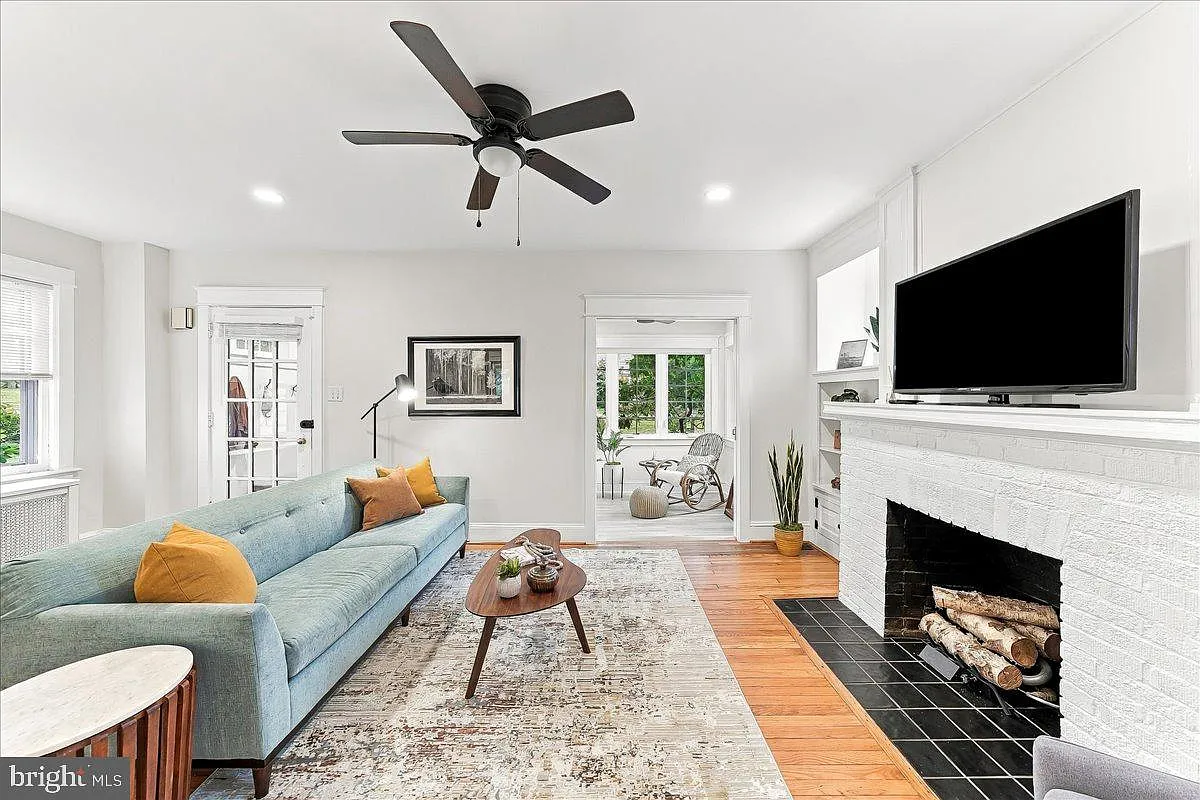
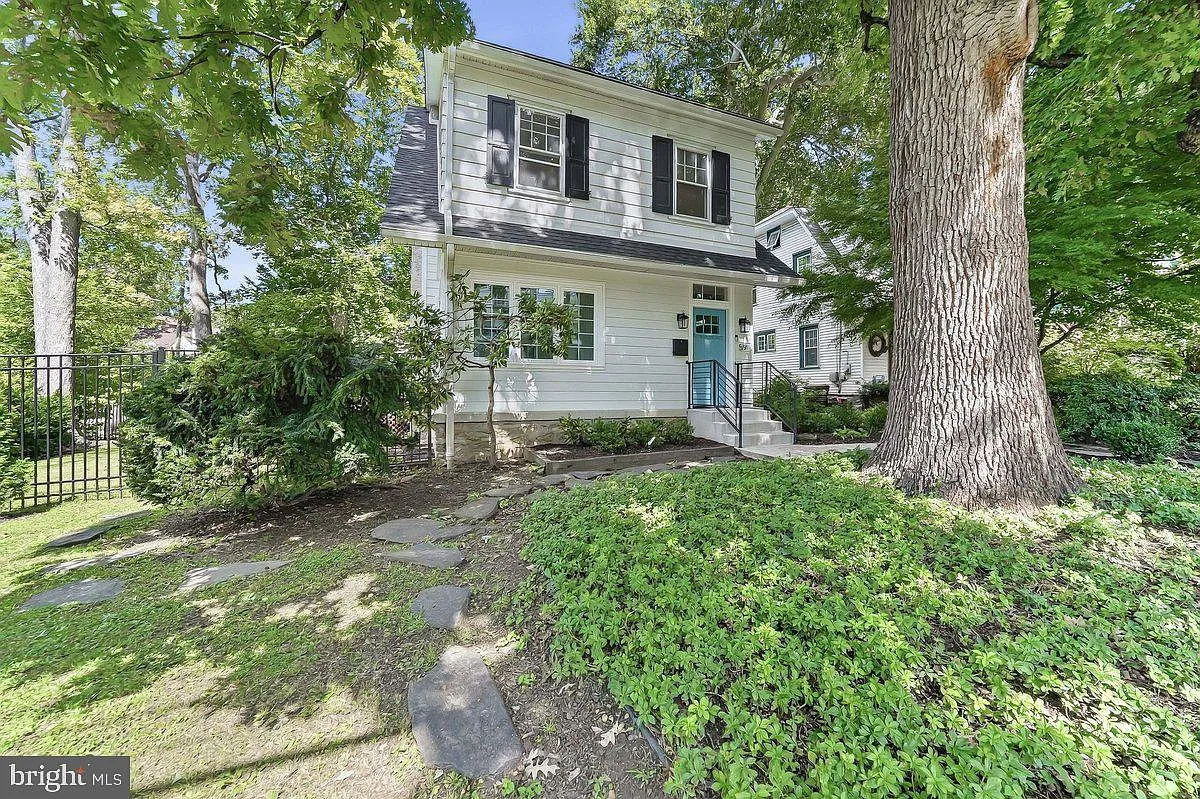
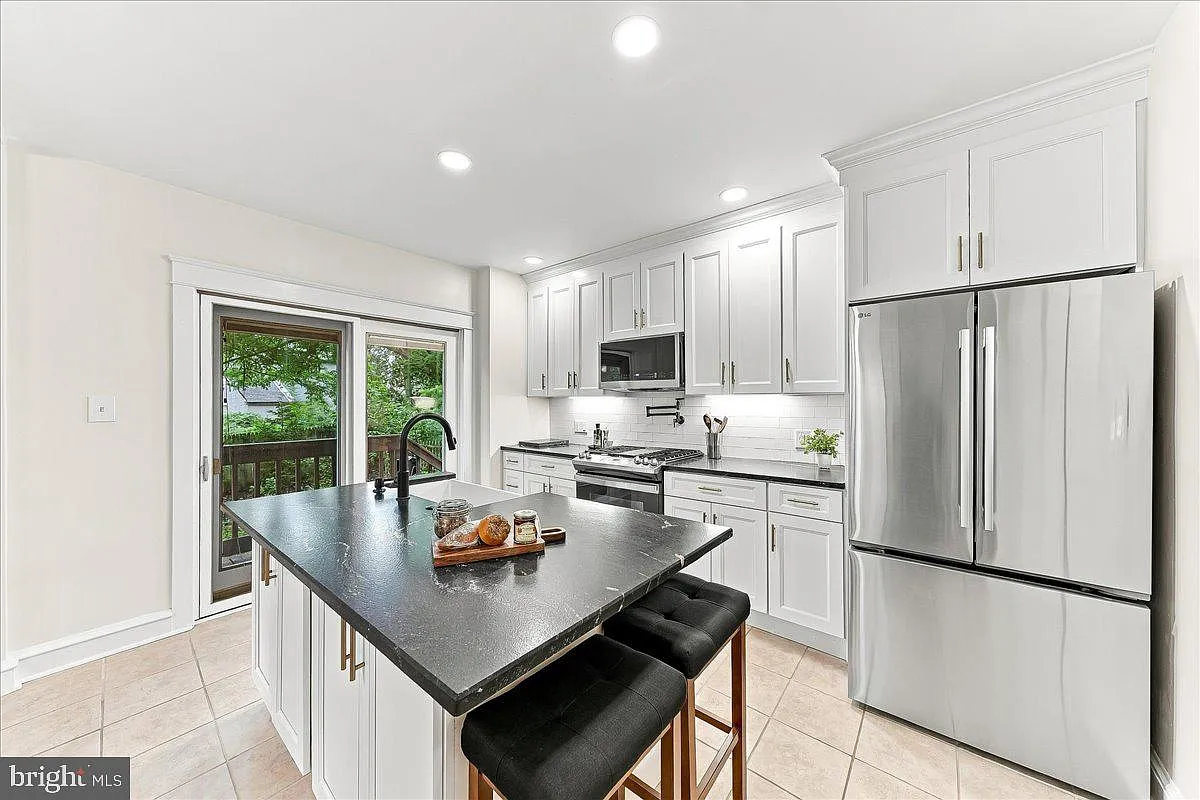
Bell Elite Senior Living — a nurse-led, family-owned personal care home in Lansdowne, PA. Warm living spaces, private bedrooms, and a chef's kitchen — come see the difference.
The Invisible Weight of the Sandwich Generation
Have you ever found yourself standing in your kitchen at six in the morning, packing a school lunch with one hand while checking your father’s blood sugar with the other? This is the daily reality for thousands of families across Delaware County, Pennsylvania, who find themselves caught in the middle of two demanding life stages. As a nurse, I often see the exhausted faces of adult children who are trying to be everything to everyone at once. You are likely part of the Sandwich Generation, a group of millions of Americans who are providing financial, emotional, or physical support to both their children and an aging parent.
Imagine this: your teenager has a soccer game in Springfield at the exact same time your mother has a follow-up appointment with her cardiologist in Media. You feel a sharp pang of guilt because you cannot be in two places at once. Does choosing one over the other mean you are failing as a parent or failing as a daughter? These are the heavy questions that keep you awake at night. The pressure of this dual caregiving role is not just a scheduling conflict. It is a profound emotional and physical burden that can impact your health and your relationships. Recent studies show that nearly half of all adults in their 40s and 50s are providing some level of care for a parent age 65 or older.
How do you find the balance when the needs of your growing children seem to collide with the increasing frailty of your parents? It starts with acknowledging that you are doing something incredibly difficult. Many people in the Philadelphia suburbs feel they should be able to handle it all without help. They believe that asking for professional support is a sign of weakness or a betrayal of family values. But as a nurse who has spent years in the heart of healthcare, I want to tell you that the opposite is true. Seeking help is the most responsible thing you can do for your entire family unit.
Speak With Our Nursing Team
We help Pennsylvania families navigate senior care decisions with compassion and clinical expertise.
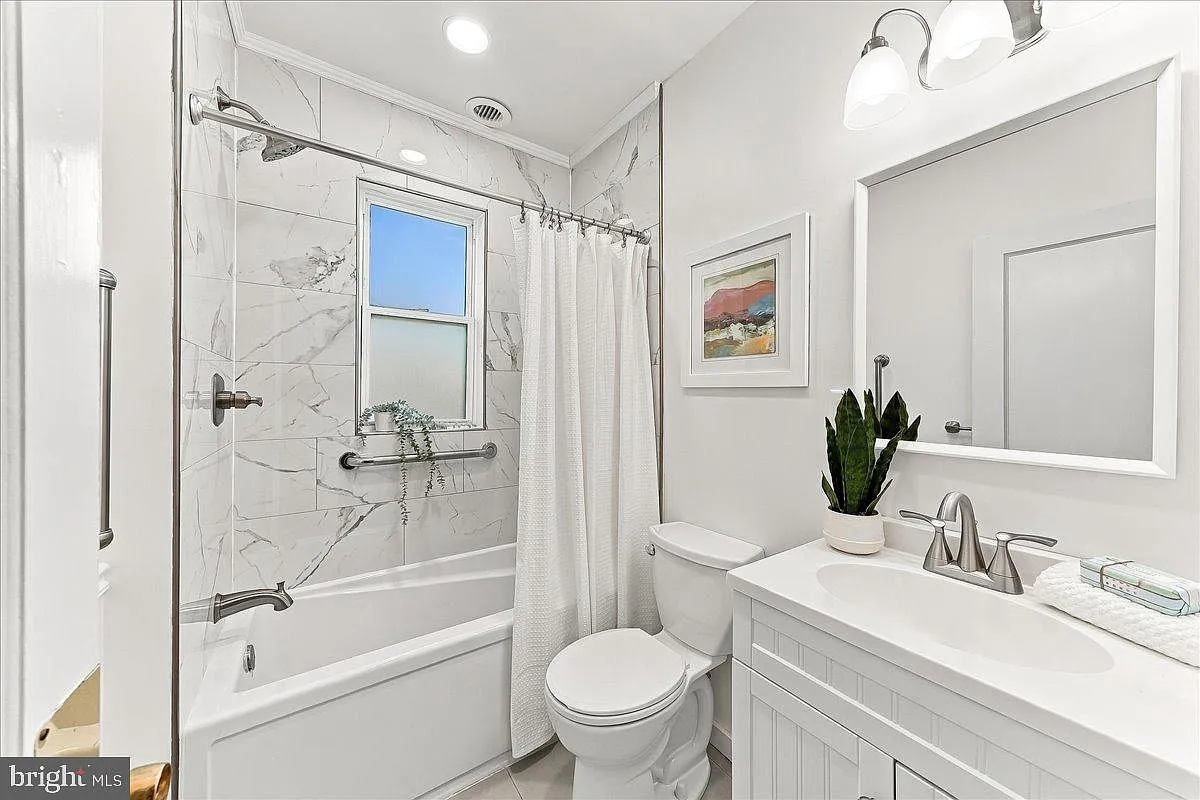
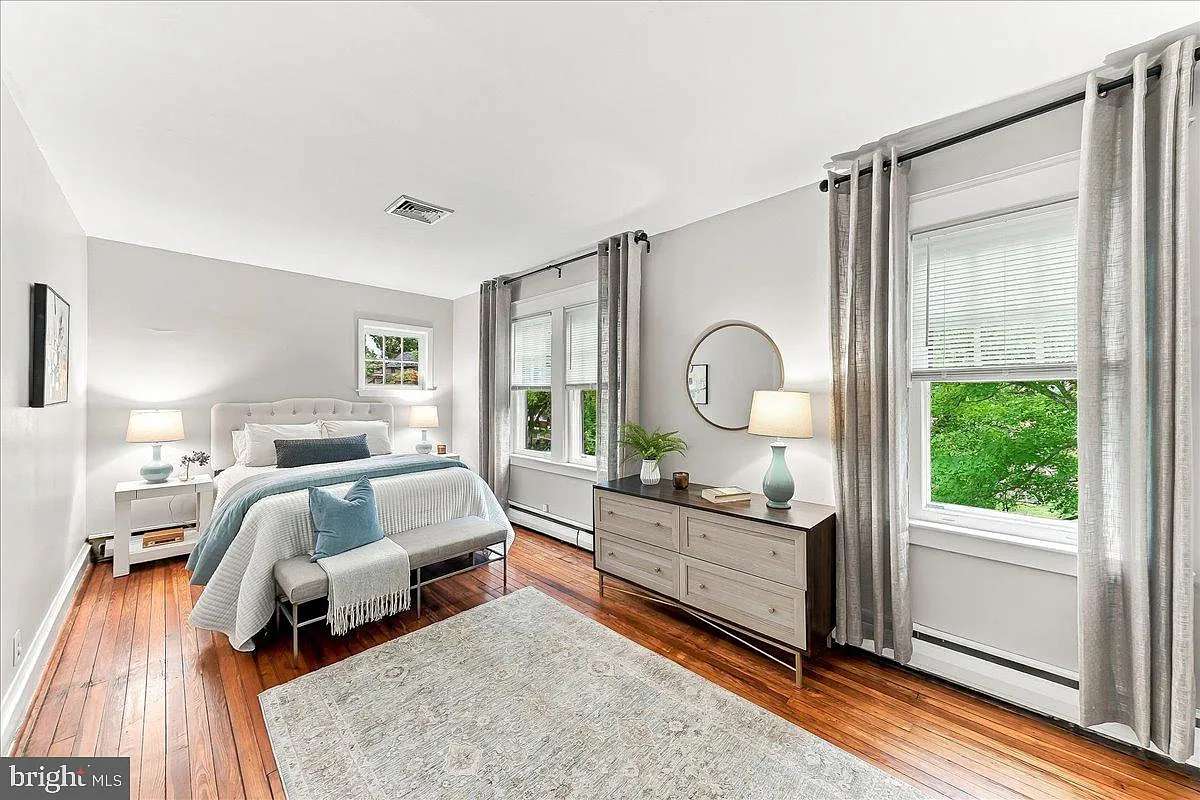
Private bedrooms and accessible bathrooms, designed for safety, comfort, and dignity.
Q: What are the primary signs that a family caregiver is becoming overwhelmed by the Sandwich Generation role? The signs often manifest as physical and emotional exhaustion that does not improve with a single night of sleep. You might find yourself snapping at your children for small mistakes or feeling a sense of deep resentment toward your aging parent for their increasing needs. Physical symptoms can include frequent headaches, a weakened immune system leading to constant colds, or a sudden change in weight. When your own health begins to suffer, it is a clear indicator that the current situation is unsustainable and requires a new approach to care.
Picture this: your parent lives in a beautiful home in Havertown, but every time you visit, you notice the mail piling up and the refrigerator filled with expired food. You realize that while they are safe for the moment, the level of supervision they need is slowly creeping beyond what you can provide on your lunch break. This realization often brings a sense of panic. Is it time for a move? Can they stay at home with more help? Is there a middle ground? Pennsylvania law defines personal care homes as residences that provide shelter and support for four or more people who do not require nursing home care but need help with daily tasks. Understanding these distinctions is the first step in finding the right path forward for your family in Delaware County.
Why is it so hard for us to admit that we cannot do it all? We live in a culture that prizes self-reliance, especially in the tight-knit communities of the Main Line and surrounding areas. We feel a deep sense of duty to our parents who raised us. We want to give them the same care they gave us, but the medical needs of a senior are often far more complex than the needs of a growing child. Professional caregivers and nurse-led teams bring a level of clinical oversight that ensures safety in a way that love alone cannot.
The Physical and Emotional Toll of Dual Caregiving
Speak With Our Nursing Team
We help Pennsylvania families navigate senior care decisions with compassion and clinical expertise.
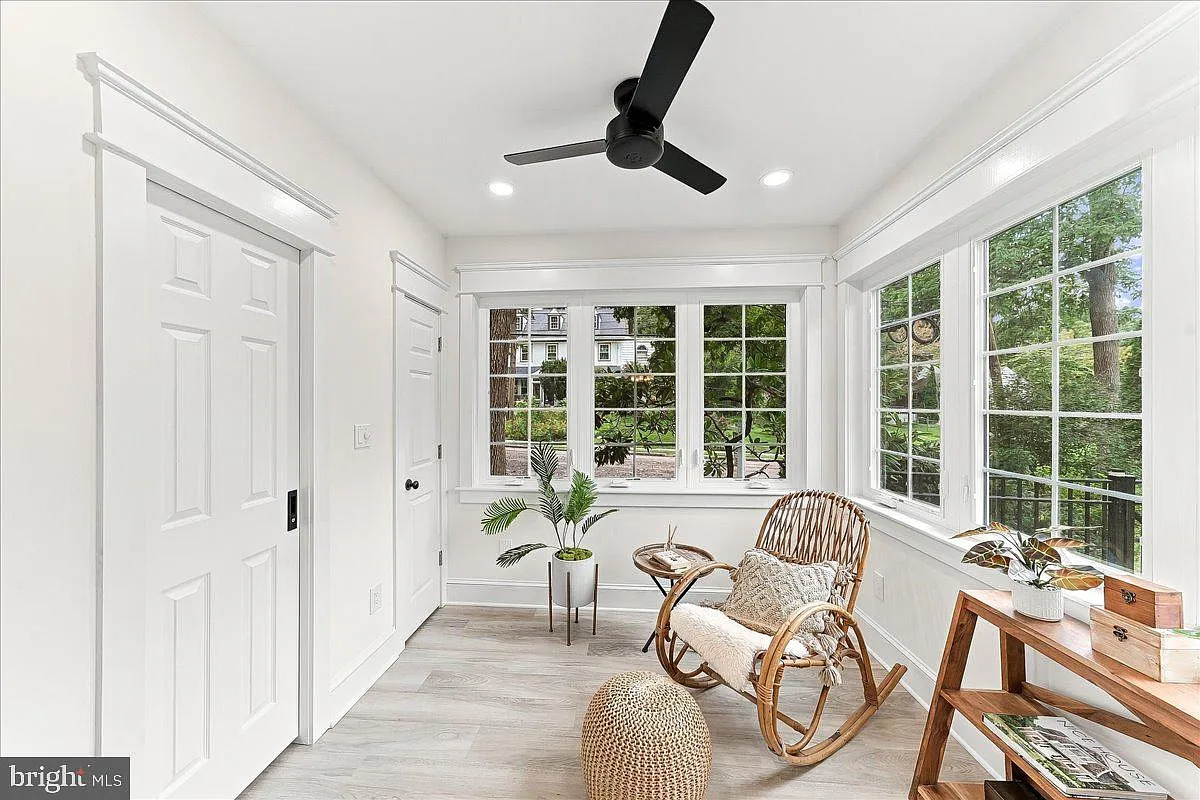
Home-cooked meals in our chef's kitchen and peaceful moments in the sunroom — life at Bell Elite.
Have you ever noticed that your own doctor’s appointments are the first things to be canceled when your schedule gets tight? It is a common trend among the Sandwich Generation to neglect their own wellness in favor of their dependents. This sacrifice often leads to what we in the medical field call caregiver burnout. It is a state of physical, emotional, and mental exhaustion that can lead to serious health complications for the caregiver. Research indicates that caregivers have a higher risk of developing chronic conditions like hypertension and heart disease compared to non-caregivers.
Imagine this: you are at your desk in Upper Darby, trying to finish a work project, but your mind is racing. Did Dad take his heart medication this morning? Did your daughter remember her permission slip for the field trip? This constant mental load is known as cognitive labor, and it is exhausting. You are essentially running three different lives at once: your own, your child’s, and your parent’s. How can any one person maintain that level of intensity indefinitely? The answer is that they cannot, at least not without a significant cost to their own peace of mind.
Q: Is it normal to feel resentment toward my aging parent when I am also trying to raise my own children? It is incredibly common and perfectly normal to experience feelings of resentment, even if those feelings are followed by intense guilt. Resentment usually stems from the loss of your own autonomy and free time, not from a lack of love for your parent. You are grieving the life you thought you would have during these years. Acknowledging these feelings rather than burying them is the first step toward finding a more sustainable caregiving model that allows you to be a child to your parent rather than just a task-manager.
What happens to the relationship with your children when your focus is constantly diverted toward the elderly members of the family? Children are perceptive, and they often feel the tension in the household. They might feel that their needs are secondary or that their parent is constantly stressed and unavailable. Fostering a healthy environment for the next generation requires a caregiver who is not perpetually on the brink of a breakdown. This is where family-owned personal care homes like Bell Elite Senior Living can provide a vital bridge, offering the professional care your parent needs while freeing you to be the parent your children deserve.
Picture this: a Sunday afternoon in Broomall where, instead of spending four hours cleaning your mother’s house and sorting her pills, you are sitting in the park with your kids. Your mother is nearby, safe and cared for in a professional setting, and you are actually able to enjoy her company when you visit because the "work" of caregiving is being handled by experts. Does that sound like a distant dream? It doesn't have to be. Transitioning care to a nurse-led environment means that medical crises are handled by professionals, allowing you to reclaim your role as a family member.
Speak With Our Nursing Team
We help Pennsylvania families navigate senior care decisions with compassion and clinical expertise.
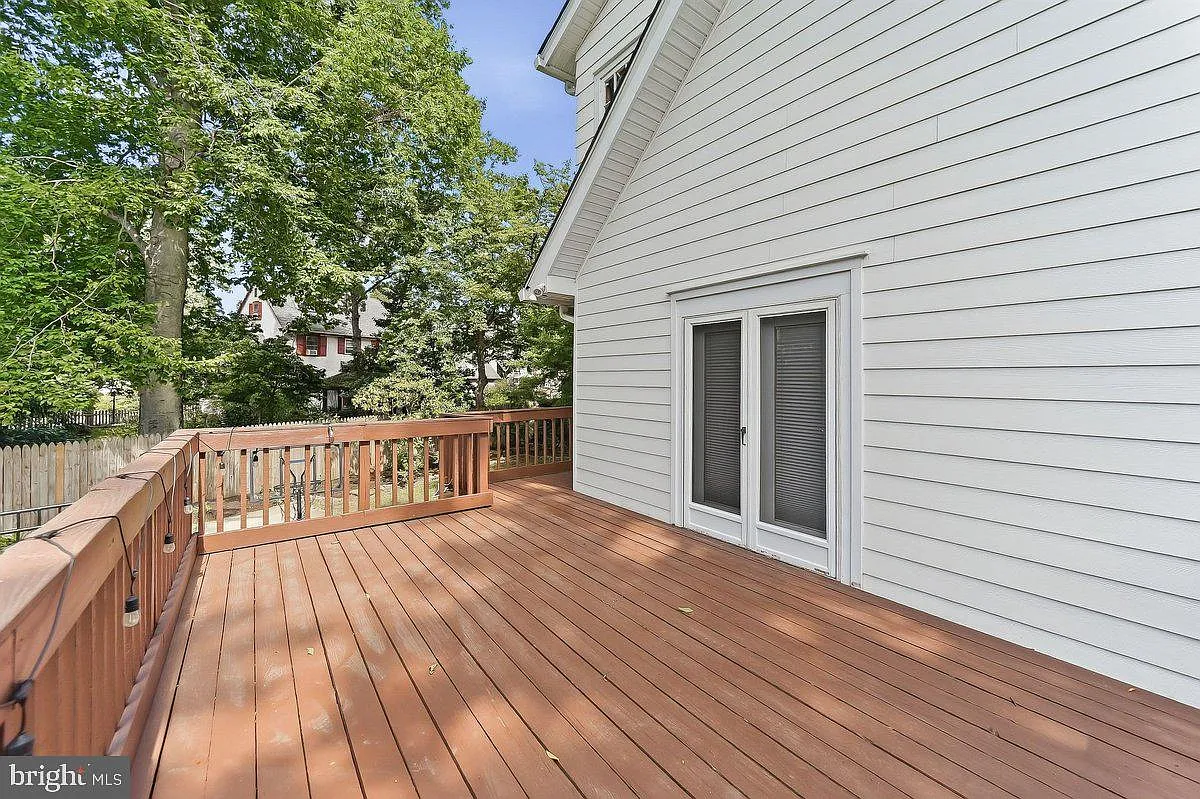
Gather in our warm living room or enjoy fresh air on the deck — every space feels like home.
Q: How can a nurse-led personal care home improve the quality of life for a senior in Delaware County? A nurse-led home provides a layer of clinical surveillance that standard personal care homes might lack. Nurses are trained to spot subtle changes in condition, such as the early signs of a urinary tract infection or a slight decline in mobility, before they become emergency room visits. In a setting like Bell Elite Senior Living, the focus is on proactive wellness and medication management. This clinical expertise, combined with a family-style environment, ensures that residents receive personalized attention that honors their dignity while keeping them medically stable.
The state of Pennsylvania has specific regulations designed to protect seniors in personal care homes, but the best homes go far beyond the minimum requirements. They create a community where seniors feel valued and engaged. When a senior is isolated at home while their adult children are at work, their cognitive health can decline rapidly. Social engagement is just as important as physical health for seniors, and professional care settings provide built-in opportunities for connection.
Have questions about personalized care options? Bell Elite Senior Living's nursing team is ready to help. Call (484) 356-1070 or schedule a free consultation today.
Navigating the Delaware County Landscape of Care
How do you even begin to sort through the various senior living options available in the Philadelphia suburbs without feeling completely lost? The terminology alone is enough to cause a headache. You hear terms like independent living, assisted living, personal care, and memory care used interchangeably, but they each represent a different level of support. In Delaware County, personal care homes are a popular choice because they offer a higher level of assistance than independent living while remaining more residential and home-like than a traditional nursing home.
Imagine this: you spend your entire Saturday touring large, corporate facilities in Chester County or Montgomery County that feel more like hotels than homes. You see long, sterile hallways and staff who don't seem to know the residents' names. Then you visit a smaller, family-owned personal care home where the smell of home-cooked meals fills the air and the owner is a nurse who is actually on-site every day. Which environment feels more like a place where your parent could thrive? For many families in our area, the smaller, more intimate setting provides a sense of security that a large institution simply cannot match.
Q: What is the difference between a personal care home and a nursing home in Pennsylvania? In Pennsylvania, the distinction primarily lies in the level of medical care required. Nursing homes, also called skilled nursing facilities, provide 24-hour clinical care for residents with complex medical needs who may be bedbound or require intensive rehabilitation. Personal care homes are designed for individuals who need help with activities of daily living, such as bathing, dressing, and medication management, but are still generally mobile and do not require constant medical intervention. Personal care homes like Bell Elite Senior Living focus on maintaining independence while providing a safety net of professional support.
Why is the nurse-led model so critical in a personal care setting? Most personal care homes are staffed primarily by direct care workers who, while dedicated, may not have clinical training. Having a nurse-led team means that there is a professional on-site who understands the nuances of aging, from managing chronic conditions like diabetes to recognizing the signs of cognitive decline. At Bell Elite Senior Living, which you can reach at (484) 356-1070, this nursing perspective is woven into the fabric of daily life, ensuring that every resident’s health is monitored with a professional eye.
Picture this: you are a resident of Swarthmore, and you are trying to find a local solution for your father who has lived in the area for fifty years. You want him to stay close so that his grandchildren can visit often. Moving him to a distant facility would make those visits a chore, further straining your schedule. Finding a high-quality personal care home right here in Delaware County allows for frequent, low-stress visits that keep the family bond strong. Proximity is one of the most significant factors in the success of a senior living transition.
Q: Are personal care homes in Pennsylvania required to have a nurse on staff? State regulations for personal care homes do not strictly require a Registered Nurse or Licensed Practical Nurse to be on-site at all times, which is why choosing a nurse-led home is such a significant advantage. While many homes meet the basic state requirements for staffing, a nurse-led facility like Bell Elite Senior Living goes a step further by prioritizing clinical expertise. This ensures that medication administration and health monitoring are overseen by someone with advanced medical knowledge, providing an extra layer of safety for your loved one.
How do you talk to your parent about the transition when they are resistant to leaving their home in Drexel Hill? It is one of the most difficult conversations you will ever have. It helps to frame the move not as a loss of independence, but as a way to ensure they can remain independent for longer. By having someone else handle the cooking, cleaning, and medication, they can focus their energy on the things they actually enjoy. The goal of professional care is to enhance a senior’s life, not to restrict it.
Communication and Boundaries: The Key to Not Breaking
What happens when your children start to resent the time you spend caring for their grandparents? This is a painful but common dynamic in the Sandwich Generation. Your children might feel like they are competing for your attention, while your parent might feel like a burden. Maintaining open lines of communication is essential. It is okay to tell your children that you are feeling stressed and to explain why. It is also important to set boundaries with your aging parents, letting them know when you are available and when you need to focus on your own household.
Imagine this: you have a family meeting in your home in Media. You sit down with your spouse and children to talk about the care plan for Grandma. You explain that while you love her and want her to be safe, the current arrangement is making everyone in the house tired and stressed. You ask for their input on what they think would help. By involving the whole family, you turn a source of tension into a shared goal. How often do we forget to include our children in these big life decisions?
Q: How can I help my children understand the challenges of an aging grandparent without scaring them? The key is to use age-appropriate honesty. For younger children, you might explain that Grandma’s body is getting older and she needs more help with things that used to be easy for her. For teenagers, you can be more direct about the responsibilities involved. It is helpful to highlight the positive aspects of the situation, such as the opportunity to learn from an older generation’s wisdom. Most importantly, reassure your children that your role as their parent is still your priority, even as you fulfill your duties to your own parents.
Setting boundaries is not an act of selfishness, it is an act of survival. If you are constantly on call for every minor issue at your parent's house, you will eventually burn out and be unable to help anyone. As a nurse, I often tell families that they need to "put on their own oxygen mask first." This means making sure your own needs for rest, nutrition, and emotional support are met. If you are struggling to maintain these boundaries, it is a strong signal that you need to explore professional care options like Bell Elite Senior Living at (484) 356-1070.
Picture this: you decide to tour a personal care home in Delaware County and you bring your children along. They see that it isn't a scary "institution" but a warm, vibrant community. They see other families visiting and seniors engaging in activities. This can demystify the process for them and reduce their anxiety about the changes happening in the family. When children see their parents taking proactive, healthy steps to manage care, they learn valuable lessons about responsibility and self-care.
Q: Is it possible for a personal care home to feel like a real family environment? Absolutely, especially in family-owned and nurse-led homes. Unlike large corporate facilities, smaller homes often have a much lower staff-to-resident ratio, allowing for deep, personal relationships to form. In these settings, the staff doesn't just provide care; they become an extension of the family. They know how a resident likes their coffee, what their favorite stories are, and how to comfort them when they are feeling confused or lonely. This personal touch is the hallmark of high-quality care in the Philadelphia suburbs.
Why do many families wait until a crisis occurs before they look for help? Often, it is because they are waiting for a "clear" sign that it's time, like a fall or a major medical event. But waiting for a crisis means making decisions under extreme pressure and limited time. The best time to explore options in Delaware County is when things are still manageable, allowing you to make a calm, informed choice. This proactive approach ensures a smoother transition for everyone involved.
Ready to explore tailored care solutions? Speak with our coordinators at Bell Elite. Phone: (484) 356-1070 • Request a tour
Knowing When Home Care is No Longer Enough
Have you ever wondered if the "home care" you are providing is actually safe for your parent? It is easy to convince ourselves that as long as they are in their familiar surroundings in Havertown or Springfield, they are okay. But home can be a dangerous place for a senior with declining mobility or cognitive function. Rugs become trip hazards, stairs become insurmountable obstacles, and the isolation of being home alone for ten hours a day can lead to deep depression.
Imagine this: your father has lived in the same house for forty years. He knows every creak in the floorboards. But lately, he has been forgetting to turn off the stove. You found a charred pot in the sink last week. Is the sentimental value of that house worth the risk of a fire? This is the heart-wrenching trade-off many families face. Safety must always be the priority, and sometimes the safest place for a senior is in a environment specifically designed for their needs.
Q: What are the specific safety risks for seniors living alone in older homes in the Philadelphia suburbs? Many homes in our area, especially in older communities like Upper Darby or Drexel Hill, feature steep stairs, narrow hallways, and bathrooms without grab bars. These architectural features are major risk factors for falls. Additionally, older homes can be difficult to heat and cool properly, which can be dangerous for seniors who have trouble regulating their body temperature. Professional care environments are built with "aging in place" in mind, featuring non-slip flooring, emergency call systems, and layouts that accommodate walkers and wheelchairs.
How do you measure the impact of social isolation on your parent’s health? We often focus on physical health, but mental and emotional well-being are just as critical. A senior who spends all day alone, watching television and waiting for a phone call, is at a much higher risk for cognitive decline and dementia. Human connection is a biological necessity, and the built-in social life of a personal care home can often lead to a "rebound" in a senior’s mood and mental clarity.
Picture this: your mother moves into Bell Elite Senior Living and within a month, she has a new best friend. They eat lunch together every day and participate in the afternoon activities. She is laughing more, and her memory actually seems sharper because she is being stimulated by conversation and new experiences. You visit her and instead of spending the whole time worrying about her safety, you spend the time actually talking to her. This is the positive outcome that many families in Delaware County experience when they finally make the move.
Q: How does a family-owned personal care home handle the transition period for a new resident? The transition is handled with extreme sensitivity and a personalized touch. Because it is a smaller, family-owned environment, the staff can spend more one-on-one time with the new resident to help them acclimate. They work closely with the family to learn about the resident’s routines, preferences, and history. This reduces the "transfer trauma" that some seniors experience when moving to a new environment. The goal is to make the new resident feel at home from the very first day.
Why is the nursing component so vital during the first few weeks of a move? A move is a significant change, and change can sometimes cause a temporary decline in health or a flare-up of existing conditions. A nurse-led team at Bell Elite Senior Living—reachable at (484) 356-1070—will closely monitor the resident’s vital signs, medication adherence, and nutritional intake during this period. They are trained to provide the emotional support and medical oversight needed to ensure the move is a success.
The Bell Elite Difference: Reclaiming Your Role as a Daughter or Son
Can you envision a future where you are no longer the primary nurse, housekeeper, and chauffeur for your aging parent? This is perhaps the greatest gift that professional care provides to the Sandwich Generation. When you delegate the physical tasks of caregiving to a professional team, you are allowed to go back to being a son or a daughter. You can enjoy a meal with your parent without worrying if they took their pills. You can hear their stories without thinking about the laundry that needs to be done.
Imagine this: you arrive at Bell Elite Senior Living on a Saturday afternoon. Your parent is clean, well-fed, and has just finished an activity. You sit down in a comfortable common area and just talk. There is no stress, no to-do list, and no hovering anxiety. You leave the visit feeling refreshed rather than drained. Does that sound like a change that your whole family needs? Professional care is not an ending; it is a new beginning for your relationship with your parent.
Q: What makes the nurse-led, family-owned approach at Bell Elite Senior Living unique in Delaware County? The uniqueness lies in the combination of high-level clinical oversight and a genuine, personal heart. Most facilities are either one or the other: a large medical institution or a small home with limited clinical knowledge. Bell Elite Senior Living bridges that gap. Being family-owned means that the people making the decisions are the same people who are on-site caring for your loved one. There is no corporate bureaucracy to navigate. Being nurse-led means that your parent’s health is always the top priority, overseen by someone with the professional training to handle complex situations.
How much is your peace of mind worth? Families often look at the cost of personal care and feel overwhelmed, but they rarely calculate the cost of not getting help. The cost of lost wages, the cost of their own declining health, and the cost of the strain on their marriage and children are all part of the equation. Investing in professional care is an investment in the health and longevity of the entire family unit.
Picture this: you are finally able to take a vacation with your spouse and children, something you haven't done in three years because you couldn't leave your parent alone. You go away knowing that your parent is in a nurse-led environment in Delaware County where they are safe and cared for. You check in via phone and hear that they are doing great. For the first time in a long time, you actually relax. This is the freedom that comes from trusting a team like the one at Bell Elite Senior Living.
Q: What should I look for when I visit a personal care home for the first time? Look past the decor and focus on the interactions. Are the staff members engaged with the residents? Do the residents look clean and well-cared for? Ask about the staff-to-resident ratio and who is responsible for medical oversight. Most importantly, trust your gut. Does the environment feel warm and welcoming, or does it feel cold and clinical? At Bell Elite Senior Living, we encourage families to ask the hard questions and to see for themselves the difference that a nurse-led, family-owned philosophy makes.
Why should you call (484) 356-1070 today? Because you don't have to carry this weight alone anymore. You have spent years looking after everyone else, and now it is time to find a partner who can look after your parent with the same level of care and dedication that you provide. The Sandwich Generation is a season of life that is full of challenges, but it doesn't have to break you. By choosing a community like Bell Elite Senior Living, you are choosing a path of safety for your parent and a path of peace for yourself.
Imagine the relief of knowing that every night, when you lay your head on the pillow in your home in Broomall or Havertown, your parent is sleeping safely under the watchful eye of a nursing team. Imagine the joy of seeing your children have a happy, present parent again. This is possible. The first step is simply reaching out for help. Delaware County is a community that looks after its own, and we are here to help you navigate this transition with grace, dignity, and expert clinical care.
A Glimpse Inside Bell Elite
A warm, family-like residence — not an institution. Every space is designed for comfort, safety, and dignity.
Ready to Take the Next Step?
Bell Elite Senior Living is a nurse-led, family-owned personal care home in Delaware County, Pennsylvania. We're here to help.
Proudly Serving Families Across the Greater Philadelphia Region
Bell Elite Senior Living is a nurse-led, family-owned personal care home located in Delaware County, Pennsylvania — and we proudly serve families from across the entire Greater Philadelphia area and surrounding communities. Whether you are searching for a personal care home in Delaware County PA, exploring senior living options near Philadelphia, or looking for compassionate elder care for a loved one in Montgomery County, Bucks County, or Chester County, our team is here to help guide you through every step of the decision.
Families come to Bell Elite from throughout Philadelphia and its suburbs — including Upper Darby, Havertown, Drexel Hill, Broomall, Swarthmore, Media, Springfield, Lansdowne, Darby, Collingdale, and Sharon Hill in Delaware County; Ardmore, Norristown, Lansdale, Cheltenham, Abington, Blue Bell, Jenkintown, Ambler, and Horsham in Montgomery County; Doylestown, Newtown, Langhorne, Bristol, Yardley, Quakertown, and Levittown in Bucks County; and West Chester, Malvern, Exton, Downingtown, Phoenixville, Coatesville, and Paoli in Chester County. We are also a trusted resource for families in South Jersey communities such as Cherry Hill, Voorhees, Marlton, Moorestown, Mount Laurel, Haddonfield, Collingswood, and Camden County who are seeking high-quality personal care across the river in Pennsylvania. Families from Wilmington, Newark, and New Castle County, Delaware also regularly choose Bell Elite for its clinical excellence and intimate, home-like setting.
Our central location in Delaware County puts us within easy reach of Center City Philadelphia, the Main Line, South Philadelphia, Northeast Philadelphia, and the Philadelphia suburbs — making visits from family members throughout the region straightforward and stress-free. We understand that choosing the right personal care home is one of the most important decisions a family will make, and distance should never be a barrier to accessing exceptional, nurse-led care.
Frequently Asked Questions About Our Service Area
Does Bell Elite Senior Living serve families from Philadelphia?
Yes. Bell Elite Senior Living is located in Delaware County, PA, just minutes from Philadelphia. We regularly welcome residents and their families from across Philadelphia, including South Philly, Northeast Philadelphia, Kensington, Germantown, and Center City.
Do you accept residents from Montgomery County, PA?
Absolutely. We serve families throughout Montgomery County including Norristown, Ardmore, Lansdale, Cheltenham, Blue Bell, Jenkintown, and Ambler. Our nurse-led care model is a popular choice for families across the Philadelphia suburbs.
Can families from Bucks County place a loved one at Bell Elite?
Yes. Many of our residents come from Bucks County communities such as Doylestown, Newtown, Yardley, Langhorne, and Bristol. Our facility is easily accessible from Route 1 and I-95 corridors.
Do you serve Chester County families looking for personal care?
Yes. Families from West Chester, Malvern, Exton, Downingtown, Phoenixville, Paoli, and Coatesville in Chester County frequently choose Bell Elite for our small resident count, clinical oversight, and personalized care plans.
Is Bell Elite an option for families in South Jersey near Philadelphia?
Yes. Many families from Cherry Hill, Voorhees, Marlton, Mount Laurel, Haddonfield, Moorestown, and Camden County in New Jersey choose Bell Elite Senior Living in nearby Delaware County, PA for its nurse-led care and welcoming environment.
Do you accept residents from Delaware (Wilmington, Newark, New Castle County)?
Yes. Families from Wilmington, Newark, Middletown, and throughout New Castle County, Delaware have placed loved ones at Bell Elite. Our location in Delaware County, PA makes us a convenient and high-quality option for Delaware families seeking nurse-led personal care.
How do I find out if Bell Elite can serve my family's location?
Call us at (484) 356-1070 or visit our contact page. We serve the entire Greater Philadelphia region and surrounding areas and are happy to discuss your specific situation, schedule a tour, and answer any questions about our care services.
Related Articles



Related Care Services at Bell Elite
Our nurse-led personal care home in Lansdowne, PA offers specialized services for seniors across the Greater Philadelphia region.
Personal Care Home Near You
Bell Elite is located in Lansdowne, PA — minutes from Philadelphia. See care details for your community:
Have Questions After Reading?
Our nursing team offers free, no-pressure consultations for Pennsylvania families.
Talk to a nurse, not a salesperson. Our team includes RNs, LPNs, a PMHNP, and Family Nurse Practitioners.