

The role of specialized dementia training for personal care staff
Bell Elite Senior Living — a nurse-led, family-owned personal care home in Lansdowne, PA. Warm living spaces, private bedrooms, and a chef's kitchen — come see the difference.
The Emotional Landscape of Dementia Care in Delaware County
Have you ever felt your heart sink when a loved one looks right through you, their eyes searching for a home that no longer exists in the physical world? This is the profound and often silent struggle facing many families across the Philadelphia suburbs, from the quiet streets of Swarthmore to the bustling neighborhoods of Upper Darby. When a parent or spouse begins to slip away into the fog of cognitive decline, the immediate instinct is to protect them, yet the complexity of the disease often exceeds what even the most devoted family member can provide alone. We understand that this journey is not just a medical one, it is a deeply personal walk through grief, love, and the search for safety. Dementia affects more than 280,000 people in Pennsylvania alone, and each one of those individuals deserves a caregiver who views their condition through the lens of compassion and advanced clinical knowledge.
Imagine this scenario for a moment. You are in your kitchen in Drexel Hill, trying to convince your father that he does not need to get to his office, even though he retired twenty years ago. The frustration mounts as he grows agitated, and you feel that familiar pang of guilt because you simply do not know how to calm his rising anxiety. This is where the vital role of specialized training comes into play. It is not just about keeping someone safe or fed, it is about understanding the neurological shifts that cause a person to lose their sense of time and place. At Bell Elite Senior Living, we believe that specialized dementia training is the bridge between a resident feeling trapped and a resident feeling understood.
How can a family possibly navigate the overwhelming sea of choices when every facility claims to offer the best care? The truth is that "care" is a broad term that can mean anything from basic supervision to the highly nuanced, evidence based approaches used by a professional nurse led team. When staff members are trained to recognize the subtle cues of a brewing behavioral crisis, they can intervene before a resident becomes distressed. This level of expertise is what separates a standard personal care home from a sanctuary. Families in Media and Springfield often come to us after realizing that their loved one needs more than just a watchful eye, they need a therapeutic environment where the staff speaks the language of the wandering mind.
Speak With Our Nursing Team
We help Pennsylvania families navigate senior care decisions with compassion and clinical expertise.
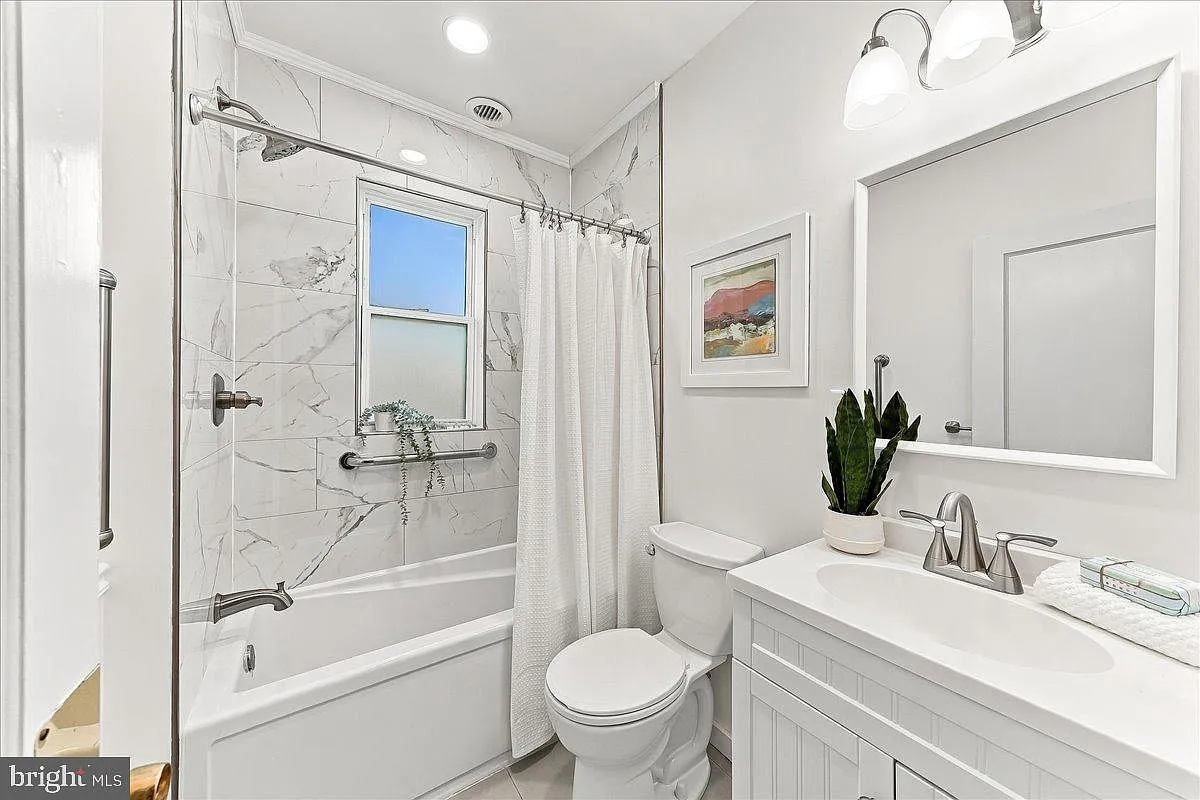
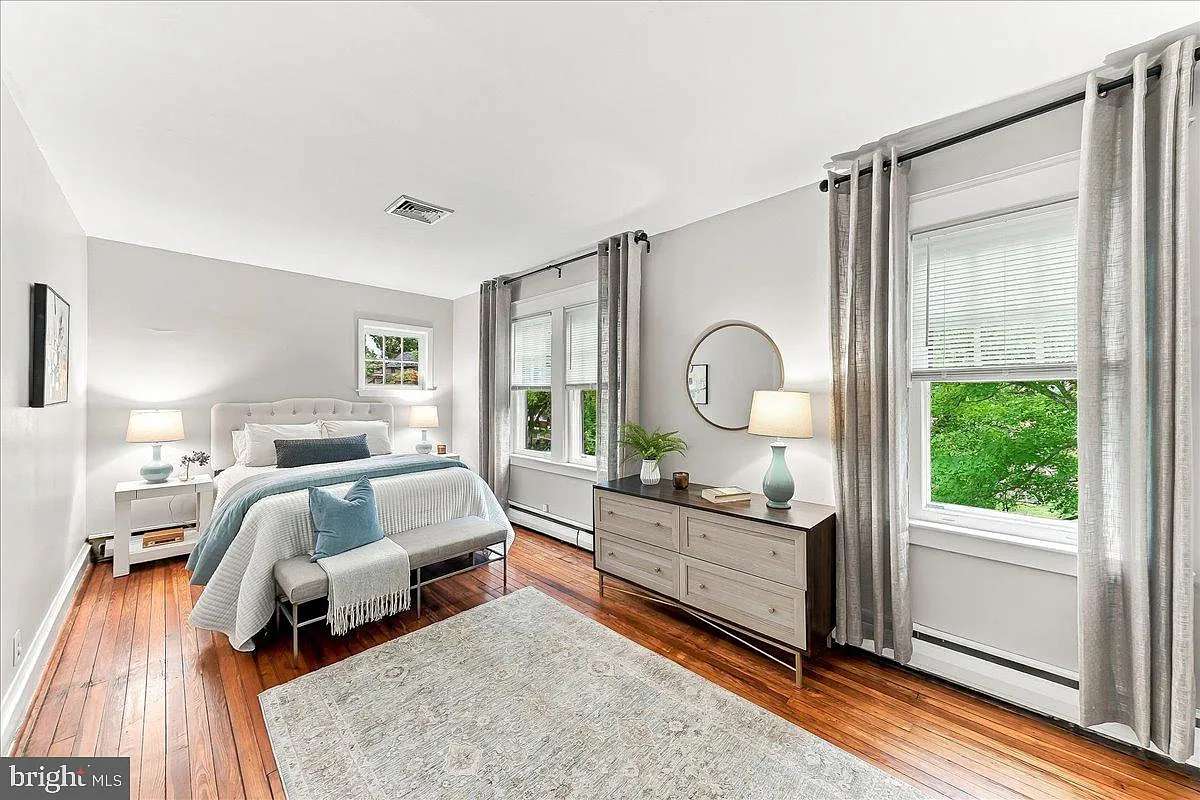
Private bedrooms and accessible bathrooms, designed for safety, comfort, and dignity.
Q: How do I know if a facility actually trains their staff or just says they do? The best way to verify the depth of a facility's training is to ask for specific examples of their curriculum and the frequency of their continuing education. You should ask whether the training is led by a licensed nurse and if it covers specific topics like the staging of Alzheimer’s disease, non-pharmacological interventions for agitation, and the nuances of communication. At Bell Elite Senior Living, our family owned approach ensures that our staff is not just completing a mandatory module, they are participating in a culture of learning led by our nursing team at (484) 356-1070. Look for a home where the staff can explain the "why" behind their actions, rather than just reciting a list of daily tasks.
Is it enough to simply be kind, or does the modern reality of elder care demand a more rigorous scientific foundation? While kindness is the bedrock of what we do, the neurobiology of dementia requires a sophisticated response that goes beyond good intentions. Staff must understand how the frontal lobe impacts impulse control and how damage to the hippocampus disrupts the ability to form new memories. When a caregiver in a Delaware County personal care home understands these mechanics, they no longer view a resident’s repetitive questions as a nuisance. Instead, they see a person whose brain is frantically trying to orient itself in a world that no longer makes sense.
Picture this, a resident is pacing the hallways of a beautiful home in Broomall, visibly distressed because they cannot find their car keys. A staff member without specialized training might simply tell the resident that they do not have a car anymore, which only serves to heighten the resident's panic. However, a staff member trained by Bell Elite Senior Living would recognize the underlying need for autonomy and movement. They might walk with the resident, engaging them in a conversation about their favorite car they ever owned, gradually redirecting that anxious energy into a positive reminiscence. Effective dementia care is a dance of validation and redirection that requires hours of practice and a deep well of patience.
The Critical Distinction Between Assistance and Expertise
Speak With Our Nursing Team
We help Pennsylvania families navigate senior care decisions with compassion and clinical expertise.
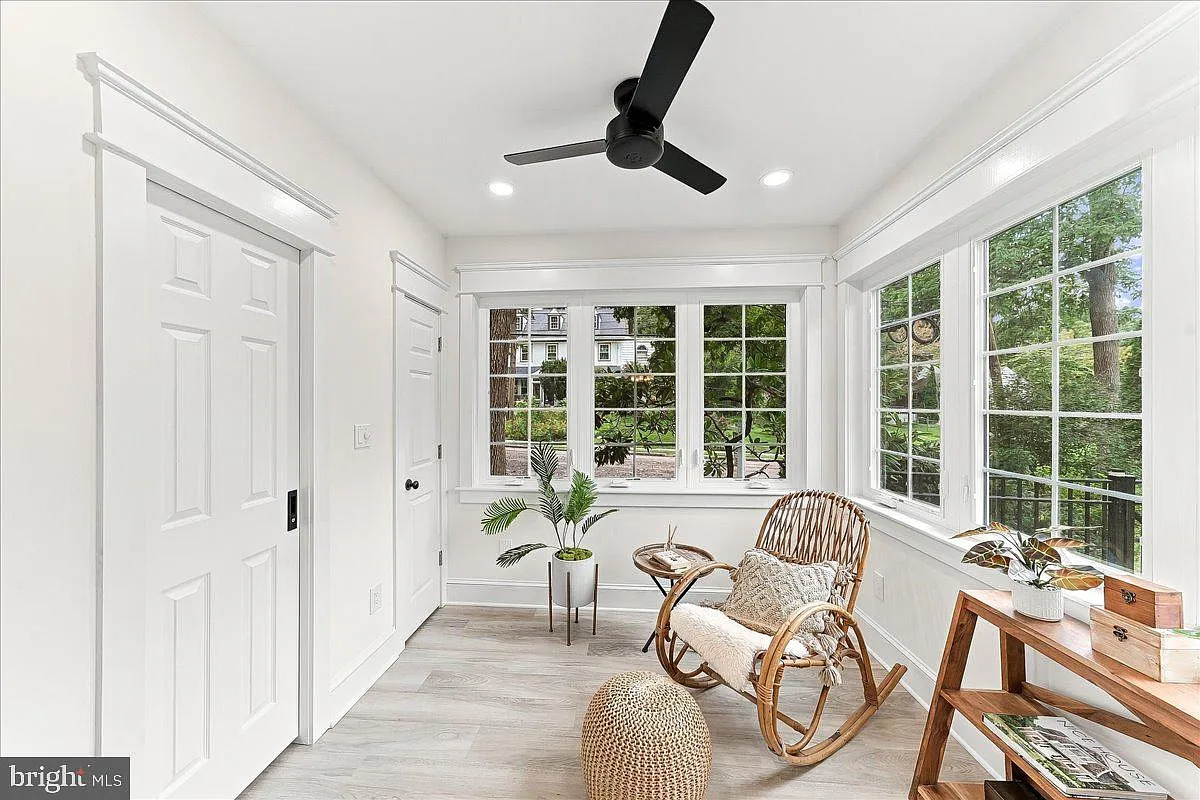
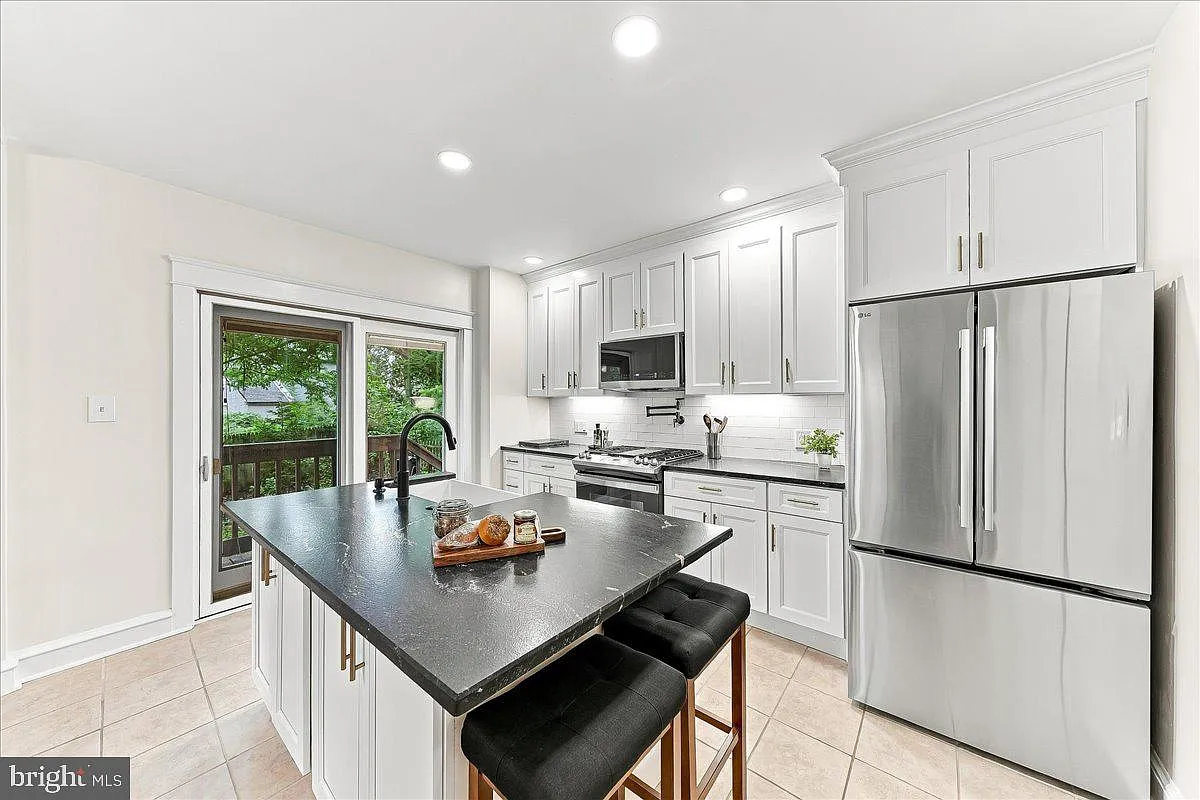
Home-cooked meals in our chef's kitchen and peaceful moments in the sunroom — life at Bell Elite.
What does it actually mean when a personal care home in Pennsylvania claims to provide specialized memory support? In many cases, the distinction is found in the way staff members handle the most challenging moments of the day, such as the period known as sundowning. As the sun sets over the suburbs of Delaware County, many individuals with cognitive impairment experience a surge in confusion and restlessness. Without specific training, this can lead to a chaotic environment where residents and staff are both on edge. Studies show that specialized training can reduce the frequency of behavioral incidents by up to 40 percent, creating a more peaceful atmosphere for everyone involved.
Imagine this, it is 5:00 PM on a rainy Tuesday, and a resident who usually loves to listen to music is suddenly yelling that she needs to go home to cook dinner for her children. A caregiver who has only received general training might try to use logic, pointing out that her children are now adults with their own homes. This logical approach often backfires, leading to a breakdown in trust. In contrast, a caregiver trained in the Habilitation Therapy model would lean into the resident’s reality. They might ask what she was planning to cook or invite her to help fold napkins for the evening meal, honoring her lifelong identity as a provider and caregiver.
Q: Is specialized dementia training required by Pennsylvania law for all personal care homes? Pennsylvania does have regulations that require a certain number of hours of initial and annual training for staff working in personal care homes, particularly those in secured dementia units. However, these requirements are often seen as a minimum baseline rather than a gold standard. Many facilities in the Philadelphia area only do the bare minimum to stay compliant with state laws. Bell Elite Senior Living goes far beyond these basic mandates because we are nurse led and family owned, which means our standards are driven by clinical excellence and personal pride rather than corporate bottom lines. We believe that continuous, hands-on education is the only way to ensure the safety and happiness of our residents.
Why should a family in Havertown or Drexel Hill prioritize a nurse led home when choosing a place for their mother or father? The presence of a nurse in a leadership role means that the staff training is grounded in a deep understanding of medical comorbidities. Many seniors with dementia also struggle with diabetes, heart disease, or chronic pain, all of which can exacerbate cognitive symptoms. When a staff is trained by a nurse, they learn how to spot the difference between a dementia related behavior and a physical symptom like a urinary tract infection or a reaction to a new medication. This holistic view of the resident is what prevents unnecessary hospitalizations and ensures a higher quality of life.
Picture this, a resident who is normally very social suddenly becomes withdrawn and refuses to eat. A general caregiver might just document the change, but a caregiver trained under the watchful eye of the Bell Elite Senior Living nursing team will look for the underlying cause. Is the resident in pain? Are they experiencing a medication side effect? Are they depressed because of a recent change in their routine? By asking these questions, the staff at (484) 356-1070 acts as a frontline diagnostic team, catching small issues before they become major health crises. This level of vigilance is a direct result of specialized training that emphasizes the connection between physical health and cognitive function.
Speak With Our Nursing Team
We help Pennsylvania families navigate senior care decisions with compassion and clinical expertise.
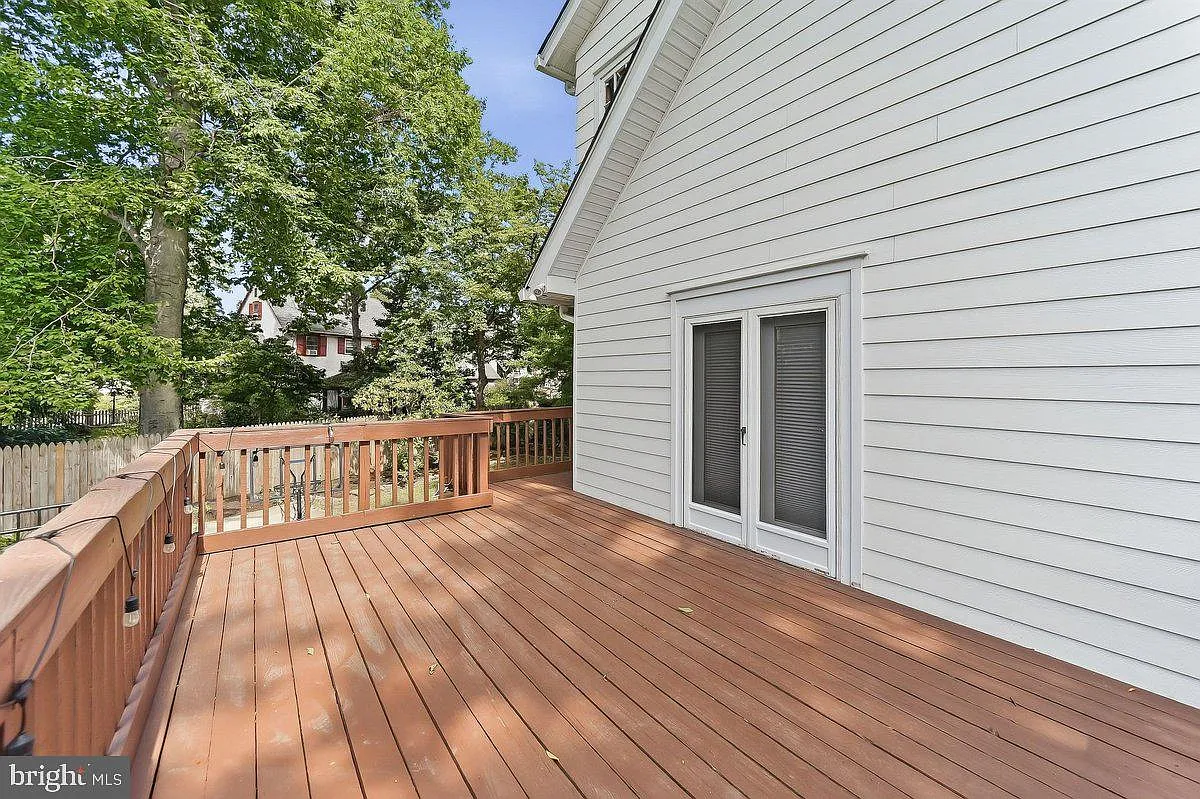
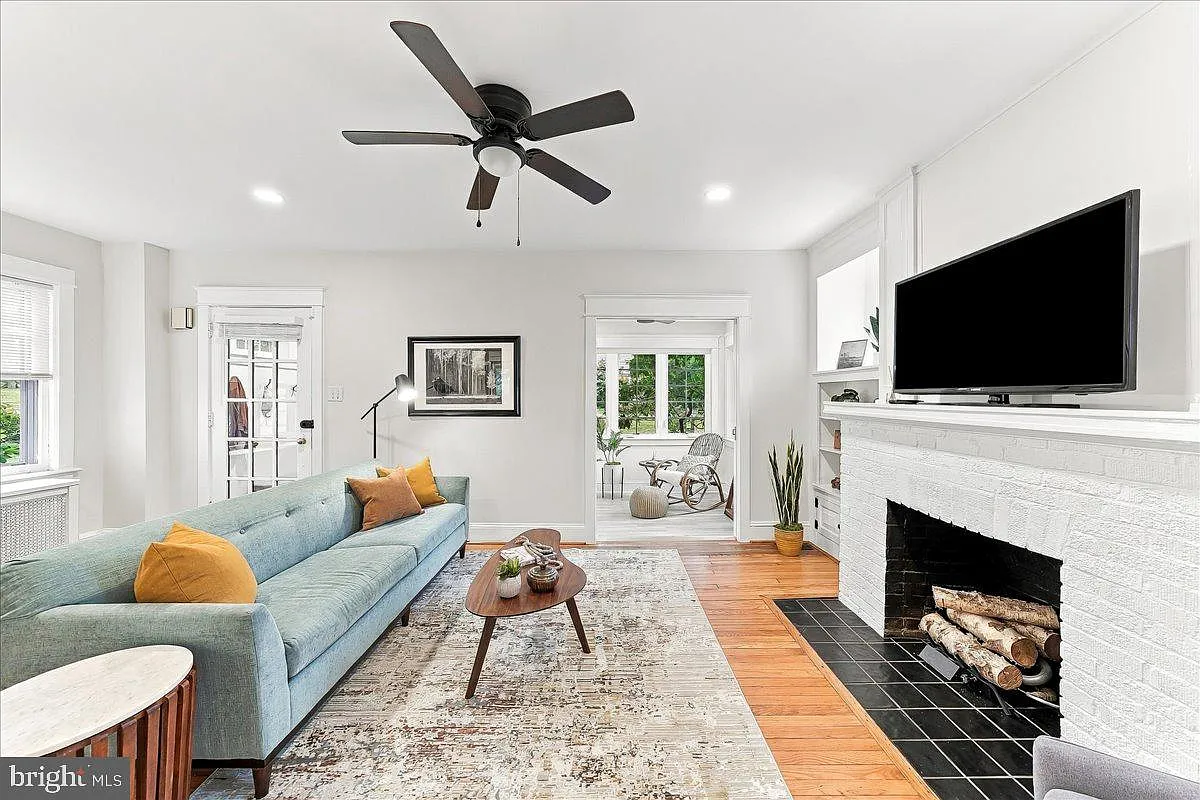
Gather in our warm living room or enjoy fresh air on the deck — every space feels like home.
Have questions about personalized care options? Bell Elite Senior Living's nursing team is ready to help. Call (484) 356-1070 or schedule a free consultation today.
Mastering the Art of Redirection and De-escalation
How do we bridge the gap between a medical diagnosis and the daily reality of living a joyful life in Delaware County? The answer lies in the mastery of redirection and de-escalation techniques that allow residents to maintain their dignity even when their brain is failing them. In the world of professional caregiving, we often talk about "meeting the resident where they are," but doing so requires an incredible amount of skill and emotional intelligence. It is not about lying to a resident, it is about entering their emotional truth so that they do not feel alone or attacked. Specialized training focuses on the non-verbal cues that make up 90 percent of our communication, such as tone of voice, body posture, and facial expressions.
Imagine this, a resident becomes convinced that another resident has stolen her purse. She is standing in the middle of the common area, her voice rising, her hands trembling with anger. A poorly trained staff member might try to prove her wrong by showing her that the purse is actually in her room. This confrontation forces the resident to admit she was wrong, which can be humiliating and lead to further agitation. A staff member at Bell Elite Senior Living, however, would use a technique called "joining." They might say, "I would be so upset if I couldn't find my purse, let’s go look for it together," and then gently lead the resident to a quiet space where the purse is waiting. By validating the resident’s feelings first, the caregiver preserves the relationship and de-escalates the situation.
Q: What is the most effective way for staff to handle repetitive questions? The most effective way to handle repetitive questions is to address the underlying emotion rather than just answering the question for the twentieth time. If a resident keeps asking when their daughter is coming to visit, they may be feeling lonely or anxious. A trained staff member will provide a brief, reassuring answer and then immediately pivot to an activity that the resident enjoys. They might say, "She is coming on Saturday, but while we wait, why don't you tell me about that beautiful quilt she made for you?" This approach acknowledges the concern while shifting the focus to a comforting memory, which reduces the resident’s circular thinking patterns.
Q: How does staff training reduce the need for antipsychotic medications? When staff members are highly trained in behavioral intervention, they can often manage agitation, aggression, and anxiety without the use of heavy sedatives or antipsychotic drugs. In many traditional settings, medication is the first line of defense against difficult behaviors, but these drugs often have severe side effects for seniors. At Bell Elite Senior Living, our goal is to use environmental modifications and personalized engagement to soothe the mind. By understanding a resident’s personal history and triggers, we can often pre-empt the need for chemical intervention, leading to a clearer mind and a safer environment for the resident.
Can you imagine the peace of mind that comes from knowing the people caring for your mother in Springfield or Media are experts in the nuances of her specific type of dementia? Whether it is Alzheimer’s, Vascular Dementia, Lewy Body Dementia, or Frontotemporal Dementia, each diagnosis comes with its own set of challenges. A person with Lewy Body might experience vivid hallucinations, while someone with Frontotemporal Dementia might struggle with social inhibitions. Specialized training ensures that the staff understands these differences and does not apply a one size fits all approach. This diagnostic specific care is essential for providing a truly personalized experience that honors the individual's unique journey.
The Nurse-Led Advantage in a Family-Owned Setting
Why does the presence of a registered nurse in a family owned home change the very foundation of how staff members interact with your mother or father? In large, corporate facilities, the training is often top down and disconnected from the daily reality of the floor. At Bell Elite Senior Living, the owners are nurses who are physically present, observing the interactions and providing real time feedback to the staff. This creates a culture of accountability and excellence that is simply impossible to replicate in a giant institution. When a nurse is leading the team, every interaction is viewed as an opportunity for clinical assessment and emotional connection.
Imagine this, a staff member is assisting a resident with a meal and notices that the resident is having trouble swallowing. In a typical setting, this might be ignored as just a sign of aging. But in a nurse led environment like ours in Delaware County, the staff is trained to report even the slightest change in physical function immediately. The nurse can then assess for dysphagia, adjust the diet, and coordinate with the physician before a choking incident or aspiration pneumonia occurs. Prevention is the highest form of care, and it is only possible when the staff is trained to be the eyes and ears of the nursing team.
Q: Does Bell Elite Senior Living provide ongoing training or just a one-time orientation? We believe that learning never stops, especially in a field as dynamic as memory care. Our staff participates in ongoing monthly education sessions that cover new research in dementia care, review best practices for safety, and dive deep into the specific needs of our current resident population. This ensures that our team is always at the forefront of the industry. Because we are a family owned home, we have the flexibility to adapt our training quickly if we see a specific need arising within our community. You can reach us at (484) 356-1070 to learn more about our current training initiatives.
Q: How do nurse-led homes handle the transition from home care to personal care? The transition is often the most stressful time for both the resident and the family. A nurse led team handles this by performing a comprehensive pre-admission assessment that goes far beyond a medical chart. We talk to the family about the resident’s lifelong habits, their favorite foods, their past career, and their typical daily rhythm. We then use this information to train the staff who will be working directly with that resident, ensuring that they know exactly how to make the newcomer feel safe and welcomed. This personalized onboarding process significantly reduces the "transfer trauma" often associated with moving to a senior living community.
Is it possible that the local, family owned nature of a personal care home actually leads to better health outcomes? The data suggests that when staff members feel like they are part of a family, they stay longer and build deeper bonds with the residents. In Delaware County, where community ties are so strong, this continuity of care is vital. When the same caregivers are with a resident for months or years, they become experts in that individual’s "normal." This allows them to detect the most subtle changes in behavior or health, which is the hallmark of high quality dementia care. At Bell Elite Senior Living, we are not just a facility, we are a home where the staff is empowered by professional training and inspired by a genuine love for their neighbors.
Ready to explore tailored care solutions? Speak with our coordinators at Bell Elite. Phone: (484) 356-1070 • Request a tour
Fostering Dignity Through Communication and Environmental Awareness
Can you picture a Tuesday afternoon where your loved one feels empowered rather than restricted by their diagnosis? Achieving this requires a staff that is trained in environmental management, the art of creating a space that minimizes confusion and maximizes independence. In our Delaware County home, this means using high contrast colors to help residents find the bathroom, reducing background noise to prevent sensory overload, and ensuring that the lighting is bright enough to minimize shadows that might be mistaken for something frightening. The physical environment is a silent partner in dementia care, and a well trained staff knows how to optimize it for every resident.
Imagine this, a resident in a home in Havertown is trying to get dressed but is overwhelmed by the number of choices in their closet. Instead of doing the task for them, which strips away their autonomy, a trained staff member will lay out two outfits and ask a simple choice question. This small act of preserving the power of choice is a central tenet of our specialized training. It requires more time and more patience than simply dressing the resident ourselves, but the payoff in terms of the resident’s self esteem and mood is immeasurable. We are not just caring for their bodies, we are guarding their spirits.
Q: How can I tell if my loved one is receiving the right level of cognitive stimulation? Look for signs of engagement rather than just passive participation. Are they smiling, talking, or focused on a task, or are they simply sitting in front of a television? A home with specialized training will offer activities that are "failure free," meaning there is no right or wrong way to do them. This might include sorting colorful fabrics, listening to personalized music playlists, or participating in a gentle exercise class. At Bell Elite Senior Living, we tailor our stimulation to the resident’s past interests, ensuring that a former gardener still gets to feel the soil in their hands and a former teacher still feels like their wisdom is valued.
Q: What should I look for in a staff-to-resident ratio for dementia care? While the number of staff members is important, the quality of their engagement matters even more. However, a lower ratio generally allows for the kind of one on one interaction that dementia care requires. You should look for a home where the staff is not constantly rushing from one task to the next but has the time to sit and have a meaningful conversation with a resident. In our family owned setting, we prioritize these moments of connection. Because we are a smaller home, our staff to resident ratio allows for a level of intimacy and supervision that larger facilities in Montgomery or Chester County often struggle to maintain.
How does specialized training help staff members manage their own stress and prevent caregiver burnout? Providing care for individuals with dementia is emotionally and physically demanding work. Without proper training in self care and emotional regulation, caregivers can become frustrated, which the residents will immediately sense and react to. Our training at Bell Elite Senior Living includes modules on resilience and empathy, teaching our team how to take a breath and reset when a situation becomes challenging. A happy, supported staff is the key to a happy, supported resident population, and this is a truth we live by every single day.
Selecting the Right Path for Your Loved One in Southeastern Pennsylvania
When you drive through the streets of Havertown or Springfield looking for a new home for your family member, what are the invisible red flags you should be watching for? One of the biggest mistakes families make is being swayed by beautiful chandeliers or fancy lobbies while ignoring the interactions happening in the hallways. You want to see staff members who are making eye contact with residents, using a gentle touch, and speaking in calm, reassuring tones. You want to see a home that feels like a home, not a hospital. The atmosphere of a personal care home is a direct reflection of the training its staff has received.
Imagine this, you are touring a facility and you see a resident who is wandering and looks lost. Watch how the staff reacts. Do they ignore the resident? Do they tell them to go sit down? Or do they walk over, offer a steadying arm, and engage them in a way that makes them feel safe? This is the litmus test for specialized training. In our Delaware County community, we take pride in the fact that our residents are treated with the same respect and care we would want for our own parents. Our phone number, (484) 356-1070, is a resource for families who are tired of the corporate approach and are looking for something more meaningful.
Q: What are the signs of a well-trained staff that I can spot during a tour? Look for "active listening" where staff members get down on the resident's eye level rather than hovering over them. Notice if the staff uses the resident’s name frequently and if they seem to know the resident’s personal preferences. A well trained staff will also be able to explain the safety features of the building without making it feel like a locked ward. Most importantly, look for a sense of calm. In a home where the staff is properly trained, the energy is one of purposeful activity rather than frantic management.
Q: Is it possible for a resident to age in place as their dementia progresses? In many cases, yes, provided the facility has the clinical oversight to manage increasing needs. This is where the nurse led model of Bell Elite Senior Living is particularly beneficial. As a resident’s cognitive and physical needs change, our nursing team can adjust their care plan in real time, bringing in additional resources like physical therapy or hospice care when appropriate. Our goal is to provide a continuum of care that minimizes the need for further moves, which can be devastating for someone with advanced dementia. We work closely with families in the Philadelphia suburbs to ensure that their loved one can stay in a familiar, loving environment for as long as possible.
Have you ever wondered why so many families in Delaware County feel overwhelmed when it's time to look for care? It is because the weight of the decision is enormous, and the stakes could not be higher. But you do not have to carry this burden alone. By choosing a home that prioritizes specialized dementia training, nurse led leadership, and family values, you are giving your loved one the greatest gift possible, the gift of being truly seen and understood. At Bell Elite Senior Living, we are here to walk this path with you, offering the expertise of a medical professional and the heart of a friend.
Whether you are in Media, Swarthmore, or Drexel Hill, the help you need is just a phone call away at (484) 356-1070. We invite you to visit us, meet our team, and see for yourself how specialized training transforms the daily experience of our residents. Dementia may take away many things, but it should never take away a person's right to live with dignity, joy, and peace. We are committed to protecting that right every single day, one interaction at a time, ensuring that every resident in our care feels the warmth of a community that truly knows them. The journey ahead may be difficult, but with the right team by your side, it can also be a time of profound connection and unexpected beauty.
A Glimpse Inside Bell Elite
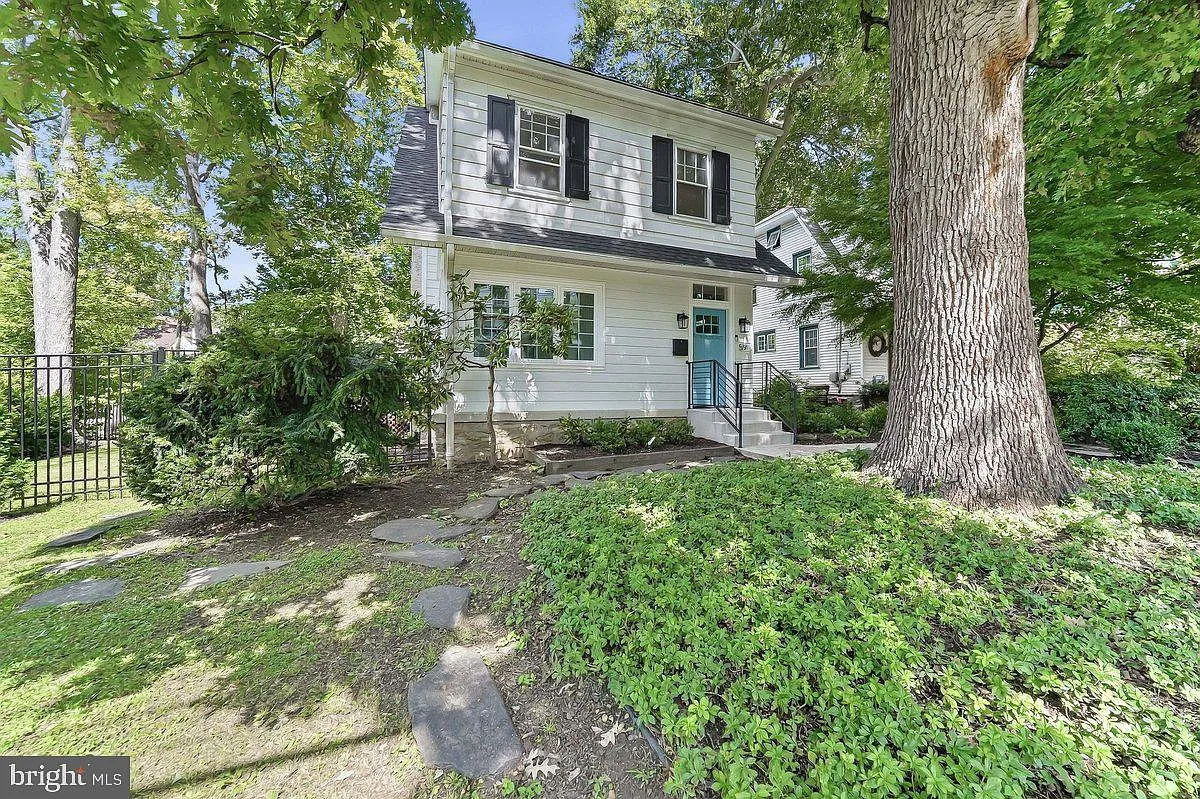
A warm, family-like residence — not an institution. Every space is designed for comfort, safety, and dignity.
Ready to Take the Next Step?
Bell Elite Senior Living is a nurse-led, family-owned personal care home in Delaware County, Pennsylvania. We're here to help.
Proudly Serving Families Across the Greater Philadelphia Region
Bell Elite Senior Living is a nurse-led, family-owned personal care home located in Delaware County, Pennsylvania — and we proudly serve families from across the entire Greater Philadelphia area and surrounding communities. Whether you are searching for a personal care home in Delaware County PA, exploring senior living options near Philadelphia, or looking for compassionate elder care for a loved one in Montgomery County, Bucks County, or Chester County, our team is here to help guide you through every step of the decision.
Families come to Bell Elite from throughout Philadelphia and its suburbs — including Upper Darby, Havertown, Drexel Hill, Broomall, Swarthmore, Media, Springfield, Lansdowne, Darby, Collingdale, and Sharon Hill in Delaware County; Ardmore, Norristown, Lansdale, Cheltenham, Abington, Blue Bell, Jenkintown, Ambler, and Horsham in Montgomery County; Doylestown, Newtown, Langhorne, Bristol, Yardley, Quakertown, and Levittown in Bucks County; and West Chester, Malvern, Exton, Downingtown, Phoenixville, Coatesville, and Paoli in Chester County. We are also a trusted resource for families in South Jersey communities such as Cherry Hill, Voorhees, Marlton, Moorestown, Mount Laurel, Haddonfield, Collingswood, and Camden County who are seeking high-quality personal care across the river in Pennsylvania. Families from Wilmington, Newark, and New Castle County, Delaware also regularly choose Bell Elite for its clinical excellence and intimate, home-like setting.
Our central location in Delaware County puts us within easy reach of Center City Philadelphia, the Main Line, South Philadelphia, Northeast Philadelphia, and the Philadelphia suburbs — making visits from family members throughout the region straightforward and stress-free. We understand that choosing the right personal care home is one of the most important decisions a family will make, and distance should never be a barrier to accessing exceptional, nurse-led care.
Frequently Asked Questions About Our Service Area
Does Bell Elite Senior Living serve families from Philadelphia?
Yes. Bell Elite Senior Living is located in Delaware County, PA, just minutes from Philadelphia. We regularly welcome residents and their families from across Philadelphia, including South Philly, Northeast Philadelphia, Kensington, Germantown, and Center City.
Do you accept residents from Montgomery County, PA?
Absolutely. We serve families throughout Montgomery County including Norristown, Ardmore, Lansdale, Cheltenham, Blue Bell, Jenkintown, and Ambler. Our nurse-led care model is a popular choice for families across the Philadelphia suburbs.
Can families from Bucks County place a loved one at Bell Elite?
Yes. Many of our residents come from Bucks County communities such as Doylestown, Newtown, Yardley, Langhorne, and Bristol. Our facility is easily accessible from Route 1 and I-95 corridors.
Do you serve Chester County families looking for personal care?
Yes. Families from West Chester, Malvern, Exton, Downingtown, Phoenixville, Paoli, and Coatesville in Chester County frequently choose Bell Elite for our small resident count, clinical oversight, and personalized care plans.
Is Bell Elite an option for families in South Jersey near Philadelphia?
Yes. Many families from Cherry Hill, Voorhees, Marlton, Mount Laurel, Haddonfield, Moorestown, and Camden County in New Jersey choose Bell Elite Senior Living in nearby Delaware County, PA for its nurse-led care and welcoming environment.
Do you accept residents from Delaware (Wilmington, Newark, New Castle County)?
Yes. Families from Wilmington, Newark, Middletown, and throughout New Castle County, Delaware have placed loved ones at Bell Elite. Our location in Delaware County, PA makes us a convenient and high-quality option for Delaware families seeking nurse-led personal care.
How do I find out if Bell Elite can serve my family's location?
Call us at (484) 356-1070 or visit our contact page. We serve the entire Greater Philadelphia region and surrounding areas and are happy to discuss your specific situation, schedule a tour, and answer any questions about our care services.
Related Articles



Related Care Services at Bell Elite
Our nurse-led personal care home in Lansdowne, PA offers specialized services for seniors across the Greater Philadelphia region.
Personal Care Home Near You
Bell Elite is located in Lansdowne, PA — minutes from Philadelphia. See care details for your community:
Have Questions After Reading?
Our nursing team offers free, no-pressure consultations for Pennsylvania families.
Talk to a nurse, not a salesperson. Our team includes RNs, LPNs, a PMHNP, and Family Nurse Practitioners.