
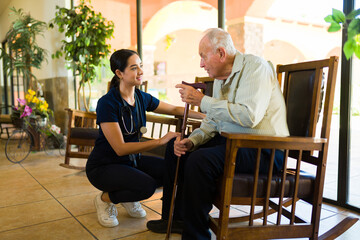
The Importance of Routine: Memory Care Strategies in Havertown
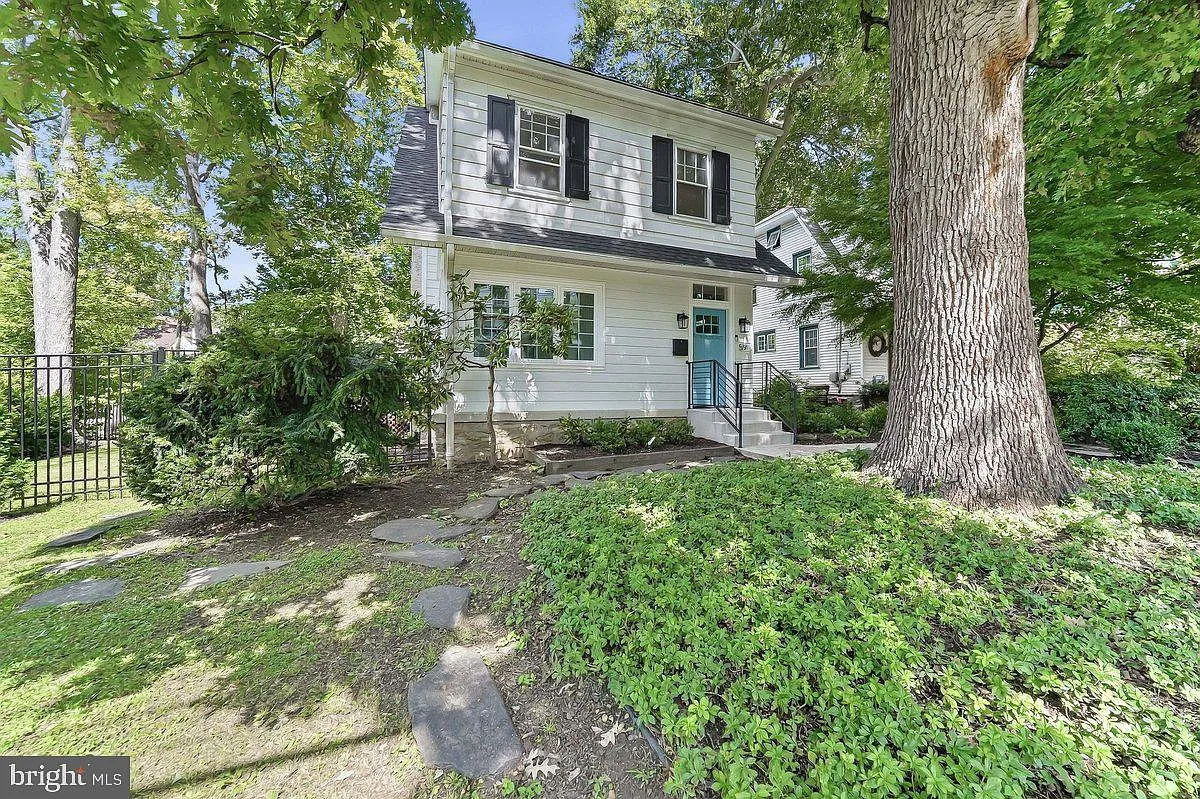
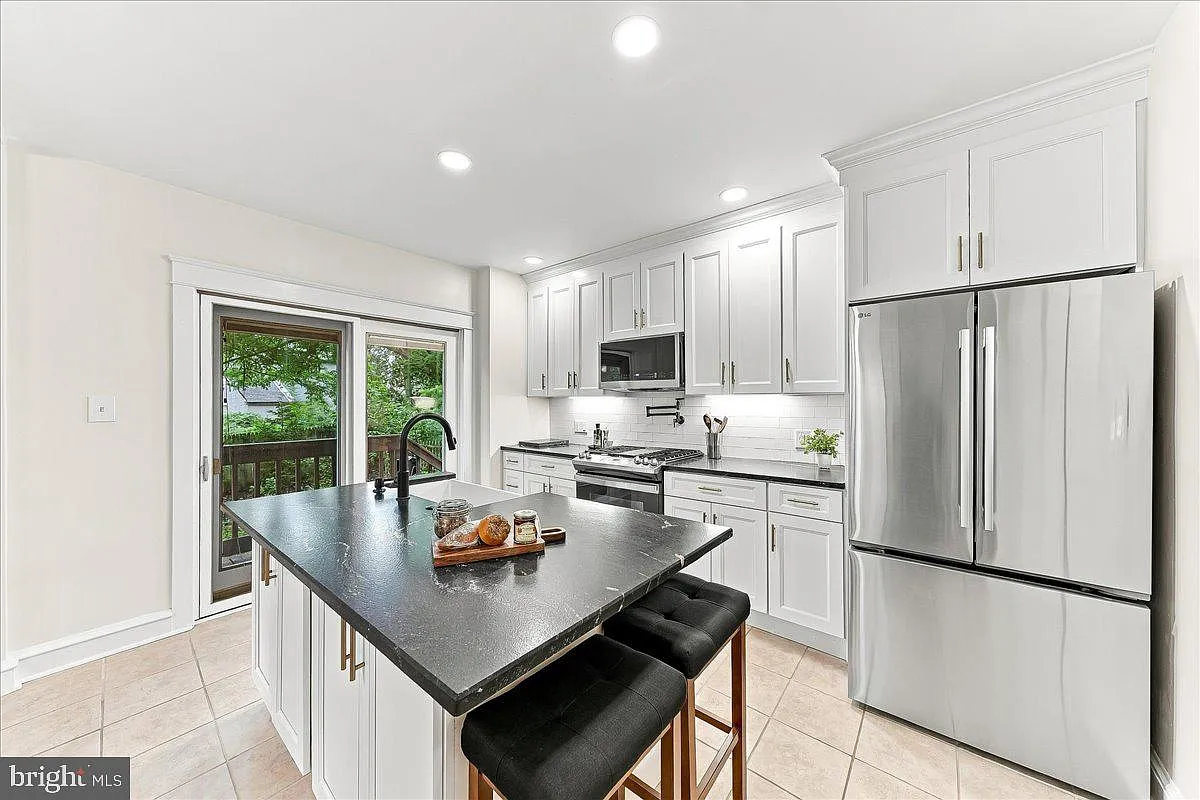
Bell Elite Senior Living — a nurse-led, family-owned personal care home in Lansdowne, PA. Warm living spaces, private bedrooms, and a chef's kitchen — come see the difference.
The Neurological Anchor of Routine in Memory Care
Have you ever stopped to consider how much of your own daily peace relies on the simple, predictable rhythm of your morning cup of coffee or the way you lock your front door at night? For a senior navigating the shifting sands of memory loss in Delaware County, these small anchors are not just habits but are actually the very things that keep their world from feeling like a confusing, frightening fog. Imagine waking up in a room that feels slightly unfamiliar and having no internal compass to tell you if it is time for breakfast or time for bed. This is the reality for many residents in Havertown and Springfield who are living with dementia or Alzheimer’s disease. As a nurse, I have spent years watching how a structured environment can act as an external brain for someone whose internal filing system is no longer working as it should. When we talk about routine, we are not just talking about a schedule on a wall, rather we are discussing a therapeutic intervention that reduces cortisol levels and fosters a sense of safety.
Why do we see such a dramatic shift in behavior when a senior moves from a chaotic home environment into a structured personal care home? The answer lies in the reduction of cognitive load. When every decision is handled by a predictable flow of events, the brain can rest. Do you know that the stress of uncertainty is one of the leading causes of agitation and aggressive outbursts in memory care? By removing the need to wonder what comes next, we provide a level of emotional security that medication alone can never achieve. Families often tell me they feel guilty about looking for professional help, but I remind them that providing this level of structure at home while managing a household is an almost impossible task for a single caregiver.
Q: Why does my loved one seem more confused in the afternoon than they do in the morning? This phenomenon is often referred to as sundowning, and it is a common challenge for families across Pennsylvania. As the natural light fades and the day’s fatigue sets in, the brain’s ability to process information diminishes, leading to increased anxiety and confusion. A strict routine helps mitigate this by ensuring the individual is not overstimulated during the day and has a calming, predictable series of events to transition into the evening hours.
Speak With Our Nursing Team
We help Pennsylvania families navigate senior care decisions with compassion and clinical expertise.
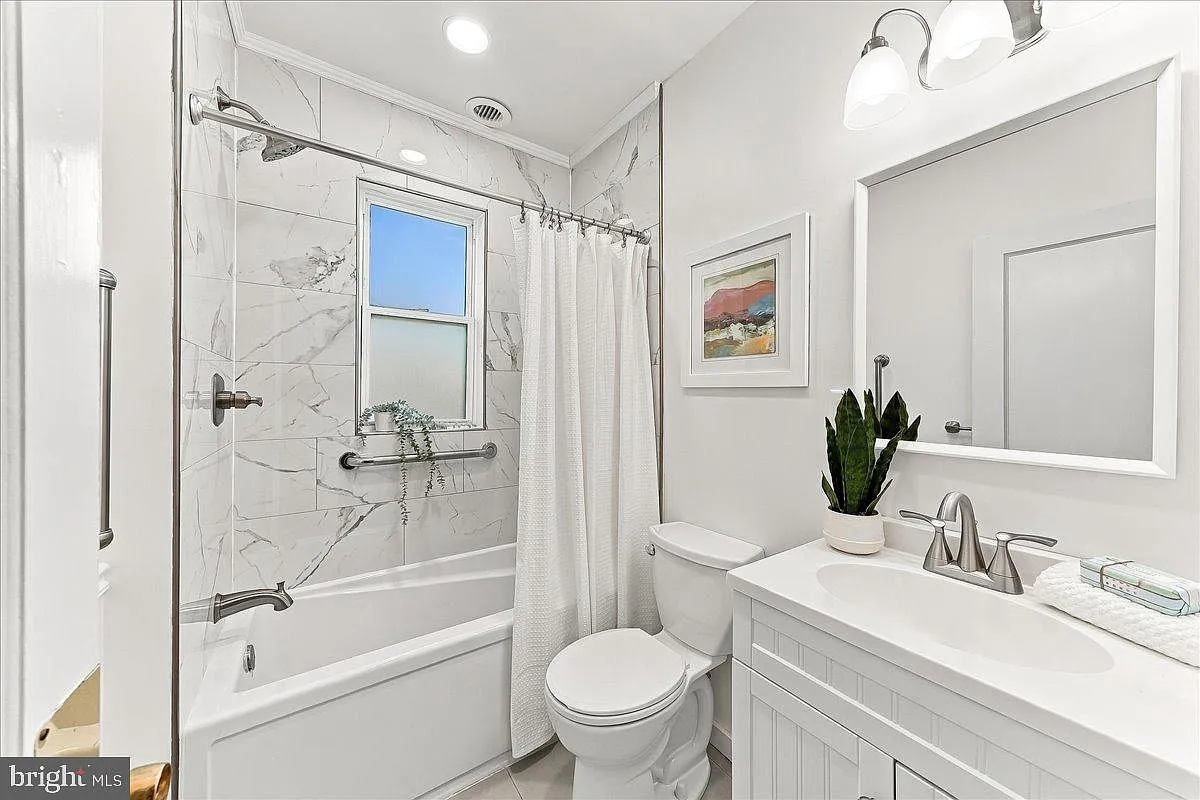
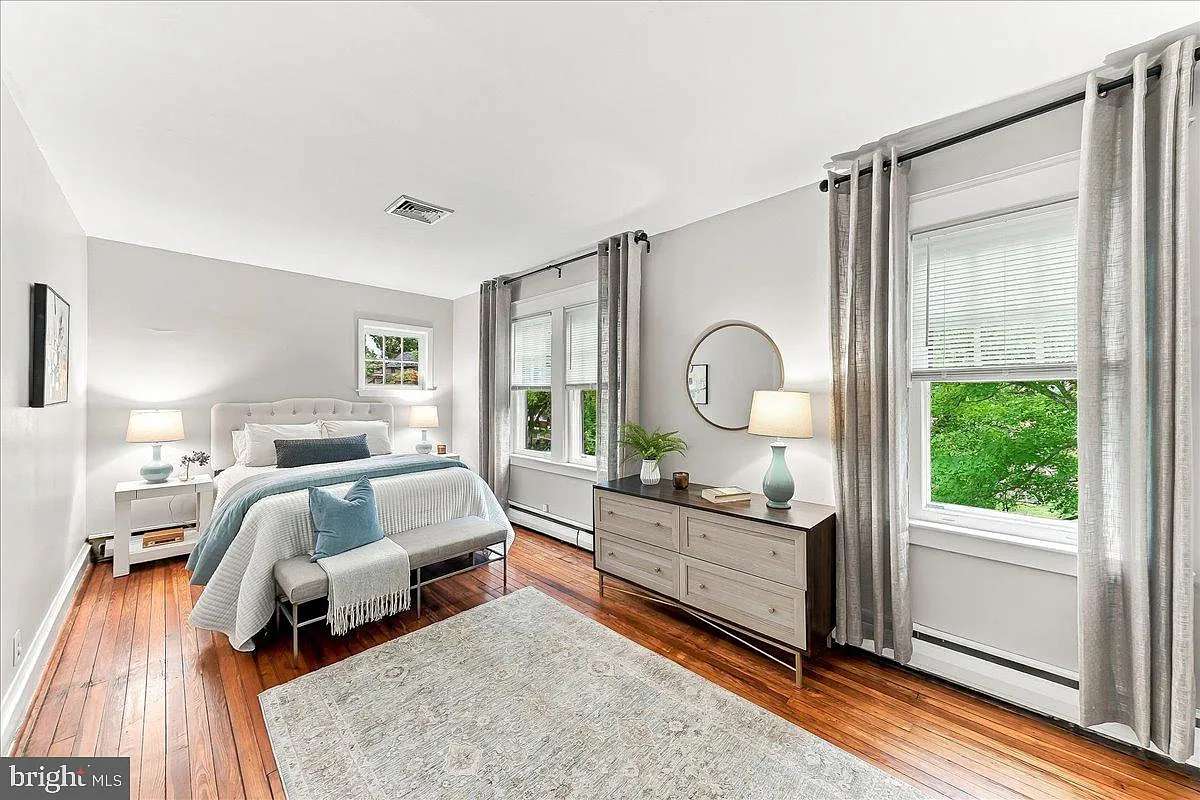
Private bedrooms and accessible bathrooms, designed for safety, comfort, and dignity.
Is it possible that we underestimate how much the physical environment of Delaware County impacts our seniors? The changing seasons in the Philadelphia suburbs bring different light patterns and temperatures, all of which can disrupt a fragile sense of time. In a nurse-led setting like Bell Elite Senior Living, we pay close attention to these environmental cues. We ensure that the transition from a brisk autumn afternoon to a cozy evening is seamless and supported by familiar rituals. This level of detail is what distinguishes a family-owned personal care home from a larger, more corporate institution. We know our residents' stories, their favorite songs, and the exact way they like their tea, which allows us to weave those personal threads into their daily tapestry.
Q: Can a routine actually slow down the progression of dementia symptoms? While there is currently no cure for most forms of dementia, a consistent routine can significantly improve quality of life and may help maintain functional abilities for a longer period. By reinforcing neural pathways through repetitive, positive actions, we help residents maintain their independence in activities of daily living. This consistency in care reduces the frequency of catastrophic reactions and allows the senior to engage more fully with their community and loved ones.
Morning Rituals and the Biology of Consistency
Do you remember the last time your own sleep schedule was completely thrown off and how irritable and foggy you felt the next day? For a senior in Upper Darby or Havertown who is already struggling with cognitive decline, that feeling of displacement is magnified tenfold. This is why the first few hours of the day are the most critical window for setting a positive tone. Imagine this: the sun is just beginning to peek over the trees in Delaware County, and instead of a loud, jarring alarm, a resident is greeted by the soft voice of a familiar caregiver and the smell of fresh coffee. We start with the basics because the basics are the foundation of dignity.
Speak With Our Nursing Team
We help Pennsylvania families navigate senior care decisions with compassion and clinical expertise.
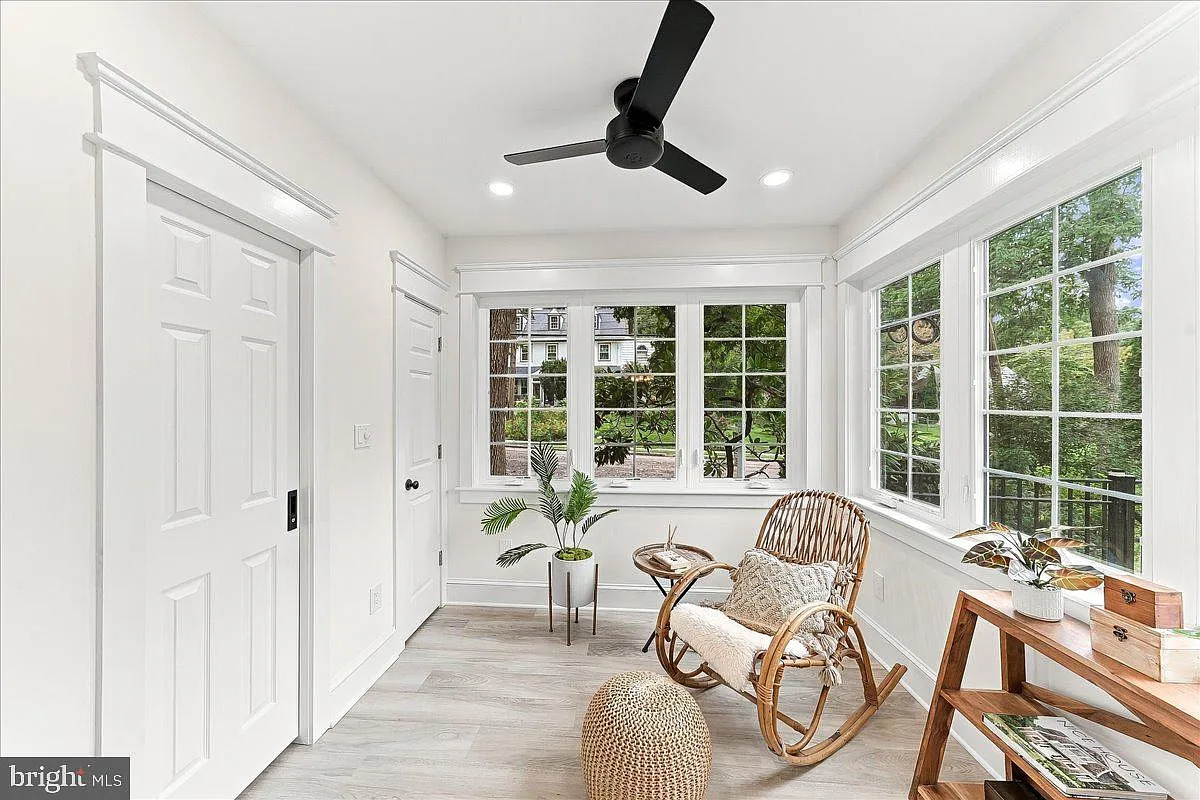
Home-cooked meals in our chef's kitchen and peaceful moments in the sunroom — life at Bell Elite.
Have you noticed how much more cooperative a person becomes when they know exactly what to expect? When a resident at Bell Elite Senior Living wakes up, they aren't met with a list of demands, but rather a gentle flow of familiar steps. We focus on the circadian rhythm, which is the internal clock that tells our bodies when to be awake and when to sleep. In many seniors, this clock becomes damaged, leading to nights spent pacing and days spent napping. By emphasizing bright light in the morning and a consistent breakfast time, we help reset that clock. This is one of the most effective non-pharmacological interventions we have in our nursing toolkit.
Q: How do you handle a resident who refuses to follow a routine or get dressed in the morning? We approach every refusal with clinical patience and a deep understanding of the person behind the diagnosis. Often, a refusal is not an act of defiance but a expression of fear or physical discomfort. As a nurse-led team, we look for the root cause, perhaps the room is too cold, or the task feels too complex. We break the routine down into tiny, manageable steps and use positive reinforcement to guide them through the process without ever stripping away their autonomy or their sense of self.
Does it surprise you to learn that the simple act of choosing between two shirts can be an overwhelming cognitive task? In our personal care home, we simplify these choices to empower the resident. Instead of opening a full closet, we might offer two specific options. This preserves the individual’s right to choose while preventing the decision fatigue that leads to a morning meltdown. It is a delicate balance of providing enough support to ensure success but not so much that the resident feels infantilized. Our family-owned approach means we have the time to sit and wait, to listen, and to adapt the routine to the person, rather than forcing the person into a rigid box.
Q: Is it better to let a senior sleep in if they had a rough night? While it is tempting to let a loved one sleep, it often backfires by further disrupting their sleep-wake cycle. We generally recommend sticking as close to the routine as possible, perhaps allowing a very brief extension but then gently encouraging them to join the community for breakfast. Maintaining that anchor of the morning meal helps stabilize their mood for the rest of the day and ensures they are receiving the hydration and nutrition they need to stay healthy.
Have questions about personalized care options? Bell Elite Senior Living's nursing team is ready to help. Call (484) 356-1070 or schedule a free consultation today.
Speak With Our Nursing Team
We help Pennsylvania families navigate senior care decisions with compassion and clinical expertise.
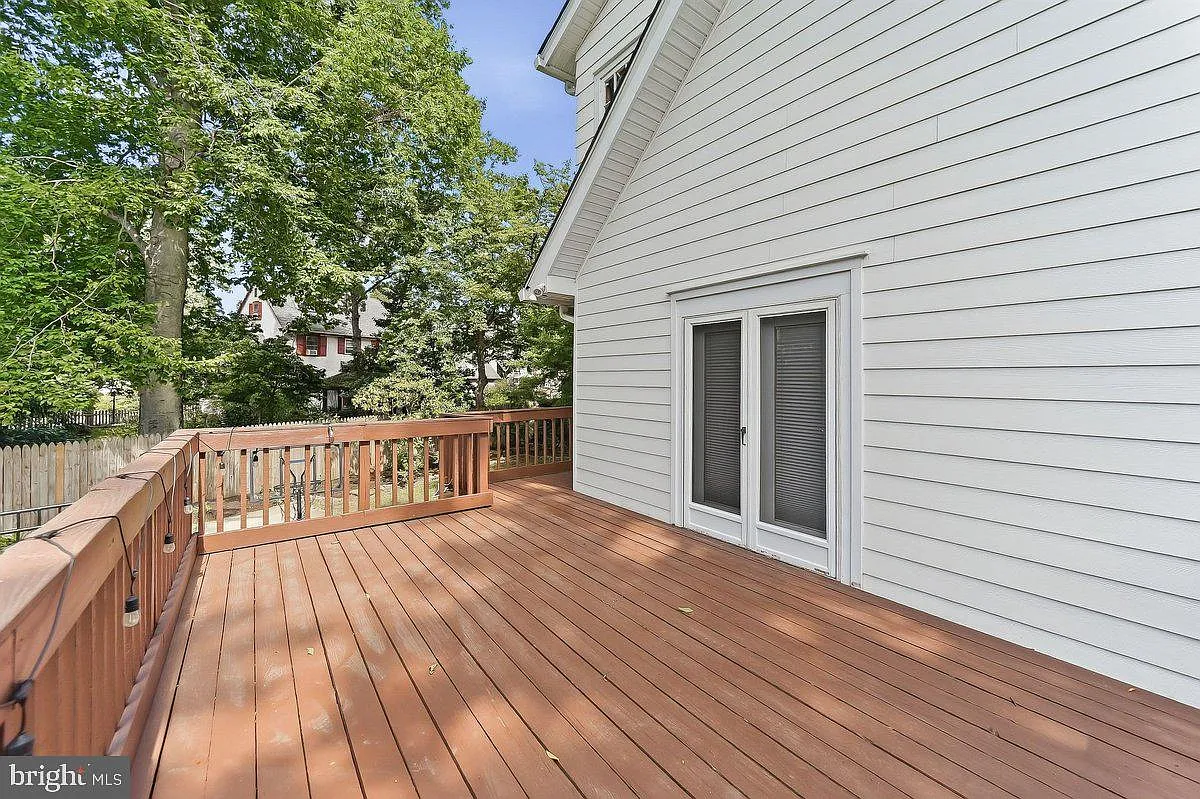
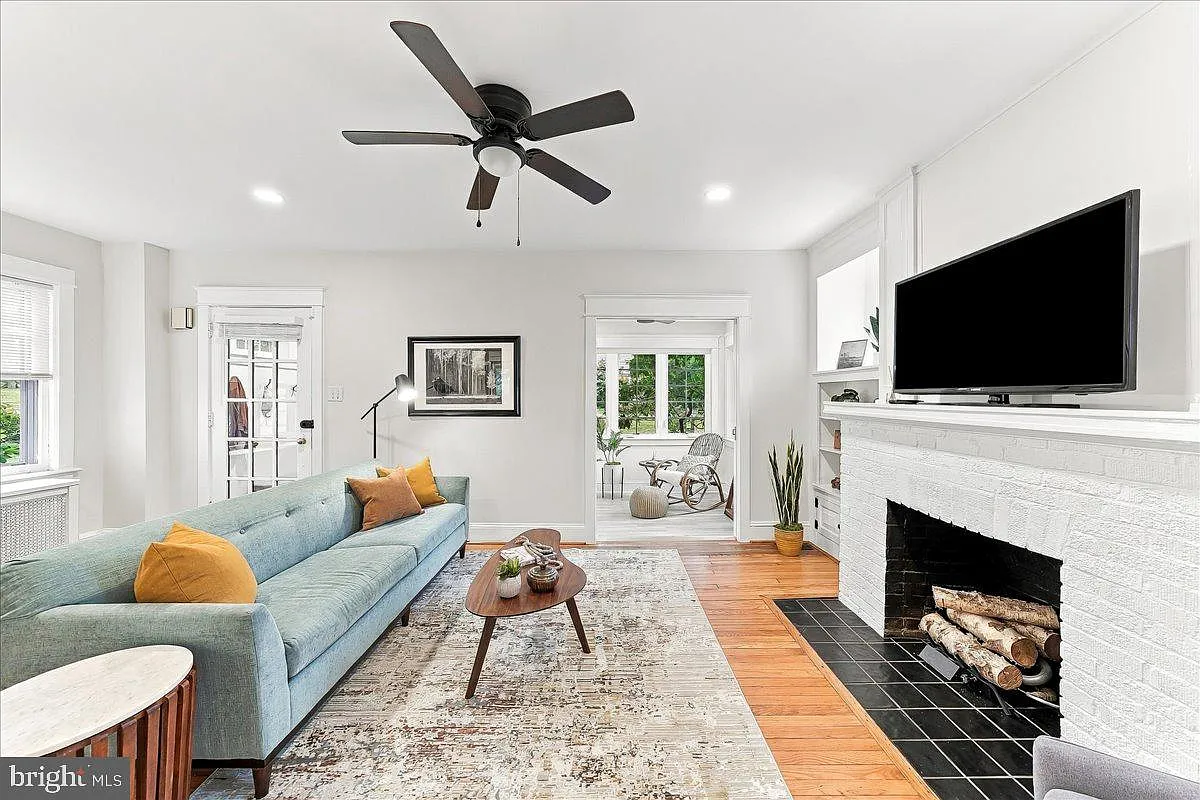
Gather in our warm living room or enjoy fresh air on the deck — every space feels like home.
The Role of Clinical Nutrition and Social Connection
Have you ever considered that the dinner table is often the most important place for therapy in a memory care environment? In a family-owned home, the dining experience is not just about calories, it is about the social fabric of life. Picture a dining room in Broomall or Drexel Hill where the residents are not just eating in silence, but are surrounded by the gentle hum of conversation and the presence of caregivers who know their histories. We know that seniors with memory loss often forget to eat or lose interest in food because the mechanics of using utensils become difficult. By creating a routine around meals that is both physically accessible and socially engaging, we address both their nutritional needs and their emotional well-being.
Why is it that we see so many seniors in the community suffering from dehydration and unintended weight loss? Often, it is because their environment lacks the structural cues that trigger the hunger response. In a nurse-led facility like Bell Elite Senior Living, we use color-contrasted plates and finger-food options to make eating easier and more intuitive. We understand that a resident might not remember that it is lunchtime, but their body recognizes the routine of washing their hands and sitting at their favorite spot. This sensory preparation is a vital part of memory care that often goes overlooked in larger, more clinical settings.
Q: My father has become a very picky eater as his dementia progresses; how can a facility help? This is a very common challenge, as dementia can actually alter a person’s sense of taste and smell. Our nursing team works closely with our kitchen to provide nutrient-dense foods that appeal to changing palates, often focusing on higher protein and healthy fats. We also monitor for any swallowing difficulties or dental issues that might be causing the pickiness. Because we are a smaller, family-owned home, we can cater to individual preferences much more effectively than a massive institutional kitchen could ever hope to do.
Can you imagine the loneliness of living in a large house in Media and eating every meal alone while struggling with memory loss? The routine of social interaction during meals is a powerful tool against the depression that often accompanies cognitive decline. Research shows that seniors who eat with others tend to consume more nutrients and report higher levels of life satisfaction. We make sure that our dining routine is a highlight of the day, a time for laughter and connection that reinforces their sense of belonging to a community. This is not just "care," it is comprehensive wellness oversight that looks at the whole person.
Q: How do you handle dietary restrictions like low-sodium or diabetic diets within a group routine? As a nurse-led home, clinical safety is our top priority. We integrate specialized diets into our standard meal routines so that no one feels singled out or different. Our staff is trained to monitor blood sugar levels and manage medications in conjunction with these meal times, ensuring that the medical management of chronic conditions is woven seamlessly into the daily life of the home. This allows the resident to focus on enjoying their meal while we handle the complexities of their healthcare behind the scenes.
Clinical Oversight and the Security of Nurse-Led Care
Have you ever wondered what the actual difference is between a standard personal care home and one that is specifically nurse-led? The difference is found in the clinical intuition that a nurse brings to every interaction. In a neighborhood like Havertown, families want to know that if a subtle change occurs in their loved one’s health, someone will notice it immediately. A routine is only effective if it is being monitored by someone who understands the underlying medical conditions. At Bell Elite Senior Living, our nursing background means we are constantly assessing, not just supervising. We look at the way a resident walks, the clarity of their skin, and the tone of their voice as part of a daily clinical routine.
Why is it so vital to have professional medical oversight in a residential setting? It is because memory loss rarely travels alone; it is often accompanied by heart disease, diabetes, or mobility issues. A routine that includes regular health screenings and medication management reduces the risk of emergency room visits, which are incredibly traumatizing for someone with dementia. We act as a bridge between the family, the primary care physician, and the resident, ensuring that the care plan is not just a document in a folder but a living, breathing part of every single day.
Q: What happens if my loved one’s medical needs increase over time? One of the greatest benefits of a nurse-led home is our ability to adapt the care plan as needs evolve. We provide a level of clinical continuity that is hard to find elsewhere. Because we are family-owned, we have the flexibility to adjust our routines to provide more intensive support if a resident experiences a decline in health. This often allows our residents to age in place, surrounded by the faces they know and trust, rather than being moved to a sterile nursing home environment in the middle of a health crisis.
Does it give you peace of mind to know that the person managing your mother’s medications is not just a technician but a trained nurse? We understand the complex interactions between various medications and how they can impact cognitive function and fall risk. Our daily routine includes diligent medication administration and monitoring for side effects, which is a critical safety net. In Delaware County, where the healthcare landscape can be complex, having a dedicated nurse-led team on your side is an invaluable resource for any family.
Q: How do you coordinate with outside doctors and specialists? We view ourselves as the hub of the resident’s healthcare team. Our routine includes regular communication with outside providers to ensure that everyone is on the same page. Whether it is a podiatrist visit or a consultation with a neurologist in Philadelphia, we manage the logistics and the follow-up care. This comprehensive approach takes the burden off the family members, allowing them to return to their role as daughters, sons, and spouses, rather than acting as unpaid medical coordinators.
Ready to explore tailored care solutions? Speak with our coordinators at Bell Elite. Phone: (484) 356-1070 • Request a tour
Managing the Witching Hour: Evening Strategies and Sundowning
Have you ever noticed that as the sun begins to set over the Delaware County skyline, the energy in a home often shifts? For many families caring for a senior with dementia, the hours between 4:00 PM and 8:00 PM are the most difficult of the day. This is the time when anxiety peaks, and the desire to "go home" becomes an overwhelming fixation. In a specialized memory care environment, we prepare for this shift long before it happens. Our evening routine is designed to be a "downshift," intentionally slowing the pace of the house to match the resident’s diminishing energy reserves.
Why do we emphasize a calm, low-stimulation environment during the evening hours? The answer is that a brain struggling with memory loss becomes easily overwhelmed by noise, bright lights, and fast-paced television. Imagine trying to solve a complex puzzle while a siren is blaring and people are shouting nearby; that is what a busy evening can feel like to a senior with Alzheimer’s. At Bell Elite Senior Living, we swap loud activities for soft music, dimmed lighting, and gentle hand massages or folding laundry together. These tactile, rhythmic tasks provide a sense of purpose and calm that helps ground the resident in the present moment.
Q: What is the best way to respond when my loved one insists they need to "go home" even though they are already home? This is one of the most heartbreaking aspects of memory care, but it is rarely about a physical location. Usually, "home" is a metaphor for a time in their life when they felt safe, in control, and recognized. Instead of arguing with their reality, we use validation therapy to acknowledge their feelings. We might say, "Tell me about your home," or "I know you miss being there, let's sit here and have some tea while you tell me about your favorite room." This shifts the focus from a conflict of facts to a connection of emotions.
Is there a way to prevent the late-night wandering that so often leads to falls? A successful evening routine must lead into a successful sleep routine. We work to ensure that the resident’s bedroom is a sanctuary of comfort. We use familiar blankets, family photos, and perhaps a specific scent like lavender to signal to the brain that it is time for rest. By keeping the routine identical every single night, we build a "muscle memory" of sleep. For our residents in Swarthmore or Havertown, this consistency is the key to maintaining their physical safety throughout the night.
Q: Does exercise during the day help with sundowning in the evening? Absolutely. A key part of our routine is ensuring that residents have opportunities for physical movement earlier in the day. Whether it is a walk through the garden or a seated chair exercise class, burning off physical energy helps regulate the body’s stress response. However, we are careful to avoid strenuous activity in the late afternoon, as that can actually increase agitation. The goal is a balanced cycle of activity and rest that mirrors a healthy biological rhythm.
Choosing a Future of Stability and Care in Havertown
Have you ever wondered if there is a place where your loved one can truly be known, not just as a patient, but as a person with a rich history and a unique soul? The decision to move a family member into a personal care home is one of the most difficult choices you will ever make. It is a choice born of love and the realization that their needs have surpassed what a single household can provide. In Delaware County, you have many options, but the value of a small, nurse-led, family-owned home cannot be overstated. When you call (484) 356-1070, you aren't reaching a corporate call center; you are reaching a team that understands the local community and the specific needs of Pennsylvania seniors.
Why should the size of a facility matter when it comes to memory care? In a larger institution, a resident can easily become just another face in a crowded hallway, and the all-important routine can become rigid and impersonal. In a home like Bell Elite Senior Living, the routine is a living thing that bends to meet the needs of the residents. We have the luxury of time to notice if someone is having a bad day and needs a little extra comfort, or if they are having a great day and want to stay up a bit later to finish a puzzle. This personalized attention is the cornerstone of high-quality memory care.
Q: How do I know when it is officially time to move my loved one into a personal care home? It is usually time when the "good days" are being consistently outnumbered by the "scary days." If you are worried about their safety, if their medications are becoming a source of confusion, or if you as the caregiver are reaching a point of physical and emotional exhaustion, it is time to have a conversation. Waiting for a crisis, like a fall or a wandering incident in Upper Darby, makes the transition much harder. Making the move while your loved one can still participate in the transition is a gift to both of them and to yourself.
Can you picture a life where you are no longer the 24/7 nurse, cook, and security guard, but are once again the loving family member? By choosing a home that prioritizes routine and clinical excellence, you are giving your loved one the best possible chance at a dignified, peaceful life. You are giving them a community where they are safe, where their health is monitored by professionals, and where every day has a predictable, comforting rhythm. This is the Bell Elite difference. We are not just a facility; we are a family-owned haven for those who need a little extra help navigating the complexities of memory loss.
Q: What is the first step in the admission process for Bell Elite Senior Living? The first step is a simple, no-pressure phone call to (484) 356-1070. We will talk through your specific situation, your loved one’s needs, and your concerns. From there, we can schedule a tour so you can see our home and meet our nursing team. We believe in transparency and partnership, and we are here to guide you through every step of this journey, ensuring that your loved one finds the stability and care they deserve right here in the heart of Delaware County.
A Glimpse Inside Bell Elite
A warm, family-like residence — not an institution. Every space is designed for comfort, safety, and dignity.
Ready to Take the Next Step?
Bell Elite Senior Living is a nurse-led, family-owned personal care home in Delaware County, Pennsylvania. We're here to help.
Proudly Serving Families Across the Greater Philadelphia Region
Bell Elite Senior Living is a nurse-led, family-owned personal care home located in Delaware County, Pennsylvania — and we proudly serve families from across the entire Greater Philadelphia area and surrounding communities. Whether you are searching for a personal care home in Delaware County PA, exploring senior living options near Philadelphia, or looking for compassionate elder care for a loved one in Montgomery County, Bucks County, or Chester County, our team is here to help guide you through every step of the decision.
Families come to Bell Elite from throughout Philadelphia and its suburbs — including Upper Darby, Havertown, Drexel Hill, Broomall, Swarthmore, Media, Springfield, Lansdowne, Darby, Collingdale, and Sharon Hill in Delaware County; Ardmore, Norristown, Lansdale, Cheltenham, Abington, Blue Bell, Jenkintown, Ambler, and Horsham in Montgomery County; Doylestown, Newtown, Langhorne, Bristol, Yardley, Quakertown, and Levittown in Bucks County; and West Chester, Malvern, Exton, Downingtown, Phoenixville, Coatesville, and Paoli in Chester County. We are also a trusted resource for families in South Jersey communities such as Cherry Hill, Voorhees, Marlton, Moorestown, Mount Laurel, Haddonfield, Collingswood, and Camden County who are seeking high-quality personal care across the river in Pennsylvania. Families from Wilmington, Newark, and New Castle County, Delaware also regularly choose Bell Elite for its clinical excellence and intimate, home-like setting.
Our central location in Delaware County puts us within easy reach of Center City Philadelphia, the Main Line, South Philadelphia, Northeast Philadelphia, and the Philadelphia suburbs — making visits from family members throughout the region straightforward and stress-free. We understand that choosing the right personal care home is one of the most important decisions a family will make, and distance should never be a barrier to accessing exceptional, nurse-led care.
Frequently Asked Questions About Our Service Area
Does Bell Elite Senior Living serve families from Philadelphia?
Yes. Bell Elite Senior Living is located in Delaware County, PA, just minutes from Philadelphia. We regularly welcome residents and their families from across Philadelphia, including South Philly, Northeast Philadelphia, Kensington, Germantown, and Center City.
Do you accept residents from Montgomery County, PA?
Absolutely. We serve families throughout Montgomery County including Norristown, Ardmore, Lansdale, Cheltenham, Blue Bell, Jenkintown, and Ambler. Our nurse-led care model is a popular choice for families across the Philadelphia suburbs.
Can families from Bucks County place a loved one at Bell Elite?
Yes. Many of our residents come from Bucks County communities such as Doylestown, Newtown, Yardley, Langhorne, and Bristol. Our facility is easily accessible from Route 1 and I-95 corridors.
Do you serve Chester County families looking for personal care?
Yes. Families from West Chester, Malvern, Exton, Downingtown, Phoenixville, Paoli, and Coatesville in Chester County frequently choose Bell Elite for our small resident count, clinical oversight, and personalized care plans.
Is Bell Elite an option for families in South Jersey near Philadelphia?
Yes. Many families from Cherry Hill, Voorhees, Marlton, Mount Laurel, Haddonfield, Moorestown, and Camden County in New Jersey choose Bell Elite Senior Living in nearby Delaware County, PA for its nurse-led care and welcoming environment.
Do you accept residents from Delaware (Wilmington, Newark, New Castle County)?
Yes. Families from Wilmington, Newark, Middletown, and throughout New Castle County, Delaware have placed loved ones at Bell Elite. Our location in Delaware County, PA makes us a convenient and high-quality option for Delaware families seeking nurse-led personal care.
How do I find out if Bell Elite can serve my family's location?
Call us at (484) 356-1070 or visit our contact page. We serve the entire Greater Philadelphia region and surrounding areas and are happy to discuss your specific situation, schedule a tour, and answer any questions about our care services.
Related Articles



Related Care Services at Bell Elite
Our nurse-led personal care home in Lansdowne, PA offers specialized services for seniors across the Greater Philadelphia region.
Personal Care Home Near You
Bell Elite is located in Lansdowne, PA — a short drive from Havertown. See care details for your community:
Have Questions After Reading?
Our nursing team offers free, no-pressure consultations for Pennsylvania families.
Talk to a nurse, not a salesperson. Our team includes RNs, LPNs, a PMHNP, and Family Nurse Practitioners.