

The importance of regular vital sign monitoring in senior care
Bell Elite Senior Living — a nurse-led, family-owned personal care home in Lansdowne, PA. Warm living spaces, private bedrooms, and a chef's kitchen — come see the difference.
The Silent Language of Health and the Power of Observation
Have you ever considered how a single number on a screen could be the difference between a quiet afternoon at home and a stressful trip to the emergency room? Imagine this scenario for a moment. You are visiting your mother in her sunlit living room in Media and you notice she seems just a little bit more tired than usual. You might attribute it to a poor night of sleep or perhaps the humid Pennsylvania summer reaching into Delaware County but beneath that fatigue her heart rate has subtly climbed and her blood pressure has dipped. These are the quiet whispers of the body that often go unheard until they become a shout. As a nurse led community Bell Elite Senior Living understands that these numbers are not just data points on a chart; they are a vital narrative of a senior’s well-being. We believe that regular vital sign monitoring is the cornerstone of proactive senior care because it allows us to catch the smallest deviations before they escalate into major medical events. Why do we so often wait for a physical symptom like a fall or sudden confusion to react when the body was likely sending signals days in advance? When we talk about vital signs we are looking at the four primary indicators of life which include body temperature, pulse rate, respiration rate, and blood pressure. For the elderly population in the Philadelphia suburbs these metrics are even more critical because the aging body does not always respond to illness with the same obvious signs as a younger person. A senior might not run a high fever even during a serious infection and instead they might show a slight increase in their respiratory rate or a subtle change in their mental clarity.
Q: What counts as a normal vital sign for a senior compared to a younger adult? While the standard ranges for blood pressure and heart rate remain relatively consistent across adulthood, seniors often have a different baseline that must be understood individually. For example, a resting heart rate between sixty and one hundred beats per minute is considered normal, but for a senior on certain heart medications, a rate of fifty might be their personal healthy norm. This is why Bell Elite Senior Living emphasizes individualized care plans that document a resident's unique baseline rather than just comparing them to a generic chart.
Do you know what your loved one’s baseline blood pressure is on a typical Tuesday morning? If you do not have that information it becomes nearly impossible to identify when something is wrong. By the time a senior in Upper Darby or Havertown feels dizzy enough to mention it to their family their blood pressure might have been trending dangerously low for several hours. This is why our team at Bell Elite Senior Living focuses on the consistency of checks. We are not just looking for a single high reading; we are looking for the story that the numbers tell over a week or a month. Studies show that consistent monitoring can reduce hospital readmission rates by as much as twenty five percent in the senior population. This proactive approach is what transforms a personal care home into a true sanctuary of health. Can you imagine the peace of mind that comes from knowing that a professional is tracking these trends so you do not have to? It allows you to return to the role of a daughter or a son rather than acting as a frantic amateur medical assistant.
Speak With Our Nursing Team
We help Pennsylvania families navigate senior care decisions with compassion and clinical expertise.
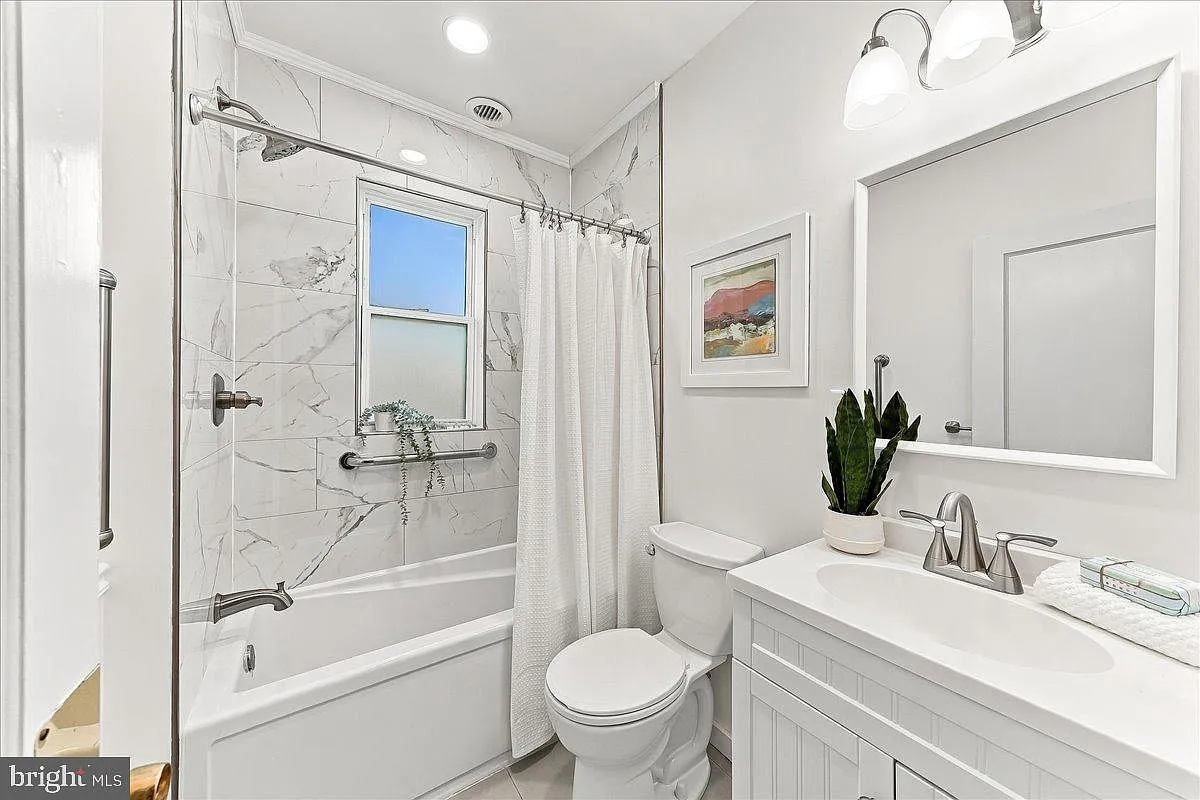
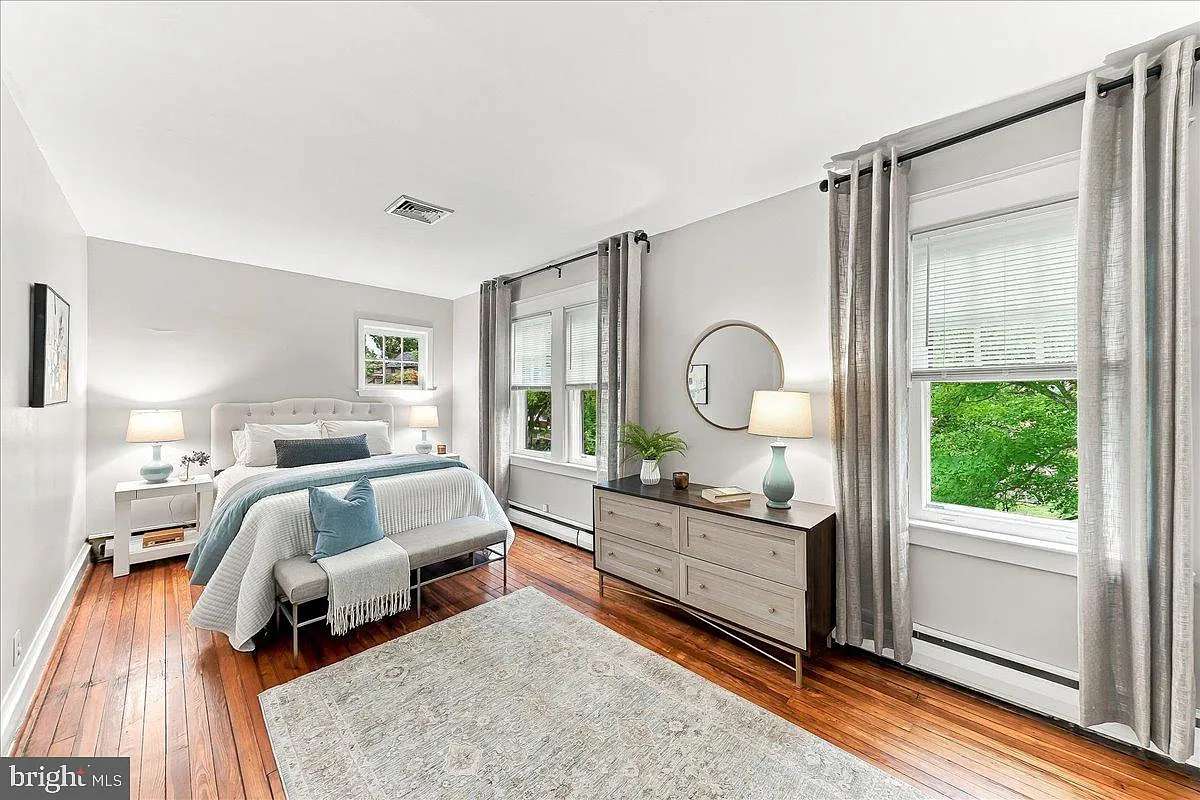
Private bedrooms and accessible bathrooms, designed for safety, comfort, and dignity.
Q: Why is blood pressure often higher in the morning for many seniors in our community? This phenomenon is known as morning hypertension and it is quite common due to the body’s natural circadian rhythms and the way medications wear off overnight. For seniors in Delaware County, this surge can increase the risk of stroke or heart attack in the early hours of the day. Regular monitoring allows a nurse-led team to adjust medication timing to ensure protection is constant throughout the twenty-four-hour cycle.
The Nurse Led Advantage in Interpreting the Data
Does the thought of managing your loved one's fluctuating blood pressure throughout the day leave you feeling like you are constantly walking on eggshells? It is one thing to own a blood pressure cuff purchased at a pharmacy in Springfield and quite another to understand what the resulting numbers actually mean in the context of a complex medical history. At Bell Elite Senior Living we believe that the interpretation of vital signs is just as important as the act of taking them. When a certified nursing assistant or a nurse takes a pulse they are not just counting beats; they are feeling for the rhythm, the strength, and the elasticity of the artery. Is the pulse bounding or is it thready and weak? These qualitative observations are things that a digital machine might miss but a trained human touch will catch immediately. We have seen countless times how a slight change in the rhythm of a resident's pulse was the first indicator of atrial fibrillation which is a leading cause of stroke in seniors. By catching this early we can coordinate with physicians in the Broomall and Drexel Hill areas to start preventative treatments immediately.
Q: Can vital signs really predict a fall before it happens? Yes, they absolutely can, especially when looking at orthostatic hypotension which is a sudden drop in blood pressure when a person stands up. By monitoring blood pressure in different positions, the nursing team at Bell Elite Senior Living can identify residents who are at high risk for fainting or losing their balance. This allows us to implement safety measures like assisted transfers or physical therapy before a fall ever occurs.
Speak With Our Nursing Team
We help Pennsylvania families navigate senior care decisions with compassion and clinical expertise.
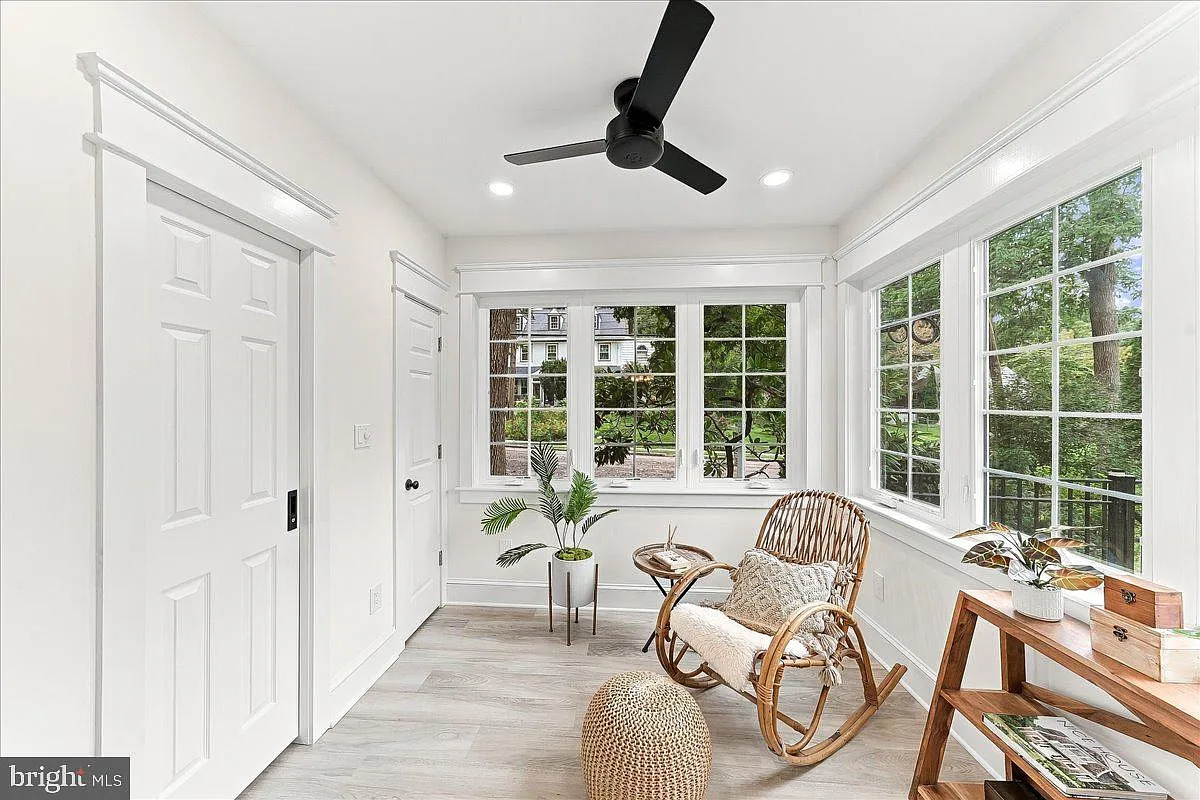
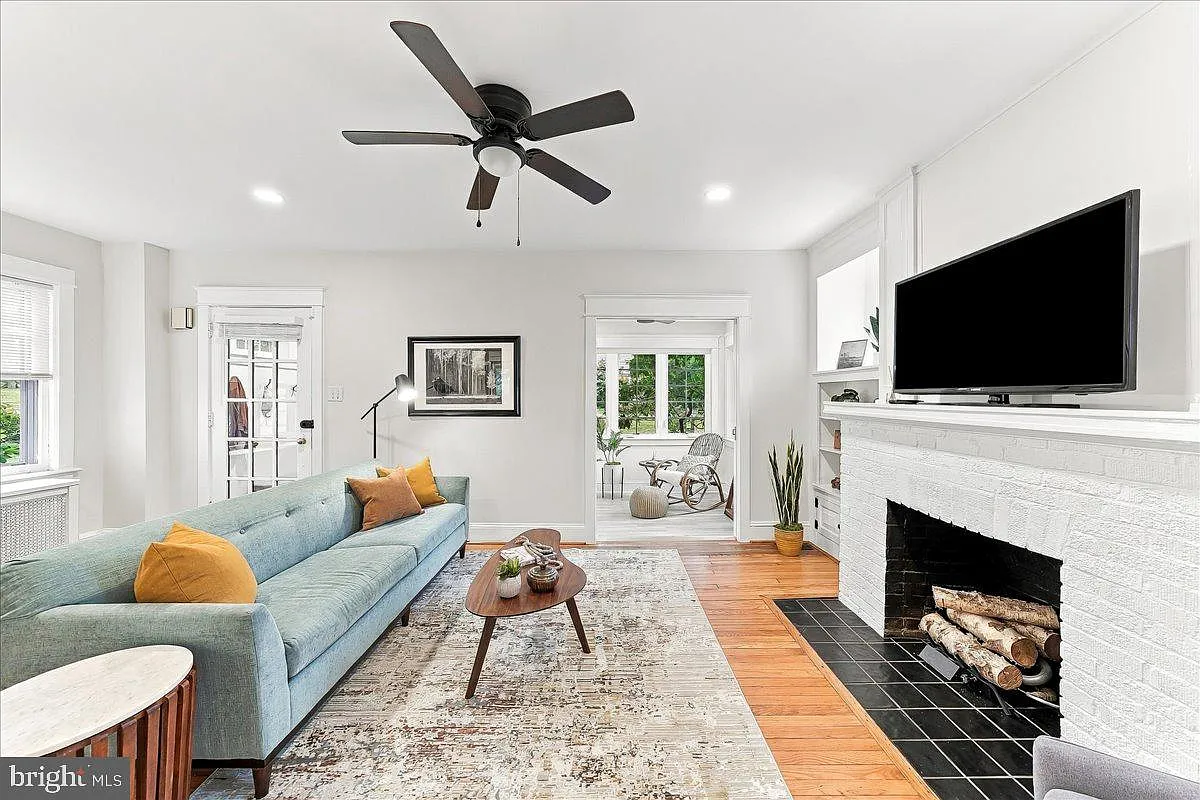
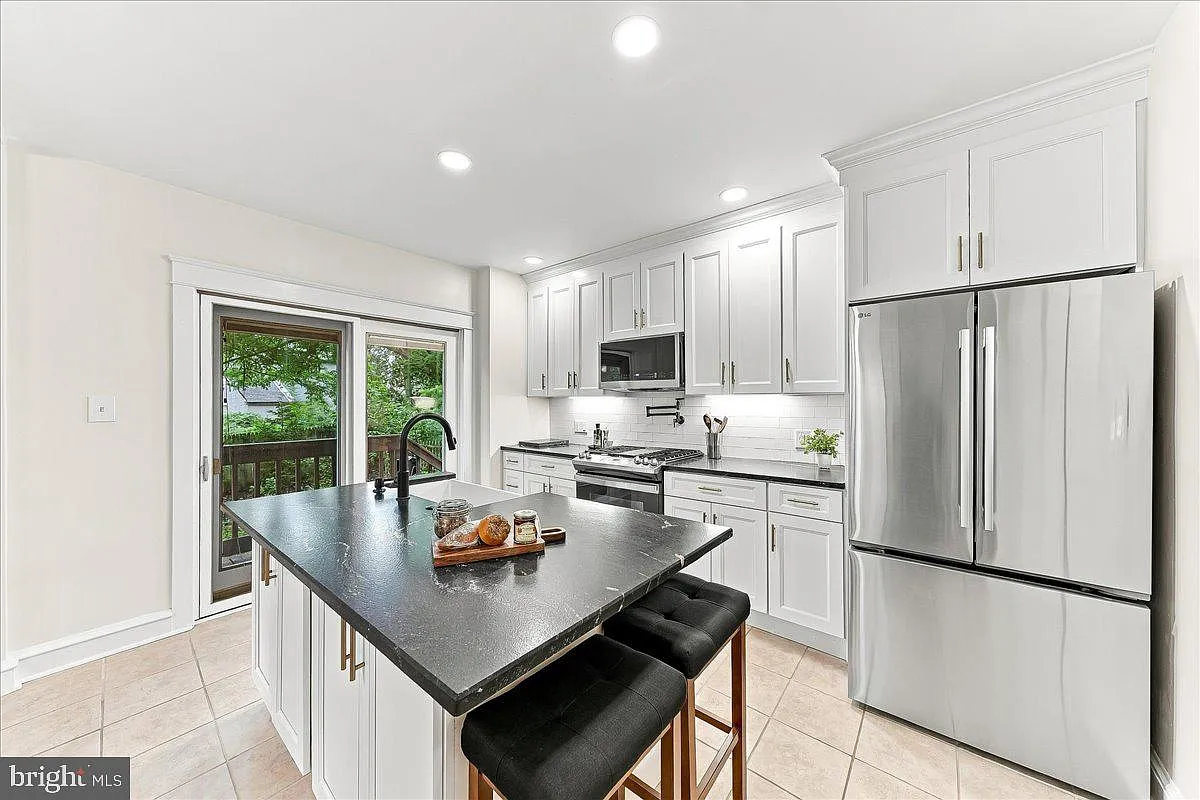
Home-cooked meals in our chef's kitchen and peaceful moments in the sunroom — life at Bell Elite.
Imagine this scenario where your father lives in a standard assisted living facility that only checks vitals once a month or only when he complains of feeling unwell. One afternoon he becomes slightly confused and combative which the staff attributes to "sundowning" or just a bad day. However, if that facility were nurse-led like Bell Elite Senior Living, the first step would be to check his vitals. A quick pulse oximetry check might reveal that his oxygen levels have dropped to eighty-eight percent due to a silent urinary tract infection or early-onset pneumonia. In seniors, infections often manifest as behavioral changes rather than fevers. Without regular vital sign monitoring these critical medical issues are frequently masked by the symptoms of dementia or aging. This is why having a team that understands the intersection of physiology and geriatrics is so essential for families in Delaware County, Pennsylvania. We serve as the early warning system that keeps your family member safe and sound.
Q: How does dehydration show up in a senior's vital signs? Dehydration is a frequent cause of hospitalization for seniors in Philadelphia suburbs, particularly during the summer months. It typically manifests as a combination of an increased heart rate and a decreased blood pressure. A nurse will also look for a decrease in skin turgor and a dry tongue, but the vital signs provide the objective proof that the body is struggling to maintain its fluid balance.
Have questions about personalized care options? Bell Elite Senior Living's nursing team is ready to help. Call (484) 356-1070 or schedule a free consultation today.
Oxygen and Respiration as Windows to Wellness
Can you picture the relief that comes from knowing a professional eye is watching over the subtle changes in your father's breathing while he rests? Respiratory health is often the most overlooked aspect of senior care until a crisis like a severe bout of bronchitis or congestive heart failure occurs. In the rolling hills of Swarthmore and the surrounding areas, seasonal allergies and changing weather can put an extra strain on senior lungs. The normal respiratory rate for a healthy adult is twelve to sixteen breaths per minute but many seniors have a slightly higher baseline. However, if we notice a resident at Bell Elite Senior Living is consistently breathing at twenty-two breaths per minute while at rest, we know that their heart or lungs are working too hard. Monitoring oxygen saturation is equally vital because it tells us how much oxygen is actually reaching the tissues. A drop below ninety-two percent is often a reason for clinical concern and immediate intervention.
Speak With Our Nursing Team
We help Pennsylvania families navigate senior care decisions with compassion and clinical expertise.
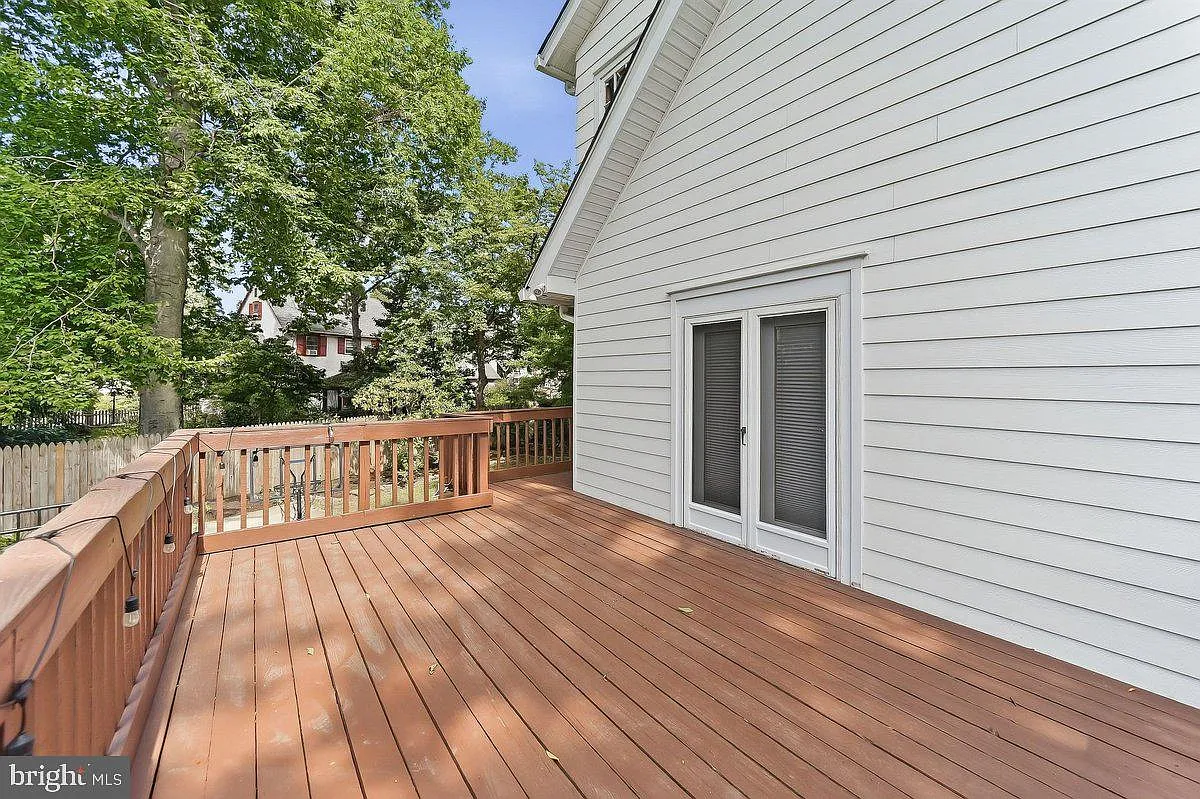
Gather in our warm living room or enjoy fresh air on the deck — every space feels like home.
Q: How often should oxygen levels be checked for a senior with a history of smoking or asthma? For residents with chronic obstructive pulmonary disease or other respiratory conditions, we believe in daily or even shift-based monitoring. Oxygen levels can fluctuate based on activity level, time of day, and even the air quality in Delaware County. By keeping a close watch, we can ensure that supplemental oxygen is used correctly and that any flare-ups are managed before they require an emergency room visit.
Picture this situation where a resident has a history of congestive heart failure and they begin to develop a very slight cough. To an untrained eye it looks like a simple cold. But the nurse at Bell Elite Senior Living notices that the resident’s respiratory rate has increased and their weight has jumped by three pounds in just two days. These are the classic signs of fluid retention and impending heart failure exacerbation. By catching these signs early we can work with the resident's cardiologist to adjust their diuretics right here in the comfort of our personal care home. This level of vigilance is what keeps seniors out of the hospital and in their own familiar environment. We are constantly asking ourselves if we are doing enough to prevent the next crisis and the answer lies in the data we collect every single day. Why would you settle for a care environment that only reacts to problems when you could choose one that anticipates them?
Q: Is weight actually considered a vital sign in a senior care setting? While not technically one of the four primary vitals, nursing professionals often refer to weight as the fifth or sixth vital sign in senior care. Sudden weight gain can indicate heart failure or kidney issues, while unexplained weight loss can be an early sign of cancer, depression, or gastrointestinal problems. At Bell Elite Senior Living, we track weight consistently to ensure that nutritional and medical needs are being met.
Chronic Condition Management and the Local Context
Why is it that we often wait for a crisis to occur before we start paying attention to the quiet signals the human body sends out every single day? In a bustling area like Delaware County, Pennsylvania, healthcare can often feel fragmented and impersonal as seniors move between specialists in Philadelphia and primary care doctors in Havertown. This is where Bell Elite Senior Living acts as the central hub for health information. When a senior has multiple chronic conditions like diabetes, hypertension, and chronic kidney disease, their vital signs become a complex puzzle. A change in one metric almost always impacts another. For example, high blood pressure can damage the kidneys further, while poor kidney function can lead to fluid buildup that raises blood pressure. Our nurse-led team at (484) 356-1070 understands these relationships and monitors them with the precision they deserve. We are not just checking boxes; we are managing lives with a deep sense of responsibility.
Q: What is the difference between personal care and nursing homes in Pennsylvania regarding vital signs? In Pennsylvania, personal care homes generally offer a more residential and social environment, but Bell Elite Senior Living elevates this model by providing nurse-led clinical oversight. While many personal care homes might only check vitals occasionally, our focus on regular monitoring provides a level of safety usually only found in more clinical nursing home settings, yet we maintain the warmth of a family-owned home.
Imagine this scenario where a resident is struggling with their blood sugar levels. They might feel shaky or confused, symptoms that can easily be mistaken for anxiety or the early stages of dementia. By performing regular vital sign checks alongside blood glucose monitoring, we can see if the shakiness is accompanied by a rapid heart rate or sweating, which are clear indicators of hypoglycemia. In a family-owned home like ours, we have the luxury of time to sit with our residents and truly observe these nuances. We know our residents' faces, their gaits, and their normal dispositions. When a nurse knows a resident personally, a vital sign check becomes a holistic assessment. We are looking at the color of their skin and the brightness of their eyes while we wait for the blood pressure cuff to finish its cycle. This is the difference between being a patient and being a member of a family.
Q: Does body temperature change as people age? Yes, it does, and this is a critical point for families in Delaware County to understand. Seniors often have a lower baseline body temperature, meaning that a reading of ninety-eight point six degrees might actually represent a low-grade fever for them. If a senior reaches a temperature of one hundred degrees, they may already be quite ill. This is why consistent monitoring is necessary to establish what is normal for each specific individual.
Ready to explore tailored care solutions? Speak with our coordinators at Bell Elite. Phone: (484) 356-1070 • Request a tour
Peace of Mind for the Delaware County Family
Have you found yourself wondering if the level of care your family member receives in a larger facility is truly capturing the nuances of their daily health? Many families we talk to in Media and Springfield are exhausted from the constant worry of not knowing how their loved one is really doing. They call the facility and get a generic "they are doing fine" from a busy staff member who might not have even seen their parent that day. At Bell Elite Senior Living, we believe that transparency is a vital part of the care we provide. Because we are a family-owned home, we have a direct line of communication with you. When we check vitals and notice a trend, we do not just write it in a chart; we discuss it with you. We believe that an informed family is a confident family. By sharing these health trends, we empower you to be a part of the care team.
Q: Can vital sign monitoring help with medication management? It is perhaps the most important tool we have for medication management. Many seniors are on blood pressure or heart medications that require regular titration. By providing their doctors with a week’s worth of consistent vital sign data, we can help them make much more accurate adjustments to prescriptions. This reduces the risk of side effects and ensures the medication is doing exactly what it is supposed to do.
Imagine this scenario where you are at work in Philadelphia or running errands in Upper Darby and you get a call from us. Instead of a frantic message about an emergency, it is a calm update letting you know that your mother’s blood pressure was slightly elevated this morning so we encouraged her to rest and increased her fluid intake. We tell you that we will check it again in two hours and keep you posted. This proactive communication eliminates the shock of a sudden medical crisis. We are your eyes and ears on the ground. We understand that your loved one is the most important person in your life and we treat their health data with the gravity it deserves. Is there anything more valuable than the sleep you get at night knowing that your parent is being watched over by a team that views vital signs as a sacred duty?
Q: What should I do if my loved one refuses to have their vitals taken? This is a common challenge, especially for those with cognitive impairment. At Bell Elite Senior Living, our staff is trained in gentle persuasion and finding the right moment when a resident is relaxed. We never force the issue but instead build trust so that the vital sign check becomes a natural and stress-free part of their daily routine.
The Bell Elite Difference in Every Heartbeat
What if you could trade the constant worry of "what if" for the confidence that every heartbeat and breath is being monitored by someone who truly cares? Choosing a personal care home is one of the most significant decisions a family in Delaware County, Pennsylvania will ever make. It is about more than just a nice room and good meals; it is about the clinical safety net that sits beneath the surface of daily life. At Bell Elite Senior Living, our nurse-led philosophy means that we are always thinking three steps ahead. We are looking for the subtle signs of dehydration, the quiet indicators of a brewing infection, and the minor fluctuations that suggest a medication change might be needed. We are a family-owned business which means our reputation is built on the health and happiness of our residents. We do not have corporate layers to hide behind; we have a direct commitment to you and your loved ones.
Q: How does Bell Elite Senior Living handle a vital sign reading that is outside of the normal range? Our protocol is immediate and thorough. First, the nurse confirms the reading to ensure accuracy. Then, we assess the resident for any accompanying symptoms like dizziness or pain. Depending on the severity, we may contact the primary physician, adjust the resident’s immediate care plan, or in rare cases, coordinate with emergency services. We always notify the family promptly so there are no surprises.
Picture this final scene of a resident sitting on our porch enjoying the fresh air of a spring day in Delaware County. They feel good because their chronic conditions are being managed with precision. Their family feels good because they have not had to worry about a sudden hospitalization in months. This is the result of a dedicated commitment to regular vital sign monitoring. It is not just about the numbers; it is about the life that those numbers represent. Every resident at Bell Elite Senior Living is a unique individual with a story that we are honored to be a part of. We invite you to experience the difference that nurse-led, family-owned care can make for your family. If you have been searching for a place that combines the warmth of a home with the clinical expertise of a top-tier care facility, your search ends here. Please reach out to us at (484) 356-1070 to discuss your loved one’s specific needs and how our monitoring program can provide them with a safer and more vibrant future. We are here to listen, to care, and to monitor every step of the way.
A Glimpse Inside Bell Elite
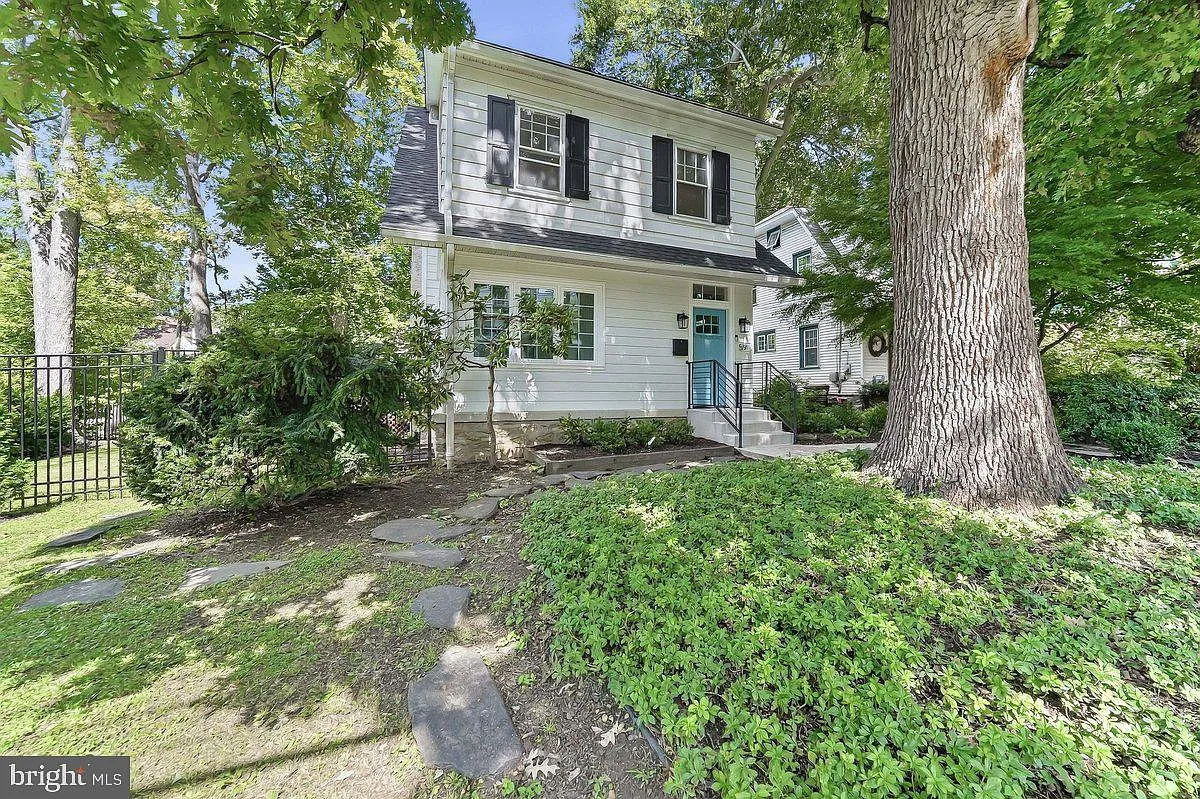
A warm, family-like residence — not an institution. Every space is designed for comfort, safety, and dignity.
Ready to Take the Next Step?
Bell Elite Senior Living is a nurse-led, family-owned personal care home in Delaware County, Pennsylvania. We're here to help.
Proudly Serving Families Across the Greater Philadelphia Region
Bell Elite Senior Living is a nurse-led, family-owned personal care home located in Delaware County, Pennsylvania — and we proudly serve families from across the entire Greater Philadelphia area and surrounding communities. Whether you are searching for a personal care home in Delaware County PA, exploring senior living options near Philadelphia, or looking for compassionate elder care for a loved one in Montgomery County, Bucks County, or Chester County, our team is here to help guide you through every step of the decision.
Families come to Bell Elite from throughout Philadelphia and its suburbs — including Upper Darby, Havertown, Drexel Hill, Broomall, Swarthmore, Media, Springfield, Lansdowne, Darby, Collingdale, and Sharon Hill in Delaware County; Ardmore, Norristown, Lansdale, Cheltenham, Abington, Blue Bell, Jenkintown, Ambler, and Horsham in Montgomery County; Doylestown, Newtown, Langhorne, Bristol, Yardley, Quakertown, and Levittown in Bucks County; and West Chester, Malvern, Exton, Downingtown, Phoenixville, Coatesville, and Paoli in Chester County. We are also a trusted resource for families in South Jersey communities such as Cherry Hill, Voorhees, Marlton, Moorestown, Mount Laurel, Haddonfield, Collingswood, and Camden County who are seeking high-quality personal care across the river in Pennsylvania. Families from Wilmington, Newark, and New Castle County, Delaware also regularly choose Bell Elite for its clinical excellence and intimate, home-like setting.
Our central location in Delaware County puts us within easy reach of Center City Philadelphia, the Main Line, South Philadelphia, Northeast Philadelphia, and the Philadelphia suburbs — making visits from family members throughout the region straightforward and stress-free. We understand that choosing the right personal care home is one of the most important decisions a family will make, and distance should never be a barrier to accessing exceptional, nurse-led care.
Frequently Asked Questions About Our Service Area
Does Bell Elite Senior Living serve families from Philadelphia?
Yes. Bell Elite Senior Living is located in Delaware County, PA, just minutes from Philadelphia. We regularly welcome residents and their families from across Philadelphia, including South Philly, Northeast Philadelphia, Kensington, Germantown, and Center City.
Do you accept residents from Montgomery County, PA?
Absolutely. We serve families throughout Montgomery County including Norristown, Ardmore, Lansdale, Cheltenham, Blue Bell, Jenkintown, and Ambler. Our nurse-led care model is a popular choice for families across the Philadelphia suburbs.
Can families from Bucks County place a loved one at Bell Elite?
Yes. Many of our residents come from Bucks County communities such as Doylestown, Newtown, Yardley, Langhorne, and Bristol. Our facility is easily accessible from Route 1 and I-95 corridors.
Do you serve Chester County families looking for personal care?
Yes. Families from West Chester, Malvern, Exton, Downingtown, Phoenixville, Paoli, and Coatesville in Chester County frequently choose Bell Elite for our small resident count, clinical oversight, and personalized care plans.
Is Bell Elite an option for families in South Jersey near Philadelphia?
Yes. Many families from Cherry Hill, Voorhees, Marlton, Mount Laurel, Haddonfield, Moorestown, and Camden County in New Jersey choose Bell Elite Senior Living in nearby Delaware County, PA for its nurse-led care and welcoming environment.
Do you accept residents from Delaware (Wilmington, Newark, New Castle County)?
Yes. Families from Wilmington, Newark, Middletown, and throughout New Castle County, Delaware have placed loved ones at Bell Elite. Our location in Delaware County, PA makes us a convenient and high-quality option for Delaware families seeking nurse-led personal care.
How do I find out if Bell Elite can serve my family's location?
Call us at (484) 356-1070 or visit our contact page. We serve the entire Greater Philadelphia region and surrounding areas and are happy to discuss your specific situation, schedule a tour, and answer any questions about our care services.
Related Articles



Related Care Services at Bell Elite
Our nurse-led personal care home in Lansdowne, PA offers specialized services for seniors across the Greater Philadelphia region.
Personal Care Home Near You
Bell Elite is located in Lansdowne, PA — minutes from Philadelphia. See care details for your community:
Have Questions After Reading?
Our nursing team offers free, no-pressure consultations for Pennsylvania families.
Talk to a nurse, not a salesperson. Our team includes RNs, LPNs, a PMHNP, and Family Nurse Practitioners.