

Tax Deductions for Senior Care in Pennsylvania: What Families Should Know
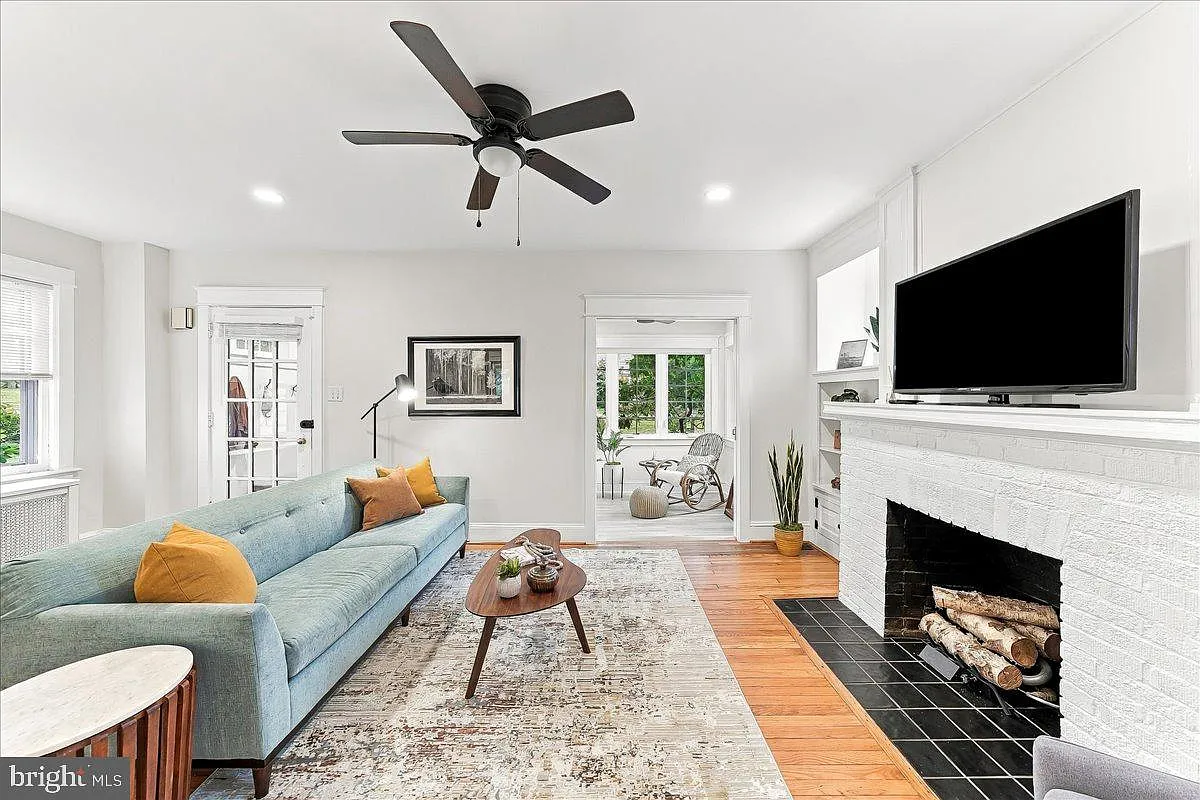
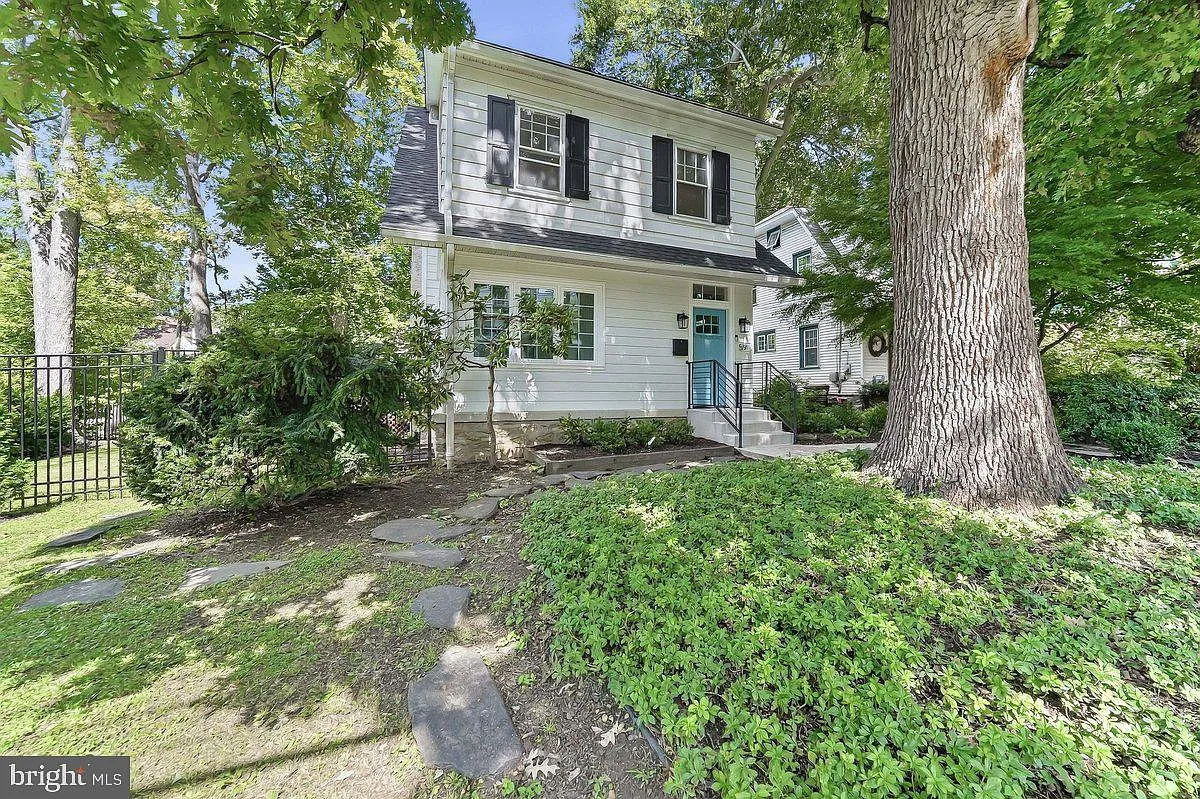
Bell Elite Senior Living — a nurse-led, family-owned personal care home in Lansdowne, PA. Warm living spaces, private bedrooms, and a chef's kitchen — come see the difference.
Understanding the Medical Expense Threshold for Delaware County Families
Do you ever feel like the financial side of elder care is a puzzle where the pieces just won't fit no matter how hard you press them together? It is a common sentiment for families in Media and Springfield who are trying to balance the best possible care for a parent with the reality of a household budget. When we talk about tax deductions for senior living, the first hurdle is always the federal floor for medical expenses. The Internal Revenue Service currently allows you to deduct qualified medical expenses that exceed 7.5 percent of your adjusted gross income.
Imagine this scenario for a moment. You are sitting at your kitchen table in Havertown, looking at a stack of invoices from a personal care home and wondering if any of that money can come back to you. If your adjusted gross income is one hundred thousand dollars, you can only begin to deduct expenses once they surpass seven thousand five hundred dollars. Everything above that amount could potentially lower your tax bill.
Are you keeping track of every small copay and prescription cost? Have you considered that transportation to medical appointments in Upper Darby also counts toward this total? Many families overlook these smaller numbers, but they act like grains of sand that eventually fill the bucket. At Bell Elite Senior Living, we often see how these details make a significant difference for families managing the costs of a nurse-led environment.
Speak With Our Nursing Team
We help Pennsylvania families navigate senior care decisions with compassion and clinical expertise.
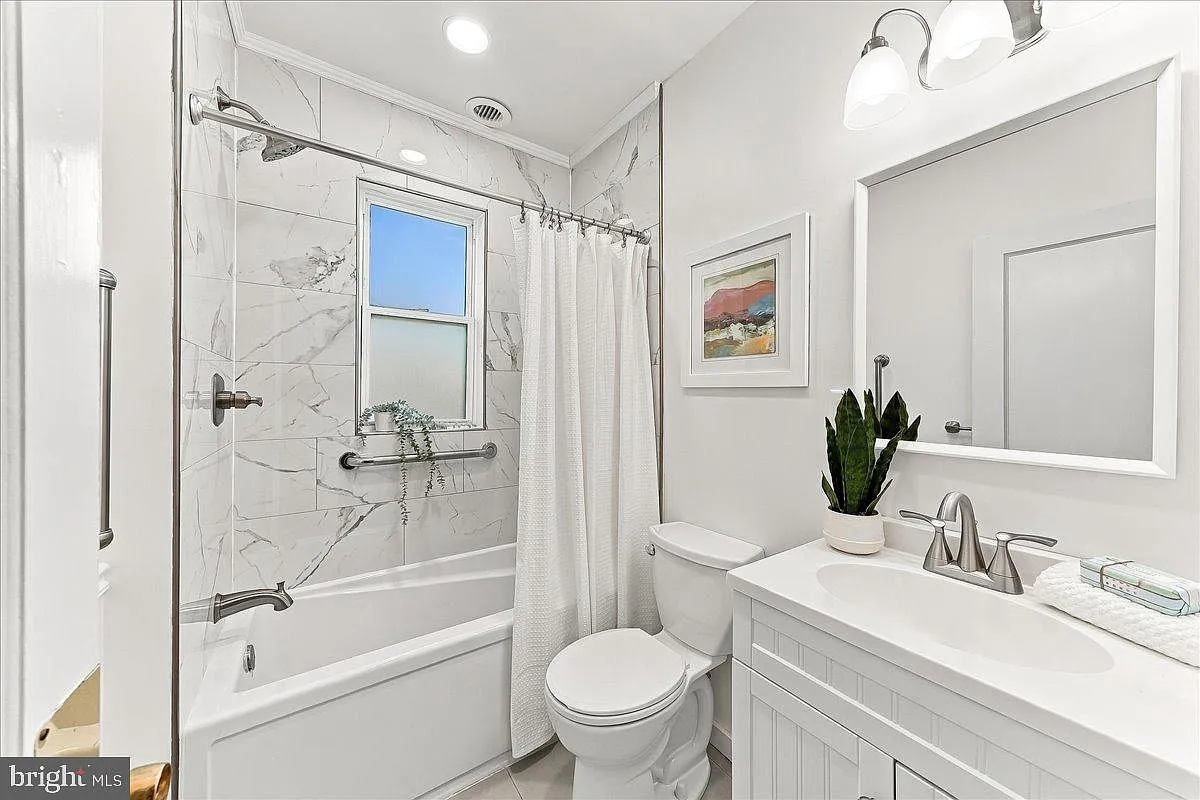
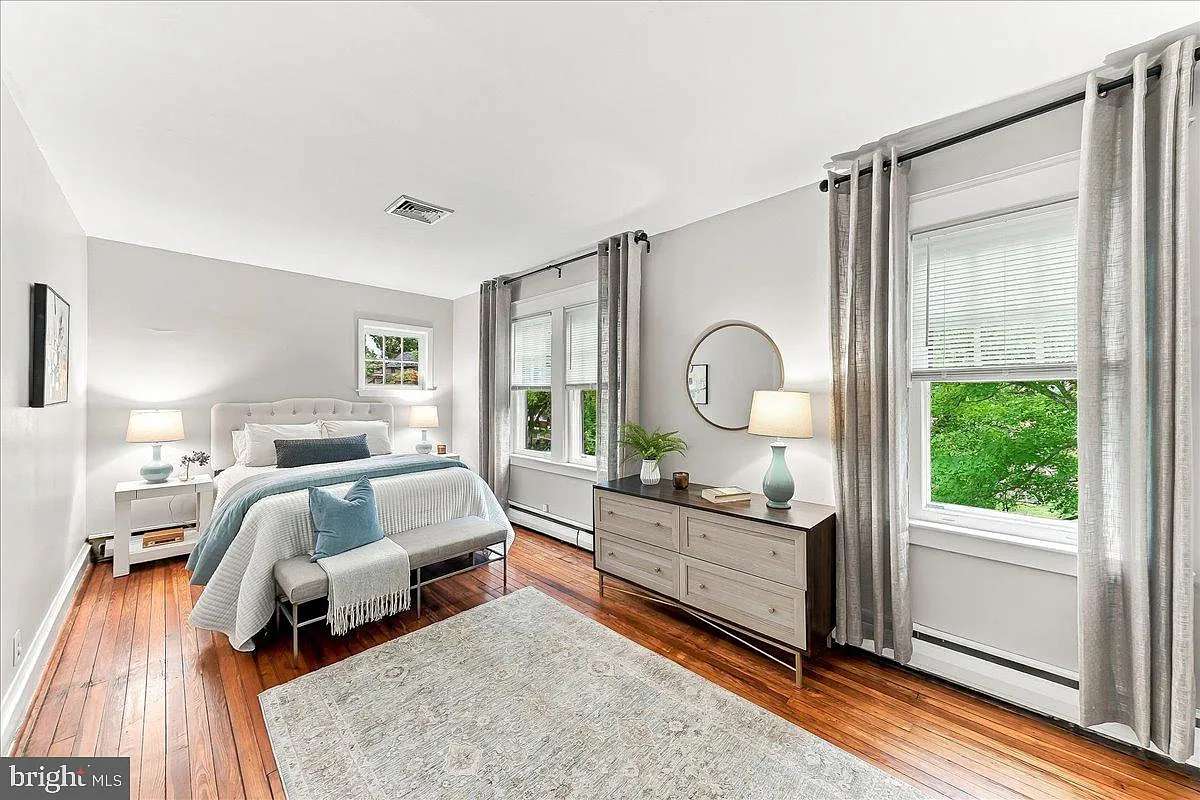
Private bedrooms and accessible bathrooms, designed for safety, comfort, and dignity.
Q: Can I deduct the entire monthly fee of a personal care home in Pennsylvania? The answer depends entirely on the level of care your loved one requires and how the facility breaks down its billing. Generally, you can only deduct the portion of the fee that goes toward actual medical care, such as nursing services, medication management, or assistance with activities of daily living. However, if a physician certifies that the resident is chronically ill and the primary reason for being in the facility is for medical care, the entire cost including room and board might be deductible.
Why do so many people leave money on the table every April? It is often because they assume the rules are too complex to navigate without a professional. While a tax expert is always recommended, having a basic understanding of the Itemized Deductions on Schedule A is your first line of defense. Does it feel overwhelming to think about receipts from six months ago?
Starting a simple filing system today is the best gift you can give your future self. In Delaware County, the cost of high-quality care is an investment in your loved one's safety and dignity. Knowing that a portion of that investment can be recovered through tax savings provides a much-needed breath of fresh air.
Qualifying Your Loved One as a Tax Dependent
Speak With Our Nursing Team
We help Pennsylvania families navigate senior care decisions with compassion and clinical expertise.
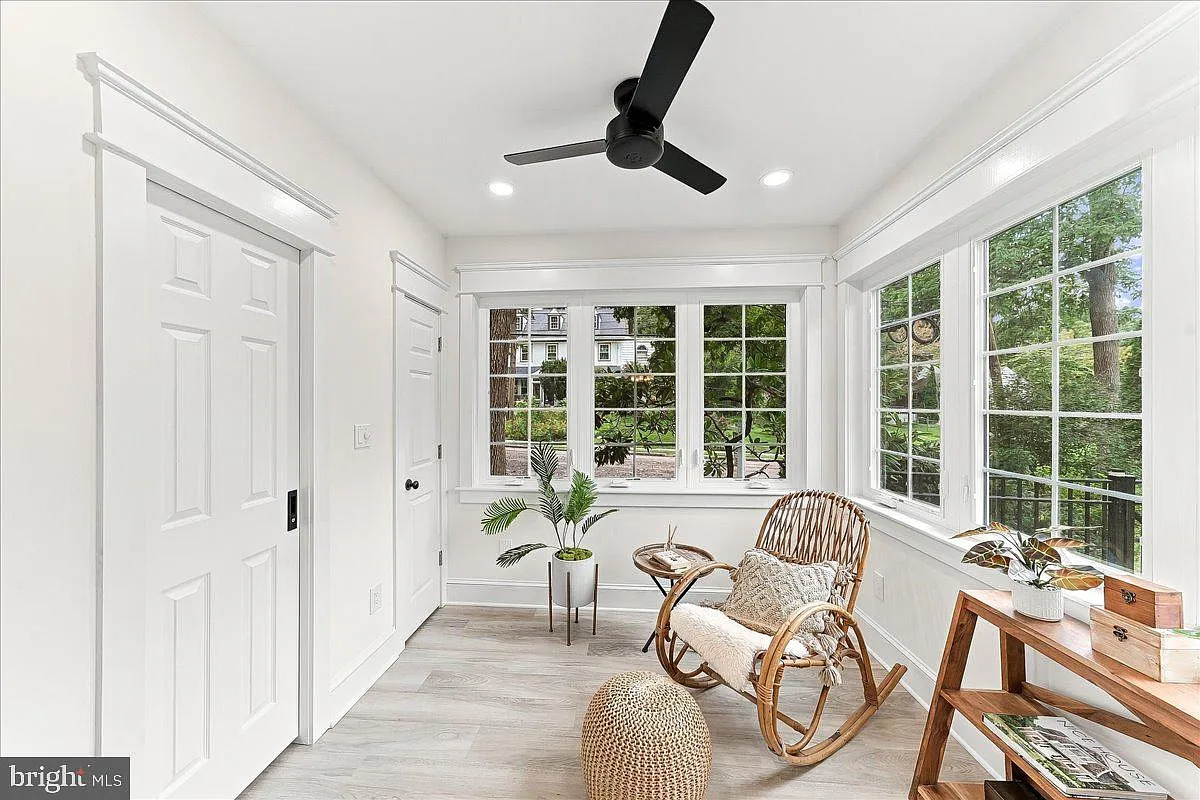
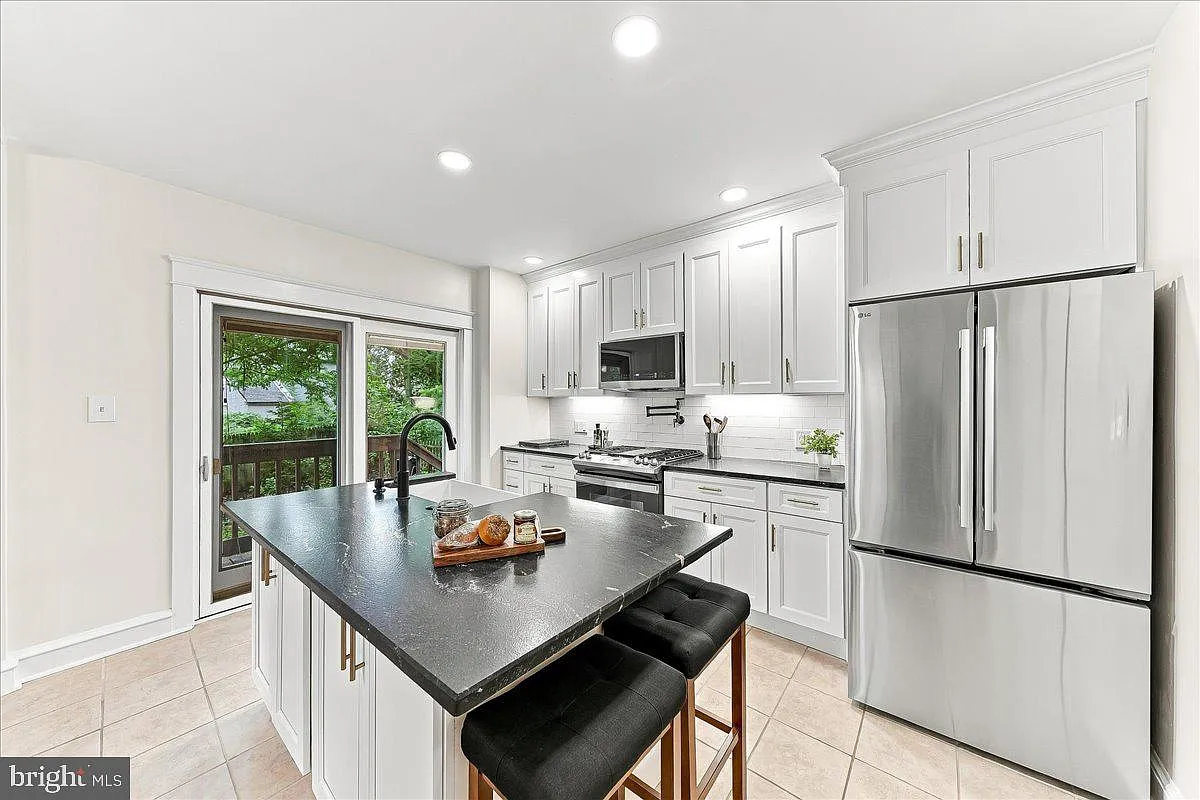
Home-cooked meals in our chef's kitchen and peaceful moments in the sunroom — life at Bell Elite.
Have you ever considered whether your aging parent officially counts as your dependent for tax purposes, even if they don't live under your roof in Drexel Hill? This is one of the most powerful ways to unlock tax relief, but the rules are specific and require careful attention. To claim a parent as a dependent, you generally must provide more than half of their total financial support for the calendar year.
Picture this situation. Your mother lives in a beautiful, family-owned personal care home like Bell Elite Senior Living, where she receives professional nursing oversight. You pay for her monthly suite, her specialized diet, and her physical therapy sessions. Even though she has her own Social Security income, if your contributions for her care and housing outweigh what she spends from her own pocket, she may qualify as your dependent.
Does she meet the gross income test for the current tax year? For a parent to be claimed as a dependent, their gross income must typically be below a certain threshold set by the IRS, though Social Security benefits are often excluded from this specific calculation. How much did you spend on her new glasses or the specialized shoes she needed for her walks in the park?
Q: If my siblings and I split the cost of our father's care, who gets the tax deduction? This is where a Multiple Support Agreement comes into play. If no single person provides more than fifty percent of the support, but a group of people together provides that amount, the group can decide which one of them will claim the deduction. The person claiming the deduction must provide at least ten percent of the support, and everyone else who contributed more than ten percent must sign a waiver stating they will not claim the dependent that year.
Q: Does my parent have to live in my house for me to claim them as a dependent? No, a parent does not have to live with you to be considered a qualifying relative for tax purposes. As long as you meet the support test and the income test, your parent could live in their own home in Swarthmore or a personal care home in Delaware County and still be your dependent. This is a common misconception that prevents many families from seeking the deductions they rightfully deserve.
Speak With Our Nursing Team
We help Pennsylvania families navigate senior care decisions with compassion and clinical expertise.
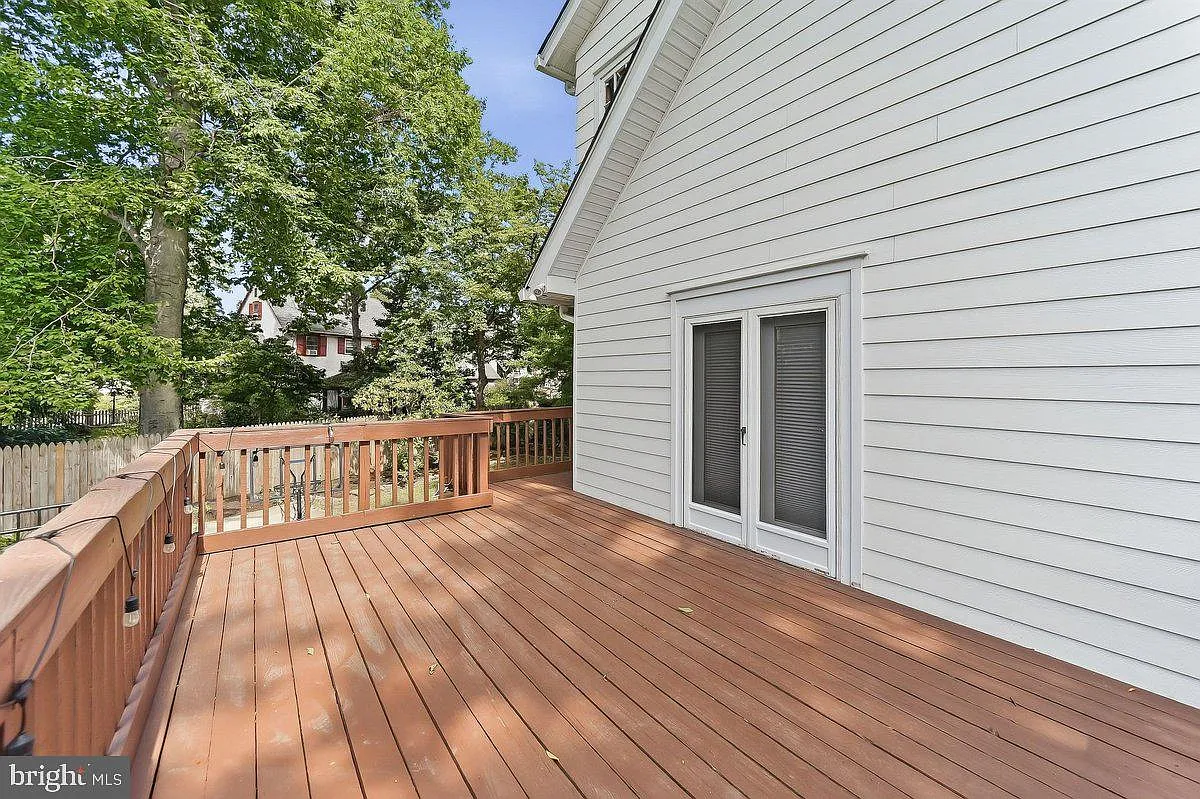
Gather in our warm living room or enjoy fresh air on the deck — every space feels like home.
Is it time to have an honest conversation with your siblings about the family finances? Transparency is key when you are navigating the complexities of elder care in the Philadelphia suburbs. If you are the primary breadwinner or the one managing the bills, you should be the one looking into these credits.
Have questions about personalized care options? Bell Elite Senior Living's nursing team is ready to help. Call (484) 356-1070 or schedule a free consultation today.
The Distinction Between Personal Care and Medical Necessity
How do you distinguish between paying for a lifestyle and paying for essential medical care when reviewing your monthly statements? This is a critical distinction that the IRS watches closely, especially for residents in personal care homes throughout Pennsylvania. In a nurse-led community like Bell Elite Senior Living, the line is often clearer because the care is supervised by medical professionals.
Imagine your father needs help with three activities of daily living, such as bathing, dressing, and managing his complex medication schedule. Because he requires this level of assistance to live safely, the IRS often views his stay as a medical necessity. When a licensed healthcare practitioner certifies that an individual is chronically ill, the financial landscape shifts in your favor.
Does the facility provide a detailed breakdown of their services? You want to see exactly what you are paying for, from the nursing staff's time to the supplies used for daily health monitoring. If the primary reason for his residency is the medical care he receives, then the room and board costs also become deductible medical expenses.
Q: What exactly defines someone as being chronically ill for tax purposes? The IRS defines a chronically ill person as someone who has been certified by a licensed healthcare professional as being unable to perform at least two activities of daily living without substantial assistance for at least ninety days. These activities include eating, toileting, transferring, bathing, dressing, and continence. Alternatively, a person may be considered chronically ill if they require substantial supervision to protect them from threats to health and safety due to severe cognitive impairment.
Think about the peace of mind that comes with knowing a registered nurse is overseeing your loved one's daily routine at Bell Elite Senior Living. This level of professional oversight is not just good for your parent's health, it is also a vital component in documenting the necessity of their care. Have you asked your primary care physician in Broomall for a written care plan lately?
Keeping that document on file is essential for your tax records. It serves as the bridge between a standard residential expense and a deductible medical cost. Without that certification, you might only be able to deduct the specific nursing charges rather than the full cost of the personal care home.
Pennsylvania State Tax Credits and Local Rebate Programs
Did you know that Pennsylvania offers specific programs that can help offset the costs of senior living beyond just the federal income tax deductions? While the federal government looks at your income, the Commonwealth of Pennsylvania often looks at your residency and property status. One of the most significant resources for seniors in Delaware County is the Property Tax and Rent Rebate Program.
Imagine a widow living in a personal care home in Media who still owns her family home or is paying rent as part of her care package. If she meets the age and income requirements, she could be eligible for a rebate of up to six hundred and fifty dollars, and in some cases, supplemental rebates can push that number higher. This program is specifically designed for Pennsylvanians aged sixty-five and older, widows and widowers aged fifty and older, and people with disabilities.
Are you aware of the income limits for these state programs? Pennsylvania excludes half of Social Security benefits when calculating eligibility, which helps many seniors qualify who might otherwise think they earn too much. Is your loved one taking full advantage of the local resources available through the Delaware County Office of Services for the Aging?
Q: Can a resident of a personal care home apply for the PA Rent Rebate? Yes, residents of personal care homes and assisted living facilities can often qualify for the rent rebate program. The portion of their monthly fee that is designated for rent is used in the calculation. You will need to obtain a specific statement from the facility manager that breaks down the rent portion of the total monthly payment.
Q: Are there local tax breaks specific to Montgomery or Chester Counties that differ from Delco? While the Property Tax and Rent Rebate Program is a statewide initiative, local municipal taxes and school district taxes vary significantly across the suburbs. Some school districts in the Philadelphia area offer their own additional rebates for seniors. It is always worth checking with the local tax collector in your specific borough to see if there are any hidden discounts for long-time residents.
Seeking out these local opportunities requires a bit of detective work. However, the savings can be substantial when you combine state rebates with federal deductions. At Bell Elite Senior Living, located at (484) 356-1070, we understand that every dollar saved is a dollar that can be put back into enhancing the quality of life for our residents.
Ready to explore tailored care solutions? Speak with our coordinators at Bell Elite. Phone: (484) 356-1070 • Request a tour
Long-Term Care Insurance and Tax-Qualified Policies
Have you ever looked closely at your long-term care insurance policy to see if it is considered tax-qualified by the IRS? Not all insurance policies are created equal, and the distinction can have a massive impact on your tax return. If you have a tax-qualified policy, the premiums you pay may be deductible as a medical expense, subject to certain age-based limits.
Picture your retired neighbor in Springfield who has been paying into a policy for twenty years. When he finally moves into a personal care home, the benefits he receives from that policy are generally excluded from his taxable income. This is a huge advantage because it allows his insurance payouts to go much further in covering the costs of his care.
Does your policy cover the specific services provided by a nurse-led home? Most modern policies are designed to be flexible, covering everything from in-home care in Havertown to residency at a family-owned facility like Bell Elite Senior Living. But you must ensure that the care being provided meets the definitions laid out in your specific contract.
Q: Are there limits to how much of my long-term care insurance premium I can deduct? Yes, the IRS sets annual limits on the amount of premiums that can be included as deductible medical expenses. These limits increase as you get older. For example, a person over the age of seventy can deduct a much larger portion of their premium than someone in their fifties. These numbers are adjusted annually for inflation, so it is important to check the current year's limits.
Q: What happens if my insurance company pays the facility directly? If your long-term care insurance pays the care provider directly, you cannot deduct those expenses on your taxes because you did not pay them out of pocket. You can only deduct the portions of the bill that you paid yourself. However, the peace of mind that comes from having that insurance coverage is often worth more than the deduction itself.
Is it time to pull that old policy out of the filing cabinet and give it a thorough read? Many families forget they even have these benefits until a crisis occurs. Understanding the interplay between your insurance benefits and your tax deductions is a vital part of long-term financial planning for Delaware County seniors.
Strategic Record-Keeping for the Caregiver Family
What is the single most important thing you can do today to ensure you get every tax break you deserve next year? The answer is simple yet often ignored which is meticulous record-keeping. When the IRS or the Pennsylvania Department of Revenue asks for proof of your expenses, a folder full of scattered scraps of paper will not suffice.
Imagine you are being audited three years from now regarding the care costs for your mother at Bell Elite Senior Living. You want to be able to calmly produce a binder that contains monthly invoices, proof of payment, a physician's certification of chronic illness, and a copy of the facility's license. This level of organization transforms a stressful situation into a minor administrative task.
Have you considered using a dedicated checking account just for your parent's care expenses? This creates a clear paper trail that separates their medical costs from your personal grocery bills or utility payments in Drexel Hill. Does your current bookkeeping system allow you to quickly categorize expenses by type?
Q: How long should I keep tax records related to senior care? Generally, you should keep your tax records for at least three to seven years. For medical expenses and senior care documentation, keeping them for seven years is the safest route. This includes not just the receipts, but also the medical evaluations and nursing assessments that justified the care in the first place.
Q: Can I use a Health Savings Account (HSA) to pay for my parent's care at Bell Elite Senior Living? If your parent qualifies as your tax dependent, you can indeed use funds from your HSA to pay for their qualified medical expenses. This is a very tax-efficient way to handle care costs because the money goes into the HSA tax-free and comes out tax-free when used for medical needs. It is essentially giving yourself a significant discount on the cost of care.
Managing the needs of an aging loved one is a journey of love, but it is also a journey of logistics. By staying informed about the tax deductions available for senior care in Pennsylvania, you are protecting your family's financial future. At Bell Elite Senior Living, located in Delaware County, we are proud to be a family-owned, nurse-led resource for families navigating these very challenges. If you need a partner who understands both the clinical and the personal side of aging, we are just a phone call away at (484) 356-1070. Together, we can ensure your loved one receives the highest quality of care while you maximize the financial resources available to support them.
A Glimpse Inside Bell Elite
A warm, family-like residence — not an institution. Every space is designed for comfort, safety, and dignity.
Ready to Take the Next Step?
Bell Elite Senior Living is a nurse-led, family-owned personal care home in Delaware County, Pennsylvania. We're here to help.
Proudly Serving Families Across the Greater Philadelphia Region
Bell Elite Senior Living is a nurse-led, family-owned personal care home located in Delaware County, Pennsylvania — and we proudly serve families from across the entire Greater Philadelphia area and surrounding communities. Whether you are searching for a personal care home in Delaware County PA, exploring senior living options near Philadelphia, or looking for compassionate elder care for a loved one in Montgomery County, Bucks County, or Chester County, our team is here to help guide you through every step of the decision.
Families come to Bell Elite from throughout Philadelphia and its suburbs — including Upper Darby, Havertown, Drexel Hill, Broomall, Swarthmore, Media, Springfield, Lansdowne, Darby, Collingdale, and Sharon Hill in Delaware County; Ardmore, Norristown, Lansdale, Cheltenham, Abington, Blue Bell, Jenkintown, Ambler, and Horsham in Montgomery County; Doylestown, Newtown, Langhorne, Bristol, Yardley, Quakertown, and Levittown in Bucks County; and West Chester, Malvern, Exton, Downingtown, Phoenixville, Coatesville, and Paoli in Chester County. We are also a trusted resource for families in South Jersey communities such as Cherry Hill, Voorhees, Marlton, Moorestown, Mount Laurel, Haddonfield, Collingswood, and Camden County who are seeking high-quality personal care across the river in Pennsylvania. Families from Wilmington, Newark, and New Castle County, Delaware also regularly choose Bell Elite for its clinical excellence and intimate, home-like setting.
Our central location in Delaware County puts us within easy reach of Center City Philadelphia, the Main Line, South Philadelphia, Northeast Philadelphia, and the Philadelphia suburbs — making visits from family members throughout the region straightforward and stress-free. We understand that choosing the right personal care home is one of the most important decisions a family will make, and distance should never be a barrier to accessing exceptional, nurse-led care.
Frequently Asked Questions About Our Service Area
Does Bell Elite Senior Living serve families from Philadelphia?
Yes. Bell Elite Senior Living is located in Delaware County, PA, just minutes from Philadelphia. We regularly welcome residents and their families from across Philadelphia, including South Philly, Northeast Philadelphia, Kensington, Germantown, and Center City.
Do you accept residents from Montgomery County, PA?
Absolutely. We serve families throughout Montgomery County including Norristown, Ardmore, Lansdale, Cheltenham, Blue Bell, Jenkintown, and Ambler. Our nurse-led care model is a popular choice for families across the Philadelphia suburbs.
Can families from Bucks County place a loved one at Bell Elite?
Yes. Many of our residents come from Bucks County communities such as Doylestown, Newtown, Yardley, Langhorne, and Bristol. Our facility is easily accessible from Route 1 and I-95 corridors.
Do you serve Chester County families looking for personal care?
Yes. Families from West Chester, Malvern, Exton, Downingtown, Phoenixville, Paoli, and Coatesville in Chester County frequently choose Bell Elite for our small resident count, clinical oversight, and personalized care plans.
Is Bell Elite an option for families in South Jersey near Philadelphia?
Yes. Many families from Cherry Hill, Voorhees, Marlton, Mount Laurel, Haddonfield, Moorestown, and Camden County in New Jersey choose Bell Elite Senior Living in nearby Delaware County, PA for its nurse-led care and welcoming environment.
Do you accept residents from Delaware (Wilmington, Newark, New Castle County)?
Yes. Families from Wilmington, Newark, Middletown, and throughout New Castle County, Delaware have placed loved ones at Bell Elite. Our location in Delaware County, PA makes us a convenient and high-quality option for Delaware families seeking nurse-led personal care.
How do I find out if Bell Elite can serve my family's location?
Call us at (484) 356-1070 or visit our contact page. We serve the entire Greater Philadelphia region and surrounding areas and are happy to discuss your specific situation, schedule a tour, and answer any questions about our care services.
Related Articles

Related Care Services at Bell Elite
Our nurse-led personal care home in Lansdowne, PA offers specialized services for seniors across the Greater Philadelphia region.
Personal Care Home Near You
Bell Elite is located in Lansdowne, PA — minutes from Philadelphia. See care details for your community:
Have Questions After Reading?
Our nursing team offers free, no-pressure consultations for Pennsylvania families.
Talk to a nurse, not a salesperson. Our team includes RNs, LPNs, a PMHNP, and Family Nurse Practitioners.