

Supporting a Parent with Dementia: The Family Guide to Each Stage
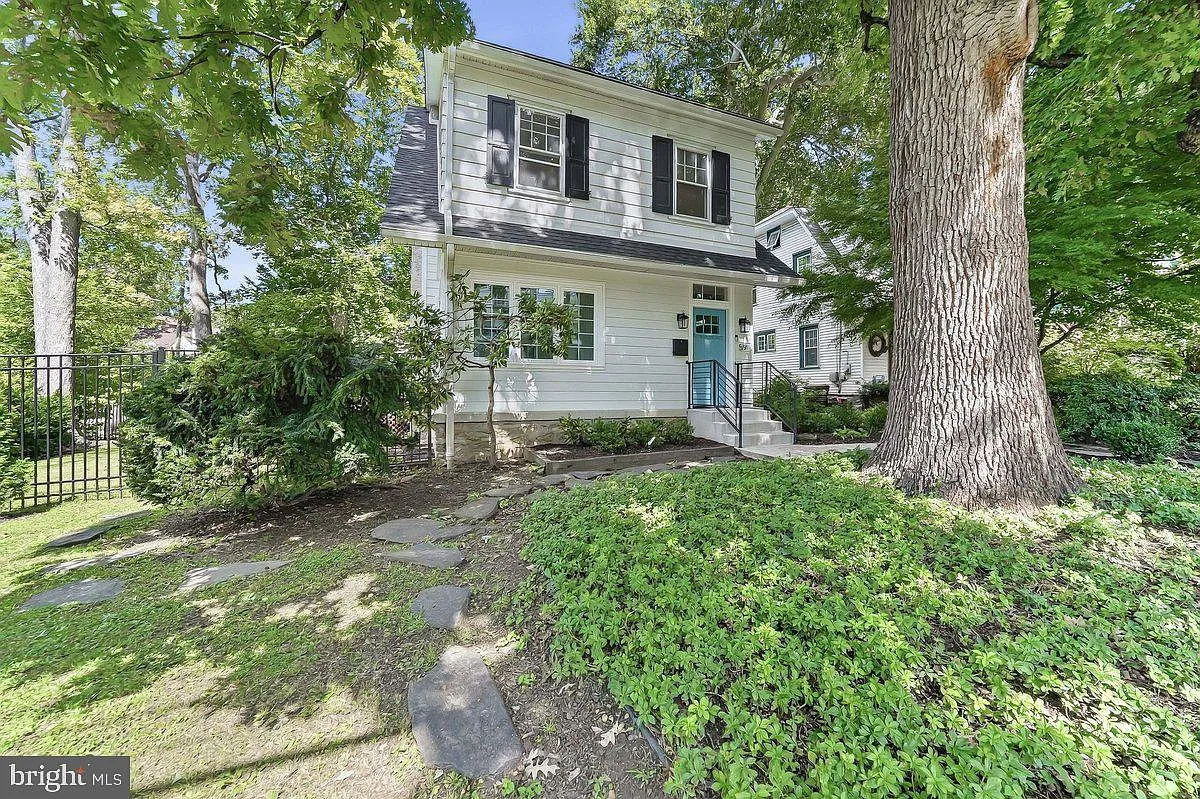
Bell Elite Senior Living — a nurse-led, family-owned personal care home in Lansdowne, PA. Warm living spaces, private bedrooms, and a chef's kitchen — come see the difference.
The Fog of the Early Days: Recognizing the Subtle Shifts
Have you ever found yourself standing in the kitchen of your childhood home in Drexel Hill, watching your mother struggle with a recipe she has made every Sunday for thirty years, and felt a sudden, cold prickle of realization? It is rarely a dramatic event that alerts us to the onset of cognitive decline. Instead, it is often a series of small, quiet departures from the person we have known our entire lives. As a nurse who has walked this path with hundreds of families in Delaware County, I want you to know that that feeling of unease is your intuition telling you to pay closer attention. Are the bills piling up on the mahogany sideboard in the hallway, despite her lifelong reputation for meticulous financial management? Does he seem to lose the thread of a conversation while you are out for lunch in Media, masking the confusion with a practiced, hollow laugh? We often dismiss these moments as normal aging, yet dementia is not an inevitable part of growing older, and recognizing the difference is the first step in a long, courageous journey.
Imagine this scenario for a moment. You are visiting your father in Springfield, and you notice he has started wearing the same sweater every single day, even when the Pennsylvania humidity is thick enough to breathe. When you gently suggest a change, he becomes uncharacteristically defensive or perhaps entirely blank. This is not just stubbornness. It is often the brain struggling with executive function, which is the mental skill set we use to plan, organize, and complete tasks. Why does the mind begin to falter in these specific ways? In the early stages, the damage often begins in the hippocampus, which is the region responsible for forming new memories. This is why your loved one can remember the lyrics to a song from 1954 but cannot remember what they ate for breakfast ten minutes ago. Approximately one in nine people aged sixty-five and older live with Alzheimer’s or another form of dementia, a statistic that underscores just how many of our neighbors in the Philadelphia suburbs are navigating these same choppy waters.
Q: What is the primary difference between normal age-related forgetfulness and the early warning signs of dementia? While everyone occasionally forgets where they parked their car at the grocery store in Havertown or misplaced their reading glasses, the hallmark of dementia is a consistent decline that interferes with daily living. Normal aging might mean forgetting a name but remembering it later in the afternoon. Dementia often involves forgetting the purpose of the car keys entirely or becoming lost in a neighborhood that has been familiar for decades. If the forgetfulness is accompanied by personality changes, poor judgment, or a loss of interest in lifelong hobbies, it is time to seek a professional evaluation from a neurologist or a specialized geriatric team.
Speak With Our Nursing Team
We help Pennsylvania families navigate senior care decisions with compassion and clinical expertise.
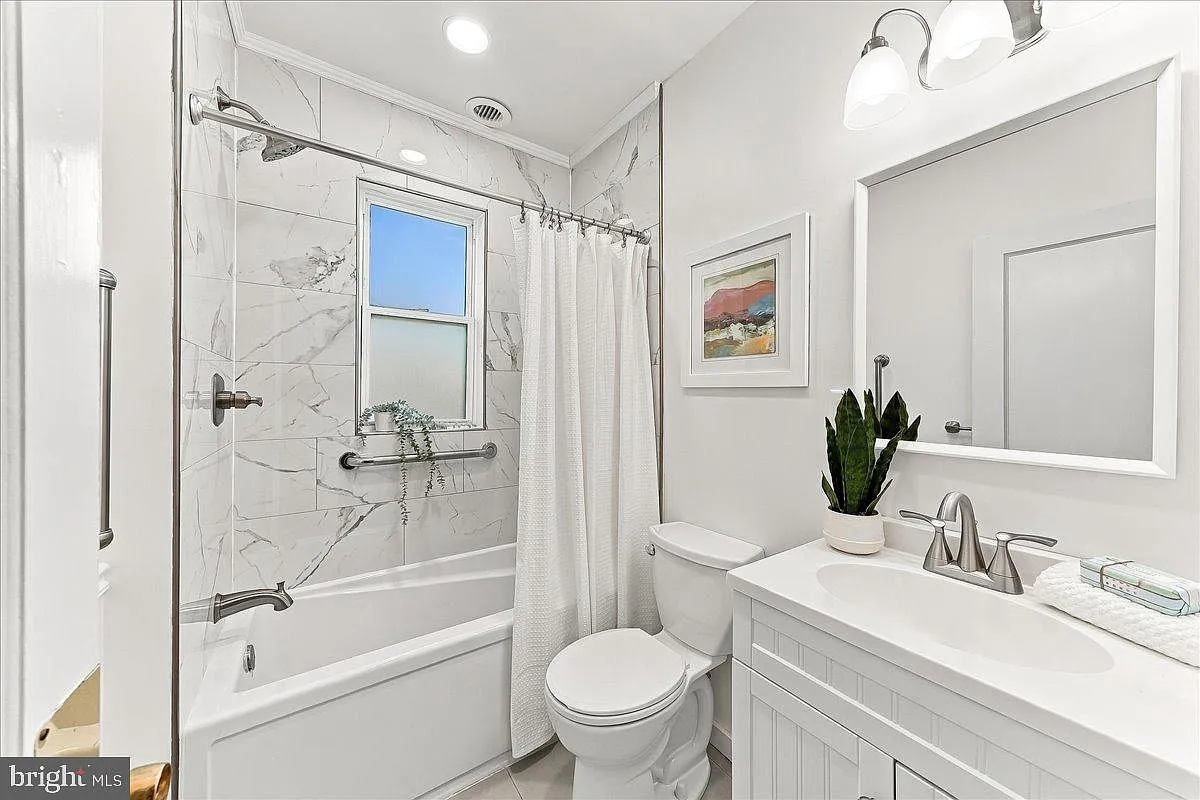
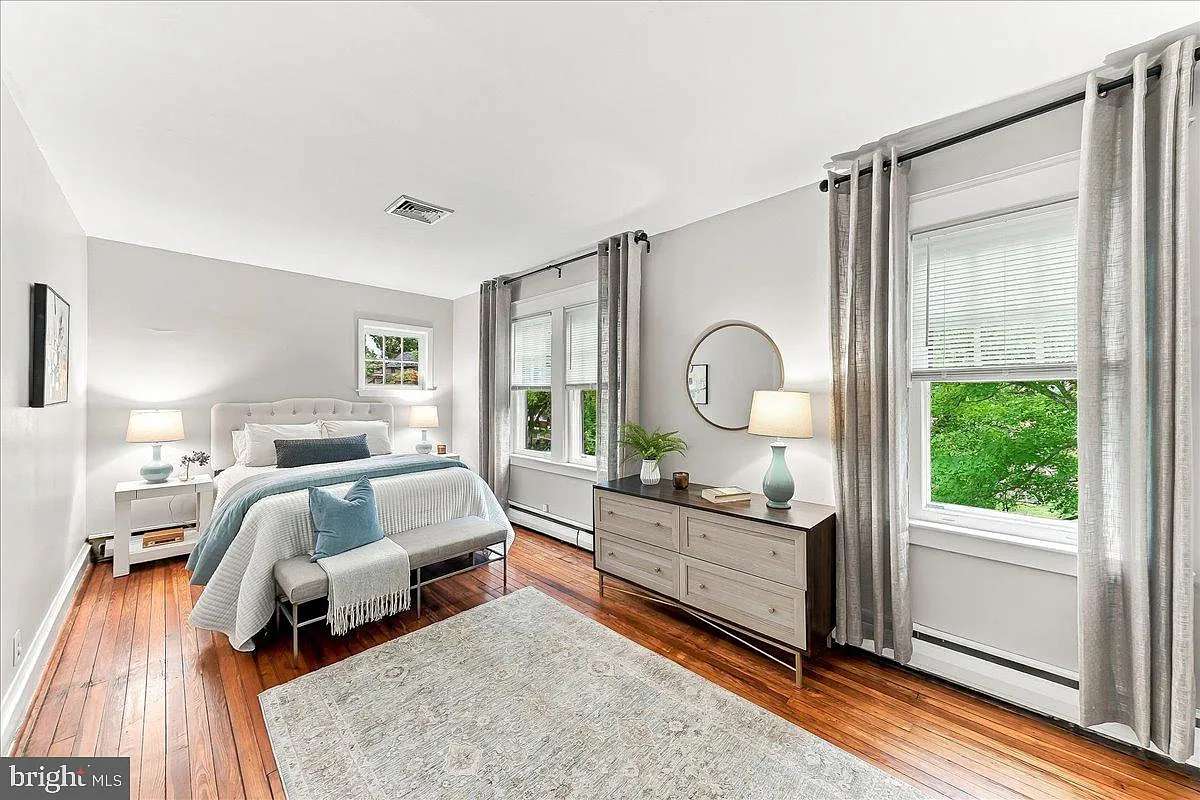
Private bedrooms and accessible bathrooms, designed for safety, comfort, and dignity.
How do you start a conversation about memory loss without causing a rift of defensiveness? It is one of the hardest questions I am asked. I often suggest framing the discussion around a general health checkup rather than a memory test. You might say that you have noticed they seem a bit more tired lately and you want to ensure their vitamin levels or blood pressure are on track. In Pennsylvania, we are fortunate to have access to world class diagnostic centers, yet the journey often starts with a simple conversation at the kitchen table. Have you considered that their resistance might actually be a profound, underlying fear of losing their independence? By approaching them as a partner rather than an adversary, you preserve their dignity while moving toward the answers you both desperately need.
Q: Why do some seniors seem to get more confused or agitated specifically in the late afternoon or early evening? This phenomenon is known as sundowning, and it is incredibly common in the early and middle stages of dementia. As the sun sets and the light in the room changes, the brain can struggle to process visual information, leading to increased anxiety, pacing, or even hallucinations. In our experience at Bell Elite Senior Living, we find that maintaining a calm, well-lit environment and sticking to a predictable routine can significantly lessen these symptoms. It is also helpful to limit caffeine and heavy activity in the late afternoon to help the nervous system settle as the day draws to a close.
Bell Elite Senior Living understands that this initial phase is a whirlwind of grief and confusion for the family. We see ourselves not just as a care facility, but as a resource for the entire Delaware County community. Our nurse-led approach means we look at the whole person, including their medical history, their personality, and their unique life story. When you call us at (484) 356-1070, you are not just talking to an admissions coordinator. You are talking to professionals who understand the clinical nuances of memory loss and the emotional weight it places on your shoulders. Why should you have to carry the burden of diagnosis and planning all by yourself when there is a family owned personal care home ready to stand beside you?
Finding a New Language: Navigating the Middle Stages of Dementia
Speak With Our Nursing Team
We help Pennsylvania families navigate senior care decisions with compassion and clinical expertise.
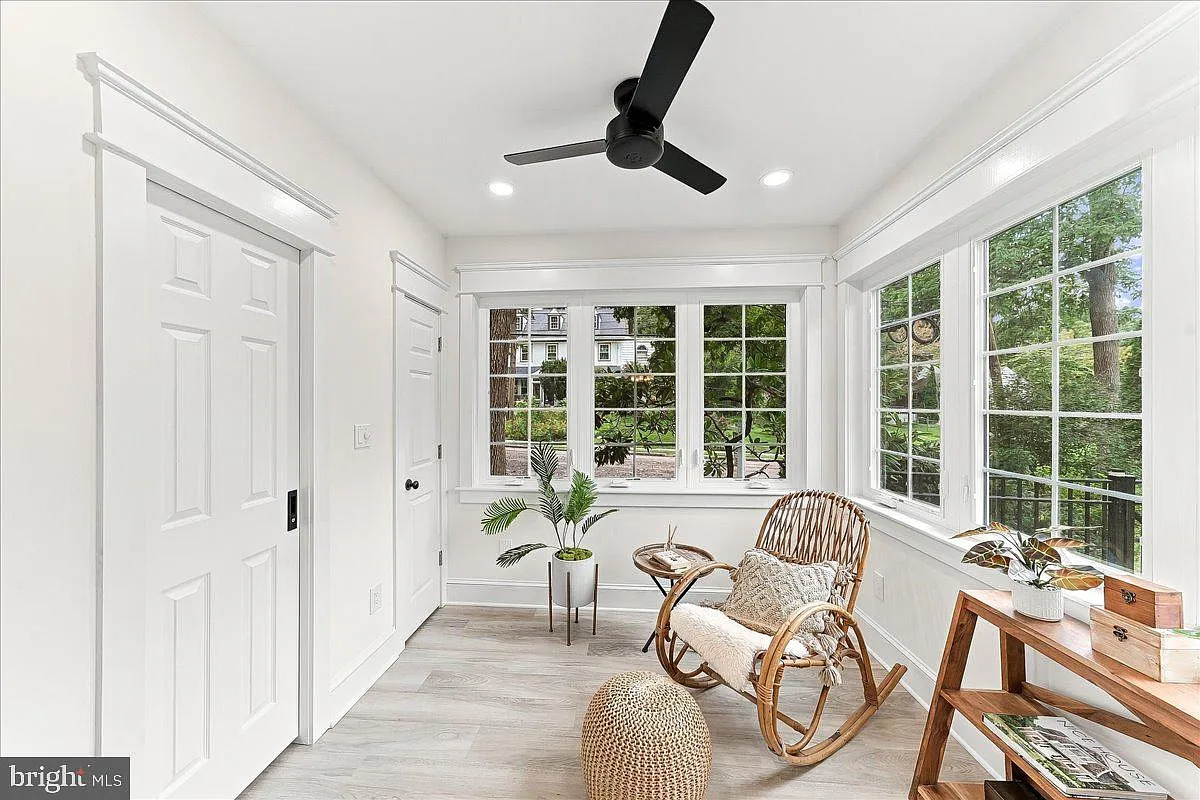
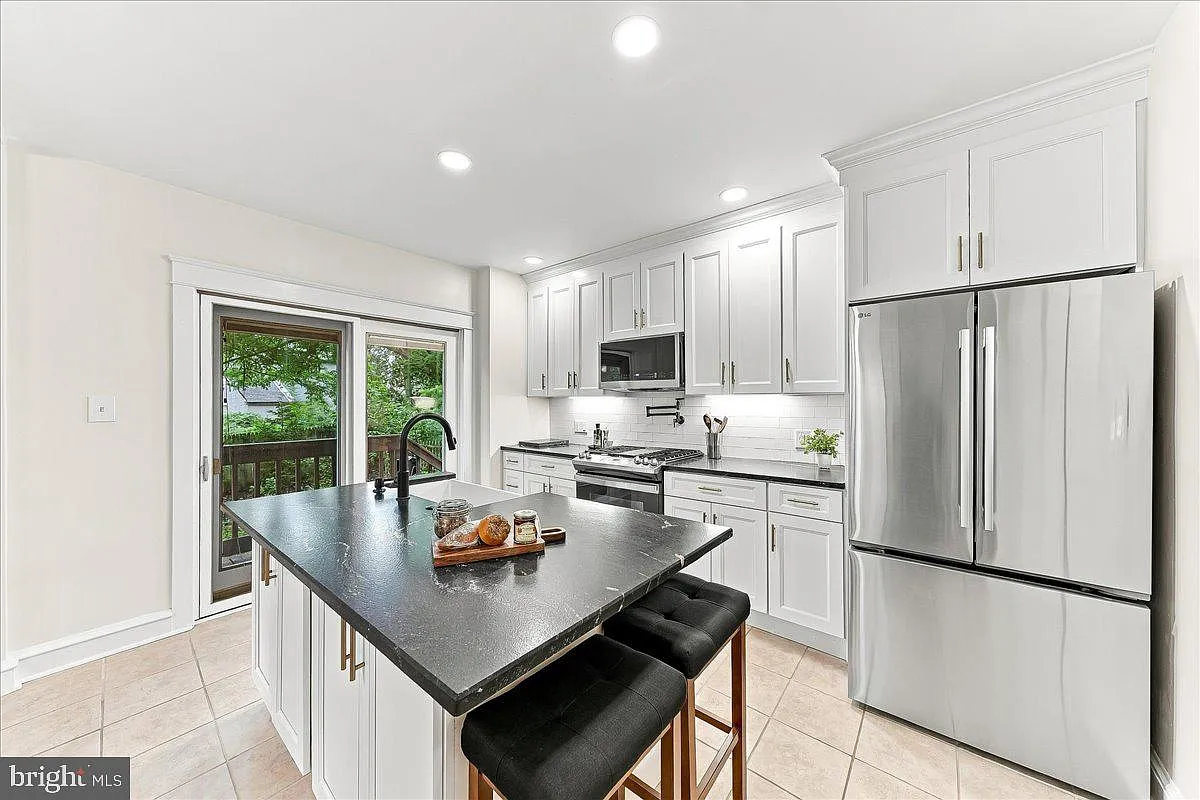
Home-cooked meals in our chef's kitchen and peaceful moments in the sunroom — life at Bell Elite.
Do you remember the last time you had a conversation that felt completely effortless, where words flowed like the Darby Creek after a spring rain? In the middle stages of dementia, that ease often disappears, replaced by a frustrating search for common nouns or a repetition of the same question every three minutes. This stage is often the longest and most taxing for family caregivers in areas like Upper Darby and Broomall. It is the period where the "personality" of the disease truly emerges, and you may find your parent becoming someone you barely recognize. Have you felt the sting of a sharp word from a mother who was always the gentlest soul in the room? Or perhaps you have felt the exhaustion of explaining for the twentieth time that, no, we are not going to the train station today.
Picture this. You are sitting on the porch of a lovely home in Swarthmore, trying to enjoy a quiet afternoon. Your father asks where his car is, despite the fact that he stopped driving two years ago. If you tell him the truth, that he doesn't have a car anymore, he may become devastated or angry, reliving the loss of his license for the first time all over again. As a nurse, I teach families the art of validation therapy. Instead of correcting the facts, we lean into the feeling. You might ask him where he used to like to drive or what his favorite car was. By shifting the focus from factual accuracy to emotional connection, you reduce his anxiety and preserve your own sanity. Did you know that the part of the brain that processes music and emotion often remains intact long after the language centers have faded? This is why a song can bring a smile to a face that has been blank for hours.
Q: How can I manage the repetitive questions without losing my patience? Repetitive questioning is usually a sign of anxiety or a search for security rather than a memory failure. When a parent asks the same question, they are often seeking reassurance that they are safe and that you are there. Instead of answering the question with a simple fact, try providing a reassuring touch or a redirection to a different activity. Sometimes, writing the answer down on a large whiteboard where they can see it helps provide a constant visual reminder, reducing the need for them to ask out loud. It is also vital to remember that their brain is literally unable to "store" the answer you just gave, so your patience is actually a form of medical support.
Is it possible to find joy in a relationship that is changing so fundamentally? I believe it is, but it requires a radical shift in expectations. We have to learn to meet our loved ones exactly where they are in this moment, rather than mourning who they were ten years ago. In Delaware County, we have beautiful parks and quiet spots where you can just "be" with your parent without the pressure of conversation. Have you tried simply holding their hand while watching the birds, or bringing them a favorite treat from a local bakery in Media? These sensory experiences bypass the broken parts of the brain and speak directly to the soul. Research shows that positive emotional states can linger in dementia patients long after they have forgotten the event that caused the emotion.
Q: My parent has started wandering or trying to "go home" even when they are in their own living room. What should I do? Wandering is one of the most stressful behaviors for families to manage because of the obvious safety risks. When a person with dementia says they want to "go home," they are often expressing a desire for a place where they felt safe, young, and in control. Rather than arguing that they are already home, try saying, "We can't go right now, but tell me about your childhood home." This validates their feeling while distracting them from the physical act of leaving. It is also essential to ensure your home in Delaware County is secured with high locks or door alarms to prevent them from slipping out unnoticed, especially during those sundowning hours.
Speak With Our Nursing Team
We help Pennsylvania families navigate senior care decisions with compassion and clinical expertise.
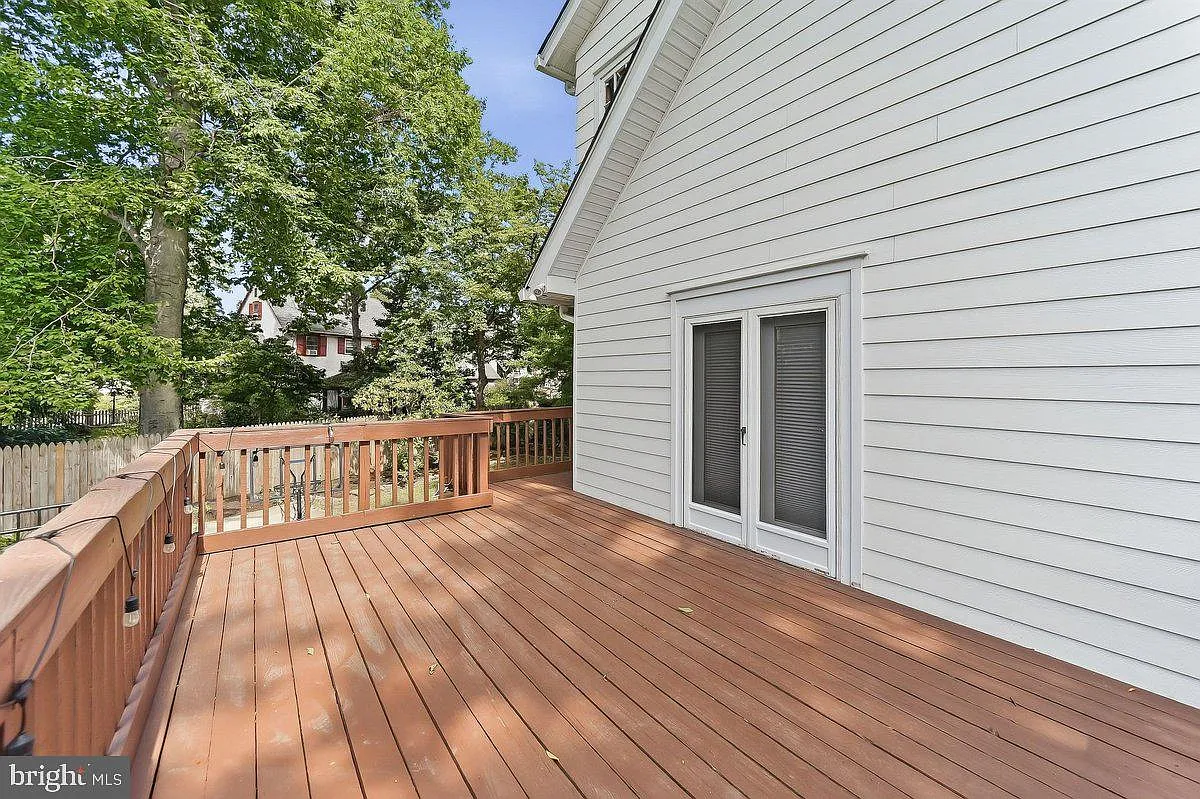
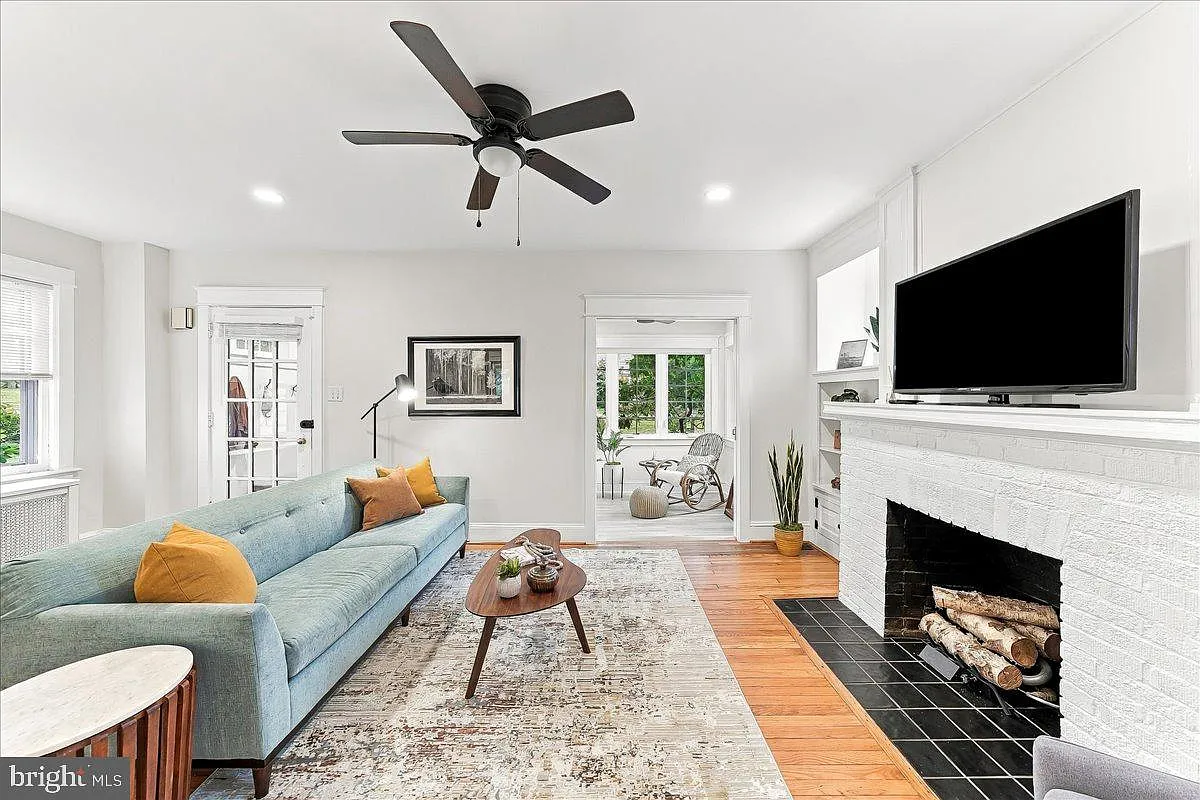
Gather in our warm living room or enjoy fresh air on the deck — every space feels like home.
Have questions about personalized care options? Bell Elite Senior Living's nursing team is ready to help. Call (484) 356-1070 or schedule a free consultation today.
Creating a Sanctuary: Safety and Structure in the Delaware County Home
Is it possible that the very house where you grew up, with its steep stairs and charming but cluttered corners, has transformed from a place of comfort into a landscape of hidden hazards? Many of the older homes in Philadelphia suburbs like Drexel Hill or Upper Darby were built with a vertical layout that is simply not friendly to someone with declining spatial awareness and balance. When we talk about dementia care, we aren't just talking about memory, we are talking about the physical environment. Have you noticed your parent hesitating at the top of the stairs, or perhaps tripping over the transition between the carpeted living room and the hardwood dining area? Falls are the leading cause of injury-related death for people over sixty-five, and for someone with dementia, a broken hip can be a catastrophic turning point that accelerates cognitive decline.
Imagine this. You enter your mother’s house in Havertown and realize the kitchen smells faintly of gas because she forgot to turn the burner off after making tea. Or perhaps you find a collection of expired medications in the bathroom cabinet, some of which should never be taken together. These are the moments that keep family members awake at night. Safety in the home requires more than just a few grab bars in the shower. It requires a systematic approach to simplifying the environment. Can we remove the busy patterns on the rugs that might look like holes or obstacles to someone with impaired depth perception? Can we install auto-shutoff devices on the stove and simplify the lighting so there are no dark shadows that might look like intruders?
Q: When is it no longer safe for a person with dementia to live alone, even with daily visits? The transition from "managing" to "unsafe" often happens gradually until a crisis occurs. If your loved one is forgetting to eat, neglecting personal hygiene, wandering outside, or failing to respond correctly to an emergency like a smoke alarm, they can no longer live alone. Living in a state of constant "near misses" creates an enormous amount of cortisol and stress for both the senior and the caregiver. If you are constantly checking your phone in fear or driving past their house at midnight to make sure the lights are off, the current situation is no longer sustainable for anyone involved.
Why does structure matter so much for a brain that is struggling to make sense of the world? When the internal clock is broken, the external schedule becomes the lifeline. A person with dementia thrives on a predictable rhythm of waking, eating, activity, and rest. In our nurse-led environment at Bell Elite Senior Living, we prioritize this rhythm because it lowers agitation and improves sleep quality. Have you considered how much energy your parent is spending just trying to figure out what happens next? When the environment is simplified and the schedule is set, that energy can be redirected toward enjoying a meal or participating in a gentle craft. We focus on the details that matter, from the color of the plates to the volume of the background music, creating a sanctuary that feels like a home rather than an institution.
Q: How do we handle the delicate issue of taking away the car keys? Giving up the car keys is often seen as the final surrender of adulthood, and it is rarely an easy transition in Delaware County, where public transit isn't always the most convenient option for every errand. I often recommend having a "third party" be the one to deliver the news, such as a primary care physician or an eye doctor, to take the heat off the family. You can also transition the car to a family member "for repairs" to remove the visual temptation from the driveway. Framing it as a way to save money on insurance and maintenance while using ride-sharing services or local senior transport can sometimes soften the blow, but ultimately, safety must override the desire for independence.
The physical toll of maintaining a safe home environment often falls on the adult children, who are already balancing careers and their own families. Are you spending your weekends mowing lawns in Broomall and cleaning gutters in Newtown Square instead of actually spending quality time with your parent? This is where the value of a dedicated personal care home becomes clear. At Bell Elite Senior Living, our staff handles the maintenance, the cooking, and the safety protocols, which frees you up to simply be a son or a daughter again. When you call us at (484) 356-1070, we can talk through the specific safety challenges you are facing and how our family owned home in Delaware County provides the security your loved one needs.
When Love Requires More: Transitioning to Professional Personal Care
Have you reached that quiet, painful moment in the middle of the night when you realize that your love, as boundless as it is, might not be enough to provide the medical oversight your parent now requires? It is a realization that often comes with a heavy side of guilt, yet I want to tell you as a nurse that choosing professional care is an act of profound love, not an act of abandonment. When a parent’s needs exceed what can be safely provided at home, the quality of your relationship often suffers because you have become a frustrated taskmaster rather than a companion. Does your father flinch when you try to help him bathe? Does your mother argue with you about her medications because she doesn't recognize your authority in that role? In Pennsylvania, personal care homes are designed to bridge the gap between independent living and skilled nursing, providing a level of support that preserves dignity while ensuring safety.
Imagine this. Instead of a day filled with the tension of managing "symptoms," your parent spends their afternoon in a bright, communal living space in a nurse-led home. They are surrounded by staff who understand that their agitation is a form of communication, not a personal attack. They are served nutritious, chef-prepared meals that they didn't have to struggle to cook, and they are prompted to take their medications with a gentle, professional touch. At Bell Elite Senior Living, we believe that the right environment can actually slow the functional decline of dementia by reducing the "excess disability" caused by stress and isolation. When a person feels successful in their daily life, their mood improves, and their behaviors often settle.
Q: What is the difference between a "personal care home" and a "nursing home" in Pennsylvania? This is a common point of confusion for families in Delaware County. A nursing home, or skilled nursing facility, is primarily for individuals with complex medical needs who require 24-hour nursing care and frequent clinical interventions. A personal care home, like Bell Elite, is designed for seniors who need assistance with the activities of daily living, such as bathing, dressing, and medication management, but do not require constant hospital-level medical equipment. Our home offers a more intimate, residential feel that is often much less intimidating and more comfortable for someone living with dementia, while still providing the professional oversight of a nurse-led team.
How do you know if a specific home is the right fit for your family? I always tell people to look past the fancy chandeliers and focus on the staff. Do they make eye contact with the residents? Is there a sense of calm or a sense of chaos? In a family owned home like ours, the level of accountability is different. We aren't answering to a distant corporate board in another state. We are answering to you, our neighbors in Delaware County. We know that choosing a home for your parent is one of the most significant financial and emotional decisions you will ever make. Are you looking for a place where your mother’s specific quirks are known and celebrated, rather than just managed?
Q: How can we make the transition to a personal care home less traumatic for someone with memory loss? The key to a successful transition is often a "quiet" move. We suggest bringing familiar items from home, like a favorite quilt, family photos, or a well-loved chair, to make the new space feel immediately recognizable. It is often best to avoid a long "countdown" to the move, as this only increases anxiety. On the day of the move, try to have a favorite meal or activity planned. Our team at Bell Elite Senior Living works closely with families to create a personalized transition plan, ensuring that the staff knows your parent’s history and preferences before they even walk through the door.
Bell Elite Senior Living is proud to be a nurse-led facility, which means our clinical eyes are always on the residents. We notice the subtle changes in gait or the slight decrease in appetite that might signal a urinary tract infection or a change in condition before it becomes an emergency. Why settle for a facility where the leadership is purely administrative? With us, you have the peace of mind that comes from knowing a medical professional is at the helm. If you are feeling overwhelmed by the options in the Philadelphia suburbs, pick up the phone and call (484) 356-1070. We can help you navigate the Pennsylvania Department of Human Services regulations and find a path forward that feels right for your family.
Ready to explore tailored care solutions? Speak with our coordinators at Bell Elite. Phone: (484) 356-1070 • Request a tour
The Caregiver’s Burden: Protecting Your Own Well-being While Serving Others
How long has it been since you took a deep breath that wasn't hitched with a mental checklist of medications, appointments, and safety concerns? We often talk about the person with dementia, but we rarely talk enough about the "silent patient" which is the caregiver. In Delaware County, thousands of adult children are currently "sandwiched" between caring for aging parents and raising their own children. This level of chronic stress has a measurable impact on your health. Family caregivers of people with dementia are at a significantly higher risk for depression, heart disease, and a weakened immune system. Are you ignoring your own doctor appointments because you are too busy taking your mother to hers? Are you losing your temper with your spouse or children because your emotional cup is bone-dry?
Imagine this. You finally take a Saturday afternoon to yourself. You go for a walk through the Tyler Arboretum or sit down for a quiet coffee in Media. For the first hour, your mind is still racing, wondering if your dad is okay or if the home care aide showed up on time. But then, slowly, the tension in your shoulders begins to dissipate. You realize that to be a good daughter or son, you must first be a healthy human being. You cannot pour from an empty cup, and your parent needs you to be well for the long haul. Why do we feel so much guilt for needing a break? It is a cultural narrative we need to challenge, especially when the care of a dementia patient is a 24-hour job that no one person was meant to do alone.
Q: I feel like I am failing my parent if I am not the one doing everything for them. How do I get past the guilt? Guilt is a powerful but often lying emotion in the world of caregiving. You must differentiate between "doing everything" and "ensuring everything is done." By transitioning your parent to a professional setting like Bell Elite Senior Living, you are not stepping away from their care, you are stepping into a different, higher role. You move from being the exhausted, stressed-out nurse/cook/cleaner to being the advocate and the loving family member. Often, our residents' relationships with their children actually improve after the move because the "battleground" of daily care tasks has been removed, leaving only the space for love and connection.
Is there a support system in Delaware County that can help you through this? Absolutely. From support groups at local hospitals to the resources we provide at Bell Elite Senior Living, you are not alone in this experience. Sometimes, just sitting in a room with other people who understand why you are crying over a misplaced pair of shoes is the best therapy in the world. Have you looked into the "respite care" options available in our area? Respite allows your parent to stay in a professional setting for a short period, giving you the time to take a vacation, handle a medical issue of your own, or simply rest. It is a vital tool in the caregiver's toolkit that is far too often underutilized.
Q: How do I handle the judgment of other family members who aren't in the "trenches" with me? This is a painful reality for many primary caregivers. Siblings who live in other states or even just other parts of Montgomery or Chester County may not see the daily decline and might question your decisions. I always recommend radical transparency. Share the doctor’s reports, send video clips of the difficult behaviors, and invite them to stay for a full forty-eight hours to manage the care themselves. Usually, once they see the reality of the situation, the judgment turns into support. If it doesn't, you must trust your own experience and the professional advice of your nurse-led care team.
At Bell Elite Senior Living, we see our role as supporting the whole family unit. We want to hear about your day just as much as we want to tell you about your parent’s. We are a family owned business, and we treat our clients like an extension of our own family. When you call us at (484) 356-1070, you will find a listening ear and a wealth of experience in managing the complex family dynamics that dementia often brings to the surface. Why continue to struggle in silence when there is a community of care waiting to support you? We are here to help you navigate the Delaware County elder care landscape with confidence and grace.
The Final Journey: Ensuring Dignity and Connection in the Late Stages
What does it mean to truly honor a life when the person you love seems to be drifting further away into a world of their own making? The late stages of dementia can be a time of profound stillness, where the challenges shift from managing behaviors to ensuring comfort and dignity. In this stage, the brain is no longer able to direct the body effectively, and your parent may lose the ability to walk, swallow, or speak. It is a time that requires a specialized kind of nursing care, one that focuses on the "spirit" of the person as much as the "vitals" of the body. Have you thought about how you want your parent’s final chapters to be written? The goal of care in the late stages is not to cure, but to provide a peaceful, pain-free environment where connection can still happen in the quiet moments.
Imagine this. You are sitting in a sun-drenched room at Bell Elite Senior Living, holding your mother's hand. She may not remember your name, and she may not be able to tell you about her day, but when you rub her favorite lotion onto her hands or play the music she loved as a young woman, you see a momentary softening of her features. You see a flicker of the person who raised you. This is the "essence" of the person, and it remains until the very end. Why do we assume that a lack of verbal communication means a lack of awareness? We find that our residents in the late stages of dementia still respond deeply to touch, scent, and the presence of loved ones.
Q: How do we manage the medical decisions during the end-of-life process for someone with advanced dementia? This is where having a nurse-led team and a clear advance directive is invaluable. In Pennsylvania, we focus on palliative care principles, which emphasize comfort and quality of life. We work with you to determine the level of intervention you want, whether that means focusing on pain management and hydration or more aggressive measures. Our team at Bell Elite Senior Living is trained to have these difficult but necessary conversations, ensuring that your parent’s wishes are respected and that they are never in distress. We coordinate closely with local hospice providers in Delaware County to add an extra layer of support when that time comes.
How can you find peace during such a difficult time? It comes from knowing that you have done everything possible to provide a life of quality, safety, and love for your parent. It comes from the knowledge that they are in a place where they are known, where the staff doesn't just see a "patient," but sees a retired teacher from Upper Darby or a veteran from Swarthmore. We take pride in the small details: the clean linens, the gentle repositioning to prevent discomfort, and the constant presence of a caring professional. Have you considered that the final gift you can give your parent is the permission to be cared for by others, so that you can simply be present with them as they prepare to say goodbye?
Q: What is the "spirit" of care at Bell Elite Senior Living? The spirit of our home is one of family. Being family owned and nurse-led means we have a personal stake in the well-being of every resident. We don't see ourselves as a "facility" but as a home in the truest sense of the word. We value the stories our residents bring with them, and we strive to create an environment where those stories are honored every day. Whether it's a holiday celebration with families from all over the Philadelphia suburbs or a quiet afternoon in the garden, we are committed to making every moment count.
The journey of dementia is a long one, filled with peaks and valleys that no one should have to navigate alone. From the first confusing moments of diagnosis to the quiet dignity of the final days, Bell Elite Senior Living is here to be your partner. We are more than just a place to live; we are a place to thrive, to find peace, and to be understood. If you are looking for a personal care home in Delaware County that puts people before profits and clinical excellence at the center of everything, we invite you to reach out. Call us at (484) 356-1070 to start a conversation about your parent’s needs and your family’s future. Why wait for a crisis to find the support you deserve today?
A Glimpse Inside Bell Elite
A warm, family-like residence — not an institution. Every space is designed for comfort, safety, and dignity.
Ready to Take the Next Step?
Bell Elite Senior Living is a nurse-led, family-owned personal care home in Delaware County, Pennsylvania. We're here to help.
Proudly Serving Families Across the Greater Philadelphia Region
Bell Elite Senior Living is a nurse-led, family-owned personal care home located in Delaware County, Pennsylvania — and we proudly serve families from across the entire Greater Philadelphia area and surrounding communities. Whether you are searching for a personal care home in Delaware County PA, exploring senior living options near Philadelphia, or looking for compassionate elder care for a loved one in Montgomery County, Bucks County, or Chester County, our team is here to help guide you through every step of the decision.
Families come to Bell Elite from throughout Philadelphia and its suburbs — including Upper Darby, Havertown, Drexel Hill, Broomall, Swarthmore, Media, Springfield, Lansdowne, Darby, Collingdale, and Sharon Hill in Delaware County; Ardmore, Norristown, Lansdale, Cheltenham, Abington, Blue Bell, Jenkintown, Ambler, and Horsham in Montgomery County; Doylestown, Newtown, Langhorne, Bristol, Yardley, Quakertown, and Levittown in Bucks County; and West Chester, Malvern, Exton, Downingtown, Phoenixville, Coatesville, and Paoli in Chester County. We are also a trusted resource for families in South Jersey communities such as Cherry Hill, Voorhees, Marlton, Moorestown, Mount Laurel, Haddonfield, Collingswood, and Camden County who are seeking high-quality personal care across the river in Pennsylvania. Families from Wilmington, Newark, and New Castle County, Delaware also regularly choose Bell Elite for its clinical excellence and intimate, home-like setting.
Our central location in Delaware County puts us within easy reach of Center City Philadelphia, the Main Line, South Philadelphia, Northeast Philadelphia, and the Philadelphia suburbs — making visits from family members throughout the region straightforward and stress-free. We understand that choosing the right personal care home is one of the most important decisions a family will make, and distance should never be a barrier to accessing exceptional, nurse-led care.
Frequently Asked Questions About Our Service Area
Does Bell Elite Senior Living serve families from Philadelphia?
Yes. Bell Elite Senior Living is located in Delaware County, PA, just minutes from Philadelphia. We regularly welcome residents and their families from across Philadelphia, including South Philly, Northeast Philadelphia, Kensington, Germantown, and Center City.
Do you accept residents from Montgomery County, PA?
Absolutely. We serve families throughout Montgomery County including Norristown, Ardmore, Lansdale, Cheltenham, Blue Bell, Jenkintown, and Ambler. Our nurse-led care model is a popular choice for families across the Philadelphia suburbs.
Can families from Bucks County place a loved one at Bell Elite?
Yes. Many of our residents come from Bucks County communities such as Doylestown, Newtown, Yardley, Langhorne, and Bristol. Our facility is easily accessible from Route 1 and I-95 corridors.
Do you serve Chester County families looking for personal care?
Yes. Families from West Chester, Malvern, Exton, Downingtown, Phoenixville, Paoli, and Coatesville in Chester County frequently choose Bell Elite for our small resident count, clinical oversight, and personalized care plans.
Is Bell Elite an option for families in South Jersey near Philadelphia?
Yes. Many families from Cherry Hill, Voorhees, Marlton, Mount Laurel, Haddonfield, Moorestown, and Camden County in New Jersey choose Bell Elite Senior Living in nearby Delaware County, PA for its nurse-led care and welcoming environment.
Do you accept residents from Delaware (Wilmington, Newark, New Castle County)?
Yes. Families from Wilmington, Newark, Middletown, and throughout New Castle County, Delaware have placed loved ones at Bell Elite. Our location in Delaware County, PA makes us a convenient and high-quality option for Delaware families seeking nurse-led personal care.
How do I find out if Bell Elite can serve my family's location?
Call us at (484) 356-1070 or visit our contact page. We serve the entire Greater Philadelphia region and surrounding areas and are happy to discuss your specific situation, schedule a tour, and answer any questions about our care services.
Related Articles



Related Care Services at Bell Elite
Our nurse-led personal care home in Lansdowne, PA offers specialized services for seniors across the Greater Philadelphia region.
Personal Care Home Near You
Bell Elite is located in Lansdowne, PA — minutes from Philadelphia. See care details for your community:
Have Questions After Reading?
Our nursing team offers free, no-pressure consultations for Pennsylvania families.
Talk to a nurse, not a salesperson. Our team includes RNs, LPNs, a PMHNP, and Family Nurse Practitioners.