

Supporting a parent who is losing their vision in a Delco home
Bell Elite Senior Living — a nurse-led, family-owned personal care home in Lansdowne, PA. Warm living spaces, private bedrooms, and a chef's kitchen — come see the difference.
Understanding the Emotional Landscape of Vision Loss in our Delaware County Community
When was the last time you truly felt like you understood what your parent was seeing through their eyes? It is a question that many families across Delaware County find themselves asking as they watch a loved one struggle with the simple act of reading a newspaper or navigating a familiar hallway. Vision loss is rarely a sudden event that happens overnight; instead, it is often a slow and quiet thief that steals independence one square inch at a time. As a nurse who has spent years walking alongside families in this exact position, I can tell you that the emotional weight of this transition is often heavier than the physical challenges themselves. You might notice your mother squinting at the labels in the grocery store in Media or see your father trailing his hand along the wall as he walks through his home in Drexel Hill. These small signs are the whispers of a changing reality that requires both clinical knowledge and deep, heartfelt empathy to navigate successfully.
Imagine this scenario for a moment. You walk into your childhood home on a sunny afternoon and find your mother sitting in the dark because the glare from the windows has become physically painful for her to endure. You ask her why the lights are off, and she brushes it off with a comment about saving money on the electric bill, but you see the underlying truth in the way she fumbles for her glasses. Is she hiding her struggle because she fears losing her home? Does she worry that admitting her vision is failing will mean a forced move away from the neighborhood she loves? These are the silent conversations happening in living rooms throughout the Philadelphia suburbs every single day. We must realize that vision impairment affects approximately one in three adults over the age of sixty five to some degree, making it one of the most common yet isolating conditions of aging.
Q: Is it normal for my parent to become angry or irritable as their vision declines? Yes, it is incredibly common for seniors to experience a range of intense emotions including anger, frustration, and even grief as their sight fails. When a person can no longer see the faces of their grandchildren clearly or enjoy a favorite hobby like sewing or woodworking, they lose a piece of their identity. This frustration often manifests as irritability toward the people closest to them, but it is usually a defense mechanism against the fear of becoming dependent on others.
Speak With Our Nursing Team
We help Pennsylvania families navigate senior care decisions with compassion and clinical expertise.
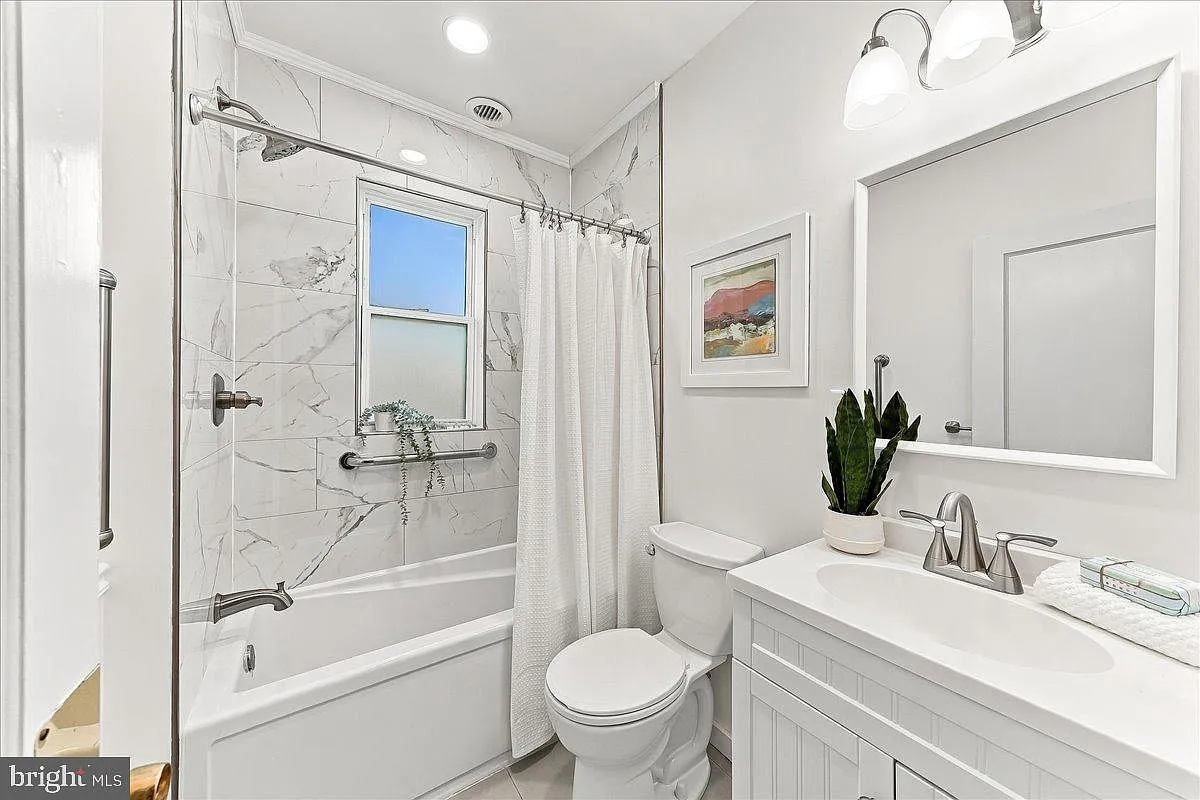
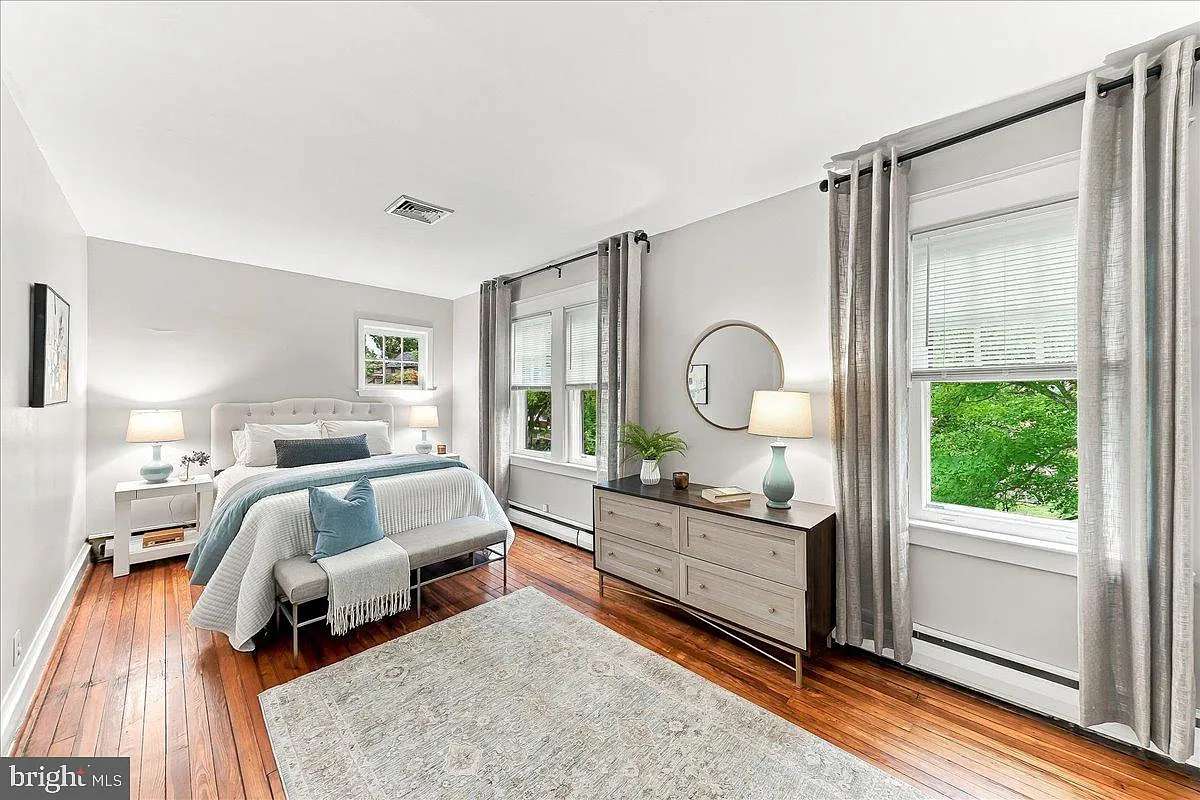
Private bedrooms and accessible bathrooms, designed for safety, comfort, and dignity.
Have you noticed a change in your parent’s personality that seems to coincide with their physical limitations? It is easy to mistake this for typical aging or even early stage dementia, but often it is simply the crushing weight of a world that is becoming blurry and unpredictable. Why does the simple act of pouring a cup of tea become a source of anxiety? How does a person maintain their dignity when they can no longer tell if their clothes are clean or if they have missed a spot while shaving? As we look at the landscape of care in Pennsylvania, we have to prioritize the emotional well being of our seniors just as much as their physical safety. Supporting a parent in Delaware County means acknowledging that their world is shrinking and finding ways to expand it again through specialized support and professional guidance.
Q: How can I tell the difference between normal aging eyes and a serious medical condition? While some decline in visual acuity is expected as we age, sudden changes such as seeing spots, experiencing flashes of light, or a rapid narrowing of the field of vision are not normal. If your loved one complains of a curtain falling over their vision or if straight lines suddenly appear wavy, these are medical emergencies that require an immediate trip to an ophthalmologist in the local area. Regular eye exams are the first line of defense in preserving remaining sight and catching conditions like glaucoma or wet macular degeneration before they cause permanent damage.
Creating a Sanctuary of Safety within the Delaware County Home
Is your childhood home in Springfield or Havertown starting to feel like a minefield for your aging mother or father? For a person with low vision, a misplaced rug or a stray pair of shoes can become a catastrophic hazard in a matter of seconds. We often think of our homes as the safest places on earth, but for a senior losing their sight, the familiar environment can become a source of constant peril. As a nurse, I always tell families that falls are the leading cause of injury related deaths for seniors in Pennsylvania, and vision loss is a primary contributor to these tragic events. When we talk about supporting a parent at home, we are really talking about an intentional redesign of their environment to favor contrast, lighting, and tactile cues over aesthetics.
Speak With Our Nursing Team
We help Pennsylvania families navigate senior care decisions with compassion and clinical expertise.
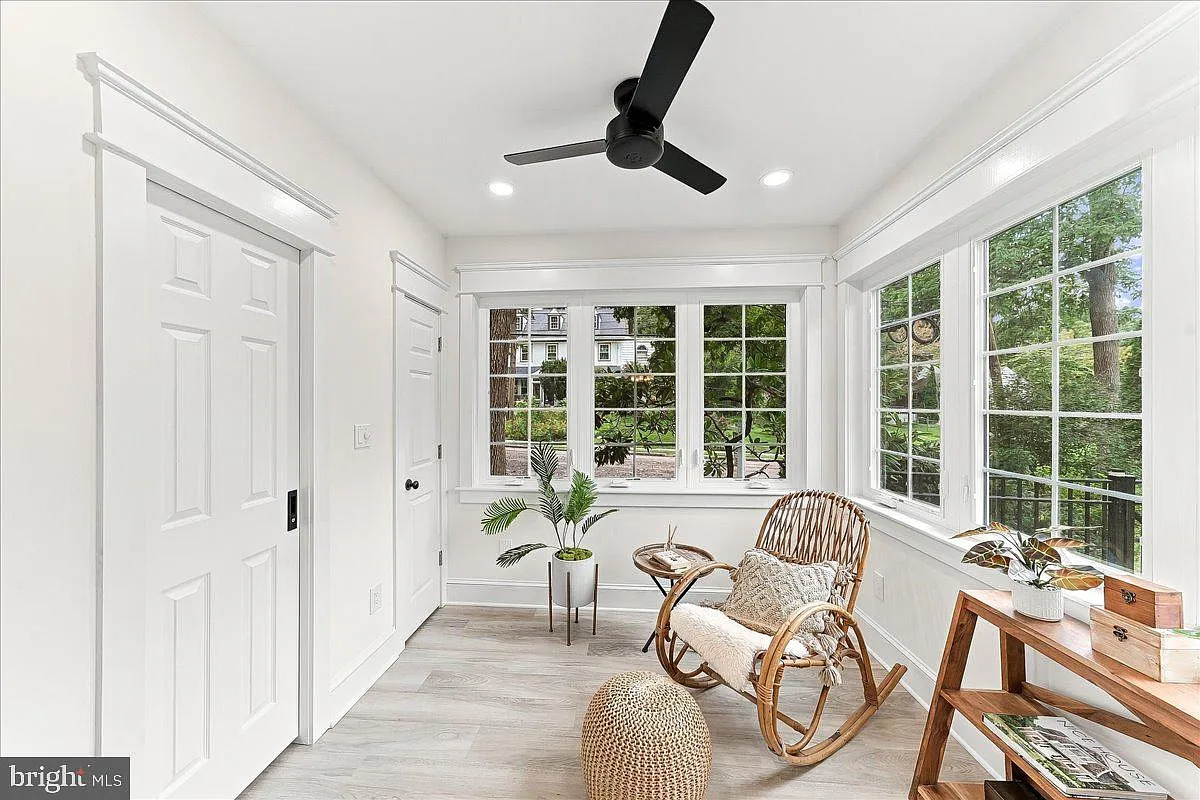
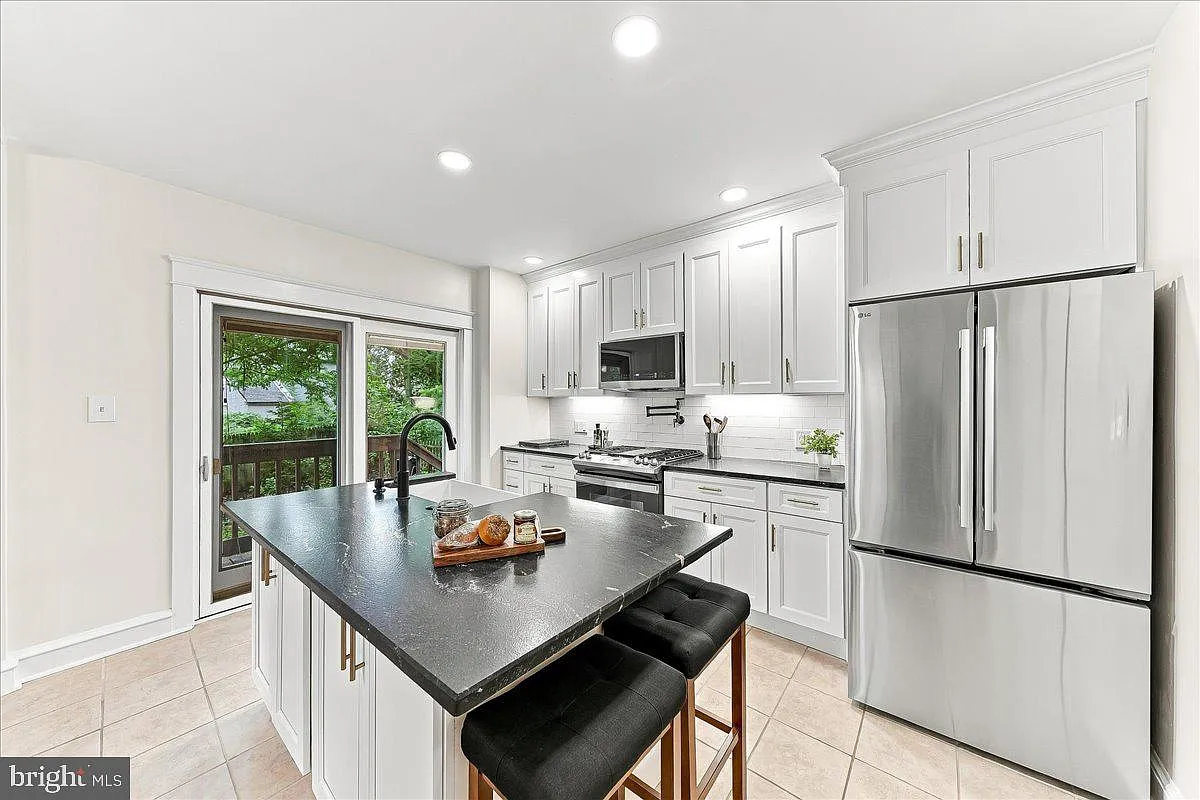
Home-cooked meals in our chef's kitchen and peaceful moments in the sunroom — life at Bell Elite.
Picture this particular situation. Your father has lived in his Broomall home for forty years and knows every floorboard by heart, yet he still trips over the edge of the carpet in the transition between the dining room and the kitchen. He insists he is fine, but you see the bruise forming on his arm and the way his hands shake as he reaches for the counter. Why do we wait for a fall to occur before we make the necessary changes to the living space? Can we justify keeping the heirloom rug if it represents a direct threat to his ability to stay living at home? The transition from a traditional home setup to a low vision friendly environment requires a shift in perspective that prioritizes function above all else.
Q: What are the most important home modifications for someone with low vision? The most effective modifications focus on increasing contrast and improving lighting throughout the entire house. This includes installing high wattage, non glare light bulbs, using bright colored tape to mark the edges of stairs, and replacing dark rugs with flooring that stands out against the walls. In the kitchen, using dark plates on a light tablecloth can help a senior see their food more clearly, while tactile markers on the microwave and stove can prevent burns and other accidents.
Have you looked at the lighting in your parent's home through the lens of a clinical professional? Most homes in our local area are under lit for the needs of a senior, especially in hallways and bathrooms where shadows can be misinterpreted as physical obstacles. We should consider that the average eighty year old requires three times more light to see than a twenty year old, yet many seniors continue to live in dimly lit environments that increase their risk of depression and injury. By installing motion sensor lights and under cabinet lighting, we can illuminate the path and provide a sense of security that is often lost when vision begins to fade. It is about creating a space where they feel empowered rather than trapped.
Q: Should I move all the furniture around to make more space for my parent to walk? Actually, the opposite is often true for individuals with significant vision loss. Keeping furniture in consistent, predictable locations allows a senior to use their muscle memory to navigate the room safely. Moving a coffee table even a few inches can lead to a painful collision or a fall if the person is relying on their mental map of the room rather than their eyes. If you must move something, it is vital to walk your parent through the change multiple times so they can update their internal navigation system.
Have questions about personalized care options? Bell Elite Senior Living's nursing team is ready to help. Call (484) 356-1070 or schedule a free consultation today.
Speak With Our Nursing Team
We help Pennsylvania families navigate senior care decisions with compassion and clinical expertise.
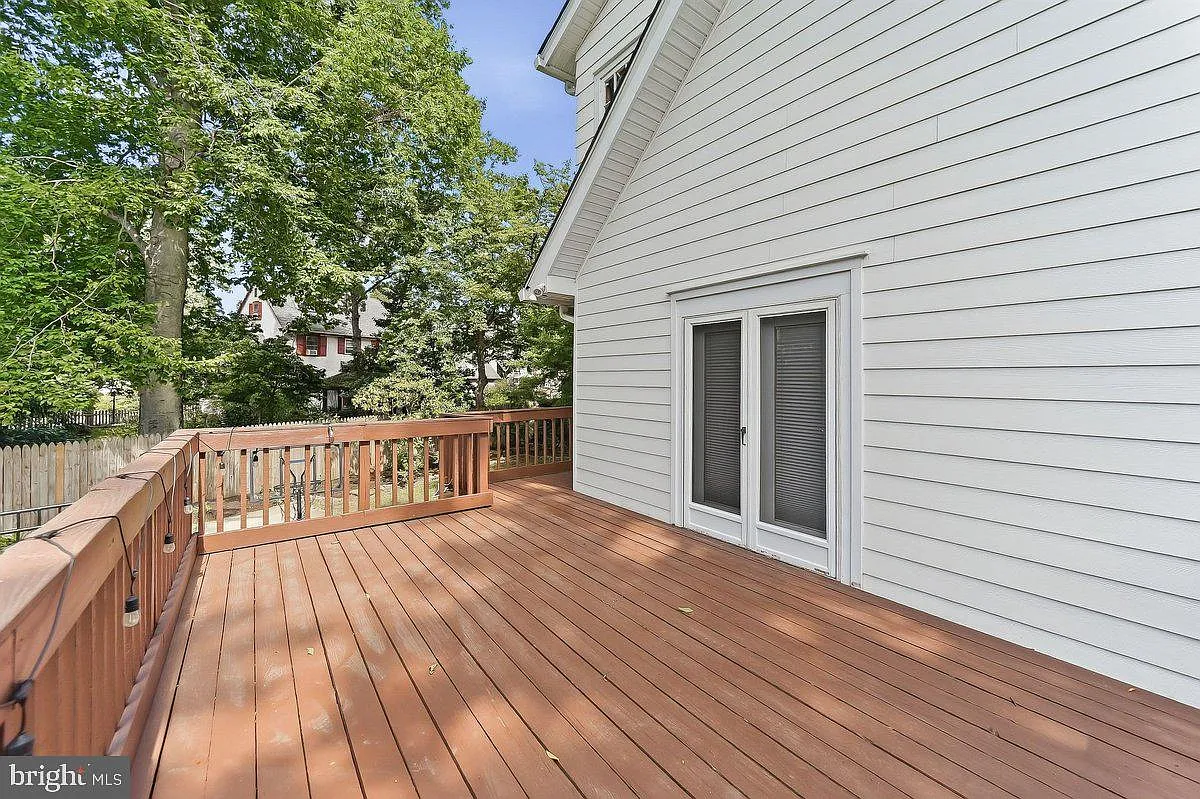
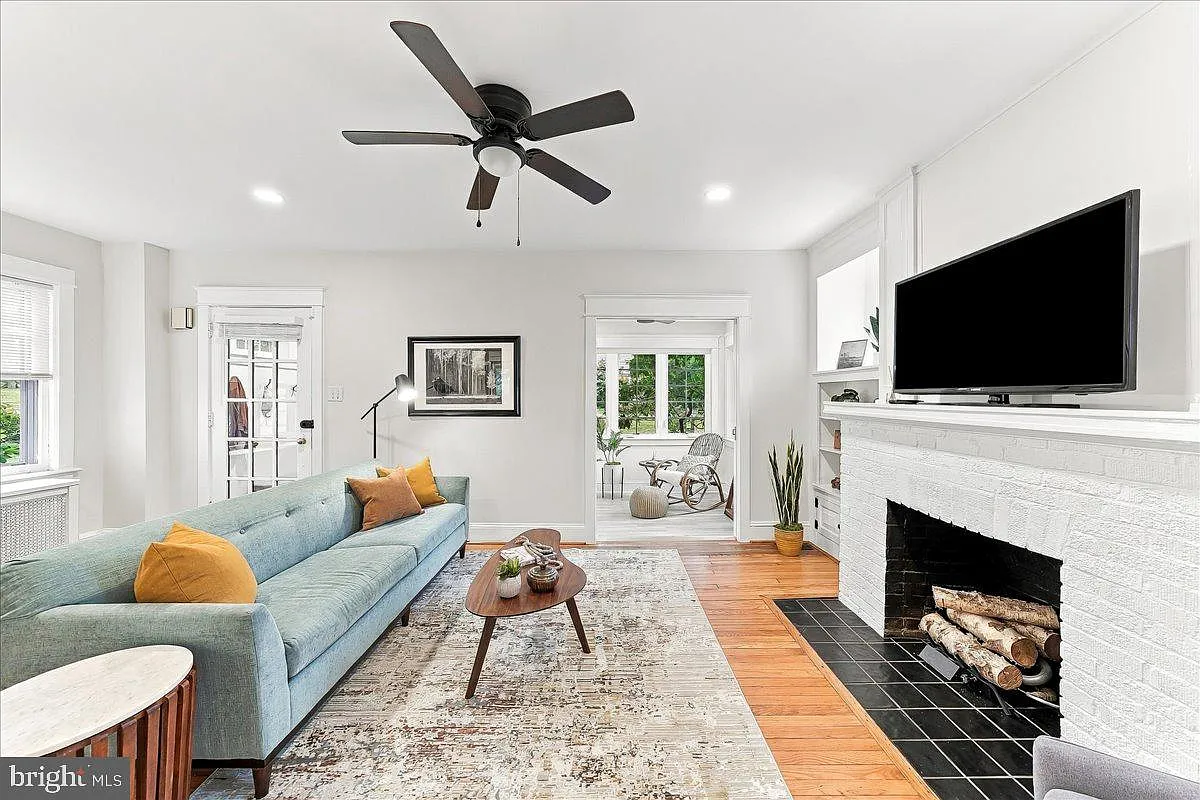
Gather in our warm living room or enjoy fresh air on the deck — every space feels like home.
Navigating the Medical and Regulatory Landscape of Senior Care in Pennsylvania
Why does it seem like every specialist appointment in the Philadelphia suburbs requires a mountain of paperwork and a stressful car ride? Navigating the healthcare system for a parent with vision loss is a full time job that requires tenacity and a deep understanding of Pennsylvania state regulations. As a family member, you are not just a child; you are a patient advocate, a driver, a record keeper, and a translator for complex medical jargon. In Delaware County, we have access to some of the best medical facilities in the country, yet the path to getting the right care can still feel fragmented and overwhelming. You might find yourself juggling appointments between an ophthalmologist in Media and a low vision specialist in the Main Line, all while trying to manage your own career and family responsibilities.
Imagine the frustration of sitting in a waiting room for two hours only to be told that the specialist needs a referral that was never sent from the primary care doctor in Upper Darby. Your parent is tired, their eyes are strained from the harsh fluorescent lights, and you feel your patience wearing thin. How do we ensure that our seniors are getting the comprehensive care they deserve without burning ourselves out in the process? We must recognize that coordination of care is the most critical factor in preventing hospital readmissions for seniors with chronic conditions. When vision loss is involved, the risk of medication errors increases significantly because a parent may no longer be able to read the small print on their prescription bottles.
Q: How does the Pennsylvania Department of Human Services regulate care for seniors with vision loss? In Pennsylvania, personal care homes are regulated by the Department of Human Services, which sets specific standards for safety, staffing, and resident rights. For those with vision loss, these regulations ensure that facilities provide adequate lighting, hazard free pathways, and assistance with activities of daily living that become difficult when sight is impaired. Choosing a licensed facility means that your loved one is protected by state mandates that prioritize their physical and emotional well being.
Do you know if your parent is eligible for specific state programs that provide assistive technology or home health services? Pennsylvania offers various waivers and programs through the Office of Long Term Living that can help cover the costs of care, but the application process is often daunting. Why is it so difficult to find clear answers about Medicaid eligibility or the difference between a nursing home and a personal care home in Delco? Working with a nurse led team like the one at Bell Elite Senior Living can bridge that gap because we understand the clinical needs and the regulatory requirements simultaneously. We can help you understand that a personal care home is often a more appropriate and less restrictive environment for someone whose primary challenge is vision loss rather than a complex medical illness.
Q: Can a nurse led facility provide better outcomes for vision impaired residents? Yes, because nurses are trained to look at the whole person rather than just a single symptom. A nurse led environment ensures that vision loss is managed in conjunction with other health issues like diabetes or hypertension, which often contribute to eye problems. Nurses can also provide specialized training for staff on how to approach and assist residents with low vision, ensuring that communication is clear and that the resident’s dignity is always preserved through proper verbal cues and tactile support.
The Hidden Connection Between Vision Loss and Social Isolation
Could the silence in your parent's living room be a symptom of something much deeper than just a quiet afternoon? One of the most heartbreaking aspects of vision loss is the way it slowly disconnects a person from their community and their social circle. When a senior in Swarthmore or Media can no longer drive to their weekly bridge game or read the local news, they often begin to withdraw into themselves. This social isolation is not just a lifestyle change; it is a clinical concern that can lead to rapid cognitive decline and severe depression. As a nurse, I have seen far too many seniors give up on life because they feel they are no longer part of the world around them.
Picture this quiet tragedy unfolding in a beautiful home in the Philadelphia suburbs. A woman who was once the life of every party now sits by the window, unable to see the birds she used to love, listening to a television she can no longer follow. She stops answering the phone because she cannot see the caller ID and worries about scammers, and eventually, the phone stops ringing altogether. Why do we allow our elders to drift into the shadows when there are so many ways to keep them engaged? How can we expect a person to maintain their mental health when their primary way of interacting with the world has been taken away? Studies show that seniors with untreated vision loss are twice as likely to suffer from clinical depression compared to those with healthy sight.
Q: How can I help my parent stay socially active when they can’t see well? The key is to pivot toward auditory and tactile engagement. Audiobooks, podcasts, and music can provide hours of entertainment and mental stimulation. You can also look for local senior centers in Delaware County that offer programs specifically designed for the visually impaired, such as descriptive movie nights or tactile art classes. Most importantly, continue to include them in family conversations by narrating what is happening around them so they never feel like a passive observer in their own home.
Have you noticed your parent making excuses to avoid going out to dinner or visiting friends in West Chester? Often, the fear of tripping in a restaurant or being unable to read a menu is so great that they would rather stay home in isolation. This is where the support of a dedicated care team becomes invaluable. By providing a safe and social environment where everyone understands their challenges, we can help seniors regain the confidence to participate in life again. At Bell Elite Senior Living, we prioritize social engagement because we know that a lonely heart is just as dangerous as a failing eye. We see the transformation that happens when a resident realizes they can still make friends and share stories despite their vision loss.
Q: What are the signs that my parent is suffering from isolation related depression? Look for changes in appetite, sleep patterns, and a general loss of interest in activities they once enjoyed. If your parent is becoming increasingly withdrawn, stops taking care of their personal hygiene, or expresses feelings of worthlessness, these are red flags. In the context of vision loss, they may also express extreme frustration or a sense of "giving up" on their medical treatments. Early intervention with a mental health professional or a move to a supportive community can make a world of difference.
Ready to explore tailored care solutions? Speak with our coordinators at Bell Elite. Phone: (484) 356-1070 • Request a tour
The Bell Elite Difference: Why Nurse-Led Care Matters for Vision Support
What if you could trade the constant worry of an unsafe home for the peace of mind that comes with twenty four seven nursing oversight? This is the core question that many families in Delaware County eventually have to answer. While staying at home is a beautiful sentiment, there comes a point where the clinical and safety needs of a vision impaired senior exceed what a family can provide. This is especially true when vision loss is a complication of other chronic diseases like diabetes or cardiovascular issues. At Bell Elite Senior Living, we offer a unique approach to personal care because we are family owned and nurse led, meaning every decision we make is rooted in clinical excellence and personal compassion.
Imagine a place where your mother is greeted by name every morning by a staff that knows exactly how to guide her to the dining room safely. She doesn't have to worry about the stairs or the glare from the floor because the entire environment has been designed with her needs in mind. How much stress would be lifted from your shoulders if you knew that a qualified nurse was overseeing her medications and monitoring her eye health daily? In a personal care home environment, we provide the perfect balance between independence and support. We are not a large, impersonal institution; we are a home in every sense of the word, located right here in the heart of the community you know and love.
Q: What does "nurse led" actually mean for my parent’s daily life? It means that the leadership of the facility has a deep medical background and understands the progression of aging and disease. In a nurse led home, the care plans are more sophisticated, the staff training is more rigorous, and there is a higher level of alertness regarding clinical changes. For a resident with vision loss, this means having someone who can correctly administer eye drops, monitor for signs of infection, and ensure that their nutritional needs are met even if they cannot see their plate clearly.
Does your current care plan account for the fact that vision loss often fluctuates throughout the day? A senior might see better in the morning light but become almost completely blind as the sun sets, a phenomenon that requires a flexible and attentive approach to care. At Bell Elite Senior Living, we understand these nuances. Our team is trained to provide verbal cues such as describing the location of food on a plate using the clock method or announcing their presence before touching a resident to avoid startling them. We believe that dignity is found in the details of how we provide assistance, and our nurse led structure ensures those details are never missed.
Q: Is Bell Elite Senior Living equipped to handle residents with total blindness? Yes, our personal care home is designed to accommodate seniors at all stages of vision loss, from mild impairment to total blindness. We focus on creating a predictable environment and providing one on one assistance whenever needed. Our goal is to ensure that every resident feels safe, mobile, and included in the community, regardless of their level of sight. We work closely with families and medical providers to ensure that each resident’s specific needs are met with precision and heart.
Choosing a Path Forward with Confidence and Grace
How do you decide when it is time to stop being the full time caregiver and start being the loving child again? This is perhaps the most difficult question of all for families in Delaware County, Pennsylvania. You want to honor your parent's wishes to stay in their home, but you also see the toll that vision loss and isolation are taking on their spirit. There is no shame in admitting that the level of care required is more than one person can handle, especially when medical complications are involved. Choosing a personal care home like Bell Elite Senior Living is not about giving up; it is about choosing a higher quality of life for your parent and a sustainable future for your family.
Picture the first holiday after your parent moves into a supportive environment. Instead of spending your visit cleaning the house, checking for expired food, and worrying about trip hazards, you are simply sitting together and sharing a conversation. You can see the tension leave your mother's shoulders because she no longer has to struggle with the basic tasks of daily living. Why should these final years be defined by struggle and fear when they could be defined by comfort and connection? By calling (484) 356-1070, you are taking the first step toward reclaiming that peace of mind for your entire family.
Q: How do we start the conversation about moving to a personal care home? The best way is to start early and focus on the benefits rather than the limitations. Instead of talking about what they can no longer do at home, talk about the safety, the social opportunities, and the professional nursing support available at a place like Bell Elite Senior Living. Frame it as a proactive choice for their safety and happiness. It can also be helpful to visit the home together so they can see the warm, family like atmosphere for themselves and meet the nurses who will be caring for them.
Is there a better way to show your love than by ensuring your parent is in an environment where they can truly thrive despite their vision loss? We serve families from Media to Upper Darby and all the surrounding Philadelphia suburbs, providing a nurse led sanctuary that feels like home because it is a home. Bell Elite Senior Living was founded on the belief that every senior deserves to be seen, heard, and cared for with the highest level of clinical expertise. Our family owned model means we treat your parents like our own, and our nursing background means we never compromise on their health.
Q: What if my parent is resistant to the idea of moving? Resistance is natural and usually stems from a fear of the unknown. We recommend starting with a tour or even a short term respite stay to let them experience the environment without the pressure of a permanent move. Once they see the level of care and the kindness of our staff, the fear often turns into a sense of relief. You can reach us at (484) 356-1070 to discuss your specific situation and learn how we have helped other families in Delaware County navigate this exact transition with grace and success.
As you look toward the future, remember that you do not have to walk this path alone. The challenges of vision loss are real, but they are manageable with the right team by your side. Whether your parent is in the early stages of a diagnosis or has been struggling for years, there is a place for them here in our community. Let us help you turn the page to a new chapter where safety is guaranteed and your parent’s dignity is always the top priority. Contact Bell Elite Senior Living today and discover the difference that nurse led, family owned care can make for your loved one.
A Glimpse Inside Bell Elite
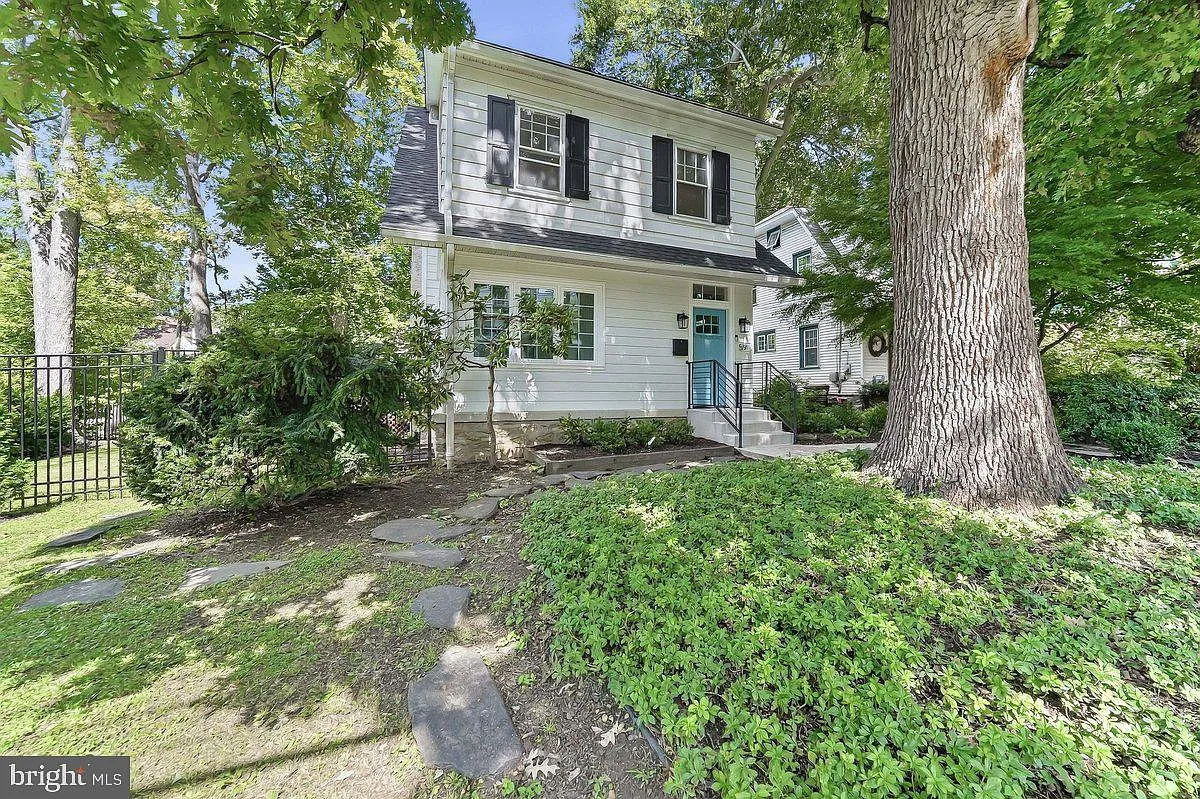
A warm, family-like residence — not an institution. Every space is designed for comfort, safety, and dignity.
Ready to Take the Next Step?
Bell Elite Senior Living is a nurse-led, family-owned personal care home in Delaware County, Pennsylvania. We're here to help.
Proudly Serving Families Across the Greater Philadelphia Region
Bell Elite Senior Living is a nurse-led, family-owned personal care home located in Delaware County, Pennsylvania — and we proudly serve families from across the entire Greater Philadelphia area and surrounding communities. Whether you are searching for a personal care home in Delaware County PA, exploring senior living options near Philadelphia, or looking for compassionate elder care for a loved one in Montgomery County, Bucks County, or Chester County, our team is here to help guide you through every step of the decision.
Families come to Bell Elite from throughout Philadelphia and its suburbs — including Upper Darby, Havertown, Drexel Hill, Broomall, Swarthmore, Media, Springfield, Lansdowne, Darby, Collingdale, and Sharon Hill in Delaware County; Ardmore, Norristown, Lansdale, Cheltenham, Abington, Blue Bell, Jenkintown, Ambler, and Horsham in Montgomery County; Doylestown, Newtown, Langhorne, Bristol, Yardley, Quakertown, and Levittown in Bucks County; and West Chester, Malvern, Exton, Downingtown, Phoenixville, Coatesville, and Paoli in Chester County. We are also a trusted resource for families in South Jersey communities such as Cherry Hill, Voorhees, Marlton, Moorestown, Mount Laurel, Haddonfield, Collingswood, and Camden County who are seeking high-quality personal care across the river in Pennsylvania. Families from Wilmington, Newark, and New Castle County, Delaware also regularly choose Bell Elite for its clinical excellence and intimate, home-like setting.
Our central location in Delaware County puts us within easy reach of Center City Philadelphia, the Main Line, South Philadelphia, Northeast Philadelphia, and the Philadelphia suburbs — making visits from family members throughout the region straightforward and stress-free. We understand that choosing the right personal care home is one of the most important decisions a family will make, and distance should never be a barrier to accessing exceptional, nurse-led care.
Frequently Asked Questions About Our Service Area
Does Bell Elite Senior Living serve families from Philadelphia?
Yes. Bell Elite Senior Living is located in Delaware County, PA, just minutes from Philadelphia. We regularly welcome residents and their families from across Philadelphia, including South Philly, Northeast Philadelphia, Kensington, Germantown, and Center City.
Do you accept residents from Montgomery County, PA?
Absolutely. We serve families throughout Montgomery County including Norristown, Ardmore, Lansdale, Cheltenham, Blue Bell, Jenkintown, and Ambler. Our nurse-led care model is a popular choice for families across the Philadelphia suburbs.
Can families from Bucks County place a loved one at Bell Elite?
Yes. Many of our residents come from Bucks County communities such as Doylestown, Newtown, Yardley, Langhorne, and Bristol. Our facility is easily accessible from Route 1 and I-95 corridors.
Do you serve Chester County families looking for personal care?
Yes. Families from West Chester, Malvern, Exton, Downingtown, Phoenixville, Paoli, and Coatesville in Chester County frequently choose Bell Elite for our small resident count, clinical oversight, and personalized care plans.
Is Bell Elite an option for families in South Jersey near Philadelphia?
Yes. Many families from Cherry Hill, Voorhees, Marlton, Mount Laurel, Haddonfield, Moorestown, and Camden County in New Jersey choose Bell Elite Senior Living in nearby Delaware County, PA for its nurse-led care and welcoming environment.
Do you accept residents from Delaware (Wilmington, Newark, New Castle County)?
Yes. Families from Wilmington, Newark, Middletown, and throughout New Castle County, Delaware have placed loved ones at Bell Elite. Our location in Delaware County, PA makes us a convenient and high-quality option for Delaware families seeking nurse-led personal care.
How do I find out if Bell Elite can serve my family's location?
Call us at (484) 356-1070 or visit our contact page. We serve the entire Greater Philadelphia region and surrounding areas and are happy to discuss your specific situation, schedule a tour, and answer any questions about our care services.
Related Articles



Related Care Services at Bell Elite
Our nurse-led personal care home in Lansdowne, PA offers specialized services for seniors across the Greater Philadelphia region.
Personal Care Home Near You
Bell Elite is located in Lansdowne, PA — minutes from Philadelphia. See care details for your community:
Have Questions After Reading?
Our nursing team offers free, no-pressure consultations for Pennsylvania families.
Talk to a nurse, not a salesperson. Our team includes RNs, LPNs, a PMHNP, and Family Nurse Practitioners.