

Sundowning in Dementia: How Caregivers Can Manage This Difficult Symptom
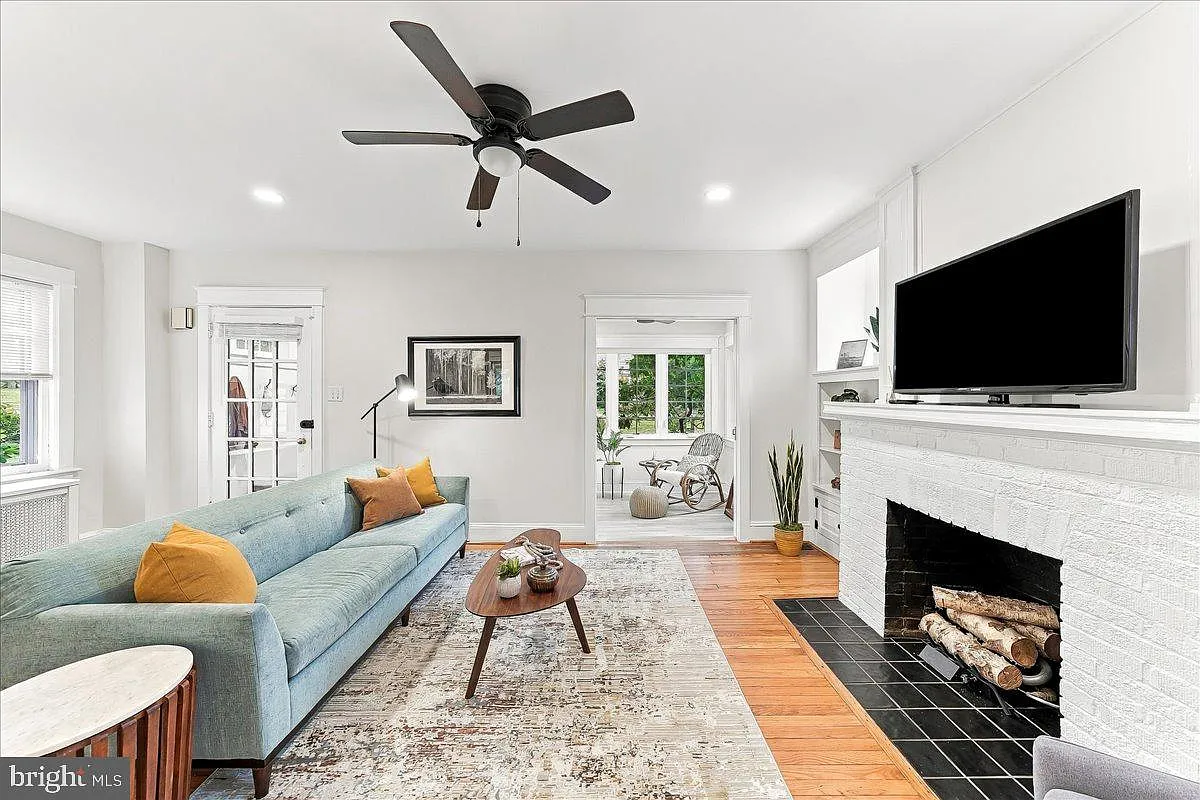
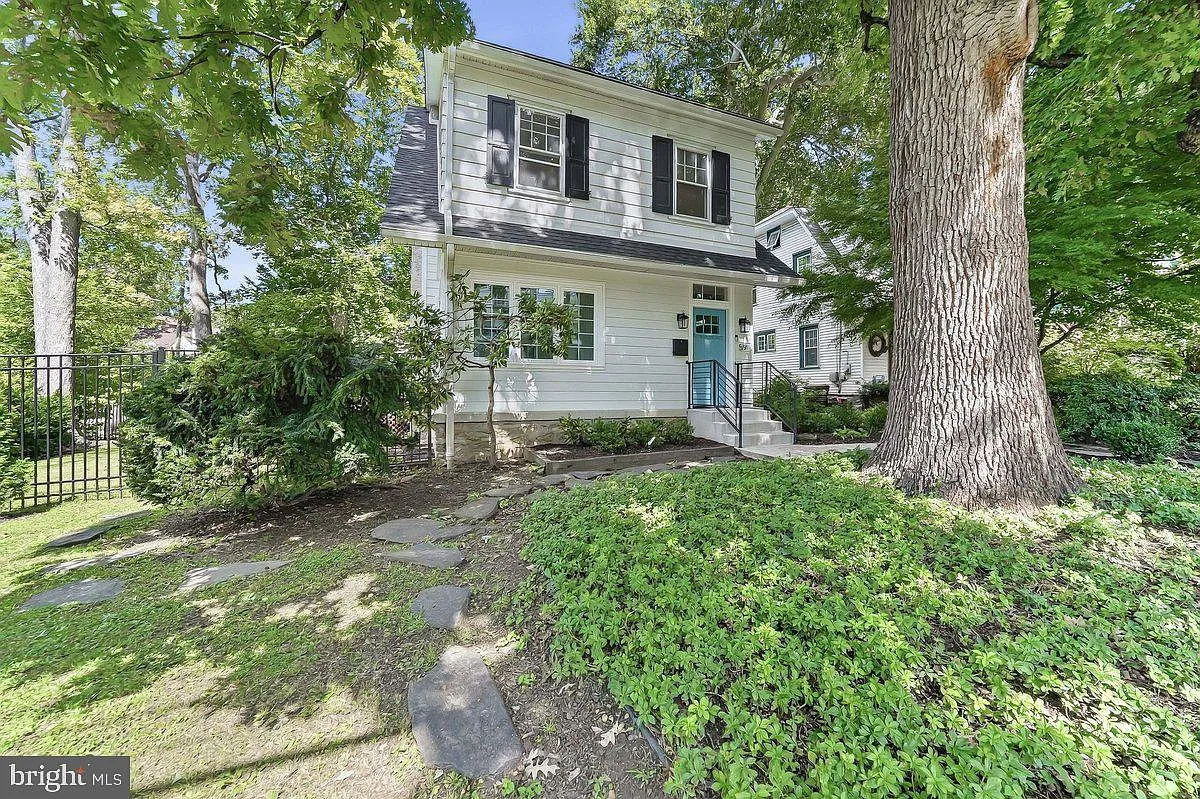
Bell Elite Senior Living — a nurse-led, family-owned personal care home in Lansdowne, PA. Warm living spaces, private bedrooms, and a chef's kitchen — come see the difference.
The Golden Hour and the Growing Shadow: Understanding the Evening Shift
Have you ever noticed that as the golden hour settles over the streets of Upper Darby, your loved one’s personality seems to shift as dramatically as the long shadows stretching across the wall? It is a phenomenon that nurses and geriatric specialists have studied for decades, yet for a family member sitting in a quiet living room in Delaware County, it feels less like a clinical study and more like a heartbreaking transformation. Imagine this: the woman who spent her morning peacefully humming along to the radio and folding laundry suddenly becomes a stranger as the clock strikes four. She might start pacing the hallway with an urgent, inexplicable need to "go home," even though she is standing in the house she has owned for forty years. Her brow furrows, her voice rises in pitch, and the gentle grandmother you know is replaced by someone gripped by a frantic, restless energy that no amount of logic can soothe. This is the reality of sundowning, a complex and taxing symptom of dementia that affects a significant portion of the senior population. Statistics suggest that as many as twenty percent of individuals diagnosed with Alzheimer’s disease will experience some form of increased confusion or agitation during the late afternoon and evening hours. As a nurse-led team at Bell Elite Senior Living, we often tell families that this is not a choice or a behavioral failing, but rather a biological response to a brain that is struggling to process the transition from day to night.
Is it possible that the frustration you feel as a caregiver is actually a mirror of the profound confusion your loved one is experiencing internally? When the sun begins to dip below the horizon in towns like Media or Drexel Hill, the natural light changes, and for a brain damaged by cognitive decline, this shift can trigger a primal sense of fear. Why does the evening bring out such intense vocalizations or physical restlessness? Why does a person who was perfectly content at lunchtime suddenly believe they are late for a job they retired from thirty years ago? These questions haunt many families in Pennsylvania who are trying their best to provide care at home. We must look at the brain as an instrument that is slightly out of tune. The internal clock, or the circadian rhythm, is responsible for telling us when to wake and when to sleep, but in a person with dementia, that clock is often broken. Research indicates that the degeneration of the suprachiasmatic nucleus, the part of the brain that regulates our internal cycles, is a primary driver of sundowning behaviors. This means that while you see a sunset, your loved one might be feeling a physiological tidal wave of exhaustion and disorientation that they cannot put into words.
Q: What exactly is sundowning and is it a specific type of dementia? Sundowning is not a disease in itself but rather a group of symptoms that occur at a specific time of day in people who already have some form of dementia, such as Alzheimer’s or Lewy Body dementia. It is characterized by an increase in confusion, anxiety, and agitation that begins in the late afternoon and can last well into the night. While it is most commonly associated with middle-stage and late-stage Alzheimer's, it can manifest in almost any cognitive impairment disorder. The hallmark of the condition is the timing: the symptoms reliably flare up as the daylight fades, often making the evening the most difficult part of the day for both the senior and their dedicated caregivers.
Speak With Our Nursing Team
We help Pennsylvania families navigate senior care decisions with compassion and clinical expertise.
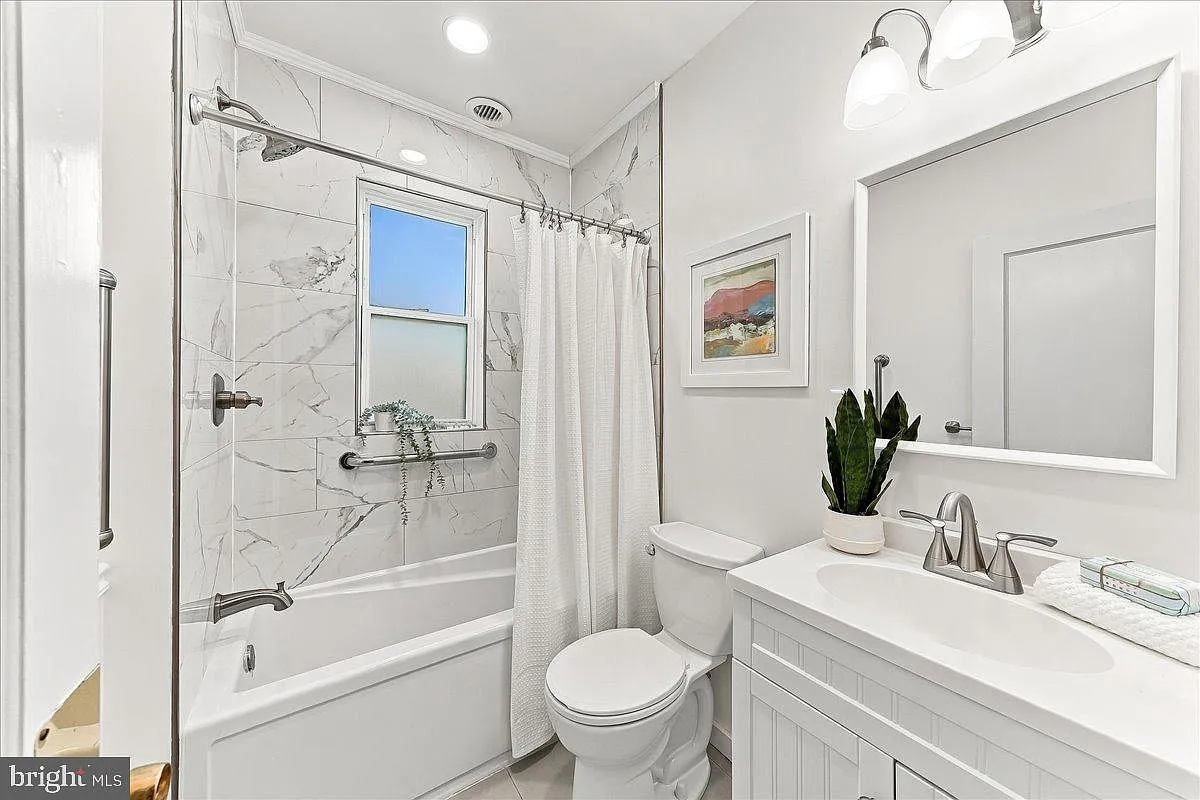
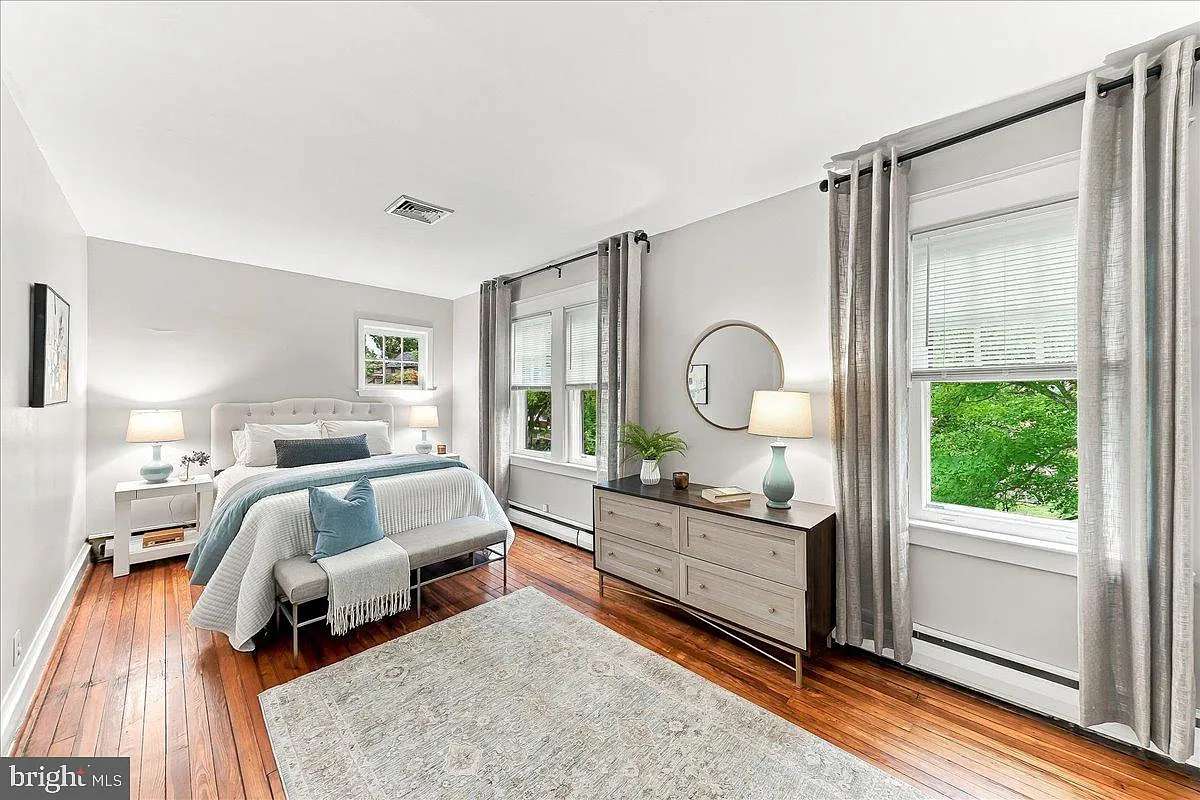
Private bedrooms and accessible bathrooms, designed for safety, comfort, and dignity.
Are we perhaps overlooking the sensory overload that accompanies the end of a busy day in a typical suburban household? Think about the sounds of a kitchen in Springfield during dinner preparation: the clanging of pots, the hum of the dishwasher, the evening news blaring from the television, and the general bustle of family members returning from work or school. To a healthy brain, these are the sounds of home, but to a person with dementia, this can feel like a chaotic assault on the senses. It is estimated that sensory overstimulation contributes to nearly forty percent of evening agitation episodes in residential settings. When the brain is already tired from the effort of trying to navigate a world that no longer makes sense, this additional noise can be the breaking point. At Bell Elite Senior Living, we emphasize that managing sundowning is often about managing the environment as much as it is about managing the person. By calling us at (484) 356-1070, families often find that simply having a professional nurse evaluate these environmental triggers can change the entire trajectory of their evenings.
The Biological Clock and Environmental Triggers
Is it possible that the very environment we think is comforting is actually fueling the confusion our seniors feel during the late afternoon? In the heart of Delaware County, where our winters can be gray and our summer afternoons can be sweltering, the change in light is a constant factor that many families fail to account for. Imagine this: the living room is bathed in the dim, grayish light of a rainy Pennsylvania November afternoon. The shadows are long and distorted, turning a simple coat rack into a threatening figure or making a hallway look like a deep, dark tunnel. For someone with impaired depth perception and cognitive processing, these visual distortions are terrifying. Clinical observations show that shadows and low lighting are among the top five environmental triggers for visual hallucinations and paranoia in dementia patients. When the light fails, the brain tries to fill in the gaps, often resulting in "misinterpretations" of the environment that lead to high levels of anxiety.
How much of what we call sundowning is actually a physical manifestation of pure, unadulterated exhaustion? We often forget that for a senior with cognitive decline, every single minute of the day is an uphill battle. They are constantly trying to recognize faces, remember where the bathroom is, and follow the thread of a conversation. By the time 4:00 PM rolls around in Havertown or Broomall, their mental battery is completely drained. Geriatric nurses often refer to this as the "reduced stress threshold," where the person simply no longer has the cognitive reserves to cope with even minor stressors. Have you ever noticed how a small request, like asking them to change for dinner, can lead to a total emotional meltdown in the evening? This is not because they are being difficult, but because their brain is "full" and can no longer process instructions or expectations.
Speak With Our Nursing Team
We help Pennsylvania families navigate senior care decisions with compassion and clinical expertise.
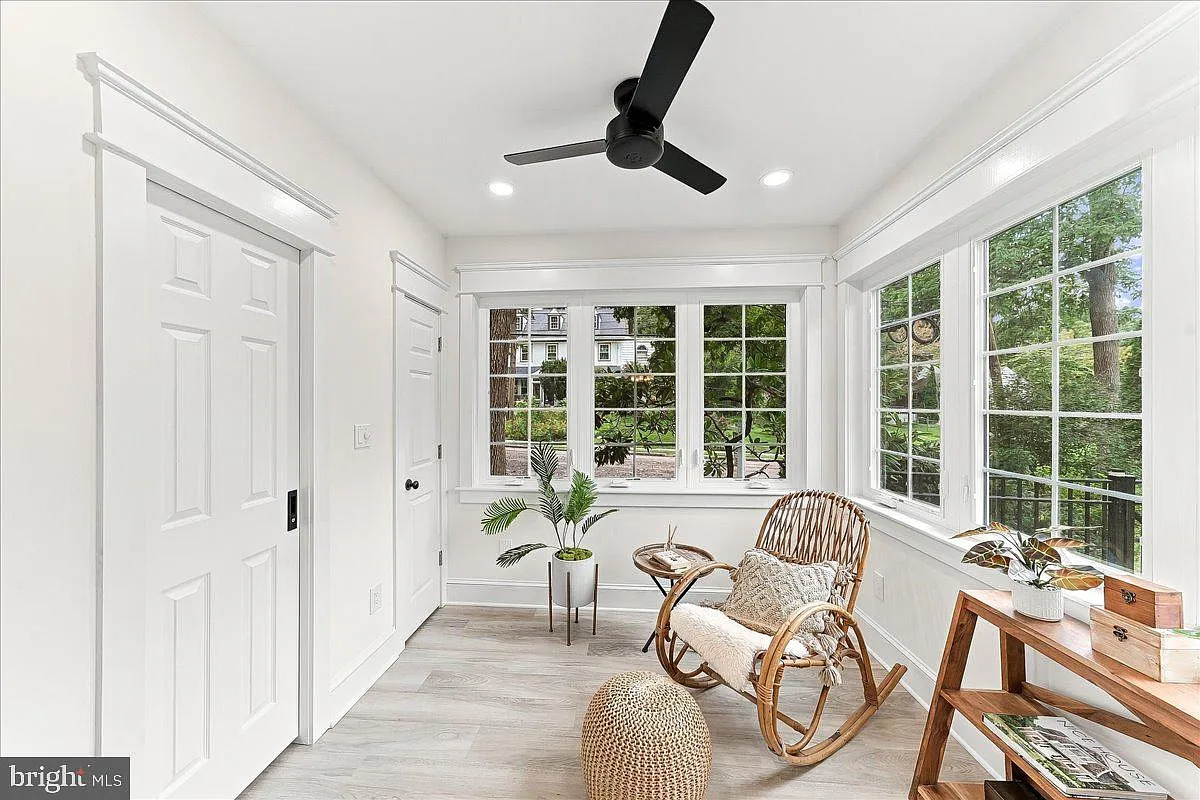
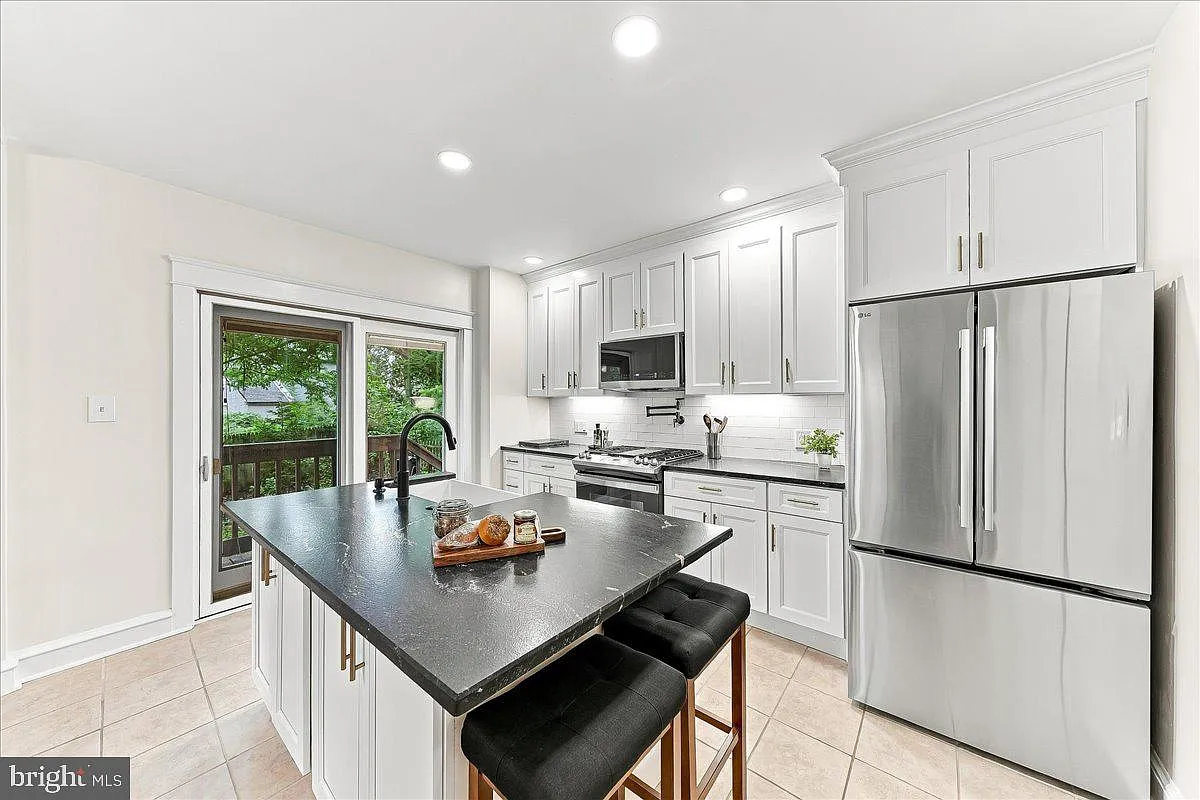
Home-cooked meals in our chef's kitchen and peaceful moments in the sunroom — life at Bell Elite.
Q: Why does sundowning seem to get so much worse during the winter months in Pennsylvania? The phenomenon often referred to as "SAD" or Seasonal Affective Disorder can compound sundowning symptoms due to the shorter days and lack of natural sunlight. In Pennsylvania, where the sun may set as early as 4:30 PM in December, the "afternoon" confusion starts much earlier in the day. This lack of vitamin D and the extended periods of darkness disrupt the circadian rhythm even further, making it harder for the body to distinguish between daytime activity and nighttime rest. Utilizing bright light therapy in the mornings and ensuring rooms are well-lit before the sun goes down can help mitigate this seasonal spike in difficult behaviors.
Could the underlying cause of your loved one’s evening distress be a physical discomfort that they can no longer articulate? As we age, our bodies become less efficient at communicating needs like hunger, thirst, or pain. In a person with dementia, a urinary tract infection or a sore hip can manifest not as a complaint, but as a period of intense agitation and pacing. Studies have shown that up to fifty percent of behavioral disturbances in dementia are linked to untreated physical pain or discomfort. When you are caring for someone in your home in Swarthmore or Drexel Hill, it is vital to look past the behavior and see the person. Are they pacing because they are bored, or because their legs ache? Are they crying out because they are angry, or because they are hungry? At Bell Elite Senior Living, our nurse-led approach means we are always looking for the clinical "why" behind the evening "what." We encourage families to call (484) 356-1070 if they suspect that medical issues are complicating their loved one's evening routine, as a professional assessment can often provide the clarity needed to improve quality of life.
Have questions about personalized care options? Bell Elite Senior Living's nursing team is ready to help. Call (484) 356-1070 or schedule a free consultation today.
Practical Strategies for Home Management and Routine
What if you could transform your living room into a sanctuary of calm that acts as a shield against the rising tide of evening anxiety? The concept of "environmental engineering" sounds complex, but it is one of the most effective tools a family in Delaware County has at their disposal. Imagine this: instead of the television blaring the nightly news with its loud sirens and distressing headlines, the house is filled with the soft, familiar melodies of Frank Sinatra or Glenn Miller. Instead of bright, harsh overhead lights that create glare on the floor, the room is illuminated by warm, indirect lamps that minimize shadows. The use of music therapy has been shown to reduce agitation in dementia patients by nearly thirty percent in some clinical trials. By controlling the sensory input of the home in the late afternoon, you are essentially lowering the volume on the world, making it easier for a tired brain to navigate.
Speak With Our Nursing Team
We help Pennsylvania families navigate senior care decisions with compassion and clinical expertise.
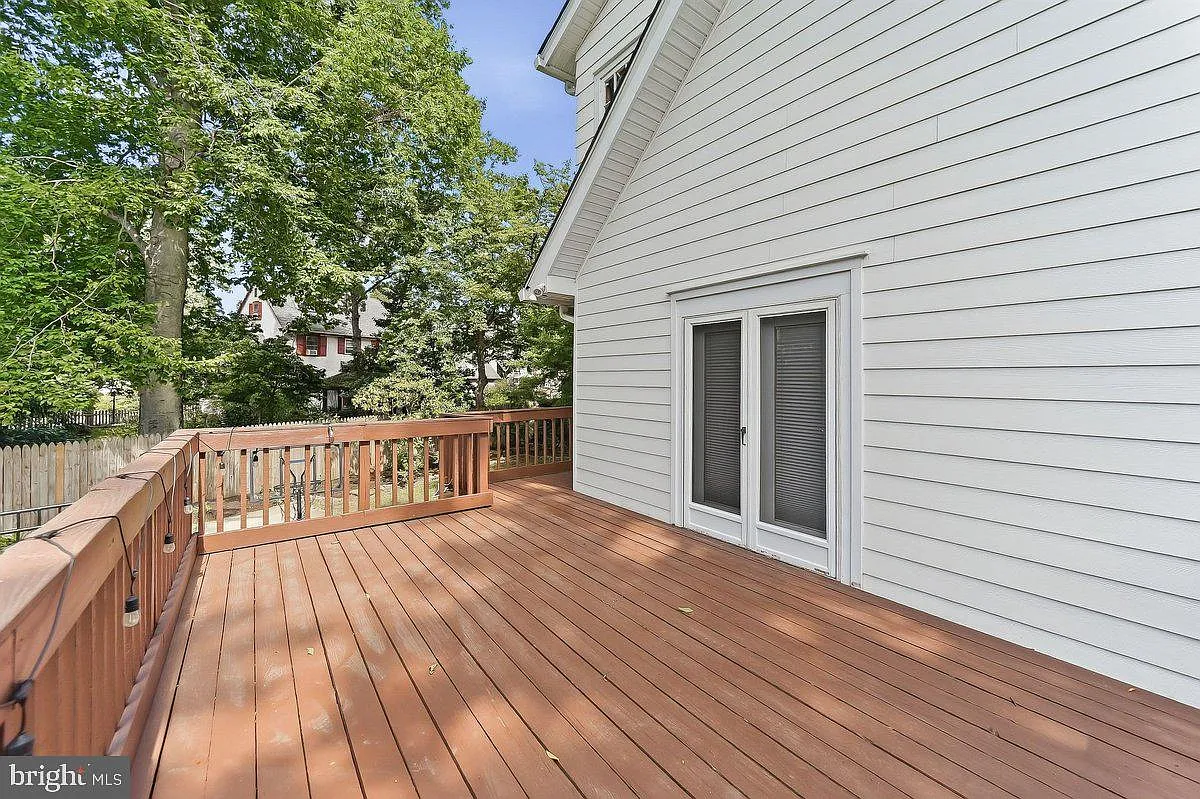
Gather in our warm living room or enjoy fresh air on the deck — every space feels like home.
Can a simple change in the daily schedule in your Philadelphia suburb home be the key to a more peaceful night? Consistency is the bedrock of dementia care. When the world is a confusing place, a predictable routine provides a sense of safety that words cannot. Does your loved one eat breakfast at the same time every day? Do they have a structured activity in the morning when their energy is highest? A structured daily routine helps to anchor the person in time and place, reducing the fear that leads to sundowning. We often suggest to families in towns like Media that they schedule more demanding tasks, like doctor appointments or bathing, for the morning hours. By leaving the afternoon for quiet, low-stress activities like folding napkins or looking at family photo albums, you prevent the "over-exhaustion" that triggers the evening spiral.
Q: How do I handle it when my loved one becomes physically aggressive during a sundowning episode? Safety must always be your first priority. If your loved one becomes physically aggressive, do not try to argue or restrain them unless it is absolutely necessary for immediate safety, as this often escalates the situation. Instead, stay calm, use a soft voice, and give them plenty of physical space. Try to redirect their attention to a favorite snack or a familiar object. If the aggression is a frequent occurrence or if you feel you are in danger, it is time to consult with a professional. At Bell Elite Senior Living, we specialize in de-escalation techniques that prioritize the dignity of the senior while ensuring a safe environment for everyone involved.
Is it possible that the food and drink your loved one consumes during the day are playing a hidden role in their nighttime restlessness? We all know that caffeine can keep us awake, but in a senior with dementia, even the sugar in a late-afternoon cookie can cause a spike in energy followed by a "crash" that heightens confusion. Nutritionists specializing in geriatrics recommend limiting caffeine and large meals to the early part of the day to promote better sleep hygiene. Providing a larger, protein-rich lunch and a lighter, easily digestible dinner can help prevent the discomfort of indigestion at night. Additionally, making sure they stay hydrated throughout the day in our humid Pennsylvania summers is crucial, as even mild dehydration can lead to increased confusion and delirium in the elderly.
The Emotional Toll on the Family Caregiver
How many nights have you spent sitting in your kitchen in Springfield, wondering if you are doing enough or if you are simply reaching your breaking point? The emotional weight of caring for someone with sundowning is immense because it often occurs at the end of the day when you, the caregiver, are also exhausted. Imagine this: you have worked a full day, managed the household, and perhaps cared for children, only to be met with a loved one who no longer recognizes you and is demanding to see their mother who passed away decades ago. Research published in the Journal of Gerontology suggests that caregivers of seniors with sundowning experience significantly higher levels of clinical depression and physical health problems than those whose loved ones do not exhibit these behaviors. It is a grueling, repetitive cycle that can make you feel isolated even in a crowded neighborhood like Havertown.
Do you ever feel a sense of guilt for wishing the day would just end, or for feeling a flash of anger when the repetitive questions start for the hundredth time? If you do, please know that you are human and your feelings are valid. Being a "nurse friend" to families across Delaware County, I often see the toll that "compassion fatigue" takes on well-meaning daughters, sons, and spouses. The phenomenon of caregiver burnout is one of the leading reasons why seniors are eventually transitioned into professional care settings. It is not an admission of failure; it is an acknowledgment of the limits of human endurance. Are you taking the time to breathe, to step outside, or to ask for help from neighbors in Broomall or friends in Media? You cannot pour from an empty cup, and your loved one needs a caregiver who is healthy and supported.
Q: Is it normal to feel like I am losing my mind when my parent repeats the same question fifty times an evening? Yes, it is entirely normal. This is known as repetitive questioning, and it is a hallmark of the short-term memory loss associated with dementia. During sundowning, this behavior often intensifies because the person is seeking reassurance in an environment that feels increasingly alien. They aren't trying to annoy you; they truly do not remember that they just asked the question. The best approach is to answer with a calm, brief response or to try and address the underlying emotion. If they keep asking "When are we leaving?", they might actually be saying "I feel unsafe and I want to go somewhere familiar."
How can you find a balance between honoring your loved one’s wish to stay at home and protecting your own mental health and marriage? This is a question many families in the Philadelphia suburbs struggle with every single day. The "sandwich generation" is feeling the squeeze more than ever, trying to manage the needs of aging parents while still raising their own families in towns like Swarthmore or Drexel Hill. At Bell Elite Senior Living, we see the transformation that happens when a family moves from being "primary medical providers" back to being "loving family members" because the professional care team has taken over the heavy lifting. Our nurse-led team at (484) 356-1070 focuses on the holistic well-being of the entire family unit, not just the resident. We believe that by providing a high level of care, we are actually giving the family their quality time back.
Ready to explore tailored care solutions? Speak with our coordinators at Bell Elite. Phone: (484) 356-1070 • Request a tour
Professional Care and When to Transition
When does the safety of a specialized personal care home in Delaware County become the most compassionate choice for a family struggling with dementia behaviors? There is often a misconception that moving a loved one into a care facility is "giving up," but in reality, it can be an act of profound love and protection. Imagine this: a resident at Bell Elite Senior Living who used to spend her nights wandering the halls of her home in constant fear, now spends her evenings in a secure, beautifully lit environment designed specifically to minimize confusion. She is surrounded by staff who are trained to redirect her anxiety before it turns into a crisis. In a professional personal care setting, the incidence of injury from falls or elopement during sundowning episodes is reduced by over sixty percent compared to unassisted home care. This safety net provides peace of mind that is often impossible to achieve in a traditional residential home.
Why is the "nurse-led" model of care so critical when dealing with the complexities of dementia and sundowning? In many facilities across Montgomery or Chester County, the staff may have general training, but having a nurse at the helm changes the level of clinical oversight. A nurse understands the subtle interactions between medications, the early signs of infection that mimic dementia symptoms, and the physiological reasons behind a sudden behavioral shift. At Bell Elite Senior Living, our family-owned philosophy means that every resident is treated with the same attention we would give our own parents, backed by the clinical expertise that only a nursing background can provide. Have you considered how much stress would be lifted if you didn't have to be the one to decide if a new behavior required a trip to the emergency room? By calling (484) 356-1070, you can learn more about how our clinical approach takes the guesswork out of caregiving.
Q: How is a personal care home different from a traditional nursing home, especially for someone with dementia? A personal care home, like Bell Elite Senior Living, focuses on providing assistance with the activities of daily living in a more residential, home-like environment. Nursing homes are typically more clinical and are designed for individuals who require 24/7 skilled nursing procedures. For many seniors with dementia who are physically mobile but cognitively impaired, a personal care home offers the perfect balance of independence and safety. In Pennsylvania, personal care homes are regulated to ensure they provide a high standard of support, including medication management and specialized programming that can be much more engaging than the sterile environment of a large-scale nursing facility.
Is it possible that your loved one would actually be happier in a community where they can socialize with peers who are experiencing similar challenges? Social isolation is a silent killer in the senior community, and it is often exacerbated by dementia. When a person stays home in a quiet neighborhood like Springfield, they may go days without meaningful interaction with anyone other than their primary caregiver. Research shows that social engagement can slow the progression of cognitive decline and improve the mood of individuals with dementia. In our community, we create opportunities for "failure-free" social interaction, where residents can feel a sense of belonging and purpose. Whether it is a late-afternoon tea or a supervised walk in our secure outdoor spaces, these moments of connection are vital in combatting the loneliness that often fuels evening agitation.
Finding Hope and Community Support
Can you see a future where your relationship with your loved one is defined by connection rather than the constant battle against the setting sun? It is hard to imagine when you are in the thick of a difficult evening in Upper Darby, but there is hope for a more peaceful way of life. Imagine this: instead of spending your visit arguing about whether or not it is time to go to work, you are sitting together in a comfortable lounge at Bell Elite Senior Living, sharing a dish of ice cream while a professional caregiver handles the transition to the evening routine. The goal of professional memory care is to preserve the "personhood" of the individual, ensuring that even as their memory fades, their dignity and comfort remain intact. This transition allows you to go back to being the daughter, the son, or the spouse, rather than the exhausted nurse and security guard.
What resources are available right here in the Philadelphia suburbs to help you navigate this long and winding road? Delaware County is home to a wealth of support, from the Alzheimer’s Association Delaware Valley Chapter to local support groups in Media and Swarthmore. You are not alone in this journey, though the middle of the night can certainly feel that way. Connecting with other families who understand the specific challenges of sundowning can provide a sense of solidarity and practical advice that you won't find in any medical textbook. We encourage you to reach out, to join a group, and to talk openly about your experiences. There is no shame in seeking support; in fact, it is the bravest thing you can do for yourself and your loved one.
Q: What should I look for when I am touring a dementia care facility for a loved one who sundowns? When you visit a community, look closely at the lighting and the noise levels during the late afternoon. Is the environment calm? Are the staff members engaged with the residents, or are they clustered at a nursing station? Ask specifically about their "sundowning protocols" and how they handle evening agitation. A high-quality community like Bell Elite Senior Living will have a clear, nurse-led strategy for managing these transitions, including specialized activities and environmental adjustments. Also, pay attention to the ratio of staff to residents, as more individualized attention is crucial during those difficult twilight hours.
As we look toward the future of dementia care in Pennsylvania, how can we as a community better support the seniors who have given so much to our neighborhoods in Broomall, Havertown, and beyond? It starts with education and empathy. By understanding that sundowning is a physiological event and not a behavioral choice, we can approach our loved ones with the patience and grace they deserve. Bell Elite Senior Living remains committed to being a beacon of support for families throughout Delaware County, providing the expert, nurse-led care that makes the evening hours something to be cherished rather than feared. If you are feeling overwhelmed, please know that help is just a phone call away. You can reach our compassionate team at (484) 356-1070 to discuss your situation, schedule a tour, or simply find a friendly voice who understands exactly what you are going through. Together, we can find a path that brings peace back to your evenings and safety back to your loved one’s life.
A Glimpse Inside Bell Elite
A warm, family-like residence — not an institution. Every space is designed for comfort, safety, and dignity.
Ready to Take the Next Step?
Bell Elite Senior Living is a nurse-led, family-owned personal care home in Delaware County, Pennsylvania. We're here to help.
Proudly Serving Families Across the Greater Philadelphia Region
Bell Elite Senior Living is a nurse-led, family-owned personal care home located in Delaware County, Pennsylvania — and we proudly serve families from across the entire Greater Philadelphia area and surrounding communities. Whether you are searching for a personal care home in Delaware County PA, exploring senior living options near Philadelphia, or looking for compassionate elder care for a loved one in Montgomery County, Bucks County, or Chester County, our team is here to help guide you through every step of the decision.
Families come to Bell Elite from throughout Philadelphia and its suburbs — including Upper Darby, Havertown, Drexel Hill, Broomall, Swarthmore, Media, Springfield, Lansdowne, Darby, Collingdale, and Sharon Hill in Delaware County; Ardmore, Norristown, Lansdale, Cheltenham, Abington, Blue Bell, Jenkintown, Ambler, and Horsham in Montgomery County; Doylestown, Newtown, Langhorne, Bristol, Yardley, Quakertown, and Levittown in Bucks County; and West Chester, Malvern, Exton, Downingtown, Phoenixville, Coatesville, and Paoli in Chester County. We are also a trusted resource for families in South Jersey communities such as Cherry Hill, Voorhees, Marlton, Moorestown, Mount Laurel, Haddonfield, Collingswood, and Camden County who are seeking high-quality personal care across the river in Pennsylvania. Families from Wilmington, Newark, and New Castle County, Delaware also regularly choose Bell Elite for its clinical excellence and intimate, home-like setting.
Our central location in Delaware County puts us within easy reach of Center City Philadelphia, the Main Line, South Philadelphia, Northeast Philadelphia, and the Philadelphia suburbs — making visits from family members throughout the region straightforward and stress-free. We understand that choosing the right personal care home is one of the most important decisions a family will make, and distance should never be a barrier to accessing exceptional, nurse-led care.
Frequently Asked Questions About Our Service Area
Does Bell Elite Senior Living serve families from Philadelphia?
Yes. Bell Elite Senior Living is located in Delaware County, PA, just minutes from Philadelphia. We regularly welcome residents and their families from across Philadelphia, including South Philly, Northeast Philadelphia, Kensington, Germantown, and Center City.
Do you accept residents from Montgomery County, PA?
Absolutely. We serve families throughout Montgomery County including Norristown, Ardmore, Lansdale, Cheltenham, Blue Bell, Jenkintown, and Ambler. Our nurse-led care model is a popular choice for families across the Philadelphia suburbs.
Can families from Bucks County place a loved one at Bell Elite?
Yes. Many of our residents come from Bucks County communities such as Doylestown, Newtown, Yardley, Langhorne, and Bristol. Our facility is easily accessible from Route 1 and I-95 corridors.
Do you serve Chester County families looking for personal care?
Yes. Families from West Chester, Malvern, Exton, Downingtown, Phoenixville, Paoli, and Coatesville in Chester County frequently choose Bell Elite for our small resident count, clinical oversight, and personalized care plans.
Is Bell Elite an option for families in South Jersey near Philadelphia?
Yes. Many families from Cherry Hill, Voorhees, Marlton, Mount Laurel, Haddonfield, Moorestown, and Camden County in New Jersey choose Bell Elite Senior Living in nearby Delaware County, PA for its nurse-led care and welcoming environment.
Do you accept residents from Delaware (Wilmington, Newark, New Castle County)?
Yes. Families from Wilmington, Newark, Middletown, and throughout New Castle County, Delaware have placed loved ones at Bell Elite. Our location in Delaware County, PA makes us a convenient and high-quality option for Delaware families seeking nurse-led personal care.
How do I find out if Bell Elite can serve my family's location?
Call us at (484) 356-1070 or visit our contact page. We serve the entire Greater Philadelphia region and surrounding areas and are happy to discuss your specific situation, schedule a tour, and answer any questions about our care services.
Related Articles



Related Care Services at Bell Elite
Our nurse-led personal care home in Lansdowne, PA offers specialized services for seniors across the Greater Philadelphia region.
Personal Care Home Near You
Bell Elite is located in Lansdowne, PA — minutes from Philadelphia. See care details for your community:
Have Questions After Reading?
Our nursing team offers free, no-pressure consultations for Pennsylvania families.
Talk to a nurse, not a salesperson. Our team includes RNs, LPNs, a PMHNP, and Family Nurse Practitioners.