

Senior Hydration: Why Nurse Monitoring is Essential in the Summer
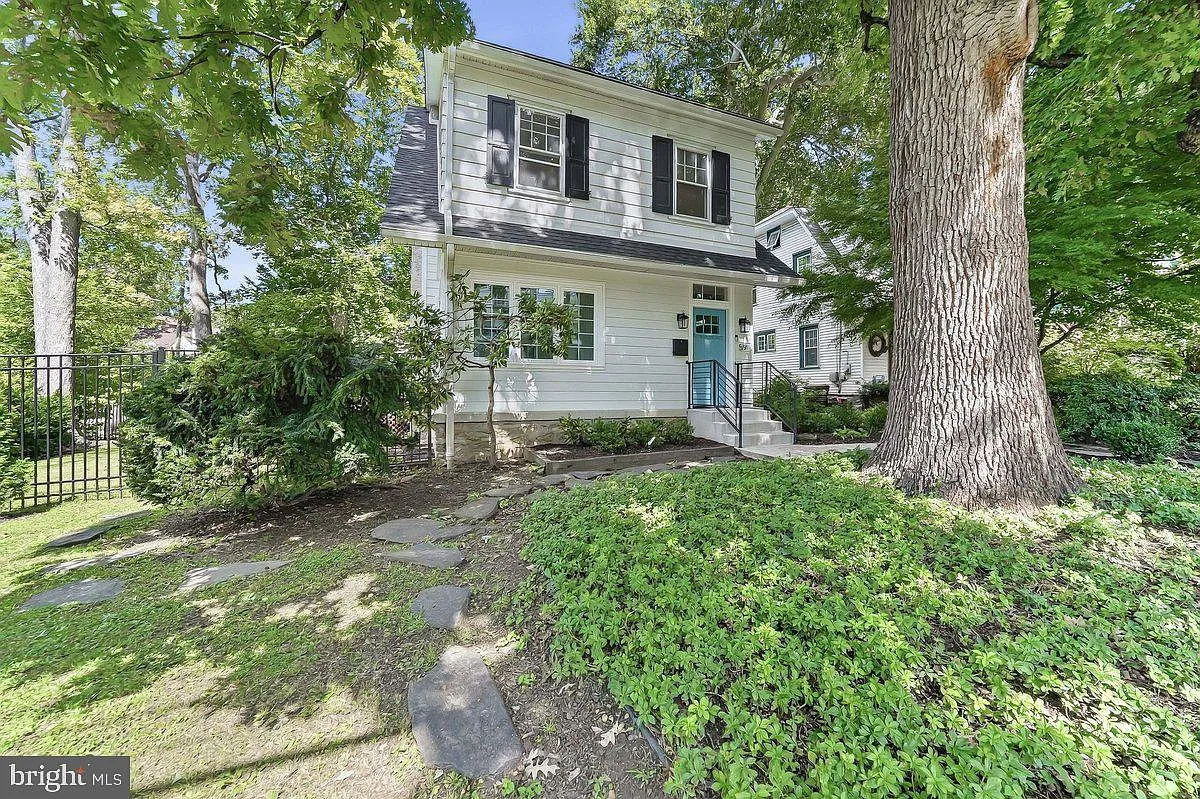
Bell Elite Senior Living — a nurse-led, family-owned personal care home in Lansdowne, PA. Warm living spaces, private bedrooms, and a chef's kitchen — come see the difference.
The Biological Mystery of Thirst in the Golden Years
Have you ever noticed that your aging mother seems to stop reaching for her water glass just when the Pennsylvania humidity starts to peak in late July? It is a phenomenon that baffles many devoted daughters and sons throughout Delaware County, yet the science behind it is both fascinating and frightening. As a nurse, I have stood in many sun-drenched kitchens in Media and Springfield, watching concerned families plead with their loved ones to take just one more sip of water. The reality is that the aging body undergoes a profound shift in how it communicates its needs to the brain. For a younger person, a slight dip in hydration triggers a sharp, undeniable thirst. For a senior, that internal alarm system often goes silent. Research indicates that the thirst mechanism becomes significantly less sensitive as we age, which means your father might feel perfectly fine even when his cells are crying out for fluid. This biological disconnect is the primary reason why professional oversight becomes a necessity rather than a luxury during a Broomall summer. Imagine a car where the fuel gauge is stuck on full even as the tank empties toward the last few drops. That is the precarious situation many of our neighbors in the Philadelphia suburbs face every single day.
How can we expect a senior to stay hydrated if their own body is telling them they are satisfied? The answer lies in the transition from intuitive drinking to scheduled, clinical monitoring. When the heat index rises in Upper Darby or Drexel Hill, the margin for error disappears. A senior living alone might forget to drink for hours, not out of stubbornness, but because their hypothalamus is no longer sending the proper signals. This is where the nurse-led model at Bell Elite Senior Living makes a life-saving difference. Because we are family-owned, we treat every resident like our own parent, ensuring that "just one more sip" becomes a consistent, monitored habit rather than a sporadic suggestion.
Q: Why do seniors lose their sense of thirst even when they are dangerously dehydrated? The aging process involves a decrease in the sensitivity of osmoreceptors in the brain, which are the specialized cells that detect changes in blood concentration. As these receptors become less responsive, the brain fails to trigger the sensation of thirst even when the body is in desperate need of fluids. Additionally, age-related changes in kidney function mean that the body is less efficient at conserving water, creating a dangerous gap between what the body needs and what the senior actually feels like drinking.
Speak With Our Nursing Team
We help Pennsylvania families navigate senior care decisions with compassion and clinical expertise.
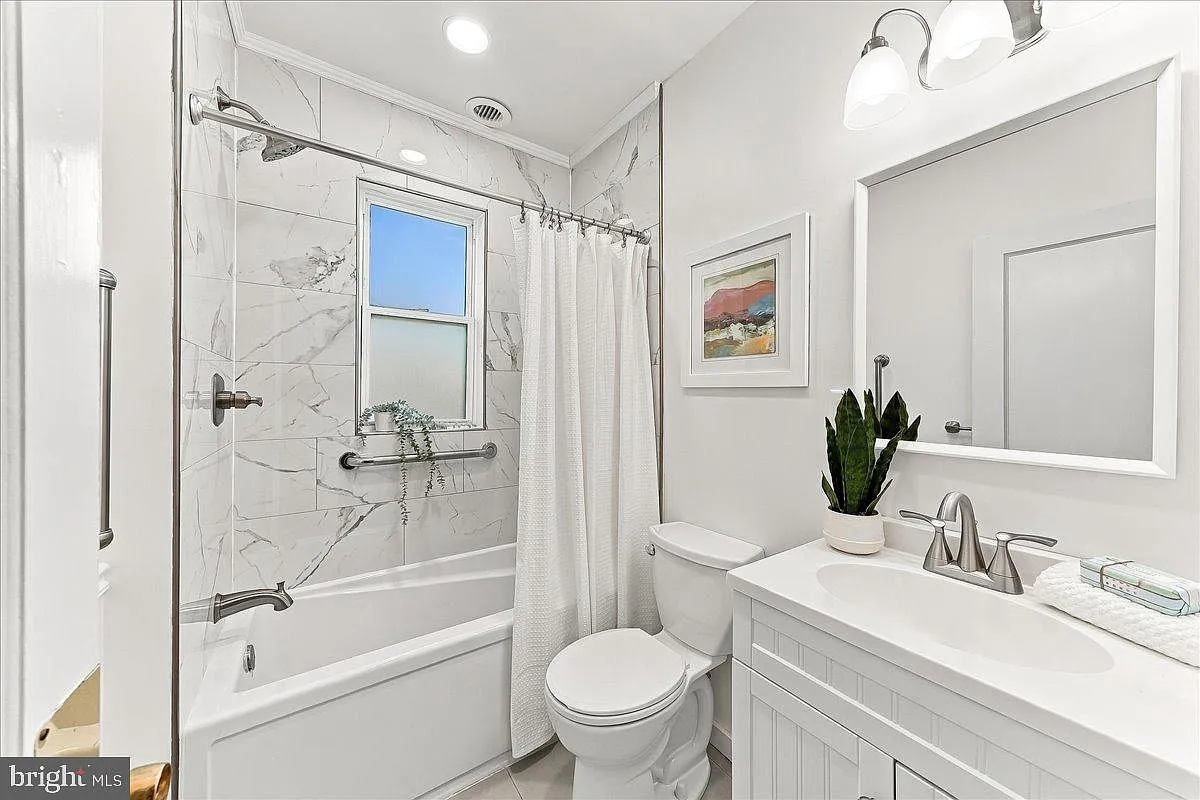
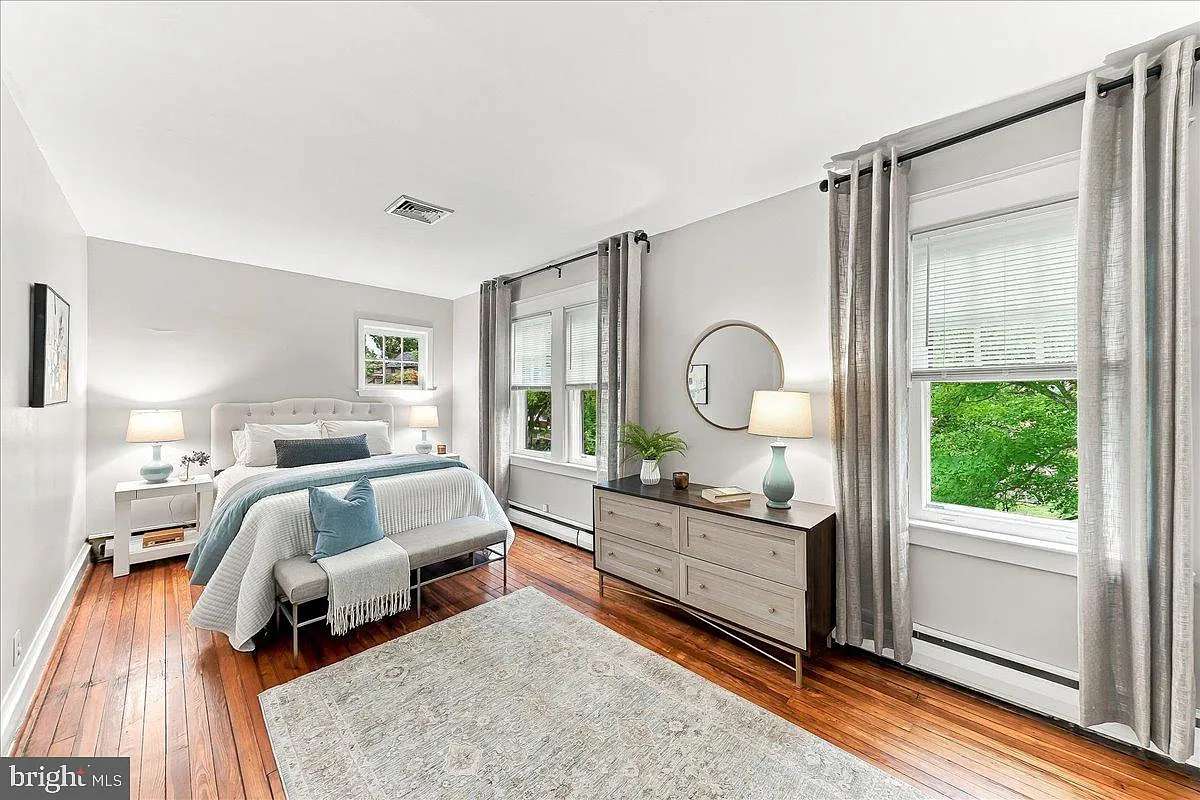
Private bedrooms and accessible bathrooms, designed for safety, comfort, and dignity.
Does it surprise you to learn that dehydration is one of the top ten reasons for hospitalizations among the elderly in the United States? In a climate like ours in Pennsylvania, where the humidity can feel like a heavy blanket, the risk of heat exhaustion is constant. We often think of dehydration as a minor inconvenience, something fixed by a quick bottle of water. However, for a senior in Havertown or Swarthmore, it can lead to kidney failure, heart palpitations, and rapid cognitive decline. When you choose a personal care home that is led by nurses, you are placing your loved one in an environment where these physiological changes are understood at a cellular level. We do not just put a pitcher of water on a bedside table and hope for the best. We understand that hydration is a vital sign, just as important as blood pressure or heart rate.
Recognizing the Subtle Whispers of Dehydration Before They Become a Roar
Do you ever worry that a sudden bout of confusion in your loved one might be something more than just a senior moment or a sign of advancing dementia? One of the most heartbreaking things I see in the nursing profession is a senior being treated for increased cognitive decline when the actual culprit is a simple lack of fluids. Dehydration in the elderly does not always look like a parched throat or a dry tongue. Instead, it often masquerades as a sudden change in personality or a terrifying loss of balance. Picture your mother, who is usually sharp and engaged, suddenly becoming lethargic and disoriented while sitting in her favorite chair in Springfield. You might immediately fear a stroke or a permanent decline in her memory. In reality, her brain may simply be struggling to function because the volume of blood reaching it has dropped due to dehydration. Clinical studies show that even a 2 percent drop in body water can result in significant impairment of short-term memory and physical coordination.
Q: What are the most common non-obvious signs of dehydration that families should look for? Beyond the typical signs of dry mouth, families should be vigilant for sudden confusion, increased falls, or a darkening of urine color. Other subtle indicators include a rapid heart rate, low blood pressure, and a loss of skin elasticity, which nurses check by gently pinching the skin on the back of the hand to see if it "tents" or stays up. If your loved one seems more tired than usual or complains of a headache during a hot Delaware County afternoon, these are immediate red flags that require clinical intervention.
Speak With Our Nursing Team
We help Pennsylvania families navigate senior care decisions with compassion and clinical expertise.
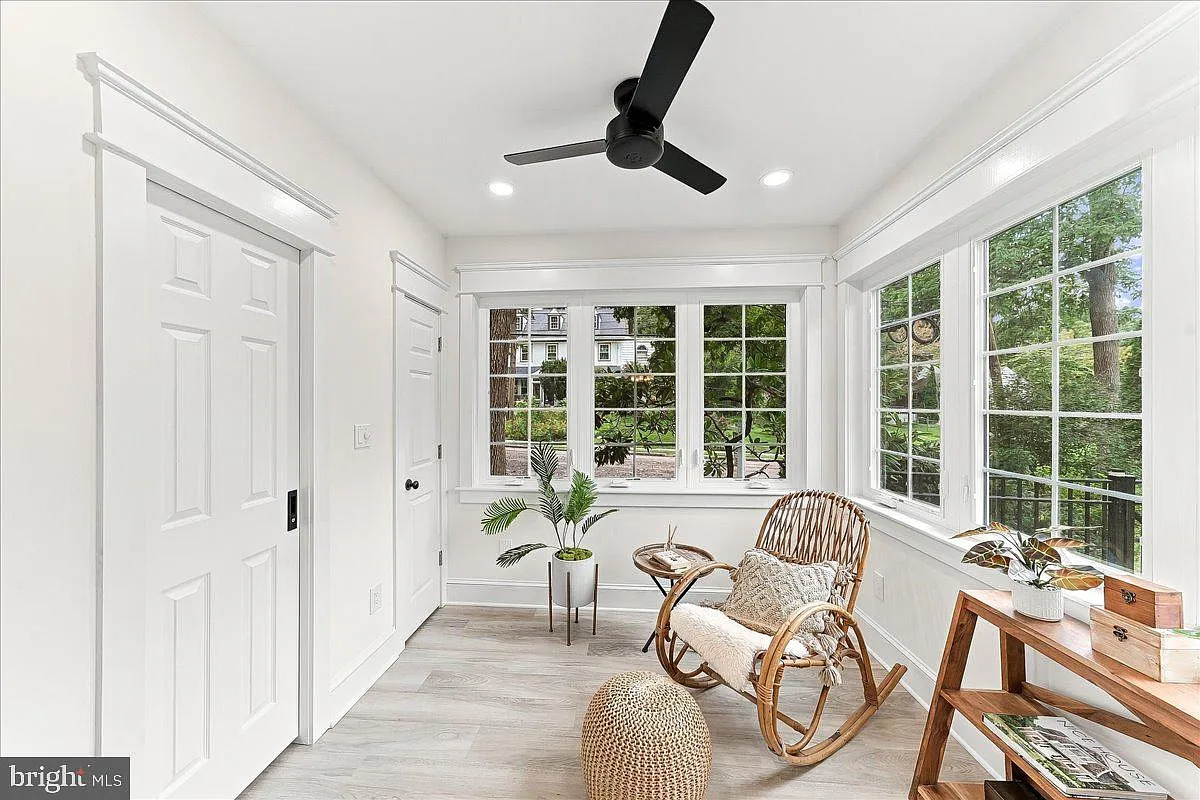
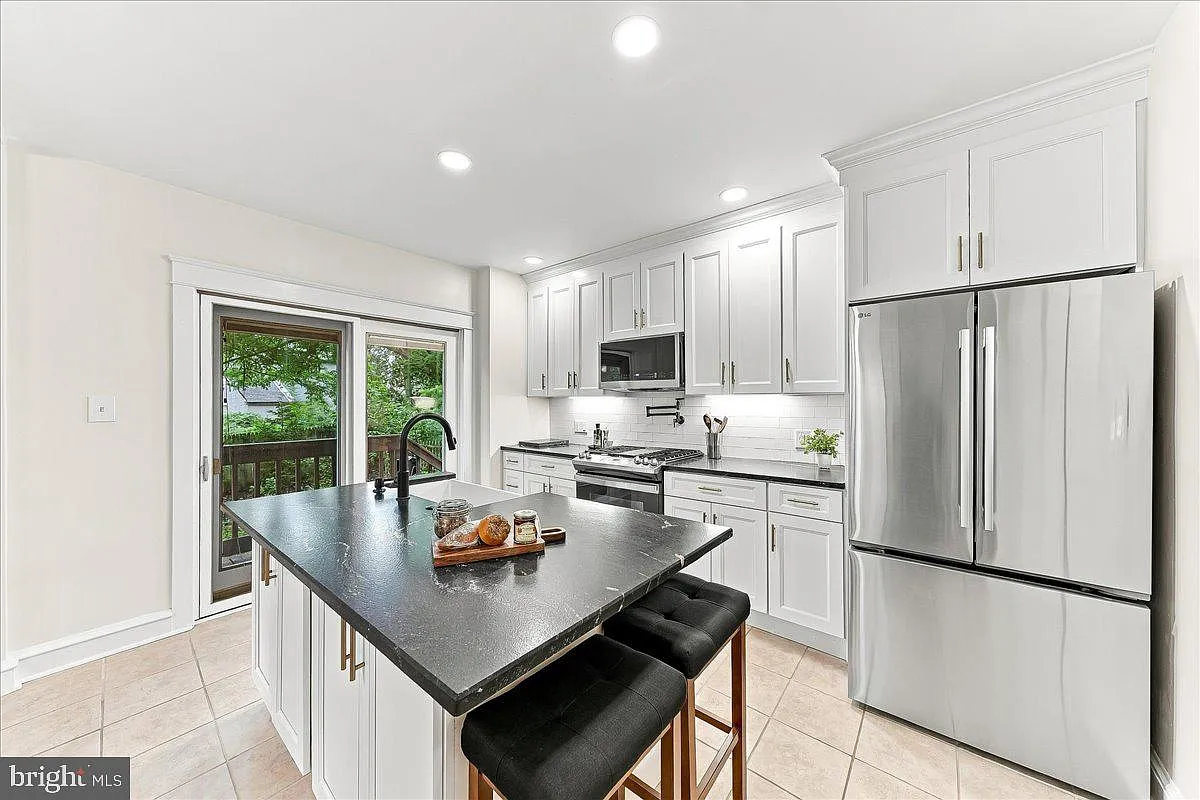
Home-cooked meals in our chef's kitchen and peaceful moments in the sunroom — life at Bell Elite.
Is it possible that we are overlooking the physical impact of a Delaware County heatwave because we are focusing on the wrong symptoms? When the humidity rises in Chester County and Montgomery County, the body works overtime to stay cool. For a senior, this extra work can lead to a rapid depletion of electrolytes. If a nurse is not there to monitor these subtle shifts, a resident might experience a fall that changes their life forever. At Bell Elite Senior Living, our nursing team is trained to spot the "whispers" of dehydration before they become a medical emergency. We watch for the slight stagger in a gait or the quiet withdrawal from social activities that often precedes a crisis. Our phone, (484) 356-1070, is always open to families who are noticing these changes in their loved ones at home and realize they need a higher level of professional scrutiny.
Imagine the peace of mind that comes from knowing a medical professional is assessing your father’s hydration status multiple times a day. We look at the whole person, not just the water glass. We understand that a resident who is taking a new medication for blood pressure might be losing fluids faster than a resident who is not. This level of personalized, nurse-led care is what sets a boutique personal care home apart from a large, corporate facility. We are not just a business; we are a family-owned sanctuary where clinical expertise meets heartfelt compassion.
Have questions about personalized care options? Bell Elite Senior Living's nursing team is ready to help. Call (484) 356-1070 or schedule a free consultation today.
The Hidden Interplay Between Medications and Summer Heat
Is it possible that the very medications keeping your father’s heart healthy are actually putting him at risk for severe dehydration during the Pennsylvania summer? This is a question that many families in the Philadelphia suburbs never think to ask until a crisis occurs. Many common prescriptions for seniors, such as diuretics for heart failure or ACE inhibitors for hypertension, are designed to manage fluid levels in the body. While these drugs are essential for cardiovascular health, they can become a double-edged sword when the temperature climbs in Media or Upper Darby. Nearly 80 percent of seniors take at least one medication that can affect their hydration status, making clinical monitoring an absolute necessity. A nurse knows that when a resident is on a "water pill," their intake must be precisely balanced to avoid a dangerous drop in blood volume.
Speak With Our Nursing Team
We help Pennsylvania families navigate senior care decisions with compassion and clinical expertise.
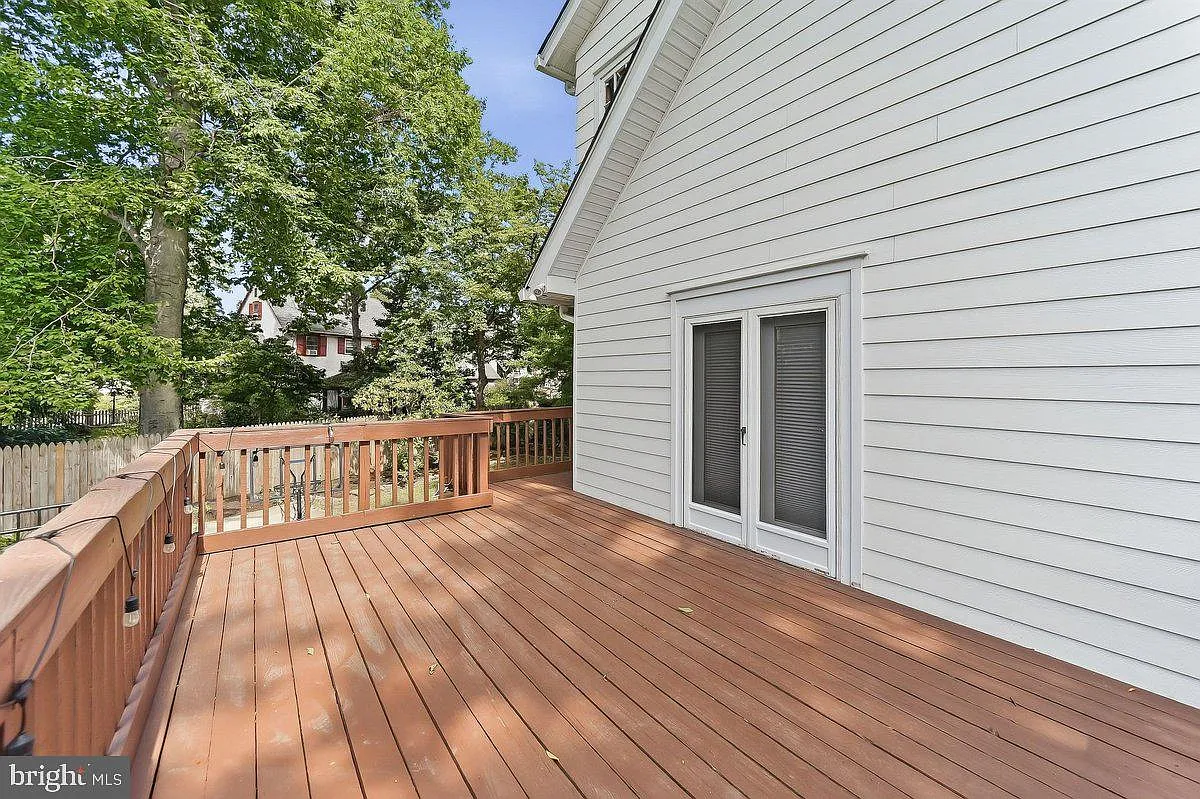
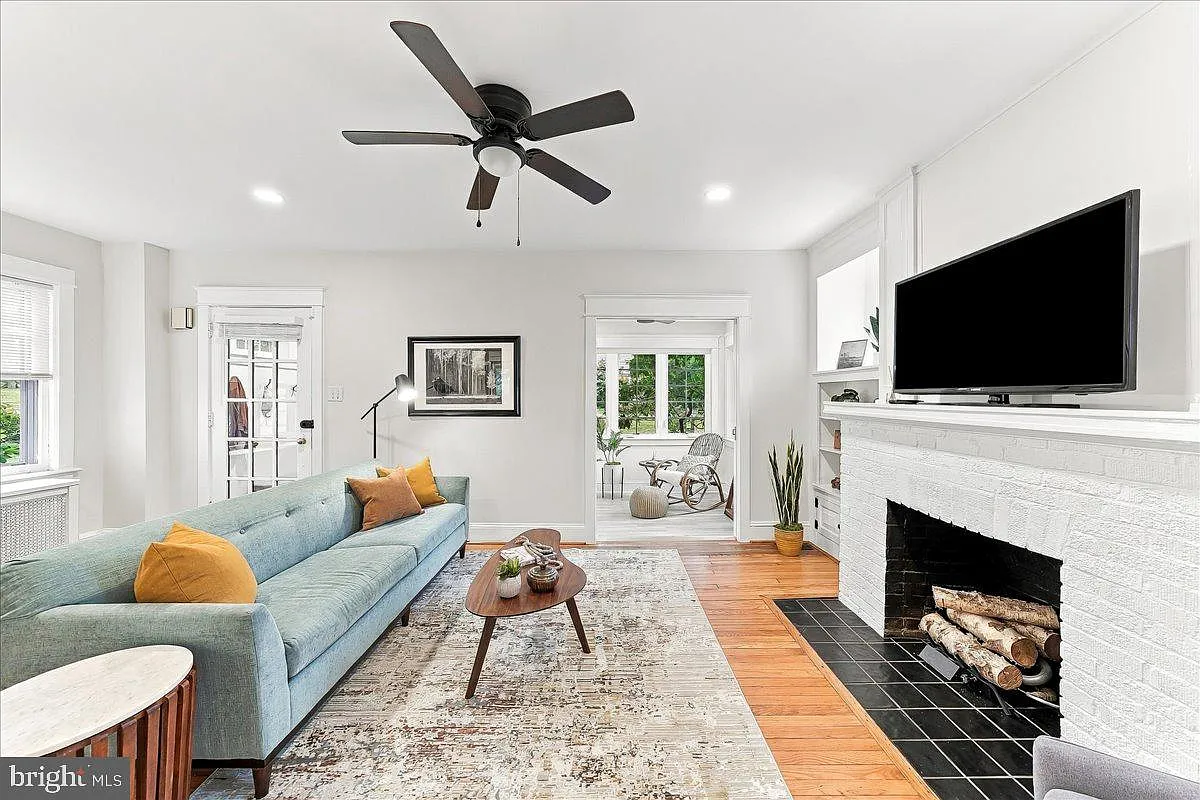
Gather in our warm living room or enjoy fresh air on the deck — every space feels like home.
Q: How do common medications like diuretics impact a senior's hydration needs in the summer? Diuretics, often called water pills, work by encouraging the kidneys to release more sodium into the urine, which in turn takes water with it. This process helps lower blood pressure and reduce swelling. However, during a hot summer in Delaware County, this intentional fluid loss can easily tip over into dehydration if the senior is also losing water through perspiration. A nurse-led team monitors the balance between the medication’s intended effect and the body's need for hydration to ensure the resident remains stable and safe.
Have you considered how a change in weather might necessitate a change in how a medication is managed? When you live in a family-owned personal care home like Bell Elite Senior Living, you have the advantage of a nurse who is constantly communicating with physicians about these nuances. We do not just hand out pills; we manage the complex relationship between chemistry and climate. Imagine a humid afternoon in Swarthmore where the air feels thick enough to drink. A senior on a high dose of a diuretic might need a temporary adjustment or a significantly higher fluid intake to stay safe. Without a nurse to catch this, the resident could face a sudden drop in blood pressure, leading to dizziness and a dangerous fall.
Does the thought of managing these complex medical interactions on your own feel overwhelming? It should, because it is a clinical task that requires professional training. Our team at Bell Elite, reachable at (484) 356-1070, takes this burden off the shoulders of the family. We understand the pharmacokinetics of the medications our residents are taking. We know which antidepressants can interfere with the body's ability to regulate temperature and which supplements might increase the risk of sun sensitivity. In the context of Pennsylvania's elder care regulations, having this level of nurse-led oversight provides a safety net that is unmatched in standard residential settings.
The Nurse-Led Advantage in the Heart of Delaware County
Why does a nurse-led personal care home in the heart of Delaware County offer a layer of safety that standard facilities simply cannot match? It comes down to the difference between "custodial care" and "clinical vigilance." In many assisted living environments, the staff are wonderful people who care deeply, but they may not have the medical training to recognize the early signs of metabolic distress. At Bell Elite Senior Living, the nursing perspective is baked into every decision we make. We are a family-owned home, which means our reputation is built on the health and happiness of every single neighbor who moves in with us. When a nurse is at the helm, hydration is not just a checkbox on a care plan. It is a dynamic, ongoing clinical assessment that changes with the weather and the resident's daily health status.
Q: What is the difference between a traditional personal care home and a nurse-led home like Bell Elite? A traditional personal care home focuses primarily on activities of daily living like dressing, bathing, and meals. While Bell Elite provides all of these services, our nurse-led model adds a layer of clinical oversight. This means that a registered nurse or licensed practical nurse is directly involved in monitoring health trends, managing medications, and identifying early symptoms of illness. In a nurse-led home, there is a higher level of medical intuition and professional accountability, which is particularly vital for seniors with complex health needs.
Imagine a Tuesday afternoon in Havertown where the sun is beating down on the sidewalks. In a typical setting, a staff member might see a resident sleeping in their chair and think they are just resting. A nurse, however, sees the slightly labored breathing and the dry, tacky look of the resident’s lips. The nurse immediately checks the resident's vitals and realizes their heart rate is climbing while their blood pressure is dipping. This quick clinical catch can prevent an emergency room visit and a week-long hospital stay. We are proud to serve families throughout Delaware, Montgomery, and Chester counties, providing a level of care that feels like home but functions like a high-end clinical environment.
Do you value the intimacy of a family-owned business where you can speak directly to the people in charge? When you call (484) 356-1070, you are not reaching a call center in another state. You are reaching a local Delaware County team that knows the best routes to the hospitals in Media and the specific weather patterns of the Philadelphia suburbs. We believe that hydration is the foundation of senior health, and our nurse-led approach ensures that this foundation is never compromised. Whether your loved one is from Drexel Hill or Broomall, they will receive the same meticulous attention that a nurse would give to their own family member.
Ready to explore tailored care solutions? Speak with our coordinators at Bell Elite. Phone: (484) 356-1070 • Request a tour
Creating a Culture of Hydration Beyond the Water Glass
How do we transform the chore of drinking water into a joyful part of the daily routine for seniors living in personal care? Let’s be honest, drinking eight glasses of plain water can be incredibly boring, especially if your taste buds have changed with age. At Bell Elite Senior Living, we realize that hydration needs to be creative to be effective. We don't just hand someone a plastic cup and walk away. Instead, we imagine a world where hydration is delicious. Picture a bright, airy sunroom in our Delaware County home where residents are enjoying infused waters with fresh mint from the garden, sliced cucumbers, and sweet strawberries. We turn hydration into a social event, a moment of connection that residents actually look forward to.
Q: Are there ways to hydrate a senior who refuses to drink plain water? Absolutely, and this is where a nurse-led team can get creative. Many foods have high water content, such as watermelon, oranges, grapes, and even bell peppers. We also utilize hydrating treats like sugar-free popsicles, herbal teas, and nutrient-dense soups. By incorporating these items into the daily menu, we can significantly increase a resident's fluid intake without the struggle of forcing them to drink more water than they want to.
Is it possible that we are underestimating the power of "wet foods" in a senior's diet? When the summer heat hits the Philadelphia suburbs, our kitchen at Bell Elite shifts its focus. We serve chilled gazpacho, fresh fruit salads, and hydrating yogurts. Over 20 percent of a person’s daily water intake typically comes from food, and we work to maximize this percentage for our residents who are less inclined to drink fluids. This holistic approach is part of our commitment to being the premier personal care home in Delaware County. We understand that clinical goals, like proper hydration, are best met when they are wrapped in the comforts of a family-owned home environment.
Q: Can a senior get too much water, and how do nurses monitor for that? While dehydration is the primary concern in the summer, over-hydration or water intoxication can occur, particularly in seniors with certain heart or kidney conditions. This condition, known as hyponatremia, happens when the sodium levels in the blood become dangerously low. A nurse-led team at Bell Elite monitors for signs of fluid overload, such as swelling in the ankles or shortness of breath, ensuring that each resident's fluid intake is perfectly balanced for their specific medical profile.
Do you see how much more there is to hydration than just a simple drink? It is a complex dance of nutrition, clinical monitoring, and social engagement. Whether a resident is from Media, Springfield, or Broomall, they deserve a hydration plan that is as unique as their own medical history. At Bell Elite Senior Living, reachable at (484) 356-1070, we take pride in these details. We know that a happy, hydrated resident is a resident who can enjoy the summer sunsets and the vibrant community life that Delaware County has to offer. We make it our mission to ensure that every resident feels refreshed, revitalized, and ready to engage with the world around them.
The Emotional Freedom of Professional Nurse Oversight
Are you ready to trade the constant anxiety of a Delaware County summer heatwave for the confidence that your loved one is being monitored by clinical experts? For many family members in Havertown and Swarthmore, the summer months are filled with a low-grade dread. You worry every time the thermometer hits ninety degrees. You wonder if your mother remembered to turn on the air conditioning or if your father is drinking enough while he putters around his garden in Drexel Hill. This emotional labor is exhausting. When you choose Bell Elite Senior Living, you are not just choosing a room for your loved one. You are choosing to reclaim your role as a son or daughter, leaving the clinical monitoring to a nurse-led team that you can trust.
Q: How does a nurse-led facility communicate with families about hydration and health status? Communication is a pillar of our family-owned philosophy. At Bell Elite, we provide regular updates to families regarding their loved one's health trends, including hydration levels and any adjustments made to their care plan. If a nurse notices a resident is struggling with the heat, the family is informed immediately of the steps being taken to mitigate the risk. This transparent approach ensures that families in Delaware County and beyond feel like active partners in their loved one's care.
Imagine a Saturday afternoon where you can simply sit and visit with your mother, sharing stories and laughter, without having to nag her about her water intake. You can trust that the nurse has already checked her vitals, ensured she has enjoyed a hydrating snack, and monitored her for any signs of heat stress. This is the "Bell Elite difference." We provide a small, intimate setting where no one gets lost in the shuffle. Because we are local to Delaware County and family-operated, we are deeply invested in the well-being of our community. We are your neighbors, and we treat your loved ones with the same professional rigor and personal warmth that we would expect for our own families.
Q: What should a family look for when touring a personal care home in Delaware County to ensure hydration is a priority? When touring, ask specifically about their staffing ratios and whether there is a nurse on-site to oversee clinical care. Look for visible hydration stations and ask how the staff monitors the fluid intake of residents who have cognitive impairments or who are on diuretics. A quality home like Bell Elite, which can be reached at (484) 356-1070, will have clear, clinically-backed protocols for heatwaves and hydration management.
Does the thought of your loved one being safe and cool during the Philadelphia summer bring you a sense of relief? That relief is exactly what we aim to provide. From the moment you call (484) 356-1070, you will feel the difference that a nurse-led, family-owned approach makes. We understand the specific needs of seniors in the Delaware County area because we live and work here too. We are not a corporate chain; we are a dedicated personal care home where hydration is recognized as a vital pillar of health. Let us take the worry out of the summer heat so you can focus on making more beautiful memories with the people who matter most. The Pennsylvania summer can be harsh, but with the right clinical team by your side, your loved one can thrive in comfort, safety, and health.
A Glimpse Inside Bell Elite
A warm, family-like residence — not an institution. Every space is designed for comfort, safety, and dignity.
Ready to Take the Next Step?
Bell Elite Senior Living is a nurse-led, family-owned personal care home in Delaware County, Pennsylvania. We're here to help.
Proudly Serving Families Across the Greater Philadelphia Region
Bell Elite Senior Living is a nurse-led, family-owned personal care home located in Delaware County, Pennsylvania — and we proudly serve families from across the entire Greater Philadelphia area and surrounding communities. Whether you are searching for a personal care home in Delaware County PA, exploring senior living options near Philadelphia, or looking for compassionate elder care for a loved one in Montgomery County, Bucks County, or Chester County, our team is here to help guide you through every step of the decision.
Families come to Bell Elite from throughout Philadelphia and its suburbs — including Upper Darby, Havertown, Drexel Hill, Broomall, Swarthmore, Media, Springfield, Lansdowne, Darby, Collingdale, and Sharon Hill in Delaware County; Ardmore, Norristown, Lansdale, Cheltenham, Abington, Blue Bell, Jenkintown, Ambler, and Horsham in Montgomery County; Doylestown, Newtown, Langhorne, Bristol, Yardley, Quakertown, and Levittown in Bucks County; and West Chester, Malvern, Exton, Downingtown, Phoenixville, Coatesville, and Paoli in Chester County. We are also a trusted resource for families in South Jersey communities such as Cherry Hill, Voorhees, Marlton, Moorestown, Mount Laurel, Haddonfield, Collingswood, and Camden County who are seeking high-quality personal care across the river in Pennsylvania. Families from Wilmington, Newark, and New Castle County, Delaware also regularly choose Bell Elite for its clinical excellence and intimate, home-like setting.
Our central location in Delaware County puts us within easy reach of Center City Philadelphia, the Main Line, South Philadelphia, Northeast Philadelphia, and the Philadelphia suburbs — making visits from family members throughout the region straightforward and stress-free. We understand that choosing the right personal care home is one of the most important decisions a family will make, and distance should never be a barrier to accessing exceptional, nurse-led care.
Frequently Asked Questions About Our Service Area
Does Bell Elite Senior Living serve families from Philadelphia?
Yes. Bell Elite Senior Living is located in Delaware County, PA, just minutes from Philadelphia. We regularly welcome residents and their families from across Philadelphia, including South Philly, Northeast Philadelphia, Kensington, Germantown, and Center City.
Do you accept residents from Montgomery County, PA?
Absolutely. We serve families throughout Montgomery County including Norristown, Ardmore, Lansdale, Cheltenham, Blue Bell, Jenkintown, and Ambler. Our nurse-led care model is a popular choice for families across the Philadelphia suburbs.
Can families from Bucks County place a loved one at Bell Elite?
Yes. Many of our residents come from Bucks County communities such as Doylestown, Newtown, Yardley, Langhorne, and Bristol. Our facility is easily accessible from Route 1 and I-95 corridors.
Do you serve Chester County families looking for personal care?
Yes. Families from West Chester, Malvern, Exton, Downingtown, Phoenixville, Paoli, and Coatesville in Chester County frequently choose Bell Elite for our small resident count, clinical oversight, and personalized care plans.
Is Bell Elite an option for families in South Jersey near Philadelphia?
Yes. Many families from Cherry Hill, Voorhees, Marlton, Mount Laurel, Haddonfield, Moorestown, and Camden County in New Jersey choose Bell Elite Senior Living in nearby Delaware County, PA for its nurse-led care and welcoming environment.
Do you accept residents from Delaware (Wilmington, Newark, New Castle County)?
Yes. Families from Wilmington, Newark, Middletown, and throughout New Castle County, Delaware have placed loved ones at Bell Elite. Our location in Delaware County, PA makes us a convenient and high-quality option for Delaware families seeking nurse-led personal care.
How do I find out if Bell Elite can serve my family's location?
Call us at (484) 356-1070 or visit our contact page. We serve the entire Greater Philadelphia region and surrounding areas and are happy to discuss your specific situation, schedule a tour, and answer any questions about our care services.
Related Articles



Related Care Services at Bell Elite
Our nurse-led personal care home in Lansdowne, PA offers specialized services for seniors across the Greater Philadelphia region.
Personal Care Home Near You
Bell Elite is located in Lansdowne, PA — minutes from Philadelphia. See care details for your community:
Have Questions After Reading?
Our nursing team offers free, no-pressure consultations for Pennsylvania families.
Talk to a nurse, not a salesperson. Our team includes RNs, LPNs, a PMHNP, and Family Nurse Practitioners.