

Reducing falls: Why room layout matters in senior living homes
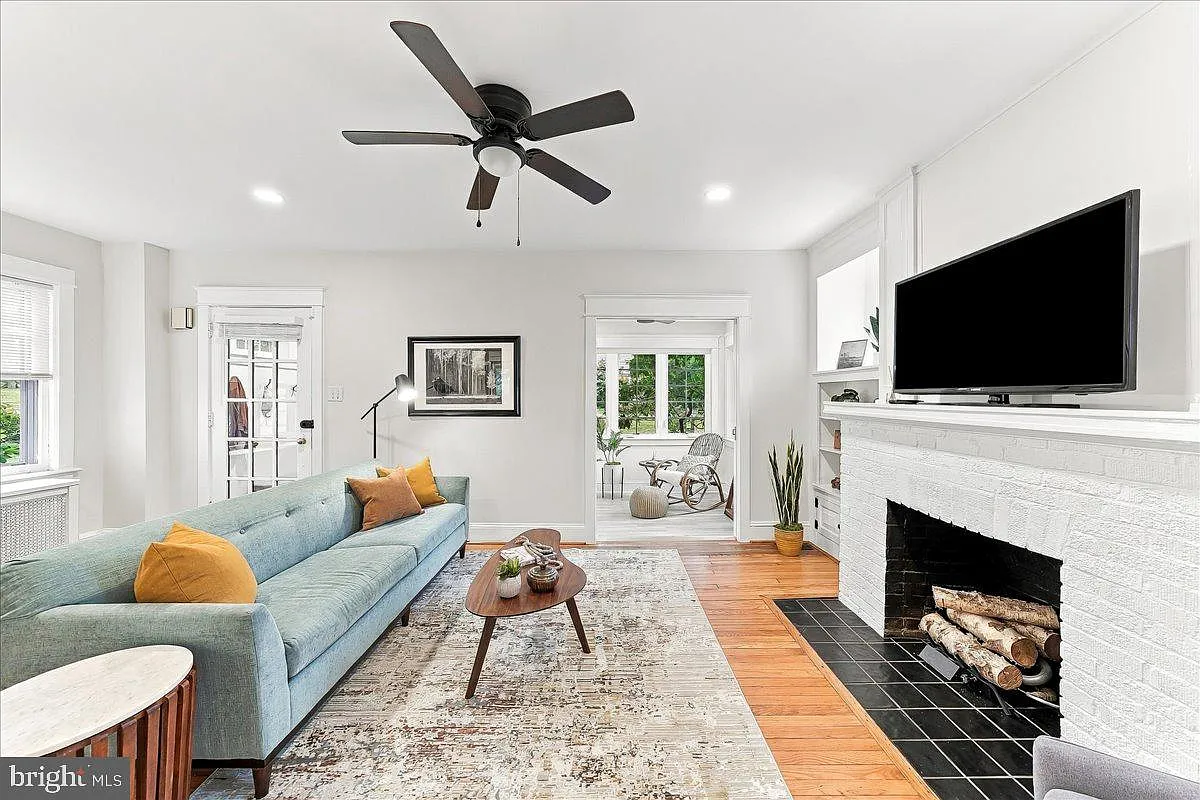
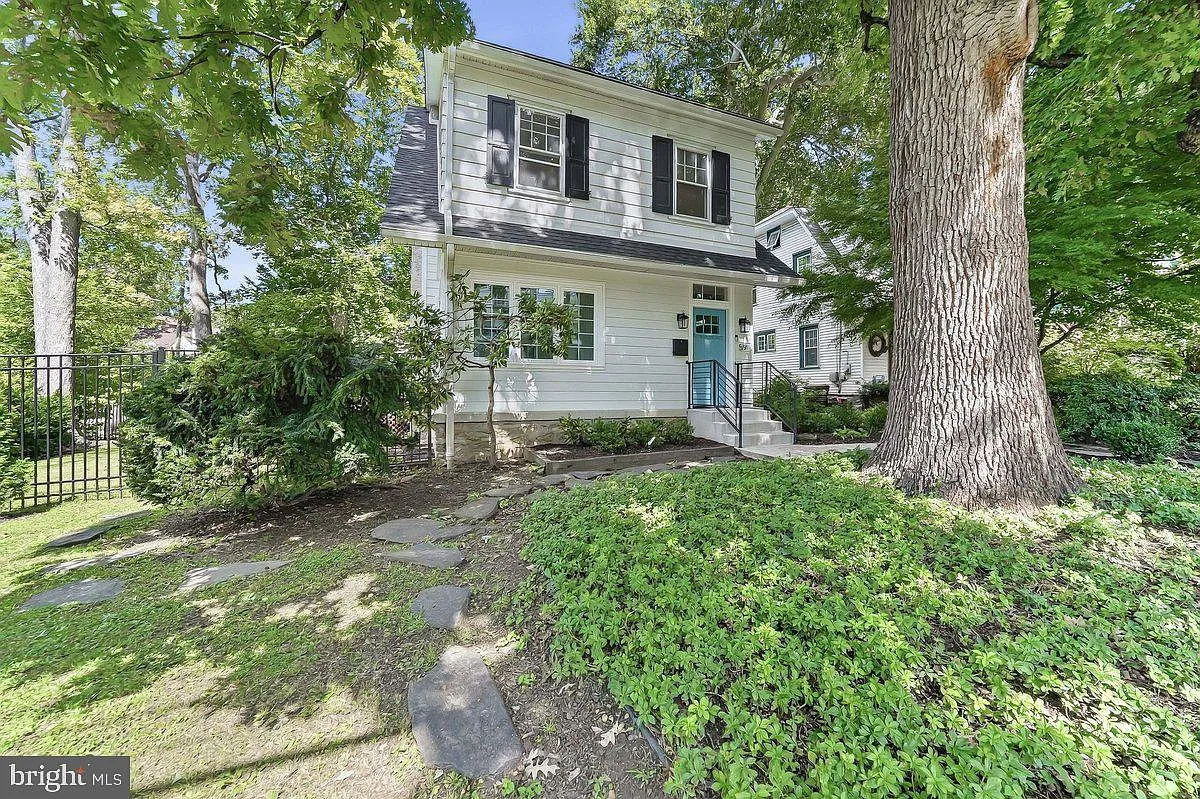
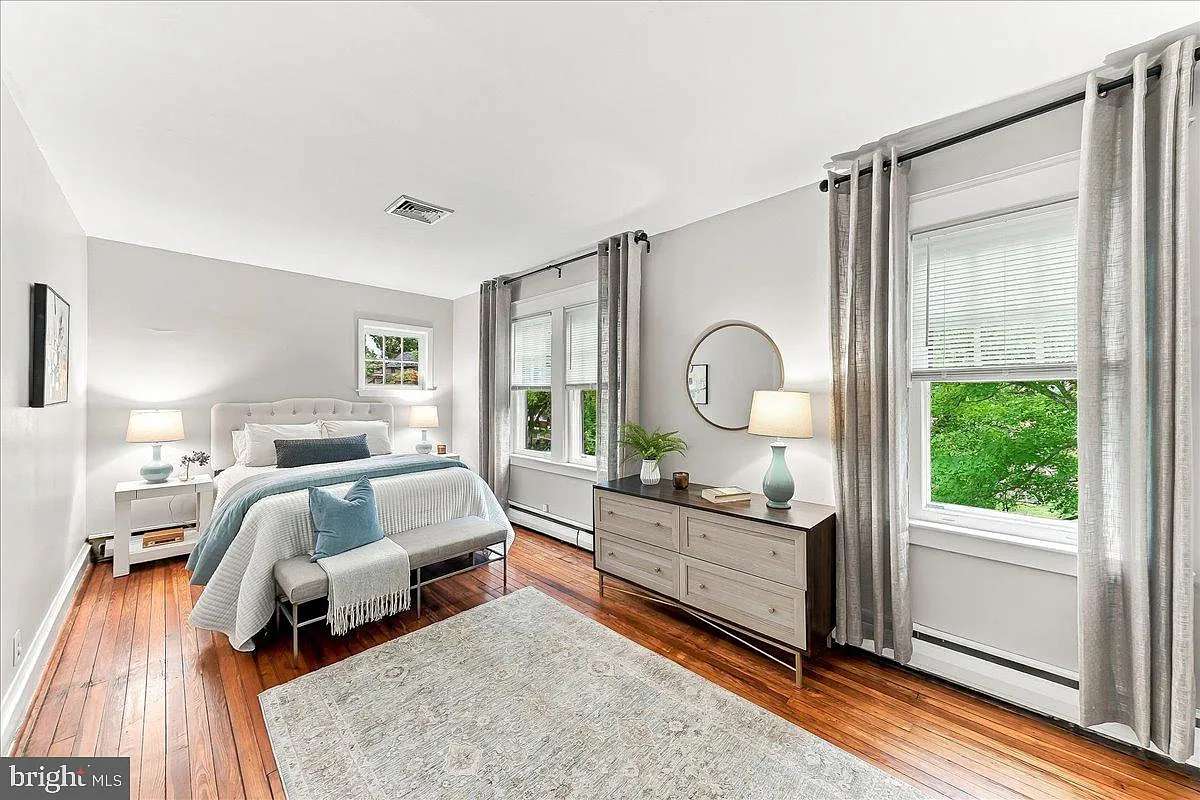
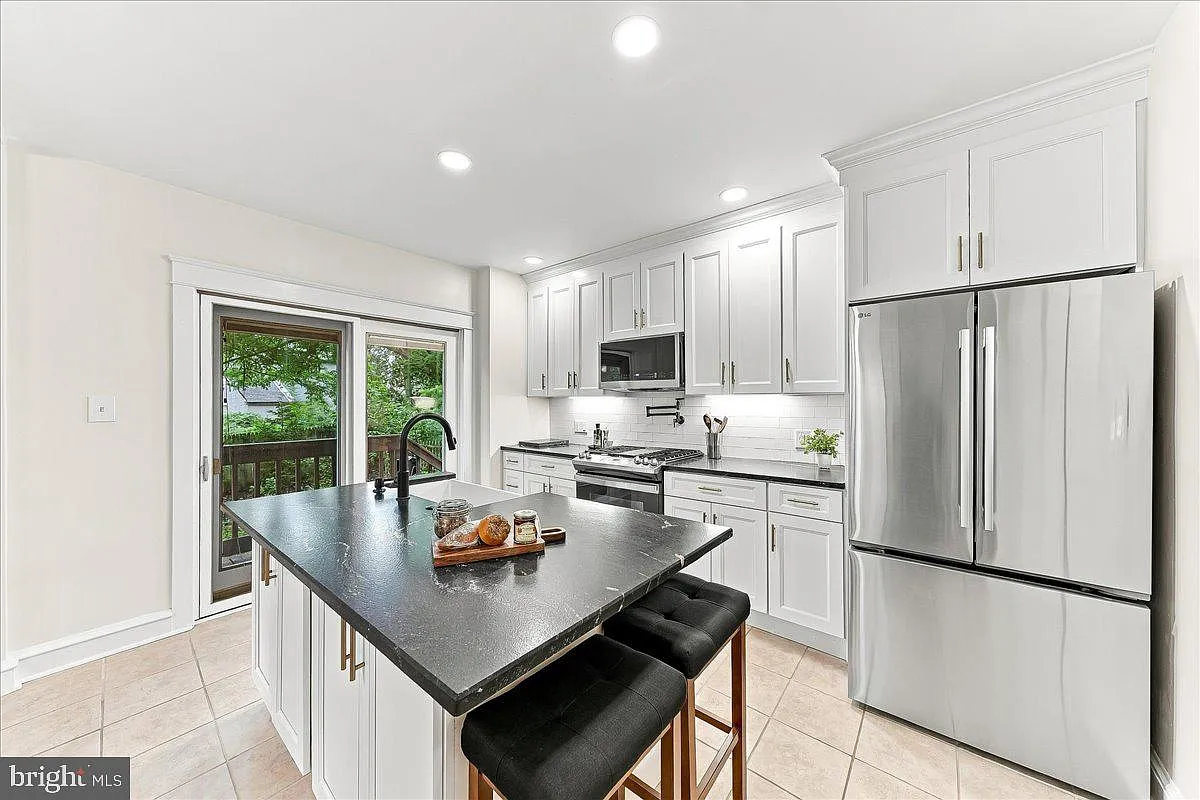
Bell Elite Senior Living — a nurse-led, family-owned personal care home in Lansdowne, PA. Warm living spaces, private bedrooms, and a chef's kitchen — come see the difference.
Have you ever stood in your loved one’s bedroom and felt a sudden, inexplicable sense of dread just looking at the clutter?
It is a feeling many of us in Delaware County know all too well, especially when we realize that the homes where we raised our families are no longer the safe havens they once were. Picture this: your mother, who once navigated the stairs of her Upper Darby home with ease, now pauses at every threshold, her eyes searching for a sturdy handhold that isn't there. As a nurse who has spent years walking the halls of personal care homes and hospitals, I can tell you that a fall is rarely just a random accident. Instead, it is often the final result of a environment that stopped communicating with the person living inside it. Fall prevention is not just about balance exercises or non-slip socks; it is fundamentally about the geometry of the space.
Why do we wait until a crisis occurs before we look at the way a room is organized? For many families in Springfield or Broomall, the realization that a layout is dangerous comes only after a late-night call from the emergency room. We often think of interior design as a luxury or an aesthetic choice, but when it comes to senior living, every inch of floor space is a medical decision. Statistically, one out of every four older adults falls each year, and the home environment is a contributing factor in nearly half of those incidents. When we talk about room layout, we are talking about life and death, about the difference between a dignified evening at home and a long recovery in a rehabilitation center.
Have you noticed how your loved one navigates their current space, perhaps by "furniture walking" from the dresser to the bed? Do they seem to hesitate when moving from a carpeted area to a hardwood floor? These small cues are the whispers of a looming fall. At Bell Elite Senior Living, we take these whispers seriously because we understand that a nurse-led environment must be proactive rather than reactive. We look at the way a door swings, the height of a windowsill, and the distance between a chair and a light switch with a clinical eye. Personal care homes in Pennsylvania must adhere to strict safety regulations, but we believe the gold standard should be even higher than what the state requires.
Speak With Our Nursing Team
We help Pennsylvania families navigate senior care decisions with compassion and clinical expertise.
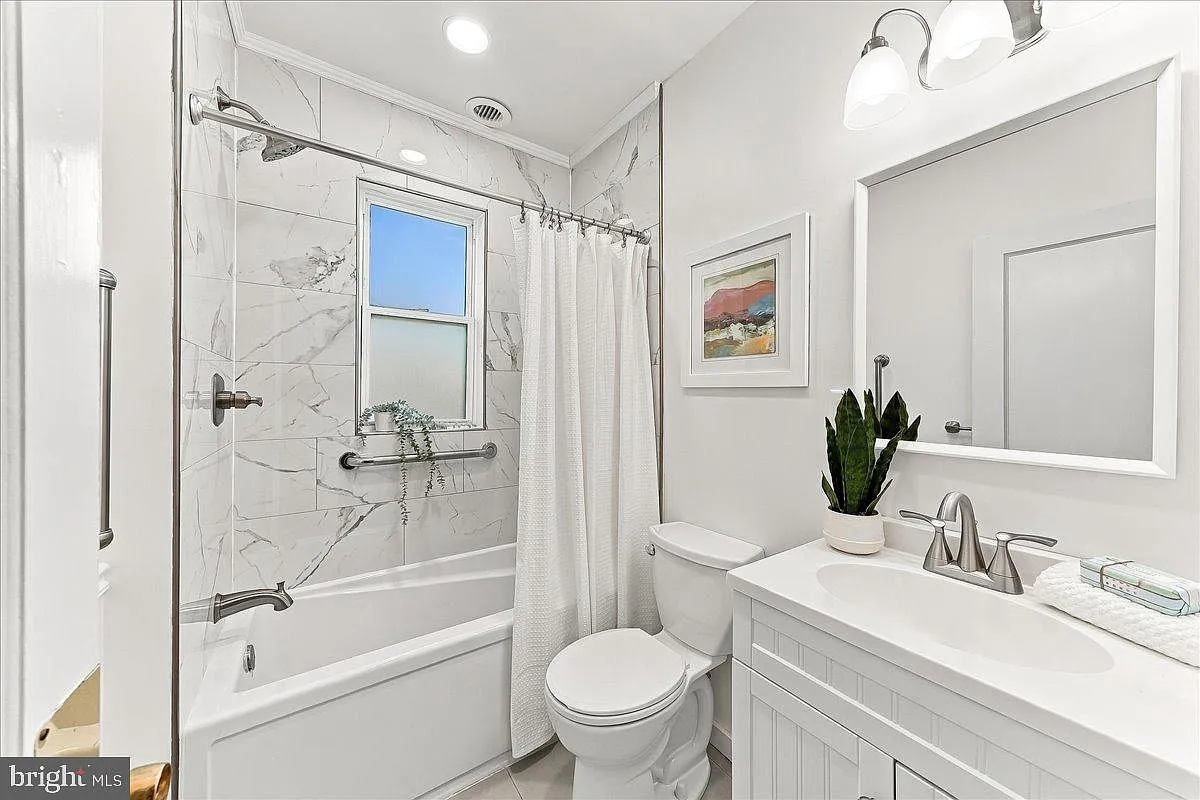
Private bedrooms and accessible bathrooms, designed for safety, comfort, and dignity.
Q: What is the single most common room layout mistake that leads to falls for seniors in Delaware County? The most frequent error is the use of "transitional furniture" like rolling carts or unstable end tables that a senior might grab for support during a moment of dizziness. Many families try to help by placing more items within reach, but this often creates a cluttered path that requires sharp turns, which are the primary cause of balance loss. A safe room layout prioritizes wide, straight paths and heavy, bolted-down furniture that can actually support a person's weight if they need to steady themselves.
It is heartbreaking to see a beautiful home become a cage, yet that is exactly what happens when the layout is not optimized for aging. Can you imagine the anxiety of waking up in the middle of the night and realizing the path to the bathroom is a literal obstacle course of rugs and cords? This is why our family-owned approach at Bell Elite Senior Living focuses on creating an environment that feels like a home but functions like a specialized care suite. Nurse-led care means we understand the physical limitations of the human body as it ages, and we design the space to accommodate those changes. If you are worried about how your loved one is managing their current space, please know you are not alone in this journey. We are here to help you navigate these choices, and you can always reach us at (484) 356-1070 to discuss your specific concerns.
Is the layout of a room just about aesthetics or is it actually a medical necessity for a senior?
When you walk into a room, your brain instantly maps out a path, but for a senior with declining vision or mobility, that map can become blurred and confusing. Imagine this: your father is trying to reach his favorite armchair in his Media apartment, but he has to sidestep a decorative planter and a stack of magazines just to get there. To a healthy adult, this is a minor inconvenience, but to someone with Parkinson's or general frailty, this is a high-risk maneuver. The science of room layout for seniors, often called environmental psychology, suggests that a clear line of sight to a destination reduces the cognitive load required to move. When the brain doesn't have to work as hard to navigate the room, it can focus more on the physical act of walking.
Speak With Our Nursing Team
We help Pennsylvania families navigate senior care decisions with compassion and clinical expertise.
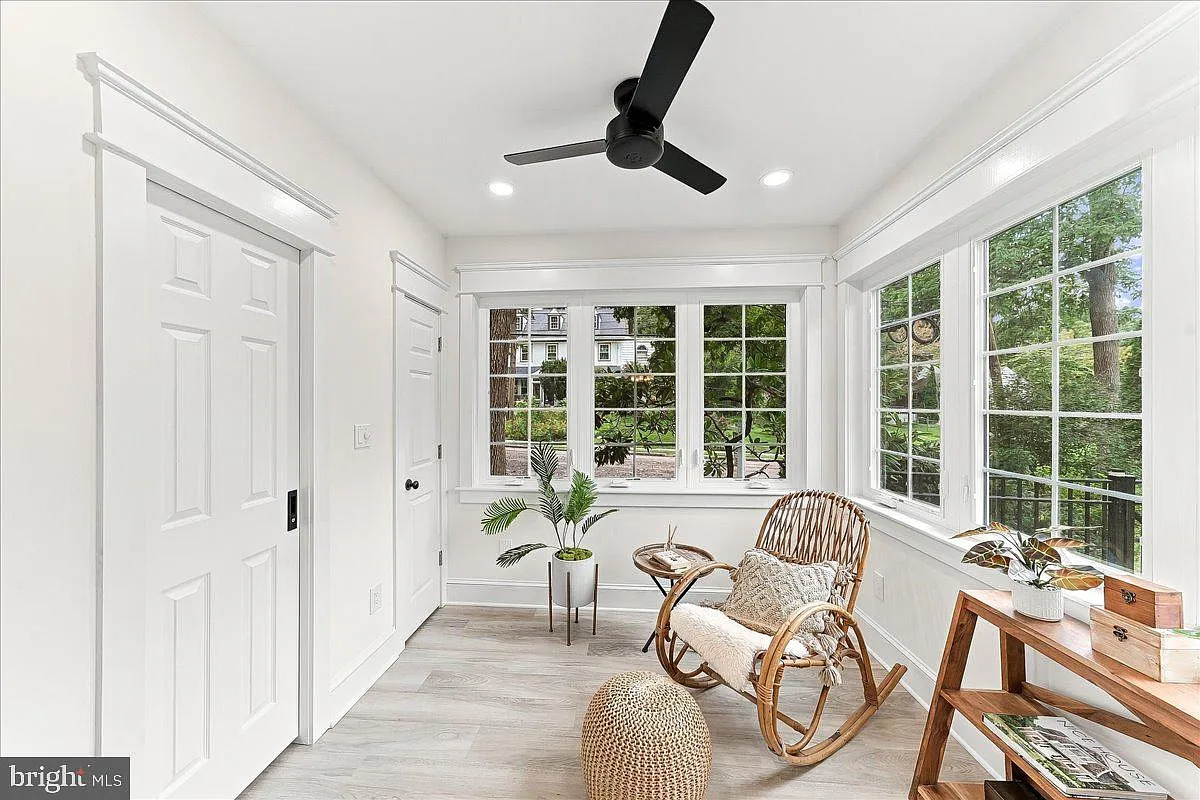
Home-cooked meals in our chef's kitchen and peaceful moments in the sunroom — life at Bell Elite.
Do you know why we see so many hip fractures in the suburbs of Philadelphia during the winter months? It isn't just the ice outside; it is the fact that we spend more time indoors in cramped spaces that aren't designed for walkers or canes. A walker requires a turning radius of at least thirty to forty inches, yet many traditional homes in Havertown or Drexel Hill have doorways and hallways that barely meet that requirement. When a senior has to squeeze through a space, they often tuck their elbows in or shift their center of gravity, which is a recipe for a tumble. At Bell Elite Senior Living, we ensure that every room is mapped out to allow for fluid movement, whether a resident is using a mobility aid or walking independently.
Q: Can a room be too large for a senior, or is more space always better for fall prevention? Actually, a room can be too large if there are no "rest stations" or handholds along the way. In a massive, open-concept room, a senior may feel vulnerable because they are too far away from a wall or a piece of furniture to steady themselves if they feel faint. The ideal layout provides a balance: wide enough for a walker but with strategically placed, stable furniture that acts as a safety net without cluttering the path.
What about the rugs that have been in the family for generations? We all love the warmth of a Persian rug, but in the world of senior safety, a rug is often a "trip wire" waiting to happen. Studies show that even low-pile area rugs increase the risk of trips by over thirty percent for seniors with a shuffling gait. If you are looking at a personal care home in Delaware County, one of the first things you should check is the flooring. Is it consistent? Is it non-slip? At Bell Elite Senior Living, we prioritize seamless flooring transitions because we know that a change in texture can cause a senior to catch their toe and lose their balance.
Have questions about personalized care options? Bell Elite Senior Living's nursing team is ready to help. Call (484) 356-1070 or schedule a free consultation today.
Why does the bathroom remain the most dangerous room in a personal care home regardless of how many grab bars are installed?
Speak With Our Nursing Team
We help Pennsylvania families navigate senior care decisions with compassion and clinical expertise.
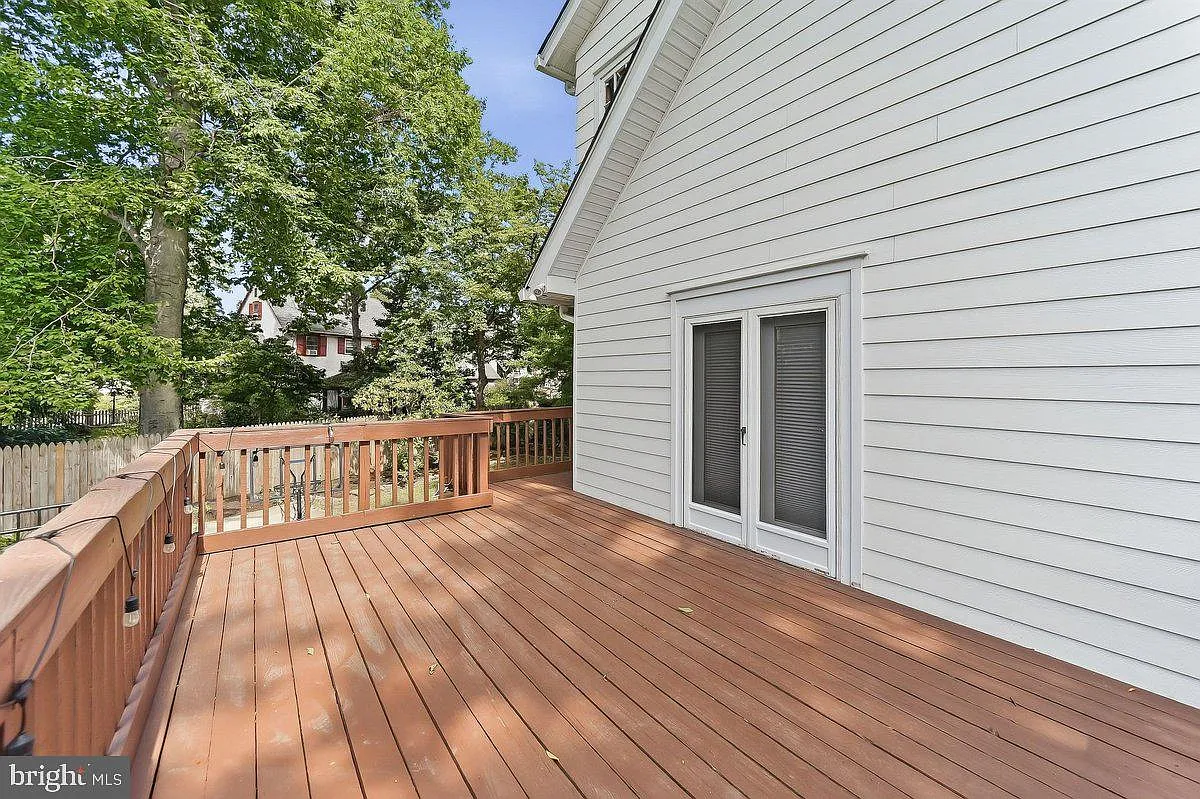
Gather in our warm living room or enjoy fresh air on the deck — every space feels like home.
If we were to look at the data for all of Pennsylvania, we would see that the bathroom is the site of the vast majority of serious falls. But have you ever stopped to ask why, even in homes that have been "senior-proofed," the danger persists? Picture this: a resident in a Swarthmore facility wakes up at two in the morning, slightly disoriented, and heads to the bathroom. The floor is cold, the light is blindingly bright once switched on, and there is a tiny bit of condensation on the tile from an earlier shower. Even with a grab bar, the combination of sensory overload and a slippery surface creates a perfect storm for an accident. Layout matters here more than anywhere else because the transition from a dry bedroom to a potentially wet bathroom is a high-risk moment.
Is the toilet at the right height, or is your loved one struggling to stand up, putting immense strain on their knees and causing a drop in blood pressure? This phenomenon, known as orthostatic hypotension, often leads to dizziness the moment a senior stands up. A nurse-led home like Bell Elite Senior Living understands that a bathroom layout must include space for a senior to sit and regain their balance before they attempt to walk back to bed. We don't just put a bar on the wall; we look at the entire sequence of movements required to use the facility safely. Does the door open outward so that if a fall does occur, the resident's body doesn't block the door? These are the questions we ask every single day.
Q: Are walk-in tubs really safer than walk-in showers for seniors with mobility issues? Surprisingly, walk-in showers with a zero-entry threshold are generally safer than walk-in tubs. A tub requires the senior to step over a ledge, even if it is a low one, and the process of waiting for the tub to fill and drain can lead to chilling or agitation. A zero-entry shower allows for a seamless transition with a walker or shower chair, significantly reducing the risk of a slip during the most vulnerable parts of the bathing process.
Think about the lighting in the bathroom for a moment. Is there a glare reflecting off the mirror or the tiles? For a senior with cataracts or glaucoma, that glare can be physically painful and visually disorienting. We design our spaces at Bell Elite to minimize reflective surfaces and maximize soft, even lighting that illuminates the floor without creating harsh shadows. Shadows are often misinterpreted by seniors with cognitive decline as holes in the floor, which can cause them to freeze or take a sudden, dangerous step to avoid the perceived obstacle. By managing the layout and the lighting together, we create a sanctuary of safety for our residents in Delaware County.
If you have ever felt that pit in your stomach when you hear your loved one heading to the bathroom in the middle of the night, you know why we are so passionate about this. It isn't just about plumbing; it's about peace of mind. Our family-owned home is built on the belief that safety should be invisible, built into the very bones of the building so that residents can just focus on living. We invite you to call us at (484) 356-1070 to learn more about how our nurse-led team handles these critical details.
Could something as simple as a shadow on the floor cause your mother to lose her balance?
It sounds almost too simple to be true, doesn't it? Yet, for the aging eye, the world is a different place. As we get older, our pupils shrink and the lenses of our eyes yellow, which means we need significantly more light to see the same level of detail as a younger person. In fact, a sixty-year-old requires three times as much ambient light as a twenty-year-old to function safely. Imagine your loved one in their Springfield home, trying to navigate a hallway at dusk. The shadows stretch across the floor, and to their eyes, the dark patch of carpet looks like a step down or a gap. They reach out for a wall that isn't there, and in that split second, a fall happens.
Have you noticed your loved one squinting or trailing their hand along the wall even in broad daylight? This is a sign that their environment is not providing enough visual feedback. In a well-designed personal care home, the layout includes high-contrast elements that help the brain distinguish between the floor, the walls, and the furniture. For example, a dark chair against a light wall is much easier to see than a beige chair against a tan wall. At Bell Elite Senior Living, we use color and light as tools for safety, ensuring that every resident can clearly see where one surface ends and another begins.
Q: How does the "circadian rhythm" affect fall risks in personal care homes? Our bodies are programmed to be alert during the day and sleepy at night based on light exposure. If a senior's room is too dark during the day or has too much blue light at night, their internal clock gets disrupted. This leads to poor sleep, which in turn leads to daytime grogginess and an increased risk of falls. A layout that maximizes natural light during the day and uses warm, low-level amber lights at night helps keep seniors alert when they are moving and rested when they are in bed.
We also have to consider the placement of windows in the room layout. While a view of the beautiful Pennsylvania landscape is wonderful for mental health, a window that creates a bright glare on a polished floor can be a hazard. Nurse-led care involves assessing how the sun moves through the room throughout the day to ensure that there are no times when a resident is blinded by the light. We use sheer curtains or adjustable blinds to manage this, ensuring the room remains bright but the light is diffused and safe.
If you are looking at facilities in the Philadelphia suburbs, ask them how they handle lighting and contrast. Do they just have standard overhead fluorescent lights, or have they put thought into the visual needs of their residents? At Bell Elite, we treat light as a vital sign, just as important as blood pressure or heart rate. We want our residents to feel confident in every step they take, and that starts with making sure they can see exactly where they are going. If you want to see our approach in action, please reach out to us at (484) 356-1070.
Ready to explore tailored care solutions? Speak with our coordinators at Bell Elite. Phone: (484) 356-1070 • Request a tour
How do you choose a facility that prioritizes these minute details without feeling like you are living in a hospital?
This is the great challenge for families in Delaware County: finding that perfect balance between a clinical level of safety and the warmth of a family home. Have you ever walked into a facility and felt an immediate chill because it looked like a sterile ward? We believe that safety shouldn't have to look industrial. A nurse-led, family-owned home like Bell Elite Senior Living is designed to feel like a residence first, but with the hidden infrastructure of a top-tier medical environment. This means the grab bars are integrated into the decor, the flooring is beautiful but high-friction, and the layout feels intuitive rather than institutional.
Why is the "nurse-led" aspect so critical when it comes to the physical layout of a personal care home? It is because nurses see the consequences of poor design every day in the clinical setting. We know that a resident with dementia might become agitated by a busy pattern on a carpet, or that someone with a recent hip replacement needs a chair with firm arms to help them stand. We bring that bedside knowledge into the way we arrange our communal spaces and private rooms. When you visit us, you won't see a "one size fits all" approach; you will see a space that has been curated by professionals who understand the nuances of aging.
Q: Can I bring my own furniture to Bell Elite Senior Living, or is that a safety risk? We encourage residents to bring familiar pieces because it helps with the transition and emotional well-being. However, our nursing team performs a "safety audit" on every piece of furniture brought into the home. If a favorite armchair is too soft for a senior to get out of safely, we will talk to the family about modifications like adding firm cushions or furniture risers to ensure that the piece stays in the room without becoming a fall hazard.
Does the facility you are considering in Media or Havertown allow for this level of personalization while maintaining safety? Often, larger corporate-run homes have rigid rules that don't account for the individual needs of the resident. As a family-owned home, we have the flexibility to adapt the room layout to the specific mobility needs of your mother or father. If they always turn to the left when they get out of bed, we will make sure the path to the bathroom is clear on that side. This level of detail is only possible when the owners are also the people providing the care.
Q: How do nurse-led homes handle fall risk assessments differently than traditional facilities? In a traditional setting, a fall risk assessment might be a checklist performed once a month. In a nurse-led home like Bell Elite, it is a continuous process of observation. We notice if a resident's gait has changed, if they are leaning more heavily on furniture, or if they seem hesitant in certain areas of the home. This allows us to adjust the layout or the care plan immediately, often preventing a fall before it ever happens.
Choosing the right home is one of the most stressful decisions a family can make, but it becomes easier when you know the environment is working with you, not against you. We take pride in our Delaware County roots and our commitment to the seniors in our community. We aren't just a business; we are a family looking after your family. If you have questions about how we can make a safe, comfortable space for your loved one, we are just a phone call away at (484) 356-1070.
Does the emotional comfort of a well-designed room actually translate to better physical health outcomes for residents in Delaware County?
It is a question that goes to the heart of what we do: is there a link between a senior's environment and their overall health? The answer is a resounding yes. When a senior feels safe and confident in their space, they are more likely to be active, and physical activity is the best way to prevent the muscle atrophy that leads to falls. If a resident is afraid of their room layout, they will stay in their chair or bed, leading to a downward spiral of weakness and isolation. By creating a layout that encourages movement, we are actually prescribing a form of medicine.
Imagine your loved one feeling the freedom to walk to the window to watch the birds or to go to the doorway to greet a friend without the constant fear of tripping. This sense of agency is vital for mental health, especially for those who have spent their lives in independent homes in Broomall or Swarthmore. At Bell Elite Senior Living, we believe that a room should be a launchpad for life, not a place where someone stays to avoid danger. Our nurse-led team is constantly looking for ways to empower our residents through their environment.
Q: Why are open floor plans sometimes worse for seniors than rooms with clear dividers? While open floor plans are trendy, they can be disorienting for seniors with cognitive impairment. Without clear "anchors" like a wall or a sturdy piece of furniture, a senior may lose their sense of where they are in the space, leading to anxiety and balance issues. A well-designed room uses layout to define different areas—sleeping, sitting, and grooming—which helps the senior's brain organize their daily activities.
What happens if a fall does occur despite all our best efforts? In a layout-optimized home, the consequences are often much less severe. Because our furniture is positioned to avoid sharp edges and our floors are designed to absorb some of the impact, a fall that might have been a fracture in a traditional home might only be a minor bruise at Bell Elite. We also ensure that every area of the room is accessible to staff, so if someone does need help, we can reach them instantly without moving heavy obstacles.
Q: How often should a room layout be reassessed as a senior's health changes? We believe the layout should be a living thing. As a resident's needs change—perhaps they start using a wheelchair or their vision declines—the room must evolve with them. At Bell Elite, our nursing team reviews the safety of each resident's living space as part of their regular care plan updates. This proactive approach is the hallmark of a nurse-led, family-owned personal care home.
We invite you to think about the space your loved one is in right now. Does it support them, or is it a source of stress? If you are feeling overwhelmed by the technicalities of fall prevention and room design, remember that you don't have to be the expert. We are here to be your partner in care, providing the professional nursing oversight and the warm, family-oriented environment that your loved one deserves. Our home in Delaware County is more than just a place to live; it is a place to thrive with confidence.
Please don't wait for a fall to start this conversation. Whether you are just starting to look at options in the Philadelphia suburbs or you need immediate help, the team at Bell Elite Senior Living is ready to listen. You can reach us directly at (484) 356-1070 to ask questions, schedule a tour, or simply talk through your concerns with a nurse who understands. Your family is our priority, and we are committed to making sure every resident feels safe, seen, and supported in a home that was built with their safety in mind.
A Glimpse Inside Bell Elite
A warm, family-like residence — not an institution. Every space is designed for comfort, safety, and dignity.
Ready to Take the Next Step?
Bell Elite Senior Living is a nurse-led, family-owned personal care home in Delaware County, Pennsylvania. We're here to help.
Proudly Serving Families Across the Greater Philadelphia Region
Bell Elite Senior Living is a nurse-led, family-owned personal care home located in Delaware County, Pennsylvania — and we proudly serve families from across the entire Greater Philadelphia area and surrounding communities. Whether you are searching for a personal care home in Delaware County PA, exploring senior living options near Philadelphia, or looking for compassionate elder care for a loved one in Montgomery County, Bucks County, or Chester County, our team is here to help guide you through every step of the decision.
Families come to Bell Elite from throughout Philadelphia and its suburbs — including Upper Darby, Havertown, Drexel Hill, Broomall, Swarthmore, Media, Springfield, Lansdowne, Darby, Collingdale, and Sharon Hill in Delaware County; Ardmore, Norristown, Lansdale, Cheltenham, Abington, Blue Bell, Jenkintown, Ambler, and Horsham in Montgomery County; Doylestown, Newtown, Langhorne, Bristol, Yardley, Quakertown, and Levittown in Bucks County; and West Chester, Malvern, Exton, Downingtown, Phoenixville, Coatesville, and Paoli in Chester County. We are also a trusted resource for families in South Jersey communities such as Cherry Hill, Voorhees, Marlton, Moorestown, Mount Laurel, Haddonfield, Collingswood, and Camden County who are seeking high-quality personal care across the river in Pennsylvania. Families from Wilmington, Newark, and New Castle County, Delaware also regularly choose Bell Elite for its clinical excellence and intimate, home-like setting.
Our central location in Delaware County puts us within easy reach of Center City Philadelphia, the Main Line, South Philadelphia, Northeast Philadelphia, and the Philadelphia suburbs — making visits from family members throughout the region straightforward and stress-free. We understand that choosing the right personal care home is one of the most important decisions a family will make, and distance should never be a barrier to accessing exceptional, nurse-led care.
Frequently Asked Questions About Our Service Area
Does Bell Elite Senior Living serve families from Philadelphia?
Yes. Bell Elite Senior Living is located in Delaware County, PA, just minutes from Philadelphia. We regularly welcome residents and their families from across Philadelphia, including South Philly, Northeast Philadelphia, Kensington, Germantown, and Center City.
Do you accept residents from Montgomery County, PA?
Absolutely. We serve families throughout Montgomery County including Norristown, Ardmore, Lansdale, Cheltenham, Blue Bell, Jenkintown, and Ambler. Our nurse-led care model is a popular choice for families across the Philadelphia suburbs.
Can families from Bucks County place a loved one at Bell Elite?
Yes. Many of our residents come from Bucks County communities such as Doylestown, Newtown, Yardley, Langhorne, and Bristol. Our facility is easily accessible from Route 1 and I-95 corridors.
Do you serve Chester County families looking for personal care?
Yes. Families from West Chester, Malvern, Exton, Downingtown, Phoenixville, Paoli, and Coatesville in Chester County frequently choose Bell Elite for our small resident count, clinical oversight, and personalized care plans.
Is Bell Elite an option for families in South Jersey near Philadelphia?
Yes. Many families from Cherry Hill, Voorhees, Marlton, Mount Laurel, Haddonfield, Moorestown, and Camden County in New Jersey choose Bell Elite Senior Living in nearby Delaware County, PA for its nurse-led care and welcoming environment.
Do you accept residents from Delaware (Wilmington, Newark, New Castle County)?
Yes. Families from Wilmington, Newark, Middletown, and throughout New Castle County, Delaware have placed loved ones at Bell Elite. Our location in Delaware County, PA makes us a convenient and high-quality option for Delaware families seeking nurse-led personal care.
How do I find out if Bell Elite can serve my family's location?
Call us at (484) 356-1070 or visit our contact page. We serve the entire Greater Philadelphia region and surrounding areas and are happy to discuss your specific situation, schedule a tour, and answer any questions about our care services.
Related Articles



Related Care Services at Bell Elite
Our nurse-led personal care home in Lansdowne, PA offers specialized services for seniors across the Greater Philadelphia region.
Personal Care Home Near You
Bell Elite is located in Lansdowne, PA — minutes from Philadelphia. See care details for your community:
Have Questions After Reading?
Our nursing team offers free, no-pressure consultations for Pennsylvania families.
Talk to a nurse, not a salesperson. Our team includes RNs, LPNs, a PMHNP, and Family Nurse Practitioners.