

Questions to ask about medication safety in Montgomery County homes
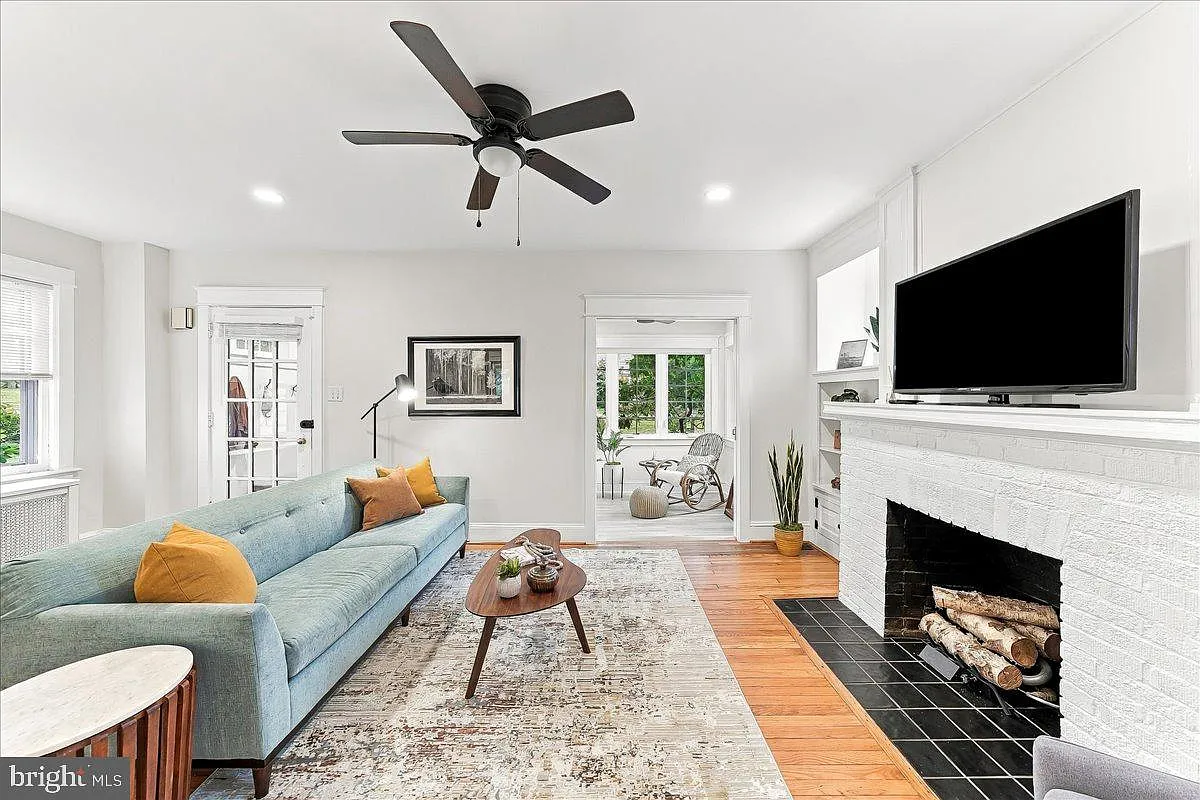
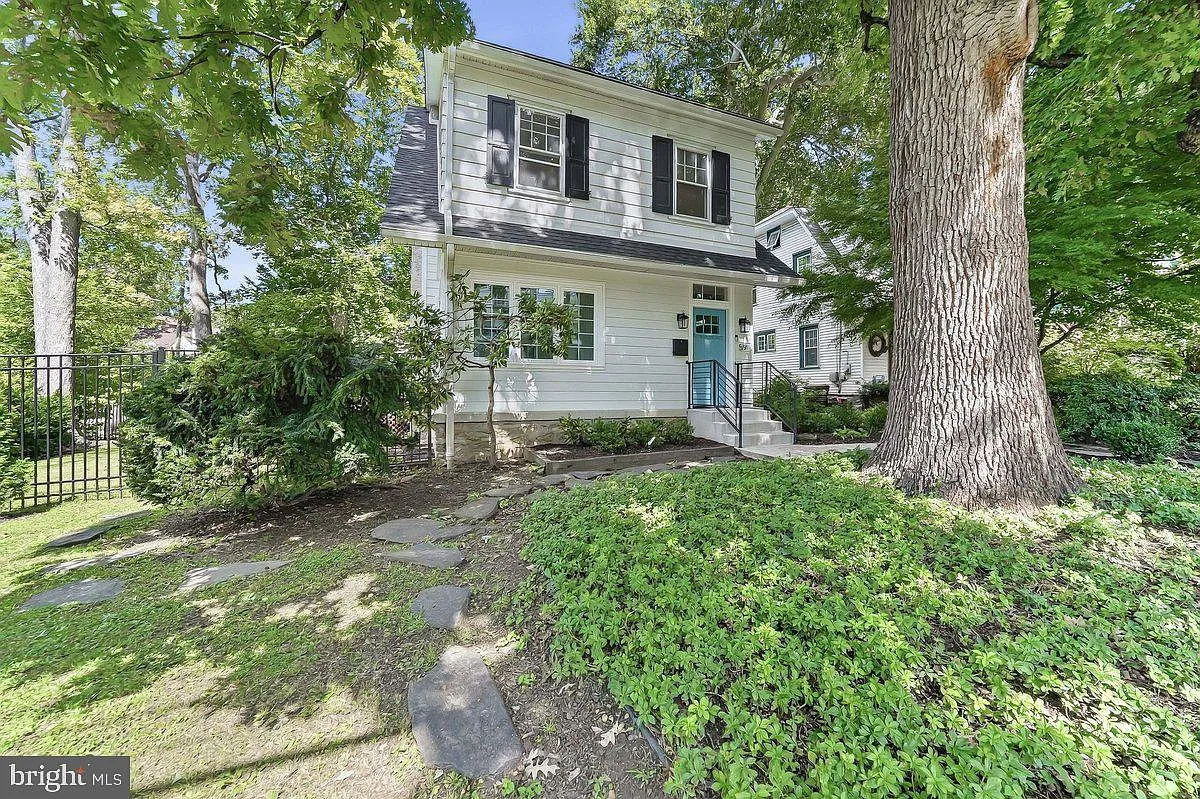
Bell Elite Senior Living — a nurse-led, family-owned personal care home in Lansdowne, PA. Warm living spaces, private bedrooms, and a chef's kitchen — come see the difference.
Understanding the Risks and Realities of Medication Management in Suburban Care Homes
Do you ever feel a pit in your stomach when you realize your loved one might be missing their evening dose of heart medication while living alone? It is a common anxiety for families across the Philadelphia suburbs, particularly those exploring the crowded landscape of senior care in Montgomery County and Delaware County. When we talk about moving a parent or spouse into a personal care home, we often focus on the paint colors in the hallways or the variety of the activity calendar. However, as a nurse who has spent years at the bedside, I can tell you that the most critical feature of any facility is the one you rarely see during a standard tour. It is the silent, complex, and high stakes process of medication administration that happens behind the closed doors of the med room.
Medication errors are one of the leading causes of avoidable hospitalizations for seniors in Pennsylvania, and the risk only increases as prescriptions stack up. Imagine this scenario for a moment. Picture your mother, who has always been fiercely independent, sitting at her small kitchen table in Havertown with three different pill organizers. She is trying to remember if she took her blue pill for blood pressure or if that was the blue pill for her allergies. The labels are small, her vision is slightly blurred by cataracts, and the phone keeps ringing with telemarketers. This is where the danger begins, and it is exactly why families start looking for professional help. But simply moving into a facility does not automatically erase the risk. You have to know which questions to ask to ensure the staff is not just handing out pills, but actually managing a clinical process with precision.
Q: What is the most common medication error found in personal care homes across Pennsylvania? The most frequent issue reported to state regulators is not necessarily giving the wrong drug, but rather a failure in timing or documentation. This often manifests as a resident missing a dose because the pharmacy delivery was delayed or a staff member forgot to sign the record. While a missed vitamin might not cause an emergency, a missed dose of an anticoagulant or an anti-seizure medication can have devastating consequences for a senior living in a high-paced environment.
Speak With Our Nursing Team
We help Pennsylvania families navigate senior care decisions with compassion and clinical expertise.
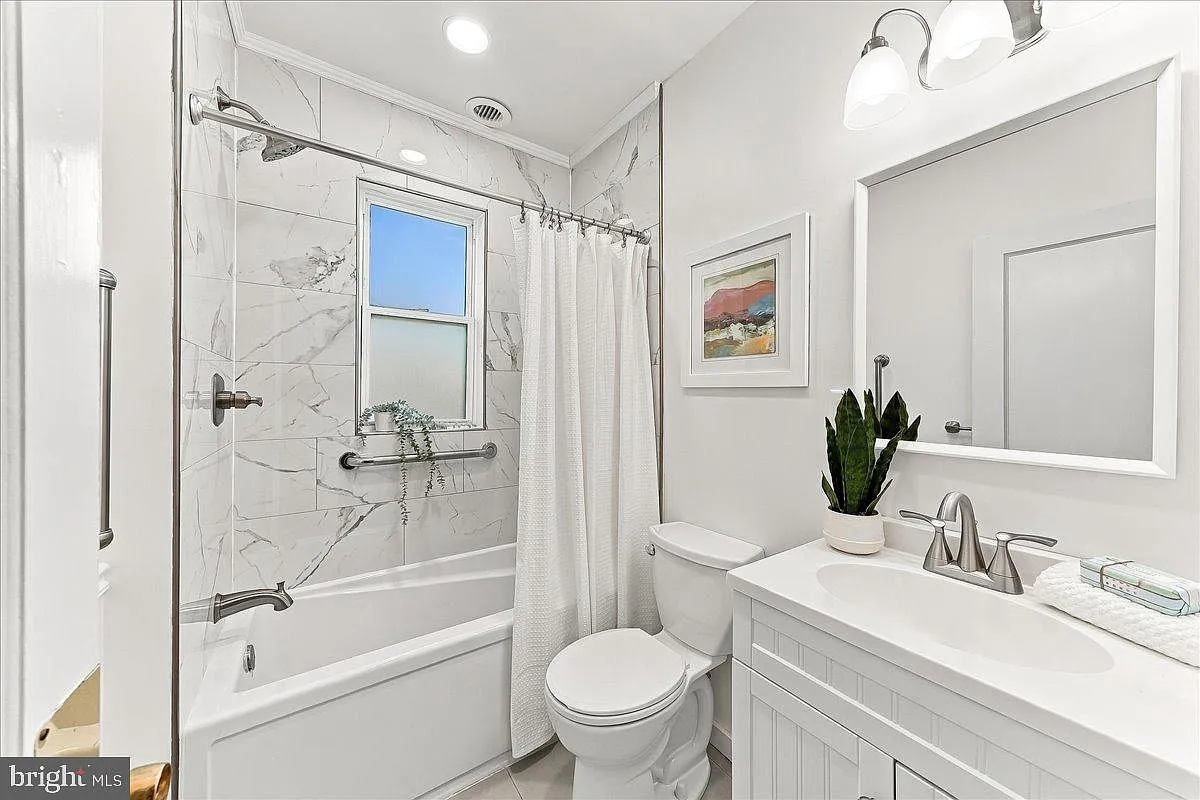
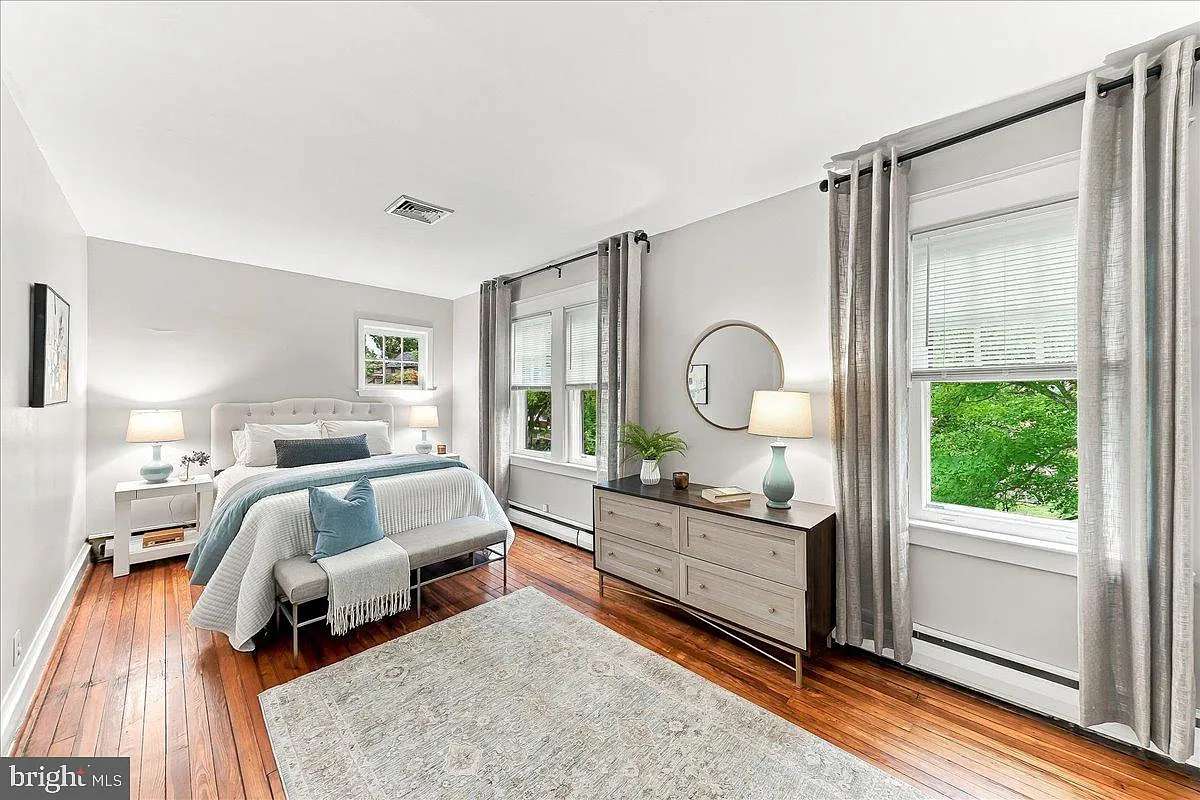
Private bedrooms and accessible bathrooms, designed for safety, comfort, and dignity.
Have you ever wondered why some facilities seem to have a revolving door of staff while others maintain a steady, calm presence? In areas like Media or Upper Darby, the labor market for care aids is incredibly competitive, which can lead to high turnover. When staff changes constantly, the intimate knowledge of a resident's specific needs often disappears. A nurse-led environment like Bell Elite Senior Living focuses on stability because we know that a caregiver who knows your father’s history is far more likely to notice when he is acting slightly off after a new prescription is started.
Is it enough to just trust that a facility follows the law, or should you be looking for a higher standard of clinical oversight? Pennsylvania regulations provide a baseline for safety, but the best homes go far beyond what the law requires. You want to look for a culture where medication safety is treated as a sacred duty rather than a chore. Nearly fifty percent of seniors take five or more medications daily, a phenomenon known as polypharmacy that significantly increases the chance of adverse drug interactions. If the facility you are touring in Montgomery County cannot explain their process for auditing these interactions, that is a major red flag that you should not ignore.
The Vital Importance of Professional Oversight and Nursing Leadership
What should you look for when you step into the medication room during a tour of a personal care home in Montgomery County or Delaware County? You should be looking for signs of organized, clinical leadership that prioritizes accuracy over speed. Many large, corporate facilities rely heavily on medication technicians who may only have a few days of specialized training. While these individuals are often well meaning and hard working, they lack the deep pharmacological background that a registered nurse or a licensed practical nurse brings to the table.
Speak With Our Nursing Team
We help Pennsylvania families navigate senior care decisions with compassion and clinical expertise.
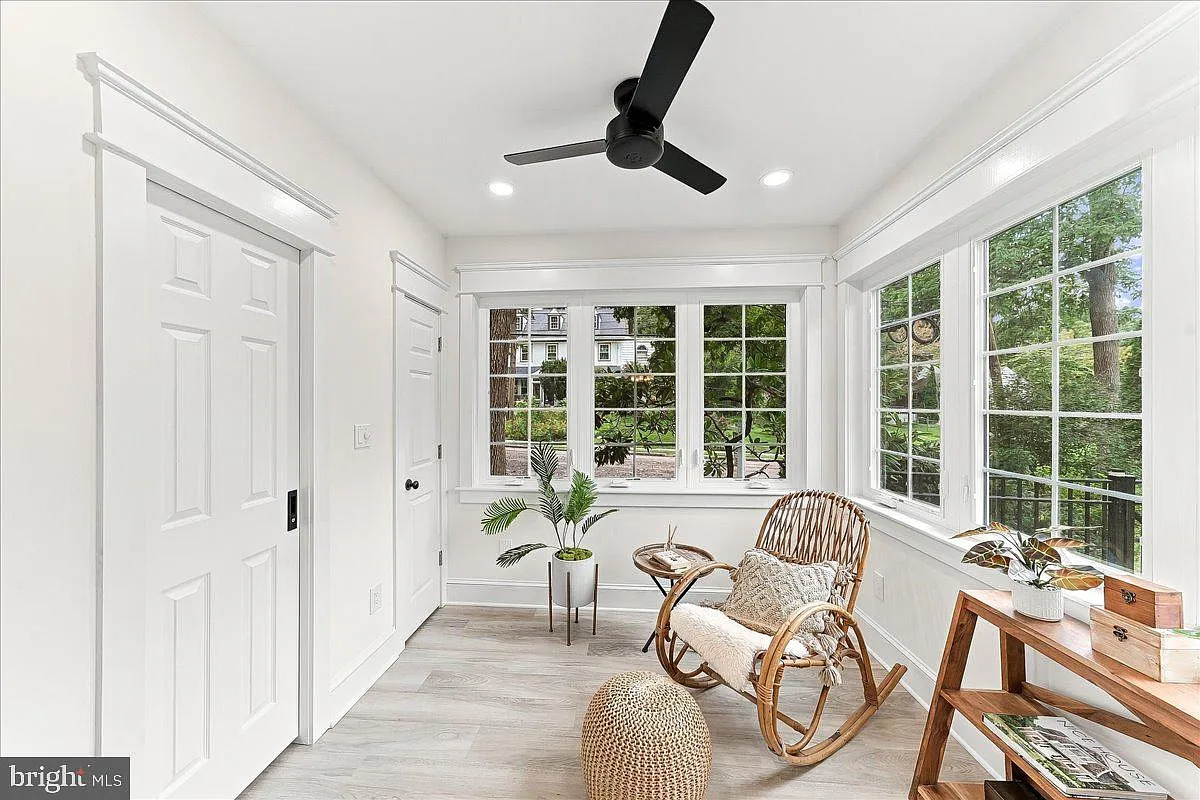
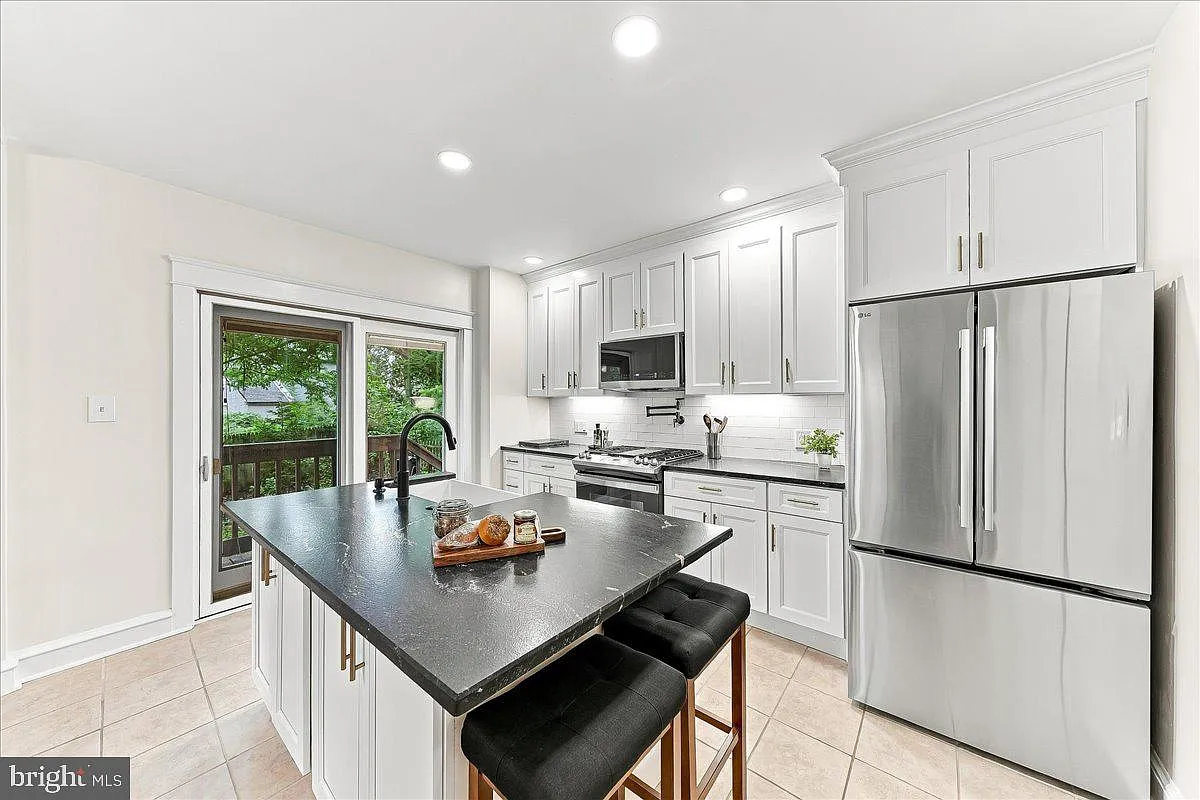
Home-cooked meals in our chef's kitchen and peaceful moments in the sunroom — life at Bell Elite.
Q: Why does nursing leadership make a difference in medication safety compared to standard caregiving staff? Nurses are trained to look beyond the pill bottle to understand the mechanism of action, the potential side effects, and the subtle signs of toxicity that a technician might miss. For example, if a resident is on a diuretic, a nurse knows to monitor for signs of dehydration or electrolyte imbalance, whereas a non-clinical staff member might only focus on ensuring the pill is swallowed. Having a nurse-led team at Bell Elite Senior Living means that every medication pass is overseen by someone with the clinical intuition to intervene before a small issue becomes a medical crisis.
Imagine this situation. A new resident moves into a facility in Broomall after a brief stay in a rehabilitation center. They have four new prescriptions, two of which are meant to be temporary, but the hospital discharge paperwork is confusing and poorly written. Without a nurse to reconcile these orders, the resident might continue taking medications they no longer need, leading to excessive sedation or a dangerous drop in blood pressure. Does the facility have a formal process for medication reconciliation upon admission? If they do not have a nurse performing this check, the risk of a transition-of-care error skyrockets.
How often does the facility communicate with the prescribing physician when a resident shows a change in status? A dedicated, family-owned home often has the luxury of time that larger institutions lack. We can pick up the phone and call a doctor in Springfield or Drexel Hill the moment we notice a resident is unusually drowsy or confused. This proactive communication is the cornerstone of safety. Studies show that nurse-led interventions in senior living can reduce medication-related hospitalizations by over thirty percent, a statistic that highlights the life saving value of professional oversight.
Q: Can a resident or their family choose which pharmacy provides the medications to the home? Under Pennsylvania law, residents generally have the right to choose their own pharmacy provider, but many homes strongly encourage the use of a specialized long term care pharmacy. These specialized pharmacies package medications in strip-packs or blister cards that are color-coded and labeled by date and time, which drastically reduces the chance of a staff member pulling the wrong bottle. While you have the right to use a local retail pharmacy in Swarthmore, the safety benefits of a coordinated pharmacy system usually outweigh the convenience of sticking with your old neighborhood drug store.
Have questions about personalized care options? Bell Elite Senior Living's nursing team is ready to help. Call (484) 356-1070 or schedule a free consultation today.
Speak With Our Nursing Team
We help Pennsylvania families navigate senior care decisions with compassion and clinical expertise.
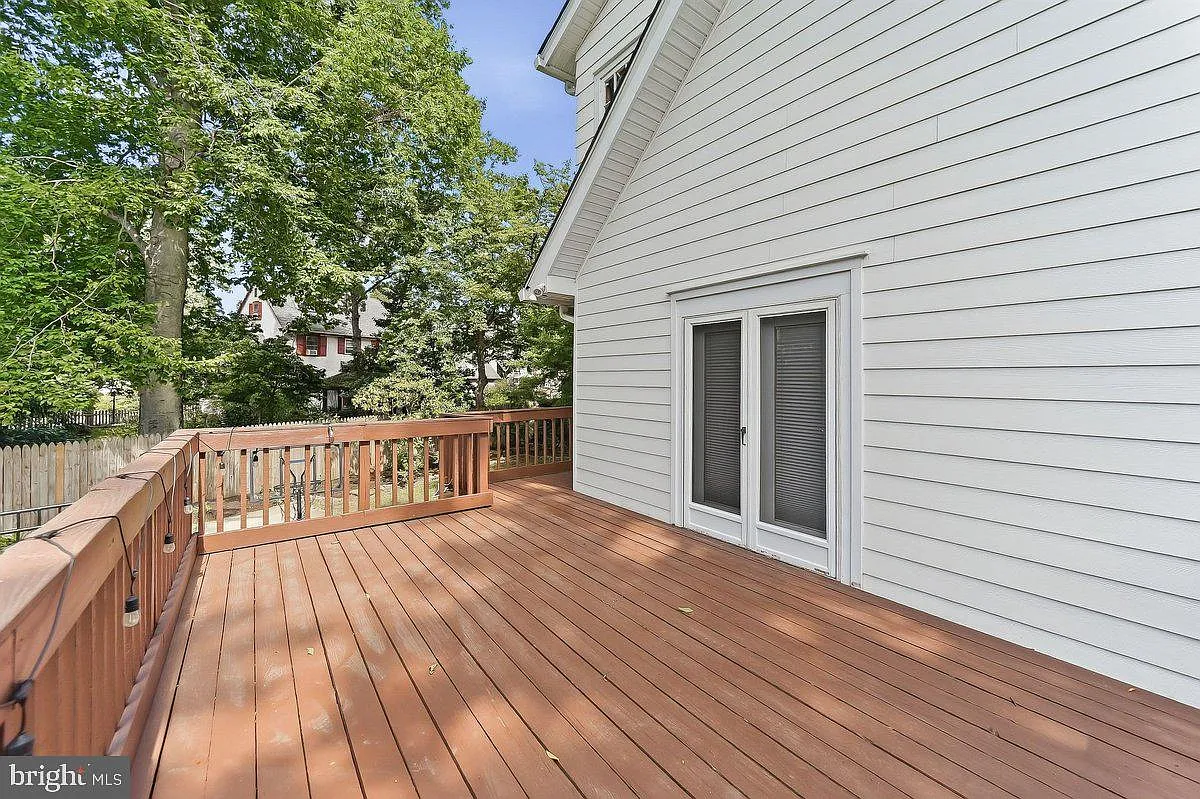
Gather in our warm living room or enjoy fresh air on the deck — every space feels like home.
Decoding the Administration Process and Documentation Standards
How can you be sure that the person handing your father his morning pills actually knows what those pills are for? This is a question that cuts to the heart of the administration process. When you visit a home, ask to see a sample of their Medication Administration Record, often referred to as a MAR. In the modern era, you should be looking for an Electronic Medication Administration Record, or EMAR, which uses barcodes to ensure the right resident gets the right pill at the right time.
Picture this: a busy morning in a large Montgomery County facility where one staff member is responsible for thirty residents. They are pushing a heavy cart down the hall, distracted by residents asking for help or the sound of call bells ringing. In this chaotic environment, it is incredibly easy to sign off on a medication that was never actually taken or to accidentally skip a resident entirely. Nurse-led homes like Bell Elite Senior Living maintain lower staff-to-resident ratios to prevent this kind of dangerous rushing, ensuring that every medication pass is a focused, quiet, and deliberate clinical act.
Q: What is the "Six Rights" protocol and why should I ask about it? The "Six Rights" of medication administration is a gold standard in nursing that includes the right resident, the right medication, the right dose, the right route, the right time, and the right documentation. When you are interviewing a facility, ask the administrator how they verify these six points during every single interaction. If they cannot answer specifically or if they seem confused by the terminology, it suggests that their safety protocols may be informal or inadequately enforced.
Does the facility have a clear policy on what happens when a resident refuses their medication? This is a frequent occurrence, especially for those living with dementia who may not understand why they need to take a pill. A safe facility will not just shrug their shoulders and move on to the next person. They will have a protocol for re-approaching the resident, using different techniques to encourage compliance, and most importantly, notifying the nurse and the family if the refusal continues. Persistent medication refusal can lead to a rapid decline in chronic conditions, so you need to know that the home you choose has the patience and the clinical expertise to handle these moments with care.
Imagine the peace of mind you would feel knowing that every dose given to your loved one is tracked in a system that alerts the nursing supervisor if a dose is even ten minutes late. This is the power of a modern, nurse-led approach to personal care. We are not just checking boxes; we are creating a digital paper trail that ensures accountability. In a smaller, family-owned setting, this accountability is personal. At Bell Elite Senior Living, our reputation is built on the safety and well-being of the neighbors we serve in Delaware County, and that drives us to maintain standards that exceed the industry average.
Q: How are "as needed" or PRN medications managed differently than daily prescriptions? PRN medications, such as those for pain or anxiety, require a higher level of clinical judgment because they are not scheduled for a specific time. A staff member must be able to assess the resident’s symptoms, determine if the medication is appropriate based on the doctor’s orders, and then document the effectiveness of the drug after it is given. You should ask if a nurse is involved in the decision to administer PRN medications, as this prevents the over-reliance on sedatives that sometimes plagues larger, less supervised facilities.
Staff Training and the Human Element of Medication Safety
Who is the person actually standing at your mother’s door with a cup of water and a pill tray? In many Montgomery County homes, this person might be a direct care worker who has completed a basic competency test. While competency tests are a start, they are no substitute for ongoing, hands-on training directed by a clinical professional. You want to know if the staff receives regular education on the specific types of medications commonly used in senior care, such as those for blood pressure, diabetes, and cognitive enhancement.
Q: What kind of specialized training does the staff receive regarding side effects and adverse reactions? Effective training should go beyond just how to read a label; it must include how to observe a resident for changes in behavior, skin tone, balance, or appetite that could signal a bad reaction. At Bell Elite Senior Living, we believe that every member of the team should be an extra set of eyes and ears for our nursing staff. If a caregiver in a Delaware County home notices that a resident is suddenly more dizzy or prone to falls, that information must be funneled immediately to someone who can evaluate if a medication change is the culprit.
Picture this: a resident in a facility near Upper Darby has just been started on a new anti-anxiety medication. To a casual observer, the resident just seems a bit more tired than usual, which might even be seen as a positive thing if they were previously restless. However, a well-trained staff member under nursing supervision would recognize that this increased lethargy is actually a dangerous side effect that increases the risk of a fall. Falls are the leading cause of injury related deaths among seniors, and many of these falls are directly linked to improper medication management or a lack of observation after a new prescription is introduced.
How does the facility handle the administration of complex medications like insulin or inhalers? These are not "drop in a cup" medications; they require specific techniques and timing to be effective. If your loved one is diabetic, you must ask who is performing the finger-stick blood sugar checks and who is calculating the insulin dose. In Pennsylvania, there are strict limits on what non-licensed staff can do regarding injections, so you need to be certain that the home is following these laws to the letter. (484) 356-1070 is a number you can call to discuss how our nurse-led team handles these complex clinical needs with the precision they require.
Is the staff empowered to speak up if they think a mistake has been made? A culture of safety is one where errors are reported and analyzed, not hidden away out of fear of punishment. When you tour a facility in Media or Broomall, ask the staff how they handle a "near miss." A near miss is a situation where an error almost happened but was caught just in time. If a facility claims they never have near misses, they are likely not looking hard enough. The safest homes are those that are constantly scrutinizing their own processes to find ways to be better.
Q: How does the facility manage herbal supplements or over-the-counter vitamins? Many families assume that vitamins are harmless, but in the context of senior health, they can interfere with life saving prescriptions. For example, Vitamin K can interfere with blood thinners, and St. John's Wort can change how the body processes many common heart medications. A safe personal care home will require a physician's order for every single supplement, ensuring that the entire "medication picture" is reviewed by a professional to prevent these dangerous interactions.
Ready to explore tailored care solutions? Speak with our coordinators at Bell Elite. Phone: (484) 356-1070 • Request a tour
Managing Polypharmacy and the Role of Regular Medication Reviews
When was the last time a professional pharmacist or a nurse practitioner reviewed every single interaction in your loved one’s medication regimen? For many seniors living in private residences or poorly managed facilities in the Philadelphia suburbs, the answer is often "never." As a resident ages, their body changes how it metabolizes drugs, meaning a dose that was perfectly safe five years ago could be toxic today. This is the danger of "prescribing cascades," where a new medication is given to treat the side effect of an old medication, leading to a long list of pills that do more harm than good.
Q: How often does a nurse-led facility conduct a formal review of a resident's entire medication list? At a minimum, these reviews should happen every quarter, or whenever there is a significant change in the resident’s health status. At Bell Elite Senior Living, we take this a step further by coordinating closely with the resident’s primary care physician and the dispensing pharmacist. We look for opportunities to "deprescribe," which means safely reducing or eliminating medications that are no longer providing a benefit. This reduces the pill burden on the resident and significantly lowers the risk of adverse events.
Imagine this scenario. A family in Springfield is worried because their father seems increasingly confused and has lost his appetite. They fear it is the progression of Alzheimer’s, but after moving him into a nurse-led personal care home, the nursing team notices he is taking three different medications that all have "confusion" listed as a side effect. By working with the doctor to streamline these prescriptions, the father’s mental clarity improves dramatically. Medication-related delirium is often mistaken for permanent dementia, which is why having a nurse who understands these nuances is so vital for the quality of life of our seniors.
Have you considered the impact that a family-owned environment has on this process? In a large corporate facility, your loved one might just be a room number on a spreadsheet, and their medication list might not be reviewed with the scrutiny it deserves. But at a place like Bell Elite Senior Living, we are deeply invested in the community of Delaware County. We know our residents by name, we know their families, and we know their health histories. This personal connection creates a layer of safety that simply cannot be replicated in a massive institution.
Q: What role does the family play in medication safety once a loved one moves into a home? The family is a crucial partner in the care team. You are the ones who know your loved one’s "baseline" better than anyone else. If you notice a change in their personality, their sleep patterns, or their physical abilities, you should feel empowered to ask the nursing staff if a medication could be the cause. A safe facility welcomes this input and treats the family as an asset, not a nuisance. Open communication is the best defense against medication errors and the side effects that often go unnoticed.
Why is it so important to discuss the "goals of care" when reviewing medications for a senior? For some residents, the goal is aggressive management of chronic diseases, while for others, the goal is comfort and the maintenance of daily function. A nurse-led team can help navigate these difficult conversations, ensuring that the medications being administered align with what the resident and the family actually want for their final years. It is about more than just safety; it is about dignity and ensuring that the healthcare provided is truly person-centered.
Choosing Safety and Finding Peace of Mind in Delaware County
Is it possible to find peace of mind knowing that medication errors are being prevented before they even happen? The answer is yes, but it requires doing the legwork to find a facility that prioritizes clinical excellence. Whether you are looking at homes in the heart of Montgomery County or the quiet streets of Media, the criteria for safety remain the same. You need a home that combines the warmth of a family-owned environment with the rigorous standards of nursing leadership.
Q: How should I handle the transition if my loved one is moving from a hospital or rehab directly to a personal care home? Transitions of care are the most dangerous times for medication errors. You should insist that the receiving facility has a nurse present to review the new discharge orders against the medications the resident was taking before they were hospitalized. Do not assume the hospital got it right; errors in discharge summaries are incredibly common. A nurse-led home like Bell Elite Senior Living makes this reconciliation a top priority, ensuring the transition is seamless and safe.
Imagine the relief of sleeping through the night because you know that Bell Elite Senior Living has a team of professionals managing your mother’s prescriptions with the same care you would provide yourself. You no longer have to worry about the pill organizers on the kitchen table or the missed calls from the pharmacy. By choosing a home that values medication safety as a pillar of their care model, you are giving your loved one the gift of health and yourself the gift of freedom from constant worry. Personal care should be about living life to the fullest, not about managing a pharmacy in your living room.
Why settle for a facility that treats medication administration as an administrative task when you could choose one that treats it as a vital clinical service? The residents of Delaware County and the surrounding Philadelphia suburbs deserve the highest level of care. When you visit a potential home, listen to the way they talk about their residents. Do they talk about them as people with unique needs, or as tasks to be completed? A nurse-led, family-owned home naturally leans toward the former, creating an environment where safety and compassion go hand in hand.
Q: What is the best way to start the conversation about medication safety during a facility tour? Start by asking to see their medication room and asking who is responsible for the final check on all new orders. Ask for their recent state inspection reports, specifically looking for any citations related to medication administration. A transparent facility will have no problem sharing this information and explaining the steps they have taken to ensure compliance and safety. If you feel like they are hiding something or being vague, it is time to look elsewhere.
If you are currently feeling overwhelmed by the choices in Montgomery County or Delaware County, remember that you are not alone. Many families in Media, Havertown, and Broomall have been exactly where you are. The key is to focus on the clinical core of the home. Call (484) 356-1070 to learn more about how our nurse-led team at Bell Elite Senior Living can provide the safety, oversight, and personalized care your family deserves. We are here to be your partners in this journey, providing the professional expertise that turns a house into a safe and secure home.
In the end, the safety of your loved one comes down to the people standing by their side every day. It is the nurse who notices the slight tremor in a hand, the caregiver who takes the time to sit and talk, and the family-owned leadership that puts people before profits. Medication safety is not just a policy in a handbook; it is a promise we make to every resident who walks through our doors. By asking the right questions and demanding the highest standards, you are ensuring that your loved one’s golden years are spent in health, comfort, and security.
A Glimpse Inside Bell Elite
A warm, family-like residence — not an institution. Every space is designed for comfort, safety, and dignity.
Ready to Take the Next Step?
Bell Elite Senior Living is a nurse-led, family-owned personal care home in Delaware County, Pennsylvania. We're here to help.
Proudly Serving Families Across the Greater Philadelphia Region
Bell Elite Senior Living is a nurse-led, family-owned personal care home located in Delaware County, Pennsylvania — and we proudly serve families from across the entire Greater Philadelphia area and surrounding communities. Whether you are searching for a personal care home in Delaware County PA, exploring senior living options near Philadelphia, or looking for compassionate elder care for a loved one in Montgomery County, Bucks County, or Chester County, our team is here to help guide you through every step of the decision.
Families come to Bell Elite from throughout Philadelphia and its suburbs — including Upper Darby, Havertown, Drexel Hill, Broomall, Swarthmore, Media, Springfield, Lansdowne, Darby, Collingdale, and Sharon Hill in Delaware County; Ardmore, Norristown, Lansdale, Cheltenham, Abington, Blue Bell, Jenkintown, Ambler, and Horsham in Montgomery County; Doylestown, Newtown, Langhorne, Bristol, Yardley, Quakertown, and Levittown in Bucks County; and West Chester, Malvern, Exton, Downingtown, Phoenixville, Coatesville, and Paoli in Chester County. We are also a trusted resource for families in South Jersey communities such as Cherry Hill, Voorhees, Marlton, Moorestown, Mount Laurel, Haddonfield, Collingswood, and Camden County who are seeking high-quality personal care across the river in Pennsylvania. Families from Wilmington, Newark, and New Castle County, Delaware also regularly choose Bell Elite for its clinical excellence and intimate, home-like setting.
Our central location in Delaware County puts us within easy reach of Center City Philadelphia, the Main Line, South Philadelphia, Northeast Philadelphia, and the Philadelphia suburbs — making visits from family members throughout the region straightforward and stress-free. We understand that choosing the right personal care home is one of the most important decisions a family will make, and distance should never be a barrier to accessing exceptional, nurse-led care.
Frequently Asked Questions About Our Service Area
Does Bell Elite Senior Living serve families from Philadelphia?
Yes. Bell Elite Senior Living is located in Delaware County, PA, just minutes from Philadelphia. We regularly welcome residents and their families from across Philadelphia, including South Philly, Northeast Philadelphia, Kensington, Germantown, and Center City.
Do you accept residents from Montgomery County, PA?
Absolutely. We serve families throughout Montgomery County including Norristown, Ardmore, Lansdale, Cheltenham, Blue Bell, Jenkintown, and Ambler. Our nurse-led care model is a popular choice for families across the Philadelphia suburbs.
Can families from Bucks County place a loved one at Bell Elite?
Yes. Many of our residents come from Bucks County communities such as Doylestown, Newtown, Yardley, Langhorne, and Bristol. Our facility is easily accessible from Route 1 and I-95 corridors.
Do you serve Chester County families looking for personal care?
Yes. Families from West Chester, Malvern, Exton, Downingtown, Phoenixville, Paoli, and Coatesville in Chester County frequently choose Bell Elite for our small resident count, clinical oversight, and personalized care plans.
Is Bell Elite an option for families in South Jersey near Philadelphia?
Yes. Many families from Cherry Hill, Voorhees, Marlton, Mount Laurel, Haddonfield, Moorestown, and Camden County in New Jersey choose Bell Elite Senior Living in nearby Delaware County, PA for its nurse-led care and welcoming environment.
Do you accept residents from Delaware (Wilmington, Newark, New Castle County)?
Yes. Families from Wilmington, Newark, Middletown, and throughout New Castle County, Delaware have placed loved ones at Bell Elite. Our location in Delaware County, PA makes us a convenient and high-quality option for Delaware families seeking nurse-led personal care.
How do I find out if Bell Elite can serve my family's location?
Call us at (484) 356-1070 or visit our contact page. We serve the entire Greater Philadelphia region and surrounding areas and are happy to discuss your specific situation, schedule a tour, and answer any questions about our care services.
Related Articles



Related Care Services at Bell Elite
Our nurse-led personal care home in Lansdowne, PA offers specialized services for seniors across the Greater Philadelphia region.
Personal Care Home Near You
Bell Elite is located in Lansdowne, PA — minutes from Philadelphia. See care details for your community:
Have Questions After Reading?
Our nursing team offers free, no-pressure consultations for Pennsylvania families.
Talk to a nurse, not a salesperson. Our team includes RNs, LPNs, a PMHNP, and Family Nurse Practitioners.