
Preventing skin breakdown in bed-bound seniors: The nurse-led advantage
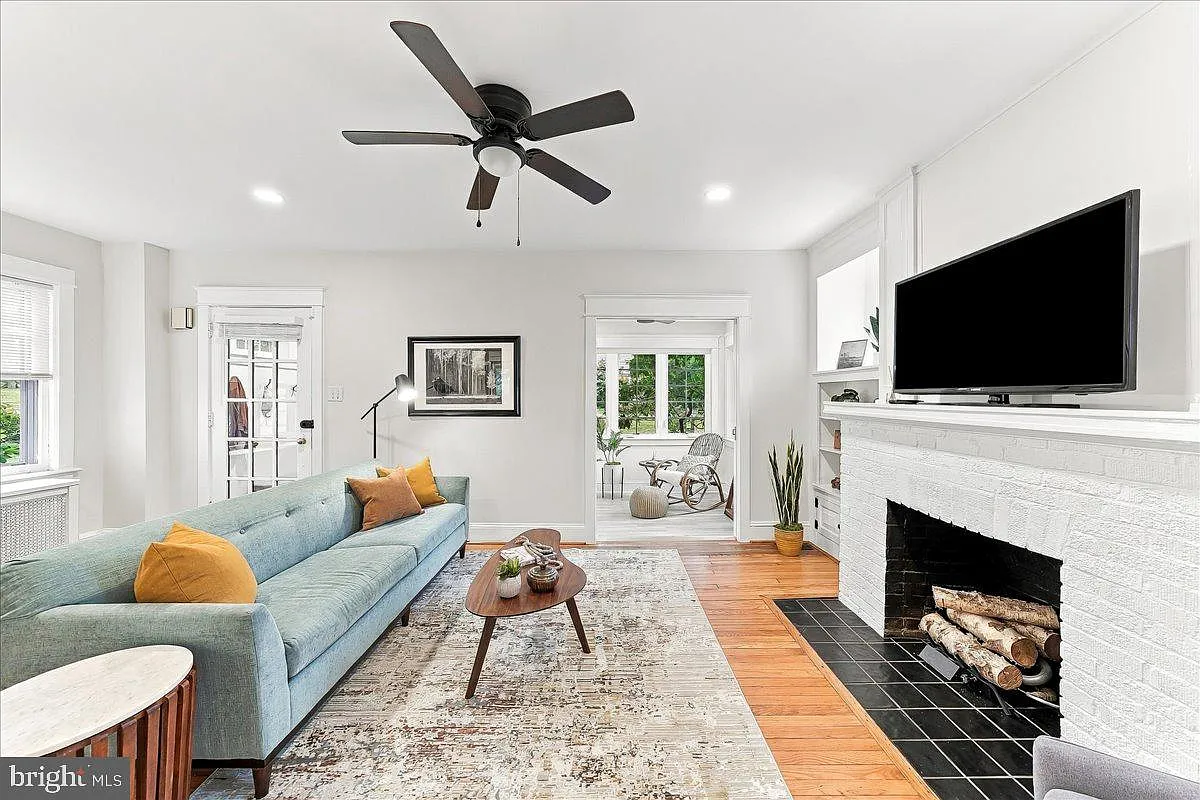
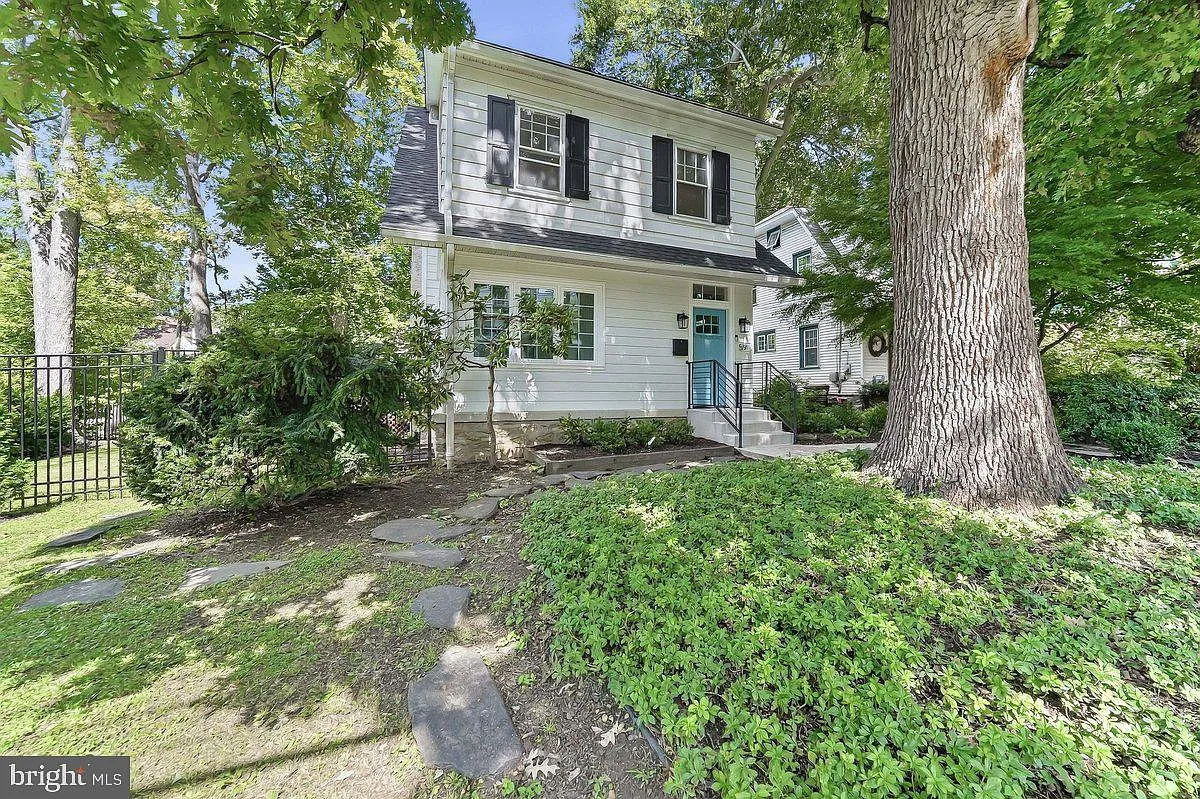
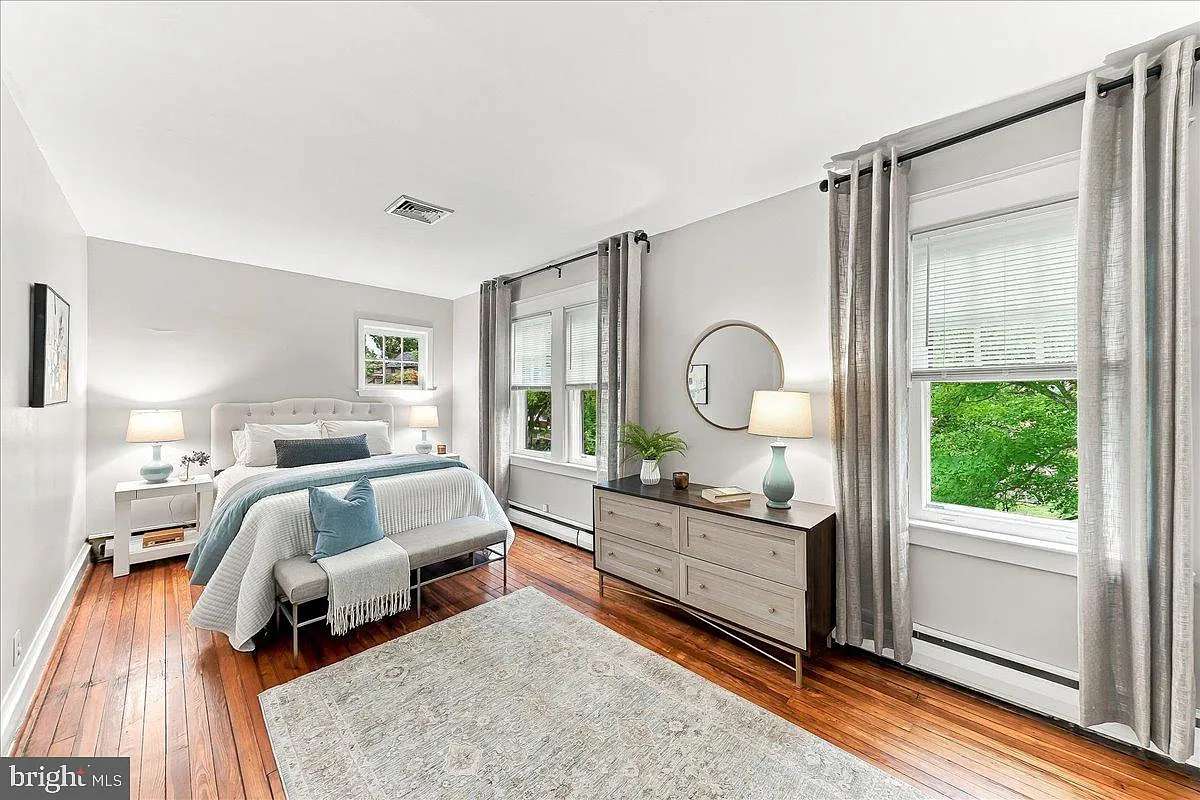
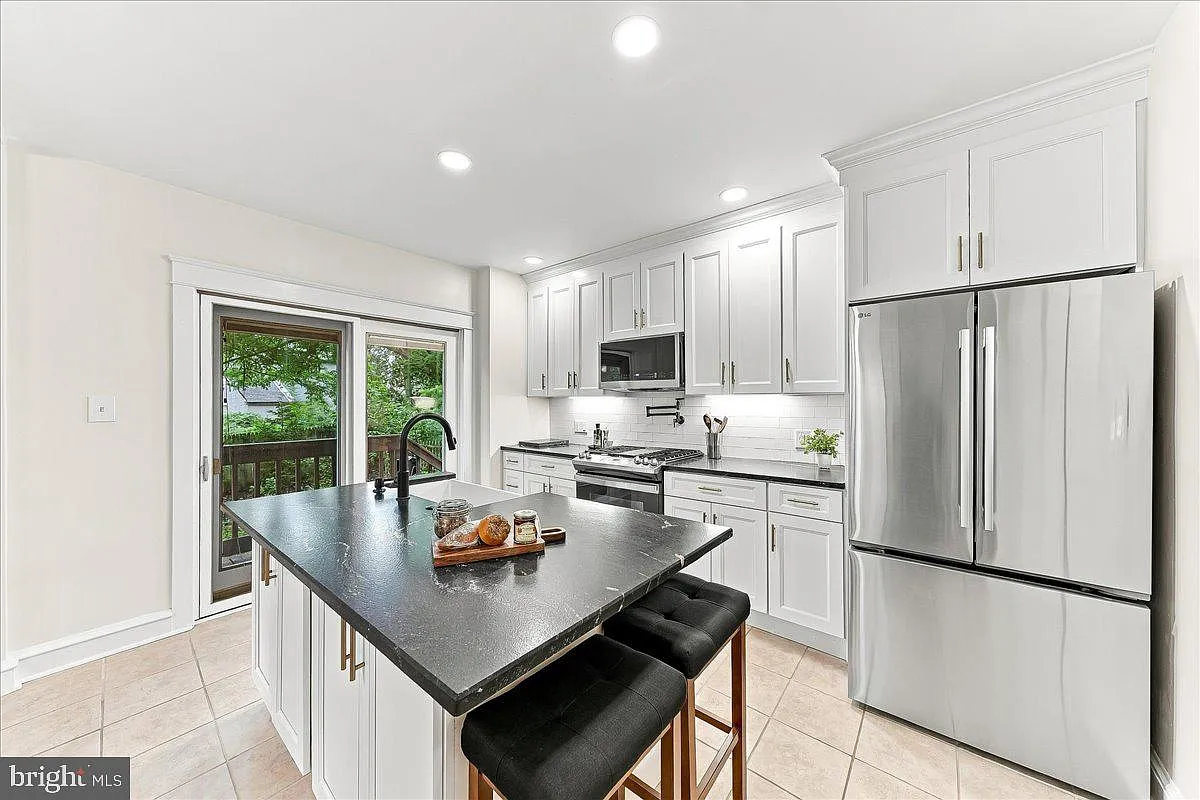
Bell Elite Senior Living — a nurse-led, family-owned personal care home in Lansdowne, PA. Warm living spaces, private bedrooms, and a chef's kitchen — come see the difference.
The Invisible Battlefield of Aging Skin and Why Clinical Vigilance Matters
Have you ever noticed a tiny, persistent patch of redness on your loved one’s heel or lower back and wondered if it was just a passing irritation or perhaps the beginning of something much more serious? It is a question that haunts many family members across Delaware County as they watch their parents or spouses transition into a more sedentary lifestyle. For those of us who have spent our lives in nursing, we know that the skin is not just a covering but a complex organ that serves as the first line of defense against the outside world. When a senior becomes bed-bound, that defense system begins to thin and weaken, often at an alarming rate that catches families off guard.
Imagine this scenario for a moment. You are visiting your father in his home in Media or perhaps a local facility, and as you help him adjust his pillows, you see a small area on his tailbone that looks like a mild rug burn. You might think that a little bit of lotion or a change of clothes will fix it, but in the world of geriatric nursing, that site is a flashing red light. Over 2.5 million people in the United States develop pressure ulcers every year, and for a senior whose mobility is limited, the timeline from a simple red mark to a deep, dangerous wound can be measured in days or even hours. Why does this happen so quickly, and what can we do to stop the clock before the damage becomes irreversible?
Q: What exactly causes skin to break down so quickly in seniors who are bed-bound? The primary culprit is a combination of constant pressure, friction, and a lack of blood flow to the underlying tissues. As we age, the fatty layer under our skin thins out, which means there is less padding between the bone and the surface they are resting on. When a senior lies in one position for too long, the weight of their own body squeezes the tiny blood vessels that deliver oxygen to the skin. Without that oxygen, the tissue begins to die, starting from the inside out, which is why a small red mark on the surface often hides more significant damage underneath.
Speak With Our Nursing Team
We help Pennsylvania families navigate senior care decisions with compassion and clinical expertise.
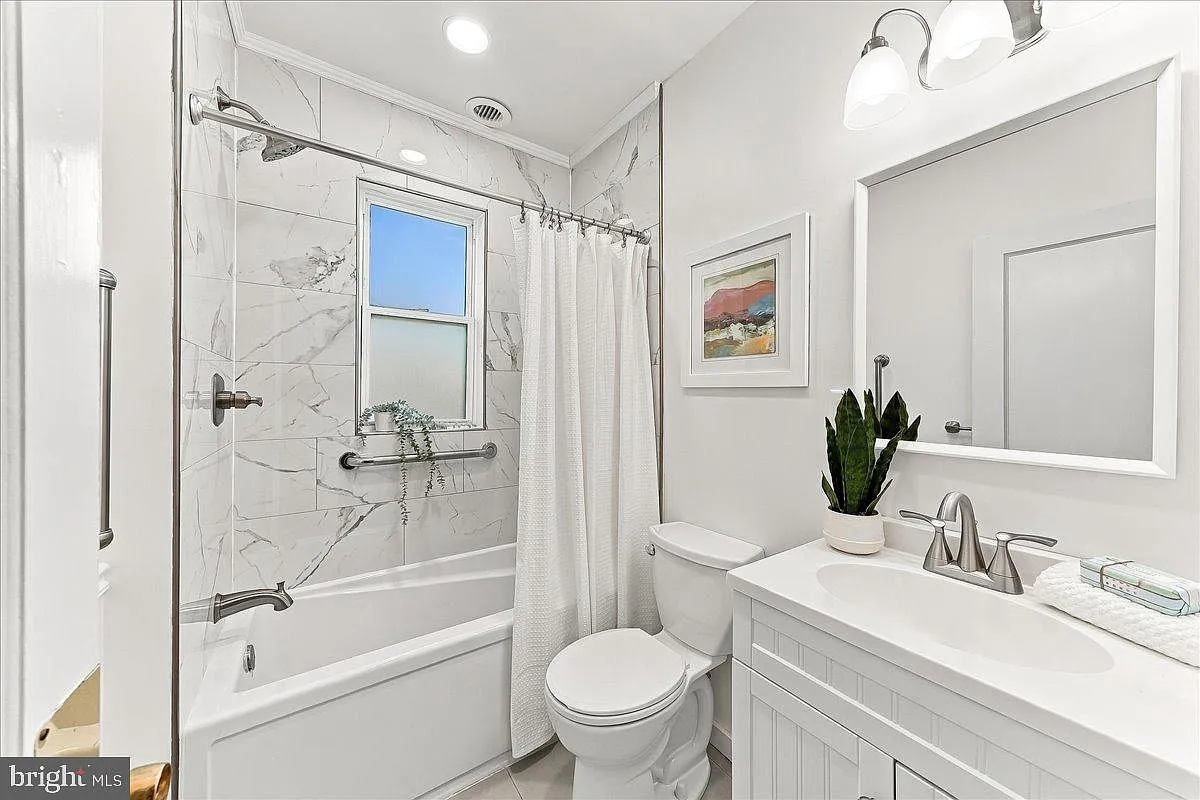
Private bedrooms and accessible bathrooms, designed for safety, comfort, and dignity.
Is it possible that we underestimate the sheer resilience required for skin to stay healthy under these conditions? Think about the pressure exerted on a single point like the hip or the shoulder blade when a person cannot shift their own weight. Have you considered that even the slightest slide down in bed can create a shearing force that tears the delicate connections between skin layers? At Bell Elite Senior Living, we focus on these minute physical interactions because we understand that prevention is a thousand times more effective than the long, painful process of wound healing. We believe that residents in Delaware County deserve a level of observation that anticipates these issues before they manifest as a crisis.
Can a family member really be expected to know the difference between a Stage 1 and a Stage 2 pressure injury without clinical training? It is an unfair burden to place on a daughter or son who is already navigating the emotional weight of their parent's decline. This is where the nurse-led advantage becomes a literal lifesaver. We are trained to look for the subtle changes in skin turgor, the slight fluctuations in temperature, and the specific blanching response that tells us exactly how much distress the tissue is in. When you call us at (484) 356-1070, you are not just looking for a room for your loved one; you are looking for a clinical team that views skin integrity as a vital sign.
The Nurse-Led Difference in Early Detection and Daily Assessment
Why does having a nurse at the helm of a personal care home in Delaware County make such a massive difference in the daily health and comfort of your aging parent? To answer that, we have to look past the beautiful furniture and the home-cooked meals and look directly at the medical oversight that happens behind the scenes every single day. In many traditional assisted living environments, the staff may be wonderful and caring, but they often lack the diagnostic eye that a Registered Nurse or a Licensed Practical Nurse brings to the bedside. A nurse does not just see a resident; a nurse assesses a resident, constantly scanning for the deviations from the norm that signal a change in health status.
Speak With Our Nursing Team
We help Pennsylvania families navigate senior care decisions with compassion and clinical expertise.
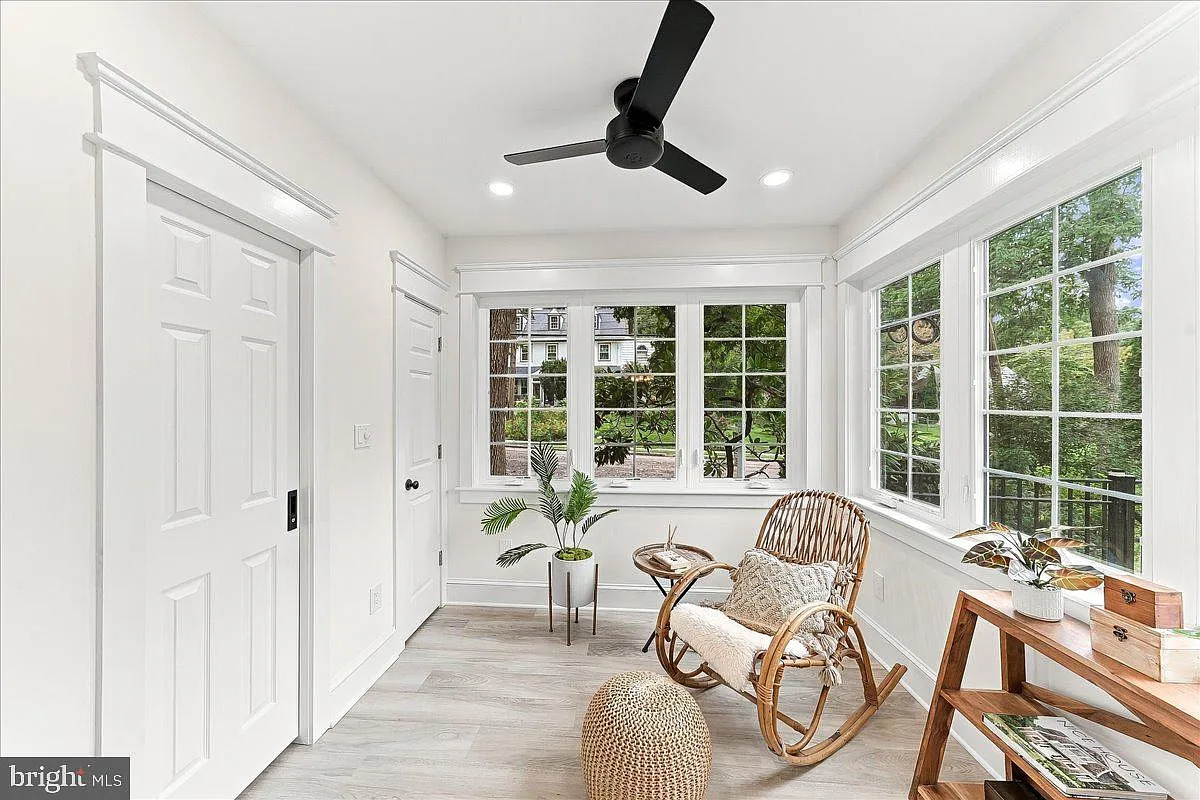
Home-cooked meals in our chef's kitchen and peaceful moments in the sunroom — life at Bell Elite.
Picture this. A caregiver is helping your mother get dressed in her room in Havertown. They might notice she seems a bit tired or that her skin looks a little dry. A nurse, however, is looking at the way her ankles are swelling, the color of her nail beds, and the specific way she is leaning to one side to avoid pressure on a developing sore. Studies show that nurse-led interventions can reduce the incidence of pressure ulcers by as much as 50 percent in long-term care settings. This is not because nurses care more, but because they are trained in the science of the human body and the specific pathophysiology of aging.
Q: Is a nurse-led facility significantly better than a standard personal care home for preventing skin issues? The advantage lies in the consistency and depth of the clinical assessments performed. At a nurse-led home like Bell Elite Senior Living, the protocols for skin checks are integrated into the very fabric of daily care, meaning that every bath and every clothing change is treated as a formal skin assessment. Nurses use tools like the Braden Scale to scientifically calculate a resident's risk level based on sensory perception, moisture, activity, mobility, nutrition, and friction. This allow us to create a customized prevention plan that is much more sophisticated than a one-size-fits-all approach.
How often do we stop to think about the complexity of the "Braden Scale" and how it applies to a real person living in Springfield or Broomall? Does the average person know that a score of 12 or less represents a high risk that requires immediate and aggressive intervention? When a home is nurse-led, those numbers translate into action, such as the implementation of specialized air mattresses or the adjustment of a nutritional plan to include more protein. Are you comfortable leaving these technical decisions to someone without a medical background? The peace of mind that comes from knowing a professional is watching over your loved one’s physical integrity is worth its weight in gold.
Q: How frequently should a bed-bound senior have their skin checked by a professional? For a resident who is completely immobile, a full head-to-toe skin inspection should happen at least once every day, with targeted checks of high-risk areas occurring every time the person is repositioned. High-risk areas include the heels, the sacrum, the elbows, and even the back of the head. In a clinical setting, we look for "non-blanchable erythema," which is a fancy way of saying redness that does not turn white when you press on it. If the redness stays red, the damage has already begun, and the clock is ticking to prevent a full-blown ulcer.
At Bell Elite Senior Living, we pride ourselves on being a family-owned home that brings this high-level clinical expertise to the residents of Delaware County. We understand that your family is looking for a place that feels like home but functions with the precision of a top-tier medical environment. Why settle for less when the stakes are so high for your loved one’s comfort and longevity? If you are feeling overwhelmed by the technical requirements of caring for a bed-bound parent, please know that you do not have to do this alone. Our team is always available at (484) 356-1070 to discuss how our nursing background shapes every aspect of the care we provide.
Speak With Our Nursing Team
We help Pennsylvania families navigate senior care decisions with compassion and clinical expertise.
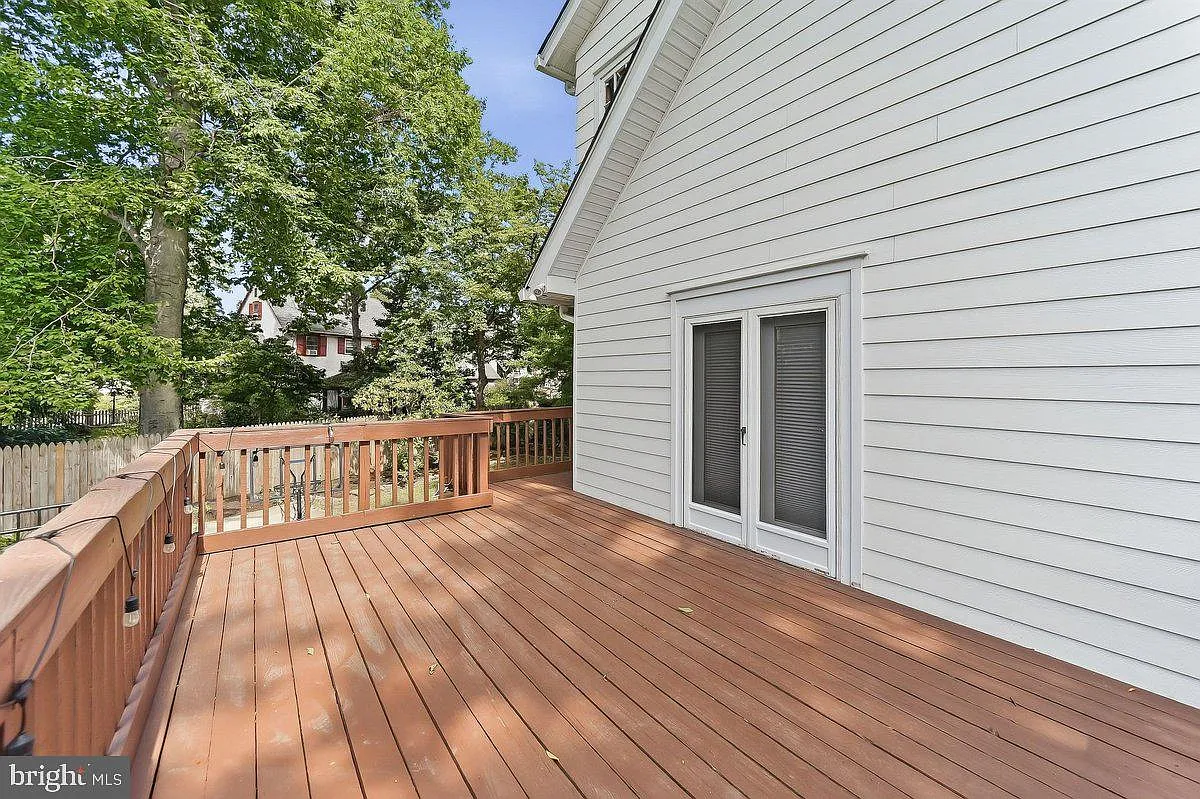
Gather in our warm living room or enjoy fresh air on the deck — every space feels like home.
Have questions about personalized care options? Bell Elite Senior Living's nursing team is ready to help. Call (484) 356-1070 or schedule a free consultation today.
Fueling the Recovery: Nutrition and Hydration as Internal Armor
Do you know how the specific items on your mother’s dinner plate directly impact her body’s ability to resist painful skin tears and deep pressure sores? It is a common misconception that skin health is entirely about what we do on the outside, like using lotions or soft sheets. In reality, the skin is built from the inside out, and for a bed-bound senior in Upper Darby or Drexel Hill, nutrition is the most powerful tool in the prevention toolkit. When the body is stressed by illness or immobility, it enters a catabolic state, meaning it begins to break down its own tissues to find the energy it needs to survive.
Imagine this. A senior is recovering from a fall and is spending most of their time in bed. Their appetite is low, so they mostly snack on tea and toast. While this might seem harmless, their body is actually starving for the protein and vitamins required to maintain the structural integrity of the skin. Research indicates that up to 35 percent of seniors in care settings may suffer from protein-energy malnutrition, which is a leading risk factor for skin breakdown. Without enough protein, the skin becomes as thin as tissue paper, losing the collagen and elastin that allow it to stretch and bounce back from pressure.
Q: Can specific vitamins and minerals really prevent a bed-bound person from getting sores? Absolutely, although they work as part of a larger nutritional strategy rather than as a magic pill. Vitamin C is essential for collagen synthesis, while Zinc plays a critical role in cell division and tissue repair. Furthermore, Vitamin A helps the body maintain the epithelial tissue, which is the very top layer of the skin. At Bell Elite Senior Living, our nursing team works closely with dietary planners to ensure that every meal served to our residents is dense with these specific micronutrients, especially for those who are at a higher risk of immobility-related complications.
Is it enough to just provide the food, or must we also ensure the senior is actually consuming it in a way that their body can use? Have you considered the role of hydration in this delicate balance? When a person is dehydrated, their skin loses its "turgor," which is the ability to change shape and return to normal. Dehydrated skin is brittle and much more likely to crack or tear when a caregiver tries to help the person move. Are we doing enough to encourage small, frequent sips of water or nutrient-dense fluids throughout the day for our neighbors in Delaware County?
Q: Why is hydration so critical specifically for bed-bound residents? Water is the transport system for the body. It carries oxygen and nutrients to the skin cells and flushes out the waste products that can cause inflammation. When a senior is bed-bound, their circulation is already compromised by their lack of movement. If they are also dehydrated, their blood becomes more viscous, making it even harder for those life-giving nutrients to reach the areas under pressure. A nurse-led team monitors fluid intake with a clinical eye, watching for signs like dark urine or dry mucous membranes that indicate a need for immediate intervention.
Could the secret to preventing a hospital visit for a wound infection be found in something as simple as a high-protein smoothie or a well-timed glass of water? For families in Swarthmore or Philadelphia, navigating the dietary needs of a bed-bound loved one can feel like a full-time job. This is where the specialized care at Bell Elite Senior Living provides a bridge between medical necessity and the comfort of a home environment. We don't just see a meal; we see a prescription for skin health. If you are worried that your loved one isn't getting the right fuel to protect their skin, give us a call at (484) 356-1070 so we can talk about a clinical nutrition plan that works.
The Art of the Turn: Movement as Medicine for the Immobile
Have you ever sat in one position for too long during a movie or a long car ride through Chester County and felt that dull, throbbing ache, then immediately imagined what that feels like for a senior who cannot move themselves at all? For those of us with full mobility, we shift our weight thousands of times a day without ever thinking about it. For a bed-bound senior, those tiny shifts are impossible. This is why the "Q2" rule—turning a resident every two hours—is the gold standard of nursing care, but at Bell Elite Senior Living, we know that it is about much more than just a timer on a wall.
Picture this. A resident is lying on their back in a comfortable bed in a quiet room in Broomall. While they might look peaceful, the skin over their sacrum is under constant, unrelenting pressure. After two hours, that tissue is gasping for oxygen. When a nurse or a trained caregiver performs a turn, they aren't just moving a body; they are performing a "reperfusion" event, allowing blood to rush back into the area and sweep away toxins. It is a vital clinical procedure that requires the right technique to avoid "shearing," which happens when the skin sticks to the sheet while the bone moves, causing internal tearing.
Q: Is every two hours really the magic number for turning a bed-bound senior? While two hours is the traditional guideline, a nurse-led assessment might determine that a specific resident needs to be turned even more frequently. Some seniors with very thin skin or poor circulation might start to show signs of breakdown in as little as ninety minutes. Conversely, the use of high-tech pressure-redistributing mattresses can sometimes allow for slightly longer intervals to protect the resident's sleep quality. The "magic" isn't in the number; it's in the constant clinical evaluation of how that specific individual's skin is responding to the schedule.
How do we ensure that the turn is actually effective in "offloading" the pressure from the dangerous spots? Have you seen the specialized pillows and wedges that nurses use to keep a person in a "30-degree lateral tilt" rather than just rolling them onto their hip? This specific angle is crucial because it avoids putting all the weight on the "trochanter," which is the bony part of the hip that is notorious for breaking down. Are the caregivers you are currently working with aware of these anatomical nuances? In Delaware County, we believe that "good enough" is never sufficient when it involves the physical comfort of our elders.
Q: What are offloading devices and do they actually work for seniors at home? Offloading devices range from simple foam wedges and "heel boots" to complex alternating-pressure air mattresses. They work by spreading the person's weight over a larger surface area or by mechanically changing the pressure points every few minutes. While these tools are incredibly helpful, they are not a substitute for human touch and visual inspection. A nurse knows how to "float the heels"—placing a pillow under the calves so the heels literally hang in the air—which is the only 100 percent effective way to prevent a heel ulcer.
Can we truly appreciate the physical and emotional labor that goes into a rigorous turning schedule? It requires a team that is dedicated, physically capable, and clinically minded. When a facility is family-owned like Bell Elite Senior Living, there is an added layer of accountability because we treat every resident as if they were our own parent from Media or Springfield. We don't cut corners on the night shift because we know that a single missed turn can lead to a wound that takes months to heal. Our commitment to the "Art of the Turn" is one of the many reasons why families trust us at (484) 356-1070 to provide the highest level of personal care.
Ready to explore tailored care solutions? Speak with our coordinators at Bell Elite. Phone: (484) 356-1070 • Request a tour
Managing the Microclimate: Moisture, Linens, and the Environment
How often do we consider that the very sheets and blankets intended to provide comfort and warmth might actually be the silent culprits behind a senior's skin irritation? In the world of clinical dermatology, we talk about the "microclimate," which is the specific temperature and humidity at the point where the skin meets the bed. For a bed-bound senior in Montgomery County or Delaware County, an unregulated microclimate can lead to "maceration," which is essentially the softening and breaking down of the skin due to prolonged exposure to moisture.
Imagine this. It is a humid summer day in Upper Darby, and a senior is resting in bed. They are wearing a standard adult brief, and they are covered with a heavy polyester-blend sheet. As they sweat or have a small episode of incontinence, that moisture is trapped against their skin. The skin becomes waterlogged, much like your fingers do after a long bath, but because they are also under pressure, the skin becomes incredibly fragile. This "wet" skin is far more likely to peel away or become infected with fungal or bacterial pathogens than dry, healthy skin.
Q: How does moisture from incontinence specifically contribute to skin breakdown? It is a double-edged sword. First, the moisture itself softens the skin, making it weaker. Second, the chemical composition of urine and stool is highly caustic. Ammonia in urine changes the pH of the skin, stripping away the natural acid mantle that protects us from bacteria. Enzymes in stool can literally begin to digest the skin cells on contact. This is why "Incontinence Associated Dermatitis" is often the precursor to a pressure ulcer. A nurse-led team knows that "clean and dry" isn't just a catchphrase; it is a critical medical directive that must be executed with specialized barrier creams and pH-balanced cleansers.
Are we paying enough attention to the quality of the linens we use in our care homes? Have you ever felt the difference between a high-thread-count cotton sheet and a cheap, scratchy synthetic? For a senior in Havertown, the texture of the fabric can mean the difference between a restful nap and a series of "micro-tears" in the skin. We look for breathable, moisture-wicking fabrics that help regulate the temperature and keep the skin at its optimal state. Does your current care provider understand the science of fabric in relation to geriatric skin care?
Q: Are certain fabrics or types of bedding better for seniors in personal care homes? Yes, natural fibers like high-quality cotton or specialized medical-grade fabrics that are designed to reduce friction and shear are much better. We avoid anything with heavy seams or buttons that could press into the skin. Even a small wrinkle in a bedsheet can create enough of a pressure point to cause a localized area of tissue damage in a high-risk resident. At Bell Elite Senior Living, we train our staff on the "smooth sheet" technique, ensuring that every time a bed is made or a resident is moved, the surface beneath them is as flat and soft as possible.
Could the simple act of choosing the right barrier cream save a senior from the agony of a skin infection? We use clinical-grade products that provide a breathable layer of protection against moisture while still allowing the nurse to see the skin underneath. We avoid heavy, zinc-based pastes that are hard to remove, as the scrubbing required to clean them off can often do more damage to the delicate tissue. By focusing on the microclimate, we are managing the environment to support the body's natural healing processes. If you want to know more about our environmental standards in Delaware County, we invite you to call us at (484) 356-1070.
The Bell Elite Promise: Why Local, Nurse-Led Care is the Right Choice
As you look around your community in Swarthmore, Drexel Hill, or Broomall, how do you decide which home truly understands the clinical nuances of senior skin care and which one is simply providing a place to stay? It is a question that requires you to look beyond the marketing brochures and ask the tough questions about nursing ratios, wound care protocols, and the philosophy of the owners. When a home is family-owned and nurse-led, there is a level of personal investment that you simply cannot find in a large, corporate-run facility where the decision-makers are in another state.
Imagine this. You are at a crossroads, feeling the weight of responsibility for your parent's health. You want them to be in a place where the person checking their skin at 3:00 AM actually knows their name and their history. You want a home where, if a red mark is found, a nurse is alerted immediately and a plan of action is put into place before the sun even comes up. This is the reality at Bell Elite Senior Living. We are deeply rooted in the Delaware County community, and our reputation is built on the physical and emotional success of every resident we serve.
Q: What should I ask a facility specifically about their skin care and wound prevention protocols? You should ask how many nurses are on staff and what their role is in daily care. You should ask about their "turn-team" protocols and how they document skin checks. Ask what kind of specialized surfaces they provide for bed-bound residents and what their process is for managing residents with high nutritional risks. Most importantly, ask who you can call at any time of the day or night to get a clinical update on your loved one. A transparent, nurse-led facility will be happy to answer these questions in detail.
Is it possible that the smaller, more intimate setting of a personal care home is actually safer for skin health than a large nursing home? In a smaller environment, we notice the tiny changes faster. We know if a resident didn't drink as much water as usual or if they seemed more restless in bed. We are not just managing a wing of sixty people; we are caring for a small group of neighbors. Are you looking for a team that treats your loved one like a patient or a team that treats them like family while providing expert clinical care? In Bucks County, Chester County, and especially here in Delaware County, that distinction is everything.
Q: Why is a family-owned home different from a large corporate facility in Pennsylvania? In a family-owned home, the owners are often on-site and directly involved in the care. At Bell Elite Senior Living, our nursing leadership means that clinical excellence is not a goal—it is our baseline. We aren't beholden to shareholders; we are beholden to you and your family. If we need a specialized piece of equipment to protect a resident's skin, we get it. If we need to change a dietary plan, we do it. We have the flexibility and the heart to do what is right for the individual, every single time.
Why wait until a skin tear or a pressure ulcer becomes a medical emergency? The time to act is now, before the skin loses its ability to protect itself. Whether your loved one is in Media, Havertown, or Springfield, they deserve the clinical oversight that only a nurse-led team can provide. We are here to be your partners in this journey, offering the expertise you need and the warmth you want. Please reach out to us at (484) 356-1070 to schedule a tour and see for yourself how our family-owned, nurse-led approach makes all the difference in the world for the seniors of Delaware County.
A Glimpse Inside Bell Elite
A warm, family-like residence — not an institution. Every space is designed for comfort, safety, and dignity.
Ready to Take the Next Step?
Bell Elite Senior Living is a nurse-led, family-owned personal care home in Delaware County, Pennsylvania. We're here to help.
Proudly Serving Families Across the Greater Philadelphia Region
Bell Elite Senior Living is a nurse-led, family-owned personal care home located in Delaware County, Pennsylvania — and we proudly serve families from across the entire Greater Philadelphia area and surrounding communities. Whether you are searching for a personal care home in Delaware County PA, exploring senior living options near Philadelphia, or looking for compassionate elder care for a loved one in Montgomery County, Bucks County, or Chester County, our team is here to help guide you through every step of the decision.
Families come to Bell Elite from throughout Philadelphia and its suburbs — including Upper Darby, Havertown, Drexel Hill, Broomall, Swarthmore, Media, Springfield, Lansdowne, Darby, Collingdale, and Sharon Hill in Delaware County; Ardmore, Norristown, Lansdale, Cheltenham, Abington, Blue Bell, Jenkintown, Ambler, and Horsham in Montgomery County; Doylestown, Newtown, Langhorne, Bristol, Yardley, Quakertown, and Levittown in Bucks County; and West Chester, Malvern, Exton, Downingtown, Phoenixville, Coatesville, and Paoli in Chester County. We are also a trusted resource for families in South Jersey communities such as Cherry Hill, Voorhees, Marlton, Moorestown, Mount Laurel, Haddonfield, Collingswood, and Camden County who are seeking high-quality personal care across the river in Pennsylvania. Families from Wilmington, Newark, and New Castle County, Delaware also regularly choose Bell Elite for its clinical excellence and intimate, home-like setting.
Our central location in Delaware County puts us within easy reach of Center City Philadelphia, the Main Line, South Philadelphia, Northeast Philadelphia, and the Philadelphia suburbs — making visits from family members throughout the region straightforward and stress-free. We understand that choosing the right personal care home is one of the most important decisions a family will make, and distance should never be a barrier to accessing exceptional, nurse-led care.
Frequently Asked Questions About Our Service Area
Does Bell Elite Senior Living serve families from Philadelphia?
Yes. Bell Elite Senior Living is located in Delaware County, PA, just minutes from Philadelphia. We regularly welcome residents and their families from across Philadelphia, including South Philly, Northeast Philadelphia, Kensington, Germantown, and Center City.
Do you accept residents from Montgomery County, PA?
Absolutely. We serve families throughout Montgomery County including Norristown, Ardmore, Lansdale, Cheltenham, Blue Bell, Jenkintown, and Ambler. Our nurse-led care model is a popular choice for families across the Philadelphia suburbs.
Can families from Bucks County place a loved one at Bell Elite?
Yes. Many of our residents come from Bucks County communities such as Doylestown, Newtown, Yardley, Langhorne, and Bristol. Our facility is easily accessible from Route 1 and I-95 corridors.
Do you serve Chester County families looking for personal care?
Yes. Families from West Chester, Malvern, Exton, Downingtown, Phoenixville, Paoli, and Coatesville in Chester County frequently choose Bell Elite for our small resident count, clinical oversight, and personalized care plans.
Is Bell Elite an option for families in South Jersey near Philadelphia?
Yes. Many families from Cherry Hill, Voorhees, Marlton, Mount Laurel, Haddonfield, Moorestown, and Camden County in New Jersey choose Bell Elite Senior Living in nearby Delaware County, PA for its nurse-led care and welcoming environment.
Do you accept residents from Delaware (Wilmington, Newark, New Castle County)?
Yes. Families from Wilmington, Newark, Middletown, and throughout New Castle County, Delaware have placed loved ones at Bell Elite. Our location in Delaware County, PA makes us a convenient and high-quality option for Delaware families seeking nurse-led personal care.
How do I find out if Bell Elite can serve my family's location?
Call us at (484) 356-1070 or visit our contact page. We serve the entire Greater Philadelphia region and surrounding areas and are happy to discuss your specific situation, schedule a tour, and answer any questions about our care services.
Related Articles


Related Care Services at Bell Elite
Our nurse-led personal care home in Lansdowne, PA offers specialized services for seniors across the Greater Philadelphia region.
Personal Care Home Near You
Bell Elite is located in Lansdowne, PA — minutes from Philadelphia. See care details for your community:
Have Questions After Reading?
Our nursing team offers free, no-pressure consultations for Pennsylvania families.
Talk to a nurse, not a salesperson. Our team includes RNs, LPNs, a PMHNP, and Family Nurse Practitioners.