Pennsylvania's Personal Care Home Regulations: What Families Should Know
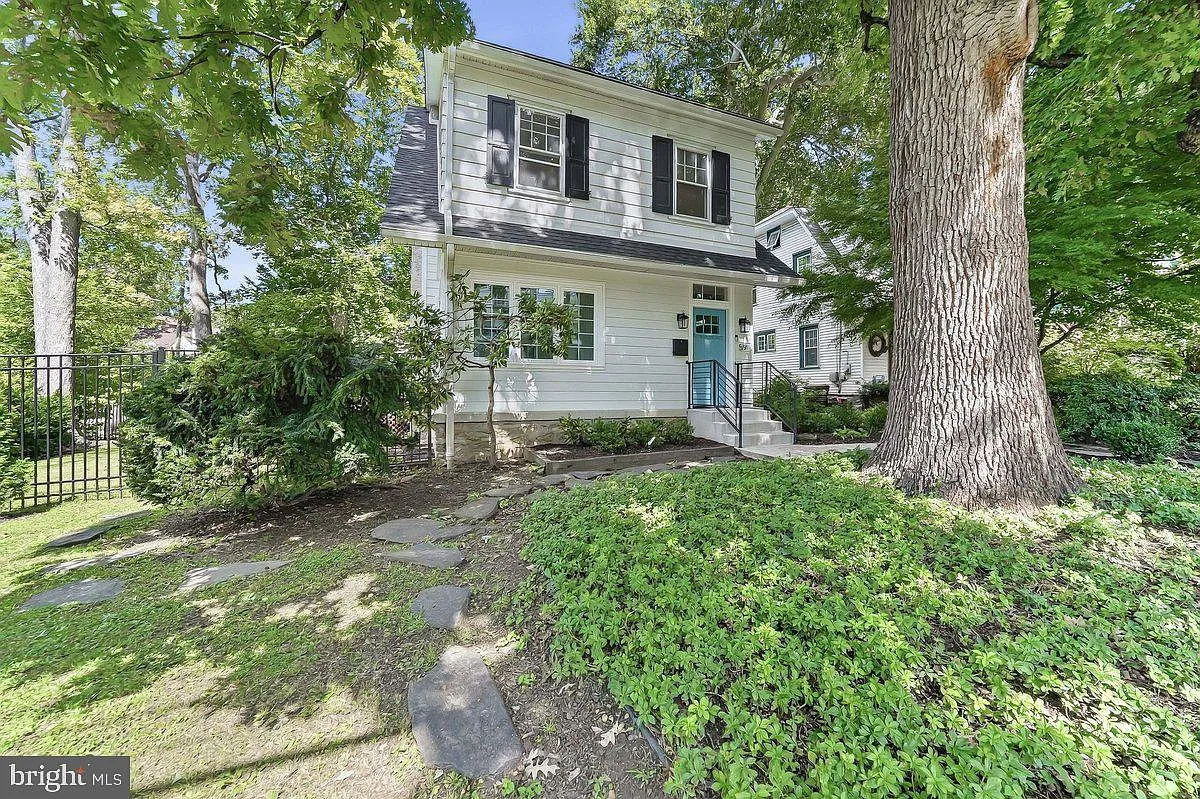
Bell Elite Senior Living — a nurse-led, family-owned personal care home in Lansdowne, PA. Warm living spaces, private bedrooms, and a chef's kitchen — come see the difference.
Understanding the Foundation of Personal Care in the Commonwealth
Have you ever wondered why so many families in Delaware County feel overwhelmed when it's time to look for care for an aging parent? It is a question that I hear often as a nurse and as someone who has dedicated my life to helping seniors transition into a new, supportive chapter of their lives. The truth is that the world of senior living is filled with confusing terminology and thick stacks of paperwork that can make anyone feel like they are wandering through a maze without a map. When you are looking for a home in Pennsylvania, the very first thing you need to understand is that our state has very specific definitions for what constitutes a personal care home. You might hear people use the terms personal care and assisted living interchangeably, but in the eyes of the Pennsylvania Department of Human Services, these are actually two different types of licenses with their own sets of rules.
Imagine this scenario for a moment. You are driving through the quiet, tree lined streets of Media or Havertown, looking at various beautiful houses and wondering which one might provide the safest environment for your mother. You see signs for various senior communities, but how do you know which ones are held to the highest standards? In Pennsylvania, a personal care home is defined as a facility that provides shelter, meals, and assistance with the activities of daily living for four or more people who are not related to the operator. This assistance includes things like bathing, dressing, and managing medications. The Pennsylvania Department of Human Services oversees these homes to ensure that every resident is treated with the dignity and safety they deserve.
Why does the state care so much about these distinctions? The reason is simple. They want to ensure that no matter where a senior chooses to live, whether it is a large facility in Philadelphia or a cozy, family owned personal care home like Bell Elite Senior Living in Delaware County, there is a baseline of protection that never wavers. As a nurse, I look at these regulations as a safety net. They are not just red tape or bureaucratic hurdles. They are the promises we make to our elders that we will keep them safe, healthy, and respected.
Speak With Our Nursing Team
We help Pennsylvania families navigate senior care decisions with compassion and clinical expertise.
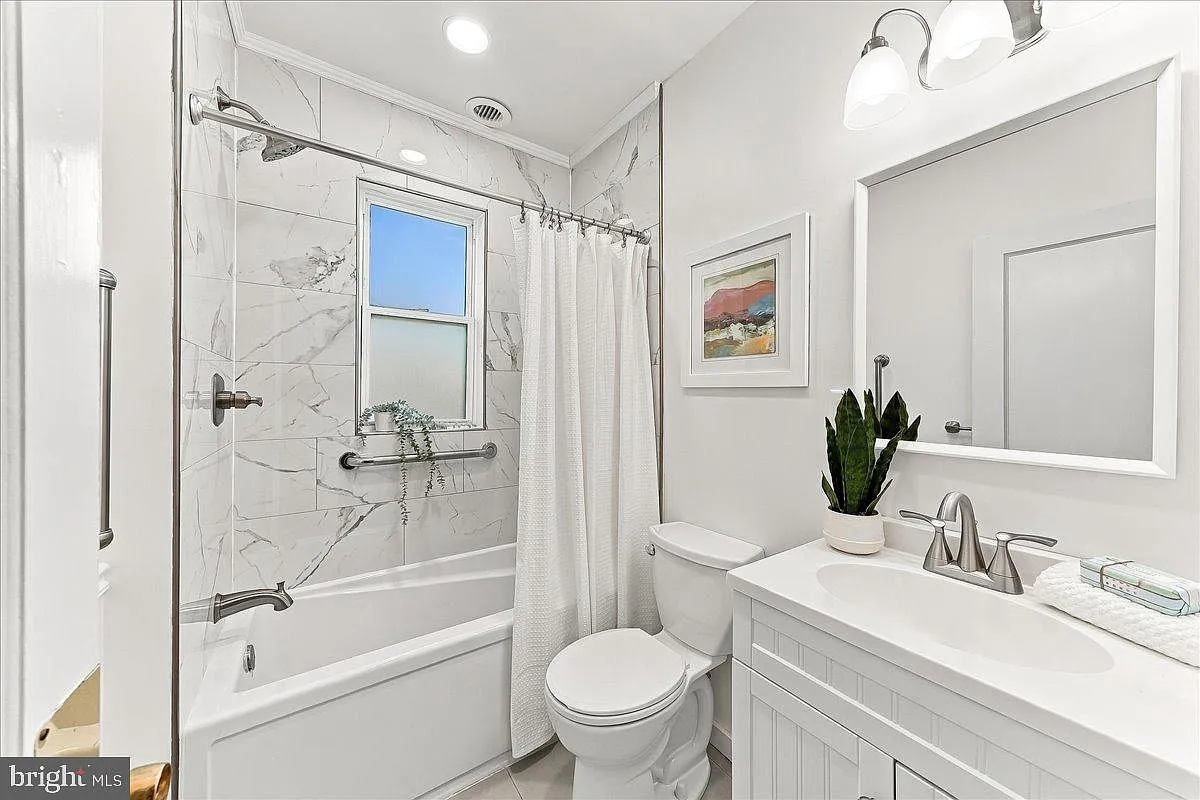
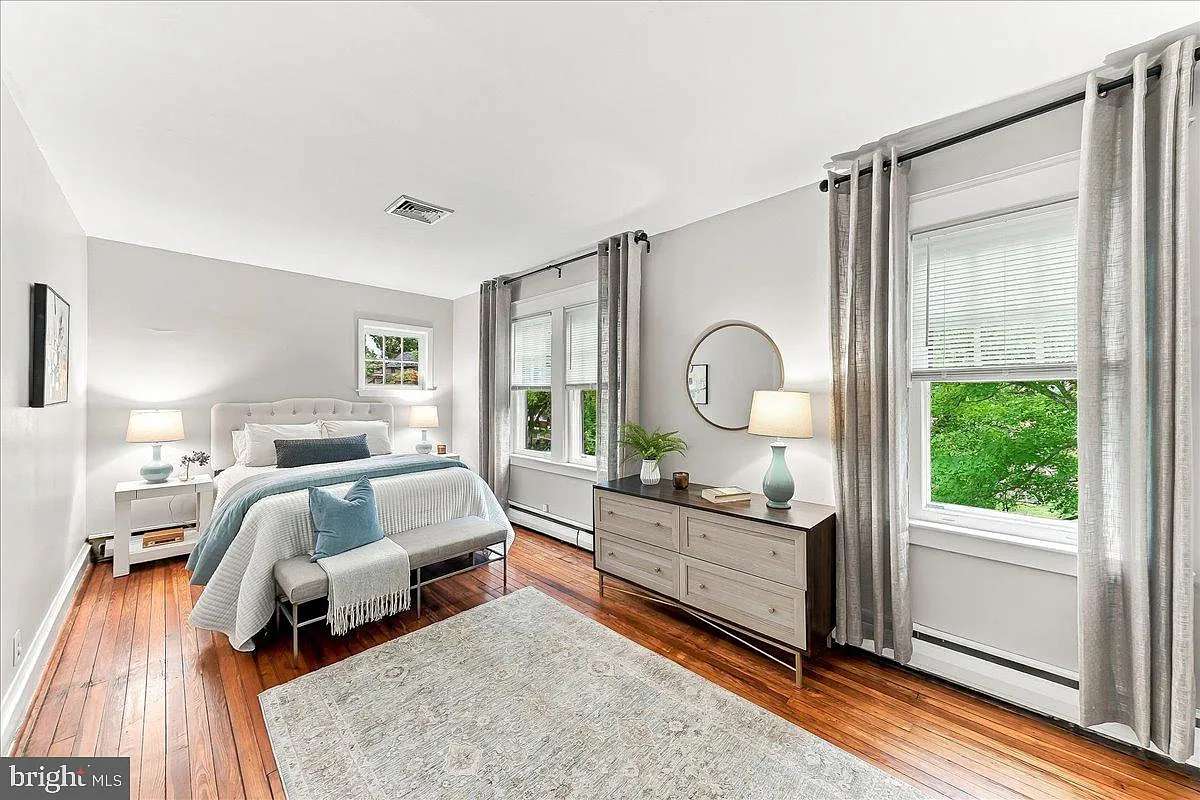
Private bedrooms and accessible bathrooms, designed for safety, comfort, and dignity.
Q: What is the main difference between a personal care home and assisted living in Pennsylvania? In Pennsylvania, the primary difference lies in the level of care and the specific physical requirements of the building. Assisted living residences are often seen as a middle ground between personal care and a nursing home, requiring more square footage per resident and certain architectural features like private bathrooms and kitchenettes in every unit. Personal care homes provide similar daily support but often offer a more communal, residential feel that many families in areas like Springfield and Broomall find much more comforting and less clinical.
When you start digging into the regulations, you will find a document known as Chapter 2600 of the Pennsylvania Code. This is essentially the rulebook for every personal care home in the state. Have you considered what life would be like if these rules didn't exist? Without these standards, there would be no consistency in how medications are handled or how many staff members need to be present at three o'clock in the morning. These regulations cover everything from the temperature of the water in the faucets to the qualifications of the person running the home.
In a nurse-led home, we take these regulations and use them as a floor, not a ceiling. We want to go far beyond the minimum requirements because we know that your family deserves more than just a passing grade from a state inspector. We understand that when you are looking for a home for your loved one, you are looking for a place where they will be loved and cherished, not just a place that checks off boxes on a government form. Does your current search for a facility feel like you are just looking at real estate, or does it feel like you are looking for a family?
Q: How often are personal care homes inspected by the state? Every licensed personal care home in Pennsylvania undergoes an unannounced inspection at least once every twelve months. During these visits, inspectors from the Department of Human Services walk through the building, review resident records, interview staff and residents, and ensure that every aspect of Chapter 2600 is being followed to the letter. If a facility has a history of excellence, these inspections are a routine confirmation of their quality, but for families, they provide an essential layer of transparency and accountability.
Speak With Our Nursing Team
We help Pennsylvania families navigate senior care decisions with compassion and clinical expertise.
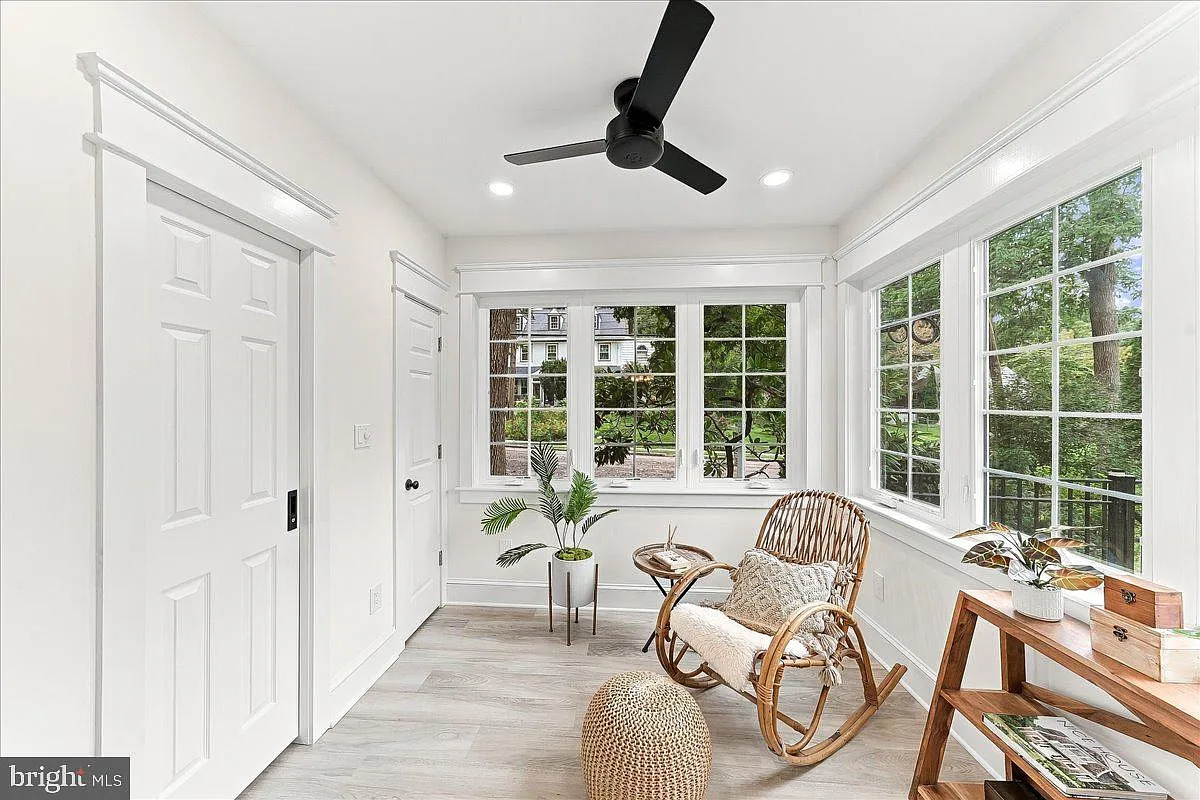
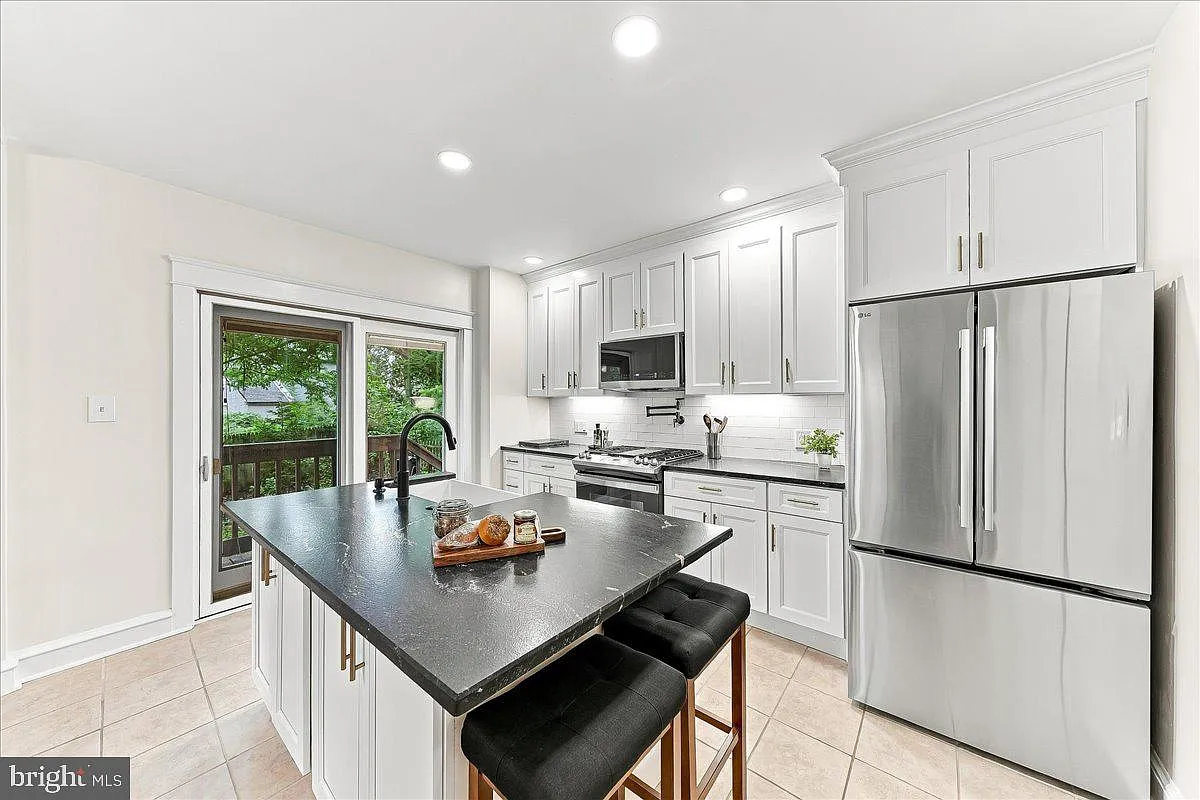
Home-cooked meals in our chef's kitchen and peaceful moments in the sunroom — life at Bell Elite.
Picture this. You are sitting at your kitchen table in Drexel Hill, surrounded by brochures, trying to make a decision that will change your family's life forever. You want to know that the person caring for your father has had a background check. You want to know that the food is nutritious and that the building is fire safe. All of these things are guaranteed by the state regulations, but the heart of the home is something that no regulation can mandate. That heart comes from the owners, the nurses, and the caregivers who show up every day because they truly care.
The Vital Role of Staffing and Professional Oversight
Does the thought of your loved one not receiving enough attention keep you awake at night? It is a valid fear because we have all heard stories about facilities where the staff is spread too thin and call bells go unanswered for far too long. In Pennsylvania, the regulations regarding staffing are designed to prevent those exact situations. The law requires that there be enough staff on duty at all times to meet the needs of every resident in the home. This means that if a home has residents who require more help with walking or eating, they must increase their staffing levels accordingly.
Pennsylvania law mandates that personal care homes must have a written staffing plan that explains how they determine their numbers. But beyond the sheer number of people on the clock, what really matters is the quality of their training. Every direct care staff member in a Pennsylvania personal care home must complete a specific orientation and undergo at least twelve hours of annual training on topics like resident rights, emergency procedures, and infection control. When you choose a nurse-led home like Bell Elite Senior Living, that training is overseen by medical professionals who understand the nuances of senior health.
Q: What qualifications must a personal care home administrator have? An administrator in a Pennsylvania personal care home must be at least 21 years old and hold a license or a specific set of educational credentials, such as a college degree or a nursing license. They must also complete a rigorous 100-hour standardized training course and pass a competency exam. This ensures that the person leading the home has a deep understanding of both the administrative side of the business and the clinical needs of the seniors living under their roof.
Speak With Our Nursing Team
We help Pennsylvania families navigate senior care decisions with compassion and clinical expertise.
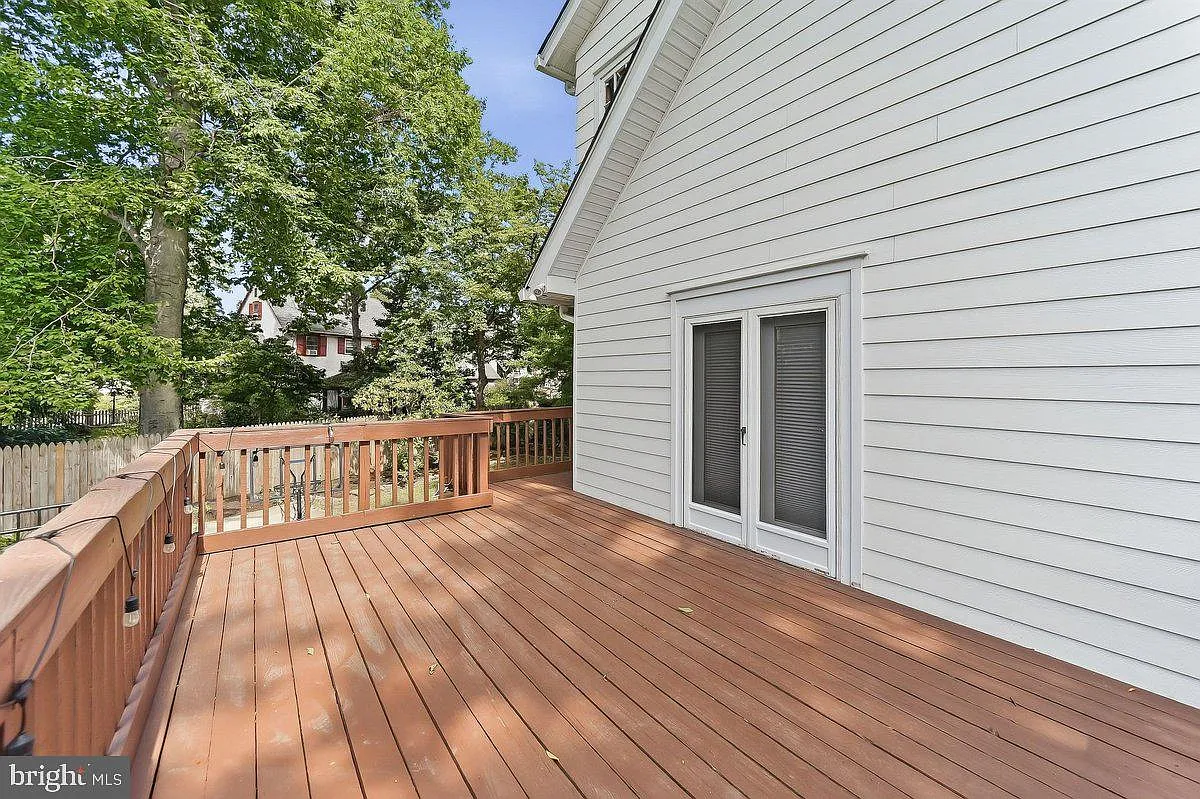
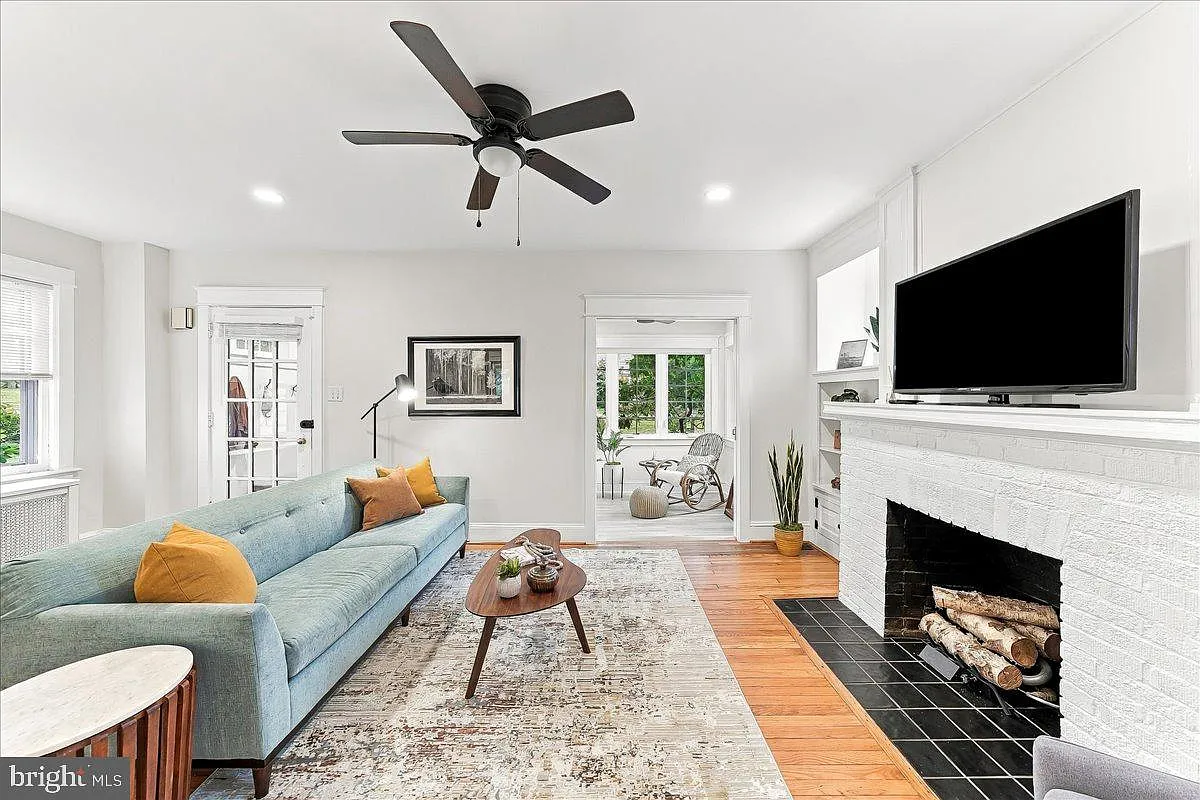
Gather in our warm living room or enjoy fresh air on the deck — every space feels like home.
How do you feel when you realize that the person in charge of your mother's daily care is not just an employee, but someone with a clinical background? In many corporate-run facilities in the Philadelphia suburbs, the administrator might have a background in business or marketing. While they might be great at managing a budget, they might not recognize the subtle signs of a urinary tract infection or the early warnings of a respiratory issue. At Bell Elite, being nurse-led means that every decision is filtered through a lens of medical expertise and compassionate care.
Imagine a Tuesday afternoon in a home where the staff truly knows the residents. They notice that Mr. Johnson isn't his usual talkative self, or that Mrs. Smith didn't finish her lunch. Because of the staffing regulations that require consistent care, these small changes don't go unnoticed. The state requires that staff be trained to recognize and report changes in a resident's physical or mental condition. This is the foundation of proactive healthcare. Wouldn't you breathe easier knowing that someone is always watching out for those subtle shifts?
Q: Can a personal care home provide medical nursing care? While personal care homes are primarily focused on assistance with daily living, they can provide supplemental health care services. This means that if a resident needs help with things like wound care or injections, the home can coordinate with home health agencies or have their own nursing staff provide these services as long as it falls within the scope of their license. Having a nurse on the leadership team at a home like Bell Elite makes this coordination much more seamless and effective.
Think about the peace of mind that comes from knowing that the people working in the home have passed rigorous background checks. Pennsylvania requires a criminal history record check for all employees. If an employee has not lived in Pennsylvania for the past two years, they must also undergo a federal criminal history check through the FBI. This is non-negotiable. When you visit a home in Upper Darby or Swarthmore, you should feel confident that the people walking the halls have been thoroughly vetted to ensure the safety of your loved ones.
Have you ever asked a facility about their staff turnover rate? While the state doesn't regulate a specific percentage for turnover, they do regulate the continuity of care. High turnover can lead to gaps in knowledge about a resident's specific preferences and needs. A family-owned home often has the advantage of a more stable workforce because the staff feels like they are part of a family rather than just a number on a corporate payroll. When you call (484) 356-1070, you are talking to people who are invested in the Delaware County community and who plan to be here for the long haul.
Have questions about personalized care options? Bell Elite Senior Living's nursing team is ready to help. Call (484) 356-1070 or schedule a free consultation today.
Upholding the Dignity and Rights of Every Senior
What if you could guarantee that your mom’s independence would remain intact even after moving into a care home? This is perhaps the most important part of Pennsylvania's personal care regulations. Every resident in a personal care home is protected by a Resident Bill of Rights. These rights are not just suggestions. They are legally binding requirements that every facility must follow. These rights include the right to be treated with dignity and respect, the right to privacy, the right to manage one's own finances, and the right to practice one's own religion.
Q: Do residents have the right to keep their own doctor after moving in? Absolutely. Every resident has the right to choose their own personal physician and other health care providers. A personal care home cannot force you to use a specific doctor just because they have a contract with them. While a home like Bell Elite Senior Living can provide recommendations or help coordinate transportation, the final decision always rests with the resident and their family.
Imagine the freedom of knowing that your father can still wake up when he wants, wear the clothes he likes, and participate in the activities that bring him joy. The regulations state that residents must be allowed to make their own choices as much as possible. This includes the right to voice grievances without fear of retaliation. If a resident in a home in Media feels that something isn't right, they have a legal path to speak up. Personal care homes are required to provide residents with information on how to contact the local Long-Term Care Ombudsman, which is a free advocacy resource for seniors.
How does it feel to know that your privacy is protected even in a communal living environment? Pennsylvania law requires that residents have privacy during medical examinations, when receiving personal care, and when talking on the phone or receiving visitors. They also have the right to send and receive unopened mail. These small details are what make a facility feel like a home rather than an institution. In a small, family-owned setting, these rights are often more naturally respected because the environment is inherently more intimate and less clinical than a massive complex in Montgomery County.
Q: Can a personal care home restrict visitors? Under Pennsylvania law, residents have the right to receive visitors at any time, provided that the visits do not infringe upon the rights of other residents. This means your family from Chester County or Philadelphia can stop by to say hello without having to worry about restrictive "visiting hours" that feel more like a hospital than a home. Personal care homes are meant to be open, welcoming spaces where families are encouraged to remain an active part of their loved one's life.
Have you thought about the importance of financial autonomy? Many families worry that moving into a home means giving up control over their money. However, the regulations are very clear that residents have the right to manage their own financial affairs. If a resident asks the home to help manage their funds, the home must follow very strict accounting rules and provide regular statements. At Bell Elite, we believe that transparency is the key to building trust with families in our Delaware County community.
Picture a resident who loves to garden or who has always enjoyed a glass of wine before dinner. While there are safety considerations in any care environment, the goal of Pennsylvania's regulations is to allow residents to live as independently as possible. This includes the right to participate in the planning of their own care. Every resident must have a written support plan that is updated at least annually. This plan is a collaborative effort between the resident, their family, and the home's staff to ensure that all needs and preferences are being met.
Does your loved one have a favorite chair or a collection of photos they can't live without? Residents have the right to bring personal belongings into their rooms to make the space truly their own. This is a vital part of the transition process. When a senior moves into a home in Havertown or Springfield, seeing their own familiar items helps to reduce the stress of the move and provides a sense of continuity. We encourage our families to bring those personal touches that make a house a home.
Safety Standards and the Physical Environment
Have you ever walked into a facility and wondered if the shiny floors matter more than the safety protocols hidden behind the walls? It is easy to be impressed by a grand lobby or a fancy dining room, but the real test of a personal care home is in the details of its safety and physical environment. Pennsylvania has incredibly strict rules regarding the physical plant of a personal care home. These rules are designed to ensure that the building is fire safe, clean, and accessible for people with mobility challenges.
Q: What are the fire safety requirements for PA personal care homes? Every personal care home must have an automatic fire alarm system, smoke detectors in every bedroom and common area, and fire extinguishers on every floor. Furthermore, the home must conduct monthly fire drills, including some that happen during the night, to ensure that both staff and residents know exactly what to do in an emergency. In Delaware County, these standards are strictly enforced to protect our seniors from the devastating effects of a fire.
Imagine living in a space where the temperature is always just right. Pennsylvania regulations require that the indoor temperature in personal care homes must be at least 70 degrees when residents are present. During the summer months, homes must use fans or air conditioning to ensure that the temperature does not exceed a safe level. This might seem like a small detail, but for a senior whose body cannot regulate temperature as easily as it once could, these rules are a matter of health and safety.
How often do you think about the cleanliness of the water coming out of the tap? The state requires that the hot water temperature in areas accessible to residents be between 100 and 120 degrees to prevent scalding. This is the kind of regulatory detail that families often don't think about, but it is exactly what we monitor every single day at Bell Elite Senior Living. Being family-owned means that we are physically present in the home, checking these things ourselves rather than relying on a maintenance crew from another county.
Q: Are there specific rules about how many people can share a bedroom? Yes. Pennsylvania law states that no more than four residents may share a bedroom, though many modern homes, including nurse-led residences, often provide private or semi-private options that offer much more personal space. Each bedroom must have a door that can be closed and must provide at least 80 square feet of space for a single room or 60 square feet per person for a shared room. This ensures that every resident has a place they can call their own.
Picture a dining room where residents gather for a home-cooked meal. The regulations state that the home must provide at least three nutritious meals a day, plus snacks. These meals must meet the recommended dietary allowances and must be adapted for any special diets prescribed by a doctor. In a smaller home like ours in Delaware County, the food often tastes more like what you would make in your own kitchen than what you would find in a large cafeteria. This is one of the many benefits of a smaller, more intimate personal care setting.
Have you considered the importance of communal spaces? A personal care home isn't just a collection of bedrooms. It must have common areas for socializing, activities, and relaxation. These spaces must be well-lit, comfortably furnished, and kept clean at all times. Whether it is a cozy living room in a Drexel Hill home or a sunny porch in Media, these spaces are where the community truly happens. The state also requires that the home be kept free from pests and that all trash be disposed of safely and hygienically.
The physical environment must also be accessible. This means that there should be handrails in hallways, grab bars in bathrooms, and ramps where necessary. For a senior who uses a walker or a wheelchair, these features are the difference between independence and being stuck in their room. As a nurse, I look at the physical environment not just as a building, but as a tool that can either help or hinder a person's mobility. We strive to create a space that is both safe and beautiful, proving that you don't have to sacrifice style for safety.
Ready to explore tailored care solutions? Speak with our coordinators at Bell Elite. Phone: (484) 356-1070 • Request a tour
Health Management and the Importance of Nurse-Led Care
How much do you truly know about how medications are handled once you are no longer the one managing the pillbox? This is one of the most critical aspects of personal care home regulations in Pennsylvania. Medication errors are a leading cause of hospitalizations among seniors, and the state has implemented very specific rules to minimize this risk. In a personal care home, staff must be specially trained and pass a competency test before they are allowed to assist residents with their medications.
Q: Can staff in a personal care home give injections? Generally, only a licensed nurse or the residents themselves can administer injections like insulin. If a home is not nurse-led, they may have to bring in an outside agency to handle these needs. This is why a home like Bell Elite Senior Living, which is nurse-led and family-owned, is so valuable. Having medical expertise on-site means that we can manage more complex health needs while still providing the warm, residential feel of a personal care home.
Imagine the peace of mind that comes from knowing every pill is documented. Pennsylvania requires a Medication Administration Record (MAR) for every resident. This record tracks what medication was given, the dosage, the time, and the person who administered it. As a nurse, I have seen how quickly things can go wrong when these records aren't kept meticulously. In our home, we follow these regulations with a clinical eye, ensuring that your loved one is getting exactly what the doctor ordered, every single time.
Have you thought about what happens if your loved one's health changes? Pennsylvania regulations require that every resident have a physical examination at least once a year. Additionally, the home must perform a medical screening before the resident even moves in to ensure that the home can actually meet their needs. This prevents the heart-breaking situation where a senior moves into a home only to find out a month later that they actually need a higher level of care than the facility can provide.
Q: What happens if a resident has a medical emergency? Personal care homes are required to have a written emergency procedure that all staff are trained on. This includes having a first aid kit on-site and ensuring that staff can quickly contact emergency services. Because we are located in the heart of Delaware County, we are close to world-class medical facilities like Riddle Hospital or Delaware County Memorial Hospital, ensuring that help is never far away if it is needed.
Picture a scenario where a resident starts to feel a bit dizzy or confused. In a standard personal care home, a caregiver might not know if this is a side effect of a new medication or a sign of something more serious. In a nurse-led home, we have the clinical training to assess the situation immediately. We can check vital signs, review the medication history, and call the doctor with a professional clinical report. This often prevents unnecessary trips to the emergency room and allows the resident to be treated in the comfort of their own home.
The state also regulates the storage of medications. They must be kept in a locked area and stored at the proper temperature. Controlled substances have even stricter rules, requiring a double-lock system and a specific counting procedure. These rules are in place to prevent theft and misuse, ensuring that the medications remain available for the people who actually need them. When you are looking for care in areas like Broomall or Springfield, ask the administrator to show you how they store and track their medications.
Does your loved one have a complex medical history? Many seniors in Pennsylvania are living with multiple chronic conditions like diabetes, heart disease, or early-stage dementia. The regulations require that the home's staff be aware of these conditions and provide the necessary support. At Bell Elite, we take this a step further by creating individualized care plans that address the whole person, not just their diagnosis. We believe that good health is about more than just taking pills; it is about nutrition, movement, social connection, and emotional well-being.
Navigating the Search for Quality Care in Delaware County
Where do you turn when the paperwork is signed and the reality of a new chapter finally begins to settle in? The journey of finding the right personal care home for a loved one is rarely a straight line. It is often a path filled with emotions, questions, and a fair amount of stress. But knowing that Pennsylvania has such robust regulations should give you a sense of confidence. You are not alone in this process. There are systems in place to protect your family and resources available to help you make the best choice.
Q: How can I check a personal care home's inspection history? The Pennsylvania Department of Human Services maintains an online database where you can search for any licensed personal care home in the state. You can see their current license status, any violations that were found during recent inspections, and the plan of correction the home submitted to fix those issues. This is an invaluable tool for families in Delaware County who want to do their homework before choosing a home for their loved ones.
Imagine walking into a home and feeling an immediate sense of peace. That feeling is often the result of a home that is not just following the rules, but embracing the spirit of care. When you visit a home in Havertown, Media, or Drexel Hill, pay attention to how the staff interacts with the residents. Are they calling them by name? Is there laughter in the hallways? Does the environment feel clean and well-maintained? These are the things that a state inspector might not put in a report, but they are the things that will matter most to your mother or father every single day.
Have you considered the benefits of staying local? Choosing a home in Delaware County means that friends and family from the Philadelphia suburbs can visit often. It means that your loved one can stay connected to the community they have known for years. We love being a part of this community, and we take pride in serving our neighbors. When you call us at (484) 356-1070, you aren't talking to a corporate call center in another state. You are talking to your neighbors who are dedicated to providing the highest quality of care.
Q: Is there financial assistance available for personal care homes in PA? While many personal care homes are private pay, some residents may be eligible for the Supplemental Security Income (SSI) program if they meet certain income and asset requirements. Additionally, some long-term care insurance policies cover personal care. It is always a good idea to speak with a financial advisor or a representative from the Delaware County Office of Services for the Aging (COSA) to explore all of your options.
Picture the day of the move. It is a big transition, but it doesn't have to be a scary one. A good personal care home will work with you to make the transition as smooth as possible. They will help you set up the room, introduce your loved one to their new neighbors, and ensure that the staff knows all about their favorite foods and daily routines. The regulations are the framework that keeps everything safe, but the people in the home are the ones who turn a facility into a community.
Why settle for a facility that just meets the minimum requirements? You deserve a home that strives for excellence in every category. You deserve a place where the nurses are in charge, where the family is always welcome, and where the dignity of every senior is the top priority. Pennsylvania's regulations provide the foundation, but Bell Elite Senior Living provides the heart. We are here to answer your questions, ease your worries, and provide a home that your loved one will truly love.
How can you be sure you are making the right choice? Trust your instincts, do your research, and don't be afraid to ask the tough questions. Ask about the staffing ratios, the medication protocols, and the resident rights. A home that is proud of its care will be more than happy to share that information with you. If you are looking for a place in Delaware County that feels like home from the moment you walk through the door, we invite you to reach out. We are here for you, every step of the way.
Q: What is the first step in starting the move-in process? The first step is usually a conversation. Call the home, tell them about your loved one’s needs, and schedule a tour. This allows you to see the environment firsthand and get a feel for the community. From there, the home will help guide you through the medical screenings and paperwork required by the state. At Bell Elite, we strive to make this process as simple and stress-free as possible for families in our local community.
Think about the future and the peace of mind that comes with knowing a plan is in place. You don't have to wait for a crisis to start looking at your options. By understanding the regulations and knowing what to look for, you can make a proactive decision that ensures your loved one's safety and happiness for years to come. Whether you are just starting your search or are ready to make a move, remember that quality care is built on a foundation of respect, expertise, and a commitment to the highest standards of safety.
A Glimpse Inside Bell Elite
A warm, family-like residence — not an institution. Every space is designed for comfort, safety, and dignity.
Ready to Take the Next Step?
Bell Elite Senior Living is a nurse-led, family-owned personal care home in Delaware County, Pennsylvania. We're here to help.
Proudly Serving Families Across the Greater Philadelphia Region
Bell Elite Senior Living is a nurse-led, family-owned personal care home located in Delaware County, Pennsylvania — and we proudly serve families from across the entire Greater Philadelphia area and surrounding communities. Whether you are searching for a personal care home in Delaware County PA, exploring senior living options near Philadelphia, or looking for compassionate elder care for a loved one in Montgomery County, Bucks County, or Chester County, our team is here to help guide you through every step of the decision.
Families come to Bell Elite from throughout Philadelphia and its suburbs — including Upper Darby, Havertown, Drexel Hill, Broomall, Swarthmore, Media, Springfield, Lansdowne, Darby, Collingdale, and Sharon Hill in Delaware County; Ardmore, Norristown, Lansdale, Cheltenham, Abington, Blue Bell, Jenkintown, Ambler, and Horsham in Montgomery County; Doylestown, Newtown, Langhorne, Bristol, Yardley, Quakertown, and Levittown in Bucks County; and West Chester, Malvern, Exton, Downingtown, Phoenixville, Coatesville, and Paoli in Chester County. We are also a trusted resource for families in South Jersey communities such as Cherry Hill, Voorhees, Marlton, Moorestown, Mount Laurel, Haddonfield, Collingswood, and Camden County who are seeking high-quality personal care across the river in Pennsylvania. Families from Wilmington, Newark, and New Castle County, Delaware also regularly choose Bell Elite for its clinical excellence and intimate, home-like setting.
Our central location in Delaware County puts us within easy reach of Center City Philadelphia, the Main Line, South Philadelphia, Northeast Philadelphia, and the Philadelphia suburbs — making visits from family members throughout the region straightforward and stress-free. We understand that choosing the right personal care home is one of the most important decisions a family will make, and distance should never be a barrier to accessing exceptional, nurse-led care.
Frequently Asked Questions About Our Service Area
Does Bell Elite Senior Living serve families from Philadelphia?
Yes. Bell Elite Senior Living is located in Delaware County, PA, just minutes from Philadelphia. We regularly welcome residents and their families from across Philadelphia, including South Philly, Northeast Philadelphia, Kensington, Germantown, and Center City.
Do you accept residents from Montgomery County, PA?
Absolutely. We serve families throughout Montgomery County including Norristown, Ardmore, Lansdale, Cheltenham, Blue Bell, Jenkintown, and Ambler. Our nurse-led care model is a popular choice for families across the Philadelphia suburbs.
Can families from Bucks County place a loved one at Bell Elite?
Yes. Many of our residents come from Bucks County communities such as Doylestown, Newtown, Yardley, Langhorne, and Bristol. Our facility is easily accessible from Route 1 and I-95 corridors.
Do you serve Chester County families looking for personal care?
Yes. Families from West Chester, Malvern, Exton, Downingtown, Phoenixville, Paoli, and Coatesville in Chester County frequently choose Bell Elite for our small resident count, clinical oversight, and personalized care plans.
Is Bell Elite an option for families in South Jersey near Philadelphia?
Yes. Many families from Cherry Hill, Voorhees, Marlton, Mount Laurel, Haddonfield, Moorestown, and Camden County in New Jersey choose Bell Elite Senior Living in nearby Delaware County, PA for its nurse-led care and welcoming environment.
Do you accept residents from Delaware (Wilmington, Newark, New Castle County)?
Yes. Families from Wilmington, Newark, Middletown, and throughout New Castle County, Delaware have placed loved ones at Bell Elite. Our location in Delaware County, PA makes us a convenient and high-quality option for Delaware families seeking nurse-led personal care.
How do I find out if Bell Elite can serve my family's location?
Call us at (484) 356-1070 or visit our contact page. We serve the entire Greater Philadelphia region and surrounding areas and are happy to discuss your specific situation, schedule a tour, and answer any questions about our care services.
Related Articles



Related Care Services at Bell Elite
Our nurse-led personal care home in Lansdowne, PA offers specialized services for seniors across the Greater Philadelphia region.
Personal Care Home Near You
Bell Elite is located in Lansdowne, PA — minutes from Philadelphia. See care details for your community:
Have Questions After Reading?
Our nursing team offers free, no-pressure consultations for Pennsylvania families.
Talk to a nurse, not a salesperson. Our team includes RNs, LPNs, a PMHNP, and Family Nurse Practitioners.