

Nutrition and Senior Care: How Proper Eating Prevents Hospitalization
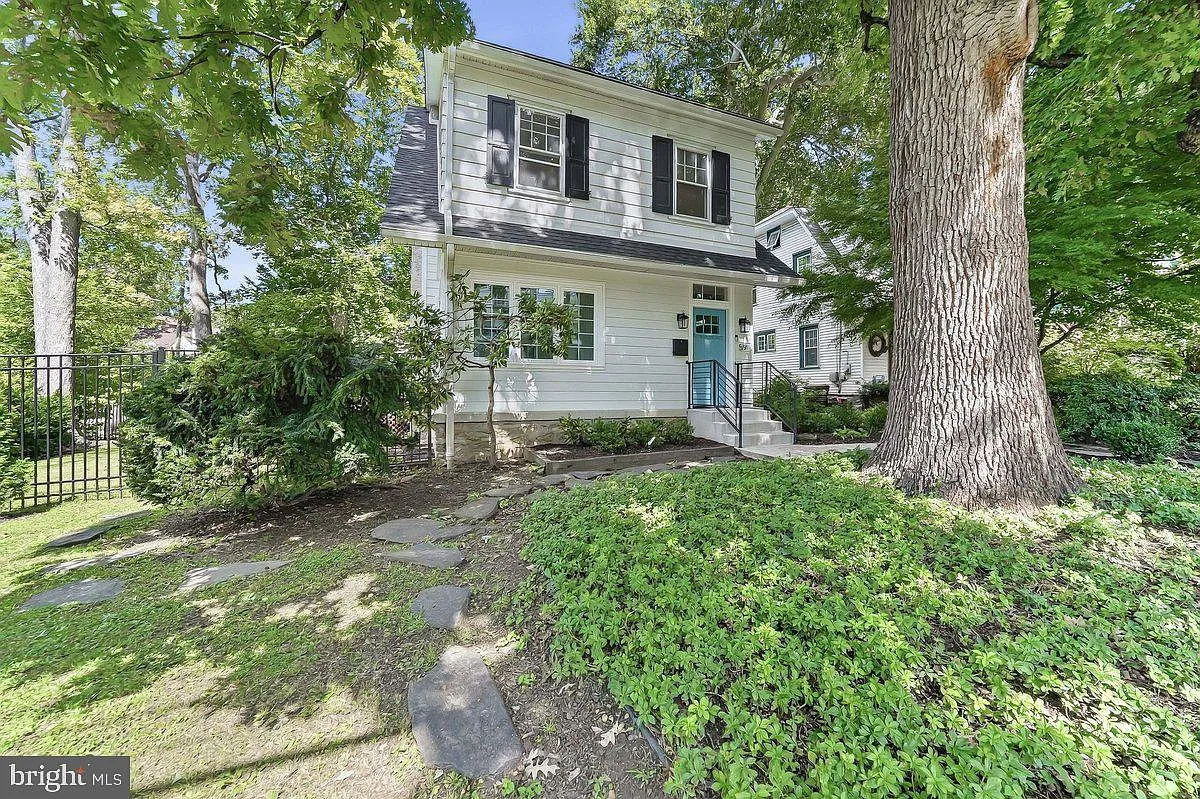
Bell Elite Senior Living — a nurse-led, family-owned personal care home in Lansdowne, PA. Warm living spaces, private bedrooms, and a chef's kitchen — come see the difference.
The Hidden Connection Between the Dinner Plate and the Emergency Room
Have you ever looked at your loved one’s plate and wondered if those few small bites are enough to keep them out of the hospital? It is a question that haunts many daughters and sons across Delaware County as they watch their parents age. You might notice the refrigerator is a little emptier than usual or that the milk has expired. Perhaps your mother, once a vibrant cook in her Havertown kitchen, now relies on tea and toast for dinner. As a nurse, I have seen this transition hundreds of times, and I want to tell you that these small changes in eating habits are often the first quiet whispers of a looming medical crisis. Malnutrition is a leading cause of hospital readmissions among seniors, yet it frequently goes unnoticed until a fall or a sudden illness occurs.
Imagine this scenario for a moment. It is a humid July afternoon in Upper Darby, and your father is sitting in his favorite recliner. He feels a bit weak, perhaps a little dizzy, but he attributes it to the heat or just getting older. Because he skipped breakfast and only had a few crackers for lunch, his blood sugar has dipped, and his muscles lack the glycogen they need for stability. When he stands up to answer the door, his legs give way. This is not just a fall. This is a nutritional failure that leads to a fractured hip, a long hospital stay, and a difficult recovery. Studies show that nearly 50 percent of older adults are malnourished or at risk of malnutrition upon hospital admission, which is a staggering statistic that we can change with proactive care.
How often do we stop to consider that food is the most potent medicine we have? When we talk about senior care at Bell Elite Senior Living, we are not just talking about providing a room and a bed. We are talking about a nurse-led approach to vitality that begins at the dining table. We understand the unique challenges of the Pennsylvania climate and the local healthcare landscape, from the specialized services at Crozer-Chester Medical Center to the community clinics in Springfield. We know that preventing a hospital visit starts with understanding why a senior has stopped eating well in the first place. Is it because of dental pain, a side effect of a new medication, or simply the crushing weight of loneliness that makes a meal for one feel pointless?
Speak With Our Nursing Team
We help Pennsylvania families navigate senior care decisions with compassion and clinical expertise.
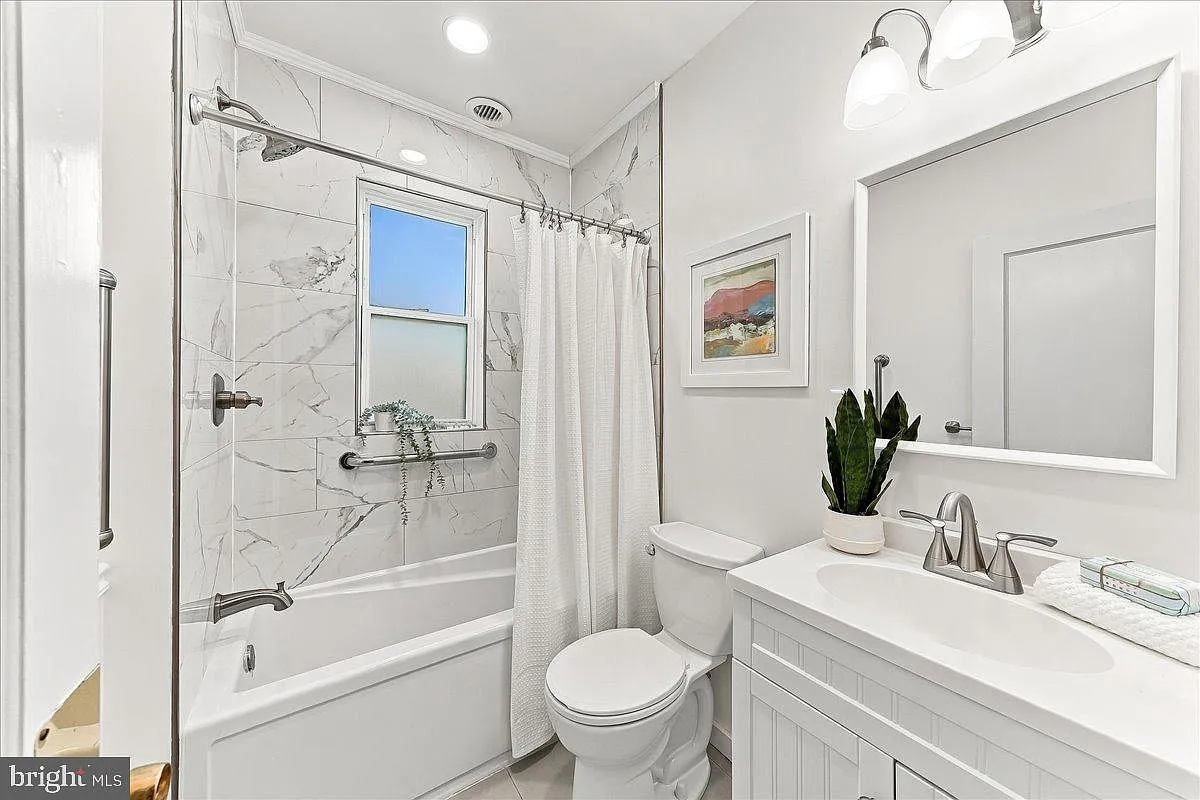
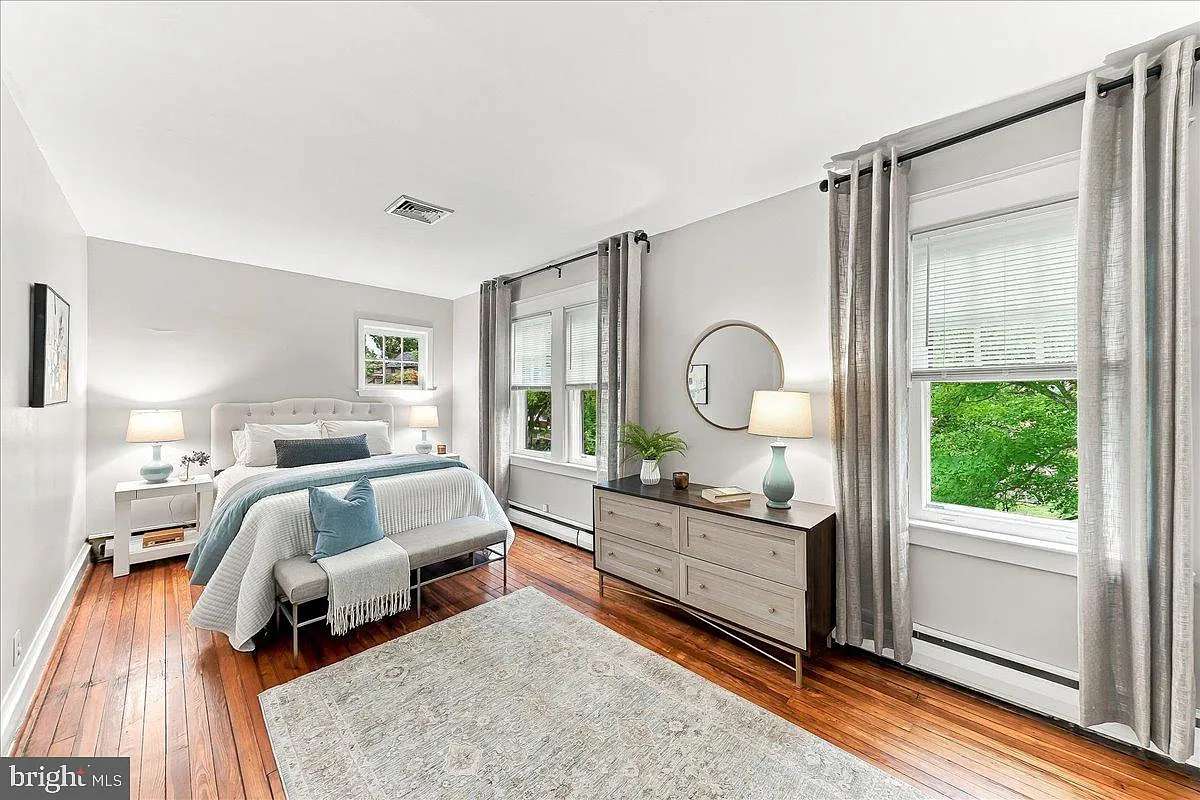
Private bedrooms and accessible bathrooms, designed for safety, comfort, and dignity.
Q: Why is weight loss often dismissed as a normal part of aging when it can actually be quite dangerous? Many people mistakenly believe that becoming frail and thin is an inevitable part of growing old, but significant involuntary weight loss is always a red flag. In the medical community, we look at weight loss of more than 5 percent of body weight in a single month as a clinical indicator that something is wrong. When a senior loses weight, they are not just losing fat, they are losing the lean muscle mass required to breathe deeply, pump blood efficiently, and recover from common infections like the flu or a urinary tract infection.
Have you noticed your loved one’s clothes fitting more loosely lately? Do you find yourself worried every time you visit their home in Drexel Hill because they look smaller than they did just a month ago? These are the moments when a family-owned personal care home like Bell Elite Senior Living can make a life-saving difference. Because we are nurse-led, we do not wait for a crisis to occur before we intervene. We monitor intake, we observe the subtle signs of physical decline, and we adjust the nutritional plan in real time. Can you imagine the peace of mind that comes with knowing a professional is watching your parent’s nutritional health as closely as you would?
Understanding the Biology of Aging and the Challenge of Nutrient Absorption
Why does it seem like the foods your mom once loved now sit untouched or cause her discomfort? As a nurse, I often explain to families in Media and Broomall that the body’s relationship with food changes drastically after the age of seventy-five. The digestive system slows down, and the stomach produces less acid, which makes it much harder for the body to absorb critical nutrients like Vitamin B12, calcium, and iron. Up to 30 percent of older adults suffer from atrophic gastritis, a condition that hinders the absorption of B12 from food, leading to fatigue and cognitive confusion that can mimic dementia. When these deficiencies go unaddressed, the body becomes brittle and the immune system falters, leaving the door wide open for pneumonia or severe infections.
Speak With Our Nursing Team
We help Pennsylvania families navigate senior care decisions with compassion and clinical expertise.
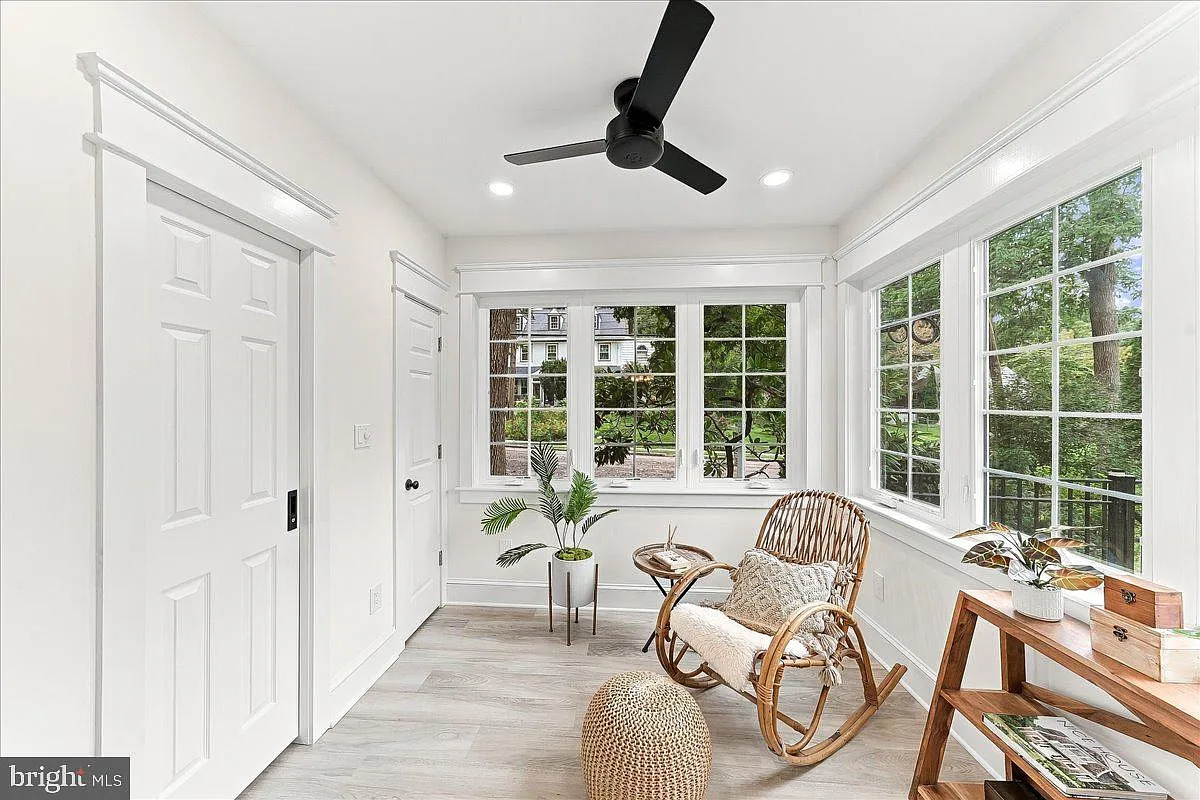
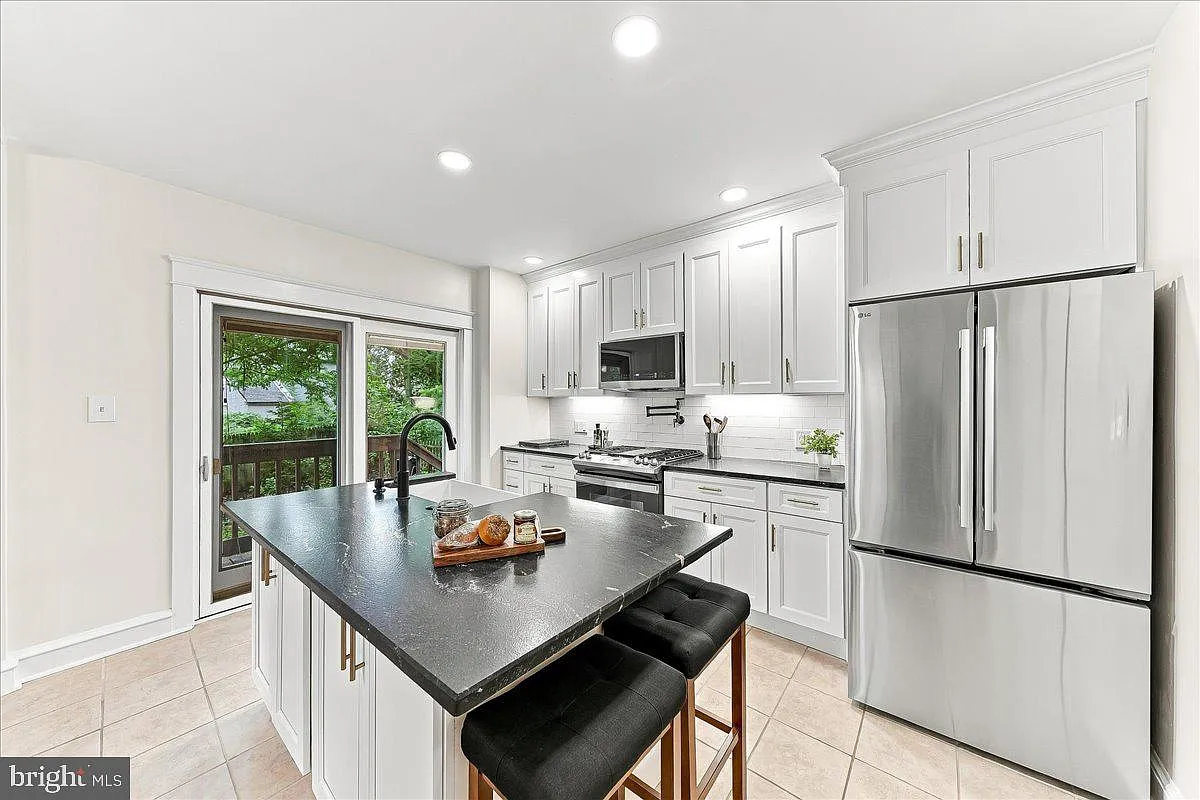
Home-cooked meals in our chef's kitchen and peaceful moments in the sunroom — life at Bell Elite.
Imagine a Sunday afternoon where your family is gathered in Swarthmore for a celebration. Your aunt, who used to love your homemade lasagna, now takes two bites and says she is full. This is not just pickiness. It is often a result of delayed gastric emptying, where the stomach holds onto food longer, making a person feel prematurely satiated. If she is not getting nutrient-dense foods in those few bites, her body begins to pull nutrients from her bones and muscles to keep her heart and brain functioning. Sarcopenia, the age-related loss of muscle mass, can decrease strength by as much as 3 percent per year after age 60 if protein intake is insufficient. This loss of strength is a direct ticket to the emergency room following a stumble or a collapse.
Q: Is it normal for my father to lose his sense of taste as he gets older, and how does that affect his health? It is actually quite common for the number of taste buds to decrease and for the remaining ones to shrink, particularly after the age of seventy. This often affects the ability to taste salt and sweets first, which explains why some seniors start heavily salting their food or losing interest in savory meals altogether. This becomes a major health risk for those in Delaware County managing hypertension or heart disease, as excessive salt intake leads to fluid retention and potential congestive heart failure. At Bell Elite Senior Living, we use herbs and spices to enhance flavor without relying on sodium, ensuring meals are both delicious and safe for the heart.
Could the underlying cause of your loved one’s lack of energy be hidden right there in their medicine cabinet? Many common prescriptions for blood pressure or cholesterol can alter the way food tastes or cause a persistently dry mouth. When eating becomes a chore or an unpleasant sensory experience, it is only a matter of time before nutritional gaps form. Have you ever tried to eat a dry cracker when your mouth feels like a desert? This is the reality for many seniors living alone in the Philadelphia suburbs. They choose to skip the meal rather than deal with the discomfort, and each skipped meal is a missed opportunity to reinforce their biological defenses against illness.
At Bell Elite Senior Living, our nursing team conducts deep dives into each resident’s nutritional profile. We do not just look at what they are eating today: we look at their medical history, their current medications, and their personal preferences. We understand that a resident from Havertown might have very different culinary expectations than someone from South Philadelphia, and we honor those traditions while prioritizing their health. Does your current care plan involve a nurse who understands how a Vitamin D deficiency can increase the risk of a fall? If not, it might be time to consider a more clinical, yet compassionate, environment where nutrition is treated with the same importance as medication administration.
Have questions about personalized care options? Bell Elite Senior Living's nursing team is ready to help. Call (484) 356-1070 or schedule a free consultation today.
Speak With Our Nursing Team
We help Pennsylvania families navigate senior care decisions with compassion and clinical expertise.
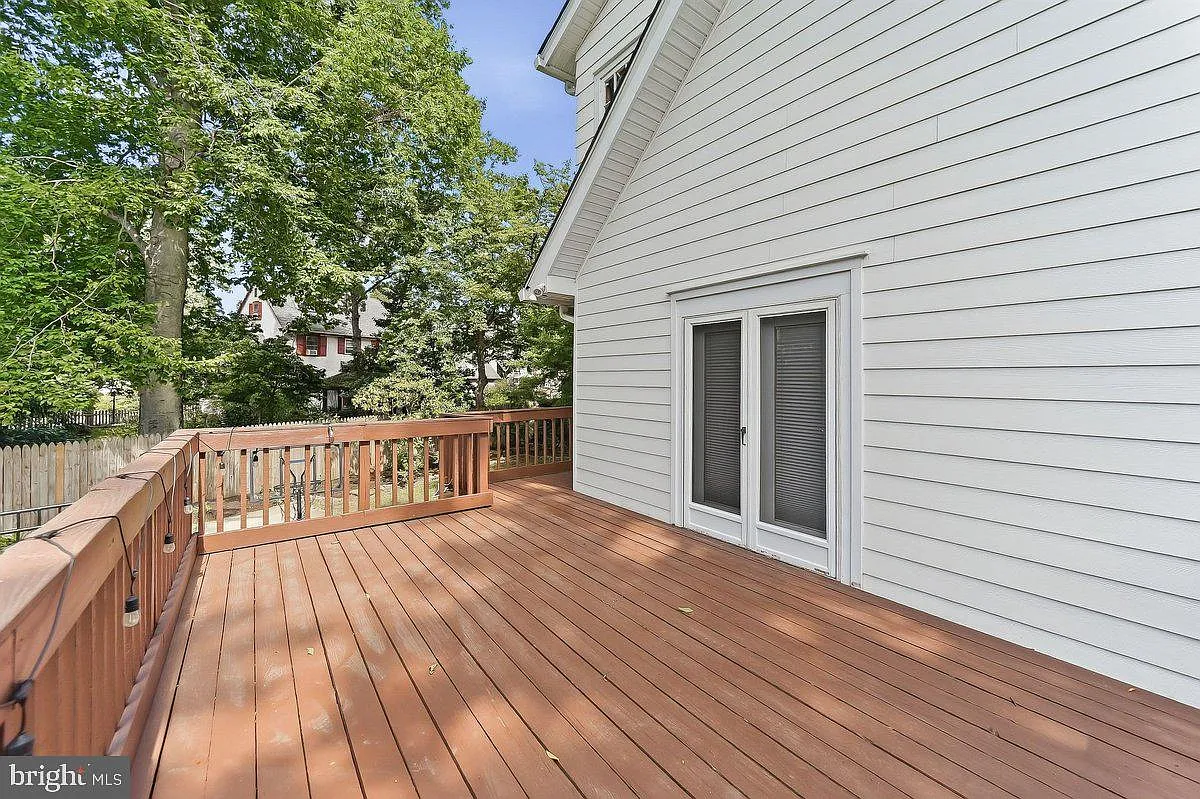
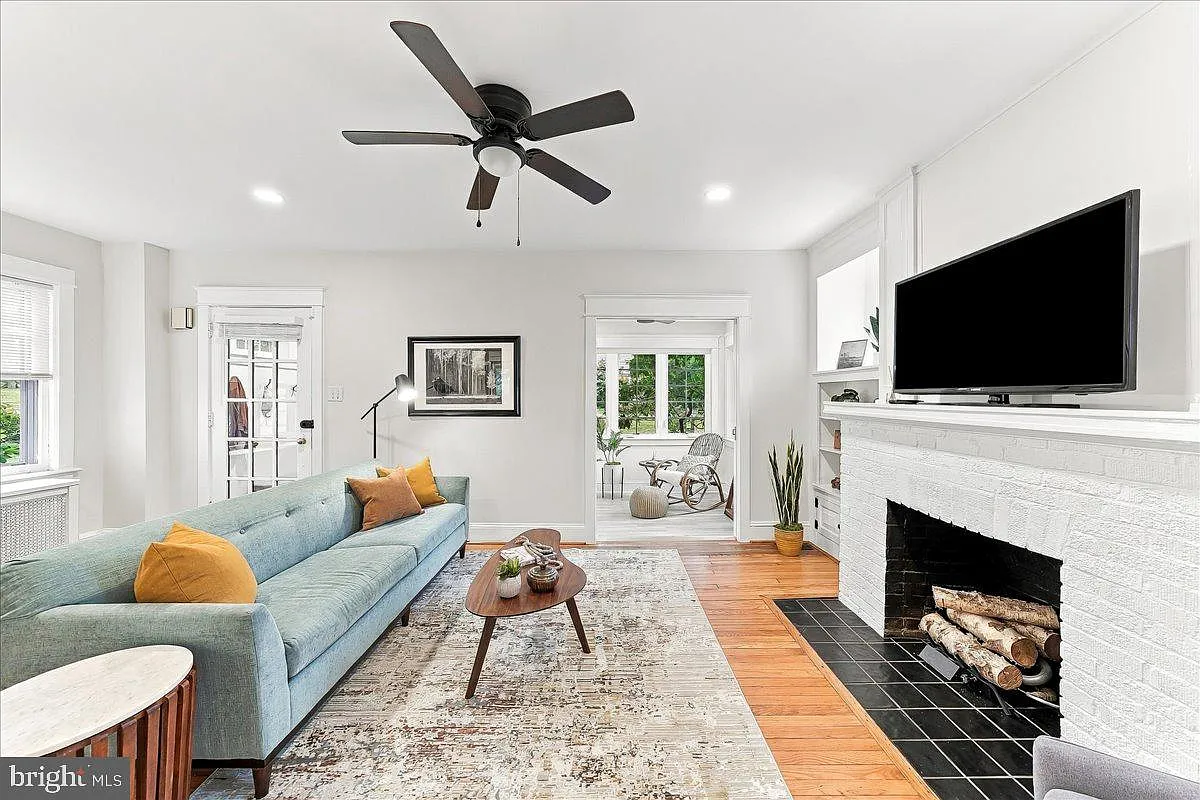
Gather in our warm living room or enjoy fresh air on the deck — every space feels like home.
The Vital Importance of Hydration in Preventing Sudden Hospitalization
Could a simple glass of water be the difference between a peaceful afternoon and a sudden trip to the emergency room for confusion? This is one of the most critical lessons I share with families throughout Delaware County. Dehydration in the elderly is a silent predator. Unlike younger people, older adults often lose their thirst mechanism entirely, meaning their body could be desperately craving fluids while their brain is not sending the signal to take a drink. Dehydration is one of the top ten reasons for hospitalizations among the elderly, and it is almost entirely preventable with the right oversight and a nurse-led routine.
Picture this scenario in a quiet home in Springfield. It is a Tuesday morning, and your mother seems a bit "off." She is more forgetful than usual, she seems lethargic, and she is having trouble finding her words. Your first thought might be that her dementia is progressing or that she is having a stroke. You rush her to the hospital, only to find out after hours of testing that she was simply severely dehydrated. While the relief is immense, the trauma of the hospital visit and the risk of hospital-acquired infections could have been avoided entirely. Even mild dehydration can impair cognitive function and increase the risk of urinary tract infections, which are notorious for causing sudden, severe delirium in seniors.
Q: How can we tell if a senior is dehydrated if they tell us they are not thirsty? Since the thirst mechanism fails as we age, we have to look for secondary signs like dark-colored urine, dry mucous membranes in the mouth, and a sudden increase in heart rate. Another nurse's trick is to gently pinch the skin on the back of the hand: if it stays "tented" for a few seconds instead of snapping back, that is a sign of poor skin turgor and significant fluid loss. At Bell Elite Senior Living, we don't just ask if a resident is thirsty: we provide regular "hydration passes" where flavored waters, juices, and hydrating snacks like melon are offered throughout the day to ensure fluid levels remain optimal.
Have you ever considered how hydration affects the medications your loved one is taking? Many seniors in the Philadelphia area are on complex regimens that include diuretics for heart health or various pills for chronic pain. Without adequate water intake, these medications can become concentrated in the bloodstream, leading to toxicity or severe kidney strain. Is it possible that the "brain fog" your father is experiencing is actually his kidneys struggling to process his daily pills due to a lack of water? This is where the nurse-led model at Bell Elite Senior Living really shines, as we understand the delicate balance between pharmacology and physiology.
Q: Can a urinary tract infection (UTI) really be caused by what a person eats or drinks? While a UTI is a bacterial infection, nutrition and hydration play a massive role in prevention. Adequate fluid intake flushes the urinary system, preventing bacteria from taking hold. Additionally, a diet rich in Vitamin C and certain antioxidants can help maintain the proper acidity of the urine, making it a less hospitable environment for bacteria. When a senior lives in a personal care home where their intake is monitored by a nurse, the frequency of these infections drops significantly, keeping them out of the emergency room and in their comfortable home environment.
We take hydration very seriously at Bell Elite Senior Living, located right here in the heart of Delaware County. We know that the summer months in Pennsylvania can be brutal for seniors, and we know that the dry heat of winter homes can be just as dehydrating. We make sure that every resident has a personalized hydration plan that accounts for their weight, their activity level, and their specific medical conditions. Can you imagine the relief of knowing that your loved one is being encouraged to drink throughout the day, not just during meal times? It is these small, consistent acts of clinical care that prevent the major crises that lead to hospitalization.
The Social Table: Why Community Dining is a Clinical Necessity
Do you remember the last time your family sat around a table in Delaware County and felt truly connected through a meal? For many seniors living alone in towns like Drexel Hill or Havertown, the dining table has become a place of silence rather than a place of joy. Isolation is a significant, yet often overlooked, driver of malnutrition. When a person eats alone, they are statistically likely to eat fewer calories and a less diverse range of nutrients. Social isolation has been linked to a 50 percent increased risk of dementia, and the loss of the social ritual of dining is a major contributor to this decline.
Imagine a gentleman who has lived in the same house in Media for forty years. After his wife passed away, he found that cooking a full meal just for himself felt like an exercise in futility. He slowly transitioned to frozen dinners, then to just cereal, and eventually, he started skipping meals entirely because he simply forgot or didn't feel like sitting in the empty dining room. This emotional withdrawal leads to physical frailty. At Bell Elite Senior Living, we believe that the dining room is the heart of our home. It is where stories are swapped, where laughter echoes, and where the simple act of being seen by others encourages a resident to finish their vegetables and take that extra sip of water.
Q: What if my mother is shy or refuses to eat in a group setting? It is very common for seniors to feel a bit anxious about new social environments, especially if they have been living alone for a long time. We handle this with a very gentle, personalized touch. We might start by having her dine with just one or two compatible neighbors who share her interests, perhaps someone else who grew up in the Philadelphia suburbs or enjoys the same hobbies. Gradually, as she feels more comfortable and secure, the dining room becomes a highlight of her day rather than a source of stress. Our staff is trained to facilitate these connections, ensuring no one ever feels like a stranger at our table.
Have you noticed how your own appetite improves when you are out at a nice restaurant with friends? The same principle applies to senior care. When the atmosphere is warm, the food is presented beautifully, and the company is engaging, the brain releases chemicals that actually stimulate the appetite. Is it possible that the "lack of appetite" your loved one shows at home is actually just a symptom of a lonely heart? By moving to a personal care home that prioritizes family-style dining and social engagement, many residents find their energy levels skyrocketing within just a few weeks.
Q: How does the nursing team at Bell Elite Senior Living handle residents with specialized dietary needs, like those with swallowing difficulties? This is where being nurse-led makes all the difference. We manage conditions like dysphagia with the utmost clinical precision, ensuring that the texture of the food is safe for the resident while still being visually appealing and nutritious. We work closely with speech therapists and doctors to ensure that "mechanical soft" or "pureed" diets are not just a pile of mush, but a thoughtfully prepared meal that respects the resident's dignity. Our nurses are always present to monitor for any signs of choking or distress, providing a level of safety that is simply impossible to achieve for a senior living alone in a private residence.
At Bell Elite Senior Living, reachable at (484) 356-1070, we view every meal as an opportunity for a clinical check-in disguised as a social visit. Our caregivers and nurses are trained to notice if someone is struggling with their utensils, which could be a sign of worsening arthritis or a neurological change. We notice if a resident who usually loves their coffee suddenly pushes it away. We see the things that a busy family member visiting once a week might miss. Doesn't your loved one deserve to be in an environment where their physical and emotional needs are met simultaneously at every breakfast, lunch, and dinner?
Ready to explore tailored care solutions? Speak with our coordinators at Bell Elite. Phone: (484) 356-1070 • Request a tour
Managing Chronic Disease: How Targeted Nutrition Replaces the Revolving Hospital Door
Is it possible that the right combination of nutrients could do more for your father’s heart health than just another prescription pill? While we would never suggest replacing medical treatment with food alone, as nurses, we know that nutrition is the foundation upon which all other treatments are built. For residents in Delaware County managing chronic conditions like Type 2 diabetes, congestive heart failure, or chronic obstructive pulmonary disease (COPD), what they put in their mouths is a matter of life and death. Proper dietary management can reduce hospitalizations for diabetic complications by up to 40 percent, yet many seniors struggle to follow a complex "renal diet" or "cardiac diet" when they are managing their own groceries.
Imagine a woman in Swarthmore who is struggling to manage her blood sugar. She tries her best, but the labels on food packages are confusing, and she finds herself eating "hidden sugars" that send her glucose levels on a roller coaster. Each spike and crash damages her blood vessels and her kidneys, eventually leading to a crisis that requires an ambulance. Now, imagine her at Bell Elite Senior Living. Her meals are specifically designed to maintain stable blood sugar levels. She has high-fiber, low-glycemic snacks available throughout the day, and a nurse is monitoring her levels to ensure the food is doing its job. This is the difference between reacting to a medical emergency and preventing it from ever happening.
Q: My loved one is on a very strict low-sodium diet for their heart, and they hate the food. How do you make it palatable? This is a challenge we love to tackle. The secret is moving away from the salt shaker and toward the herb garden. We use fresh garlic, lemon zest, cracked pepper, and herbs like rosemary and thyme to build layers of flavor. When you use high-quality, fresh ingredients, you don't need the salt to hide a lack of taste. Our goal is to make "heart-healthy" synonymous with "delicious," so our residents actually look forward to their meals rather than feeling like they are being punished for their medical condition.
Have you ever considered the role of nutrition in wound healing? As we age, the skin becomes thinner and more prone to tears or pressure sores, especially for those with limited mobility. A nurse knows that a wound will never heal if the body is deficient in protein, Vitamin C, and zinc. If your loved one in Upper Darby has a stubborn sore that won't go away, it might not be the bandage that's the problem: it might be their protein intake. Protein requirements actually increase as we age, particularly when the body is trying to repair tissue. At Bell Elite Senior Living, we prioritize high-quality proteins to keep our residents' skin resilient and their healing processes sharp.
Q: Can nutrition really help with respiratory issues like COPD? Absolutely. Many people don't realize that for a senior with severe COPD, the act of breathing can burn ten times the calories of a healthy person. They are essentially running a marathon just sitting in their chair. If they don't get enough calories, their respiratory muscles weaken, making it even harder to breathe and leading to "COPD flares" that result in hospitalization. We provide small, frequent, calorie-dense meals that don't make them feel too full to breathe, giving them the fuel they need to keep their lungs working as efficiently as possible.
When you look at the healthcare landscape in the Philadelphia suburbs, from the specialized units at Main Line Health to the rehabilitation centers in Chester County, you see a system that is often overwhelmed by preventable admissions. We see ourselves as a vital partner in the continuum of care. By providing expert, nurse-led nutritional oversight, Bell Elite Senior Living keeps our residents out of those hospital beds. We focus on the "why" behind every meal, ensuring that every bite serves a purpose in the management of chronic disease. Why settle for a facility that just "feeds" people when you can choose a home that "nourishes" them?
Choosing a Care Home That Prioritizes Nutrition: What Every Delaware County Family Needs to Know
When you visit a personal care home in the Philadelphia suburbs, do you know which red flags to look for in their kitchen and dining room? Most families look at the paint on the walls or the size of the television in the common room, but as a nurse, I urge you to look at the menu and the dining experience. Is the food being prepared fresh on-site, or is it being trucked in from a distant industrial kitchen? Are there nurses involved in the menu planning, or is it left to a corporate office that has never met your mother? At Bell Elite Senior Living, our family-owned philosophy means we are personally invested in the quality of every meal served.
Imagine walking into a facility in Drexel Hill and seeing residents sitting in silence, eating pre-packaged sandwiches on plastic trays. Now, imagine walking into Bell Elite Senior Living. You smell the aroma of a home-cooked roast, you see residents engaged in lively conversation, and you see staff members sitting with those who need a little extra encouragement. You see a nurse walking through the dining room, checking in with a resident about how they are feeling after a change in their diet. This is the "Bell Elite difference." We understand that for a senior, food is one of the few things they still have control over, and we make sure that experience is dignified, healthy, and joyful.
Q: What makes a "nurse-led" nutrition program different from a standard meal plan at a typical senior living facility? A standard meal plan focuses on "compliance" and "meeting basic requirements." A nurse-led program focuses on "outcomes" and "preventative health." Because our leadership has clinical training, we look at nutrition through the lens of pathology and physiology. We understand how a specific nutrient interacts with a specific disease process. We are not just checking a box to say a resident was fed: we are assessing whether that meal helped stabilize their blood pressure, improve their cognitive clarity, or give them the strength to participate in physical therapy.
Have you asked the facilities you are touring about their "as-needed" food policy? Hunger doesn't always follow a 7:00 AM, 12:00 PM, and 5:00 PM schedule. If a resident in our care feels like a snack at 8:00 PM, they should have access to healthy, delicious options that fit their dietary needs. This flexibility is key to maintaining weight and preventing the midnight blood sugar drops that can lead to falls. We are a family-owned home, which means we have the flexibility to cater to the individual. If your father has a lifelong habit of a late-night dish of yogurt, we make sure that is part of his care plan.
Q: How do you handle the transition for a senior who is moving from their long-time home in Delaware County to Bell Elite? The transition is often the most stressful time for a senior's nutritional health. The stress of moving can kill an appetite instantly. We spend a lot of time before the move learning about their favorite "comfort foods." Maybe it is a specific type of soup they always had in Havertown or a particular way they like their eggs. By providing familiar, favorite foods during those first few days, we create a sense of safety and "home" that helps them settle in without losing weight or strength. We treat your family like our family, because that is exactly what we are.
Choosing the right care for your loved one is one of the most important decisions you will ever make. You want a place that feels like home but operates with the clinical excellence of a healthcare facility. At Bell Elite Senior Living, located at the heart of our Delaware County community, we offer that perfect balance. We invite you to call us at (484) 356-1070 to talk about your loved one’s specific needs. We can discuss their nutritional challenges, their medical history, and how our nurse-led team can help them stay healthy, hydrated, and out of the hospital. Isn't it time you had a partner in care who cares as much about the contents of the plate as you do?
The connection between nutrition and hospitalization is undeniable, but it doesn't have to be a source of fear. With the right support, the right environment, and the right nursing team, your loved one can enjoy their golden years with vitality and strength. We are here to provide that support, right here in Pennsylvania, serving families from Media to Springfield and everywhere in between. Let us take the worry off your shoulders and replace it with the confidence that comes from expert, compassionate, nurse-led care.
A Glimpse Inside Bell Elite
A warm, family-like residence — not an institution. Every space is designed for comfort, safety, and dignity.
Ready to Take the Next Step?
Bell Elite Senior Living is a nurse-led, family-owned personal care home in Delaware County, Pennsylvania. We're here to help.
Proudly Serving Families Across the Greater Philadelphia Region
Bell Elite Senior Living is a nurse-led, family-owned personal care home located in Delaware County, Pennsylvania — and we proudly serve families from across the entire Greater Philadelphia area and surrounding communities. Whether you are searching for a personal care home in Delaware County PA, exploring senior living options near Philadelphia, or looking for compassionate elder care for a loved one in Montgomery County, Bucks County, or Chester County, our team is here to help guide you through every step of the decision.
Families come to Bell Elite from throughout Philadelphia and its suburbs — including Upper Darby, Havertown, Drexel Hill, Broomall, Swarthmore, Media, Springfield, Lansdowne, Darby, Collingdale, and Sharon Hill in Delaware County; Ardmore, Norristown, Lansdale, Cheltenham, Abington, Blue Bell, Jenkintown, Ambler, and Horsham in Montgomery County; Doylestown, Newtown, Langhorne, Bristol, Yardley, Quakertown, and Levittown in Bucks County; and West Chester, Malvern, Exton, Downingtown, Phoenixville, Coatesville, and Paoli in Chester County. We are also a trusted resource for families in South Jersey communities such as Cherry Hill, Voorhees, Marlton, Moorestown, Mount Laurel, Haddonfield, Collingswood, and Camden County who are seeking high-quality personal care across the river in Pennsylvania. Families from Wilmington, Newark, and New Castle County, Delaware also regularly choose Bell Elite for its clinical excellence and intimate, home-like setting.
Our central location in Delaware County puts us within easy reach of Center City Philadelphia, the Main Line, South Philadelphia, Northeast Philadelphia, and the Philadelphia suburbs — making visits from family members throughout the region straightforward and stress-free. We understand that choosing the right personal care home is one of the most important decisions a family will make, and distance should never be a barrier to accessing exceptional, nurse-led care.
Frequently Asked Questions About Our Service Area
Does Bell Elite Senior Living serve families from Philadelphia?
Yes. Bell Elite Senior Living is located in Delaware County, PA, just minutes from Philadelphia. We regularly welcome residents and their families from across Philadelphia, including South Philly, Northeast Philadelphia, Kensington, Germantown, and Center City.
Do you accept residents from Montgomery County, PA?
Absolutely. We serve families throughout Montgomery County including Norristown, Ardmore, Lansdale, Cheltenham, Blue Bell, Jenkintown, and Ambler. Our nurse-led care model is a popular choice for families across the Philadelphia suburbs.
Can families from Bucks County place a loved one at Bell Elite?
Yes. Many of our residents come from Bucks County communities such as Doylestown, Newtown, Yardley, Langhorne, and Bristol. Our facility is easily accessible from Route 1 and I-95 corridors.
Do you serve Chester County families looking for personal care?
Yes. Families from West Chester, Malvern, Exton, Downingtown, Phoenixville, Paoli, and Coatesville in Chester County frequently choose Bell Elite for our small resident count, clinical oversight, and personalized care plans.
Is Bell Elite an option for families in South Jersey near Philadelphia?
Yes. Many families from Cherry Hill, Voorhees, Marlton, Mount Laurel, Haddonfield, Moorestown, and Camden County in New Jersey choose Bell Elite Senior Living in nearby Delaware County, PA for its nurse-led care and welcoming environment.
Do you accept residents from Delaware (Wilmington, Newark, New Castle County)?
Yes. Families from Wilmington, Newark, Middletown, and throughout New Castle County, Delaware have placed loved ones at Bell Elite. Our location in Delaware County, PA makes us a convenient and high-quality option for Delaware families seeking nurse-led personal care.
How do I find out if Bell Elite can serve my family's location?
Call us at (484) 356-1070 or visit our contact page. We serve the entire Greater Philadelphia region and surrounding areas and are happy to discuss your specific situation, schedule a tour, and answer any questions about our care services.
Related Articles



Related Care Services at Bell Elite
Our nurse-led personal care home in Lansdowne, PA offers specialized services for seniors across the Greater Philadelphia region.
Personal Care Home Near You
Bell Elite is located in Lansdowne, PA — minutes from Philadelphia. See care details for your community:
Have Questions After Reading?
Our nursing team offers free, no-pressure consultations for Pennsylvania families.
Talk to a nurse, not a salesperson. Our team includes RNs, LPNs, a PMHNP, and Family Nurse Practitioners.