

Long-Term Care Insurance Claims: How to Navigate the Process Step by Step
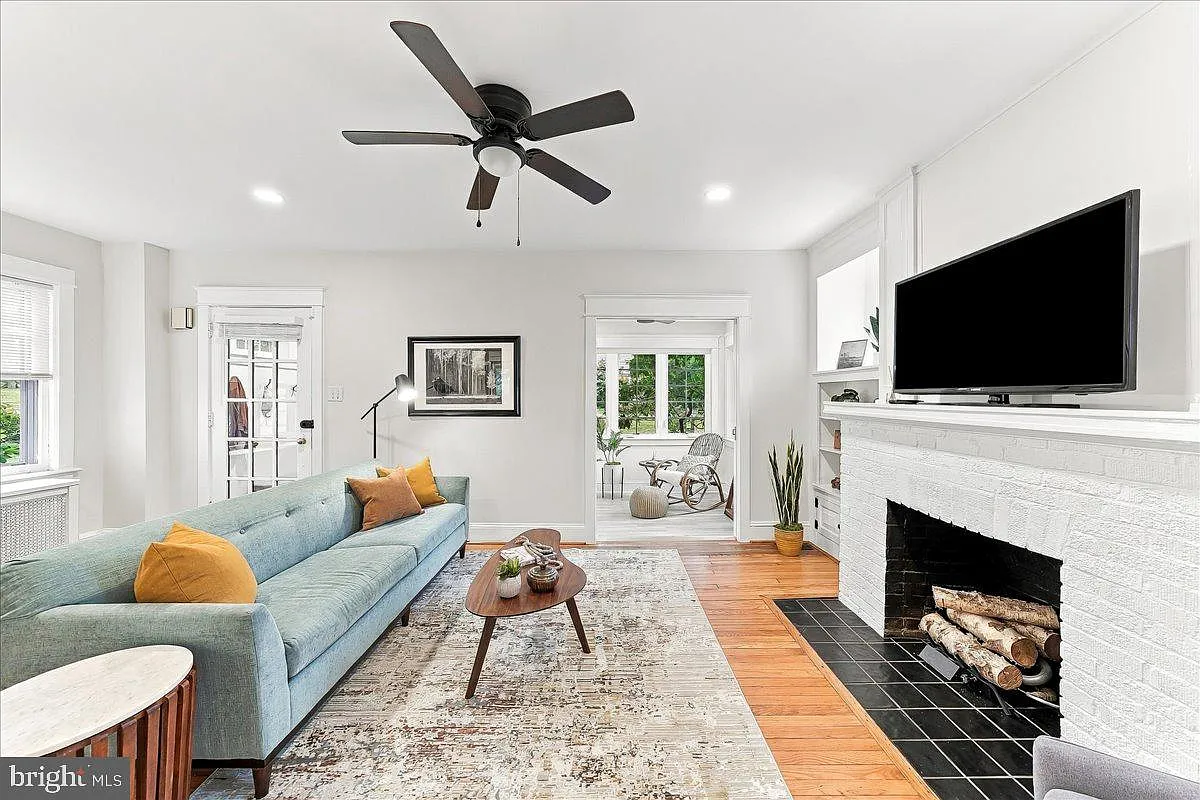
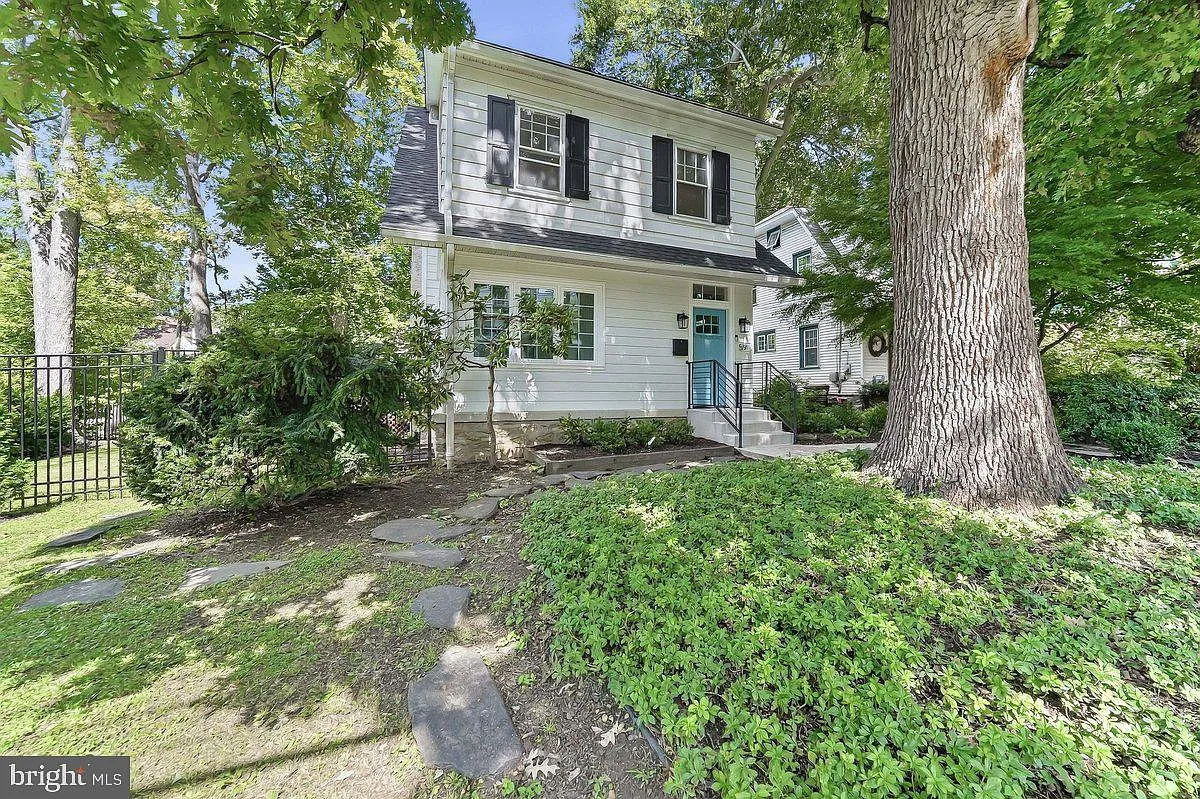
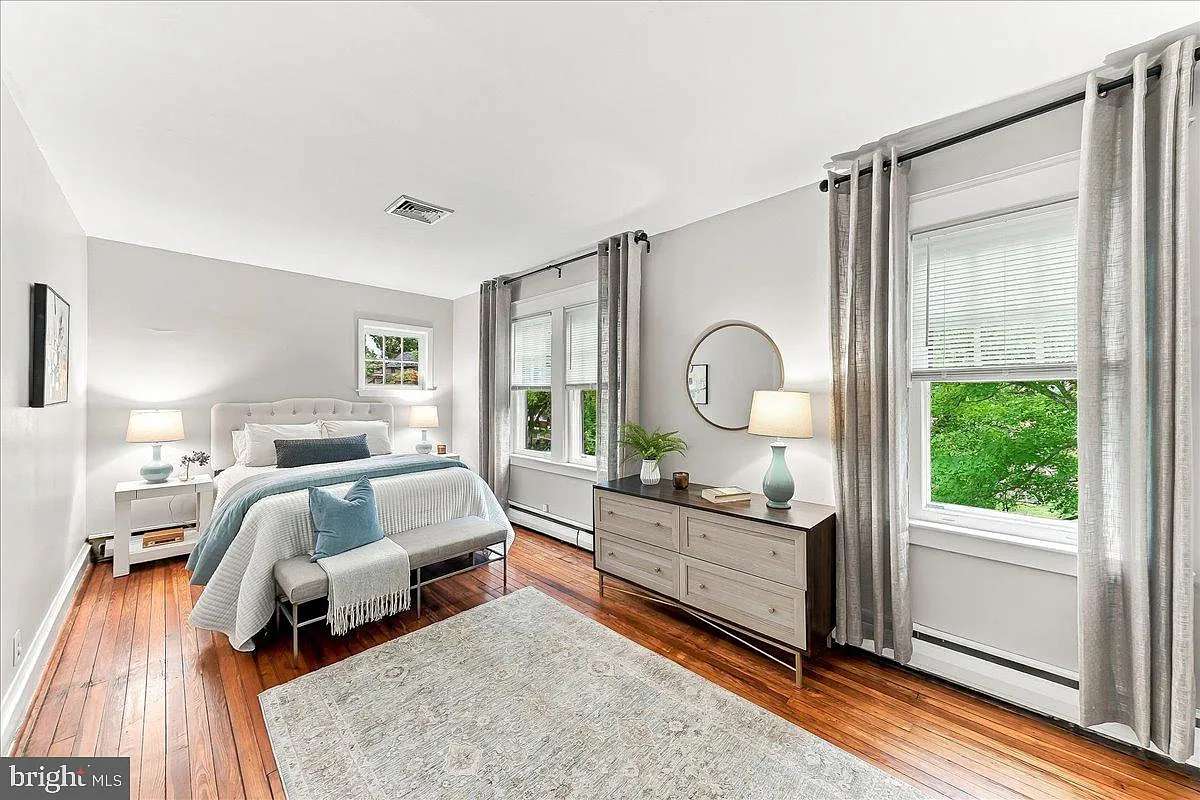
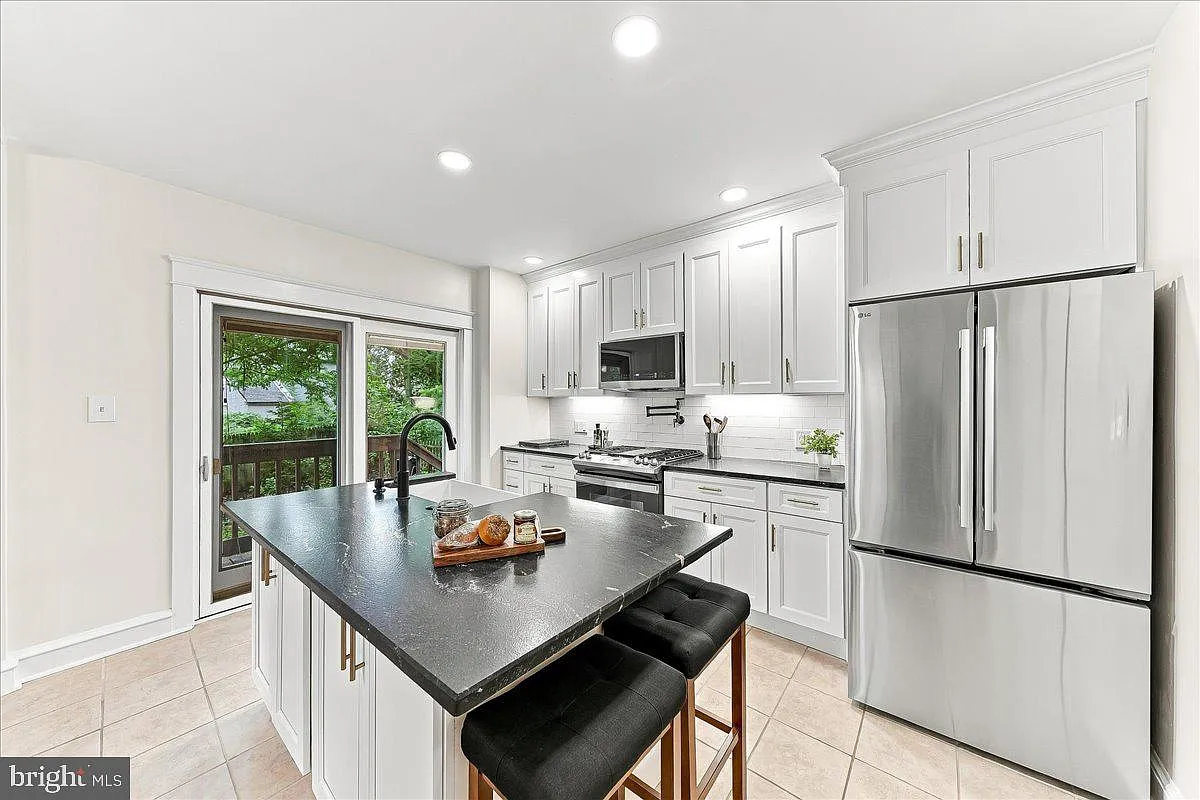
Bell Elite Senior Living — a nurse-led, family-owned personal care home in Lansdowne, PA. Warm living spaces, private bedrooms, and a chef's kitchen — come see the difference.
Understanding the Landscape of Long-Term Care Insurance in Pennsylvania
Have you ever wondered why so many families in Delaware County feel overwhelmed when it is time to look for professional care for a loved one? It often starts with a dusty binder or a forgotten folder tucked away in a filing cabinet labeled long-term care insurance. Imagine this scenario for a moment. You are sitting at a kitchen table in Havertown or perhaps a quiet living room in Media, holding a policy that was purchased twenty years ago. The language is dense and the terms feel like a foreign language. Does this policy cover a personal care home or only a traditional nursing home? Will it pay for the nurse-led support that your mother needs right now? These questions are the starting point of a journey that requires patience and a bit of professional guidance. Nearly seventy percent of adults over the age of sixty-five will require some form of long-term care services during their lives, yet the process of actually accessing those insurance benefits remains one of the most misunderstood hurdles in the elder care world.
As a nurse who has walked through these halls and sat with hundreds of families, I want you to know that you are not alone in this confusion. Why does the paperwork feel like a mountain? Why do the insurance companies ask for the same information three different times? The truth is that these companies have very specific clinical triggers that must be met before a single dollar is reimbursed. We often see families in Springfield or Broomall who assume that a doctor's note saying "Mom needs help" is sufficient. Unfortunately, the reality is much more nuanced than a simple recommendation. You have to prove a specific level of functional or cognitive impairment that matches the definitions buried in the fine print of that decades-old policy.
Q: When is the right time to actually open a claim with my long-term care insurance provider? You should consider opening a claim the moment you notice that a loved one can no longer safely perform daily tasks independently or when a cognitive diagnosis like Alzheimer’s begins to impact their safety. Waiting until a crisis occurs, such as a fall or a medication error, can lead to financial strain because most policies have a waiting period before they begin to pay. By starting the conversation early, you allow the insurance company to conduct their initial assessment while you still have the bandwidth to gather the necessary medical records from local providers in the Philadelphia suburbs.
Speak With Our Nursing Team
We help Pennsylvania families navigate senior care decisions with compassion and clinical expertise.
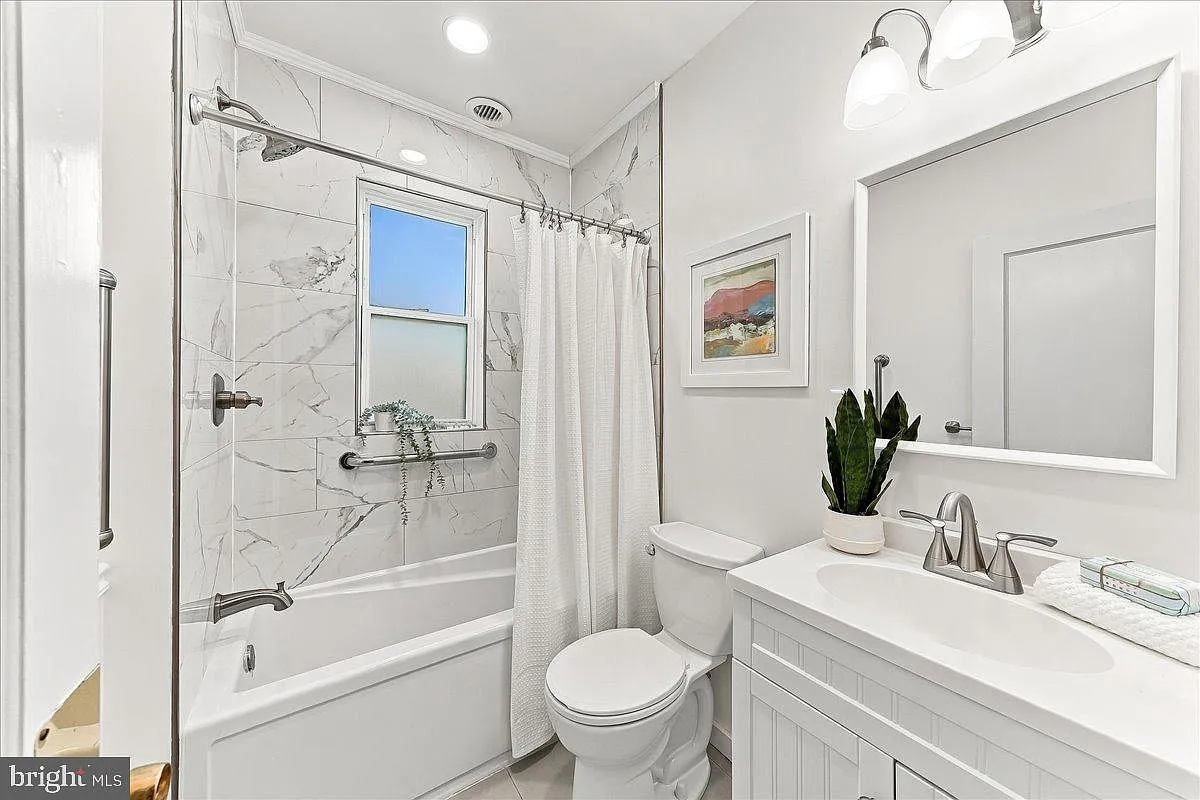
Private bedrooms and accessible bathrooms, designed for safety, comfort, and dignity.
Have you checked to see if your policy has an inflation protection rider? This is a critical detail because the cost of care in the Philadelphia area has risen significantly over the last two decades. Picture this. A policy bought in 1995 might offer a daily benefit of one hundred dollars, but the actual cost of high-quality, nurse-led care in a personal care home today might be double that amount. This is why understanding the gap between your coverage and the current market rates in Delaware County is essential for long-term financial planning. At Bell Elite Senior Living, we often help families navigate these conversations because we understand that the financial aspect is just as important as the clinical care we provide.
What happens if the insurance company says no on the first try? This is more common than you might think and it usually happens because the documentation provided did not use the specific clinical terminology the company requires. Are you prepared to advocate for your parent’s needs with the same intensity that a nurse would? Dealing with insurance adjusters requires a blend of clinical expertise and persistence. You are not just a policyholder. You are a family member trying to secure the best possible environment for someone you love. Whether you are looking at options in Swarthmore or Drexel Hill, the goal is to ensure that the premiums paid over a lifetime are finally working for you. Bell Elite Senior Living and our team can be reached at (484) 356-1070 to discuss how these benefits might apply to our specific model of care.
The Clinical Triggers and the Assessment Process
Do you know the exact moment when a person officially qualifies for their insurance benefits under Pennsylvania guidelines? It is rarely a single event but rather a collection of functional shifts that we call Activities of Daily Living or ADLs. Imagine your father, who has always been the pillar of the family in Upper Darby, suddenly struggling with the buttons on his shirt or forgetting how to safely step into the shower. These are not just signs of aging. They are the clinical triggers that insurance companies look for. Most policies require that an individual needs assistance with at least two out of six specific ADLs, which typically include bathing, dressing, toileting, transferring, continence, and eating.
Speak With Our Nursing Team
We help Pennsylvania families navigate senior care decisions with compassion and clinical expertise.
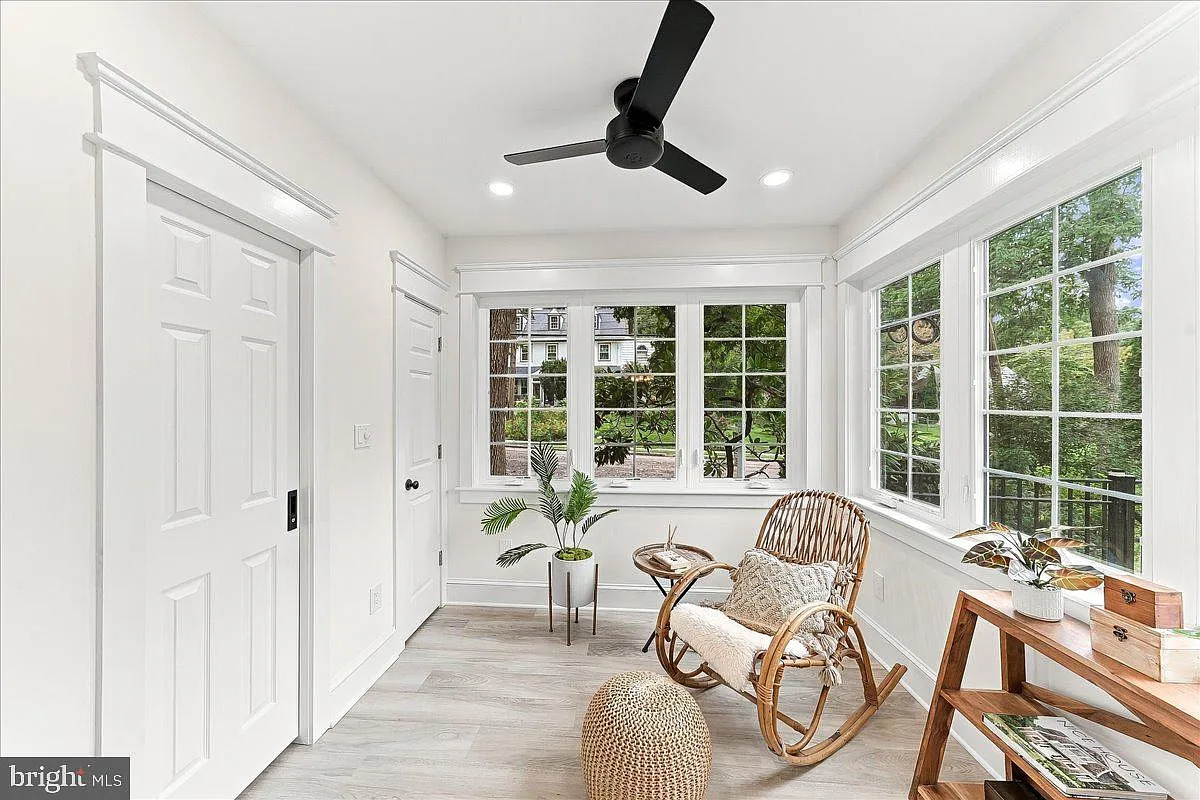
Home-cooked meals in our chef's kitchen and peaceful moments in the sunroom — life at Bell Elite.
But what does assistance actually mean in the eyes of a corporate reviewer? This is where many families in the Philadelphia suburbs get tripped up. Does it mean someone has to physically lift your loved one, or is "standby assistance" enough? Standby assistance means a caregiver is present to prevent a fall or provide verbal cues. Many older policies specifically require hands-on physical assistance, which is a higher bar to clear. Statistics show that bathing is usually the first ADL that an individual loses the ability to perform independently, followed by dressing. If you are noticing these changes, it is time to document them with a level of detail that would satisfy a clinical auditor.
Q: Does my insurance cover care for dementia if my father can still physically walk and eat? Yes, almost all modern long-term care policies include a trigger for cognitive impairment. If a person requires "substantial supervision" to protect themselves from threats to health and safety due to Alzheimer’s or another form of dementia, they can qualify for benefits even if they are physically capable of performing ADLs. The assessment will focus on their orientation to time and place, their short-term memory, and their judgment. Providing the insurance company with a formal neurological evaluation from a specialist in the Delaware County area is often the key to getting these claims approved.
Picture this. An insurance company nurse calls for a phone assessment or schedules a visit to your home in Havertown. They are looking for very specific answers. If your mother is proud and tells the nurse, "Oh, I can do everything myself," even when she cannot, it could lead to a claim denial. How do you balance her dignity with the need for an honest assessment of her limitations? We suggest being present for these assessments to provide a "reality check" for the evaluator. The goal is not to exaggerate, but to ensure the full picture of her daily struggles is captured. This is the same level of advocacy we provide at Bell Elite Senior Living, where our nurse-led team focuses on the genuine needs of every resident.
Are you aware that the "transferring" ADL refers specifically to the ability to move in and out of a bed or a chair? If your loved one needs a walker and a steadying hand to get from their favorite recliner to the dinner table, that counts. We often find that families in the Main Line area underreport these needs because they have become so accustomed to helping out. You might not even realize you are providing "assistance" when you reach out to steady your husband as he stands up. However, for an insurance claim, that physical touch is a vital piece of evidence. Documenting the frequency and type of help provided is the best way to prepare for the formal assessment.
Have questions about personalized care options? Bell Elite Senior Living's nursing team is ready to help. Call (484) 356-1070 or schedule a free consultation today.
Speak With Our Nursing Team
We help Pennsylvania families navigate senior care decisions with compassion and clinical expertise.
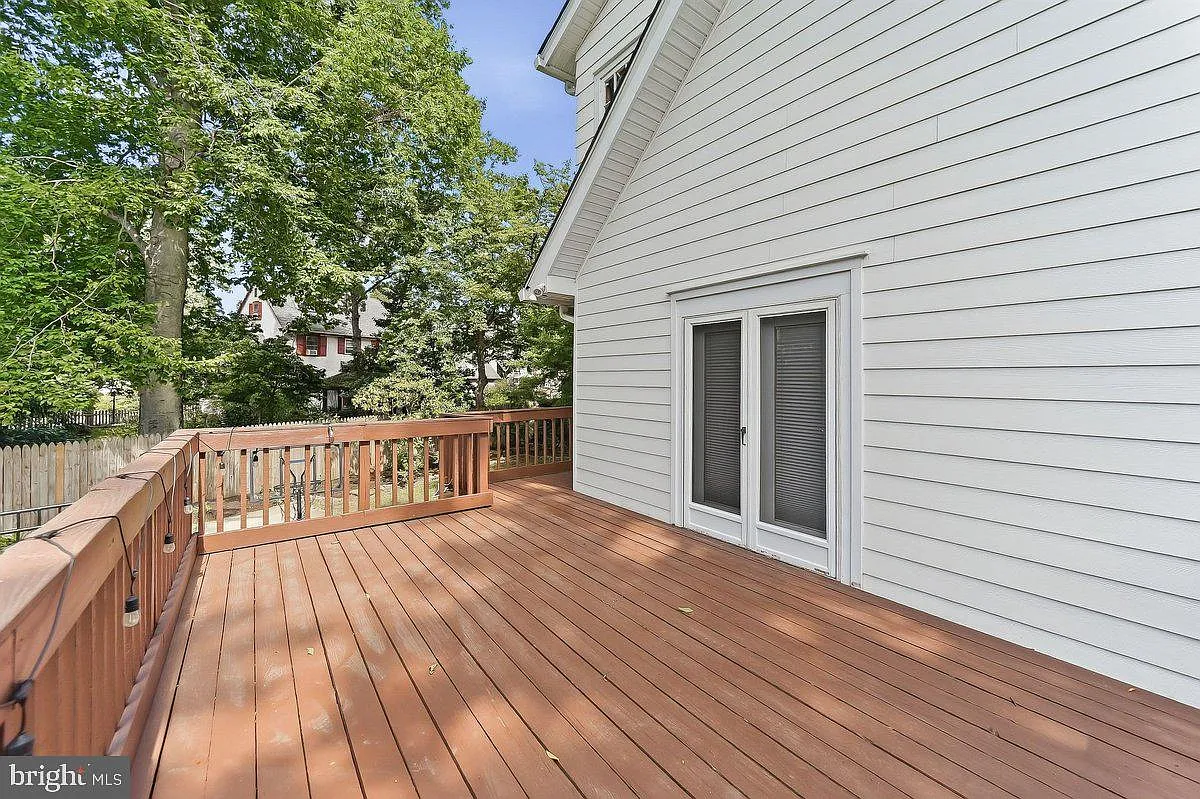
Gather in our warm living room or enjoy fresh air on the deck — every space feels like home.
Navigating the Elimination Period and Financial Planning
Have you ever heard of a "deductible" for time instead of money? In the world of long-term care insurance, this is known as the elimination period. It is essentially a waiting period that must be satisfied before the insurance company starts sending checks. Imagine you have chosen a beautiful personal care home in Delaware County, and your loved one moves in today. If your policy has a ninety-day elimination period, you will be responsible for the full cost of care for the first three months. This is a significant financial consideration that catches many families in places like Broomall and Springfield off guard. The most common elimination periods are thirty, sixty, or ninety days, though some older policies might have even longer stretches.
How does the company count those days? This is where it gets tricky. Some policies count "calendar days," while others count "service days." A calendar day count is much more favorable because it simply means the clock starts ticking the day you are certified as needing care. A service day count only includes days where you actually paid for professional help. If you are receiving care at home three days a week in Media, it could take several months longer to satisfy a ninety-day service-period requirement. Knowing which one you have is crucial for your bank account.
Q: Can I use Medicare to cover the costs during the insurance elimination period? This is a common misconception. Medicare generally does not pay for "custodial care," which is the type of assistance with daily living provided in personal care homes or assisted living facilities. Medicare may pay for a limited stay in a skilled nursing facility after a three-day hospital stay, but it will not cover the costs associated with a long-term care insurance waiting period. Families must typically pay out-of-pocket using savings, social security, or pensions during this time. This highlights the importance of having a clear financial roadmap when transitioning to a community like Bell Elite Senior Living.
Picture this. You are managing the transition for your aunt who has lived in the same house in Upper Darby for forty years. You have found the right care, but you realize the elimination period will cost the family fifteen thousand dollars out of pocket. Do you have a plan for those funds? We often advise families to look into whether the policy allows for the elimination period to be "banked." In some cases, if your loved one had a previous short-term need for care that was documented, those days might count toward the total. It is always worth asking the insurance representative if any previous episodes of care can be credited toward the current claim.
Are you concerned about how the reimbursement actually reaches you? Most long-term care insurance policies in Pennsylvania operate on a reimbursement basis. This means you pay the care provider, like Bell Elite Senior Living, and then submit the invoices to the insurance company to get your money back. Some newer policies offer a "cash indemnity" option, which sends you a fixed monthly sum regardless of your actual expenses, but these are less common. Understanding that you need to have the liquidity to pay the monthly bill at (484) 356-1070 while waiting for the insurance check to arrive is a vital part of the process. The average delay between submitting an invoice and receiving a reimbursement check is often thirty to forty-five days.
The Importance of Proper Documentation and Professional Advocacy
Why does it feel like you need a law degree and a medical license just to get an insurance claim approved? The answer lies in the paperwork. Every single month, the insurance company will likely require a copy of the care plan, the daily caregiver logs, and a formal invoice. Imagine the administrative burden on a family member who is also trying to work a full-time job in Philadelphia and care for their own children. This is why choosing a nurse-led facility is such a massive advantage. At Bell Elite Senior Living, we understand exactly what the insurance companies are looking for in those daily logs.
Documentation must be clinical, objective, and consistent. If a caregiver log says "Patient had a good day," the insurance company might interpret that to mean no care was needed. However, if the log says "Patient required maximum assistance with lower body dressing and standby assistance during morning hygiene due to balance instability," that is a different story. Do you see the difference? One is a vague observation, while the other is a clinical justification for the benefit. Incomplete or vague documentation is the leading cause of delayed insurance payments in the long-term care industry.
Q: Will my long-term care insurance policy cover the costs of a private room in a personal care home? Most policies pay a "daily max" or a "monthly max" rather than specifying the type of room. For example, if your policy pays two hundred dollars per day, and the cost of a private room in a Delaware County personal care home is two hundred and fifty dollars, the insurance will pay the two hundred and you will cover the remaining fifty. If the cost of the room is less than your daily max, the insurance will only pay the actual cost incurred. It is rare for a policy to pay you more than what you are actually spending on care.
Picture this. You are sitting at your desk in Havertown, surrounded by piles of medical records from the last six months. You need to prove to the insurance company that your mother’s condition hasn’t "improved" to the point where she no longer needs help. This is a common tactic used during annual re-assessments. The insurance company may send a nurse to the facility to see if the resident has "graduated" from needing assistance. This is where having a nurse-led team at Bell Elite Senior Living at (484) 356-1070 becomes your greatest asset. We can speak nurse-to-nurse with the insurance evaluator, providing the clinical evidence of why continued care is essential for safety and health.
Have you considered the role of the attending physician in this process? The insurance company will almost certainly send a form to your loved one’s primary care doctor in Delaware County. If that doctor hasn’t seen your loved one in a year, they might not realize how much help is now required. They might fill out the form based on an old baseline. It is crucial to ensure the doctor has an updated "functional assessment" before they sign those insurance papers. A single "independent" checkmark on a doctor's form can result in an immediate claim suspension. We recommend scheduling a specific appointment just to discuss the insurance triggers and the current reality of the care needs.
Ready to explore tailored care solutions? Speak with our coordinators at Bell Elite. Phone: (484) 356-1070 • Request a tour
Comparing Care Settings: Personal Care Homes vs. Nursing Homes in PA
Does your insurance policy distinguish between a "nursing home" and a "personal care home" or "assisted living facility"? This is a critical distinction in Pennsylvania law that can affect your coverage. Many older policies were written when only nursing homes existed as a formal care option. If your policy uses the term "Skilled Nursing Facility only," you might face an uphill battle to get it to pay for a personal care home in Media or Swarthmore. However, many states, including Pennsylvania, have "alternate plan of care" provisions that allow for benefits to be used in a lower level of care if it is more cost-effective for the insurance company.
Imagine your father needs help with his medications and mobility, but he doesn't need the twenty-four-hour clinical intervention of a hospital-like nursing home. He would thrive in a personal care home like Bell Elite Senior Living, where the environment is more intimate and residential. If the insurance company balks at the setting, you can often argue that the cost of a personal care home is significantly lower than a skilled nursing facility, thus saving the insurance company money over the long term. The average cost of a private room in a Pennsylvania nursing home can exceed twelve thousand dollars per month, whereas personal care homes are often much more accessible.
Q: Can I receive care at Bell Elite Senior Living if my policy was originally designed for home care only? Some policies are specifically "Home Care Only," but these are becoming rarer. Many policies are "Comprehensive," meaning they cover care in the home, in a personal care home, or in a nursing facility. If you have a home-care-only policy, you should look for a "facility waiver" or an "alternate plan of care" clause. Sometimes, if the cost of providing twenty-four-hour care at home in a place like Havertown exceeds the cost of a personal care home, the insurance company will agree to the move to save on their monthly payout.
Picture this. You are visiting a facility in Springfield and it feels cold, clinical, and loud. Then you visit a family-owned, nurse-led personal care home in a quiet neighborhood. The difference in the quality of life is palpable. Which one would your loved one prefer? The insurance company doesn't care about the "feel" of the home, but they do care about the licensing. In Pennsylvania, personal care homes are licensed by the Department of Human Services. You must ensure that the facility’s license matches the requirements stated in your insurance policy. We take great pride in maintaining a standard of excellence at Bell Elite Senior Living that meets and exceeds these regulatory and insurance-related benchmarks.
What happens if your loved one’s needs change over time? One of the benefits of a nurse-led personal care home is the ability to adapt the level of care. If your mother moves in needing help with two ADLs but later develops more complex needs, a facility with a strong nursing presence can often keep her in place longer than a standard assisted living facility could. This continuity is vital for seniors, as "transfer trauma" from moving between facilities can have a negative impact on health. Eighty percent of seniors prefer to stay in the same environment as their care needs increase, rather than moving to a more institutional setting. If you have questions about how we handle these transitions, please call us at (484) 356-1070.
Advocacy and Long-Term Management of Your Claim
Have you ever wondered what happens after the first check arrives? The work of managing a long-term care insurance claim doesn't end with the initial approval. It is an ongoing process of recertification and communication. Imagine it is a year from now, and the insurance company sends a letter saying they need an updated assessment from your mother's doctor in Drexel Hill. If you are not prepared, this could lead to a lapse in benefits. Most companies review claims every six to twelve months to see if the policyholder still meets the functional triggers.
This is why maintaining a paper trail is so important. You should keep a dedicated folder for every piece of correspondence from the insurance company, including the name of the representative you spoke with and the date of the call. In the Philadelphia suburbs, we see many families who lose out on benefits simply because a form was mailed to the wrong address or a deadline was missed. At Bell Elite Senior Living, we act as a partner in this process. Because we are family-owned and nurse-led, we have a vested interest in ensuring that our residents' clinical needs are accurately reported to their insurers.
Q: Is there a limit to how long my insurance will pay for care at Bell Elite Senior Living? Most policies have a "pool of money" or a "benefit period." For example, a policy might offer three years of coverage or a total of two hundred thousand dollars. Once that limit is reached, the insurance coverage ends. However, some older policies have "lifetime benefits," which are incredibly valuable and will pay for as long as the person meets the clinical triggers. You should check your "Schedule of Benefits" page to see which type of limit applies to your loved one's policy.
Picture this. You are finally able to be the "daughter" or the "son" again, rather than the "claims manager." When the insurance is flowing smoothly and the care is being handled by professionals who treat your family like their own, the stress begins to lift. You can enjoy your visits to the facility in Delaware County, focusing on sharing stories and creating memories rather than worrying about medication schedules or insurance denials. This is the ultimate goal of long-term care insurance. It is meant to provide the financial freedom to choose a high-quality, nurse-led environment like Bell Elite Senior Living.
Are you ready to take the next step in this journey? Navigating the complexities of long-term care insurance in Pennsylvania is not something you have to do alone. Whether you are in Media, Upper Darby, Havertown, or anywhere else in the Philadelphia area, there are resources available to help you. From the initial policy review to the final daily logs, every step matters. Remember that the premiums were paid for a reason. They were paid to ensure that when the time came, your loved one would have access to the very best care available. Bell Elite Senior Living is here to honor that commitment and provide the nurse-led, family-oriented care your loved one deserves. If you have any questions about how to start the process or if our home is the right fit, please do not hesitate to reach out to us at (484) 356-1070.
A Glimpse Inside Bell Elite
A warm, family-like residence — not an institution. Every space is designed for comfort, safety, and dignity.
Ready to Take the Next Step?
Bell Elite Senior Living is a nurse-led, family-owned personal care home in Delaware County, Pennsylvania. We're here to help.
Proudly Serving Families Across the Greater Philadelphia Region
Bell Elite Senior Living is a nurse-led, family-owned personal care home located in Delaware County, Pennsylvania — and we proudly serve families from across the entire Greater Philadelphia area and surrounding communities. Whether you are searching for a personal care home in Delaware County PA, exploring senior living options near Philadelphia, or looking for compassionate elder care for a loved one in Montgomery County, Bucks County, or Chester County, our team is here to help guide you through every step of the decision.
Families come to Bell Elite from throughout Philadelphia and its suburbs — including Upper Darby, Havertown, Drexel Hill, Broomall, Swarthmore, Media, Springfield, Lansdowne, Darby, Collingdale, and Sharon Hill in Delaware County; Ardmore, Norristown, Lansdale, Cheltenham, Abington, Blue Bell, Jenkintown, Ambler, and Horsham in Montgomery County; Doylestown, Newtown, Langhorne, Bristol, Yardley, Quakertown, and Levittown in Bucks County; and West Chester, Malvern, Exton, Downingtown, Phoenixville, Coatesville, and Paoli in Chester County. We are also a trusted resource for families in South Jersey communities such as Cherry Hill, Voorhees, Marlton, Moorestown, Mount Laurel, Haddonfield, Collingswood, and Camden County who are seeking high-quality personal care across the river in Pennsylvania. Families from Wilmington, Newark, and New Castle County, Delaware also regularly choose Bell Elite for its clinical excellence and intimate, home-like setting.
Our central location in Delaware County puts us within easy reach of Center City Philadelphia, the Main Line, South Philadelphia, Northeast Philadelphia, and the Philadelphia suburbs — making visits from family members throughout the region straightforward and stress-free. We understand that choosing the right personal care home is one of the most important decisions a family will make, and distance should never be a barrier to accessing exceptional, nurse-led care.
Frequently Asked Questions About Our Service Area
Does Bell Elite Senior Living serve families from Philadelphia?
Yes. Bell Elite Senior Living is located in Delaware County, PA, just minutes from Philadelphia. We regularly welcome residents and their families from across Philadelphia, including South Philly, Northeast Philadelphia, Kensington, Germantown, and Center City.
Do you accept residents from Montgomery County, PA?
Absolutely. We serve families throughout Montgomery County including Norristown, Ardmore, Lansdale, Cheltenham, Blue Bell, Jenkintown, and Ambler. Our nurse-led care model is a popular choice for families across the Philadelphia suburbs.
Can families from Bucks County place a loved one at Bell Elite?
Yes. Many of our residents come from Bucks County communities such as Doylestown, Newtown, Yardley, Langhorne, and Bristol. Our facility is easily accessible from Route 1 and I-95 corridors.
Do you serve Chester County families looking for personal care?
Yes. Families from West Chester, Malvern, Exton, Downingtown, Phoenixville, Paoli, and Coatesville in Chester County frequently choose Bell Elite for our small resident count, clinical oversight, and personalized care plans.
Is Bell Elite an option for families in South Jersey near Philadelphia?
Yes. Many families from Cherry Hill, Voorhees, Marlton, Mount Laurel, Haddonfield, Moorestown, and Camden County in New Jersey choose Bell Elite Senior Living in nearby Delaware County, PA for its nurse-led care and welcoming environment.
Do you accept residents from Delaware (Wilmington, Newark, New Castle County)?
Yes. Families from Wilmington, Newark, Middletown, and throughout New Castle County, Delaware have placed loved ones at Bell Elite. Our location in Delaware County, PA makes us a convenient and high-quality option for Delaware families seeking nurse-led personal care.
How do I find out if Bell Elite can serve my family's location?
Call us at (484) 356-1070 or visit our contact page. We serve the entire Greater Philadelphia region and surrounding areas and are happy to discuss your specific situation, schedule a tour, and answer any questions about our care services.
Related Articles


Related Care Services at Bell Elite
Our nurse-led personal care home in Lansdowne, PA offers specialized services for seniors across the Greater Philadelphia region.
Personal Care Home Near You
Bell Elite is located in Lansdowne, PA — minutes from Philadelphia. See care details for your community:
Have Questions After Reading?
Our nursing team offers free, no-pressure consultations for Pennsylvania families.
Talk to a nurse, not a salesperson. Our team includes RNs, LPNs, a PMHNP, and Family Nurse Practitioners.