

Long-Term Care Insurance and Personal Care: Maximizing Your Policy Benefits
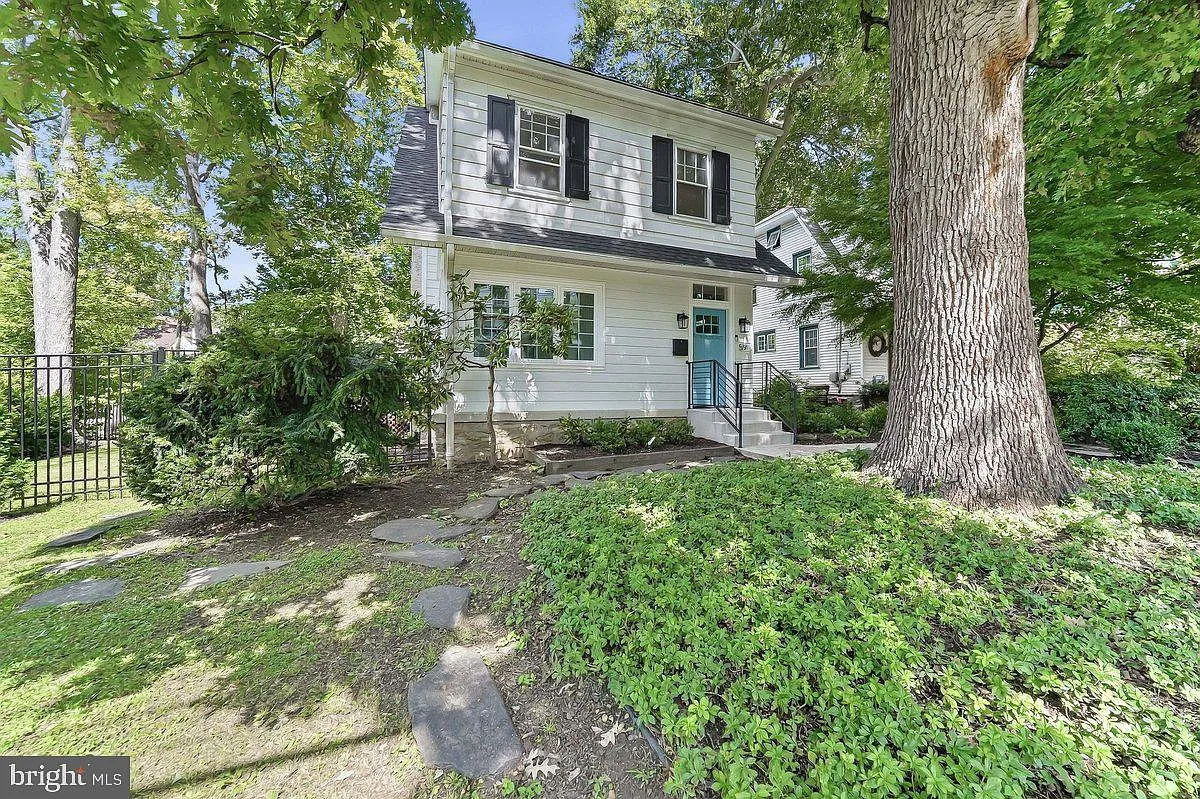
Bell Elite Senior Living — a nurse-led, family-owned personal care home in Lansdowne, PA. Warm living spaces, private bedrooms, and a chef's kitchen — come see the difference.
Unlocking the Mystery of Your Long-Term Care Insurance Policy
Have you ever felt that sinking sensation in your stomach while holding a long-term care insurance policy that reads like it was written in a completely different language? You are certainly not alone in that feeling. I have sat at many kitchen tables in Media and Broomall, watching as family members flip through dozens of pages of legalese, trying to find one simple answer: will this policy help pay for Mom’s care at a place like Bell Elite Senior Living? It is a heavy question, especially when you are already dealing with the emotional weight of a loved one’s declining health. As a nurse, I have seen the way these documents can become a source of stress rather than the safety net they were intended to be. Imagine this scenario where you finally find the right personal care home, a place that feels like a warm embrace, only to realize you have no idea how to trigger the benefits you have been paying for over the last twenty years.
Do you wonder if the thousands of dollars paid in premiums will actually result in the support your family needs right now? It is a common concern in the Philadelphia suburbs, where the cost of living and the cost of quality care continue to rise every year. People often buy these policies in their fifties or sixties, tuck them away in a filing cabinet, and then forget the specific details by the time they are eighty. Does the policy cover a personal care home in Pennsylvania, or does it strictly mandate a skilled nursing facility? Does it require a three-day hospital stay before benefits kick in? These are the nuances that can make or break a family’s financial plan.
Q: Is long-term care insurance the same thing as Medicare? This is perhaps the most frequent question I hear from families in Delaware County. The short answer is a resounding no. Medicare is designed for short-term, acute medical needs, such as rehabilitation after a hip replacement or recovery from a stroke. It generally does not cover the long-term, daily custodial care provided in a personal care home. Long-term care insurance, however, is specifically designed to cover the costs of assistance with activities of daily living over an extended period. Understanding this distinction is the first step in realizing why your private policy is such a precious asset for your family’s future.
Speak With Our Nursing Team
We help Pennsylvania families navigate senior care decisions with compassion and clinical expertise.
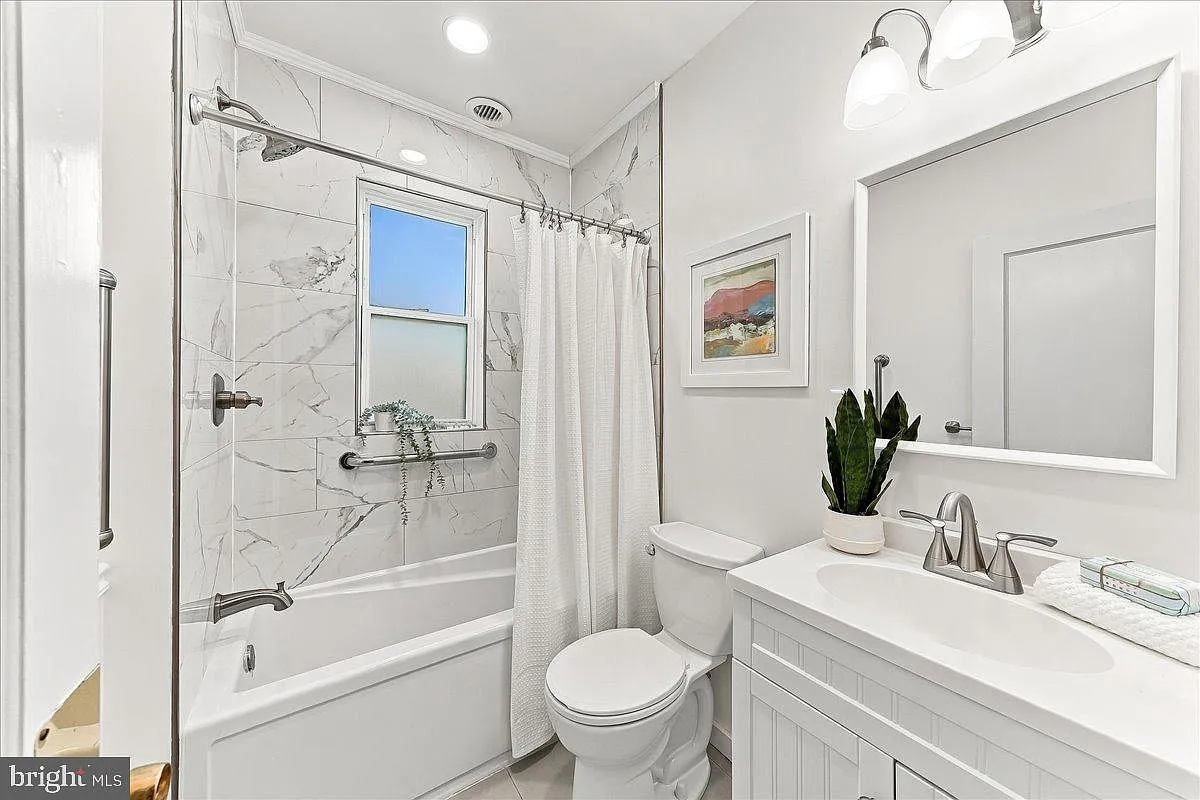
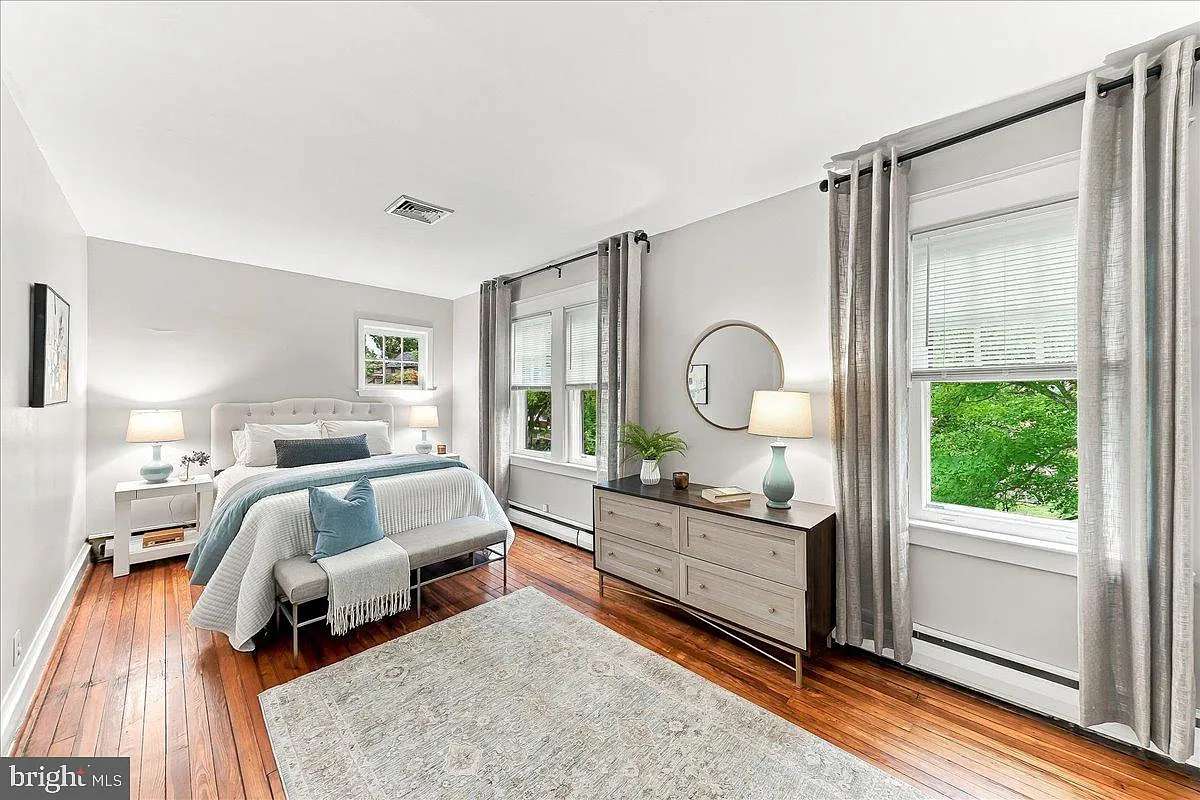
Private bedrooms and accessible bathrooms, designed for safety, comfort, and dignity.
According to recent industry data, nearly 70 percent of people turning age 65 will need some type of long-term care services at some point in their lives. That is a staggering number when you consider how few people feel prepared to navigate the insurance claims process. When you are looking at a nurse-led environment like Bell Elite Senior Living, you are looking at a team that understands the clinical documentation required to prove that care is necessary. Have you ever considered that the way a nurse describes a resident’s needs can be the deciding factor in an insurance company’s approval? We speak the language of the insurance adjusters, translating the daily struggles of your loved one into the clinical terms that trigger policy payouts.
Q: When should I start looking into my loved one's policy details? The best time to look is long before you think you need it. If you notice your father is starting to struggle with balance while walking his dog in Swarthmore, or if your mother in Havertown is forgetting to take her medications, that is your signal. Waiting until a crisis occurs usually leads to rushed decisions and missed opportunities to maximize benefits. By reviewing the policy early, you can identify the elimination period, which is essentially a waiting period before the insurance company starts paying. Knowing if you have a 30-day or a 90-day elimination period allows you to budget effectively for that initial transition into a personal care home.
Picture this for a moment. You are standing in the living room of the house you grew up in, noticing that the mail is piling up and the fridge is mostly empty. You realize that your parent needs more help than you can provide while working a full-time job and raising your own children. This is the "sandwich generation" struggle that so many in Delaware County face. But then you remember that folder in the desk. You realize that your parents had the foresight to invest in a policy that can provide them with a beautiful, private room and professional nursing oversight. Isn't that the peace of mind they were buying all those years ago? It is my mission to help you reclaim that peace by demystifying the process of using those benefits.
Understanding the Pennsylvania Personal Care Landscape
Speak With Our Nursing Team
We help Pennsylvania families navigate senior care decisions with compassion and clinical expertise.
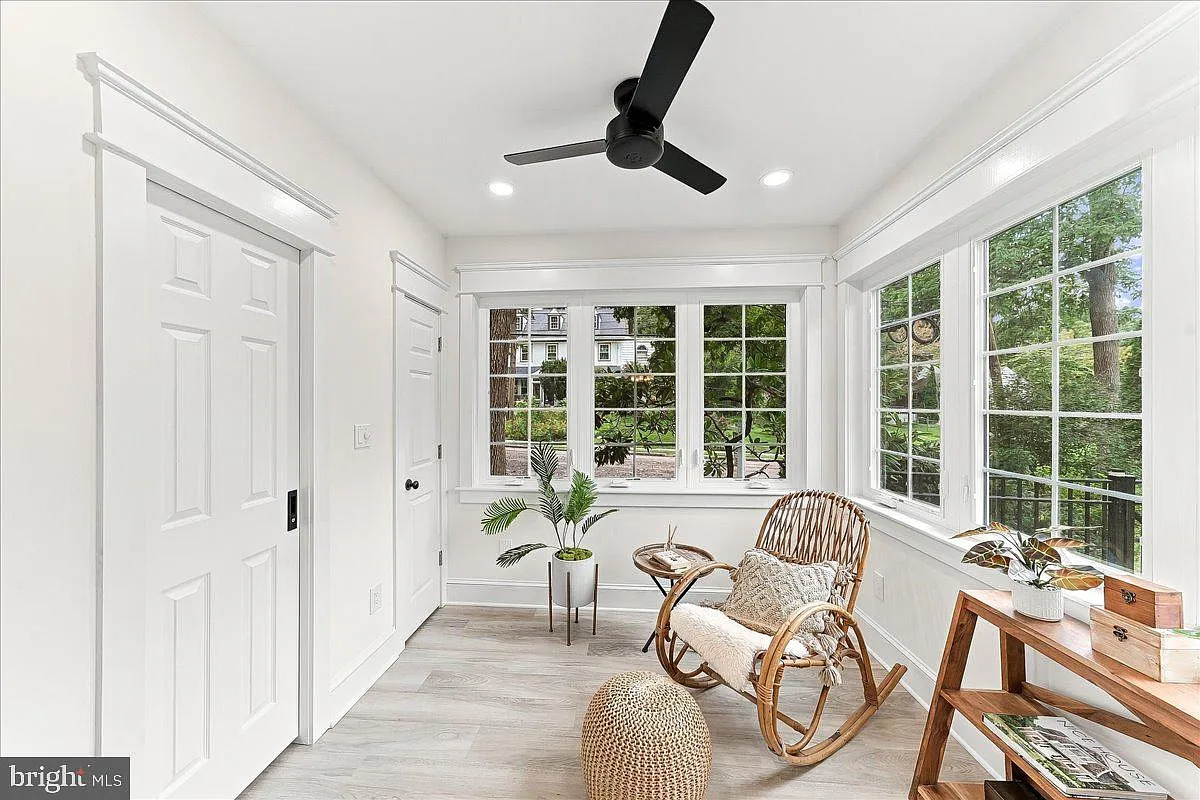
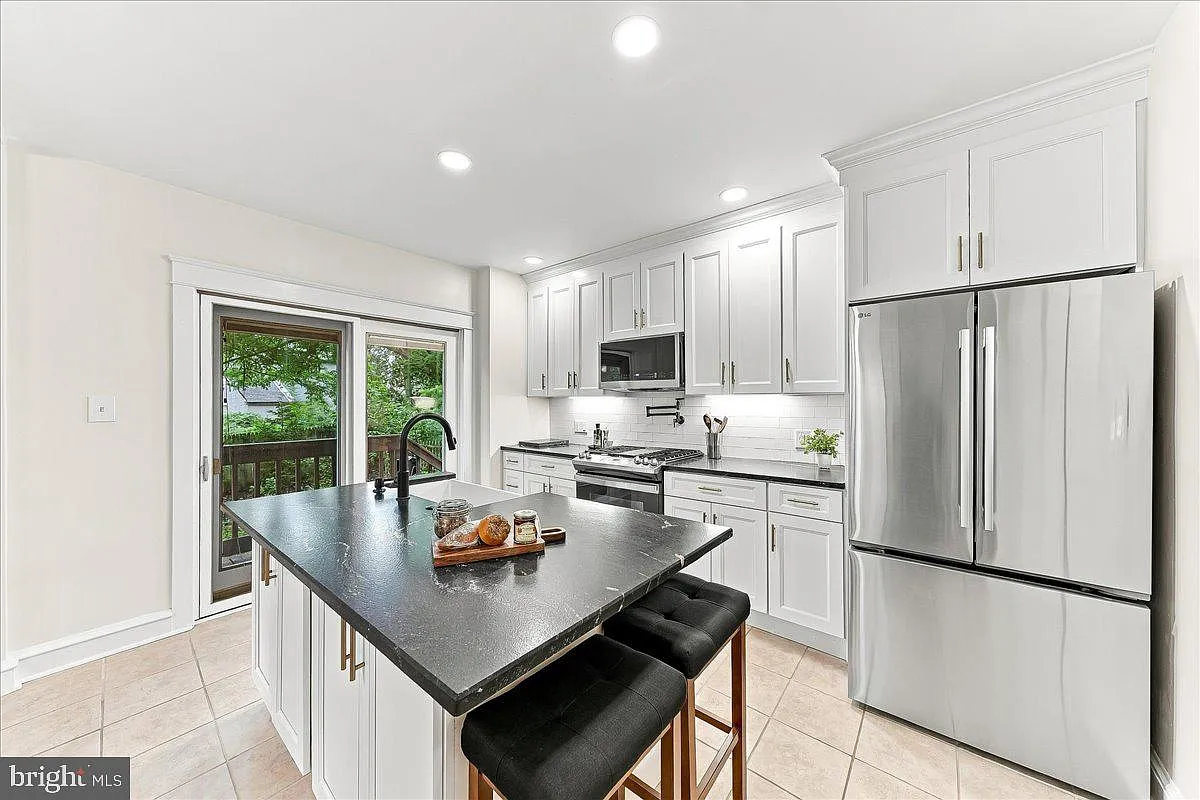
Home-cooked meals in our chef's kitchen and peaceful moments in the sunroom — life at Bell Elite.
Is it possible that the biggest hurdle between your family and the high-quality care you deserve in Delaware County is simply a lack of clarity regarding policy definitions? In Pennsylvania, there is often confusion between the terms "assisted living" and "personal care home." While many people use these terms interchangeably, the state has specific regulatory distinctions for each. Most long-term care insurance policies written decades ago use the term "assisted living" or "nursing home." Does this mean they won't cover a personal care home like Bell Elite Senior Living? Usually, the answer is that they will cover it, provided the facility meets the policy’s definition of a facility that provides 24-hour assistance with activities of daily living.
Pennsylvania regulations for personal care homes are designed to ensure a high standard of safety and clinical oversight for seniors. When we talk about personal care in the context of the Philadelphia suburbs, we are talking about a model that prioritizes the dignity of the individual while providing a safety net of professional care. Have you looked at the specific wording in your policy regarding "licensure"? Many policies require that the facility be licensed by the appropriate state agency, which in our case is the Pennsylvania Department of Human Services. Being a nurse-led, family-owned home means we maintain rigorous standards that align perfectly with what insurance companies look for when vetting a provider.
Q: Why do some policies use the term "Custodial Care" instead of Personal Care? Custodial care refers to non-medical assistance, such as help with bathing, dressing, and eating. Most personal care homes in Pennsylvania provide exactly this type of support. If your policy mentions custodial care, it is a very good sign that a personal care home will be an eligible setting. The insurance company wants to see that the resident requires a "level of care" that cannot be safely provided at home. This is where our clinical expertise at Bell Elite Senior Living comes into play, as we can provide the necessary assessments to document that your loved one meets these specific criteria.
Think about the beautiful neighborhoods of Springfield or Drexel Hill. Many seniors want to stay in these communities, close to their doctors and their houses of worship. Using a long-term care insurance policy allows them to move into a local personal care home without exhausting their life savings or selling their home in a panic. It allows the transition to be about "living" rather than "surviving." Have you ever wondered why some families seem so much more relaxed during this transition? It is usually because they have a clear understanding of their financial resources, and they have partnered with a facility that knows how to help them navigate the paperwork.
Research shows that the average cost of a private room in a personal care home in the Philadelphia area can range significantly, making insurance benefits a vital component of a long-term financial strategy. When you choose a family-owned home, you are often getting a more personalized experience than you would in a large, corporate-run facility. We know our residents by name, and we know their stories. We know that Mr. Johnson likes his coffee black at 7:00 AM and that Mrs. Smith needs a little extra encouragement to get to her physical therapy exercises. This level of detail isn't just about comfort; it is about clinical excellence.
Speak With Our Nursing Team
We help Pennsylvania families navigate senior care decisions with compassion and clinical expertise.
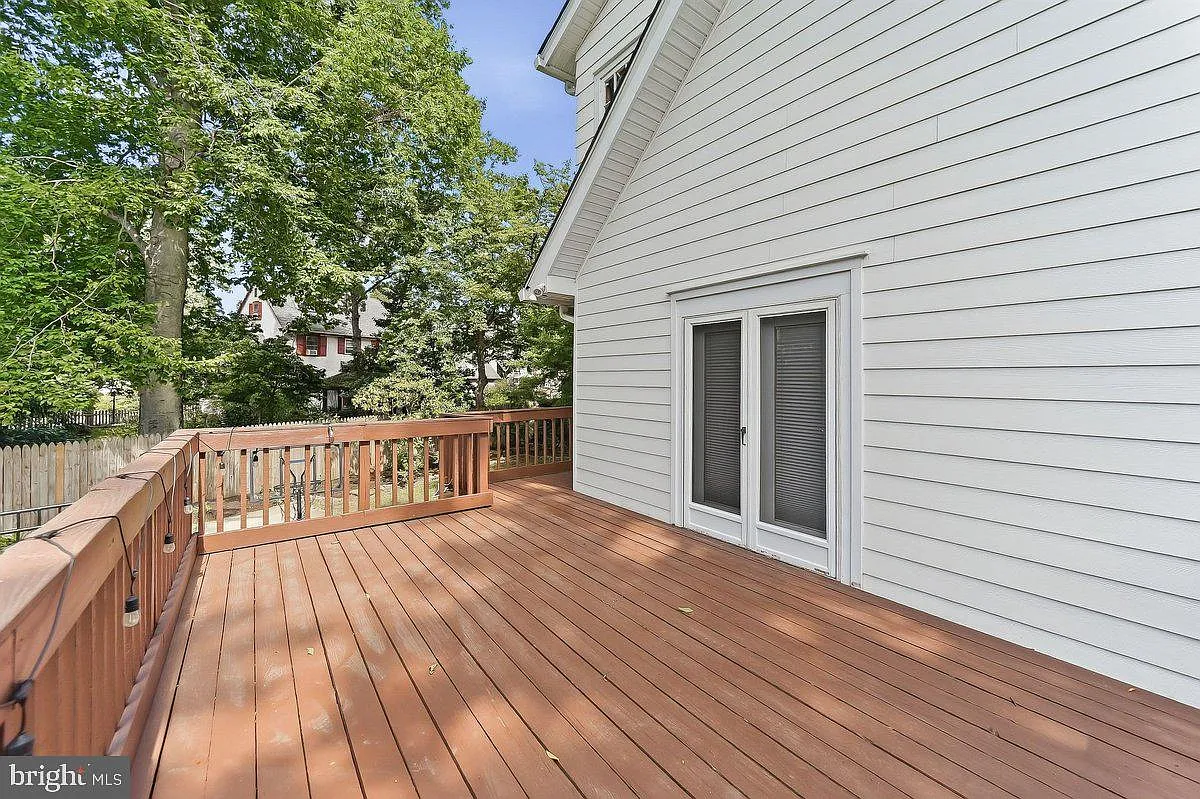
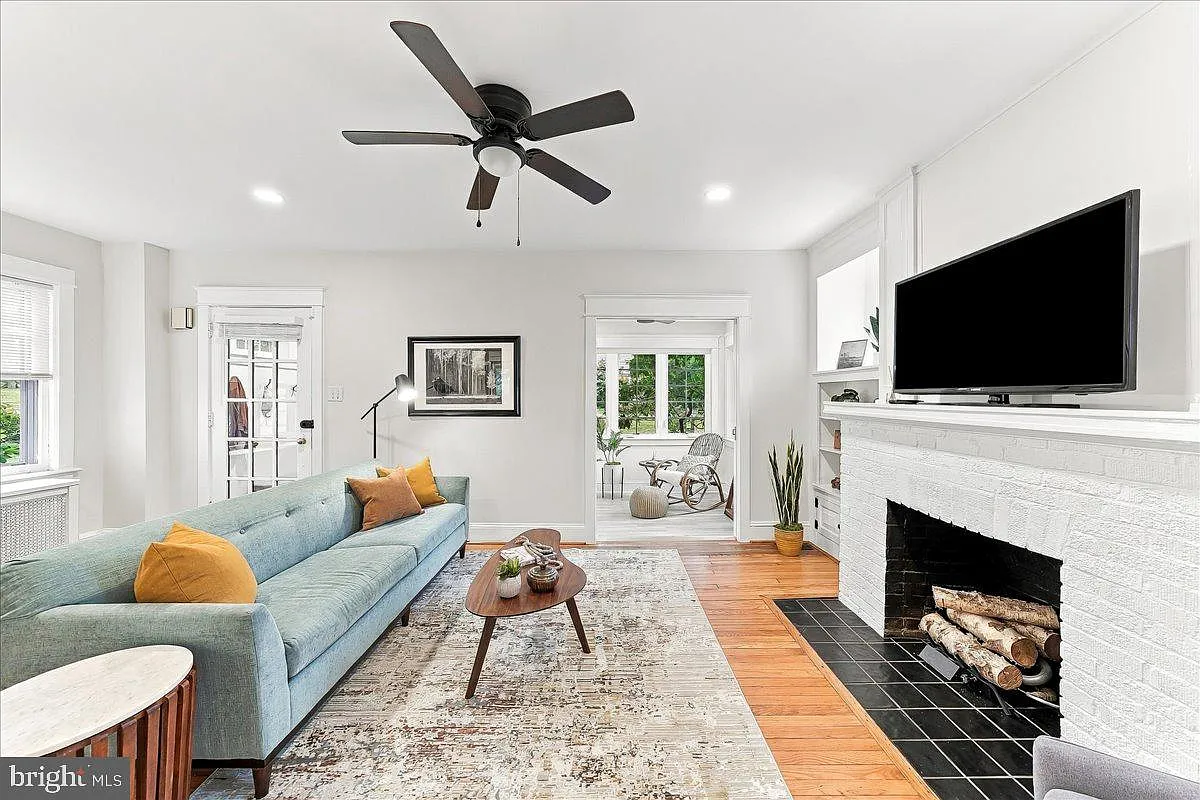
Gather in our warm living room or enjoy fresh air on the deck — every space feels like home.
Q: Can I use my policy for a personal care home if it says "Nursing Home Only"? This is a tricky area and requires a careful reading of the policy’s "Benefit Eligibility" section. However, many older policies have been updated or interpreted through legal precedents to include personal care homes if they provide a similar level of supervision and assistance. It is always worth having a professional review the policy. We often suggest that families contact their insurance agent or a dedicated advocate to clarify these definitions. Don't take a "no" at face value without digging deeper into how Pennsylvania defines these levels of care.
Have questions about personalized care options? Bell Elite Senior Living's nursing team is ready to help. Call (484) 356-1070 or schedule a free consultation today.
The Triggers of Care: When Benefits Kick In
Do you know the specific clinical triggers that transform a dormant insurance policy into a monthly check that covers personal care? This is the core of the insurance puzzle. Almost every long-term care policy is built around the concept of "Activities of Daily Living," or ADLs. To qualify for benefits, a person usually needs to require assistance with at least two out of six standard ADLs. These typically include bathing, dressing, toileting, transferring (like getting out of bed or a chair), continence, and eating. As a nurse, I see these activities through a clinical lens. Is your loved one truly "independent" with bathing if they are terrified of slipping and therefore only wash at the sink once a week?
Most insurance companies require a formal assessment by a licensed healthcare professional to confirm that these ADL deficits exist. This is where the nurse-led advantage at Bell Elite Senior Living becomes so important for our families. When a resident moves in, we perform a comprehensive nursing assessment. We don't just look at what they can do on their best day; we look at what they struggle with on their most difficult days. Have you considered that an insurance adjuster might only see a snapshot of your parent, while we see the full movie? Our detailed documentation provides the evidence the insurance company needs to approve the claim.
Q: What exactly counts as "assistance" with an ADL? Assistance can be "hands-on," meaning someone physically helps the person, or it can be "stand-by" or "cueing," meaning someone needs to be present to ensure safety or provide verbal reminders. For someone with early-stage dementia or cognitive impairment in Upper Darby, they might be physically able to dress themselves but lack the cognitive ability to choose weather-appropriate clothing or remember the sequence of putting on clothes. Most modern policies recognize cognitive impairment as a standalone trigger for benefits, even if the person is physically capable of performing ADLs.
Imagine a daughter in Havertown who has been helping her father for years. She does his laundry, cooks his meals, and drives him to appointments. She doesn't think of this as "long-term care," she just thinks of it as being a good daughter. But if her father cannot safely manage these tasks himself, he may already meet the triggers for his insurance policy. Why wait until he has a fall or a medical emergency to activate those benefits? By activating the policy sooner, you can bring in professional care that focuses on fall prevention and medication management, potentially extending his independence and quality of life.
It is estimated that nearly 50 percent of long-term care insurance claims are initially delayed or questioned because of insufficient documentation. This is a heartbreaking statistic for families who are already under stress. The insurance company isn't necessarily trying to be difficult, but they operate on data and clinical proof. They need to see a clear "plan of care" that outlines how the facility will address the resident's specific needs. At Bell Elite Senior Living, our nursing background ensures that our plans of care are not just compliant with state regulations, but also tailored to meet the rigorous requirements of insurance providers.
Q: Can cognitive impairment alone trigger my insurance benefits? Yes, most policies include a provision for "severe cognitive impairment." This means that even if a resident is physically healthy and can walk or eat without help, they still qualify for benefits if they require constant supervision to protect themselves or others. This is particularly relevant for families dealing with Alzheimer's or other forms of dementia. If your loved one is prone to wandering or forgets to turn off the stove in their Drexel Hill apartment, they likely meet the criteria for a claim based on cognitive safety needs.
The Vital Role of Nurse-Led Advocacy
Why does the presence of a dedicated nursing team make such a profound difference when it comes to the success of your insurance claim? In many personal care homes, the management might be focused on the hospitality side of the business. While a beautiful environment is important, the insurance company doesn't pay for the wallpaper or the landscaping. They pay for the care. When a facility is led by nurses, the entire culture is centered around clinical outcomes and accurate reporting. We understand the physiological reasons behind a resident’s decline, and we can communicate that effectively to insurance representatives who are often nurses themselves.
At Bell Elite Senior Living, we believe that advocacy is a core part of our mission as a family-owned home. We aren't just a place to live; we are a partner in your loved one’s health journey. Have you ever felt like you were shouting into a void when talking to a large insurance corporation? We help bridge that gap. We provide the monthly nursing notes, the medication administration records, and the updated assessments that prove ongoing eligibility. This consistent flow of information is what prevents benefits from being cut off unexpectedly.
Q: How often does the insurance company re-evaluate a claim? Typically, insurance companies will request updated information every few months or once a year to ensure the resident still meets the eligibility criteria. This can be a point of anxiety for families. However, in a personal care setting, it is very rare for a resident's needs to decrease over time. Our job is to document the "maintenance" of their health or the gradual changes that occur as they age. By keeping meticulous records, we make these periodic reviews a routine administrative task rather than a stressful ordeal for the family.
Think about the difference between a large, 100-bed facility and a smaller, more intimate home like ours. In a large facility, your loved one might be just a number on a spreadsheet. The person filling out the insurance paperwork might have never even met your mother. At Bell Elite Senior Living, the nurse who writes the report is the same person who checked your mother’s blood pressure this morning and noticed she was a little more unsteady than usual. This personal connection leads to more accurate and compelling documentation. Doesn't your family deserve that level of dedicated attention?
The complexity of the healthcare system in the Philadelphia suburbs can be overwhelming, with different rules for every county and every type of facility. Having a nurse as your guide is like having a compass in a storm. We can explain why a certain medication change might affect a resident’s ADL status or why a physical therapy report is a crucial piece of evidence for an insurance appeal. We are here to answer the questions you didn't even know you should be asking. (484) 356-1070 is more than just a phone number; it is a direct line to a team that understands both the heart and the science of senior care.
Q: What happens if my insurance claim is denied? If a claim is denied, do not panic. It is often a matter of missing paperwork or a simple misunderstanding of the facility’s licensure. Most policies have a formal appeals process. This is when having a nurse-led team is most critical. We can review the denial letter, identify the "gap" in information the insurance company is looking for, and provide supplemental clinical evidence to support the appeal. Many denials are overturned simply by providing a more detailed nursing assessment that clearly outlines the resident’s safety risks.
Ready to explore tailored care solutions? Speak with our coordinators at Bell Elite. Phone: (484) 356-1070 • Request a tour
Maximizing Benefits and Financial Strategy in Delaware County
Have you considered how the rising costs of living in the Philadelphia suburbs might be offset by a strategic approach to your existing insurance benefits? We live in a beautiful part of Pennsylvania, from the historic streets of Media to the quiet neighborhoods of Swarthmore, but quality care is a significant investment. Your long-term care insurance policy is a financial engine that, when properly maintained, can cover a substantial portion of your monthly expenses. But maximizing those benefits requires more than just getting the claim approved; it requires understanding the "daily benefit amount" and the "inflation protection" features of your policy.
Many older policies include an inflation rider, which means the daily benefit amount increases by a certain percentage every year. This is a huge advantage. If a policy was purchased twenty years ago with a hundred-dollar daily benefit, it might be worth over two hundred dollars today. Are you aware of what your current daily limit is? Knowing this number allows us to help you choose the right suite and level of care at Bell Elite Senior Living so that your out-of-pocket costs are minimized. We work with families to create a financial roadmap that ensures the insurance benefits last as long as they are needed.
Q: What is a "waiver of premium" and how does it help? A "waiver of premium" is a common feature in many policies that allows the policyholder to stop paying their monthly insurance premiums once they begin receiving benefits. This can save a family hundreds of dollars a month, effectively increasing their available budget for care. It is one of those "hidden" benefits that families often overlook. Once we help you trigger the claim, we also help you ensure that the insurance company stops sending you those premium bills.
Imagine the relief of realizing that the home your parents worked so hard for doesn't have to be sold immediately to pay for care. By utilizing the insurance benefits effectively, families can often preserve assets and have more flexibility in their financial planning. This is especially important in areas like Montgomery and Chester Counties, where property values are high and families want to make thoughtful, rather than forced, decisions about real estate. Have you talked to a financial advisor about how your LTC policy fits into your overall estate plan? We often collaborate with our residents’ financial teams to ensure everything is aligned.
Q: Can the insurance money be paid directly to Bell Elite Senior Living? This is known as "assignment of benefits." Many insurance companies allow the policyholder to sign a document that directs the insurance company to pay the facility directly. This can simplify the process for the family, as you don't have to worry about receiving the check, depositing it, and then writing a new check to us. However, some policies require the "reimbursement" model, where the family pays the facility first and is then reimbursed by the insurance company. We are comfortable working with both models and can help you understand which one your policy uses.
Building a life in the Philadelphia suburbs means being part of a community that values tradition and family. At Bell Elite Senior Living, we carry those same values into our business practices. We aren't interested in just filling a room; we are interested in sustaining a high quality of life for our seniors. Does your current plan account for the fact that care needs usually increase over time? A good policy, combined with a nurse-led care model, provides a "buffer" against the future. It allows us to increase the level of support as needed without the family feeling a sudden financial shock.
Choosing a Future of Dignity and Peace
What would it feel like to finally step out of the role of "claims manager" and back into the role of a loving son or daughter? This is the ultimate goal of everything we do. When you spend your weekends arguing with insurance companies or worrying about whether your father in Springfield is safe at home, you aren't able to truly enjoy the time you have left with your parents. By moving into a personal care home that understands how to manage these complexities, you are delegating the stress to us. You get to go back to being the daughter who brings the favorite grand-kids for a visit or the son who shares a Sunday afternoon watching the Eagles game.
The emotional toll of caregiving is often more exhausting than the physical toll. I have seen so many families in Delaware County reach a breaking point because they felt they had to do it all themselves. They felt that using an insurance policy or moving a parent to a personal care home was somehow a "failure." But is it a failure to provide your loved one with 24-hour nursing oversight, chef-prepared meals, and a vibrant social community? Or is it the ultimate act of love to ensure they have the best possible care while you protect your own health and well-being?
Q: How do I explain the move to my parent who is resistant to using their insurance? This is a delicate conversation. Often, seniors view their insurance policy as an "emergency fund" that they shouldn't touch until things are "really bad." As a nurse, I encourage families to frame the conversation around safety and vitality. Instead of saying "you need help," try saying "you've paid for this benefit for twenty years, and it's time for the insurance company to start working for you." Remind them that moving to a place like Bell Elite Senior Living is about staying independent longer by having a professional team handle the chores and the medical monitoring.
Have you ever noticed how the atmosphere changes in a home when the burden of care is lifted? The tension evaporates. The conversations become about memories and current events rather than medication schedules and doctor appointments. Imagine your loved one thriving in a setting where they are surrounded by peers, where they have access to organized activities in the Media area, and where their health is monitored by someone who truly cares. That is the promise of a nurse-led, family-owned home. We treat your family like our own because, in a very real sense, they are.
Statistics show that seniors who live in a social, supportive environment like a personal care home often experience slower cognitive decline and fewer hospitalizations than those who live alone. This is the "preventative" power of personal care. When you use your insurance benefits to transition to Bell Elite Senior Living at the right time, you are investing in a longer, healthier life for your parent. You are choosing a path of dignity. Isn't that what we all want for the people who raised us?
Q: What is the first step I should take today? The first step is a simple phone call. Reach out to us at (484) 356-1070. We can talk through the basics of your situation, listen to your concerns about your loved one’s health, and help you understand how to begin the process of looking at your insurance policy. You don't have to have all the answers right now. You just need to be willing to ask the questions. Let our family help your family find the path forward that brings you the most peace.
Taking the leap to explore personal care is a significant milestone, but it does not have to be a frightening one. With the right information, a solid insurance policy, and a dedicated nursing team by your side, you can navigate this transition with confidence. We are proud to serve the families of Delaware County, providing a high standard of care that honors the unique journey of every resident. Whether you are in Havertown, Broomall, or Swarthmore, know that there is a place where your loved one will be seen, heard, and meticulously cared for every single day.
Have questions about personalized care options? Bell Elite Senior Living's nursing team is ready to help. Call (484) 356-1070 or schedule a free consultation today.
A Glimpse Inside Bell Elite
A warm, family-like residence — not an institution. Every space is designed for comfort, safety, and dignity.
Ready to Take the Next Step?
Bell Elite Senior Living is a nurse-led, family-owned personal care home in Delaware County, Pennsylvania. We're here to help.
Proudly Serving Families Across the Greater Philadelphia Region
Bell Elite Senior Living is a nurse-led, family-owned personal care home located in Delaware County, Pennsylvania — and we proudly serve families from across the entire Greater Philadelphia area and surrounding communities. Whether you are searching for a personal care home in Delaware County PA, exploring senior living options near Philadelphia, or looking for compassionate elder care for a loved one in Montgomery County, Bucks County, or Chester County, our team is here to help guide you through every step of the decision.
Families come to Bell Elite from throughout Philadelphia and its suburbs — including Upper Darby, Havertown, Drexel Hill, Broomall, Swarthmore, Media, Springfield, Lansdowne, Darby, Collingdale, and Sharon Hill in Delaware County; Ardmore, Norristown, Lansdale, Cheltenham, Abington, Blue Bell, Jenkintown, Ambler, and Horsham in Montgomery County; Doylestown, Newtown, Langhorne, Bristol, Yardley, Quakertown, and Levittown in Bucks County; and West Chester, Malvern, Exton, Downingtown, Phoenixville, Coatesville, and Paoli in Chester County. We are also a trusted resource for families in South Jersey communities such as Cherry Hill, Voorhees, Marlton, Moorestown, Mount Laurel, Haddonfield, Collingswood, and Camden County who are seeking high-quality personal care across the river in Pennsylvania. Families from Wilmington, Newark, and New Castle County, Delaware also regularly choose Bell Elite for its clinical excellence and intimate, home-like setting.
Our central location in Delaware County puts us within easy reach of Center City Philadelphia, the Main Line, South Philadelphia, Northeast Philadelphia, and the Philadelphia suburbs — making visits from family members throughout the region straightforward and stress-free. We understand that choosing the right personal care home is one of the most important decisions a family will make, and distance should never be a barrier to accessing exceptional, nurse-led care.
Frequently Asked Questions About Our Service Area
Does Bell Elite Senior Living serve families from Philadelphia?
Yes. Bell Elite Senior Living is located in Delaware County, PA, just minutes from Philadelphia. We regularly welcome residents and their families from across Philadelphia, including South Philly, Northeast Philadelphia, Kensington, Germantown, and Center City.
Do you accept residents from Montgomery County, PA?
Absolutely. We serve families throughout Montgomery County including Norristown, Ardmore, Lansdale, Cheltenham, Blue Bell, Jenkintown, and Ambler. Our nurse-led care model is a popular choice for families across the Philadelphia suburbs.
Can families from Bucks County place a loved one at Bell Elite?
Yes. Many of our residents come from Bucks County communities such as Doylestown, Newtown, Yardley, Langhorne, and Bristol. Our facility is easily accessible from Route 1 and I-95 corridors.
Do you serve Chester County families looking for personal care?
Yes. Families from West Chester, Malvern, Exton, Downingtown, Phoenixville, Paoli, and Coatesville in Chester County frequently choose Bell Elite for our small resident count, clinical oversight, and personalized care plans.
Is Bell Elite an option for families in South Jersey near Philadelphia?
Yes. Many families from Cherry Hill, Voorhees, Marlton, Mount Laurel, Haddonfield, Moorestown, and Camden County in New Jersey choose Bell Elite Senior Living in nearby Delaware County, PA for its nurse-led care and welcoming environment.
Do you accept residents from Delaware (Wilmington, Newark, New Castle County)?
Yes. Families from Wilmington, Newark, Middletown, and throughout New Castle County, Delaware have placed loved ones at Bell Elite. Our location in Delaware County, PA makes us a convenient and high-quality option for Delaware families seeking nurse-led personal care.
How do I find out if Bell Elite can serve my family's location?
Call us at (484) 356-1070 or visit our contact page. We serve the entire Greater Philadelphia region and surrounding areas and are happy to discuss your specific situation, schedule a tour, and answer any questions about our care services.
Related Articles


Related Care Services at Bell Elite
Our nurse-led personal care home in Lansdowne, PA offers specialized services for seniors across the Greater Philadelphia region.
Personal Care Home Near You
Bell Elite is located in Lansdowne, PA — minutes from Philadelphia. See care details for your community:
Have Questions After Reading?
Our nursing team offers free, no-pressure consultations for Pennsylvania families.
Talk to a nurse, not a salesperson. Our team includes RNs, LPNs, a PMHNP, and Family Nurse Practitioners.