

Large facility vs small home: Which is better for fall-prone seniors?
Bell Elite Senior Living — a nurse-led, family-owned personal care home in Lansdowne, PA. Warm living spaces, private bedrooms, and a chef's kitchen — come see the difference.
The Weight of the Decision and the Hidden Dangers of the Golden Years
Have you ever spent a sleepless night staring at the ceiling, wondering if the next phone call you receive in the middle of the night will be the one every adult child in Delaware County dreads? It is that specific, chilling fear that your aging parent has fallen, alone and unable to get up, in a place that was supposed to keep them safe. As a nurse who has walked the halls of both massive institutions and intimate care homes, I have seen the aftermath of these moments more times than I care to count. When we talk about fall-prone seniors, we are not just talking about a bruised knee or a temporary setback. We are talking about a statistical reality where one out of every four Americans aged 65 and older falls each year, according to the Centers for Disease Control and Prevention. For a senior living in the Philadelphia suburbs, where the change of seasons brings icy walkways and damp entryways, the stakes are even higher. Is it any wonder that you feel completely overwhelmed by the sheer volume of choices available to you right now? How do you distinguish between a glossy brochure and the actual, boots on the ground care that your mother or father needs to stay upright and healthy?
Imagine this: your father, a man who once navigated the bustling streets of Upper Darby with ease, now finds himself hesitant to even walk to the dining room because the carpet looks a bit too patterned or the hallway seems to stretch on forever. This is a phenomenon we call "fear of falling," and it is just as dangerous as a physical trip hazard because it leads to inactivity, muscle atrophy, and eventually, the very fall he was trying to avoid. In a large facility, that walk to dinner might be the length of a football field. In a smaller home, it might be ten steps from his favorite recliner. Can you see how the physical environment itself becomes a silent character in his daily safety? Why does the industry often prioritize grand foyers and sparkling chandeliers over the simple, life saving proximity of a caregiver who can see him from across the room?
Q: Why are falls considered such a significant medical event for seniors in personal care? Falls are the leading cause of both fatal and nonfatal injuries for older adults, often serving as the "tipping point" that leads to a rapid decline in independence. In Pennsylvania, many seniors suffer from hip fractures or head traumas that require lengthy hospitalizations and grueling rehabilitation stays in Montgomery County or Chester County facilities. Beyond the physical trauma, a fall shatters a senior's confidence, often leading to social isolation and depression, which further complicates their overall health outcomes. By focusing on fall prevention through environment and supervision, we are essentially protecting their entire quality of life, not just their bones.
Speak With Our Nursing Team
We help Pennsylvania families navigate senior care decisions with compassion and clinical expertise.
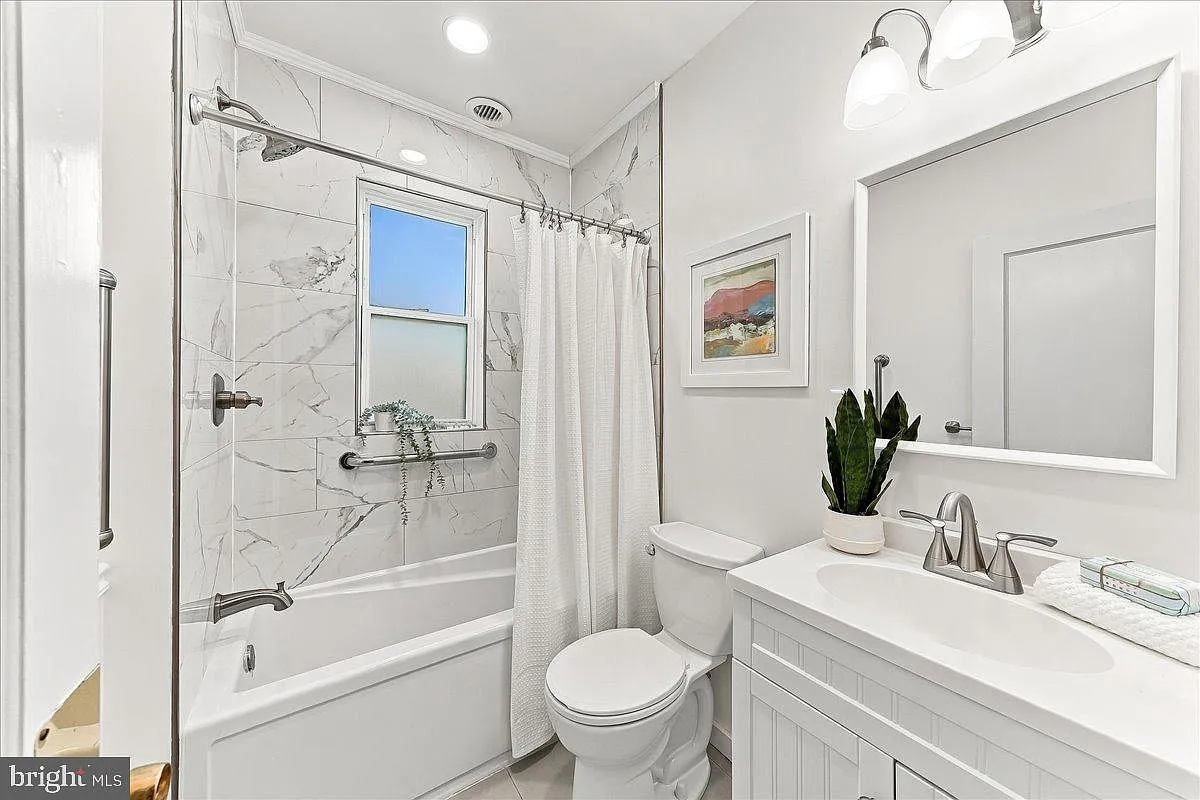
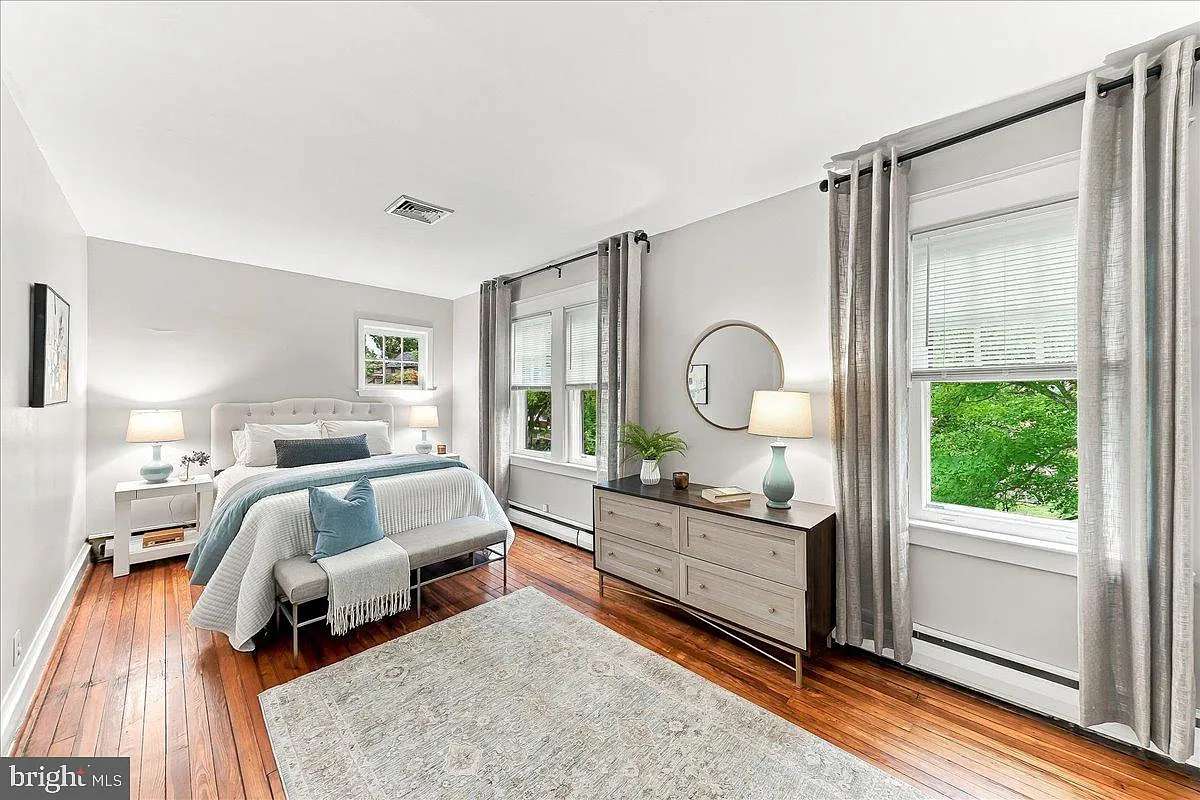
Private bedrooms and accessible bathrooms, designed for safety, comfort, and dignity.
When you are touring places in Media or Springfield, are you looking at the thickness of the rugs or the brightness of the lighting in the transition zones between rooms? These details seem small until you realize that 80 percent of falls in senior living occur in the bedroom or bathroom, usually during unassisted transfers. If the staff to resident ratio is one to twenty, how can any caregiver possibly be there to catch a stumble before it becomes a fracture? We have to ask ourselves if we are buying a luxury apartment experience or if we are investing in a safety net. Does the facility feel like a community where everyone knows your name, or does it feel like a high end hotel where residents are just numbers on a door?
The Illusion of Safety in Large Scale Senior Living Communities
What happens when a resident needs immediate help in a building that houses three hundred people across four different wings? Large facilities often market themselves as all inclusive resorts, complete with movie theaters, hair salons, and multiple dining venues that rival the best restaurants in Havertown. But for a senior who struggles with balance or cognitive decline, these massive footprints can be a literal minefield of obstacles. Have you considered that the more amenities a building has, the more walking a senior is required to do just to access basic services? While a healthy seventy year old might love the variety, a fall-prone eighty five year old may find the distance between their bedroom and the social hall exhausting. When fatigue sets in, the risk of a trip or a stumble increases exponentially. Is the promise of a swimming pool worth the risk of a long, unsupervised walk down a brightly polished, slippery hallway?
Q: Do large facilities have higher staff-to-resident ratios to compensate for their size? Actually, the opposite is often true in the corporate senior living world. While a large facility in the Philadelphia suburbs may have hundreds of employees, the number of direct care staff assigned to a specific floor or wing is often surprisingly low, sometimes reaching ratios of one caregiver for every fifteen or twenty residents. This means that during peak times, such as the morning dressing routine or the evening meal service, a fall-prone senior may be left waiting for assistance for significant periods. If they decide to try and get up on their own because they are tired of waiting, that is when the most preventable falls occur.
Speak With Our Nursing Team
We help Pennsylvania families navigate senior care decisions with compassion and clinical expertise.
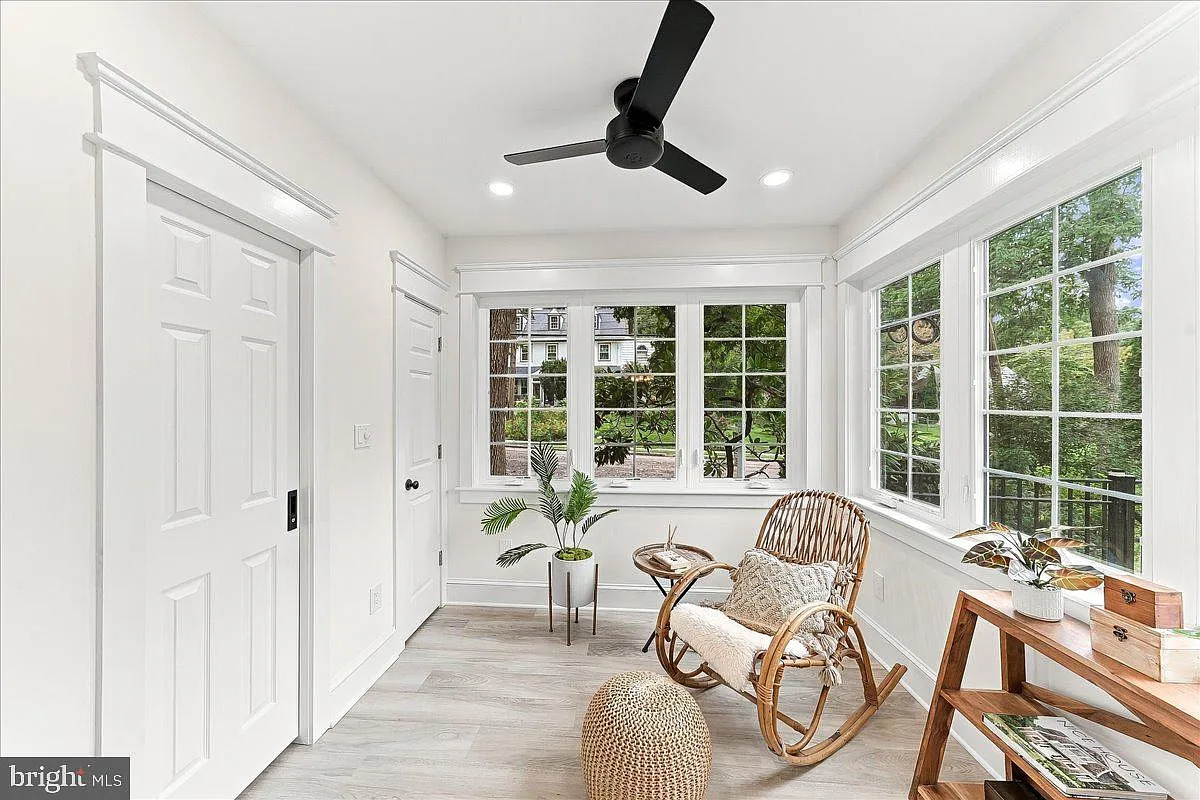
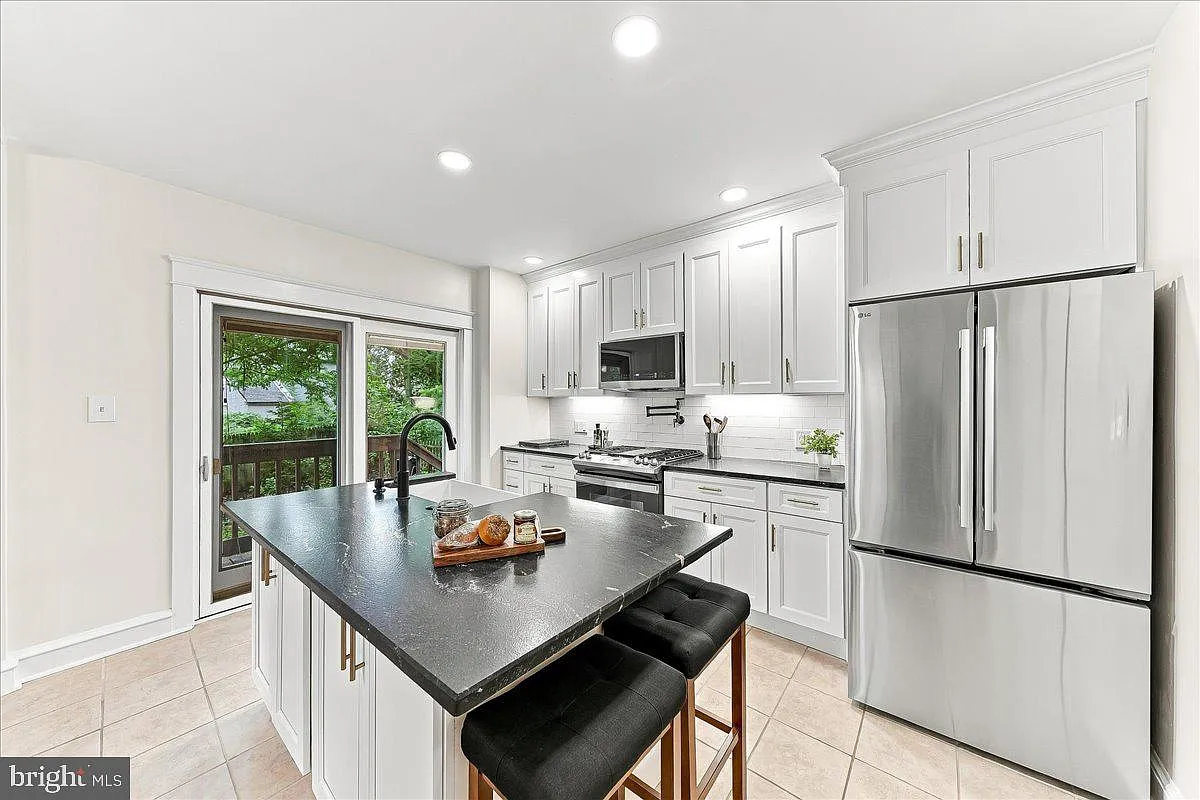
Home-cooked meals in our chef's kitchen and peaceful moments in the sunroom — life at Bell Elite.
Picture this: a resident at a large complex in Drexel Hill wakes up in the middle of the night needing to use the bathroom. They press their pendant, a little plastic button meant to summon help from a distant nursing station. In a large building, that signal travels through a computer system to a pager worn by a staff member who might be three hallways away, helping another resident. Those three to five minutes of waiting feel like an eternity to a senior with an urgent need. In contrast, Bell Elite Senior Living maintains a close knit environment where the staff is never more than a few steps away, ensuring that help arrives before the resident feels the need to risk a solo journey. Does it make sense to pay for grand architecture if the person you love is spending their nights feeling abandoned by a slow response time? How many times can a person "luck out" and avoid a fall before their luck finally runs out?
At Bell Elite Senior Living, we understand that Delaware County families want more than just a room; they want the vigilant eyes of a team that acts like family. You can reach us at (484) 356-1070 to discuss how a smaller, nurse-led setting drastically reduces the time a senior spends unobserved. We have seen how the "cruise ship" model of senior living can lead to "transfer trauma" and increased falls because the environment is simply too stimulating and too large to navigate safely. Why should your loved one have to navigate a labyrinth when they could be in a home designed for their specific physical limitations? Can a corporate board of directors in another state really understand the unique needs of a grandmother living in Broomall as well as a local, family owned home can?
Have questions about personalized care options? Bell Elite Senior Living's nursing team is ready to help. Call (484) 356-1070 or schedule a free consultation today.
The Small Home Advantage and the Power of Nurse Led Oversight
Can a smaller, nurse-led environment actually provide more safety than a massive corporate campus with a million dollar marketing budget? The answer lies in the concept of "active supervision," which is the cornerstone of the personal care home model in Pennsylvania. In a small home, the caregivers are not just employees; they are familiar faces who recognize the subtle changes in a resident’s gait or the slight tremor in their hands that might signal an oncoming infection or a medication side effect. Did you know that UTIs are one of the leading causes of sudden falls in the elderly because they cause acute confusion and balance issues? In a large facility, a minor change in behavior might go unnoticed for days until a fall occurs. In a nurse-led home like Bell Elite Senior Living, those clinical red flags are caught immediately because the nurse is directly involved in daily care.
Speak With Our Nursing Team
We help Pennsylvania families navigate senior care decisions with compassion and clinical expertise.
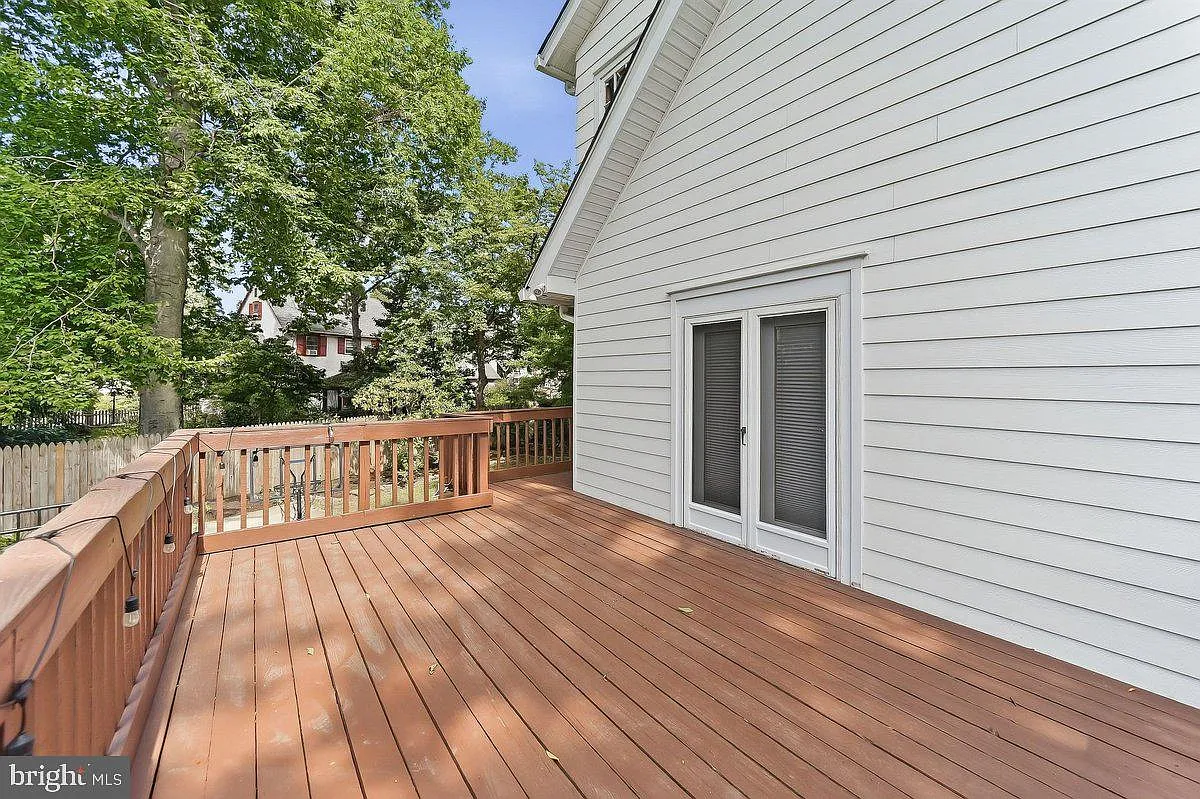
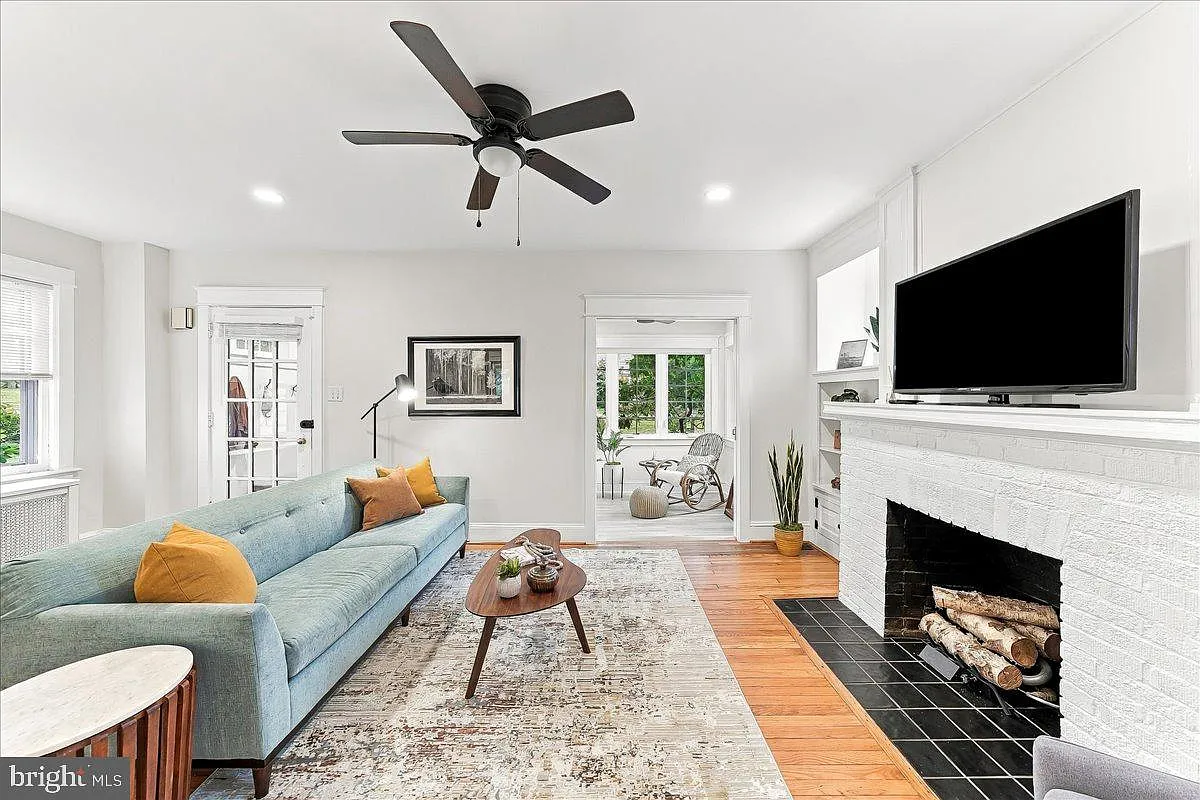
Gather in our warm living room or enjoy fresh air on the deck — every space feels like home.
Q: What does nurse-led mean for my loved one’s daily safety? Nurse-led care means that the person overseeing the caregivers has a deep clinical understanding of aging, pharmacology, and injury prevention. Unlike many facilities where the executive director has a background in business or hospitality, a nurse-led home prioritizes medical stability and proactive health management. At Bell Elite Senior Living, our nursing background allows us to coordinate closely with doctors in the Main Line Health system or Crozer Health to ensure that every resident’s care plan is medically sound. This clinical lens is vital for fall-prone seniors who may be taking multiple medications that cause dizziness or blood pressure drops.
Imagine this: your mother is sitting in the living room of a cozy home in a quiet neighborhood near Swarthmore. The caregiver, who is just a few feet away in the kitchen, notices that your mother is struggling to stand up from her chair. Instead of waiting for a call bell to ring, the caregiver simply walks over and offers a steadying hand. This is the difference between reactive care and proactive care. Why wait for a crisis to happen when you can live in an environment designed to prevent it? Isn't it true that the best fall is the one that never happened because someone was there to intervene? In Delaware County, where family values run deep, shouldn't our senior care reflect that same level of personal attention?
Q: How does a family-owned home differ from a corporate chain? Family-owned homes like Bell Elite Senior Living operate with a level of heart and accountability that is often lost in corporate structures. There are no layers of bureaucracy to fight through if you have a concern about your parent’s safety. When you call (484) 356-1070, you are talking to the people who are actually in the house, caring for your loved one. This accountability leads to better outcomes because every resident’s safety is a reflection of the family’s reputation and personal commitment to the community. Corporate chains often see residents as "beds to be filled," whereas we see them as neighbors and friends who deserve the highest level of protection.
Environmental Engineering and the Mechanics of a Fall-Proof Home
Have you considered how the physical layout of a building impacts the number of steps a senior takes alone each day? The architecture of safety is not about high tech sensors or expensive gadgets; it is about the fundamental physics of the space. In a large facility, the sheer volume of "thresholds"—the places where flooring changes from carpet to tile or from one room to another—can be a major hazard. Many seniors in the Pennsylvania suburbs live with conditions like Parkinson's or neuropathy, where their feet "freeze" at these thresholds, leading to a forward tumble. In a smaller personal care home, these transitions are minimized and the layout is kept simple and intuitive. Why complicate a senior’s life with long corridors and confusing signage when a residential setting offers the familiarity and safety of a layout they have known their whole lives?
Q: Are smaller homes regulated the same way as large facilities in Pennsylvania? Yes, all personal care homes in Pennsylvania, regardless of size, must adhere to strict regulations set forth by the Department of Human Services. This includes fire safety standards, staffing requirements, and regular inspections to ensure that the environment is safe for residents. In many ways, small homes are even more scrutinized because they are easier to inspect thoroughly. A resident at Bell Elite Senior Living receives the same regulatory protections as someone in a massive facility in Montgomery County, but with the added benefit of a much more manageable and supervised environment.
Picture this: the sun is setting over the trees in a peaceful corner of Delaware County. In a large facility, this is often the time when "sundowning" occurs, a period of increased confusion and agitation for seniors with dementia. In a crowded, noisy environment, this confusion leads to wandering and, inevitably, falls. In a small home, the evening transition is quiet and calm. The lighting is adjusted to reduce shadows, and the familiar aroma of a home-cooked dinner provides a grounding sensory experience. Can you feel the difference in stress levels between those two scenarios? Which environment is more likely to keep a confused senior calm and seated? Research shows that a calm environment can reduce the incidence of fall-related behaviors by up to 30 percent in seniors with cognitive impairments.
Why do we continue to build senior living like hotels when we know that the "hotel model" actually increases the risk of accidents for the most vulnerable? At Bell Elite Senior Living, we have purposely kept our environment intimate because we know that distance is the enemy of safety. Every square foot of our home is designed to be within the "line of sight" of our caregivers. This means that if a resident decides to get up from the sofa, someone is there to see it. We are not just a facility; we are a protective circle around your loved one. If you are worried that your current situation in a Philadelphia suburb is no longer safe, perhaps it is time to look at the mechanics of the environment you have chosen. Does it work for them, or are they working too hard to exist within it?
Ready to explore tailored care solutions? Speak with our coordinators at Bell Elite. Phone: (484) 356-1070 • Request a tour
The Financial and Emotional Cost of the "Wait and See" Approach
How much is peace of mind worth when you know your mother is being watched by someone who knows her favorite tea, her favorite TV show, and exactly how she tends to lean to the left when she gets tired? There is a hidden cost to choosing a large facility that often goes unmentioned in the sales pitch: the cost of the emergency room visits and the subsequent decline in health. When a senior falls in a large facility and breaks a hip, the financial burden often skyrockets as they move from the facility to the hospital, then to a skilled nursing center for rehab, and finally back to a higher level of care. Is it not more cost effective to invest in a higher level of supervision from the start? Why do we often wait until a catastrophic event occurs before we admit that the "grand" facility was actually too big for their needs?
Q: Is it more expensive to choose a small home over a large facility? Surprisingly, a small personal care home is often more affordable or comparably priced to the large corporate facilities in Delaware County and the surrounding Philadelphia suburbs. Because small homes do not have the massive overhead of multi-million dollar buildings, marketing departments, and corporate executives, more of your monthly fee goes directly toward care and staffing. At Bell Elite Senior Living, we offer a value proposition that is hard to beat: personalized, nurse-led care in a family setting that prioritizes safety over spectacle. You are paying for the quality of the people, not the height of the atrium.
Q: How do I know if my parent is considered fall-prone? A senior is generally considered fall-prone if they have had at least one fall in the past six months, if they use a walking aid like a cane or walker, or if they take four or more daily medications. Other clinical indicators include a diagnosis of osteoporosis, vision impairment, or a history of "near misses" where they had to grab furniture to stay upright. If you notice your loved one "furniture surfing"—walking through their home in Media or Havertown by touching walls and tables for support—they are at high risk. Our team at (484) 356-1070 can perform a professional assessment to help you understand the level of risk and how a transition to Bell Elite can mitigate it.
Imagine this: a year from now, your father is still walking, still laughing, and still enjoying his life because you chose a care setting that caught the small problems before they became big ones. You aren't spending your weekends in a hospital waiting room in Chester County. Instead, you are visiting him in a home where he feels safe and seen. The emotional toll of a fall on the family is immeasurable; the guilt of "if only I had moved him sooner" is a heavy burden to carry. Can you see how the right choice today is actually a gift to your future self? Statistics show that seniors who live in smaller, supervised settings experience 40 percent fewer emergency department visits than those living alone or in poorly supervised large settings. Why wouldn't you want those odds in your favor?
Making the Final Choice for a Safer Future in Delaware County
If you could walk into a home today and feel the warmth of a family instead of the chill of an institution, would you take that first step toward a safer reality? Making the move to personal care is never easy, but staying in a situation that has become a "fall trap" is even harder. In Delaware County, we have the unique benefit of having high quality, nurse-led options like Bell Elite Senior Living right in our backyard. We serve families from Drexel Hill to Springfield, providing a sanctuary for those who have outgrown the large scale model of care. Why settle for a room at the end of a long hallway when you can have a place at our table?
Q: Can we transition from a large facility to a small home if the current placement isn’t working? Absolutely, and this is a transition we facilitate frequently. Many families realize after a few months in a large facility that their loved one is becoming increasingly isolated or has already suffered a "minor" fall that went unobserved. Transitioning to a smaller home like Bell Elite Senior Living is often a relief for the senior, as the smaller scale is much less overwhelming. We handle the coordination and help the resident settle in quickly, often seeing an immediate improvement in their mood and physical stability. If you feel like your loved one is "drowning" in a large facility, it is never too late to move them to a safer shore.
Imagine this: you call the home to check on your mother, and the person who answers the phone doesn't have to check a chart to tell you what she had for lunch or how her physical therapy session went. They know because they were there, standing right next to her. This level of intimacy is what makes Bell Elite Senior Living the premier choice for fall-prone seniors in the Philadelphia suburbs. How much more relaxed would you be at work or at home if you knew that the "eyes on" approach was the standard, not the exception? We are here to be your partner in this journey, offering the clinical expertise of nurses and the compassionate heart of a family-owned business.
As you weigh your options between the large facilities in Montgomery County and the small homes here in Delco, remember that safety is not a luxury—it is a necessity. The right environment can literally add years to a senior's life by preventing the accidents that steal their independence. Don't wait for a crisis to force your hand. Take a moment to think about the physical reality of your loved one's daily life and ask yourself if they are truly safe or just "managed." If the answer worries you, we are just a phone call away. Bell Elite Senior Living is dedicated to proving that small homes provide the biggest safety net for the people you love most.
Reach out to us today at (484) 356-1070 and let us show you what nurse-led, family-focused care looks like in practice. We invite you to visit our home, meet our caregivers, and see for yourself why smaller is almost always better when it comes to preventing falls and fostering a high quality of life. Your family deserves the peace of mind that comes from knowing your loved one is in the best possible hands, right here in Delaware County. Why wait another day to secure their safety and your own peace of mind? The path to a safer, more vibrant life for your parent starts with a simple conversation.
A Glimpse Inside Bell Elite
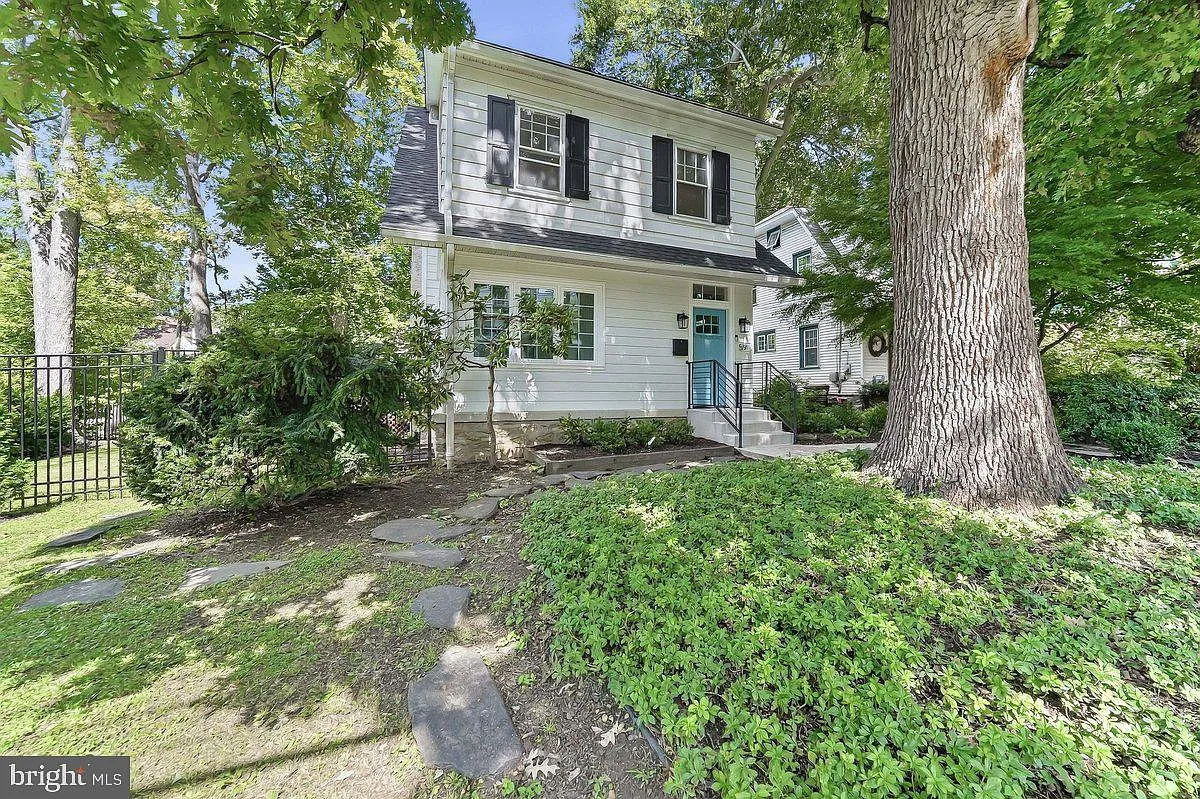
A warm, family-like residence — not an institution. Every space is designed for comfort, safety, and dignity.
Ready to Take the Next Step?
Bell Elite Senior Living is a nurse-led, family-owned personal care home in Delaware County, Pennsylvania. We're here to help.
Proudly Serving Families Across the Greater Philadelphia Region
Bell Elite Senior Living is a nurse-led, family-owned personal care home located in Delaware County, Pennsylvania — and we proudly serve families from across the entire Greater Philadelphia area and surrounding communities. Whether you are searching for a personal care home in Delaware County PA, exploring senior living options near Philadelphia, or looking for compassionate elder care for a loved one in Montgomery County, Bucks County, or Chester County, our team is here to help guide you through every step of the decision.
Families come to Bell Elite from throughout Philadelphia and its suburbs — including Upper Darby, Havertown, Drexel Hill, Broomall, Swarthmore, Media, Springfield, Lansdowne, Darby, Collingdale, and Sharon Hill in Delaware County; Ardmore, Norristown, Lansdale, Cheltenham, Abington, Blue Bell, Jenkintown, Ambler, and Horsham in Montgomery County; Doylestown, Newtown, Langhorne, Bristol, Yardley, Quakertown, and Levittown in Bucks County; and West Chester, Malvern, Exton, Downingtown, Phoenixville, Coatesville, and Paoli in Chester County. We are also a trusted resource for families in South Jersey communities such as Cherry Hill, Voorhees, Marlton, Moorestown, Mount Laurel, Haddonfield, Collingswood, and Camden County who are seeking high-quality personal care across the river in Pennsylvania. Families from Wilmington, Newark, and New Castle County, Delaware also regularly choose Bell Elite for its clinical excellence and intimate, home-like setting.
Our central location in Delaware County puts us within easy reach of Center City Philadelphia, the Main Line, South Philadelphia, Northeast Philadelphia, and the Philadelphia suburbs — making visits from family members throughout the region straightforward and stress-free. We understand that choosing the right personal care home is one of the most important decisions a family will make, and distance should never be a barrier to accessing exceptional, nurse-led care.
Frequently Asked Questions About Our Service Area
Does Bell Elite Senior Living serve families from Philadelphia?
Yes. Bell Elite Senior Living is located in Delaware County, PA, just minutes from Philadelphia. We regularly welcome residents and their families from across Philadelphia, including South Philly, Northeast Philadelphia, Kensington, Germantown, and Center City.
Do you accept residents from Montgomery County, PA?
Absolutely. We serve families throughout Montgomery County including Norristown, Ardmore, Lansdale, Cheltenham, Blue Bell, Jenkintown, and Ambler. Our nurse-led care model is a popular choice for families across the Philadelphia suburbs.
Can families from Bucks County place a loved one at Bell Elite?
Yes. Many of our residents come from Bucks County communities such as Doylestown, Newtown, Yardley, Langhorne, and Bristol. Our facility is easily accessible from Route 1 and I-95 corridors.
Do you serve Chester County families looking for personal care?
Yes. Families from West Chester, Malvern, Exton, Downingtown, Phoenixville, Paoli, and Coatesville in Chester County frequently choose Bell Elite for our small resident count, clinical oversight, and personalized care plans.
Is Bell Elite an option for families in South Jersey near Philadelphia?
Yes. Many families from Cherry Hill, Voorhees, Marlton, Mount Laurel, Haddonfield, Moorestown, and Camden County in New Jersey choose Bell Elite Senior Living in nearby Delaware County, PA for its nurse-led care and welcoming environment.
Do you accept residents from Delaware (Wilmington, Newark, New Castle County)?
Yes. Families from Wilmington, Newark, Middletown, and throughout New Castle County, Delaware have placed loved ones at Bell Elite. Our location in Delaware County, PA makes us a convenient and high-quality option for Delaware families seeking nurse-led personal care.
How do I find out if Bell Elite can serve my family's location?
Call us at (484) 356-1070 or visit our contact page. We serve the entire Greater Philadelphia region and surrounding areas and are happy to discuss your specific situation, schedule a tour, and answer any questions about our care services.
Related Articles



Related Care Services at Bell Elite
Our nurse-led personal care home in Lansdowne, PA offers specialized services for seniors across the Greater Philadelphia region.
Personal Care Home Near You
Bell Elite is located in Lansdowne, PA — minutes from Philadelphia. See care details for your community:
Have Questions After Reading?
Our nursing team offers free, no-pressure consultations for Pennsylvania families.
Talk to a nurse, not a salesperson. Our team includes RNs, LPNs, a PMHNP, and Family Nurse Practitioners.