

Is Your Parent Drinking Enough Water? Hydration Checks in Media Homes
Bell Elite Senior Living — a nurse-led, family-owned personal care home in Lansdowne, PA. Warm living spaces, private bedrooms, and a chef's kitchen — come see the difference.
The Quiet Danger Hiding in a Glass of Water
Have you ever noticed how your aging parent seems to shy away from the water pitcher even on a humid afternoon in Delaware County? It is a subtle shift that many families in Media and the surrounding Philadelphia suburbs overlook until a sudden trip to the emergency room brings everything into sharp focus. As a nurse who has spent years walking the hallways of care homes, I have seen how the simplest glass of water can be the difference between a vibrant afternoon spent in the garden and a terrifying bout of confusion. The biological reality is that our bodies change as we age, and the mechanisms that used to scream for a drink now barely whisper.
Studies show that nearly 30 percent of seniors in residential care settings may suffer from chronic dehydration. This is not just a statistic; it is a daily hurdle that impacts heart health, kidney function, and even the way medications work in the bloodstream. When you are visiting your loved one in Havertown or Springfield, do you find yourself wondering why they seem a little more tired than usual? Could it be that their thirst signals are simply not firing like they used to? It is a physiological fact that the total water content in the human body decreases with age, leaving less room for error when a heatwave hits Pennsylvania.
Q: Why do seniors lose their sense of thirst as they get older? The brain's thirst center, located in the hypothalamus, often becomes less sensitive over time, meaning a senior might actually be dehydrated long before they feel the urge to drink. This decline in thirst perception is compounded by the fact that aging kidneys become less efficient at conserving water, which creates a dangerous gap between what the body needs and what the person feels like consuming. At Bell Elite Senior Living, we understand that we cannot rely on a resident to tell us when they are thirsty, so we build hydration into the very rhythm of the day.
Speak With Our Nursing Team
We help Pennsylvania families navigate senior care decisions with compassion and clinical expertise.
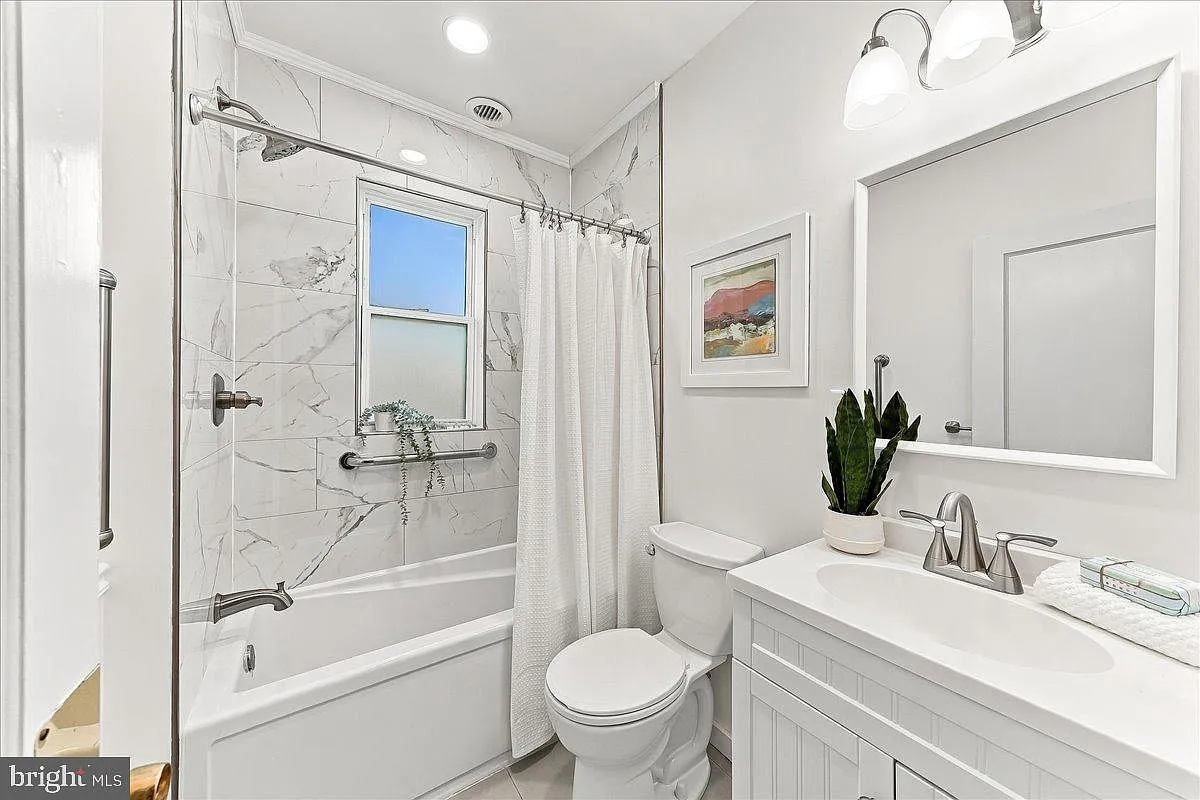
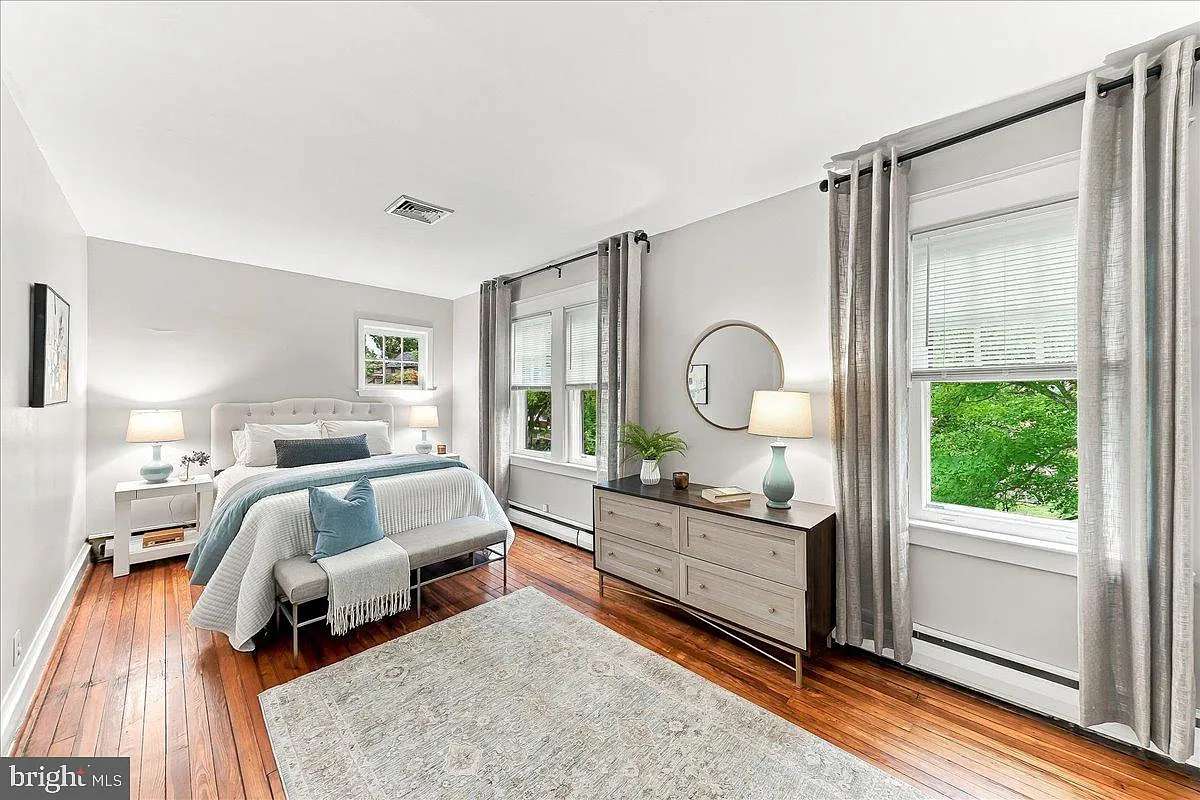
Private bedrooms and accessible bathrooms, designed for safety, comfort, and dignity.
Imagine this scenario for a moment. You are sitting on the porch of a lovely home in Swarthmore, watching the fireflies, and your mother insists she is fine despite not having a sip of water since lunch. To her, she feels perfectly comfortable because her internal thermostat and thirst sensors are no longer in sync. How do you convince her to take a drink without sounding like you are nag? Is it possible that her refusal is less about stubbornness and more about a genuine lack of physical prompting? These are the questions we tackle every day at Bell Elite Senior Living, where our nurse-led team monitors these subtle shifts with a professional eye.
We often see that a lack of fluids leads to a cascade of other health issues that look like something else entirely. Dehydration is one of the leading causes of falls among the elderly in the United States. When the blood volume drops, blood pressure can plummet the moment a person stands up, leading to dizziness and a devastating fracture. Are we doing enough to protect our elders in Drexel Hill from these preventable accidents? If we can stabilize their hydration, can we also stabilize their balance and their confidence?
Q: What are the early signs of dehydration that a family member might miss? Beyond the obvious dry mouth, look for dark-colored urine, a sudden increase in confusion, sunken eyes, or skin that does not snap back when lightly pinched on the back of the hand. In a nurse-led environment like Bell Elite Senior Living, we also look for lethargy and a rapid heart rate, as these are clinical indicators that the body is struggling to maintain its equilibrium without enough fluid. By calling (484) 356-1070, you can learn more about how our clinical staff identifies these red flags before they turn into a crisis.
Why Does Every Nurse You Meet in Media Ask About Fluid Intake?
Speak With Our Nursing Team
We help Pennsylvania families navigate senior care decisions with compassion and clinical expertise.
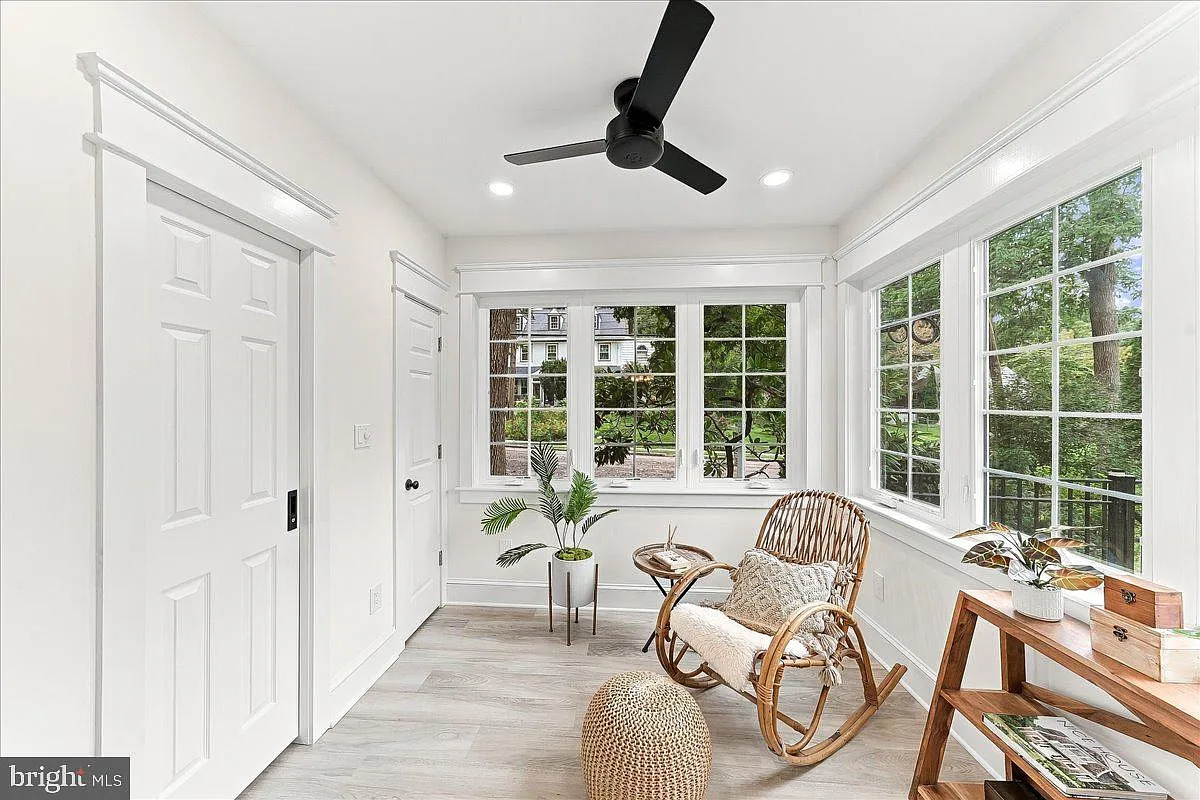
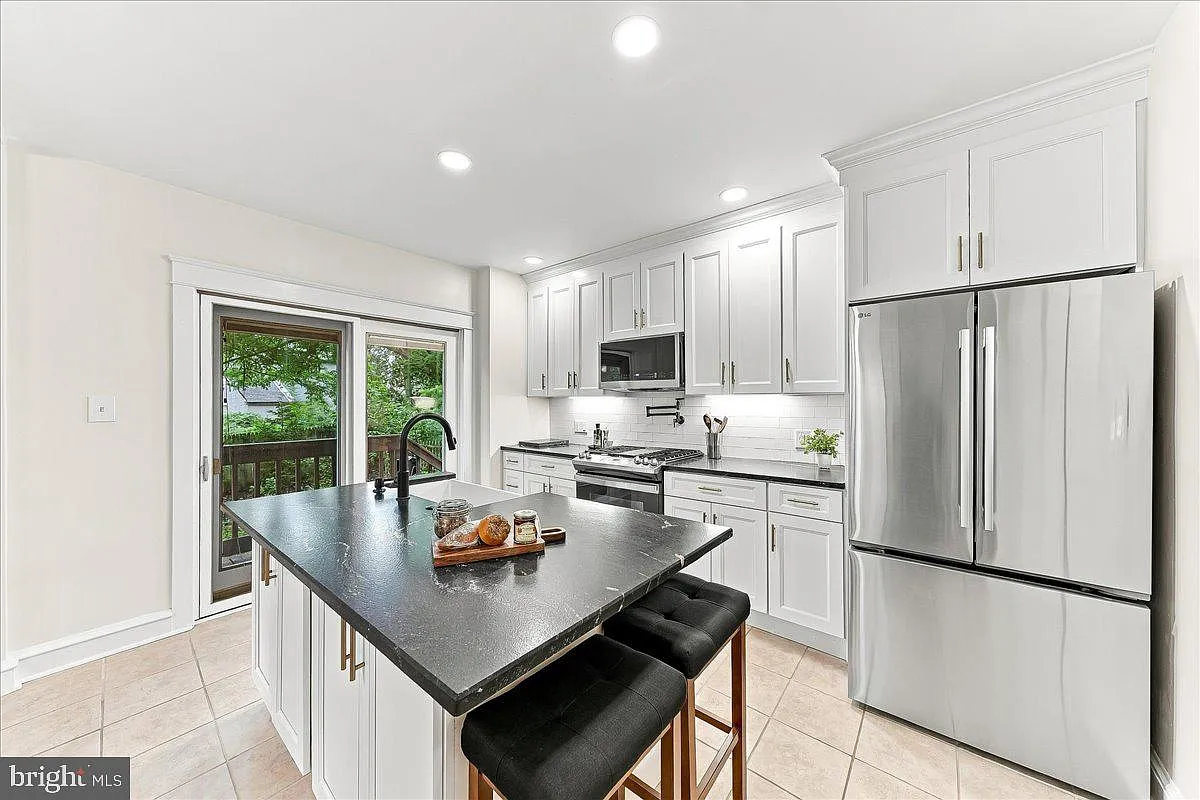
Home-cooked meals in our chef's kitchen and peaceful moments in the sunroom — life at Bell Elite.
Have you ever wondered why the nursing staff at a personal care home seems so obsessed with how much water a resident drinks during a Phillies game? It might seem like a small detail in the grand scheme of senior care, but for those of us who have managed chronic conditions, water is as important as any pill in the med cart. In a nurse-led facility like Bell Elite Senior Living, we view hydration as a foundational element of clinical stability. When a senior is properly hydrated, their medications are metabolized more effectively, their skin remains resilient against the tears and sores so common in Delaware County’s changing climate, and their digestive system functions without the need for harsh interventions.
Is it possible that the "brain fog" your father is experiencing during your visits to Broomall is actually just a lack of fluids? Research indicates that even a 2 percent drop in body water can impair cognitive functions and memory. Think about the last time you had a headache after a long day at work; now imagine that feeling multiplied by the frailty of age. Why should our seniors have to live in a state of constant, low-level physical distress when the solution is sitting right in front of them? At Bell Elite Senior Living, we don’t just leave a water pitcher on a table and hope for the best; we engage with our residents to make drinking water a social and enjoyable part of their routine.
Q: How does being a nurse-led home change the way hydration is handled? Being nurse-led means that every member of our staff is trained to understand the medical implications of fluid balance, rather than just seeing it as a hospitality task. We monitor for signs of edema, track the interaction between diuretics and water intake, and adjust hydration plans based on the specific medical history of each individual in our care. Our family-owned approach at Bell Elite Senior Living allows us to provide this level of detailed oversight that larger corporate facilities in the Philadelphia area often struggle to maintain.
Picture this: a bright afternoon in Media where the sun is streaming through the windows of a cozy personal care home. Instead of a lonely resident forgotten in a corner, you see a nurse sitting down with your mother, sharing a laugh and a glass of infused water flavored with fresh berries. This is the difference between institutional care and a family-owned home that treats every resident like their own kin. Does your current care situation offer that level of personalized attention? Can you rest easy at night knowing that someone is checking on your parent’s fluid levels at (484) 356-1070?
We also have to consider the specific challenges of the Pennsylvania seasons. The transition from the humid Delco summers to the dry, radiator-heated winters in older homes can be brutal on a senior’s hydration status. The dry air of indoor heating can increase insensible water loss through the skin and lungs by up to 20 percent. This means that even if your parent isn't sweating, they are losing water just by breathing. Are the caregivers in your life aware of these environmental risks? Do they know how to adjust the care plan when the first frost hits Media?
Speak With Our Nursing Team
We help Pennsylvania families navigate senior care decisions with compassion and clinical expertise.
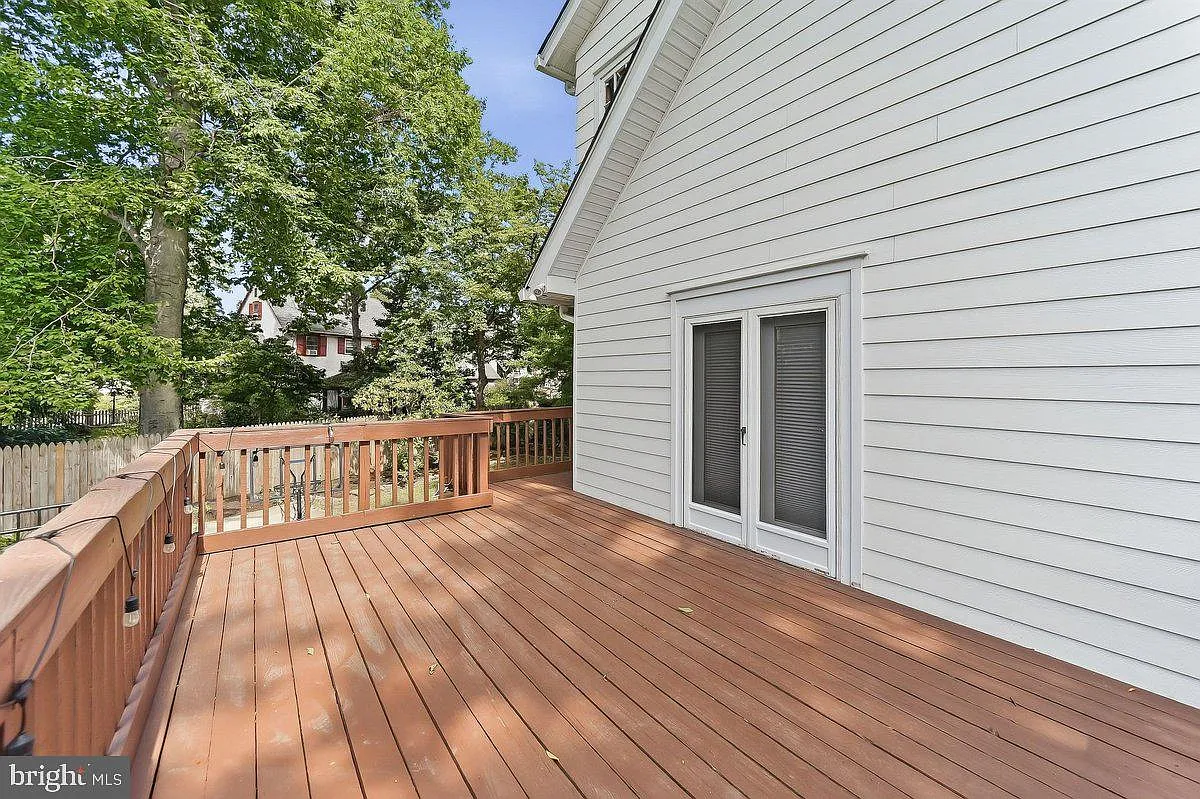
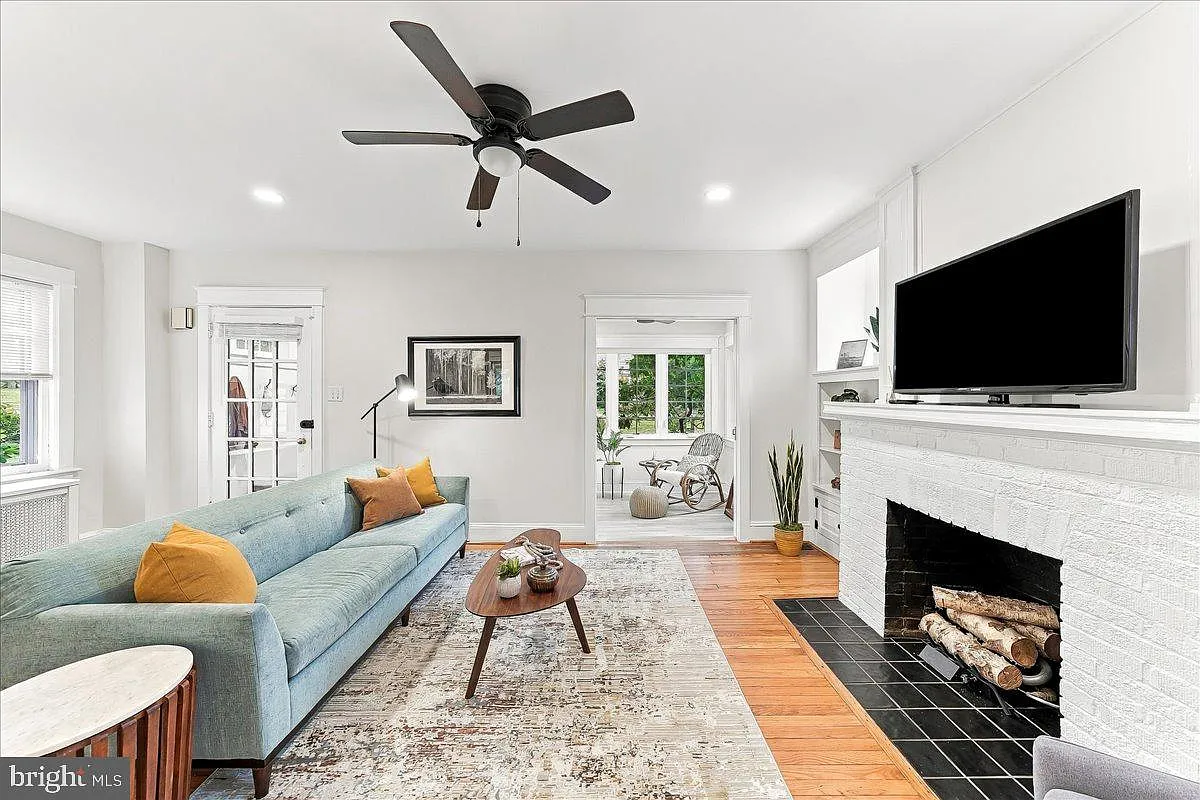
Gather in our warm living room or enjoy fresh air on the deck — every space feels like home.
Have questions about personalized care options? Bell Elite Senior Living's nursing team is ready to help. Call (484) 356-1070 or schedule a free consultation today.
Could That Sudden Confusion Actually Be Thirst Instead of Memory Loss?
Have you ever walked into your parent's home in Upper Darby and been shocked by a sudden lapse in their memory or a strange bout of irritability? It is one of the most frightening experiences a child can have, and the mind immediately jumps to the worst-case scenario: dementia. But what if the culprit wasn't a permanent neurological decline, but rather a simple, treatable case of dehydration? In the clinical world, we often see seniors who are misdiagnosed with cognitive decline when they are actually suffering from an electrolyte imbalance caused by a lack of water.
How many families in Delaware County are grieving a loss of personality that could be reversed with better hydration? Medical professionals report that dehydration is one of the top ten reasons seniors are hospitalized, often presenting with symptoms that mimic a stroke or advanced Alzheimer's. When the brain doesn't have enough fluid, it literally shrinks away from the skull, and the neurotransmitters that allow for clear thinking begin to misfire. Can you imagine the relief of finding out that your mother's confusion was just a symptom of thirst? At Bell Elite Senior Living, our first step when we notice a change in mood or cognition is to assess physical vitals and hydration status.
Q: How does dehydration mimic the symptoms of dementia or Alzheimer's? When a senior is dehydrated, the reduced blood flow to the brain can cause symptoms like disorientation, short-term memory loss, agitation, and even hallucinations. Unlike the slow progression of dementia, dehydration-induced confusion often comes on relatively quickly, sometimes over the course of a single afternoon in the Pennsylvania heat. Our team at Bell Elite Senior Living is trained to differentiate between these two conditions, ensuring that our residents receive the right intervention at the right time.
Think about the way you feel when you have a flu and haven't been able to keep fluids down; that hazy, disconnected feeling is what many seniors experience every single day. If your loved one is living alone in Havertown, who is there to notice if they haven't touched their water glass since breakfast? Who is checking the color of their urine or the elasticity of their skin? The peace of mind that comes from professional, nurse-led monitoring cannot be overstated. We take the guesswork out of care, providing a safety net for families who are spread thin across the Philadelphia suburbs.
Q: What is the relationship between hydration and urinary tract infections in the elderly? A lack of water leads to concentrated urine, which allows bacteria to flourish in the bladder, making UTIs incredibly common among seniors who do not drink enough. In older adults, a UTI often does not present with a fever or pain, but rather with sudden, severe confusion and behavioral changes. By maintaining rigorous hydration protocols at Bell Elite Senior Living, we significantly reduce the risk of these infections and the resulting hospitalizations that can be so traumatic for a senior.
The beauty of a family-owned personal care home like ours is that we have the time to sit and ensure each glass is finished. We know that Mr. Miller prefers his water with a slice of lemon and that Mrs. Smith will only drink from her favorite blue mug. These small, personal details are the keys to successful hydration. Are these the kinds of details that a large, understaffed facility in Delaware County can track? When you call (484) 356-1070, you are talking to people who understand that care is found in the smallest gestures.
How Do You Help a Parent Who Simply Refuses to Drink Water?
Have you ever felt the sheer frustration of pleading with your father to take just one more sip, only to have him push the glass away? It is a common struggle for families in Media and Springfield, where caregivers feel like they are locked in a power struggle over a basic human necessity. Many seniors refuse water because they are afraid of the consequences, such as more frequent trips to the bathroom or the embarrassment of incontinence. If every sip of water feels like a gamble with their dignity, can you really blame them for saying no?
How do we break this cycle without making our loved ones feel like children? At Bell Elite Senior Living, we use creative strategies that go beyond the standard water bottle. Approximately 20 percent of our daily fluid intake comes from the foods we eat, which is a powerful tool in a nurse's arsenal. We incorporate hydrating snacks like watermelon, cucumbers, and soups into the daily menu, ensuring that our residents are getting the fluids they need even if they aren't thirsty. Have you considered that your parent might be more willing to eat a bowl of chilled grapes than drink a lukewarm glass of tap water?
Q: What if my parent is worried about bathroom trips during the night? This is a very valid concern that we address by front-loading hydration in the morning and early afternoon, then tapering off fluid intake after dinner. By ensuring the body is fully hydrated by 4:00 PM, we can minimize the need for nighttime bathroom visits while still protecting the kidneys and heart. Our nurse-led staff at Bell Elite Senior Living works with each resident to create a schedule that respects their comfort and their sleep patterns.
Picture this: your mother is enjoying a social hour in our Drexel Hill area home, nibbling on orange slices and sipping a small cup of herbal tea. She isn't thinking about "hydration" as a medical requirement; she is just enjoying a moment of connection with her neighbors. This is how we bypass the resistance that often comes with aging. By making fluid intake a natural, enjoyable part of the environment, we remove the pressure and the fear. Does your current care plan involve these kinds of thoughtful, psychological approaches to health?
Q: Are there specific fluids that seniors should avoid to stay hydrated? While all liquids provide some hydration, drinks with high caffeine or sugar content can act as diuretics or cause blood sugar spikes that actually pull water away from the cells. We encourage water, diluted juices, and decaffeinated teas, which are much gentler on the aging system. Our family-owned approach means we can tailor these choices to each resident's palate, ensuring they actually look forward to their drinks.
If you are struggling to manage this at home in Delaware County, you are not alone. It is exhausting to be the "water police" while also trying to be a loving son or daughter. When you transition your loved one to a personal care home like Bell Elite Senior Living, you get to go back to being the child while we take on the role of the clinical guardians. We have the professional patience and the nursing expertise to handle the refusals and the stubbornness with grace and skill. If you are ready to let go of that burden, we are here to talk at (484) 356-1070.
Ready to explore tailored care solutions? Speak with our coordinators at Bell Elite. Phone: (484) 356-1070 • Request a tour
What Should You Look for When Visiting Personal Care Homes in Delaware County?
Have you ever wondered why so many families in Delaware County feel overwhelmed when it's time to look for care? You walk into a facility and see beautiful furniture and grand lobbies, but how do you know what the care actually looks like behind the scenes? When it comes to something as vital as hydration, you need to look past the decor and ask about the systems in place. Does the home have a specific protocol for monitoring fluid intake during the humid Pennsylvania summers? Is there a nurse on-site who understands the complex interplay between hydration and chronic illness?
At Bell Elite Senior Living, we believe that transparency is the key to trust. When you visit a home in Media or Swarthmore, look at the residents' rooms. Do you see fresh water within easy reach? Are the caregivers actively encouraging residents to drink, or are they just walking past? Statistics show that personalized care homes with a higher staff-to-resident ratio have significantly lower rates of dehydration-related hospitalizations. Because we are family-owned, we prioritize these interactions, ensuring that no one falls through the cracks of a busy shift.
Q: How do nursing staff in personal care homes actually track how much a resident drinks? In a nurse-led setting like Bell Elite Senior Living, we use flow sheets and digital records to document intake throughout the day. We don't just guess; we measure. If a resident has not reached their goal by mid-afternoon, our team steps in with hydrating alternatives or a gentle reminder. This level of clinical oversight is what sets us apart from standard assisted living facilities in the Philadelphia suburbs.
Imagine you are touring a facility in Broomall and you ask the staff about their hydration plan. If they give you a vague answer about "always having water available," that should be a red flag. You want a home that can tell you exactly how they handle a resident who refuses fluids or how they adjust for a heatwave in Delaware County. Is the staff trained in the signs of electrolyte imbalance? Do they know the difference between a simple headache and the early stages of heat exhaustion? These are the questions that matter most for your parent's safety.
Q: What is the difference between a personal care home like Bell Elite and a traditional nursing home? A personal care home provides a more residential, family-like environment while still offering significant medical oversight and assistance with daily living. In Pennsylvania, personal care homes are regulated to ensure a high standard of safety, but at Bell Elite Senior Living, we go beyond the state requirements by maintaining a nurse-led philosophy. This means your loved one gets the warmth of a home with the clinical safety of a professional medical environment.
We often hear from families in Havertown who are surprised by how much their parent's health improves once they move into our home. The "miracle" is usually just the result of consistent, professional care, including proper nutrition and hydration. When a senior is no longer struggling to manage their own needs in a large, empty house, their body has the chance to recover and thrive. Are you seeing your parent struggle with the basic tasks of self-care in their current home? Could a move to a focused, family-owned environment be the answer you’ve been searching for?
Is It Time to Move from Monitoring at Home to Professional Support?
Have you reached the point where you are checking the weather forecast for Delaware County with a sense of dread, wondering if your parent will remember to turn on the air conditioning and drink enough water? It is a heavy burden to carry, especially when you have your own career and family to manage in the Philadelphia area. The guilt of not being there every hour of the day can be paralyzing, but is it fair to you or your parent to keep struggling in a situation that is no longer safe? When the simple act of staying hydrated becomes a medical risk, it might be time to consider the benefits of a professional personal care home.
Think about the peace of mind you would have knowing that a nurse is literally just a few steps away from your mother at all times. Studies indicate that caregivers who transition their loved ones into professional care see a 40 percent reduction in their own stress-related health issues. This isn't about giving up; it's about stepping up to a higher level of care that you simply cannot provide alone. Can you imagine a weekend where you aren't worrying about whether your father had enough to drink or if he’s feeling dizzy in his house in Drexel Hill?
Q: How do I start the conversation about moving to Bell Elite Senior Living? We recommend starting with a focus on safety and health rather than "moving out." Talk about the benefits of having a nurse-led team and the social opportunities that come with a family-owned home. Invite them to come for a visit at our Media area location so they can see the warm, inviting atmosphere for themselves. Our team at (484) 356-1070 is always happy to help facilitate these conversations and provide the information you need to make an informed decision.
Picture this: next month, instead of rushing over to your parent's house to check their water pitcher, you are meeting them at Bell Elite Senior Living for a relaxed lunch. You see them looking hydrated, alert, and engaged with their new friends. You can see the difference in their skin and the sparkle in their eyes because their basic physiological needs are being met with professional precision. Isn't that the quality of life you want for them? Isn't that the kind of relationship you want to have with your parent again?
Q: What makes Bell Elite Senior Living different from other homes in Delaware County? Our difference lies in our nurse-led, family-owned foundation. We don't answer to a corporate board; we answer to the families who trust us with their loved ones. We combine clinical expertise with a deep, personal commitment to every resident's well-being. Whether it is managing complex medication schedules or just making sure everyone gets enough water on a hot Pennsylvania afternoon, we do it with love and professional skill.
The journey of aging is full of challenges, but you don't have to navigate them alone. Whether you are in Media, Upper Darby, or anywhere in the Delaware County area, Bell Elite Senior Living is here to be your partner in care. We understand the nuances of hydration, the complexities of senior health, and the emotional weight of these decisions. If you are ready to ensure your parent is getting the hydration and care they truly deserve, pick up the phone and call us at (484) 356-1070. Let's work together to make sure your loved one isn't just getting by, but truly thriving in a home that cares.
A Glimpse Inside Bell Elite
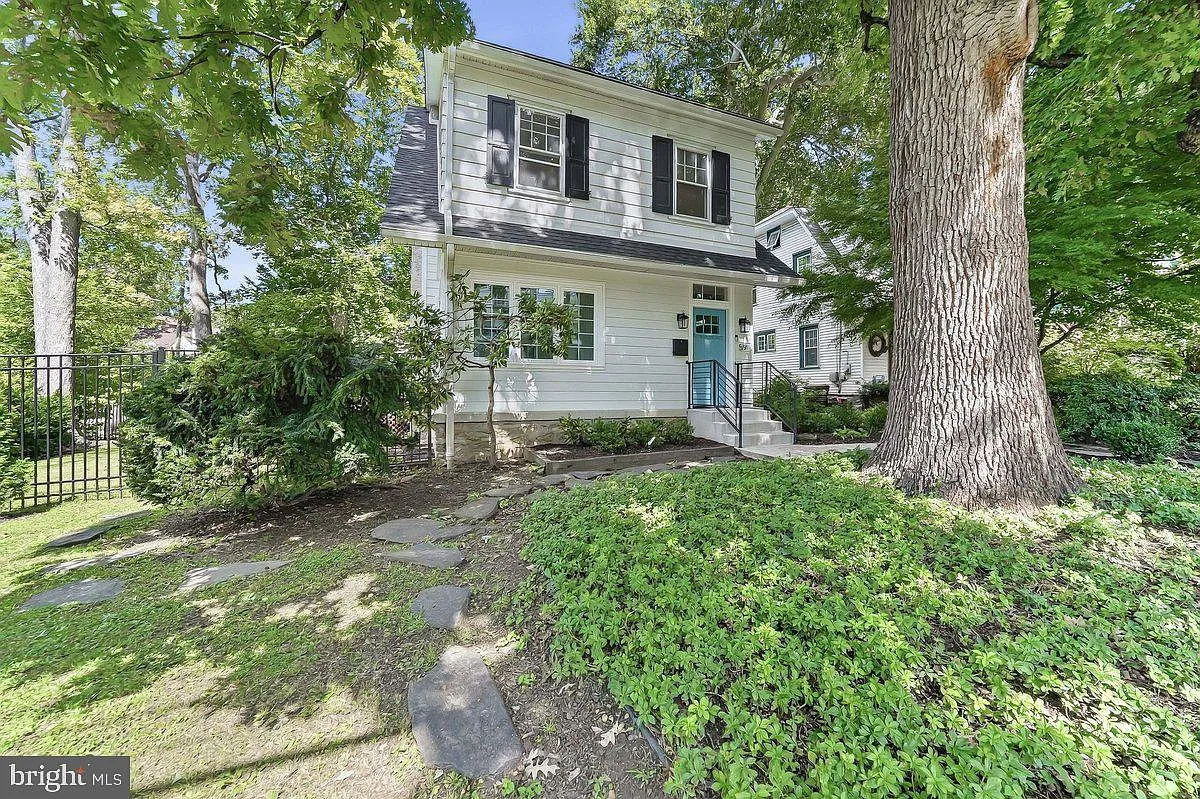
A warm, family-like residence — not an institution. Every space is designed for comfort, safety, and dignity.
Ready to Take the Next Step?
Bell Elite Senior Living is a nurse-led, family-owned personal care home in Delaware County, Pennsylvania. We're here to help.
Proudly Serving Families Across the Greater Philadelphia Region
Bell Elite Senior Living is a nurse-led, family-owned personal care home located in Delaware County, Pennsylvania — and we proudly serve families from across the entire Greater Philadelphia area and surrounding communities. Whether you are searching for a personal care home in Delaware County PA, exploring senior living options near Philadelphia, or looking for compassionate elder care for a loved one in Montgomery County, Bucks County, or Chester County, our team is here to help guide you through every step of the decision.
Families come to Bell Elite from throughout Philadelphia and its suburbs — including Upper Darby, Havertown, Drexel Hill, Broomall, Swarthmore, Media, Springfield, Lansdowne, Darby, Collingdale, and Sharon Hill in Delaware County; Ardmore, Norristown, Lansdale, Cheltenham, Abington, Blue Bell, Jenkintown, Ambler, and Horsham in Montgomery County; Doylestown, Newtown, Langhorne, Bristol, Yardley, Quakertown, and Levittown in Bucks County; and West Chester, Malvern, Exton, Downingtown, Phoenixville, Coatesville, and Paoli in Chester County. We are also a trusted resource for families in South Jersey communities such as Cherry Hill, Voorhees, Marlton, Moorestown, Mount Laurel, Haddonfield, Collingswood, and Camden County who are seeking high-quality personal care across the river in Pennsylvania. Families from Wilmington, Newark, and New Castle County, Delaware also regularly choose Bell Elite for its clinical excellence and intimate, home-like setting.
Our central location in Delaware County puts us within easy reach of Center City Philadelphia, the Main Line, South Philadelphia, Northeast Philadelphia, and the Philadelphia suburbs — making visits from family members throughout the region straightforward and stress-free. We understand that choosing the right personal care home is one of the most important decisions a family will make, and distance should never be a barrier to accessing exceptional, nurse-led care.
Frequently Asked Questions About Our Service Area
Does Bell Elite Senior Living serve families from Philadelphia?
Yes. Bell Elite Senior Living is located in Delaware County, PA, just minutes from Philadelphia. We regularly welcome residents and their families from across Philadelphia, including South Philly, Northeast Philadelphia, Kensington, Germantown, and Center City.
Do you accept residents from Montgomery County, PA?
Absolutely. We serve families throughout Montgomery County including Norristown, Ardmore, Lansdale, Cheltenham, Blue Bell, Jenkintown, and Ambler. Our nurse-led care model is a popular choice for families across the Philadelphia suburbs.
Can families from Bucks County place a loved one at Bell Elite?
Yes. Many of our residents come from Bucks County communities such as Doylestown, Newtown, Yardley, Langhorne, and Bristol. Our facility is easily accessible from Route 1 and I-95 corridors.
Do you serve Chester County families looking for personal care?
Yes. Families from West Chester, Malvern, Exton, Downingtown, Phoenixville, Paoli, and Coatesville in Chester County frequently choose Bell Elite for our small resident count, clinical oversight, and personalized care plans.
Is Bell Elite an option for families in South Jersey near Philadelphia?
Yes. Many families from Cherry Hill, Voorhees, Marlton, Mount Laurel, Haddonfield, Moorestown, and Camden County in New Jersey choose Bell Elite Senior Living in nearby Delaware County, PA for its nurse-led care and welcoming environment.
Do you accept residents from Delaware (Wilmington, Newark, New Castle County)?
Yes. Families from Wilmington, Newark, Middletown, and throughout New Castle County, Delaware have placed loved ones at Bell Elite. Our location in Delaware County, PA makes us a convenient and high-quality option for Delaware families seeking nurse-led personal care.
How do I find out if Bell Elite can serve my family's location?
Call us at (484) 356-1070 or visit our contact page. We serve the entire Greater Philadelphia region and surrounding areas and are happy to discuss your specific situation, schedule a tour, and answer any questions about our care services.
Related Articles



Related Care Services at Bell Elite
Our nurse-led personal care home in Lansdowne, PA offers specialized services for seniors across the Greater Philadelphia region.
Personal Care Home Near You
Bell Elite is located in Lansdowne, PA — a short drive from Media. See care details for your community:
Have Questions After Reading?
Our nursing team offers free, no-pressure consultations for Pennsylvania families.
Talk to a nurse, not a salesperson. Our team includes RNs, LPNs, a PMHNP, and Family Nurse Practitioners.