
Is a Personal Care Home in Doylestown Better for a Senior with Limited Vision?
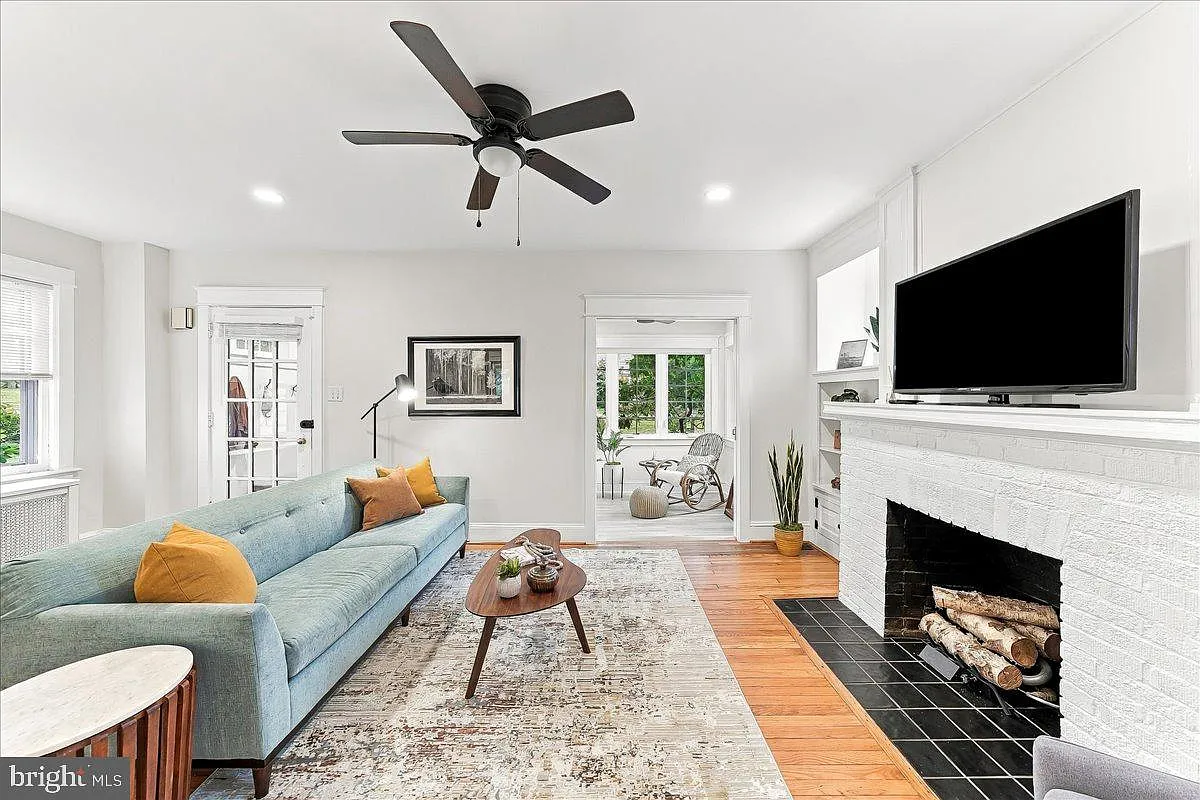
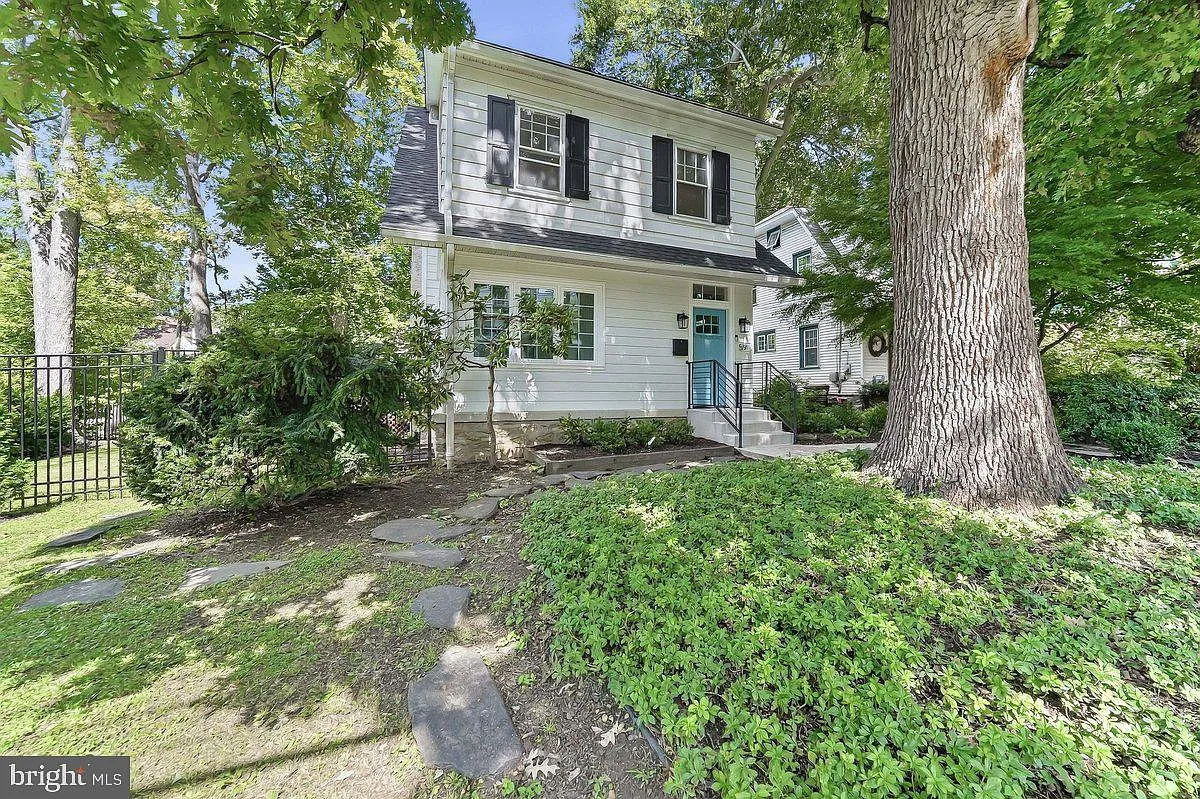
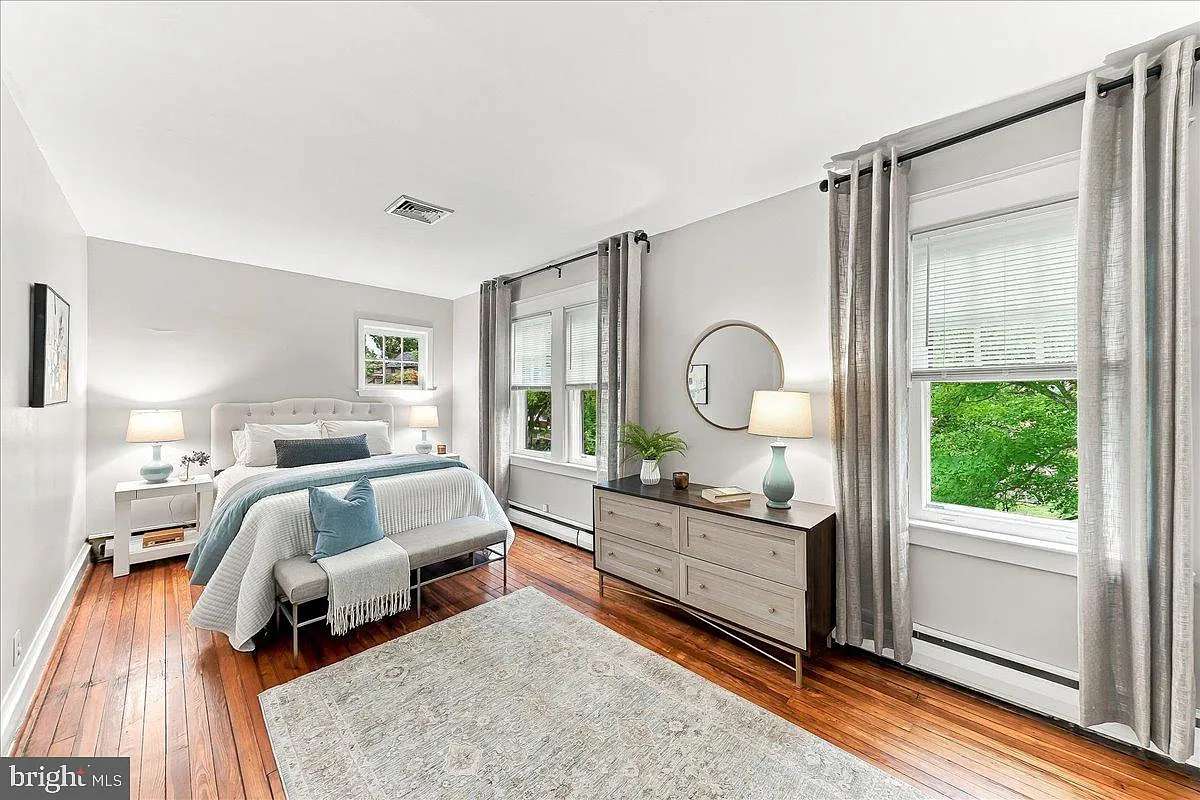
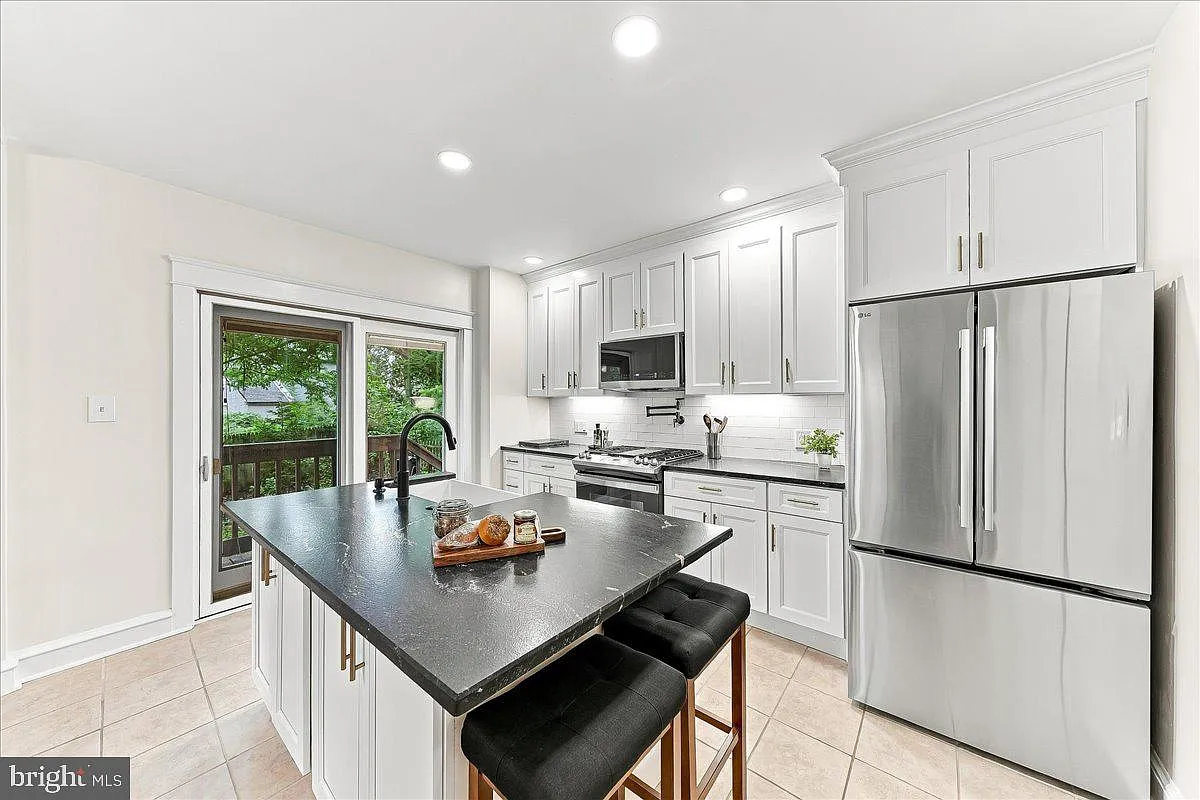
Bell Elite Senior Living — a nurse-led, family-owned personal care home in Lansdowne, PA. Warm living spaces, private bedrooms, and a chef's kitchen — come see the difference.
The Visionary Choice in Senior Care
Have you ever wondered if the specific zip code of a personal care home matters more than the clinical expertise of the people standing inside its walls? When you are navigating the complex world of senior living for a loved one with limited vision, every detail feels magnified and every decision carries a heavy weight. You might be looking at Doylestown in Bucks County because it has a reputation for charming streets and historic beauty, but you must ask yourself if the environment truly serves someone who sees the world through a blurred or darkened lens. Is the aesthetic of a town like Doylestown more important than the specialized, nurse-led attention found in a family-owned home in Delaware County?
Q: Does a scenic location like Doylestown provide tangible benefits for a senior who cannot see the scenery? While a beautiful neighborhood offers a sense of prestige and peace for visiting family members, a senior with significant vision loss relies far more on the internal acoustics, the tactile layout of their living space, and the consistency of the staff. A scenic view is a wonderful luxury for those with full sight, but for a senior struggling with macular degeneration or glaucoma, the primary concern is the ability of the staff to provide a sensory-rich environment that promotes independence despite physical limitations.
Imagine this scenario for a moment. Your father, a man who once navigated the bustling streets of Upper Darby with ease, now finds himself hesitating at the edge of a carpet. The world has become a series of shadows and indistinct shapes for him. In a larger, more corporate facility in a place like Doylestown, he might be just one resident among a hundred others. The hallways are long, the echoes are confusing, and the turnover of young aides means he rarely hears a familiar voice. In contrast, picture a smaller, nurse-led personal care home in the heart of Delaware County where the owner knows the exact way he likes his coffee and can guide him by the sound of a calm, consistent voice.
Speak With Our Nursing Team
We help Pennsylvania families navigate senior care decisions with compassion and clinical expertise.
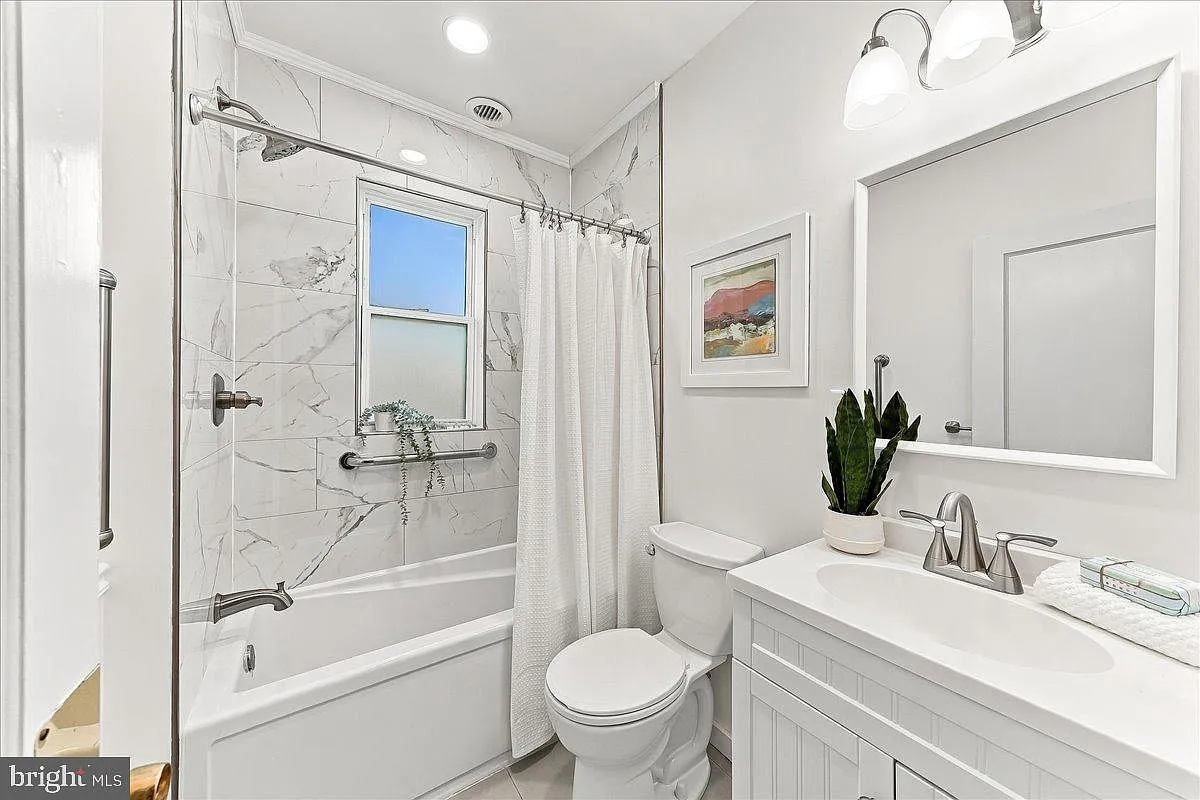
Private bedrooms and accessible bathrooms, designed for safety, comfort, and dignity.
Does the geographic prestige of Bucks County outweigh the intimate, specialized care of a nurse-led home in a community like Springfield or Media? Many families find that the sheer size of high-end facilities in wealthier suburbs can actually be a detriment to a senior with low vision. Navigational stress is a leading cause of anxiety and falls among the elderly. When a facility is too large, the distance between the bedroom and the dining hall becomes a gauntlet of obstacles.
Q: How does staff consistency impact the safety of a visually impaired resident? Consistency is the cornerstone of safety for anyone living with vision loss because it allows them to map their environment mentally. When the same caregivers are present every day, they learn the subtle cues of a resident’s movement and can intervene before a stumble occurs. In a nurse-led environment like Bell Elite Senior Living, the clinical oversight ensures that staff members are trained to communicate verbally in a way that compensates for what the eyes cannot see.
We often talk to families from Havertown and Broomall who are torn between the "resort-style" living of modern complexes and the "home-style" safety of personal care homes. They worry that choosing a smaller home might mean sacrificing quality, but the reality is often the opposite. A nurse-led home means that the person overseeing your mother’s care has a medical background and understands how vision loss interacts with medication side effects, balance, and cognitive health. In Pennsylvania, personal care homes are regulated to ensure safety, but a nurse-owned home often exceeds these standards by providing a clinical level of scrutiny that an administrator without a medical degree might overlook.
Q: Can a smaller home in Delaware County offer better social engagement for someone with limited sight? Yes, because social engagement for the visually impaired is deeply dependent on verbal interaction and auditory cues. In a smaller, intimate setting, it is much easier for a resident to participate in conversations because they can identify the voices around them more easily. The background noise is controlled, which is crucial since many seniors with vision loss also experience hearing challenges, and a noisy, cavernous dining room in a large Doylestown facility can be incredibly isolating.
Speak With Our Nursing Team
We help Pennsylvania families navigate senior care decisions with compassion and clinical expertise.
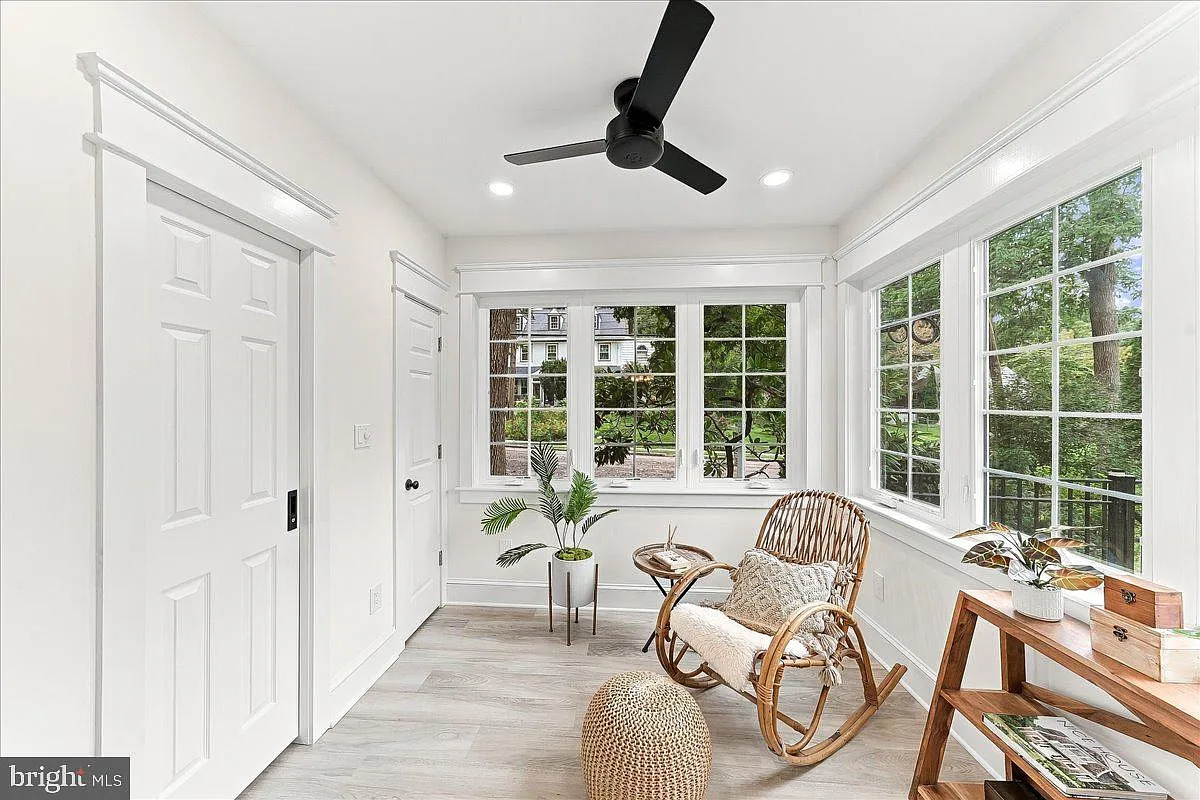
Home-cooked meals in our chef's kitchen and peaceful moments in the sunroom — life at Bell Elite.
Picture your loved one sitting in a cozy living room in a Drexel Hill neighborhood. They are not staring at a wall they cannot see, but rather they are engaged in a lively discussion about local news or family stories. The intimacy of a family-owned home means that no one is left sitting in a corner simply because they cannot find their way to the activity table. Personalized care is about meeting the resident exactly where they are, both physically and sensorially.
As you weigh the options between a trendy location and a specialized care model, remember that your loved one’s daily experience is defined by the three feet immediately surrounding them. They need a space that feels predictable and safe. They need a team that acts as their eyes and their advocates. Is it possible that the best care for your family is not found in the sprawling estates of the outer suburbs, but in the dedicated, nurse-led homes of Delaware County?
Understanding the Landscape of Personal Care in Bucks and Delaware Counties
Have you ever stopped to consider how much the physical layout of a town influences the design of the senior living facilities within it? Doylestown is known for its sprawling properties and larger-scale developments, which often translate into massive assisted living complexes that can feel like hotels. While these buildings are impressive to look at, have you thought about how a senior with limited vision might feel trying to navigate a three-story atrium or a parking lot the size of a football field? Delaware County, with its mix of historic boroughs like Swarthmore and tight-knit communities like Broomall, offers a different architectural rhythm that often lends itself to smaller, more navigable personal care homes.
Q: Why is the scale of the building so important for someone with vision loss? The scale of a building dictates the "cognitive load" required to move through it. For a senior with low vision, every step requires intense concentration to avoid tripping or becoming disoriented. A smaller building footprint, typical of personal care homes in Delaware County, reduces this cognitive load significantly, allowing the resident to use their energy for socializing and enjoying life rather than just surviving the walk to lunch.
Speak With Our Nursing Team
We help Pennsylvania families navigate senior care decisions with compassion and clinical expertise.
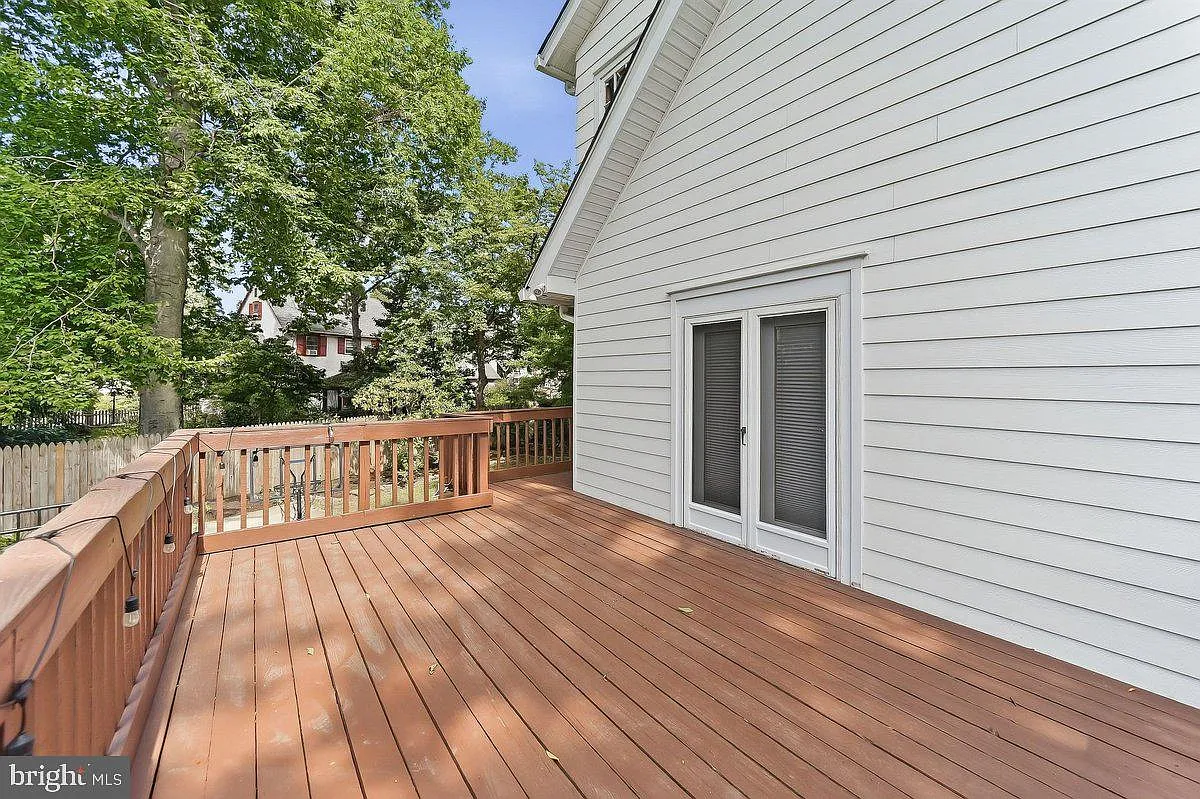
Gather in our warm living room or enjoy fresh air on the deck — every space feels like home.
Imagine this for a moment. Your grandmother, who spent decades living in a quiet home in Havertown, is suddenly moved to a massive facility in Doylestown. The hallways all look identical, the lighting is harsh and creates confusing shadows, and the distance to the garden is so great that she eventually gives up on going outside. Visual impairment often leads to a sedentary lifestyle if the environment is not specifically designed for ease of movement. In a smaller personal care home, the journey from the bed to the porch is a few dozen feet, not a marathon.
Q: What role does lighting play in the safety of personal care homes in Pennsylvania? Pennsylvania regulations require adequate lighting, but a nurse-led home understands the clinical difference between "bright" and "effective" lighting. Seniors with vision loss often suffer from extreme glare sensitivity or a need for high-contrast environments. A nurse-owned facility is more likely to implement task lighting and contrast strips on stairs and doorways, which are simple but life-saving modifications that larger, more aesthetic-focused facilities might miss.
Consider the local context of Delaware County. This is a place where families stay for generations, where neighbors know each other, and where the sense of community is palpable. When you choose a family-owned personal care home in this area, you are often choosing a home that was once a private residence. This residential scale is inherently more comforting to a senior who is losing their sight. The floor plan is intuitive. The kitchen is nearby, and the smell of home-cooked meals acts as a sensory beacon, helping them orient themselves in space and time. Sensory cues like smell and sound are vital navigational tools for the visually impaired.
Q: Is the cost of care significantly different between Doylestown and Delaware County? While prices vary widely, the "value" is often found in the staff-to-resident ratio. Doylestown facilities often have high overhead costs due to their massive footprints and amenities like movie theaters or indoor pools. A family-owned personal care home in Delaware County often directs more of its resources toward direct care staff. For a senior with limited vision, a staff member who has the time to walk with them is infinitely more valuable than a swimming pool they cannot safely use.
Think about the transition your loved one is making. It is not just a change of address, it is a change of reality. If they are moving from a lifetime in the Philadelphia suburbs, keeping them close to familiar territory in Delaware County can provide an emotional anchor. Even if they cannot see the landmarks clearly, the "feel" of the area, the humidity of a Pennsylvania summer on a familiar porch, and the specific sounds of the neighborhood can provide a sense of continuity that a brand-new, sterile environment in a distant county cannot replicate.
Q: How does a nurse-led model address the specific health risks of vision loss? Vision loss is rarely an isolated issue; it is often connected to diabetes, cardiovascular disease, or neurological conditions. A nurse-led home like Bell Elite Senior Living provides a level of medical monitoring that goes beyond basic personal care. The nurses can monitor how vision changes might signal a shift in overall health, such as a diabetic retinopathy flare-up or a reaction to new blood pressure medication. This proactive medical stance is the ultimate safety net for a vulnerable senior.
Have questions about personalized care options? Bell Elite Senior Living's nursing team is ready to help. Call (484) 356-1070 or schedule a free consultation today.
The Nurse Led Advantage for Visually Impaired Seniors
Do you truly understand the difference between a facility managed by a business administrator and a home led by a registered nurse? When a senior has limited vision, their health and safety are precarious, and every decision made by the leadership impacts their quality of life. In many large facilities in Doylestown, the executive director might have a background in hospitality or real estate, but in a nurse-led home in Delaware County, the person in charge has spent their career at the bedside. Which one would you trust to manage your mother’s transition into a world of shadows?
Q: What clinical expertise do nurses bring to the daily lives of visually impaired residents? Nurses are trained in "functional assessments," which means they look at how a person moves and interacts with their environment. For a resident with low vision, a nurse can identify if a gait change is due to worsening sight or a new musculoskeletal issue. They also understand the complex relationship between vision and "polypharmacy," the use of multiple medications, which can cause dizziness and increase the risk of falls for those who already cannot see clearly.
Imagine this scenario. A resident in a large, corporate-run home in the Philadelphia suburbs begins to withdraw and stop eating. The staff, who are overworked and lack medical training, assume the resident is just "getting older" or is depressed. However, in a nurse-led home like Bell Elite, a nurse notices that the resident is actually struggling with a new blind spot in their vision that makes it hard to see the food on their plate. A nurse knows to look for the physical cause behind a behavioral change. By simply adjusting the lighting and using high-contrast plates, the nurse restores the resident’s independence and nutrition.
Q: How does the family-owned aspect of a home improve the care for a senior with vision loss? In a family-owned home, the culture is one of accountability and deep personal connection. The owners are often on-site, and their reputation in the Delaware County community depends on the quality of care they provide. For a visually impaired senior, this means they aren't just a room number. The owners and staff know their history, their fears, and their preferences, creating a "safety net of familiarity" that a large, high-turnover facility simply cannot match.
Consider the complexity of medication management for someone who cannot read the labels on their bottles. In a standard personal care home, an aide might assist with med reminders, but in a nurse-led environment, there is a higher level of scrutiny regarding dosages and side effects. Medication errors are a significant risk for seniors with vision loss who might try to manage their own pills. Having professional clinical oversight ensures that every pill is accounted for and every reaction is monitored.
Q: Can a nurse-led home help a resident maintain their remaining vision? While a personal care home cannot cure underlying eye diseases, a nurse-led team is much more effective at coordinating with ophthalmologists and ensuring that treatments like eye drops are administered correctly and on schedule. They also monitor for signs of infection or sudden changes in vision that require emergency care, which is vital for conditions like wet macular degeneration where time is of the essence.
When you think about the towns of Delaware County, from the leafy streets of Swarthmore to the busy avenues of Upper Darby, you see a community that values stability. A nurse-led, family-owned home embodies this stability. The staff doesn't change every two weeks, and the care plan isn't a generic template. It is a living document, managed by a medical professional who understands that a senior with limited vision needs more than just a room, they need a partner in their daily life.
Q: How does a nurse-led facility handle the increased fall risk associated with vision impairment? Nurses implement specific fall-prevention protocols that include regular balance assessments and environmental audits. They train the entire staff on "sighted guide" techniques, ensuring that when a resident is assisted, it is done in a way that promotes dignity and safety. In a nurse-owned home in Delaware County, the focus is on prevention rather than just reacting to an accident after it happens.
Think about the peace of mind that comes from knowing a nurse is watching over your loved one. You don't have to wonder if they are being cared for properly because the leadership of the home is clinically qualified to provide that care. This is the "Delco difference" that many families discover when they look beyond the shiny facades of the big Doylestown complexes. Expertise matters more than architecture when it comes to the safety of your parents.
Environmental Safety and the Comfort of Home
Have you ever tried to navigate your own house with your eyes closed, realizing how many hidden dangers exist in even the most familiar spaces? For a senior with limited vision, the environment is either their greatest ally or their most dangerous enemy. While a Doylestown facility might boast about its grand staircases and expansive lobbies, a personal care home in Delaware County focuses on the "micro-environment." It’s about the height of the chair, the texture of the flooring, and the lack of clutter in the hallways. Is the grandeur of a large facility worth the risk of a fall for someone who cannot see the edge of a step?
Q: What environmental modifications are most effective for seniors with low vision? Effective modifications include high-contrast color schemes, such as a dark toilet seat on a white toilet, or bright tape on the edges of steps. Tactile markers on elevator buttons or microwave dials also empower residents. A family-owned home is often more flexible in making these specific, individualized changes for a resident, whereas a large corporation may have strict "uniformity" rules that prevent personalizing the environment for safety.
Imagine this for a moment. Your mother is moving into a new room. In a large facility, the room is a blank slate of beige walls and beige carpet. She cannot tell where the floor ends and the wall begins. Now, imagine her in a Bell Elite home where the staff has helped her set up her space with high-contrast furniture and non-glare lighting. Environmental clarity reduces the fear of falling. When a resident feels safe in their physical space, their mental health improves, and they are more likely to engage with others.
Q: Why is the "acoustics" of a home so important for a visually impaired resident? When sight fails, the ears become the primary tool for navigation. Large, modern buildings with hard floors and high ceilings create echoes that can be disorienting and stressful. Smaller, carpeted homes in residential neighborhoods like Broomall or Media have a "softer" acoustic profile. This allows a senior to track conversations more easily and hear the approach of a staff member, preventing the startle reflex that often leads to stumbles.
Delaware County’s personal care homes often occupy converted residential buildings, which means the layout is intuitive to someone who has spent their life in a traditional house. There is a kitchen, a living room, and a bedroom. This "homelike" logic is much easier for a visually impaired brain to process than the "institutional" logic of a massive complex with long, diverging wings and multiple elevators. Familiarity is a form of safety.
Q: How does the size of the resident population affect the safety of someone with limited vision? In a smaller home, there are fewer people moving around, which means a lower risk of accidental collisions. For a senior with limited vision, a busy hallway in a 100-bed facility can feel like a chaotic intersection. In a family-owned home with a limited number of residents, the environment is predictable. The resident knows that if they hear a footstep, it is likely one of the three or four caregivers they know by name.
Consider the outdoor spaces. A large Doylestown facility might have acres of grounds, but are they accessible? A smaller home in Springfield or Havertown might have a simple, flat patio with sturdy railings and plenty of shade. For a senior with low vision, a small, safe outdoor space they actually use is far better than a park they are afraid to enter. Meaningful access to the outdoors is essential for vitamin D and mental well-being.
Q: What should families look for regarding flooring in a personal care home? Families should look for low-pile carpeting or non-slip matte flooring. Shiny, polished floors are a nightmare for people with vision loss because they create glares that look like puddles or holes. A nurse-led home understands this "visual illusion" and ensures that the flooring is consistent and safe. They also ensure there are no transition strips between rooms that could act as trip hazards.
The choice of a personal care home is a choice about your loved one's daily autonomy. When the environment is designed for their specific needs, they can do more for themselves. They can walk to the dining table. They can find their favorite chair. They can maintain their dignity. Safety is not just the absence of accidents, it is the presence of confidence. When you call (484) 356-1070, you are talking to people who understand that a home is more than just a building, it is a sensory experience that must be managed with care.
Ready to explore tailored care solutions? Speak with our coordinators at Bell Elite. Phone: (484) 356-1070 • Request a tour
Navigating the Emotional Terrain of Low Vision Care
Have you considered the immense emotional toll that losing one's sight takes on a senior who has always been independent? It is not just a physical disability, it is a loss of identity, and the environment where they receive care can either exacerbate that grief or help them through it. While a Doylestown facility might offer "luxury" amenities, does it offer the emotional intimacy needed to support someone who is literally and figuratively in the dark? Why do so many families in Delaware County find that the small, family-owned model provides a level of soul-deep support that a large corporation cannot replicate?
Q: How does vision loss contribute to depression in the elderly? Vision loss often leads to social withdrawal because the individual is afraid of looking foolish or is unable to recognize faces. This "social blindness" leads to isolation, which is a major driver of depression and cognitive decline. In a small home, the staff can facilitate social connections by announcing who is in the room and encouraging verbal interaction, ensuring the resident remains part of the community.
Imagine this for a moment. Your father was a storyteller, the life of every party in Drexel Hill. Now, he sits silently because he can't see who is listening. In a large facility, he might be overlooked. But in a nurse-led, family-owned home, the caregivers know his stories. They sit with him, they prompt him, and they ensure that his voice is still heard even if his eyes can no longer see the audience. Emotional care is just as clinical as wound care.
Q: What is the benefit of "person-centered" care for a visually impaired resident? Person-centered care means the care plan is built around the individual’s history and preferences, not the facility’s schedule. For someone with limited vision, this might mean having their favorite music playing to help them orient to the time of day, or having their room organized in a very specific way that never changes. A family-owned home has the flexibility to honor these small but vital requests.
The geography of Delaware County itself plays a role in this emotional support. Being close to family in areas like Media or Swarthmore means more frequent visits. For a senior who cannot see well, the sound of a daughter’s voice or the touch of a grandson’s hand is their primary connection to the world. If the facility is too far away in Bucks County, those visits might become less frequent, increasing the resident’s sense of abandonment. Proximity is a key component of emotional health.
Q: How does a nurse-led team manage the anxiety that often accompanies vision loss? Nurses are trained to recognize the physical symptoms of anxiety and can implement non-pharmacological interventions like guided imagery, music therapy, or simple tactile reassurance. They also understand how to explain medical changes in a way that reduces fear. In a nurse-owned home, there is a level of professional empathy that creates a calm, stable atmosphere for everyone.
Think about the "personality" of a home. A large facility often feels like a machine, efficient but cold. A family-owned home in a neighborhood like Havertown or Broomall feels like a family. There is laughter in the kitchen. There is a sense of shared life. For a senior with limited vision, the "vibe" of the home is something they can feel acutely. They can sense if the staff is rushed or if the environment is tense. A peaceful, loving atmosphere is the best medicine for the soul.
Q: Can a personal care home help a resident learn new ways to stay engaged? Yes, by providing "audio-rich" activities like book clubs, current events discussions, and live music. A nurse-led home in Delaware County will often bring in specialized resources to help residents use assistive technology, such as voice-activated devices or audiobooks. This keeps the mind sharp and the spirit engaged, proving that life does not end when vision fades.
Choosing a care home is an act of love, and love is about more than just safety, it is about happiness. You want your parent to be in a place where they are known, where their limitations are respected but not defining, and where they can still feel the warmth of a community. The nurse-led model at Bell Elite Senior Living is designed to provide this holistic support, ensuring that every resident, regardless of their sight, can see the beauty in their daily life.
Building a Foundation of Trust and Specialized Support
Have you realized that the most important factor in senior living is not the view from the window, but the trust you have in the people who are caring for your loved one? When you are deciding between a high-profile location in Doylestown and a nurse-led home in Delaware County, you are ultimately deciding who you want by your side during the most challenging years of your parent’s life. Why should a family-owned, nurse-led personal care home be the top choice for a senior with limited vision?
Q: What is the long-term benefit of choosing a nurse-led home? The long-term benefit is "continuity of care." As a senior’s needs change, a nurse-led team can adapt the care plan without needing to move the resident to a different facility. This stability is crucial for someone with vision loss, as moving to a new environment is incredibly traumatic and disorienting. A nurse-owned home provides a "continuum of expertise" that grows with the resident.
Imagine this for a moment. You are at work in Philadelphia or West Chester, and you get a call about your mother. In a large facility, you might talk to a different receptionist every time, and it could take hours to get an update from a nurse. At a family-owned home like Bell Elite, you have the direct number to the people in charge. You know them, and they know you. Communication is the bridge that builds trust.
Q: How does the Delaware County community support its seniors? Delaware County has a robust network of senior services, from the Office of Services for the Aging (COSA) to local community centers in places like Upper Darby and Springfield. A local, family-owned home is deeply integrated into this network, ensuring that residents have access to all the county-specific resources available to them. They aren't just an island, they are part of a supportive ecosystem.
Consider the regulatory environment in Pennsylvania. Personal care homes must meet strict standards, but a nurse-led home often treats these standards as a floor, not a ceiling. They bring a clinical rigor to everything from infection control to nutrition. For a visually impaired senior who might not notice a small wound on their foot or a change in their skin color, having a nurse perform daily checks is a literal lifesaver. Clinical vigilance is the ultimate form of protection.
Q: Is it better to choose a home based on current needs or future possibilities? It is always better to choose a home that can handle both. Vision loss is often progressive, and you need a team that understands the trajectory of eye diseases. A nurse-led home provides the medical foresight to prepare for future challenges while ensuring that the resident enjoys the highest quality of life today. This proactive approach prevents the "crisis moves" that happen when a facility can no longer meet a resident's increasing needs.
When you look at the options in Southeastern Pennsylvania, from the suburbs of Montgomery County to the heart of Delco, remember that your choice will define your loved one's world. A senior with limited vision needs a place that is small enough to be safe, but expert enough to be medically sound. They need the warmth of a family and the skill of a nurse. They need a place like Bell Elite Senior Living.
Q: How can a family start the process of choosing the right home? The first step is a conversation. Call (484) 356-1070 and speak with a nurse who understands the specific challenges of vision loss. Ask the hard questions about staff ratios, lighting, and medical oversight. Visit the homes in Delaware County and feel the atmosphere for yourself. Trust your instincts. If a home feels like a home, and the leadership feels like a partner, you have found the right place.
The journey of caring for a senior with limited vision is not one you have to walk alone. By choosing a nurse-led, family-owned personal care home in Delaware County, you are giving your loved one the gift of safety, dignity, and expert care. You are ensuring that even if their world has grown dim, their life remains bright. The choice is clear: prioritize clinical expertise and intimate care over geographic prestige, and you will find the peace of mind you and your family deserve.
A Glimpse Inside Bell Elite
A warm, family-like residence — not an institution. Every space is designed for comfort, safety, and dignity.
Ready to Take the Next Step?
Bell Elite Senior Living is a nurse-led, family-owned personal care home in Delaware County, Pennsylvania. We're here to help.
Proudly Serving Families Across the Greater Philadelphia Region
Bell Elite Senior Living is a nurse-led, family-owned personal care home located in Delaware County, Pennsylvania — and we proudly serve families from across the entire Greater Philadelphia area and surrounding communities. Whether you are searching for a personal care home in Delaware County PA, exploring senior living options near Philadelphia, or looking for compassionate elder care for a loved one in Montgomery County, Bucks County, or Chester County, our team is here to help guide you through every step of the decision.
Families come to Bell Elite from throughout Philadelphia and its suburbs — including Upper Darby, Havertown, Drexel Hill, Broomall, Swarthmore, Media, Springfield, Lansdowne, Darby, Collingdale, and Sharon Hill in Delaware County; Ardmore, Norristown, Lansdale, Cheltenham, Abington, Blue Bell, Jenkintown, Ambler, and Horsham in Montgomery County; Doylestown, Newtown, Langhorne, Bristol, Yardley, Quakertown, and Levittown in Bucks County; and West Chester, Malvern, Exton, Downingtown, Phoenixville, Coatesville, and Paoli in Chester County. We are also a trusted resource for families in South Jersey communities such as Cherry Hill, Voorhees, Marlton, Moorestown, Mount Laurel, Haddonfield, Collingswood, and Camden County who are seeking high-quality personal care across the river in Pennsylvania. Families from Wilmington, Newark, and New Castle County, Delaware also regularly choose Bell Elite for its clinical excellence and intimate, home-like setting.
Our central location in Delaware County puts us within easy reach of Center City Philadelphia, the Main Line, South Philadelphia, Northeast Philadelphia, and the Philadelphia suburbs — making visits from family members throughout the region straightforward and stress-free. We understand that choosing the right personal care home is one of the most important decisions a family will make, and distance should never be a barrier to accessing exceptional, nurse-led care.
Frequently Asked Questions About Our Service Area
Does Bell Elite Senior Living serve families from Philadelphia?
Yes. Bell Elite Senior Living is located in Delaware County, PA, just minutes from Philadelphia. We regularly welcome residents and their families from across Philadelphia, including South Philly, Northeast Philadelphia, Kensington, Germantown, and Center City.
Do you accept residents from Montgomery County, PA?
Absolutely. We serve families throughout Montgomery County including Norristown, Ardmore, Lansdale, Cheltenham, Blue Bell, Jenkintown, and Ambler. Our nurse-led care model is a popular choice for families across the Philadelphia suburbs.
Can families from Bucks County place a loved one at Bell Elite?
Yes. Many of our residents come from Bucks County communities such as Doylestown, Newtown, Yardley, Langhorne, and Bristol. Our facility is easily accessible from Route 1 and I-95 corridors.
Do you serve Chester County families looking for personal care?
Yes. Families from West Chester, Malvern, Exton, Downingtown, Phoenixville, Paoli, and Coatesville in Chester County frequently choose Bell Elite for our small resident count, clinical oversight, and personalized care plans.
Is Bell Elite an option for families in South Jersey near Philadelphia?
Yes. Many families from Cherry Hill, Voorhees, Marlton, Mount Laurel, Haddonfield, Moorestown, and Camden County in New Jersey choose Bell Elite Senior Living in nearby Delaware County, PA for its nurse-led care and welcoming environment.
Do you accept residents from Delaware (Wilmington, Newark, New Castle County)?
Yes. Families from Wilmington, Newark, Middletown, and throughout New Castle County, Delaware have placed loved ones at Bell Elite. Our location in Delaware County, PA makes us a convenient and high-quality option for Delaware families seeking nurse-led personal care.
How do I find out if Bell Elite can serve my family's location?
Call us at (484) 356-1070 or visit our contact page. We serve the entire Greater Philadelphia region and surrounding areas and are happy to discuss your specific situation, schedule a tour, and answer any questions about our care services.
Related Articles


Related Care Services at Bell Elite
Our nurse-led personal care home in Lansdowne, PA offers specialized services for seniors across the Greater Philadelphia region.
Personal Care Home Near You
Bell Elite is located in Lansdowne, PA — a short drive from Doylestown. See care details for your community:
Have Questions After Reading?
Our nursing team offers free, no-pressure consultations for Pennsylvania families.
Talk to a nurse, not a salesperson. Our team includes RNs, LPNs, a PMHNP, and Family Nurse Practitioners.