

How to Transition a Stubborn Parent into Senior Care Without Forcing It
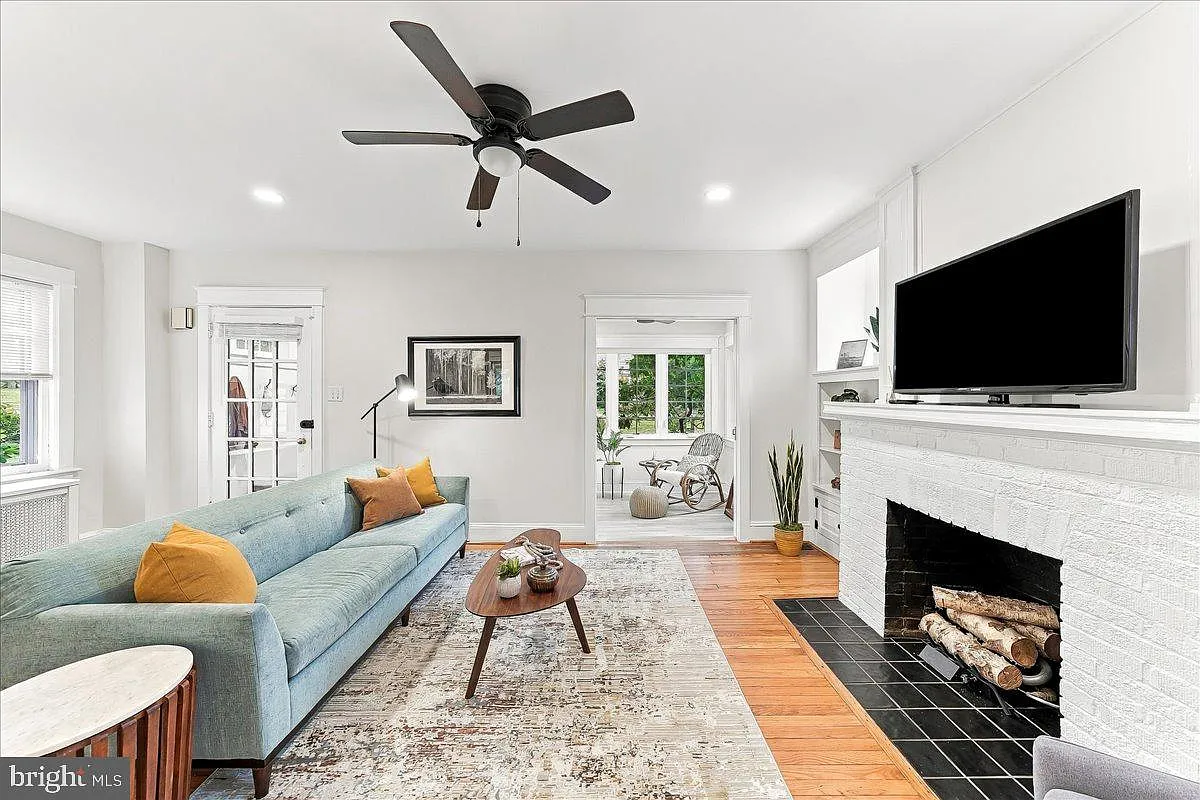
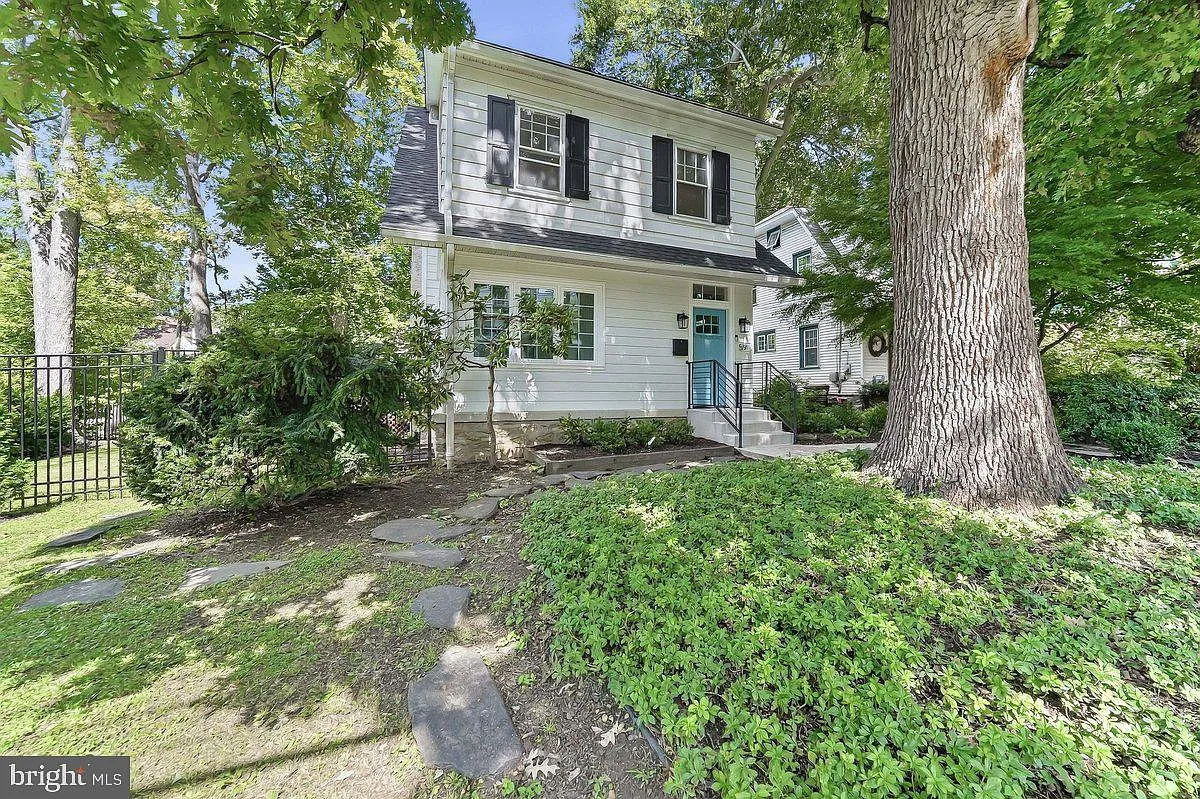
Bell Elite Senior Living — a nurse-led, family-owned personal care home in Lansdowne, PA. Warm living spaces, private bedrooms, and a chef's kitchen — come see the difference.
Understanding the Root of Resistance in Our Loved Ones
Have you ever wondered why the very person who raised you to be independent is now fighting so hard against the help they clearly need? It is a heartbreaking paradox that many families across Delaware County encounter when a parent begins to struggle with the basic tasks of daily living. You see the scorched tea kettle on the stove or the unopened mail piling up on the dining room table in Havertown, and your heart sinks because you know the status quo is no longer safe. Yet, the moment you mention a move or even a part-time caregiver, the walls go up and the conversation shuts down. Is it possible that what you perceive as stubbornness is actually a profound, existential fear of losing their identity?
Imagine this scenario for a moment. You are seventy-eight years old, living in the same Springfield home where you raised three children and hosted forty years of Thanksgiving dinners. Every scratch on the hardwood floor tells a story, and every neighbor on the block represents a lifetime of shared history. Suddenly, your adult child, who you still remember in diapers, is telling you that you can no longer manage your own life. Would you not feel a defensive surge of pride? Would you not cling to the familiar with every ounce of your remaining strength? Studies show that over 70 percent of seniors equate moving out of their home with a total loss of independence. When we approach the conversation from a place of logic and safety, we often forget that our parents are operating from a place of emotion and grief.
How do we bridge that gap without causing a permanent rift in the relationship? At Bell Elite Senior Living, we often see families who are at their wits' end, feeling like they have to choose between their parent's safety and their parent's love. It is a heavy burden to carry, but you do not have to carry it alone. As a nurse-led team, we understand that medical needs are only one part of the equation. The psychological transition is where the real work happens. Have you considered that your parent might be more afraid of being forgotten than they are of the actual care facility?
Speak With Our Nursing Team
We help Pennsylvania families navigate senior care decisions with compassion and clinical expertise.
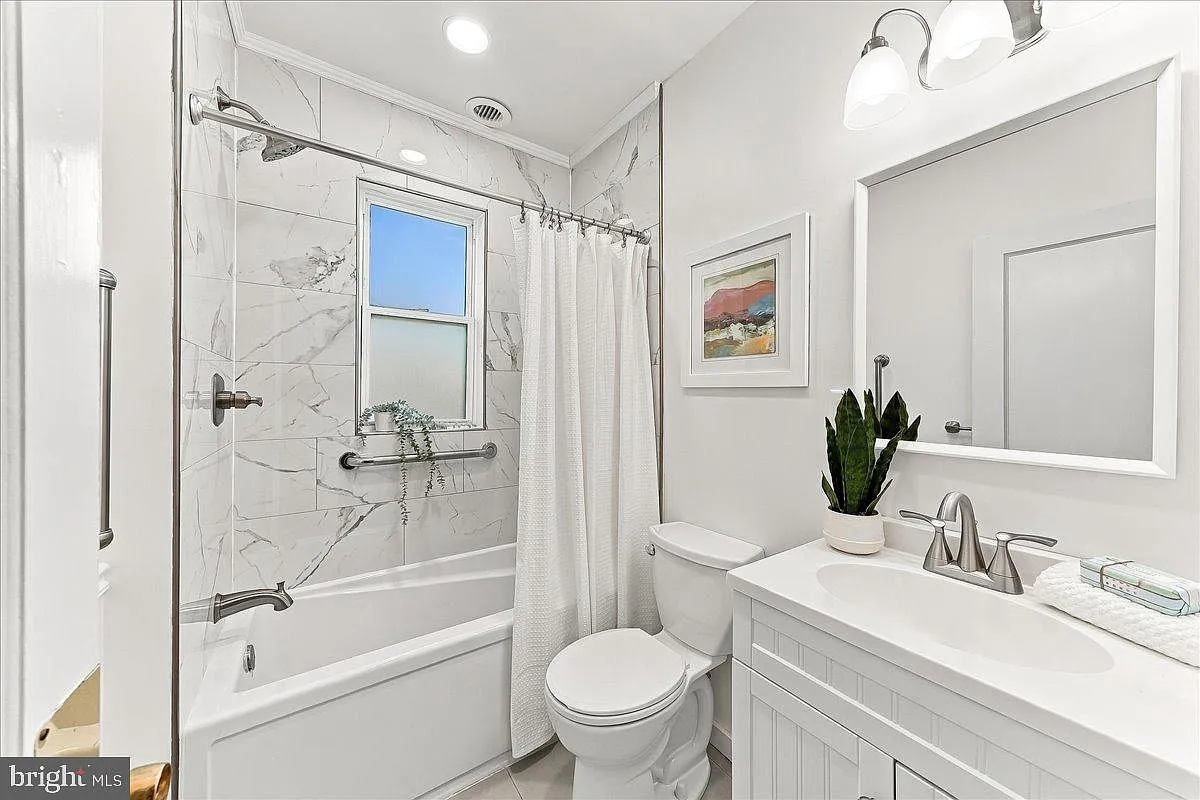
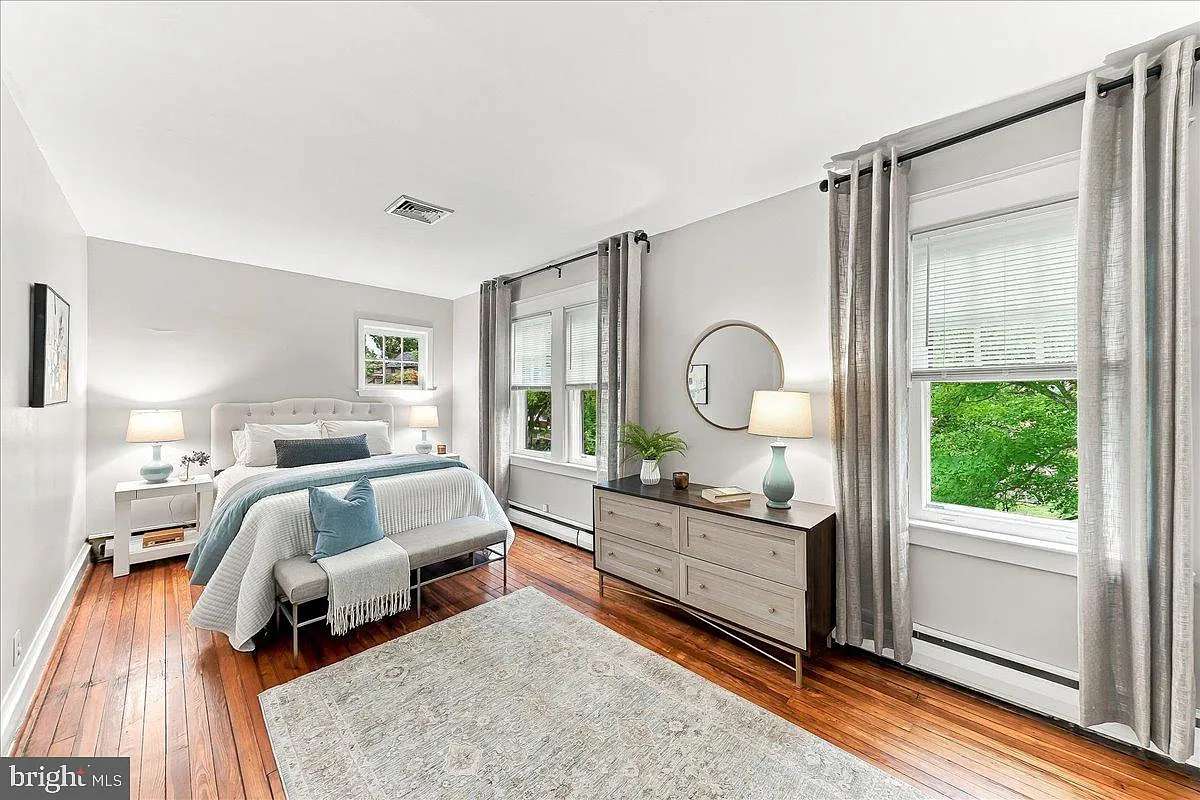
Private bedrooms and accessible bathrooms, designed for safety, comfort, and dignity.
Q: Why is my mother suddenly so angry and defensive whenever I bring up her safety at home?
Resistance is frequently a mask for fear and a desperate attempt to maintain control when everything else feels like it is slipping away. Your mother might be experiencing "anticipatory grief," which is the mourning of a lifestyle and a home before they are even gone. In Pennsylvania, many seniors take immense pride in their self-reliance, so admitting they need help feels like admitting defeat. Instead of seeing her anger as an attack on you, try to see it as a signal that she feels vulnerable. When you change your perspective from "she is being difficult" to "she is scared," the tone of your voice naturally softens, which can de-escalate the tension immediately.
Does she feel like she is being "put away" rather than moved to a place where she can thrive? The language we use matters more than we realize. Words like "facility" or "placement" sound cold and clinical, like something out of a hospital record. Instead, focusing on the community aspect of a personal care home can help shift the narrative. Picture this: your father is no longer sitting alone in a quiet house in Media, staring at the television because he can no longer drive to the store. Instead, he is sitting on a porch with a peer who also remembers the 1960 Philadelphia Eagles championship. Which version of his life sounds more dignified?
Q: Is it normal to feel guilty about pushing for a move when they say they are fine?
Speak With Our Nursing Team
We help Pennsylvania families navigate senior care decisions with compassion and clinical expertise.
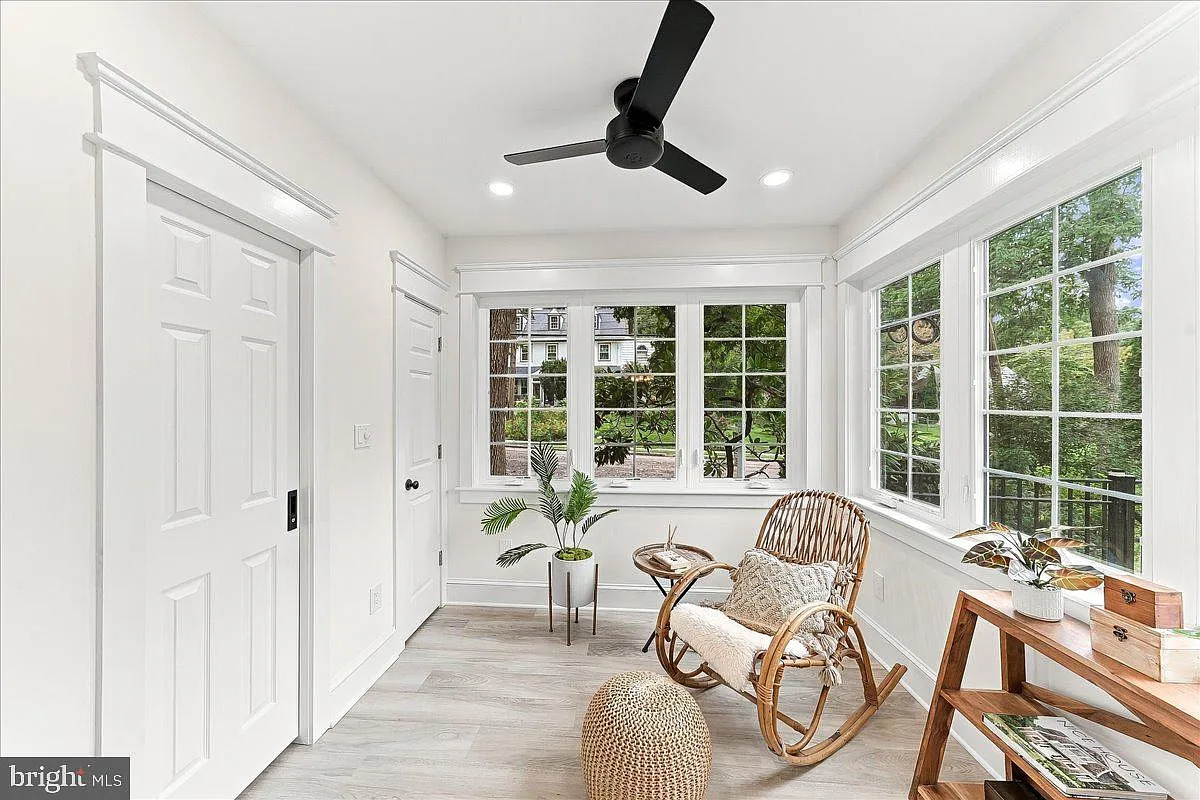
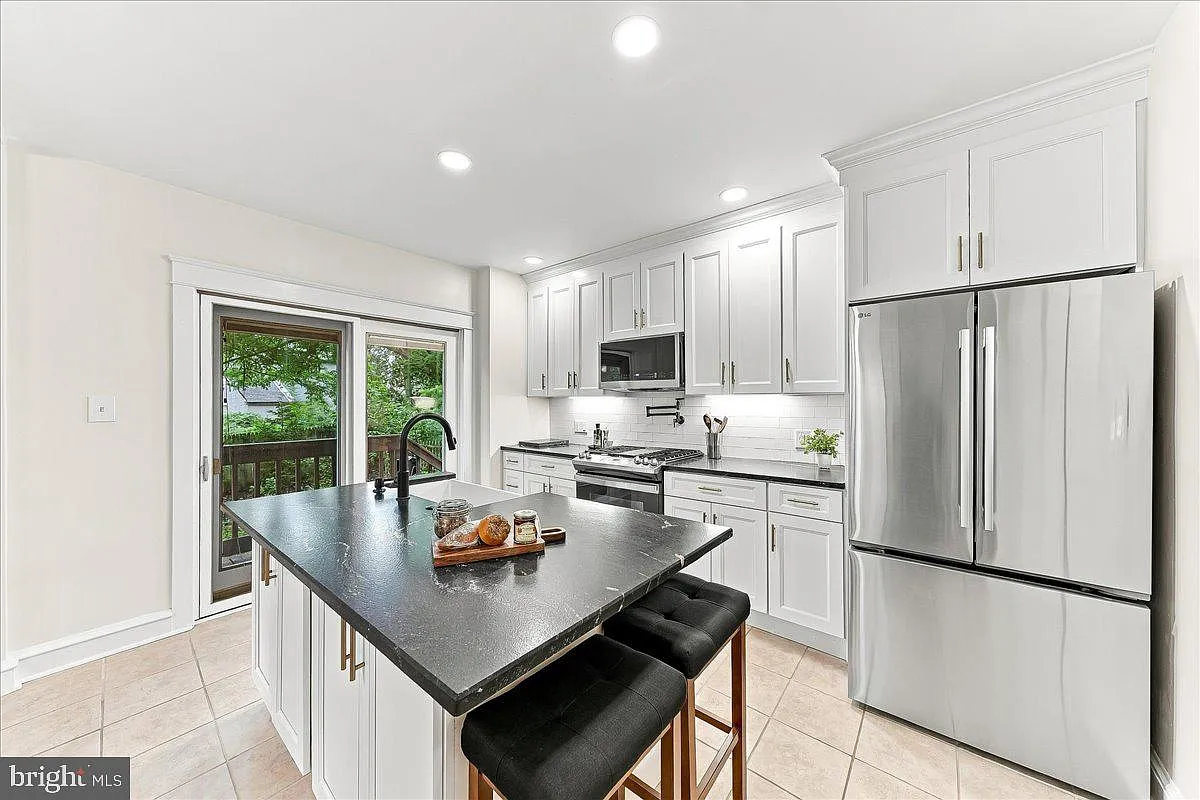
Home-cooked meals in our chef's kitchen and peaceful moments in the sunroom — life at Bell Elite.
Guilt is perhaps the most common emotion for adult children in the Philadelphia suburbs, but it is often misplaced. You are not "getting rid" of your parent; you are ensuring they have the medical oversight and social stimulation they deserve. In fact, statistics suggest that seniors in personal care environments often see an improvement in their cognitive function simply due to increased socialization and better nutrition. If your parent were having a heart attack, you would not ask permission to call an ambulance. Why should a slow-motion crisis like cognitive decline or physical frailty be treated any differently?
We must also recognize the "Superperson Syndrome" that many of our parents suffer from. They believe they should be able to do it all because they always have. But the reality of aging in Delaware County, with its humid summers and snowy winters, is that home maintenance and personal care become a full-time job that they are no longer equipped to handle. Are you doing them a favor by letting them live in a house that has become a cage of isolation? Or are you doing them a favor by introducing them to Bell Elite Senior Living, where a nurse-led team ensures their health is monitored while their dignity remains intact?
The Nurse’s Perspective on Safety and Subtle Signs
Do you know the difference between a parent who is "slowing down" and one who is truly at risk? It can be incredibly difficult to remain objective when you are looking at the person who taught you how to ride a bike. You might find yourself making excuses for them, like saying they only forgot to take their pills because they were busy, or that the bruise on their arm was just a clumsy accident. However, as a nurse, I can tell you that these small incidents are often the "canaries in the coal mine" for a looming health crisis. Research indicates that one in four seniors falls every year, and for those over eighty, a hip fracture can lead to a 50 percent loss of independence within twelve months.
Imagine this: you walk into your father’s kitchen in Drexel Hill and notice that the refrigerator is filled with expired milk and half-eaten jars of jelly, but very little actual sustenance. You ask him what he had for dinner, and he gives a vague answer about a sandwich. This is not just forgetfulness; it is a sign that the complex executive functions required to plan meals, shop, and cook are beginning to fray. When these subtle signs appear, the conversation about senior care should no longer be a "someday" discussion. It becomes a "now" discussion, even if it feels uncomfortable. How many "close calls" are you willing to tolerate before you take action?
Speak With Our Nursing Team
We help Pennsylvania families navigate senior care decisions with compassion and clinical expertise.
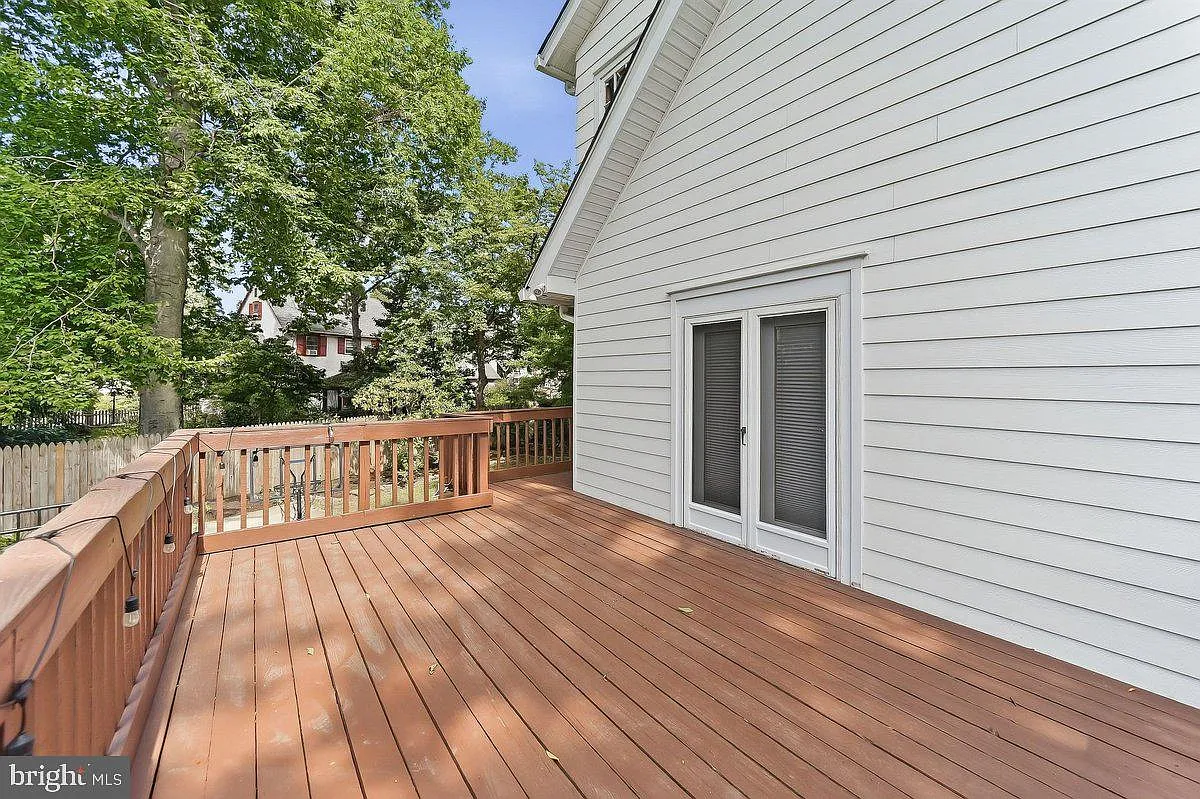
Gather in our warm living room or enjoy fresh air on the deck — every space feels like home.
Q: My dad is still sharp as a tack but he can’t walk well; does he really need a personal care home?
Physical frailty can be just as dangerous as cognitive decline, especially if your parent is living in an older home with steep stairs and narrow doorways. A "sharp mind" in a "failing body" often leads to frustration and risky behavior, such as a senior trying to fix a lightbulb or carry laundry up from the basement alone. In a nurse-led environment like Bell Elite Senior Living, we provide the physical support needed to prevent falls while keeping the resident’s mind engaged and respected. Safety is not just about having a grab bar in the shower; it is about having a professional team available 24/7 to respond to the unexpected.
Have you noticed a change in their hygiene or the way their home smells? These are often the first things to go when a senior is struggling, because bathing becomes a frightening and physically taxing chore. The fear of slipping in the tub is real, so they simply stop washing as often. They might wear the same clothes for three days in a row because the laundry is too far away. These are not choices made out of laziness; they are adaptations made out of necessity. Can you imagine the relief they might feel if they didn't have to worry about those burdens anymore?
Q: How do I tell the difference between normal aging and a situation that requires professional intervention?
Look for the "Three Ms": Mobility, Medications, and Mood. If they are shuffling when they walk, missing doses of their heart medication, or showing signs of deep withdrawal and depression, the situation has moved beyond what "aging in place" can safely accommodate. Pennsylvania regulations for personal care homes are designed to ensure that residents receive help with these specific areas while maintaining as much autonomy as possible. At Bell Elite Senior Living, located at (484) 356-1070, we look at the whole person, not just a list of symptoms. Are they getting the right nutrition to keep their bones strong? Are they being monitored for medication side effects that could cause dizziness?
Sometimes, the most stubborn parents are the ones who are most aware that something is wrong. They fight the hardest because they are terrified of the truth. If they admit they need help, they have to admit they are vulnerable. As a daughter or son, your role is not to be the "bad guy" who forces a move, but the "advocate" who finds a solution that feels like a step up, not a step down. Have you asked them what their biggest fear is about moving? You might be surprised to find it is something as simple as not being able to bring their favorite chair or missing the local news broadcast.
Have questions about personalized care options? Bell Elite Senior Living's nursing team is ready to help. Call (484) 356-1070 or schedule a free consultation today.
Strategic Conversations and the Power of Choice
Why do so many families wait until a trip to the emergency room at a hospital in Swarthmore or Chester before they start talking about senior living? The "crisis move" is the most traumatic way to transition a parent because it strips away all of their agency. They go from a hospital bed to a care facility without ever having a say in the matter. To avoid this, we must master the art of the "ongoing conversation." This is not a one-time sit-down where you present a brochure and demand a decision. It is a series of low-stakes chats that plant the seed of a better life.
Picture this: you are sitting on the patio on a beautiful afternoon in Broomall, and instead of saying "You need to move," you say, "I was talking to a friend whose mom just moved to a place where they have a private chef and someone to do the laundry, and she seems so much less stressed." You are not talking about your parent; you are talking about a possibility. You are showing them that life can be easier. Marketing experts often say it takes seven "touches" or mentions before a person is ready to make a major life change. Why should senior living be any different? Are you giving them the time they need to process the idea on their own terms?
Q: My parent refuses to even look at a brochure; how do I get them through the door for a tour?
One of the most effective strategies is the "lunch date" or "social visit" approach. Instead of telling them you are "touring a facility," tell them you have heard the food at Bell Elite Senior Living is excellent and you’d like to try it together. Or perhaps there is a musical performance or a guest speaker they might enjoy. Once they are inside the building and see that it doesn't smell like a hospital and that the residents are active and laughing, their guard will naturally begin to drop. The goal is to demystify the environment. When it stops being a scary concept and starts being a real place with friendly faces, the resistance often begins to melt.
What if you framed the move as a trial period? Many Delaware County families find success by suggesting a "winter stay" or a "respite month" to see how they like it. This removes the "forever" aspect of the decision, which is often what causes the most panic. "Let’s just try it for thirty days so you don't have to worry about the snow and the ice," is a very logical, caring way to frame the transition. During those thirty days, the socialization and professional care usually do the convincing for you. Have you noticed how much more relaxed they are when they aren't worried about the roof leaking or the driveway being shoveled?
Q: What should I do if my siblings and I don't agree on when it's time for care?
Sibling rivalry doesn't disappear just because everyone is in their fifties and sixties. Often, the "out-of-town" sibling who only visits once a year thinks everything is fine, while the "local" sibling in Havertown who does the grocery shopping sees the reality of the decline. This friction can be devastating to a parent's transition. It is helpful to have a third-party professional, like a nurse from Bell Elite Senior Living, provide a neutral assessment. We can speak to the clinical facts of the situation, which takes the emotional heat out of the family dynamic. Do you want to be the one arguing with your brother, or do you want a professional to lay out the safety risks objectively?
In Pennsylvania, the family-owned model of care is particularly effective because it mirrors the values of our local communities. Bell Elite Senior Living is not a corporate chain with a headquarters in another state; it is a nurse-led home that understands the specific needs of families in the Philadelphia suburbs. We know that your parent is not just a "resident number," but a neighbor. When you call (484) 356-1070, you are talking to people who live and work in the same streets you do. Does knowing that the care is local and family-oriented help ease your mind?
The Financial and Regulatory Landscape in Pennsylvania
Have you felt the sticker shock that comes with researching senior care in the Tri-State area? It is no secret that Delaware County and the surrounding Philadelphia suburbs have some of the highest costs of living in the state, and senior care is no exception. However, when you break down the actual cost of staying at home—property taxes, homeowners insurance, utilities, groceries, home maintenance, and the hourly rate of private-duty caregivers—the "cheaper" option of staying home is often an illusion. In Pennsylvania, the average cost of a personal care home can range significantly, but it almost always includes 24-hour supervision and all-inclusive amenities that would cost double if sourced separately.
Imagine this: your mother is living alone in a large house in Upper Darby. Last year, the furnace broke, the taxes went up, and you had to pay a landscaping company to keep the yard from looking abandoned. On top of that, you are paying a home health aide twenty-five dollars an hour just to check in for a few hours a day. When you add it all up, you are likely spending more on a fragmented, stressful existence than you would on a comprehensive, nurse-led community. Is the financial "savings" worth the constant worry that she might fall when the aide isn't there?
Q: Is there any financial assistance available for personal care homes in Pennsylvania?
While personal care homes are primarily private pay, there are several avenues families can explore. Some long-term care insurance policies cover personal care if the resident needs help with a certain number of Activities of Daily Living (ADLs). Veterans and their surviving spouses may also be eligible for the "Aid and Attendance" benefit, which can provide a significant monthly stipend toward the cost of care. Additionally, some Pennsylvania residents may qualify for the Medicaid Waiver program, although this is more common in skilled nursing facilities than in private personal care homes. It is always best to speak with a financial advisor who specializes in elder care to map out a long-term plan.
What about the legal side of things? Do you have the necessary Power of Attorney (POA) documents in place? Without these, you may find yourself in a nightmare of "guardianship" proceedings in a Delaware County court if your parent becomes incapacitated. Having the conversation about care while your parent is still "stubborn" enough to argue is actually a blessing, because it means they still have the capacity to sign legal documents and express their preferences. Have you sat down with a local attorney to ensure your parent’s wishes are documented before a crisis occurs?
Q: What is the difference between "Assisted Living" and "Personal Care" in Pennsylvania?
This is one of the most confusing parts of the PA senior care world. In many states, the terms are used interchangeably, but Pennsylvania has specific licensing differences. Personal care homes, like Bell Elite Senior Living, are licensed by the Department of Human Services to provide housing, meals, and assistance with personal care tasks. Assisted living residences often have slightly different structural requirements and are licensed to provide a higher level of medical "aging in place" for longer. For many seniors in our area, a high-quality, nurse-led personal care home provides the perfect balance of medical oversight and a cozy, home-like atmosphere. Why pay for the clinical feel of a large-scale facility when you can have the intimacy of a family-owned home?
When you choose a nurse-led home, you are choosing a higher standard of clinical vigilance. Nurses are trained to notice the small shifts in health that a layperson or a standard caregiver might miss. They understand how a simple urinary tract infection in an eighty-year-old can present as sudden confusion or aggression, which might be mistaken for dementia. At Bell Elite Senior Living, reachable at (484) 356-1070, our focus is on preventing those hospitalizations before they happen. Don't you think your parent deserves that level of professional protection?
Ready to explore tailored care solutions? Speak with our coordinators at Bell Elite. Phone: (484) 356-1070 • Request a tour
The Psychology of the First Thirty Days
Have you ever considered that the hardest part of the transition isn't actually the move, but the month that follows? This is the period we call the "adjustment phase," and it is where most families feel the strongest urge to give up and move their parent back home. Your parent might call you every day, crying and saying they are lonely or that they don't like the food. It feels like a punch to the gut. But as a nurse who has seen hundreds of these transitions, I can tell you that this is a normal part of the human experience. They are grieving their old life, and grief is a messy, non-linear process.
Imagine this: you have lived in the same house in Media for fifty years, and suddenly you are in a new room, with new people, and a new routine. Even if the room is beautiful and the people are kind, it is still "new," and "new" is exhausting for an older brain. It takes time for the neural pathways to settle and for the "fight or flight" response to turn off. Gerontologists suggest that it takes an average of three to six weeks for a senior to begin forming new social bonds and feeling a sense of "belonging" in a new community. Will you be able to stay strong during those few weeks for the sake of their long-term safety?
Q: Is it better to visit every day during the first week or should I stay away to let them adjust?
This is a delicate balance. While it is tempting to visit every day to ease your own guilt, it can actually hinder the adjustment process. If you are always there, your parent has no reason to reach out to their new neighbors or engage with the staff. We often recommend a "brief and bright" visiting schedule for the first few days. Come for twenty minutes, bring a favorite treat or a fresh bouquet of flowers, and then leave before things get too emotional. This shows them that you haven't abandoned them, but it also encourages them to look toward their new community for primary social interaction.
How do you handle the "I want to go home" phone calls? These are the moments that test your resolve. Instead of arguing about why they can't go home, try validating their feelings. "I know you miss the house, Mom. It's a big change, and it's okay to feel sad about it." Often, they just want to be heard. They aren't necessarily looking for a solution; they are looking for empathy. In a nurse-led environment like Bell Elite Senior Living, our staff is trained to redirect these emotions into positive activities. Have you thought about how much easier this is when you have a professional team supporting you through these emotional waves?
Q: Can we bring their personal belongings to make it feel like home?
Absolutely, and in fact, it is highly encouraged. We want their space at Bell Elite Senior Living to be a reflection of their life. Bringing that well-worn recliner, the family photos that have been on the mantle for decades, and even their favorite quilt can make a world of difference. The smell of "home" is a powerful sensory trigger that provides comfort. When they wake up and see their familiar things, the environment feels less like a facility and more like their own private sanctuary. Does the idea of them being surrounded by their memories in a safe environment give you a sense of peace?
We also encourage families to share "life stories" with our nursing staff. If we know that Mr. Miller was an engineer who loves jazz music and a strong cup of black coffee in the morning, we can tailor our interactions to his specific personality. This level of personalized care is exactly what a family-owned home can provide that large, corporate institutions often struggle with. At (484) 356-1070, we pride ourselves on knowing the person behind the patient. Isn't that the kind of attention you want for your loved one during such a vulnerable time?
Finding the "New Normal" and Thriving in Delco
Have you ever seen a flower that was wilting in a small, cramped pot suddenly bloom when it was moved to a larger garden with better soil? This is the transformation we often see in seniors once they settle into Bell Elite Senior Living. When the burden of "surviving" is lifted—when they no longer have to worry about medication, meals, or the isolation of an empty house—they finally have the energy to start "living" again. They discover hobbies they had long since abandoned because they were too tired to pursue them. They make new friends who understand their references to the old stores in Upper Darby or the way the Philadelphia skyline has changed over the years.
Imagine this: your mother, who hasn't worn makeup or jewelry in years because she "didn't see the point," is suddenly getting her hair done for a social mixer at the home. She is laughing with a group of women about their grandchildren, and for the first time in a long time, the light is back in her eyes. You realize that by "forcing" the move, you actually gave her her life back. A study by the American Seniors Housing Association found that 68 percent of residents in senior living communities reported their social life improved after moving. Is the risk of a few uncomfortable conversations worth the reward of seeing your parent happy and safe again?
Q: How do we maintain a relationship with our parent once they have moved?
The best part of this transition is that you get to stop being the "caregiver" and start being the "son" or "daughter" again. You no longer have to spend your visits checking their pill bottles or cleaning their kitchen. Instead, you can sit and talk, go for a stroll through a local park in Delaware County, or enjoy a meal together without the stress of chores hanging over your head. Your relationship can return to one of mutual enjoyment rather than one of duty and resentment. Doesn't that sound like a better way to spend these precious years?
In Pennsylvania, we value community and family above all else. Bell Elite Senior Living was founded on these principles, providing a nurse-led, family-owned alternative to the big-box senior living options. We believe that every senior in the Philadelphia suburbs deserves a transition that is handled with grace, dignity, and expert clinical care. If you are feeling overwhelmed, remember that you are doing this out of love. You are being the brave one who makes the hard choice so that your parent can have a safer, brighter future. Have you taken a deep breath today and realized that help is just a phone call away?
Q: What is the first step I should take right now?
The first step is simply to gather information without the pressure of an immediate decision. Call us at (484) 356-1070 and just talk to one of our nurses. Share your story, describe your parent’s specific challenges, and let us help you navigate the options. You don't have to have all the answers today. You just need to be willing to start the journey. Whether your loved one is in Havertown, Springfield, or Media, we are here to serve as your local partners in care. Are you ready to trade your worry for a plan that works?
Choosing Bell Elite Senior Living means choosing a partner who understands the unique landscape of Delaware County elder care. We are regulated, professional, and deeply committed to the families we serve. We know that this is one of the most difficult transitions you will ever face, but we also know how beautiful the results can be when it is done right. Let us help you move from a place of fear to a place of confidence. Your parent might be stubborn, but our commitment to their well-being is even stronger. Why wait for a crisis when you can start building a better life for them today?
A Glimpse Inside Bell Elite
A warm, family-like residence — not an institution. Every space is designed for comfort, safety, and dignity.
Ready to Take the Next Step?
Bell Elite Senior Living is a nurse-led, family-owned personal care home in Delaware County, Pennsylvania. We're here to help.
Proudly Serving Families Across the Greater Philadelphia Region
Bell Elite Senior Living is a nurse-led, family-owned personal care home located in Delaware County, Pennsylvania — and we proudly serve families from across the entire Greater Philadelphia area and surrounding communities. Whether you are searching for a personal care home in Delaware County PA, exploring senior living options near Philadelphia, or looking for compassionate elder care for a loved one in Montgomery County, Bucks County, or Chester County, our team is here to help guide you through every step of the decision.
Families come to Bell Elite from throughout Philadelphia and its suburbs — including Upper Darby, Havertown, Drexel Hill, Broomall, Swarthmore, Media, Springfield, Lansdowne, Darby, Collingdale, and Sharon Hill in Delaware County; Ardmore, Norristown, Lansdale, Cheltenham, Abington, Blue Bell, Jenkintown, Ambler, and Horsham in Montgomery County; Doylestown, Newtown, Langhorne, Bristol, Yardley, Quakertown, and Levittown in Bucks County; and West Chester, Malvern, Exton, Downingtown, Phoenixville, Coatesville, and Paoli in Chester County. We are also a trusted resource for families in South Jersey communities such as Cherry Hill, Voorhees, Marlton, Moorestown, Mount Laurel, Haddonfield, Collingswood, and Camden County who are seeking high-quality personal care across the river in Pennsylvania. Families from Wilmington, Newark, and New Castle County, Delaware also regularly choose Bell Elite for its clinical excellence and intimate, home-like setting.
Our central location in Delaware County puts us within easy reach of Center City Philadelphia, the Main Line, South Philadelphia, Northeast Philadelphia, and the Philadelphia suburbs — making visits from family members throughout the region straightforward and stress-free. We understand that choosing the right personal care home is one of the most important decisions a family will make, and distance should never be a barrier to accessing exceptional, nurse-led care.
Frequently Asked Questions About Our Service Area
Does Bell Elite Senior Living serve families from Philadelphia?
Yes. Bell Elite Senior Living is located in Delaware County, PA, just minutes from Philadelphia. We regularly welcome residents and their families from across Philadelphia, including South Philly, Northeast Philadelphia, Kensington, Germantown, and Center City.
Do you accept residents from Montgomery County, PA?
Absolutely. We serve families throughout Montgomery County including Norristown, Ardmore, Lansdale, Cheltenham, Blue Bell, Jenkintown, and Ambler. Our nurse-led care model is a popular choice for families across the Philadelphia suburbs.
Can families from Bucks County place a loved one at Bell Elite?
Yes. Many of our residents come from Bucks County communities such as Doylestown, Newtown, Yardley, Langhorne, and Bristol. Our facility is easily accessible from Route 1 and I-95 corridors.
Do you serve Chester County families looking for personal care?
Yes. Families from West Chester, Malvern, Exton, Downingtown, Phoenixville, Paoli, and Coatesville in Chester County frequently choose Bell Elite for our small resident count, clinical oversight, and personalized care plans.
Is Bell Elite an option for families in South Jersey near Philadelphia?
Yes. Many families from Cherry Hill, Voorhees, Marlton, Mount Laurel, Haddonfield, Moorestown, and Camden County in New Jersey choose Bell Elite Senior Living in nearby Delaware County, PA for its nurse-led care and welcoming environment.
Do you accept residents from Delaware (Wilmington, Newark, New Castle County)?
Yes. Families from Wilmington, Newark, Middletown, and throughout New Castle County, Delaware have placed loved ones at Bell Elite. Our location in Delaware County, PA makes us a convenient and high-quality option for Delaware families seeking nurse-led personal care.
How do I find out if Bell Elite can serve my family's location?
Call us at (484) 356-1070 or visit our contact page. We serve the entire Greater Philadelphia region and surrounding areas and are happy to discuss your specific situation, schedule a tour, and answer any questions about our care services.
Related Articles


Related Care Services at Bell Elite
Our nurse-led personal care home in Lansdowne, PA offers specialized services for seniors across the Greater Philadelphia region.
Personal Care Home Near You
Bell Elite is located in Lansdowne, PA — minutes from Philadelphia. See care details for your community:
Have Questions After Reading?
Our nursing team offers free, no-pressure consultations for Pennsylvania families.
Talk to a nurse, not a salesperson. Our team includes RNs, LPNs, a PMHNP, and Family Nurse Practitioners.