
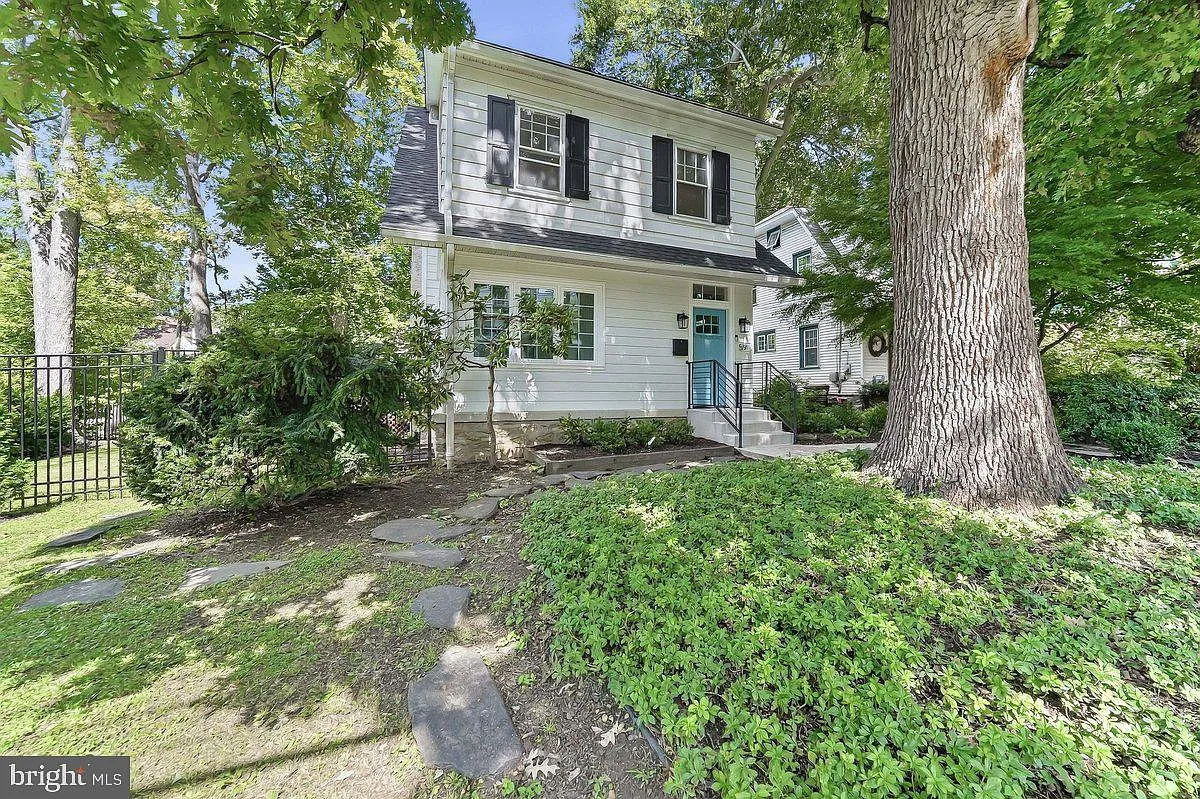
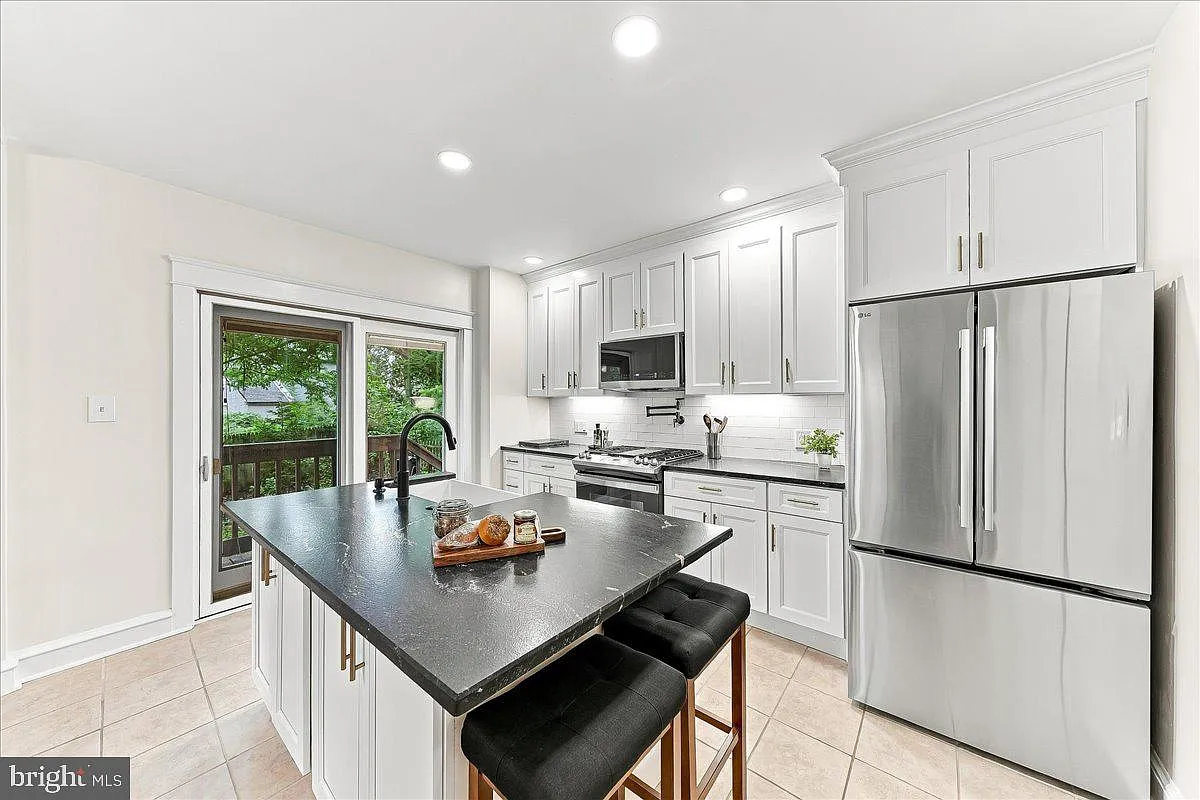
Bell Elite Senior Living — a nurse-led, family-owned personal care home in Lansdowne, PA. Warm living spaces, private bedrooms, and a chef's kitchen — come see the difference.
The Emotional Power of Purpose in the Transition to Care
Have you ever stopped to consider why a simple set of knitting needles or a well worn deck of cards can feel like a lifeline during a major life change? When a parent moves into a personal care home in Delaware County, the transition often feels like a series of subtractions, where they are leaving behind a garden they tended for forty years or a workshop where they built furniture for their grandchildren. As a nurse who has walked this path with countless families, I can tell you that the secret to a successful transition is not found in the logistics of the move, but in the preservation of the soul.
Imagine this scenario where your mother, who has spent every Saturday morning for decades at a local pottery studio near Media, suddenly finds herself in a new room with blank walls and a quiet calendar. Without the tactile sensation of clay or the rhythm of the wheel, she might start to feel like she is losing her identity. Does her story end because the setting has changed? Of course not, but it is our job as caregivers and family members to ensure the narrative continues with all the vibrant colors she loves.
Q: Is it normal for my parent to lose interest in their hobbies immediately after moving into a personal care home?
Speak With Our Nursing Team
We help Pennsylvania families navigate senior care decisions with compassion and clinical expertise.
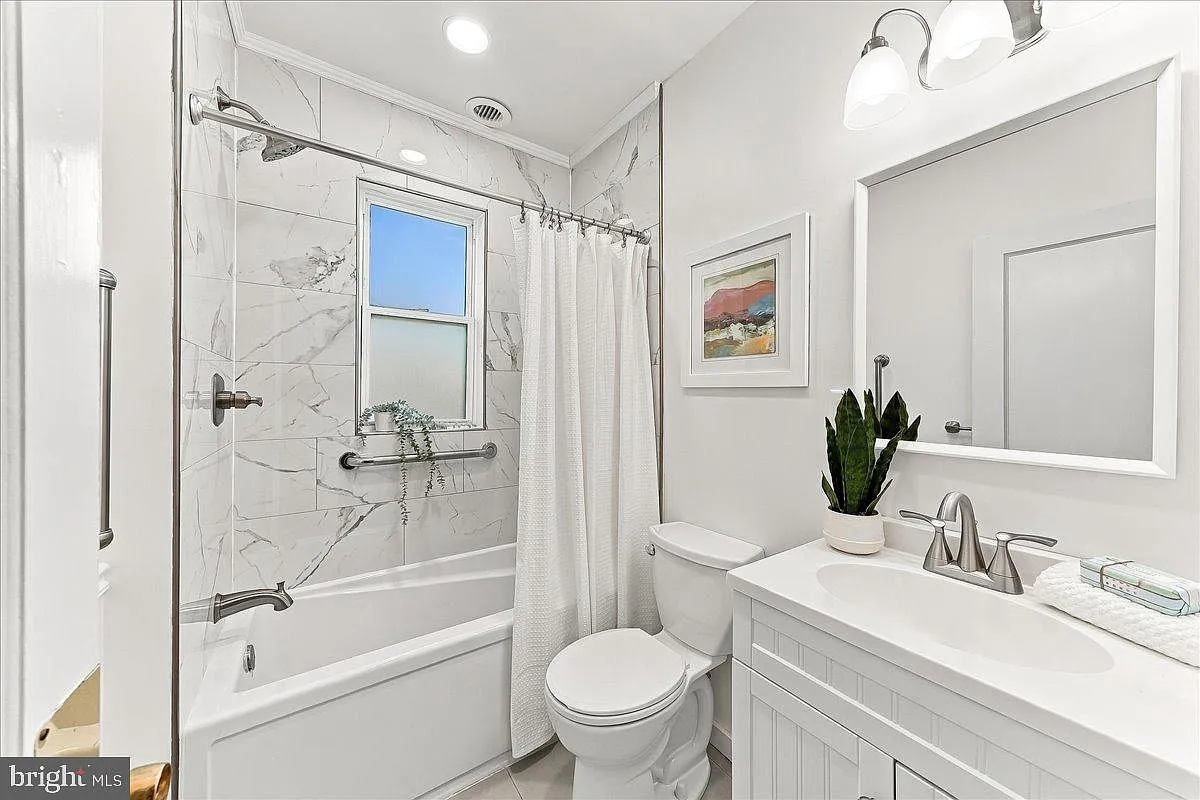
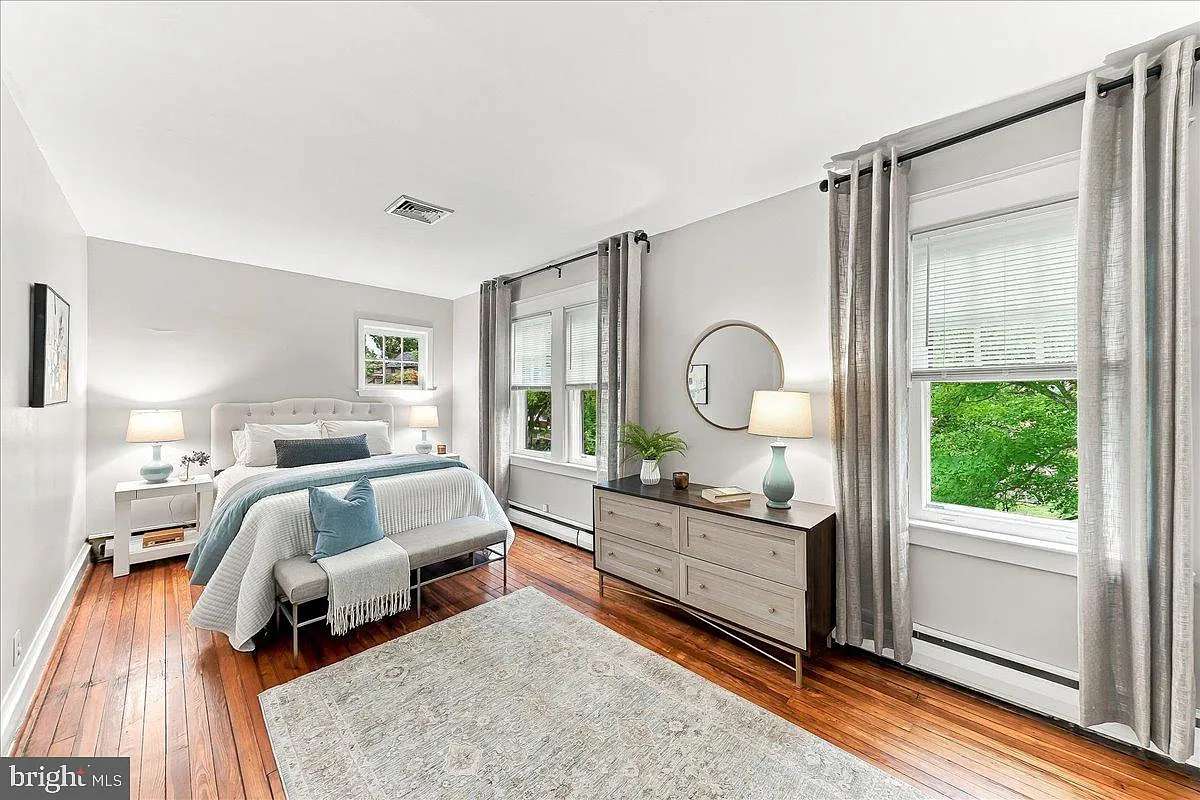
Private bedrooms and accessible bathrooms, designed for safety, comfort, and dignity.
It is incredibly common for seniors to experience a period of withdrawal or apathy during the first few weeks of a transition. This is often a coping mechanism for the sensory overload of a new environment, and it does not necessarily mean they have outgrown their passions. As a nurse-led team, we often see that once the initial "fight or flight" response of the move settles, the desire for creative expression returns. The key is to keep the tools of their trade visible and accessible without creating a sense of pressure or obligation.
A hobby is not merely a way to kill time between breakfast and lunch. It is the bridge that connects who they were in their family home to who they are becoming in this new chapter. When we support these interests, we are telling our loved ones that their history matters and their future is still full of possibility. Research indicates that seniors who engage in regular creative activities report significantly lower levels of cortisol and higher levels of cognitive resilience.
How do we begin to bridge that gap between the old life and the new? Should we try to recreate their entire craft room in a smaller suite, or should we look for new ways to express those same underlying values? You might find that your father’s love for woodworking wasn't just about the sawdust and the tools, but about the feeling of being productive and creating something tangible for others. If we can tap into that core motivation, we can find modern equivalents that fit beautifully within the safety and structure of a personal care home like Bell Elite Senior Living.
Q: How can I help my parent stay connected to their local social circles or hobby groups in the Philadelphia suburbs?
Speak With Our Nursing Team
We help Pennsylvania families navigate senior care decisions with compassion and clinical expertise.
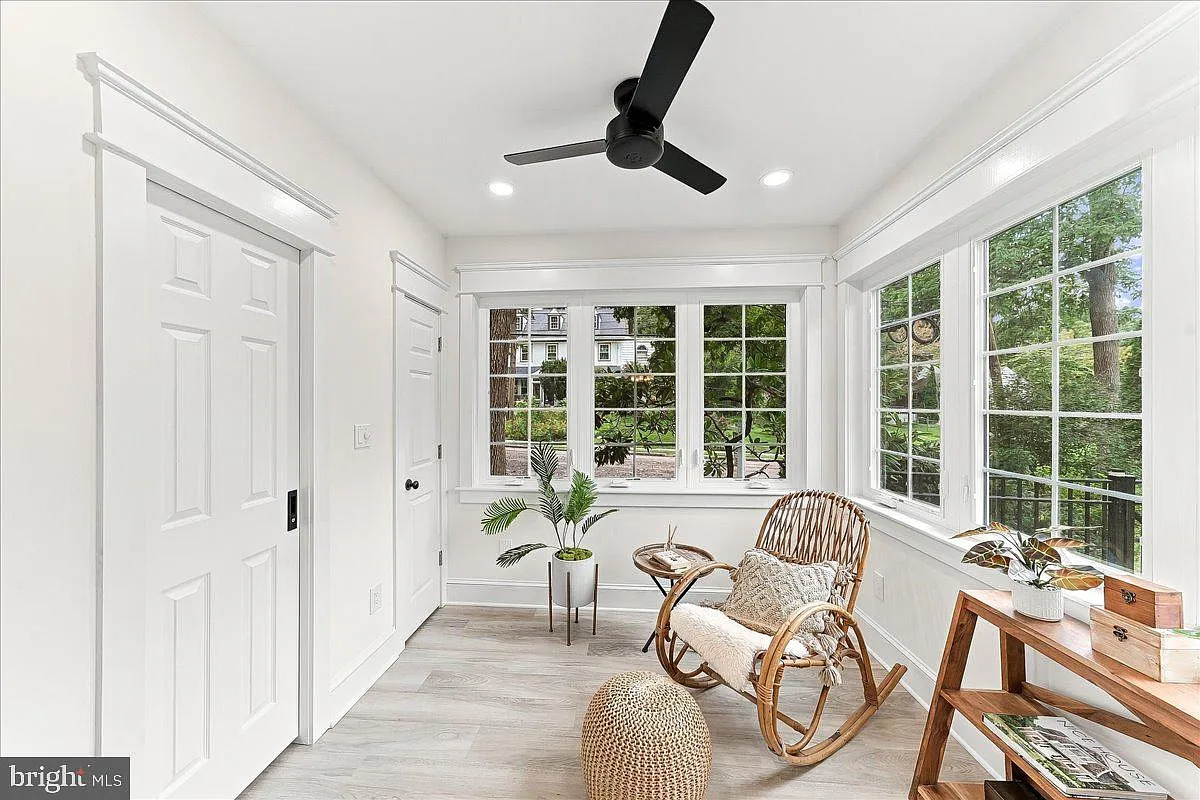
Home-cooked meals in our chef's kitchen and peaceful moments in the sunroom — life at Bell Elite.
Staying connected to the local community is vital for a sense of belonging. Many residents in the Delaware County area have deep roots in church groups, bridge clubs, or gardening societies in places like Havertown or Springfield. We encourage families to facilitate visits from these groups or to help their parents attend off-site meetings when possible. If physical travel is difficult, bringing a small group of those friends into the care home for a "hobby hour" can transform the atmosphere from a clinical setting into a vibrant social hub.
Could it be that the hobby itself is less important than the social connection it provides? For many of our residents, the act of "doing" is just an excuse for "being" with others who share their history. As we look at the clinical benefits of socialization, we see that seniors who participate in group hobbies are fifty percent less likely to experience the cognitive decline associated with isolation. This is why a nurse-led environment is so beneficial, as we are trained to observe these social dynamics and encourage engagement that supports both mental and physical health.
Designing a Personal Sanctuary for Creativity and Growth
Do you ever look at a small living space and see nothing but limitations, or do you see a blank canvas waiting for a spark of inspiration? In the context of personal care, space is a premium, and families often worry that a smaller footprint means a smaller life for their loved ones. However, as a nurse who has seen the transformation of many rooms at Bell Elite Senior Living, I can promise you that a well organized corner can be more productive than a sprawling basement filled with clutter.
Picture this moment where you sit down with your father to map out his new living area, focusing specifically on his love for birdwatching. Instead of a bulky desk, you place a comfortable armchair near a window overlooking the greenery of the Delaware County landscape, equipped with a pair of lightweight binoculars and a local field guide. Suddenly, that window is no longer just a source of light, but a portal to a world he understands and loves. Does he really need an entire shed of supplies to feel like a naturalist?
Speak With Our Nursing Team
We help Pennsylvania families navigate senior care decisions with compassion and clinical expertise.
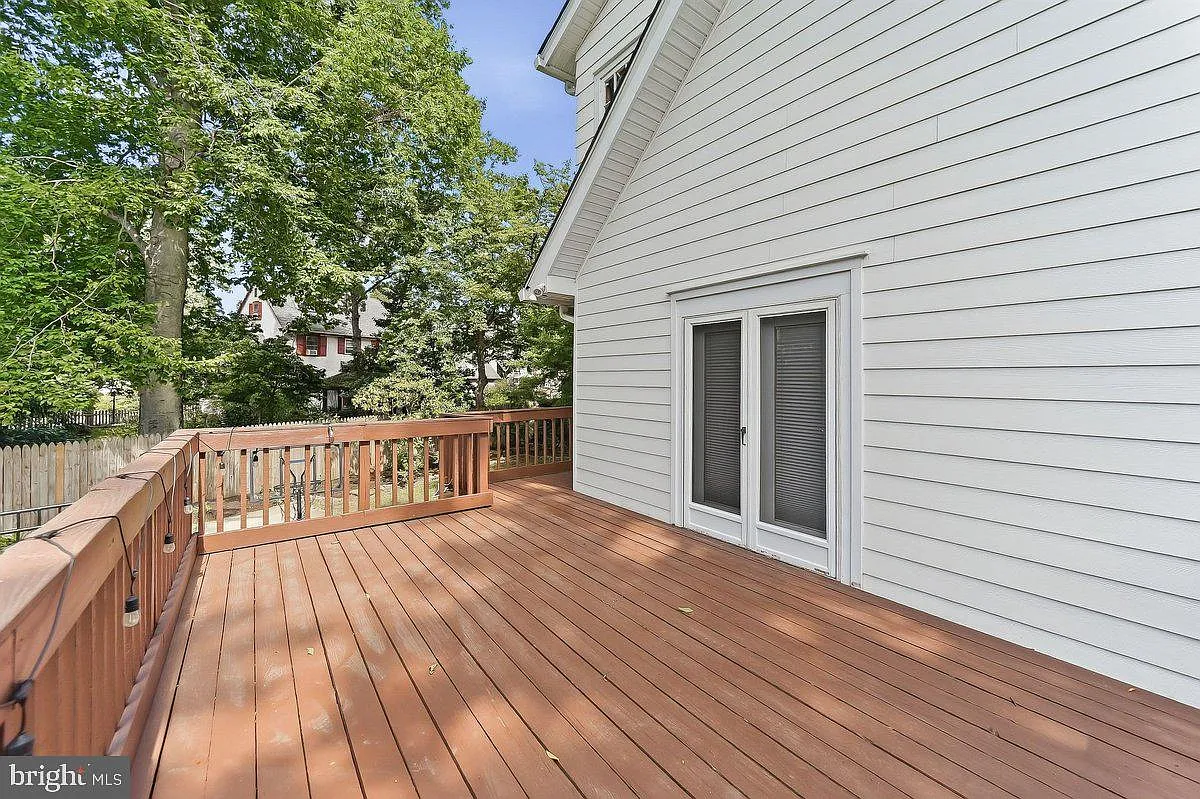
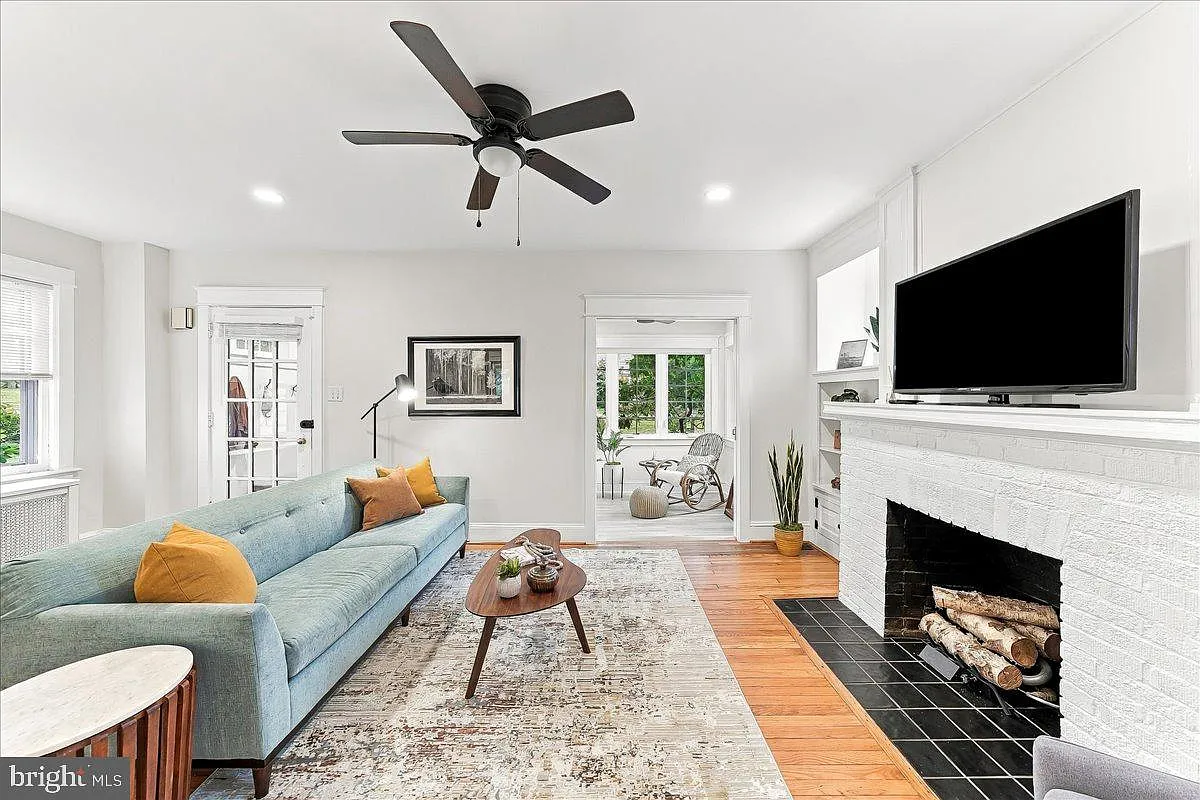
Gather in our warm living room or enjoy fresh air on the deck — every space feels like home.
Q: My parent has a lot of bulky equipment for their hobby, like a sewing machine or an easel. Is there really room for that in a care home?
Most personal care homes are designed to be flexible, especially when the staff understands that a specific hobby is essential to a resident's well being. While a massive industrial sewing machine might be a challenge, a portable model or a dedicated "maker space" in a common area can often be arranged. At Bell Elite, we pride ourselves on being a family-owned home that listens to these specific needs. We believe that if a resident needs their easel to feel at home, we find a way to make that easel fit safely and comfortably.
We must remember that the physical environment is a direct reflection of our internal state of mind. A room that honors a resident's passions is a room that fosters hope. When a nurse walks in to check vitals and sees a half finished watercolor painting, it opens a door for a conversation that goes far beyond medical needs. Studies have shown that residents in personalized environments require fewer PRN (as needed) medications for anxiety and agitation.
What if the hobby is messy or requires specific safety protocols? As a nurse-led facility, we are uniquely equipped to balance the joy of a hobby with the safety requirements of a personal care setting. If your mother loves gardening but can no longer bend down to the soil, we look at raised beds or indoor herb kits that provide the same sensory satisfaction without the risk of a fall. Have you considered how a simple change in tools could reignite a passion that your parent thought was lost forever?
Q: How do I handle the situation if my parent’s hobby involves sharp tools or potentially hazardous materials?
This is a very common concern for families, particularly when a loved one has early-stage cognitive changes. As nurses, we perform clinical assessments to determine the safest way for a resident to continue their craft. We might suggest substituting traditional carving tools with safer alternatives or ensuring that the hobby is practiced in a supervised common area. The goal is never to say "no," but rather to say "how can we do this safely?" By collaborating with the team at (484) 356-1070, you can create a plan that protects their physical safety while honoring their creative spirit.
Imagine the pride in a resident’s eyes when they complete a project despite the physical challenges they face. This sense of self-efficacy is a powerful medicine that no pharmacy can provide. When we look at the holistic health of our seniors in the Philadelphia suburbs, we must prioritize these moments of triumph. Is it not the greatest gift we can give them, the ability to say "I made this" even in this new season of life?
Have questions about personalized care options? Bell Elite Senior Living's nursing team is ready to help. Call (484) 356-1070 or schedule a free consultation today.
The Nurse's Role in Integrating Hobbies into Daily Care
Why do we often think of "nursing care" and "hobbies" as two completely separate categories that never overlap in a resident's day? In a truly holistic care environment, the two are inextricably linked, with the nursing staff acting as the facilitators of joy and the guardians of purpose. When a nurse understands that a resident's morning routine is built around reading the local news from Upper Darby or Drexel Hill, that nurse can ensure the resident has their glasses and a quiet spot before the medication pass even begins.
Picture this scenario where a nurse at Bell Elite Senior Living notices that a resident is feeling particularly stiff and reluctant to go to physical therapy. Instead of simply insisting on the exercises, the nurse remembers that the resident loves ballroom dancing. By playing a favorite Big Band track and encouraging a few rhythmic steps, the "exercise" becomes a "hobby," and the clinical goal is met through a veil of pure enjoyment. Do you see how much more effective care becomes when it is infused with the resident's personal history?
Q: Can the nursing staff actually help my parent with their hobbies, or are they too busy with medical tasks?
In a nurse-led, family-owned home like Bell Elite, the staff-to-resident ratio and the philosophy of care allow for a much more integrated approach. While medical safety is always the priority, our nurses and caregivers see the support of hobbies as a vital part of emotional health. Whether it is helping a resident set up their iPad for a virtual chess game or making sure they are seated comfortably for their knitting, these small acts of assistance are woven into the fabric of the day. We believe that caring for the person means caring for the things the person loves.
True care is found in the details that most people overlook. It is the difference between a resident who is "stable" and a resident who is "thriving." When a caregiver takes two minutes to admire a new photograph a resident has taken, they are validating that resident's worth. Clinical data suggests that positive social interactions during daily tasks can improve a senior's appetite and sleep quality by over twenty percent.
Have you ever wondered if your parent is holding back their interests because they don't want to "bother" the staff? Many seniors are part of a generation that values stoicism and doesn't want to be a burden, so they might tuck their sketchbooks away or stop asking for their music. This is where the family and the nursing team must work together to be proactive. By communicating clearly with the coordinators at (484) 356-1070, you can ensure that the staff knows exactly what brings your parent joy, so we can be the ones to bring the sketchbook out and place it on the table.
Q: What if my parent's hobby is something quiet, like reading or meditation, rather than a social activity?
Not every hobby needs to be a loud, group-oriented event. For many residents in the quiet corners of Delaware County, peace and solitude are the highest priorities. Supporting a "quiet" hobby is just as important as supporting a "loud" one. This might mean ensuring a resident has a high quality reading lamp, a subscription to their favorite literary magazine, or a comfortable chair in a sunlit nook. We respect the introverts just as much as the extroverts, as long as the activity provides a sense of personal fulfillment.
Is there anything more rewarding than seeing a resident completely absorbed in a book or a crossword puzzle, oblivious to the hustle and bustle of the hallway? This state of "flow" is a profound indicator of mental health and happiness. As nurses, we monitor these moments of concentration as signs of cognitive health. When we see a resident deeply engaged in a personal interest, we know that their brain is firing on all cylinders, which is the best defense against the fog of aging.
Adapting Passions for Changing Physical and Cognitive Needs
What happens when the hands that once played the piano with precision start to shake, or the mind that once solved complex puzzles begins to wander? This is perhaps the most heartbreaking part of the aging process for both the senior and their family, but it does not have to be the end of their engagement with the world. As a nurse, I have learned that while the "how" of a hobby might change, the "why" remains the same. If we can identify the core emotional benefit of a hobby, we can adapt the activity to meet the resident exactly where they are today.
Imagine this transition where a grandfather who loved fishing can no longer manage the trip to the local creek in Ridley Creek State Park. Instead of giving up on the hobby entirely, we bring the elements of the experience to him. We might set up a beautiful aquarium in his room, or use high definition nature documentaries and sensory items like the scent of pine and the feel of a fishing lure to trigger those happy memories. Does the lack of a real boat make the memory of the water any less real to him?
Q: How do you support hobbies for residents with advanced dementia or Alzheimer’s?
Supporting hobbies for those with cognitive decline requires a shift toward sensory and "process-oriented" activities. It is no longer about the finished product, but about the feeling of the materials and the rhythm of the motion. A former seamstress might find great peace in simply sorting through a basket of colorful, textured fabrics, even if she can no longer thread a needle. At Bell Elite, our nursing background allows us to understand the neurological pathways that remain open even when memory fades, ensuring that every resident has access to moments of sensory joy.
Adaptation is not a sign of defeat; it is a testament to the resilience of the human spirit. We find the "hidden" hobby within the limitations of the body. When we modify a game or a craft, we are preserving the resident's dignity. Research into "failure-free" activities for seniors shows a drastic reduction in exit-seeking behaviors and sundowning symptoms in memory care settings.
Could it be that the most important part of a hobby is the sensory stimulation it provides? Think about the smell of a fresh box of crayons, the feel of smooth wood, or the sound of a familiar melody. For a senior in a personal care home in the Philadelphia suburbs, these sensory cues are anchors in a world that can sometimes feel confusing. By working with the team at Bell Elite Senior Living, you can help identify which sensory experiences are most meaningful to your parent, allowing us to incorporate them into their daily care plan.
Q: What if my parent gets frustrated because they can't do their hobby as well as they used to?
Frustration is a natural part of the grieving process that comes with aging. As nurses, we use therapeutic communication to validate those feelings while gently redirecting the focus to what they can still do. Sometimes, this involves introducing "adaptive equipment," like playing card holders, large-print books, or ergonomic garden tools. Other times, it involves a change in perspective, moving from a goal-oriented mindset to a mindful, experiential one. We are here to provide the encouragement and the tools to turn that frustration back into a sense of accomplishment.
Have you ever considered that a new hobby might be the answer when an old one becomes too difficult? Sometimes, the move to a personal care home is the perfect time to discover a talent that was dormant for decades. Perhaps your mother never had time to try painting when she was raising a family in Broomall, but now she has the quietude and the support to pick up a brush. Is it ever too late to find a new way to see the world?
Ready to explore tailored care solutions? Speak with our coordinators at Bell Elite. Phone: (484) 356-1070 • Request a tour
Connecting to the Heart of Delaware County Through Local Interests
Have you ever noticed how much our sense of self is tied to the specific place where we live and the local traditions we cherish? For many families in Delaware County, Pennsylvania, their lives are woven into the fabric of the community, from the local sports teams to the seasonal festivals that define the year. When a senior moves into a personal care home, they shouldn't have to leave "Delco" at the door. Supporting a parent's hobbies often means keeping them connected to the local culture that they have known and loved for a lifetime.
Picture this scene on a Sunday afternoon where a group of residents is gathered around a television in a common area at Bell Elite Senior Living, cheering for the Philadelphia Eagles with as much passion as if they were sitting in the stands at the stadium. They are wearing their green jerseys, sharing snacks, and debating the latest plays. This isn't just a way to pass the time; it is a shared cultural ritual that links them to their neighbors in Swarthmore, Media, and beyond. Can a hobby be a form of local patriotism?
Q: Does Bell Elite Senior Living help residents stay involved with local Delaware County events or charities?
Yes, we believe that being a "family-owned" home means being a part of the local family of Delaware County. We often look for ways to involve our residents in community-based hobbies, such as knitting blankets for local hospitals or participating in "senior olympics" with other local homes. We also encourage residents to keep up with local news and events through community newspapers and guest speakers. This helps them feel that they are still active, contributing members of the Philadelphia suburban landscape.
The local community is an extension of the resident's living room. A sense of place is a powerful antidote to the feeling of being "placed" in a home. When we celebrate local traditions, we are reinforcing a resident's identity. Seniors who maintain a strong sense of community identity are thirty-five percent more likely to report high levels of life satisfaction after a move.
How can you, as a family member, help bridge this connection to the local area? Maybe it's as simple as bringing in a specific treat from a bakery in Havertown that your mother has visited for years, or taking your father for a drive through his old neighborhood in Springfield to see the changes in the seasons. These outings or "mini-hobbies" of local exploration keep the world from shrinking. Have you thought about how a simple trip to a local nursery near Media to pick out flowers for their room could change their entire outlook for the week?
Q: Is it safe for residents to leave the home for hobby-related outings?
Safety is always our primary concern, and as a nurse-led facility, we conduct thorough assessments to ensure that outings are appropriate for a resident's physical and cognitive state. Many of our residents enjoy outings with their families to local parks, restaurants, or community centers. We work closely with families to provide medical summaries or advice on how to make these trips as smooth and stress-free as possible. The goal is to maximize independence and joy while maintaining a safety net of professional care.
Imagine the joy of a resident who gets to spend an hour at the local library in Drexel Hill or attend a matinee at a community theater. These experiences are the "vitamins" of the soul, providing a boost of energy and engagement that lasts long after the trip is over. When we support these connections, we are telling our loved ones that their world is still as big and as exciting as they want it to be. Isn't that the kind of life we all want for our parents?
The Long-Term Rewards of a Life Filled with Passion
Do you believe that the "golden years" should be a time of quiet fading away, or a time of vibrant, purposeful living? As a nurse, I have seen the profound difference between those who have something to look forward to each day and those who do not. Supporting your parent's hobbies is not just a nice gesture; it is a critical intervention that affects their longevity, their cognitive health, and their overall quality of life. At Bell Elite Senior Living, we don't just provide a place to stay; we provide a place to be.
Picture this ultimate goal where your mother, six months after moving into her new home, is the one leading a small group of fellow residents in a gardening project or a book discussion. She has found her rhythm, she has found her people, and she has found her purpose. She is no longer just a "patient" or a "resident"; she is a leader, a creator, and a friend. Does this vision of the future feel possible to you today?
Q: How do we measure the "success" of a hobby in a personal care setting?
Success is not measured by the quality of the art or the number of books read, but by the light in the resident's eyes and the level of engagement they show. In our nurse-led environment, we look for clinical markers like improved mood, better social interaction, and a more stable appetite. If a resident is smiling more and complaining less about their physical ailments, we know that their hobbies are doing their job. We celebrate the small wins, like a resident who decides to join a group activity for the first time in a month.
A life of purpose is a life of health. The nurse-led approach ensures that joy is never sacrificed for safety. When we choose a family-owned home, we are choosing a partnership in our parent's happiness. Longitudinal studies show that seniors with a strong sense of purpose have a significantly lower risk of developing cardiovascular disease and other stress-related illnesses.
What is the first step you can take today to support your parent's passions? Perhaps it is a phone call to our team at (484) 356-1070 to discuss how we can integrate their specific interests into their care plan. Or perhaps it is a quiet conversation with your parent, asking them what they miss most and how you can help bring a piece of that joy into their new room. Are you ready to see your loved one thrive in a way you never thought possible?
Q: Can hobbies really help with physical rehabilitation or recovery from an illness?
Absolutely. As nurses, we often use "therapeutic recreation" as a tool for physical and cognitive rehab. A resident who needs to work on fine motor skills might do so through painting or model building without even realizing they are "working." A resident who needs to walk more might find the motivation through a birdwatching club that takes short strolls around the grounds. By aligning clinical goals with personal passions, we make the road to recovery much more pleasant and effective.
Think about the legacy your parent is continuing through their hobbies. They are teaching us all that age is not a barrier to growth, and that the things we love are a part of us forever. When we support these interests at Bell Elite Senior Living, we are honoring the whole person, from their medical needs to their deepest dreams. Isn't it time to give your parent the gift of a life that is truly lived, full of the colors, sounds, and activities that make them who they are?
The transition to a personal care home is not the end of a book, but the start of a new and beautiful chapter. By focusing on hobbies and personal passions, we ensure that this chapter is filled with meaning, connection, and joy. Whether they are in the heart of Media or the quiet streets of Swarthmore, our seniors deserve a life that celebrates their unique contributions to the world. Let us work together to make that a reality, one hobby at a time.
A Glimpse Inside Bell Elite
A warm, family-like residence — not an institution. Every space is designed for comfort, safety, and dignity.
Ready to Take the Next Step?
Bell Elite Senior Living is a nurse-led, family-owned personal care home in Delaware County, Pennsylvania. We're here to help.
Proudly Serving Families Across the Greater Philadelphia Region
Bell Elite Senior Living is a nurse-led, family-owned personal care home located in Delaware County, Pennsylvania — and we proudly serve families from across the entire Greater Philadelphia area and surrounding communities. Whether you are searching for a personal care home in Delaware County PA, exploring senior living options near Philadelphia, or looking for compassionate elder care for a loved one in Montgomery County, Bucks County, or Chester County, our team is here to help guide you through every step of the decision.
Families come to Bell Elite from throughout Philadelphia and its suburbs — including Upper Darby, Havertown, Drexel Hill, Broomall, Swarthmore, Media, Springfield, Lansdowne, Darby, Collingdale, and Sharon Hill in Delaware County; Ardmore, Norristown, Lansdale, Cheltenham, Abington, Blue Bell, Jenkintown, Ambler, and Horsham in Montgomery County; Doylestown, Newtown, Langhorne, Bristol, Yardley, Quakertown, and Levittown in Bucks County; and West Chester, Malvern, Exton, Downingtown, Phoenixville, Coatesville, and Paoli in Chester County. We are also a trusted resource for families in South Jersey communities such as Cherry Hill, Voorhees, Marlton, Moorestown, Mount Laurel, Haddonfield, Collingswood, and Camden County who are seeking high-quality personal care across the river in Pennsylvania. Families from Wilmington, Newark, and New Castle County, Delaware also regularly choose Bell Elite for its clinical excellence and intimate, home-like setting.
Our central location in Delaware County puts us within easy reach of Center City Philadelphia, the Main Line, South Philadelphia, Northeast Philadelphia, and the Philadelphia suburbs — making visits from family members throughout the region straightforward and stress-free. We understand that choosing the right personal care home is one of the most important decisions a family will make, and distance should never be a barrier to accessing exceptional, nurse-led care.
Frequently Asked Questions About Our Service Area
Does Bell Elite Senior Living serve families from Philadelphia?
Yes. Bell Elite Senior Living is located in Delaware County, PA, just minutes from Philadelphia. We regularly welcome residents and their families from across Philadelphia, including South Philly, Northeast Philadelphia, Kensington, Germantown, and Center City.
Do you accept residents from Montgomery County, PA?
Absolutely. We serve families throughout Montgomery County including Norristown, Ardmore, Lansdale, Cheltenham, Blue Bell, Jenkintown, and Ambler. Our nurse-led care model is a popular choice for families across the Philadelphia suburbs.
Can families from Bucks County place a loved one at Bell Elite?
Yes. Many of our residents come from Bucks County communities such as Doylestown, Newtown, Yardley, Langhorne, and Bristol. Our facility is easily accessible from Route 1 and I-95 corridors.
Do you serve Chester County families looking for personal care?
Yes. Families from West Chester, Malvern, Exton, Downingtown, Phoenixville, Paoli, and Coatesville in Chester County frequently choose Bell Elite for our small resident count, clinical oversight, and personalized care plans.
Is Bell Elite an option for families in South Jersey near Philadelphia?
Yes. Many families from Cherry Hill, Voorhees, Marlton, Mount Laurel, Haddonfield, Moorestown, and Camden County in New Jersey choose Bell Elite Senior Living in nearby Delaware County, PA for its nurse-led care and welcoming environment.
Do you accept residents from Delaware (Wilmington, Newark, New Castle County)?
Yes. Families from Wilmington, Newark, Middletown, and throughout New Castle County, Delaware have placed loved ones at Bell Elite. Our location in Delaware County, PA makes us a convenient and high-quality option for Delaware families seeking nurse-led personal care.
How do I find out if Bell Elite can serve my family's location?
Call us at (484) 356-1070 or visit our contact page. We serve the entire Greater Philadelphia region and surrounding areas and are happy to discuss your specific situation, schedule a tour, and answer any questions about our care services.
Related Articles



Related Care Services at Bell Elite
Our nurse-led personal care home in Lansdowne, PA offers specialized services for seniors across the Greater Philadelphia region.
Personal Care Home Near You
Bell Elite is located in Lansdowne, PA — minutes from Philadelphia. See care details for your community:
Have Questions After Reading?
Our nursing team offers free, no-pressure consultations for Pennsylvania families.
Talk to a nurse, not a salesperson. Our team includes RNs, LPNs, a PMHNP, and Family Nurse Practitioners.