

How to Stay Involved After Your Parent Moves to a Personal Care Home
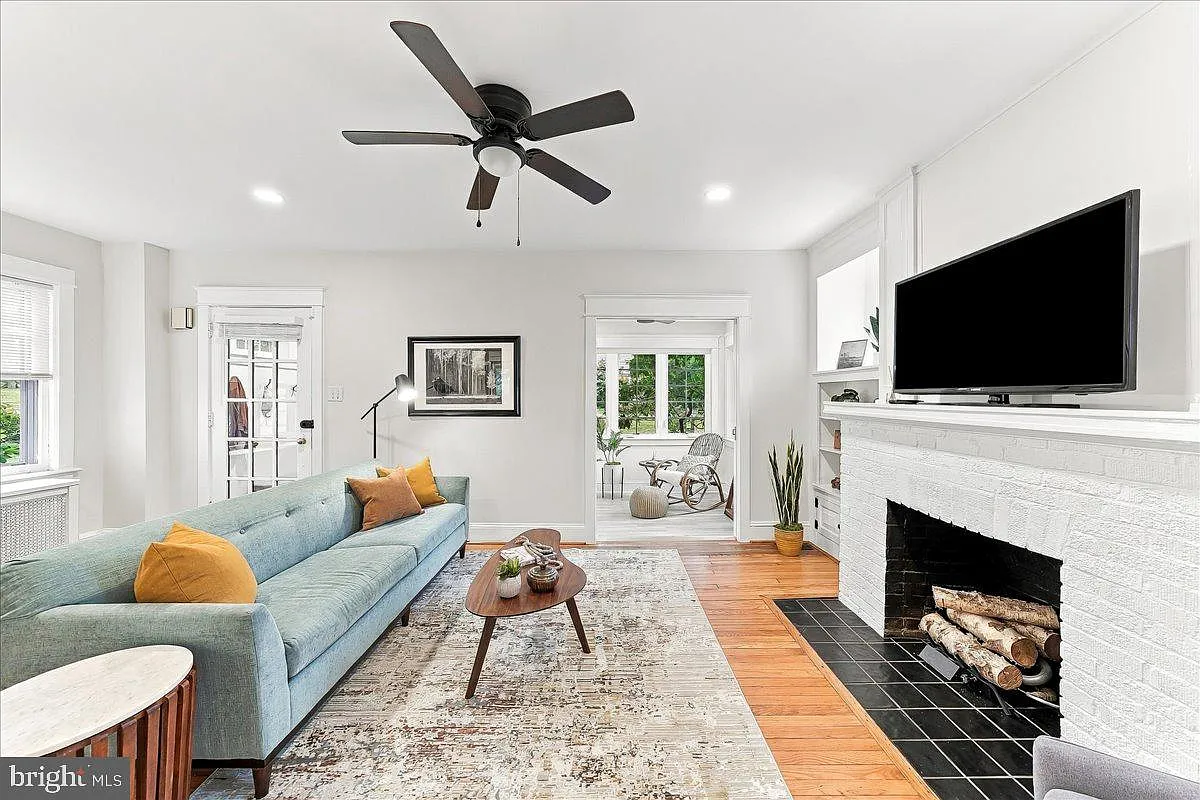
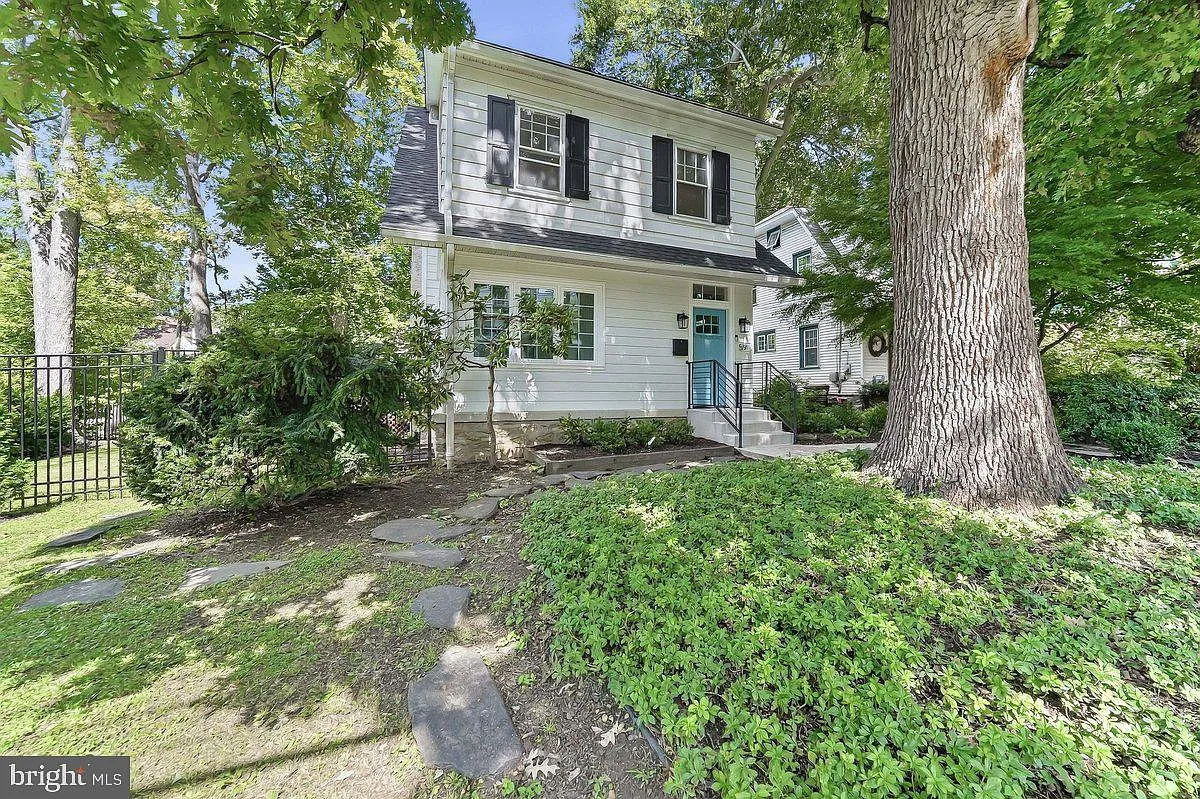

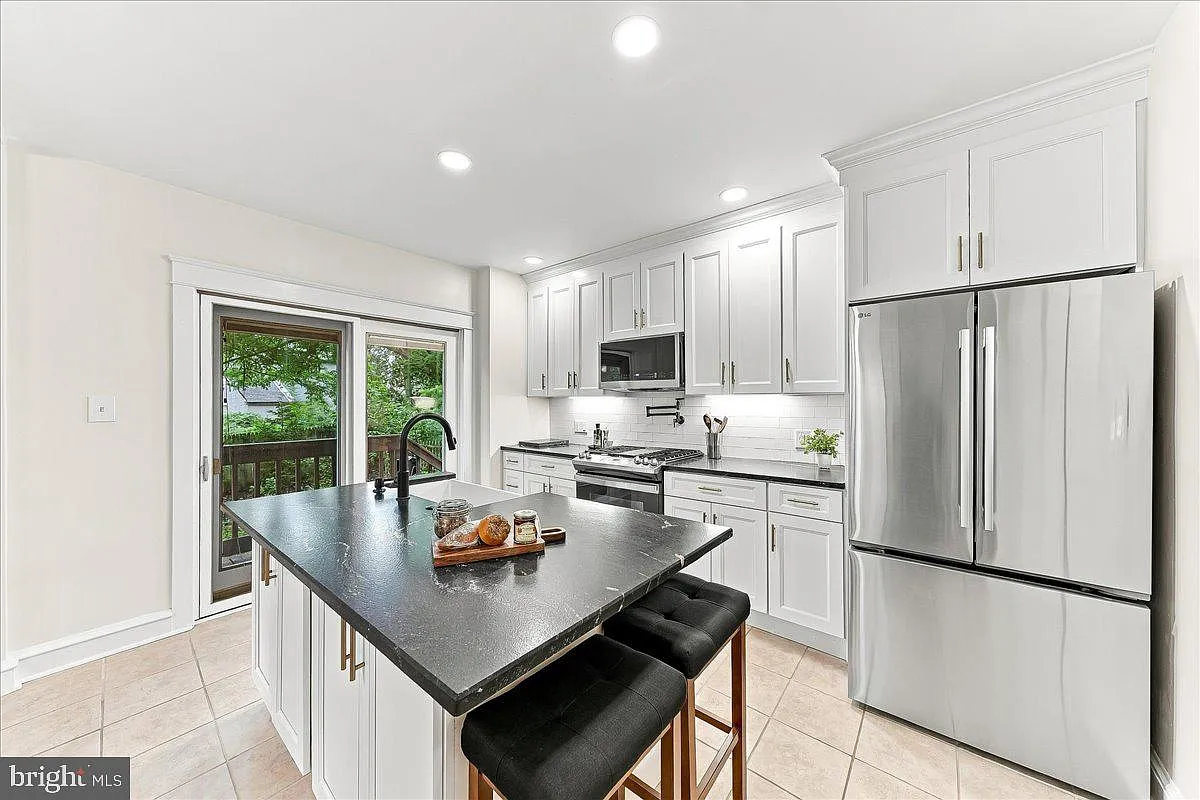
Bell Elite Senior Living — a nurse-led, family-owned personal care home in Lansdowne, PA. Warm living spaces, private bedrooms, and a chef's kitchen — come see the difference.
Understanding the Emotional Landscape of the Move to Personal Care
Do you feel as though you are handing over the keys to your heart along with your parent’s front door keys? This is a question I hear often from families throughout Delaware County as they navigate the complex transition into a personal care home environment. It is a moment filled with a heavy mix of relief and profound grief, where the weight of daily caregiving is lifted but replaced by the uncertainty of a new role. You might find yourself standing in their old kitchen in Havertown or Springfield, looking at the empty spaces on the walls where photos used to hang, and wondering if you have made the right choice for their safety and happiness. Is it possible to remain the primary heartbeat of their life even when you are no longer the one preparing every meal or managing every medication?
Imagine this scene: it is a rainy Tuesday afternoon and you are driving down State Road, headed toward the community where your mother now lives. Your mind is racing with questions about whether she ate her lunch or if she made a friend during the morning's social hour. You feel a pull in your chest, a nagging sense that you should be doing more, even though your own health and career were beginning to suffer under the strain of twenty-four-hour caregiving. Nearly 60 percent of family caregivers report high levels of emotional stress, and that stress does not simply vanish the moment a professional team takes over. It transforms into a new kind of vigilance. You are moving from the role of a hands-on laborer to the role of a high-level manager and, more importantly, a loving child again.
Q: Is it normal to feel an overwhelming sense of guilt even when I know my parent is in a safer environment? Guilt is perhaps the most common emotion shared by family members in the Philadelphia suburbs when transitioning a loved one to personal care. It often stems from a misplaced sense of "giving up" on a promise to keep them at home forever. However, choosing a professional setting like Bell Elite Senior Living is actually an act of profound love because it prioritizes their clinical safety and social well-being over a standard of care that may have become unsustainable or even dangerous at home. Understanding that your relationship can now focus on emotional connection rather than physical tasks is the first step in healing that guilt.
Speak With Our Nursing Team
We help Pennsylvania families navigate senior care decisions with compassion and clinical expertise.
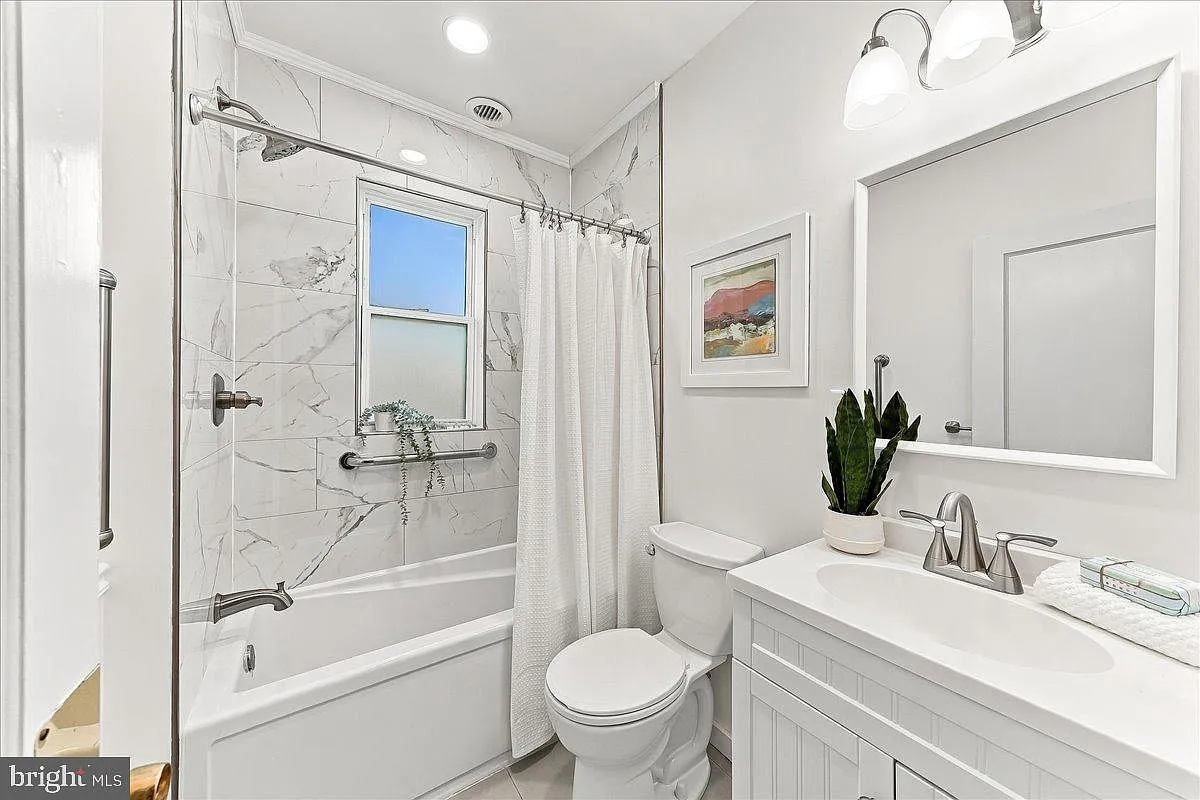
Private bedrooms and accessible bathrooms, designed for safety, comfort, and dignity.
Does the quiet in your own home feel loud now that the constant monitoring of a parent has ceased? Many families in Media and Upper Darby find that the first few weeks are the hardest because the routine they built around their parent’s needs has been dismantled. You might find yourself checking your phone constantly, waiting for a call that something is wrong, simply because you are conditioned for crisis management. How do you learn to breathe again while still staying tethered to their daily life? The transition is not just for the resident, but for the entire family unit as you learn to trust a new system of support.
Q: How long does the typical adjustment period last for both the resident and the family? While every individual is different, most clinical experts observe a transition period of roughly three to six weeks. During this time, the resident is learning the layout of the building and the rhythm of the staff, while the family is learning the best times to visit and how to communicate with the nursing team. It is often helpful to remain consistently present without overstaying, allowing the resident to build those crucial first bonds with their neighbors and caregivers in a way that establishes a new sense of "home."
Think about the specialized nature of a nurse-led environment and how that changes your perspective on their safety. When you know that professional eyes are monitoring vital signs and medication compliance, your conversations can shift from "did you take your pills" to "how was the music program today?" Isn't that the relationship you actually want to have with your parent? Bell Elite Senior Living, reachable at (484) 356-1070, focuses on this holistic transition, ensuring that the clinical needs are so well-handled that the family can return to their natural roles. Research shows that social engagement can reduce the risk of cognitive decline by as much as 70 percent, which is why getting them settled into a community in Delaware County is such a vital gift for their long-term health.
Mastering Communication with Your Parent and the Care Team
Speak With Our Nursing Team
We help Pennsylvania families navigate senior care decisions with compassion and clinical expertise.
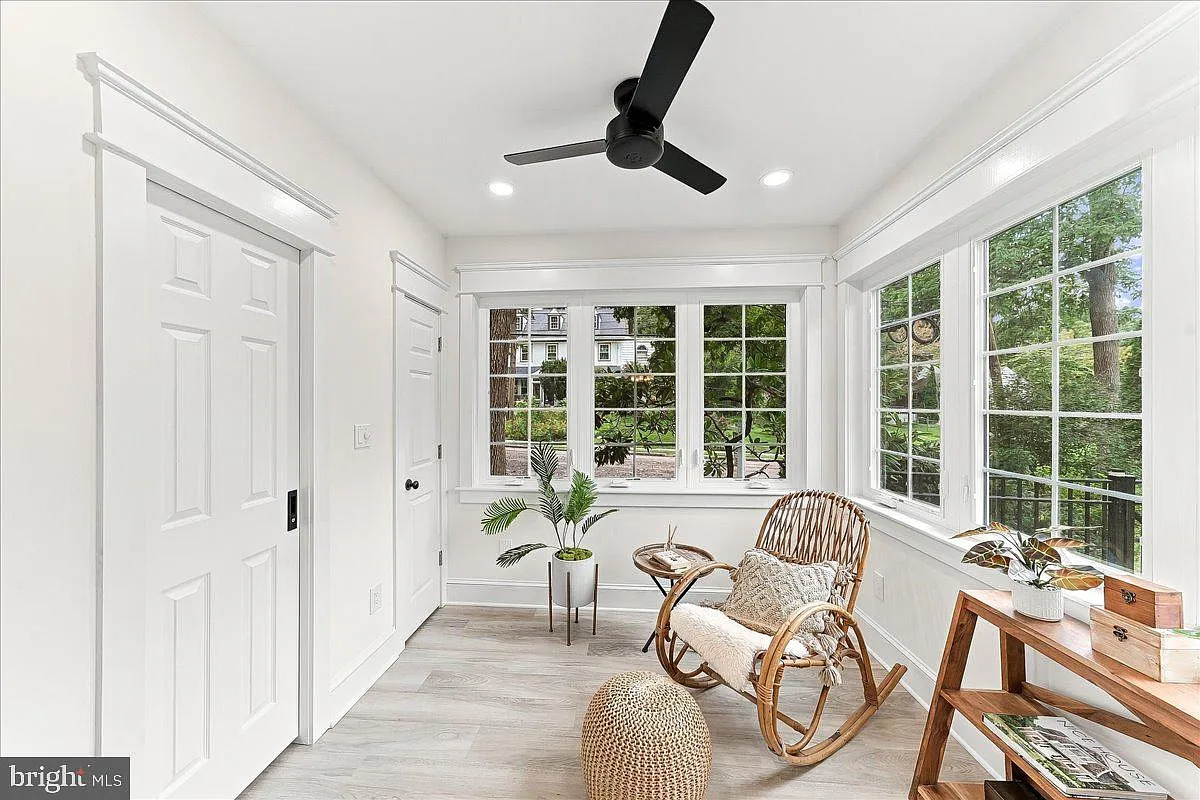
Home-cooked meals in our chef's kitchen and peaceful moments in the sunroom — life at Bell Elite.
Have you ever wondered if your presence at the personal care home is helping or hindering the adjustment period? It is a delicate balance to strike, especially when you are used to being the one who knows every nuance of your parent's mood and health. Effective communication is the bridge that keeps you involved without creating friction with the professional staff who are now part of your extended family. How do you ensure that your voice is heard in a way that fosters collaboration rather than conflict? Communication is not just about the words you speak, but the frequency and the medium you choose to stay in the loop.
Picture this: you are sitting in the bright community room of a local personal care home in Drexel Hill, and you notice a small bruise on your father’s arm. Your instinct might be to panic or feel a rush of protective anger. However, a nurse-led team views these moments as opportunities for transparency and clinical assessment. How you approach the staff in these moments defines the quality of the partnership. Instead of asking "what happened," you might ask "can we review the recent incident reports together?" This invites the staff to share their expertise and shows them that you are an active, observant partner in your parent’s care journey.
Q: How often should I expect updates from the nursing staff regarding my parent's condition? In a high-quality personal care environment, communication should be both proactive and reactive. You should expect a formal update whenever there is a change in medication, a fall, or a significant shift in mood or physical ability. However, for day-to-day updates, many families find success in a weekly check-in with the lead nurse or care coordinator. Establishing a preferred method of contact, whether it is a phone call to (484) 356-1070 or a scheduled in-person meeting, ensures that you stay informed without feeling like you are constantly chasing down information.
Is it possible to talk to your parent too much during the first few days? Some families in Broomall find that calling multiple times a day can actually increase a resident's homesickness, as it keeps one foot planted firmly in the life they just left. It is often better to have one meaningful, upbeat call at a consistent time each day. This creates a predictable routine that your parent can look forward to. Are you focusing your conversations on the new opportunities available to them, or are you dwelling on what they are missing at home? Your tone and the topics you choose will significantly influence how they perceive their new surroundings.
Q: What should I do if my parent constantly calls me and begs to come home? This is one of the most heart-wrenching experiences for any child, but it is often a temporary phase of the "relocation stress syndrome." The best approach is to acknowledge their feelings without promising a move back home. You might say, "I hear that you are feeling lonely right now, and I miss you too, but I feel so much better knowing you are in a place where people can help you quickly if you need it." Redirecting the conversation to a specific upcoming event, like a visit from a grandchild or a special meal at Bell Elite Senior Living, can help shift their focus from the past to the present.
Speak With Our Nursing Team
We help Pennsylvania families navigate senior care decisions with compassion and clinical expertise.
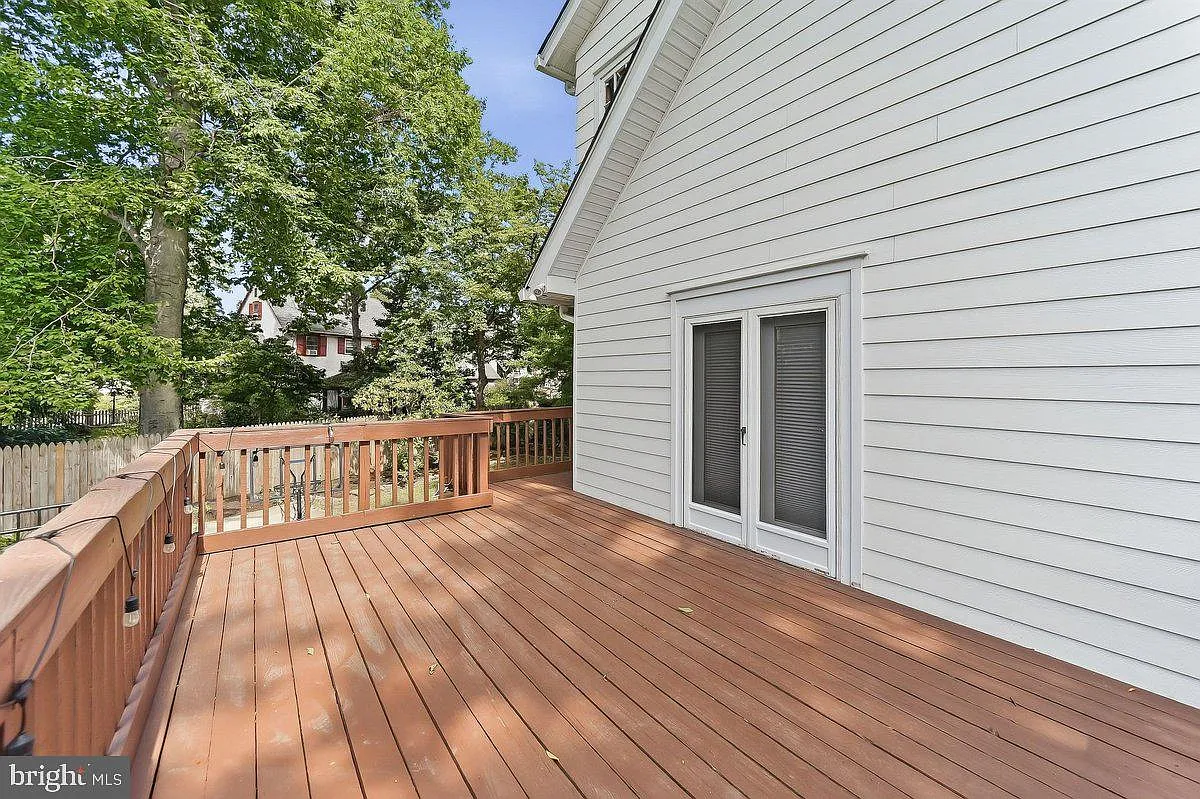
Gather in our warm living room or enjoy fresh air on the deck — every space feels like home.
As you navigate these conversations, remember that you are the expert on your parent’s history, while the staff at Bell Elite Senior Living are the experts on their current clinical needs. When these two knowledge bases merge, the level of care becomes truly exceptional. According to the Pennsylvania Department of Human Services, personal care homes must provide a safe and supportive environment while promoting resident independence, and your communication helps hold everyone to that high standard. By staying involved through (484) 356-1070, you ensure that the family-owned touch that defines Bell Elite remains at the forefront of your parent's daily experience.
Have questions about personalized care options? Bell Elite Senior Living's nursing team is ready to help. Call (484) 356-1070 or schedule a free consultation today.
Creating Meaningful Visits that Enhance Quality of Life
What does it truly mean to visit with purpose rather than just visiting out of obligation? Many families in Swarthmore and Media fall into a trap of "clock-watching" during their visits, where they sit in a chair and struggle to find things to talk about for an hour. A meaningful visit is not measured by its length but by the depth of the connection and the joy it brings to your parent's day. How can you transform a standard visit into a highlight of their week? It starts with bringing a piece of the outside world in and finding ways to engage their senses and their memories.
Imagine this: you arrive at the home with a small bag containing a favorite treat from a local bakery in Havertown and a photo album from a family vacation twenty years ago. Instead of just asking "how are you," which often elicits a one-word answer, you sit down and start flipping through the photos. You ask, "Mom, do you remember the name of that little seafood place we went to on the boardwalk?" Suddenly, her eyes light up, and the conversation flows naturally. You are not just visiting a resident in a personal care home; you are connecting with the person who raised you. This type of sensory and cognitive engagement is vital for maintaining mental clarity and emotional health.
Q: Is it okay to bring my parent's favorite home-cooked meals or treats from local restaurants? Absolutely, and in fact, it is highly encouraged as long as it aligns with their prescribed dietary restrictions. Food is a powerful connection to home and culture. Bringing a favorite dish from a well-loved spot in Delaware County can make a Sunday afternoon feel like a special occasion. Always check with the nursing staff at Bell Elite Senior Living first to ensure there are no swallowing precautions or sugar limitations you need to be aware of, but generally, these small tastes of home provide immense comfort and a sense of normalcy.
Have you considered the physical space your parent now occupies as a canvas for their identity? One of the best ways to stay involved is to help them curate their room so it feels like a true reflection of their life. This might mean rotating seasonal decorations or bringing in a soft quilt that has been in the family for years. Does the room smell like their favorite lavender soap, or does it have the familiar glow of a specific lamp they’ve used for decades? These small details matter immensely in a personal care setting because they provide a sense of ownership and continuity.
Q: What should I do if the visit becomes uncomfortable or if my parent is having a "bad day"? It is important to remember that just like everyone else, seniors in personal care have peaks and valleys in their moods. If you arrive and find them agitated or unusually quiet, do not take it personally. You might try changing the scenery by taking a short walk together in the garden or moving to a different common area. If the mood doesn't shift, it is perfectly acceptable to cut the visit short and try again another day. A shorter, positive interaction is often more beneficial than a long, strained one. You can always call (484) 356-1070 later that evening to check in with the staff and see if their mood improved after you left.
Staying involved also means getting to know the other residents and the staff members who see your parent every day. When you walk through the halls of Bell Elite Senior Living, do you greet the caregivers by name? Do you stop to say hello to your parent's neighbor in the dining room? By building these small social bridges, you are creating a wider safety net for your loved one. Studies show that seniors with strong social ties and frequent family visits have a 32 percent lower risk of depression, highlighting just how much your presence matters to their overall clinical outcome.
Becoming an Informed Advocate and Health Partner
How can you effectively bridge the gap between being a loving child and being an informed advocate for your parent’s clinical needs? Transitioning to a personal care home does not mean you stop being their primary defender; it means you gain a team of professional allies in that defense. In a nurse-led environment like Bell Elite Senior Living, your role as an advocate is enhanced because you have direct access to clinical expertise. But how do you stay on top of the medical details without feeling like you are back in the driver's seat of their daily care?
Picture this: your father has a history of congestive heart failure, and you notice during a visit that his ankles seem a bit more swollen than usual. Because you know him so well, you spot this change before a general caregiver might. Instead of worrying about it all the way home to Montgomery County, you immediately seek out the nurse on duty. You provide the context of his history, and because the home is family-owned and nurse-led, they can quickly assess the situation and adjust his care plan or contact his physician. This is the power of advocacy in action. You are the "subject matter expert" on your parent, and the staff are the experts on the care.
Q: How do Pennsylvania regulations protect my parent’s rights and health in a personal care home? Pennsylvania has strict regulations under Title 55 of the PA Code that govern personal care homes. These regulations ensure that residents receive appropriate assistance with activities of daily living, medication management, and a safe physical environment. They also mandate that residents have a voice in their care plans and the right to privacy and dignity. As an advocate, you should feel empowered to ask how these regulations are being met and to participate in the periodic assessments that the facility is required to perform. Knowledge of these standards gives you a firm foundation for ensuring your parent receives the highest quality of life.
Are you familiar with the specific medications your parent is taking and why they are taking them? Staying involved means more than just knowing they get their pills on time. It means understanding the potential side effects and how those might manifest in their behavior or physical state. Have you noticed a change in their balance or perhaps an increase in daytime sleepiness? These are the types of observations that are invaluable to the nursing team at Bell Elite. By calling (484) 356-1070 and discussing these nuances with the staff, you help prevent minor issues from becoming major health crises.
Q: What is the best way to handle a disagreement regarding a care decision or a facility policy? The most effective way to resolve concerns is through direct, calm communication with the management or the nursing director. Avoid venting your frustrations in front of your parent, as this can cause them unnecessary anxiety about their living situation. Instead, request a private meeting to discuss your concerns and ask for the clinical or operational reasoning behind the decision. In a family-owned home like Bell Elite, there is often more flexibility and a greater willingness to listen to family input compared to large, corporate-run facilities where policies are set in a distant headquarters.
Your involvement in the clinical aspect of their life is a vital component of the "person-centered care" model. The National Institute on Aging emphasizes that family involvement is a key factor in preventing medication errors and ensuring better health outcomes for seniors in residential care. By being a consistent, observant presence, you are providing a level of continuity that is essential for their well-being. Whether your parent is in Media, Havertown, or Springfield, your advocacy is the constant thread that ties their past health history to their present care.
Ready to explore tailored care solutions? Speak with our coordinators at Bell Elite. Phone: (484) 356-1070 • Request a tour
Fostering Social Integration and Community Engagement
Is it possible for your parent to build a brand new social circle in Delaware County after decades in the same neighborhood? Many families worry that their loved one will become isolated once they move, but the reality is that personal care homes are designed to combat the "epidemic of loneliness" that often plagues seniors living alone. Staying involved means encouraging this social growth, even if it feels a bit like sending a child off to their first day of school. How can you help your parent find their tribe within their new community?
Imagine this: your mother was always the life of the party in her neighborhood in Broomall, but after her mobility declined, she spent most of her days watching television alone. Now, she is in a personal care home where there is a daily afternoon social hour. At first, she might be hesitant to go. You can stay involved by looking at the activity calendar together and picking out one or two events that match her interests. Maybe you even attend the first one with her, helping her break the ice with a few neighbors. Once she makes that first connection, her world expands in ways that were simply not possible when she was isolated at home.
Q: What if my parent has always been an introvert and resists participating in group activities? Forcing an introvert into a crowded room is rarely successful, but engagement doesn't always have to be loud or high-energy. Staying involved might mean finding smaller, quieter ways for them to connect. Perhaps there is a resident who also enjoys knitting or reading the Philadelphia Inquirer in the morning. You can ask the staff at Bell Elite Senior Living to help facilitate a "one-on-one" introduction. Engagement is about quality, not quantity, and even one meaningful friendship can significantly improve a resident’s outlook and mental health.
Do you ever feel like you are competing with the facility's activities for your parent’s time? This is actually a wonderful problem to have. If you call to check in and find out they are busy at a movie night or a local outing to a park in Media, it is a sign that they are successfully integrating. Can you find ways to participate in the community's larger events? Many homes host family brunches, holiday parties, or educational seminars. Attending these events shows your parent that you are not just a visitor from the outside, but a member of their new community as well.
Q: Is it okay to take my parent out of the facility for the day to visit their old neighborhood or attend family events? In most cases, yes, and it is often a great way to maintain their sense of identity and connection to the local Delaware County area. Whether it is a trip to a favorite diner in Upper Darby or a grandchild’s birthday party in West Chester, these outings provide vital mental stimulation. Just be sure to coordinate with the nursing staff at (484) 356-1070 regarding timing and any medications that might need to be taken while they are out. These "re-entry" experiences into the community help reinforce that while their home has changed, their place in the family has not.
Remember that social health is just as important as physical health. According to the Journal of Health and Social Behavior, seniors with active social lives have a lower risk of developing cardiovascular disease and other chronic conditions. By encouraging your parent to engage with the programs at Bell Elite Senior Living, you are supporting their long-term vitality. Your role is to be their cheerleader, reminding them of their own strengths and helping them navigate the social nuances of their new environment.
The Evolving Role of the Adult Child as a Care Partner
How do you redefine your own identity now that the heavy lifting of daily caregiving has shifted to a professional team? This final stage of the transition is often the most profound for the adult children we work with in the Philadelphia suburbs. You are no longer the one who has to worry about the stove being left on or the risk of a fall in the middle of the night. This freedom allows you to rediscover the person your parent is, beyond their limitations and their diagnoses. How do you embrace this new chapter with grace and intention?
Picture this: it is a beautiful Sunday morning, and instead of rushing over to your parent's house to clean the bathroom and do three loads of laundry, you are getting ready to meet them for a leisurely lunch. You feel rested, and because you aren't exhausted, you have the patience to listen to their stories and the energy to share news about your own life. You are moving from a "survival mode" of caregiving into a "thriving mode" of companionship. This shift is the ultimate goal of a high-quality personal care home. It restores the family dynamic to its natural state.
Q: How does a nurse-led facility like Bell Elite Senior Living differ from other personal care options in the area? The primary difference lies in the level of clinical oversight and the philosophy of care. In a nurse-led environment, the focus is not just on hospitality, but on the medical and psychological well-being of the resident. Nurses are trained to spot the subtle signs of health changes before they become emergencies, which provides families with an unparalleled level of peace of mind. Being family-owned means that the decisions are made locally in Delaware County, not in a corporate boardroom, allowing for a more personalized and compassionate approach to every resident’s unique journey.
Are you taking care of yourself during this process? Staying involved with your parent is only possible if you are also maintaining your own health and well-being. Many family members in Havertown and Springfield find that they finally have time to return to their own hobbies or spend more quality time with their children and spouses. Does this feel like "cheating" or being selfish? It shouldn't. Your parent wants you to be happy and healthy, and by utilizing the professional support at Bell Elite Senior Living, you are honoring that wish.
Q: What should I do if I live far away, such as in another state, but still want to stay deeply involved? Technology has made it easier than ever to be a "long-distance advocate." You can schedule regular video calls, send digital photos that the staff can print out, and stay in close contact with the nursing team via (484) 356-1070. Many families also find it helpful to hire a local geriatric care manager or designate a local friend to be their "eyes and ears" on the ground in Delaware County. The key is consistent communication and ensuring that you are looped into all care planning meetings, which can often be conducted over the phone or via video conference.
Ultimately, staying involved is about showing up—physically, emotionally, and mentally. Whether you are visiting a few times a week or managing their care from a distance, your love is the foundation upon which their new life is built. Bell Elite Senior Living is here to be the partner you need in this journey, providing the professional excellence that allows you to be the daughter or son you want to be. With a commitment to dignity, safety, and joy, we ensure that the transition to personal care is not an ending, but a vibrant new beginning for your entire family. By keeping our number, (484) 356-1070, close at hand, you are never more than a phone call away from the answers and support you deserve.
A Glimpse Inside Bell Elite
A warm, family-like residence — not an institution. Every space is designed for comfort, safety, and dignity.
Ready to Take the Next Step?
Bell Elite Senior Living is a nurse-led, family-owned personal care home in Delaware County, Pennsylvania. We're here to help.
Proudly Serving Families Across the Greater Philadelphia Region
Bell Elite Senior Living is a nurse-led, family-owned personal care home located in Delaware County, Pennsylvania — and we proudly serve families from across the entire Greater Philadelphia area and surrounding communities. Whether you are searching for a personal care home in Delaware County PA, exploring senior living options near Philadelphia, or looking for compassionate elder care for a loved one in Montgomery County, Bucks County, or Chester County, our team is here to help guide you through every step of the decision.
Families come to Bell Elite from throughout Philadelphia and its suburbs — including Upper Darby, Havertown, Drexel Hill, Broomall, Swarthmore, Media, Springfield, Lansdowne, Darby, Collingdale, and Sharon Hill in Delaware County; Ardmore, Norristown, Lansdale, Cheltenham, Abington, Blue Bell, Jenkintown, Ambler, and Horsham in Montgomery County; Doylestown, Newtown, Langhorne, Bristol, Yardley, Quakertown, and Levittown in Bucks County; and West Chester, Malvern, Exton, Downingtown, Phoenixville, Coatesville, and Paoli in Chester County. We are also a trusted resource for families in South Jersey communities such as Cherry Hill, Voorhees, Marlton, Moorestown, Mount Laurel, Haddonfield, Collingswood, and Camden County who are seeking high-quality personal care across the river in Pennsylvania. Families from Wilmington, Newark, and New Castle County, Delaware also regularly choose Bell Elite for its clinical excellence and intimate, home-like setting.
Our central location in Delaware County puts us within easy reach of Center City Philadelphia, the Main Line, South Philadelphia, Northeast Philadelphia, and the Philadelphia suburbs — making visits from family members throughout the region straightforward and stress-free. We understand that choosing the right personal care home is one of the most important decisions a family will make, and distance should never be a barrier to accessing exceptional, nurse-led care.
Frequently Asked Questions About Our Service Area
Does Bell Elite Senior Living serve families from Philadelphia?
Yes. Bell Elite Senior Living is located in Delaware County, PA, just minutes from Philadelphia. We regularly welcome residents and their families from across Philadelphia, including South Philly, Northeast Philadelphia, Kensington, Germantown, and Center City.
Do you accept residents from Montgomery County, PA?
Absolutely. We serve families throughout Montgomery County including Norristown, Ardmore, Lansdale, Cheltenham, Blue Bell, Jenkintown, and Ambler. Our nurse-led care model is a popular choice for families across the Philadelphia suburbs.
Can families from Bucks County place a loved one at Bell Elite?
Yes. Many of our residents come from Bucks County communities such as Doylestown, Newtown, Yardley, Langhorne, and Bristol. Our facility is easily accessible from Route 1 and I-95 corridors.
Do you serve Chester County families looking for personal care?
Yes. Families from West Chester, Malvern, Exton, Downingtown, Phoenixville, Paoli, and Coatesville in Chester County frequently choose Bell Elite for our small resident count, clinical oversight, and personalized care plans.
Is Bell Elite an option for families in South Jersey near Philadelphia?
Yes. Many families from Cherry Hill, Voorhees, Marlton, Mount Laurel, Haddonfield, Moorestown, and Camden County in New Jersey choose Bell Elite Senior Living in nearby Delaware County, PA for its nurse-led care and welcoming environment.
Do you accept residents from Delaware (Wilmington, Newark, New Castle County)?
Yes. Families from Wilmington, Newark, Middletown, and throughout New Castle County, Delaware have placed loved ones at Bell Elite. Our location in Delaware County, PA makes us a convenient and high-quality option for Delaware families seeking nurse-led personal care.
How do I find out if Bell Elite can serve my family's location?
Call us at (484) 356-1070 or visit our contact page. We serve the entire Greater Philadelphia region and surrounding areas and are happy to discuss your specific situation, schedule a tour, and answer any questions about our care services.
Related Articles



Related Care Services at Bell Elite
Our nurse-led personal care home in Lansdowne, PA offers specialized services for seniors across the Greater Philadelphia region.
Personal Care Home Near You
Bell Elite is located in Lansdowne, PA — minutes from Philadelphia. See care details for your community:
Have Questions After Reading?
Our nursing team offers free, no-pressure consultations for Pennsylvania families.
Talk to a nurse, not a salesperson. Our team includes RNs, LPNs, a PMHNP, and Family Nurse Practitioners.