

Bell Elite Senior Living — a nurse-led, family-owned personal care home in Lansdowne, PA. Warm living spaces, private bedrooms, and a chef's kitchen — come see the difference.
The Subtle Signs of Nutritional Decline in Your Aging Loved One
Have you noticed that your loved one’s clothes seem a bit looser these days, even though they tell you they are eating just fine during your weekly visits to their home in Delaware County? It is a question that haunts many adult children as they navigate the complexities of caring for aging parents in our community. We often assume that as long as there is food in the pantry and the stove is functional, our parents are getting the sustenance they need to thrive. However, malnutrition is a quiet thief that steals vitality long before it presents as dramatic weight loss. As a nurse who has seen many families walk through the doors of Bell Elite Senior Living, I can tell you that the early indicators are often masked by what we assume is just the natural process of getting older. Are we perhaps ignoring the small changes because we are afraid of what they might mean for our loved one’s independence?
Imagine this scenario for a moment. You walk into your mother’s sunlit kitchen in Media on a Tuesday afternoon. The house smells like the lavender sachets she keeps in the drawers, and the television is humming in the background with her favorite news program. On the surface, everything looks normal. But as she reaches up to give you a hug, you feel the sharp ridge of her shoulder blades through her sweater. When you offer to make lunch, she waves you off, claiming she had a big breakfast, yet you notice the same half gallon of milk you bought four days ago is still almost completely full. This is how it begins. It is not a sudden drop in health, but a slow, rhythmic fading of appetite and interest in food that can lead to serious medical complications. Did you know that up to 50 percent of older adults are either malnourished or at risk of becoming so? This is a staggering reality that affects families across Pennsylvania, from the quiet streets of Swarthmore to the busy neighborhoods of Upper Darby.
Q: What is the most overlooked sign of malnutrition in seniors who still live independently? The most frequently missed indicator is not actually weight loss, but a sudden lack of interest in social activities that involve food. When a senior starts declining invitations to local diners or stops hosting the family Sunday dinner that has been a tradition for decades, it often signals that the act of eating has become a chore or a source of physical discomfort. They might blame it on being tired or not wanting to drive, but the underlying issue is frequently a diminished drive to consume calories, which leads to a downward spiral of energy and engagement.
Speak With Our Nursing Team
We help Pennsylvania families navigate senior care decisions with compassion and clinical expertise.
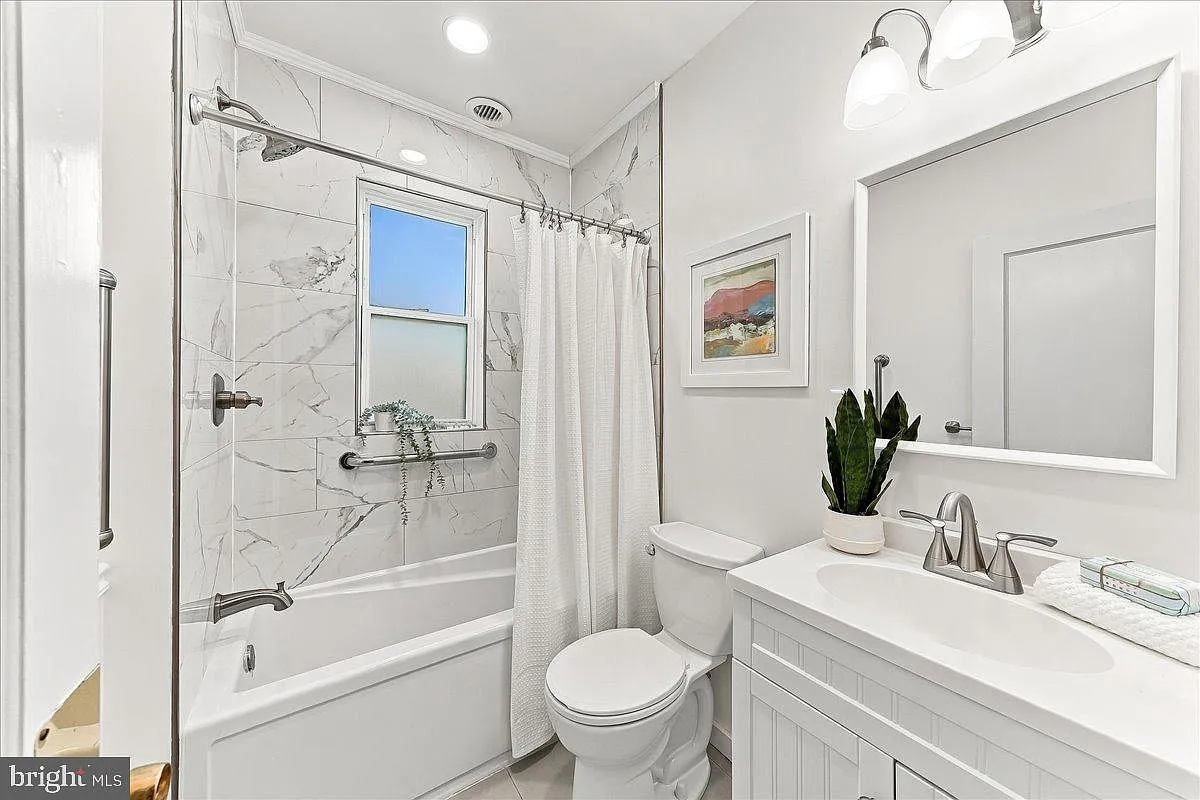
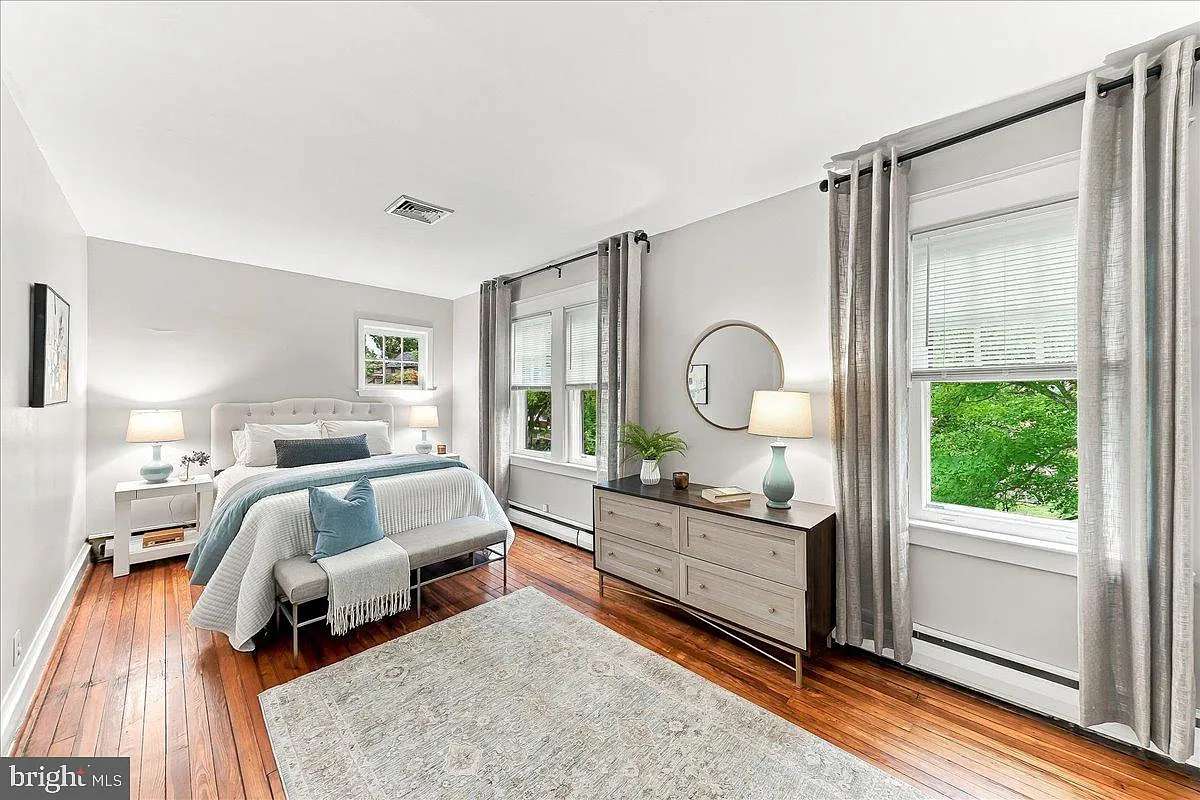
Private bedrooms and accessible bathrooms, designed for safety, comfort, and dignity.
As we look closer at these early red flags, we have to ask ourselves if we are truly seeing our parents as they are today, or if we are seeing them through the lens of who they were five years ago. Are you noticing that their skin looks a look more papery or that bruises seem to linger for weeks without explanation? These are not just signs of age, but are often direct results of a lack of protein and essential vitamins like C and K. When the body does not have the building blocks it needs to repair itself, the skin becomes the first visible casualty. In a nurse-led environment like Bell Elite Senior Living, we prioritize these physical assessments because we know that the body tells a story that words often hide. If you are worried about these changes, you can always reach out to us at (484) 356-1070 to discuss what a higher level of nutritional support looks like in a family-owned setting. We understand that the decision to seek help is never easy, but catching these signs early can prevent a fall or a hospital stay that changes everything.
Physical Indicators and the Biological Cost of Poor Nutrition
Could the persistent fatigue your parent is experiencing be more than just a normal part of aging in the Philadelphia suburbs? We often hear families in Havertown or Springfield mention that their loved ones are just napping more because they are getting older, but as a nurse, I see that as a major warning sign. When the body is deprived of calories, it begins to shut down non-essential functions to preserve the heart and brain. This metabolic shift results in a profound lethargy that no amount of sleep can fix. Have you noticed that your loved one seems to have lost their spark or that their eyes appear slightly sunken and dull? These physical manifestations are the body’s way of crying out for fuel. It is a biological reality that seniors require more nutrient-dense food than younger adults because their bodies become less efficient at absorbing vitamins and minerals over time.
Picture this situation where you are helping your father get ready for an appointment at a clinic in Broomall. As he moves to sit on the edge of the bed, you see that his ankles are swollen, a condition known as edema. While edema can be related to heart issues, it is also a classic sign of severe protein deficiency. When there is not enough protein in the blood, fluid leaks out of the vessels and into the surrounding tissues. It is a frightening sight for a family member, yet it is something that can often be managed with a strictly monitored, protein-rich diet. Are we doing enough to monitor the actual protein intake of our elders, or are we just happy that they ate a piece of toast for dinner? In Delaware County, where we pride ourselves on looking out for our neighbors, we must be especially vigilant about these subtle physical shifts in our own homes.
Speak With Our Nursing Team
We help Pennsylvania families navigate senior care decisions with compassion and clinical expertise.
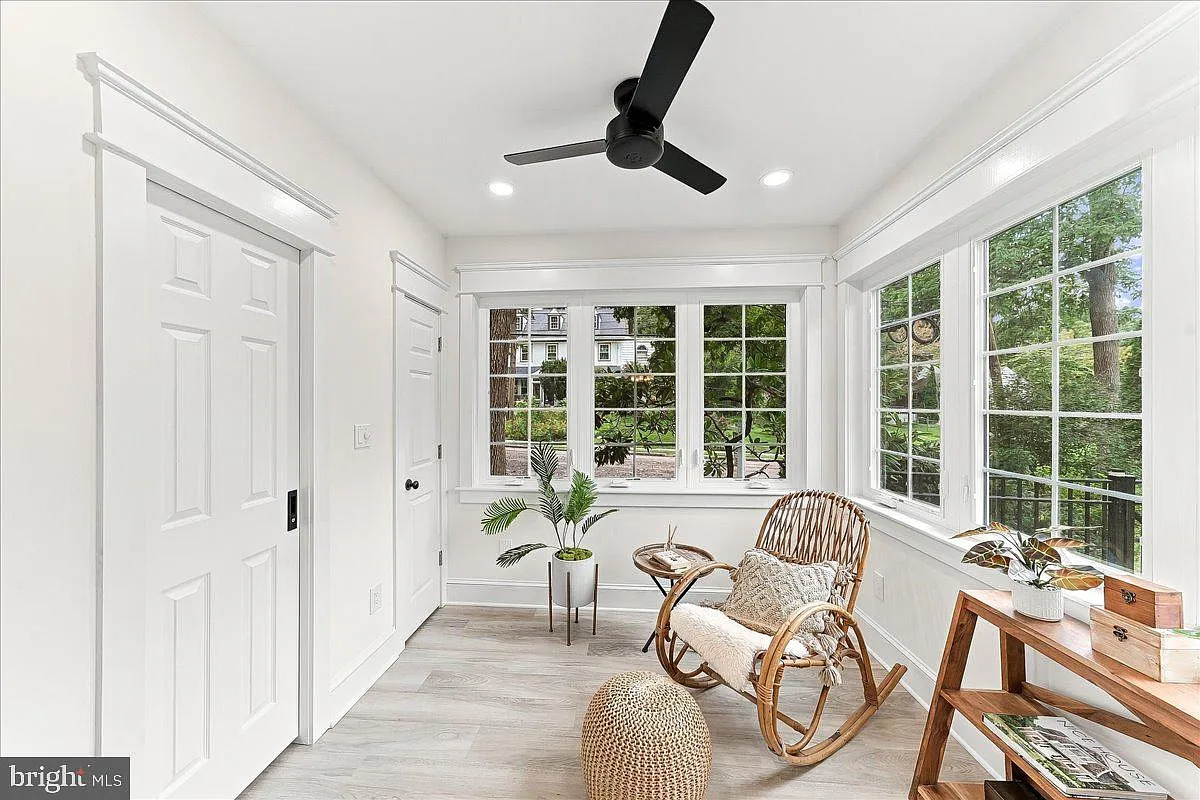
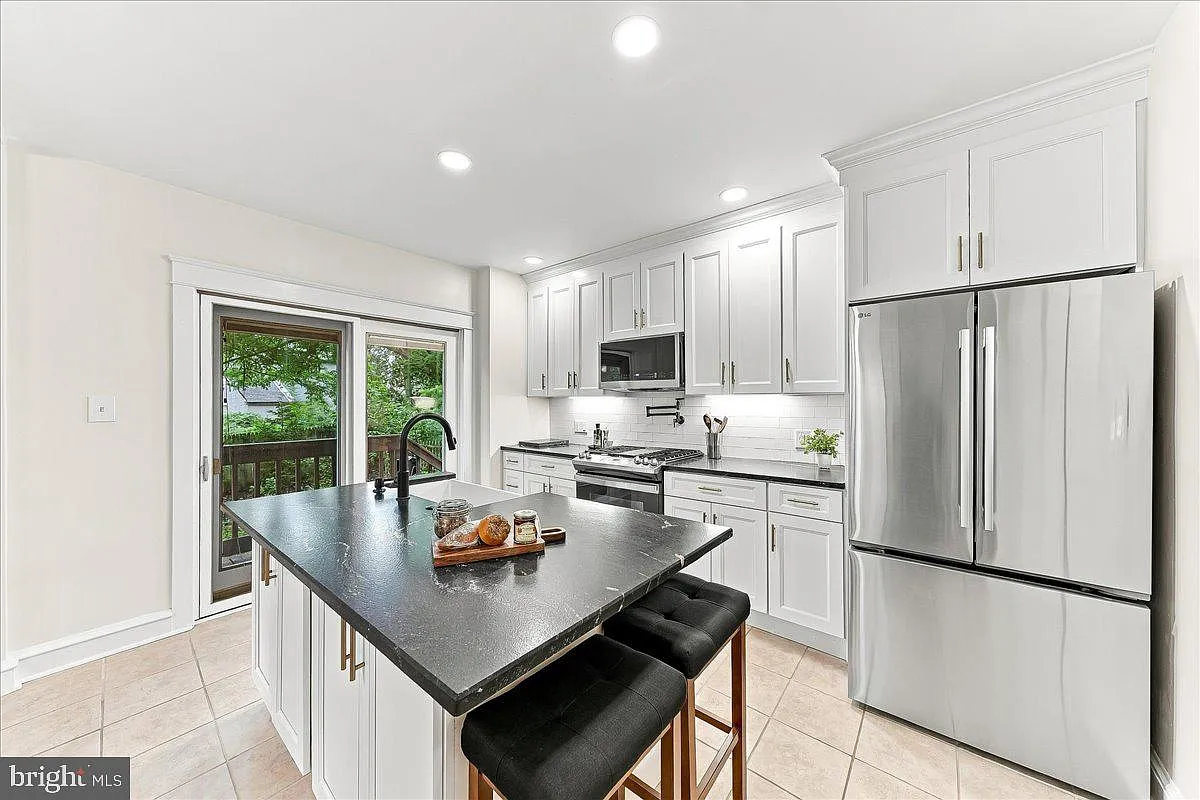
Home-cooked meals in our chef's kitchen and peaceful moments in the sunroom — life at Bell Elite.
Q: How does dehydration mimic the symptoms of malnutrition and why is it so dangerous for seniors in Pennsylvania? Dehydration and malnutrition often go hand in hand because many seniors lose their sense of thirst along with their sense of hunger. When an older adult is dehydrated, they may become confused, dizzy, or extremely weak, which are the same symptoms we see when they are not eating enough. In the fluctuating climate of Pennsylvania, where summers can be humid and winters are dry, this lack of fluid intake can lead to rapid kidney stress and an increased risk of urinary tract infections, which further suppresses the appetite and creates a dangerous cycle of physical decline.
The physical cost of malnutrition extends to the immune system as well. Have you wondered why a simple cold seems to hang on for a month when it used to last only a few days? Without proper zinc, vitamin D, and antioxidants, the immune system is essentially fighting with one hand tied behind its back. This makes every minor illness a potential crisis for a senior living alone in a place like Drexel Hill. At Bell Elite Senior Living, our nurse-led team focuses on the intersection of medical health and daily dining. We know that a meal is not just a meal, it is medicine. By choosing a personal care home that understands the clinical importance of every bite, you are providing a safety net that is impossible to maintain alone. If you feel like you are constantly playing catch-up with your loved one’s health, call us at (484) 356-1070 to learn how we can stabilize their nutrition and restore some of that lost vitality.
Have questions about personalized care options? Bell Elite Senior Living's nursing team is ready to help. Call (484) 356-1070 or schedule a free consultation today.
The Hidden Connection Between Mood and Metabolism
Why does a lack of proper nutrients often lead to increased confusion or irritability in seniors living at home? Many families in Delaware County find themselves frustrated when a parent becomes uncharacteristically argumentative or seems to be slipping into a fog of forgetfulness. Before we jump to the conclusion that this is the onset of permanent cognitive decline, we must look at the fuel the brain is receiving. The brain is an incredibly hungry organ, consuming about 20 percent of the body’s total energy. When a senior is malnourished, their cognitive function is one of the first things to suffer. Have you ever felt hangry after skipping just one meal? Now, imagine that feeling amplified by years of inadequate B12, folate, and healthy fats. It is no wonder our loved ones become frustrated and withdrawn.
Speak With Our Nursing Team
We help Pennsylvania families navigate senior care decisions with compassion and clinical expertise.
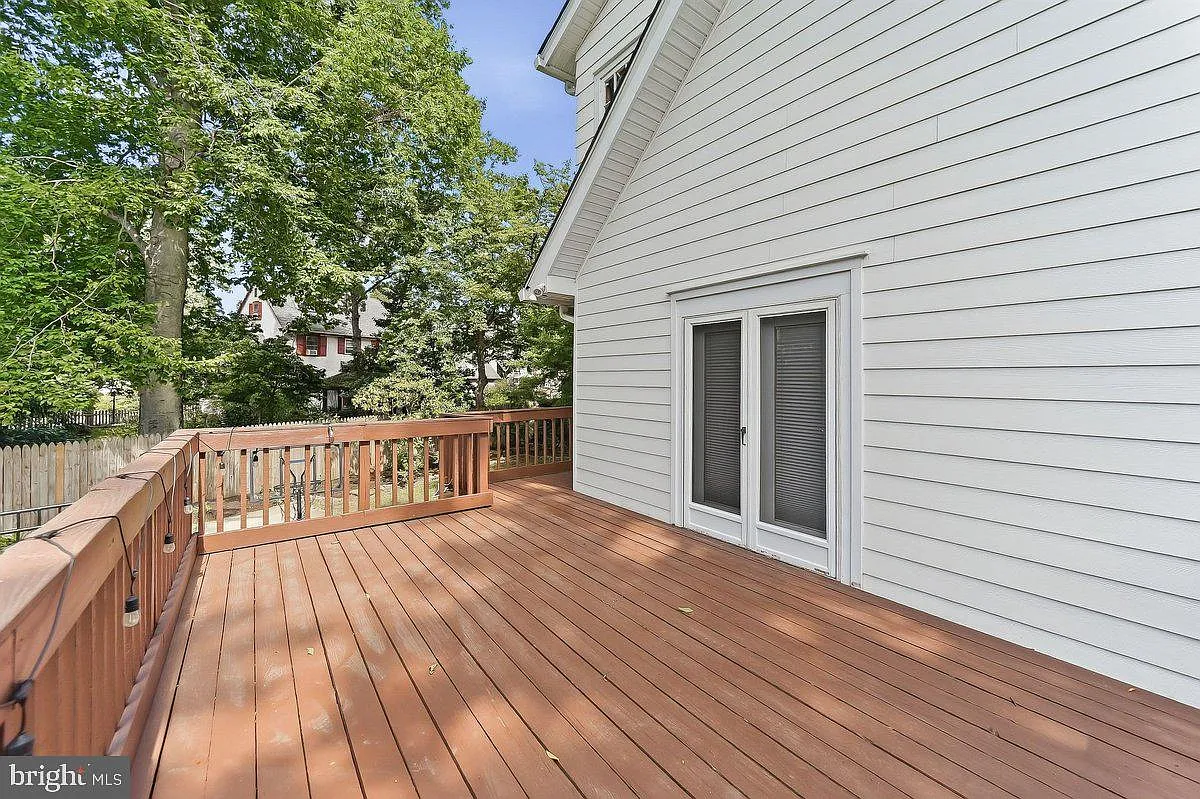
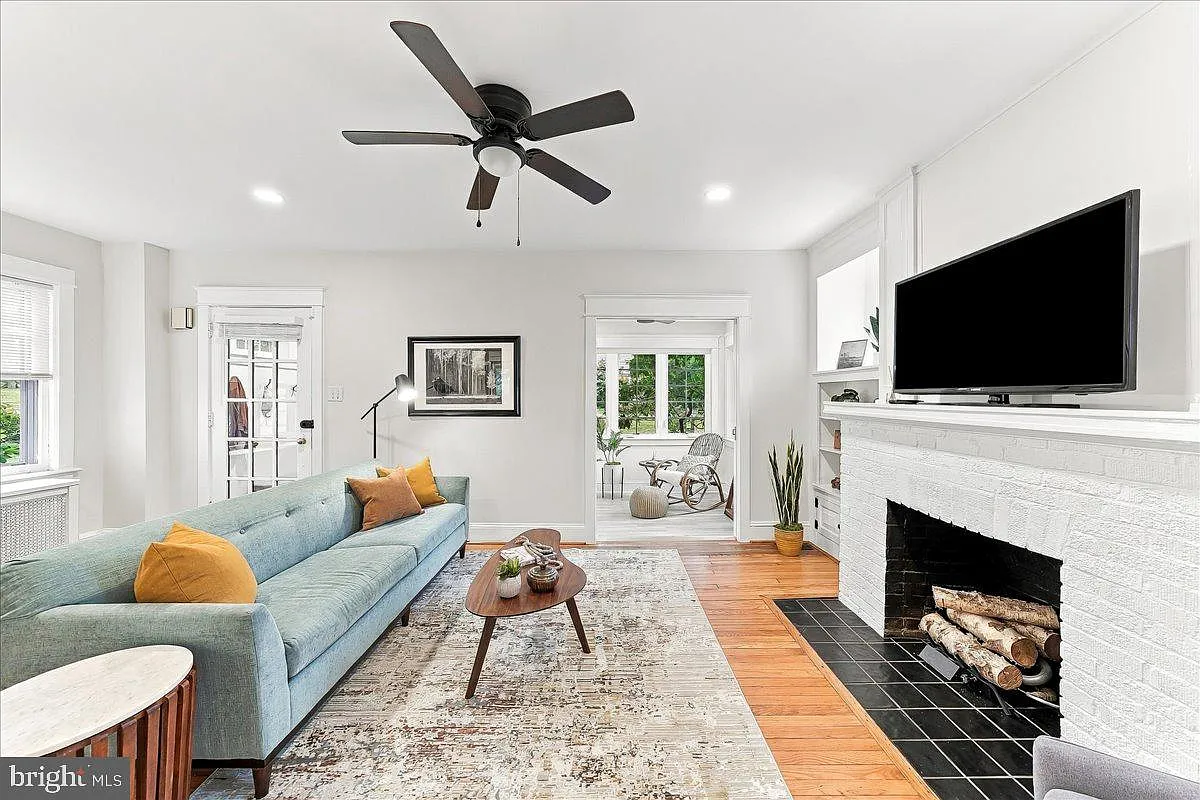
Gather in our warm living room or enjoy fresh air on the deck — every space feels like home.
Imagine this afternoon in a quiet neighborhood in Upper Darby. You arrive to find your mother sitting in a darkened room, the curtains drawn, and the house unusually quiet. She seems confused about what day it is and snaps at you when you ask if she has eaten. You might feel hurt or worried that she is losing her personality, but what you might actually be seeing is a brain that is literally starving for glucose and essential fatty acids. This behavioral shift is a significant red flag that often precedes a major health event. Is it possible that the depression we see in so many isolated seniors is actually a symptom of a nutritional void? Research shows a direct link between gut health and mental clarity, meaning that the microbes in our stomach play a huge role in how we feel emotionally and think logically.
Q: Can poor nutrition actually cause symptoms that look like dementia? Yes, this is a very real phenomenon often referred to as pseudodementia. Deficiencies in specific vitamins, particularly B12 and folate, can lead to memory loss, disorientation, and mood swings that look remarkably like the early stages of Alzheimer’s disease. In many cases, once a senior is placed in a supportive environment like Bell Elite Senior Living where they receive regular, nutrient-rich meals and proper hydration, these cognitive symptoms can significantly improve or even disappear entirely, revealing that the issue was metabolic rather than neurological.
Furthermore, we have to consider the social aspect of eating and how it impacts mood. Do you think the loneliness of eating alone every day is affecting your parent’s mental health? In our busy lives in the Philadelphia suburbs, it is easy to forget that for many seniors, a meal was once a social highlight of the day. When that social component is removed, the motivation to cook a real meal evaporates. Why bother making a roast or a salad for one person? It is much easier to just grab a sleeve of crackers. This cycle of isolation and poor eating creates a feedback loop of low energy and low mood. In a family-owned care home, the dining room becomes the heart of the community, where residents are encouraged not just to eat, but to engage. This social stimulation is just as important as the calories on the plate.
Q: Why do seniors lose their sense of taste as they get older, and how does this contribute to malnutrition? As we age, the number of taste buds we have decreases, and those that remain can become less sensitive. This is often exacerbated by medications that cause dry mouth or a metallic taste. When food tastes like cardboard, the incentive to eat is gone. Seniors often respond by over-salting their food or seeking out high-sugar snacks because these are the only flavors that register, leading to a diet that is high in sodium and sugar but dangerously low in the actual nutrients the body needs to function.
Investigating the Kitchen and The Grocery Store Habits
When was the last time you took a truly deep look into the pantry or refrigerator at your loved one’s house in Delaware County? This is one of the most practical ways to spot malnutrition before it becomes an emergency. Often, seniors are masters at hiding their lack of eating from their children. They will tell you they had a great lunch at the senior center or that they are going out with a friend later, but the evidence in the kitchen often tells a different story. Are you finding a lot of expired items or perhaps a refrigerator that is mostly empty except for condiments and a few bottles of soda? These are clear signs that the physical act of grocery shopping and meal preparation has become too much for them to handle.
Picture this scene in a Havertown kitchen. You open the bread box and find a loaf that is two weeks past its date. You check the vegetable drawer and see only a wilted head of lettuce and some soft carrots. This is not just forgetfulness, it is an indication of a broken system. The process of getting to a store like the Acme in Media or the Giant in Springfield, navigating the aisles, carrying heavy bags, and then standing for an hour to cook is exhausting for someone who is already low on energy. Have you noticed that your parent has started buying only pre-packaged, processed foods that require no preparation? While these are convenient, they are often loaded with preservatives and lack the living nutrients found in fresh produce.
Q: Is a full refrigerator a guarantee that a senior is eating well? Actually, no. A full refrigerator can sometimes be a sign of a different problem. If you see the same items sitting there week after week, it means your loved one is buying food out of habit but lacks the energy or the cognitive ability to actually prepare and consume it. You might also find multiple containers of the same item, which suggests they are forgetting what they already have and are struggling with the organizational demands of maintaining a kitchen, which is a major precursor to nutritional failure.
We also have to talk about the physical mechanics of eating. Does your loved one have dentures that no longer fit properly, or are they experiencing dental pain that makes chewing difficult? These issues often go unmentioned because of the high cost of dental work or simply because they don't want to be a burden. When chewing hurts, seniors naturally gravitate toward soft, easy foods like applesauce or pudding, which do not provide the necessary fiber or protein. In a nurse-led setting like Bell Elite Senior Living, we monitor how residents are actually managing their food. We look for the subtle cues that someone is struggling with their silverware or that they are leaving all the meat on their plate because it is too tough to chew. Identifying these mechanical barriers is a key part of our care model, and we are always available at (484) 356-1070 to talk about how we handle these specific challenges.
Q: How do medication side effects contribute to a loss of appetite? Many common medications for blood pressure, cholesterol, and heart disease can cause nausea, a decreased sense of smell, or a complete lack of appetite. Some medications even interfere with the absorption of certain nutrients, meaning that even if a senior is eating, their body isn't getting the full benefit of the food. A nurse-led team is essential in these cases because we can coordinate with physicians to adjust medications or timing to ensure that a resident’s appetite is preserved as much as possible.
Ready to explore tailored care solutions? Speak with our coordinators at Bell Elite. Phone: (484) 356-1070 • Request a tour
The Social and Environmental Factors of Malnutrition
Do you think the loneliness of eating alone every day is affecting your parent’s physical health more than you realize? This is a question that strikes at the heart of the suburban experience in Delaware County. In many of our local neighborhoods, people stay in their large family homes long after their children have moved to places like Montgomery County or Philadelphia. This isolation can be devastating for an older adult’s nutritional status. Eating is fundamentally a social act for humans. When you are alone, the ritual of the meal disappears. There is no one to compliment the cooking, no one to share a conversation with, and no one to notice if you simply skip dinner altogether. Have you considered that the quiet of the house is actually suppressing your loved one’s appetite?
Imagine this Sunday evening in a home in Swarthmore. The neighborhood is quiet, and your father is sitting at the small kitchen table with a single bowl of cereal. He remembers when that same table was surrounded by noise and laughter. The silence makes the food taste bland. It is a psychological weight that contributes directly to malnutrition. When we talk about care at Bell Elite Senior Living, we emphasize that our home is family-owned and nurse-led, which means we understand the emotional nuances of aging. We see our residents as an extension of our own family. Does your current care plan account for the emotional void that often leads to a physical decline? In a community setting, the sight and smell of others eating often triggers a dormant appetite, a phenomenon known as social facilitation.
Q: How does social interaction improve nutritional intake for older adults? Studies have consistently shown that seniors eat up to 30 percent more food when they are in the company of others compared to when they eat alone. The presence of others encourages longer meal times, which gives the body time to signal that it is full and satisfied, and the social engagement reduces the levels of cortisol, a stress hormone that can interfere with digestion. In a group setting, residents also tend to try a wider variety of foods, which ensures a more balanced intake of vitamins and minerals.
Moreover, the environment itself plays a role. If a senior’s home has become cluttered or difficult to navigate, the simple act of getting to the kitchen can be a barrier. In some older homes in places like Media or Upper Darby, the kitchen may be on a different level than the main living area, or the lighting may be poor, making it difficult to see what they are cooking. Are there tripping hazards that make your loved one afraid to move around the house when they are alone? At Bell Elite Senior Living, we have designed our space to be safe, accessible, and inviting. We remove the physical hurdles so that the focus can remain on health and wellness. If you are worried that your loved one’s home environment is working against their health, reaching out to us at (484) 356-1070 can be the first step toward a more supportive and vibrant life.
Q: What role does dental health play in senior malnutrition? Dental health is one of the most significant, yet frequently ignored, physical barriers to proper nutrition. Missing teeth, poorly fitting dentures, or chronic gum disease can make consuming fresh fruits, vegetables, and meats nearly impossible. Many seniors will choose to suffer in silence rather than admit they are having trouble chewing. A comprehensive care plan must include regular dental check-ups and a menu that accommodates various levels of chewing ability without sacrificing the quality or taste of the food.
Choosing a Path Toward Nutritional Recovery and Vitality
What if the solution to your loved one’s declining health is as simple as consistent, nurse-led meal supervision and social engagement? We often look for complex medical explanations for why a senior is failing to thrive, but the answer is frequently found on their dinner plate. As we have explored throughout this discussion, malnutrition is a multifaceted problem that requires a multifaceted solution. It involves checking the physical body for signs of deficiency, monitoring the home environment for red flags, and addressing the social isolation that so often leads to a loss of appetite. Have you felt the weight of responsibility for your parent’s health becoming too heavy to carry alone? You are not alone in this journey, and there are resources right here in Delaware County to support you.
Imagine the change in your loved one after just one month of receiving three balanced, home-cooked meals every day in a supportive environment. Picture them regaining the strength to take a walk through a park in Media or having the energy to engage in a spirited conversation about local news. This is the goal of a nurse-led personal care home like Bell Elite Senior Living. We don't just provide a room, we provide a holistic approach to health where nutrition is the foundation. Our family-owned structure means that we are personally invested in the success of every resident. Is it time to stop worrying about what is in their pantry and start focusing on the quality of their life?
Q: What makes a personal care home different from living alone when it comes to nutrition? The primary difference is the removal of the burden of choice and preparation. In a personal care home, the meals are planned by professionals to meet specific dietary needs, the ingredients are fresh, and the food is served in a social setting. More importantly, there are trained staff members, often led by nurses, who are watching exactly how much a resident eats. If someone stops eating their vegetables or starts losing weight, it is noticed immediately and addressed, whereas at home, these changes might go unnoticed for months.
By choosing a facility that prioritizes nursing oversight, you are ensuring that medical issues that contribute to malnutrition, like medication side effects or underlying illnesses, are identified early. Our team at Bell Elite Senior Living is dedicated to this level of vigilance. We know that every family in the Philadelphia suburbs wants the best for their parents, and sometimes the best thing you can do is recognize when professional help is needed. If you are seeing the signs we have discussed, from the loose clothing to the cognitive fog, please do not wait for a crisis to occur. You can call us at (484) 356-1070 to discuss your concerns and see how our personal care home can provide the stability your loved one deserves.
Q: How does Bell Elite Senior Living monitor nutritional needs specifically? At Bell Elite, we perform regular weight checks and nutritional assessments as part of our nurse-led care model. We track meal participation and work closely with families and physicians to adjust diets as health needs change. Because we are a family-owned home, we have the flexibility to cater to individual preferences while ensuring that the core medical requirements for protein, fiber, and vitamins are met every single day. We treat every meal as an opportunity to improve the health and happiness of our residents.
As you look toward the future, remember that catching malnutrition early is one of the most effective ways to prolong independence and ensure a high quality of life. Whether your loved one is currently in Havertown, Springfield, or any of the surrounding suburbs, the transition to a care home should be seen not as a loss of freedom, but as a gain in support. We are here to help you navigate this transition with compassion, expertise, and a commitment to the health of our community. Let us take the worry of the kitchen off your shoulders so you can go back to being a son or daughter again.
A Glimpse Inside Bell Elite
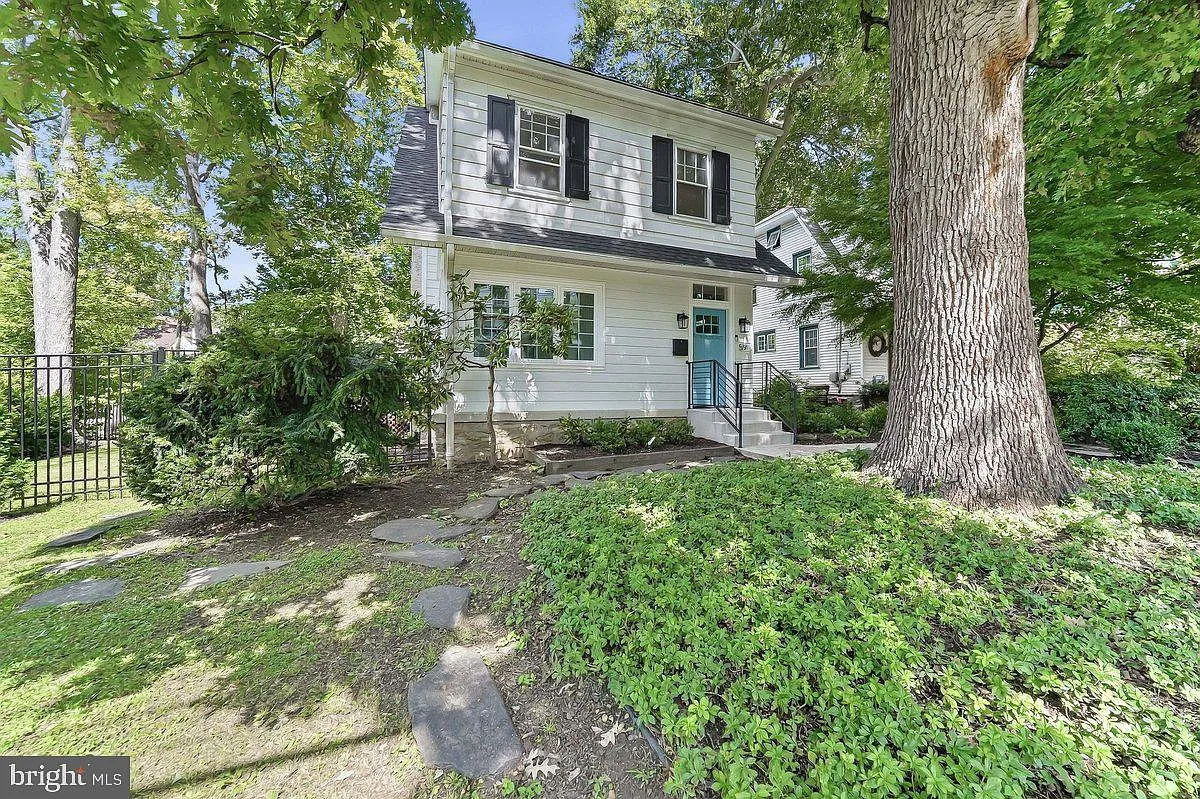
A warm, family-like residence — not an institution. Every space is designed for comfort, safety, and dignity.
Ready to Take the Next Step?
Bell Elite Senior Living is a nurse-led, family-owned personal care home in Delaware County, Pennsylvania. We're here to help.
Proudly Serving Families Across the Greater Philadelphia Region
Bell Elite Senior Living is a nurse-led, family-owned personal care home located in Delaware County, Pennsylvania — and we proudly serve families from across the entire Greater Philadelphia area and surrounding communities. Whether you are searching for a personal care home in Delaware County PA, exploring senior living options near Philadelphia, or looking for compassionate elder care for a loved one in Montgomery County, Bucks County, or Chester County, our team is here to help guide you through every step of the decision.
Families come to Bell Elite from throughout Philadelphia and its suburbs — including Upper Darby, Havertown, Drexel Hill, Broomall, Swarthmore, Media, Springfield, Lansdowne, Darby, Collingdale, and Sharon Hill in Delaware County; Ardmore, Norristown, Lansdale, Cheltenham, Abington, Blue Bell, Jenkintown, Ambler, and Horsham in Montgomery County; Doylestown, Newtown, Langhorne, Bristol, Yardley, Quakertown, and Levittown in Bucks County; and West Chester, Malvern, Exton, Downingtown, Phoenixville, Coatesville, and Paoli in Chester County. We are also a trusted resource for families in South Jersey communities such as Cherry Hill, Voorhees, Marlton, Moorestown, Mount Laurel, Haddonfield, Collingswood, and Camden County who are seeking high-quality personal care across the river in Pennsylvania. Families from Wilmington, Newark, and New Castle County, Delaware also regularly choose Bell Elite for its clinical excellence and intimate, home-like setting.
Our central location in Delaware County puts us within easy reach of Center City Philadelphia, the Main Line, South Philadelphia, Northeast Philadelphia, and the Philadelphia suburbs — making visits from family members throughout the region straightforward and stress-free. We understand that choosing the right personal care home is one of the most important decisions a family will make, and distance should never be a barrier to accessing exceptional, nurse-led care.
Frequently Asked Questions About Our Service Area
Does Bell Elite Senior Living serve families from Philadelphia?
Yes. Bell Elite Senior Living is located in Delaware County, PA, just minutes from Philadelphia. We regularly welcome residents and their families from across Philadelphia, including South Philly, Northeast Philadelphia, Kensington, Germantown, and Center City.
Do you accept residents from Montgomery County, PA?
Absolutely. We serve families throughout Montgomery County including Norristown, Ardmore, Lansdale, Cheltenham, Blue Bell, Jenkintown, and Ambler. Our nurse-led care model is a popular choice for families across the Philadelphia suburbs.
Can families from Bucks County place a loved one at Bell Elite?
Yes. Many of our residents come from Bucks County communities such as Doylestown, Newtown, Yardley, Langhorne, and Bristol. Our facility is easily accessible from Route 1 and I-95 corridors.
Do you serve Chester County families looking for personal care?
Yes. Families from West Chester, Malvern, Exton, Downingtown, Phoenixville, Paoli, and Coatesville in Chester County frequently choose Bell Elite for our small resident count, clinical oversight, and personalized care plans.
Is Bell Elite an option for families in South Jersey near Philadelphia?
Yes. Many families from Cherry Hill, Voorhees, Marlton, Mount Laurel, Haddonfield, Moorestown, and Camden County in New Jersey choose Bell Elite Senior Living in nearby Delaware County, PA for its nurse-led care and welcoming environment.
Do you accept residents from Delaware (Wilmington, Newark, New Castle County)?
Yes. Families from Wilmington, Newark, Middletown, and throughout New Castle County, Delaware have placed loved ones at Bell Elite. Our location in Delaware County, PA makes us a convenient and high-quality option for Delaware families seeking nurse-led personal care.
How do I find out if Bell Elite can serve my family's location?
Call us at (484) 356-1070 or visit our contact page. We serve the entire Greater Philadelphia region and surrounding areas and are happy to discuss your specific situation, schedule a tour, and answer any questions about our care services.
Related Articles



Related Care Services at Bell Elite
Our nurse-led personal care home in Lansdowne, PA offers specialized services for seniors across the Greater Philadelphia region.
Personal Care Home Near You
Bell Elite is located in Lansdowne, PA — minutes from Philadelphia. See care details for your community:
Have Questions After Reading?
Our nursing team offers free, no-pressure consultations for Pennsylvania families.
Talk to a nurse, not a salesperson. Our team includes RNs, LPNs, a PMHNP, and Family Nurse Practitioners.