

How to prevent falls in the elderly: Strategies from a nurse-led home
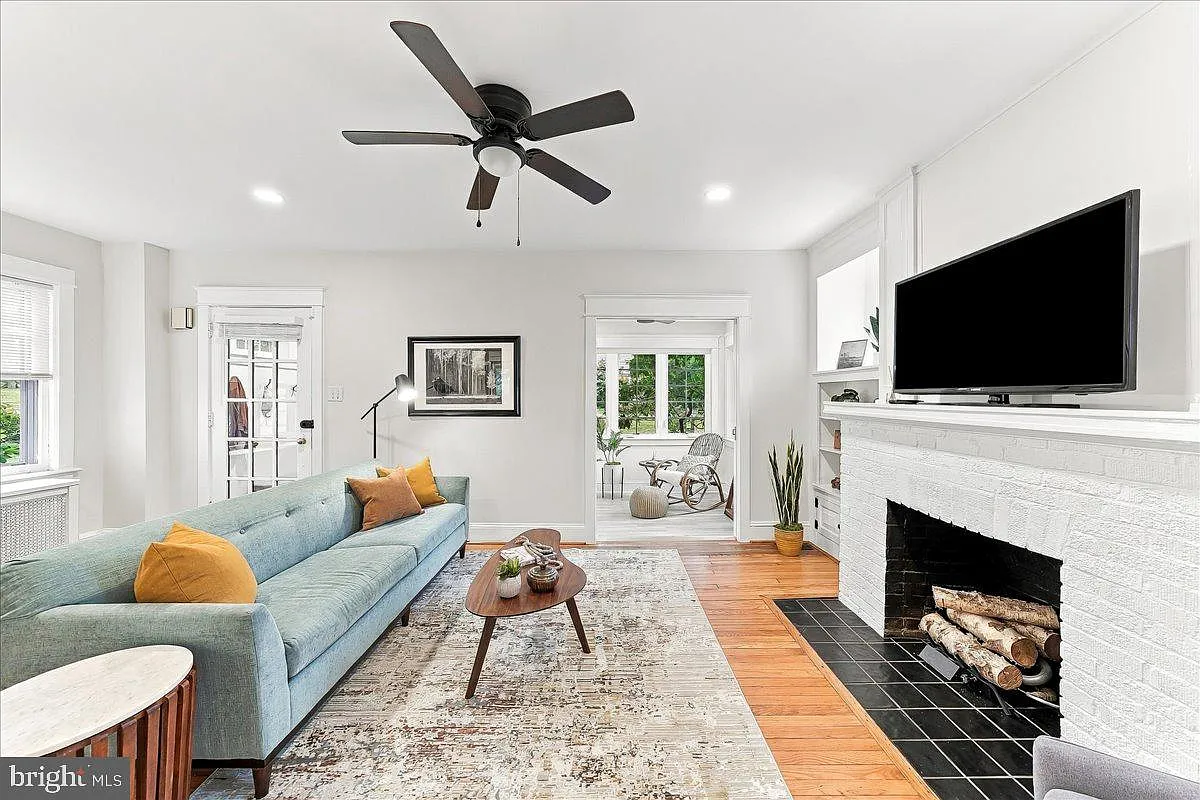
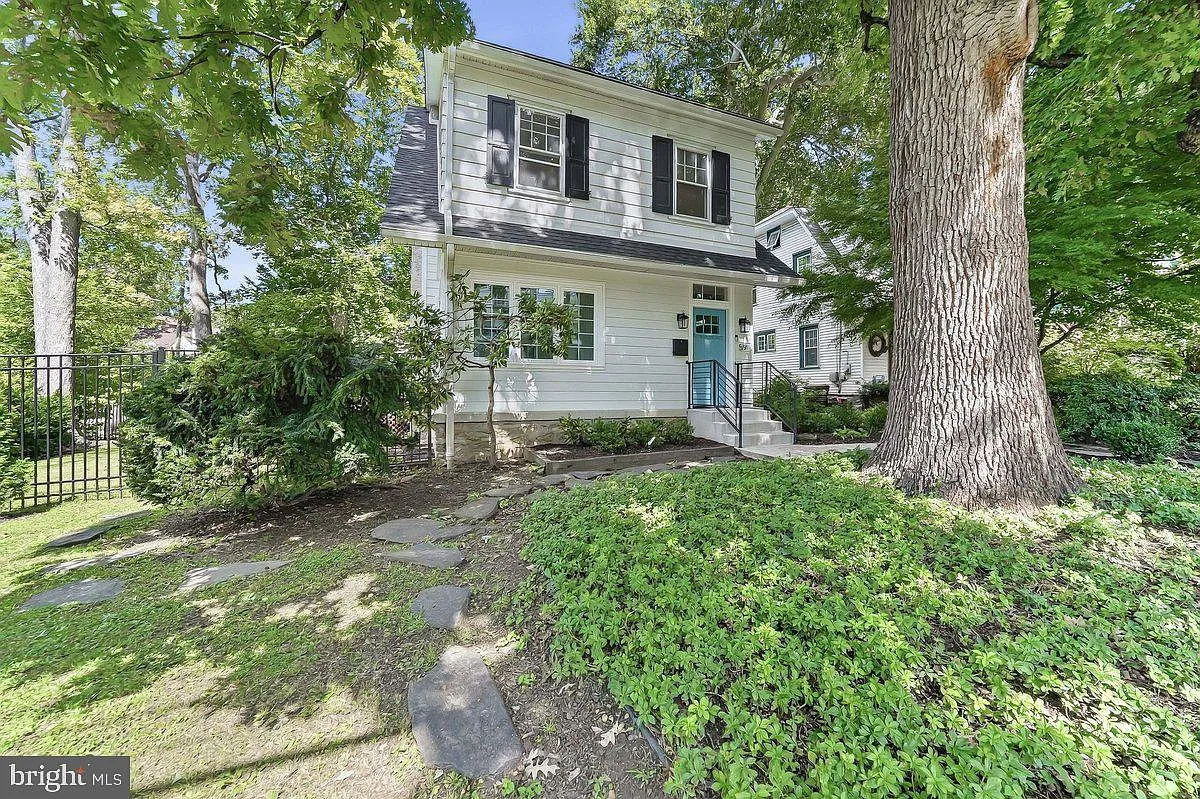
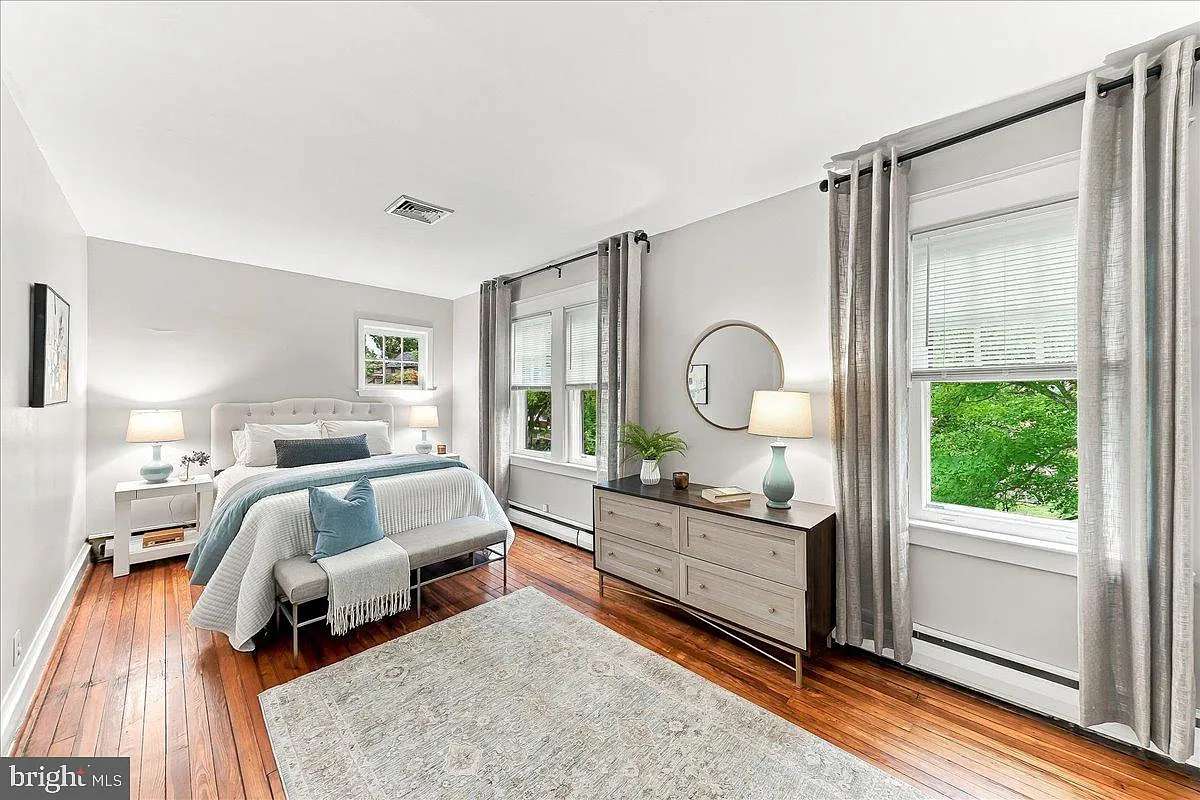
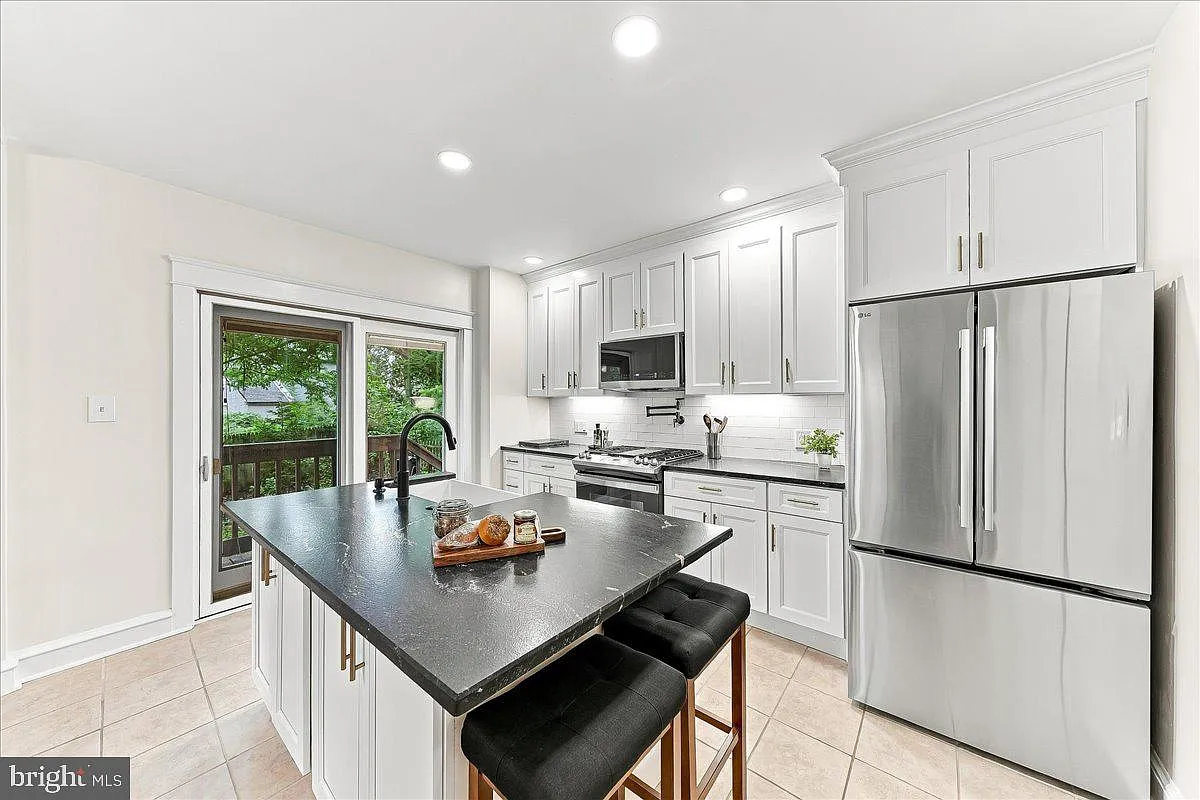
Bell Elite Senior Living — a nurse-led, family-owned personal care home in Lansdowne, PA. Warm living spaces, private bedrooms, and a chef's kitchen — come see the difference.
The Gravity of a Single Step: Understanding the Risks for Our Seniors
Have you ever noticed how a tiny rug in the hallway suddenly feels like a mountain when your loved one starts to shuffle? It is a quiet transition that many families in Delaware County experience without even realizing the danger is mounting. One day your father is navigating the stairs of his Drexel Hill home with ease and the next you find yourself hovering behind him with bated breath. This anxiety is not misplaced because falls remain the leading cause of injury-related deaths for adults over the age of sixty-five in the United States. We often think of a fall as a simple accident or a stroke of bad luck but from a clinical perspective it is usually the result of multiple factors converging at once. Why do we wait for a crisis to occur before we begin the conversation about prevention? Is it because we fear taking away their independence or is it because we simply do not know where to start?
Imagine this scenario where your mother is walking toward the kitchen in her favorite pair of worn-out slippers. She reaches for the counter to steady herself because a wave of dizziness hits her but her hand misses by just an inch. In that split second the trajectory of her life and your family’s schedule changes completely. We see this play out far too often in the Philadelphia suburbs where active seniors suddenly find themselves facing long hospital stays and even longer rehabilitation stints. According to the CDC one out of five falls causes a serious injury such as a broken bone or a head trauma. This is why a nurse-led approach at Bell Elite Senior Living focuses on the "why" behind the stumble. We look at the gait and the posture and the cognitive load that walking requires. We ask ourselves if the person is hydrated enough or if their new blood pressure medication is causing a drop in pressure when they stand up.
Q: Why is a nurse-led environment more effective at preventing falls than a traditional assisted living facility? A nurse-led home like Bell Elite Senior Living prioritizes clinical observation over simple supervision which means we are trained to spot the subtle physiological changes that precede a fall. While a standard caregiver might see a resident moving slowly a nurse sees a potential change in neurological status or a side effect of a new medication. By having medical professionals at the helm we can implement immediate interventions such as adjusting care plans or ordering physical therapy evaluations before an accident occurs. This proactive medical oversight bridges the gap between basic personal care and professional healthcare which creates a much higher safety threshold for residents in Delaware County.
Speak With Our Nursing Team
We help Pennsylvania families navigate senior care decisions with compassion and clinical expertise.
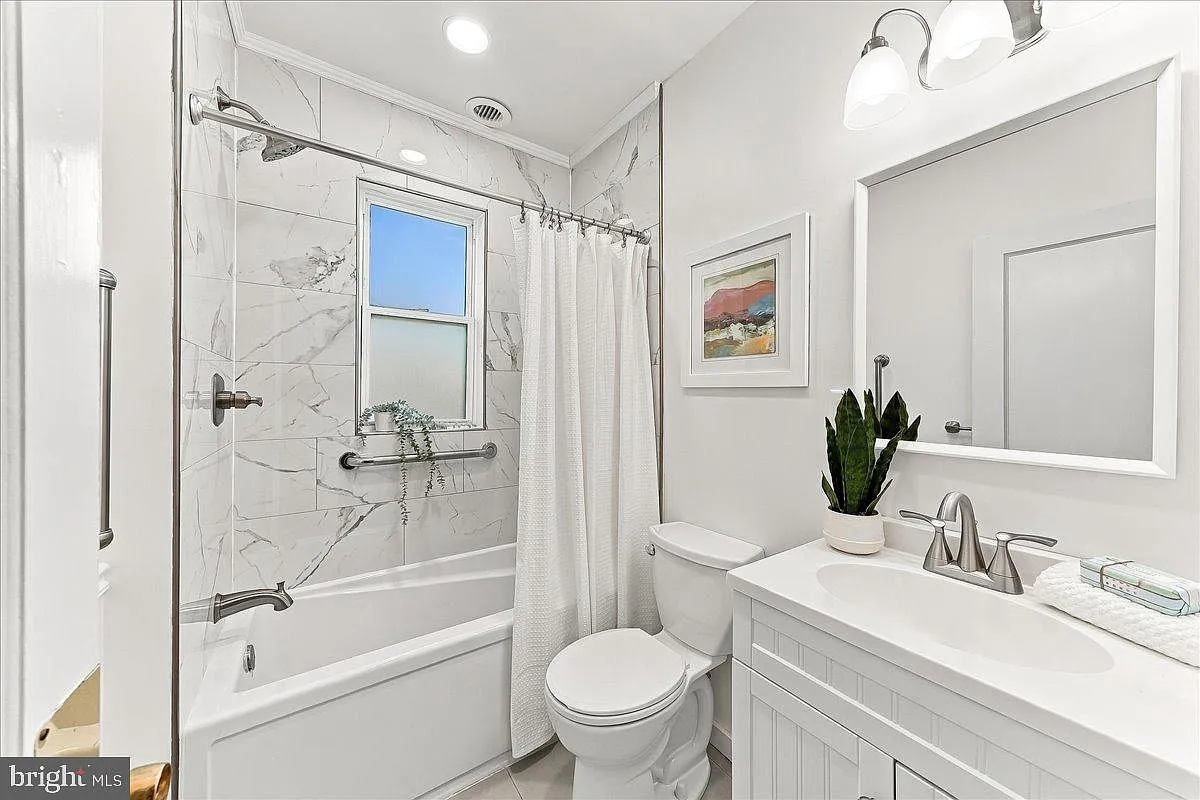
Private bedrooms and accessible bathrooms, designed for safety, comfort, and dignity.
Does it feel like you are constantly walking on eggshells when you visit your parents? Do you find yourself scanning the floor for hazards before they even enter the room? That constant state of hyper-vigilance is exhausting for a family member. It is also a sign that the current living environment might not be supporting their physical needs anymore. At Bell Elite Senior Living we believe that safety should not feel like a prison. Instead it should feel like a foundation that allows a senior to move with confidence again. We take the burden of that vigilance off your shoulders so you can go back to being a daughter or a son rather than a safety inspector. Research shows that the fear of falling can actually increase the risk of falling because it leads to decreased activity and weaker muscles. How can we break that cycle of fear if we do not address the physical and emotional components of balance together?
Mapping the Hazard Zones in Your Delaware County Home
Did you realize that the very house your parents built their lives in might now be the biggest obstacle to their independence? Many of the beautiful older homes in areas like Media or Upper Darby were built with aesthetics and tradition in mind rather than the principles of universal design. Think about the steep and narrow staircases or the high thresholds between rooms that were so common in mid-century architecture. Picture this moment where your loved one is trying to navigate a dimly lit hallway at two in the morning to reach the bathroom. Are the light switches easy to find or are they fumbling in the dark? Are the carpets tacked down firmly or do they have those decorative throw rugs that slide across the hardwood like a patch of ice? These are the silent predators in a home environment that we often overlook because we have lived with them for decades.
Q: What are the most common home modifications that can immediately reduce fall risks? The most effective modifications involve improving visibility and removing floor-level obstacles while adding points of stability. You should start by installing high-intensity LED lighting in all hallways and bathrooms to eliminate shadows that can confuse someone with declining vision. Removing all throw rugs and securing loose carpeting is a non-negotiable step for safety. In the bathroom installing professionally anchored grab bars next to the toilet and inside the shower can provide the necessary leverage for safe transitions. Finally ensure that frequently used items in the kitchen and bedroom are kept at waist height to prevent the need for reaching or bending which can easily cause a loss of balance.
Speak With Our Nursing Team
We help Pennsylvania families navigate senior care decisions with compassion and clinical expertise.
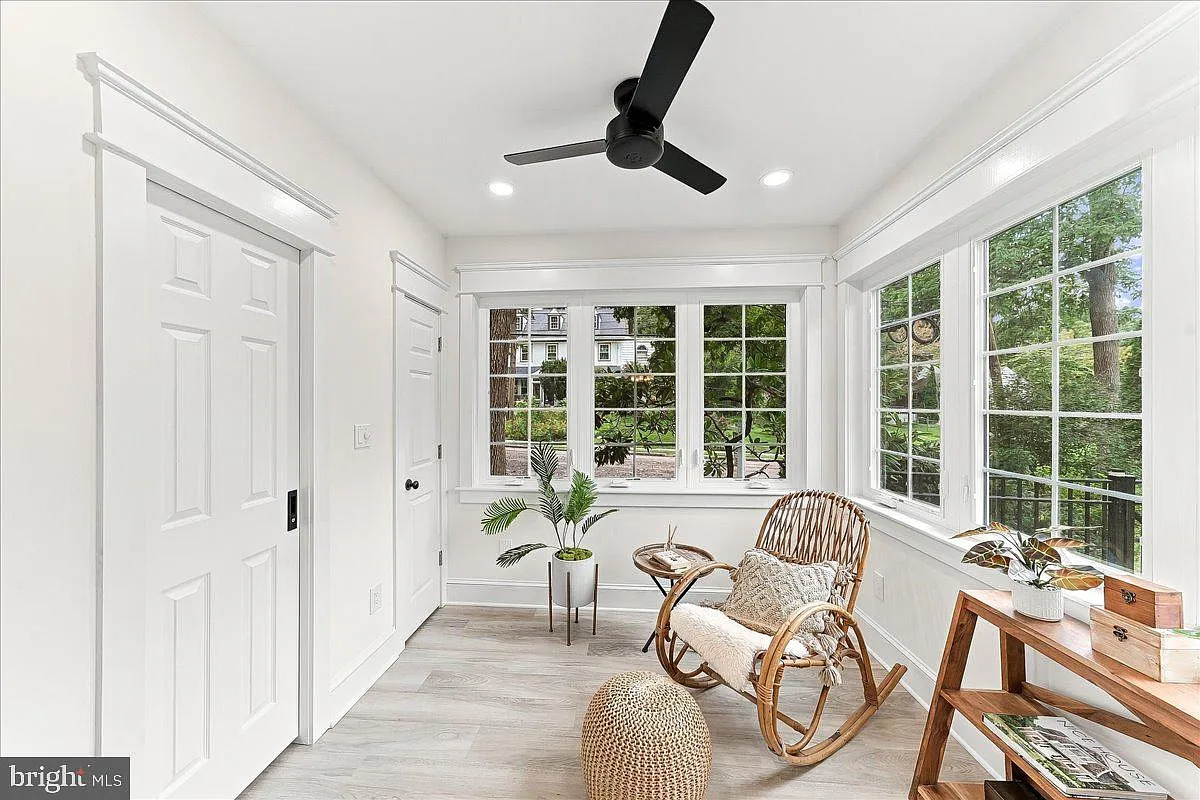
Home-cooked meals in our chef's kitchen and peaceful moments in the sunroom — life at Bell Elite.
Is the bathroom the most dangerous room in the house or does it just feel that way because of the slippery surfaces? We know that over eighty percent of household falls occur in the bathroom due to the combination of water and hard porcelain. Have you checked if the bath mat has a rubber backing that actually grips the tile? What about the height of the toilet seat itself? For a senior with weak quads or hip pain a low toilet seat is a recipe for a "plop" landing that can easily lead to a tumble. These small details might seem trivial to a younger person but they are the difference between a successful morning routine and an emergency call to (484) 356-1070. Why do we treat these modifications as an afterthought when they are actually the most important tools for aging in place?
In the suburbs of Philadelphia we also have to contend with the changing seasons. Have you considered how the transition from a sunny afternoon to a rainy evening changes the traction on the front porch? Wet leaves on a walkway in Springfield or Broomall can be just as treacherous as a sheet of ice. Even the transition from a bright outdoor environment to a shaded indoor foyer can cause temporary "blindness" as older eyes take longer to adjust to light changes. At Bell Elite Senior Living we meticulously manage these transitions by ensuring every walking surface is uniform and every transition is clearly marked. We eliminate the guesswork for our residents. If you are struggling to manage these environmental factors at home you are not alone. It takes a village to maintain a truly fall-proof environment and sometimes that village is a dedicated personal care home.
Have questions about personalized care options? Bell Elite Senior Living's nursing team is ready to help. Call (484) 356-1070 or schedule a free consultation today.
The Hidden Medical Culprits Behind Loss of Balance
When was the last time a medical professional sat down with you to explain how five different prescriptions might be fighting for control over your mother’s equilibrium? It is a common phenomenon known as polypharmacy and it is one of the most significant yet ignored risk factors for falls in the elderly. As we age our bodies process chemicals differently and what was once a helpful dose of a sleep aid can become a lingering cloud of confusion the next morning. Have you noticed your loved one becoming more lethargic or perhaps swaying slightly when they first stand up after a meal? This could be orthostatic hypotension which is a sudden drop in blood pressure that often goes undiagnosed until a fall happens. Clinical studies indicate that taking four or more medications increases the risk of falling significantly regardless of what those medications are actually treating.
Speak With Our Nursing Team
We help Pennsylvania families navigate senior care decisions with compassion and clinical expertise.
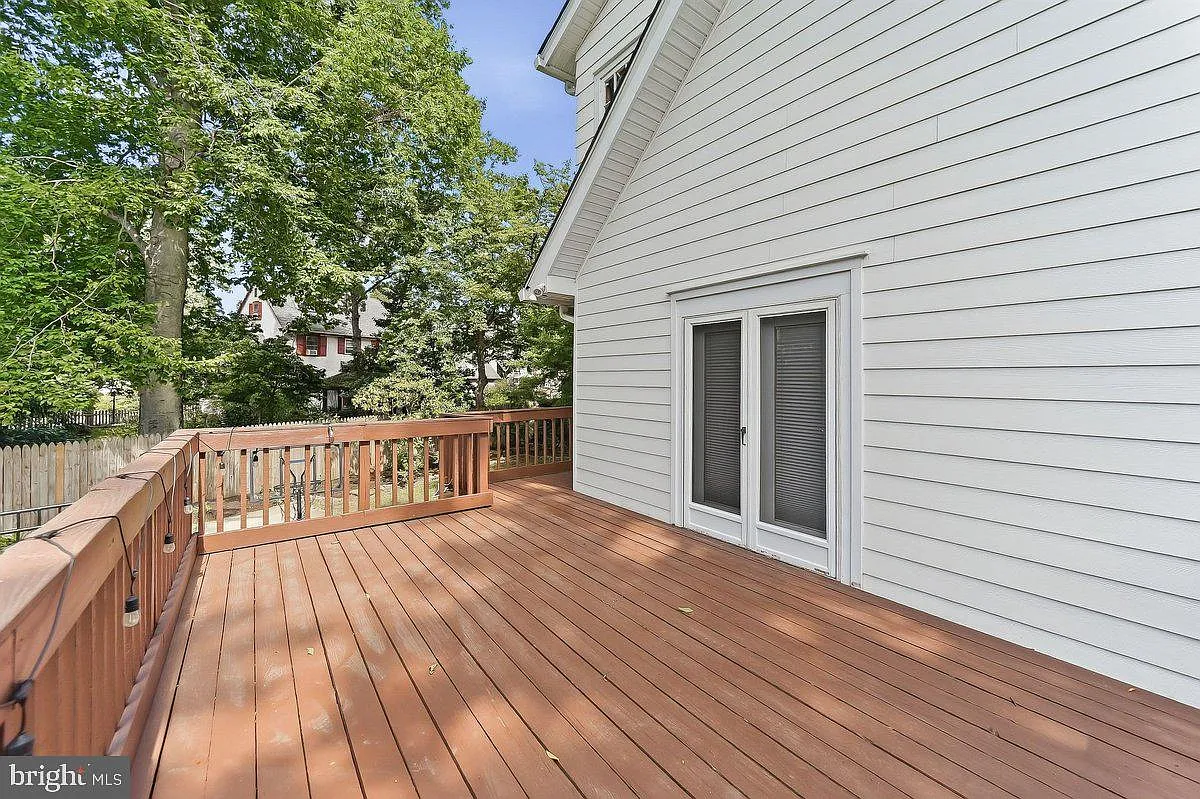
Gather in our warm living room or enjoy fresh air on the deck — every space feels like home.
Q: How does vision loss specifically contribute to the risk of falling in seniors? Vision loss affects depth perception and contrast sensitivity which are both critical for navigating uneven terrain or identifying obstacles. Conditions like cataracts or macular degeneration can make a dark shadow look like a hole in the floor or make a step look perfectly flat. Furthermore many seniors use multifocal lenses like bifocals which can distort the view of the ground when they look down to walk. This distortion makes it difficult to judge the height of a curb or the edge of a carpet. Regular eye exams and ensuring that glasses are clean and correctly prescribed are essential components of any comprehensive fall prevention strategy.
Picture this situation where your father is adamant about keeping his old glasses because he is used to them even though his prescription has clearly changed. He is walking through his living room in Drexel Hill and he miscalculates the distance between his recliner and the coffee table because his depth perception is failing him. Is it just old age or is it a treatable sensory deficit? We often forget that our ears play a massive role in balance as well. Inner ear issues or a buildup of wax can disrupt the vestibular system which tells our brain where our body is in space. At Bell Elite Senior Living our nurse-led team performs regular health screenings to check for these "silent" issues. We don't just wait for the resident to complain because we know that many seniors minimize their symptoms to avoid being a "bother" to their families.
Q: Can dehydration really cause someone to fall? Yes dehydration is a major contributor to falls because it leads to dizziness and decreased cognitive function. When the body lacks sufficient fluids the blood volume drops which can cause the heart to race and the blood pressure to plummet especially when moving from a sitting to a standing position. Many seniors intentionally limit their fluid intake to avoid frequent trips to the bathroom but this creates a dangerous cycle of physical weakness. Proper hydration ensures that muscles function correctly and that the brain remains sharp enough to process the complex sensory data required for walking.
How often do we consider the role of foot health in the equation of stability? If someone has untreated bunions or long toenails or neuropathy from diabetes they are essentially walking on a foundation that is sending faulty signals to their brain. Are they wearing shoes with proper support or are they opting for loose loafers that offer no lateral stability? In Delaware County we see many seniors who have worn the same style of shoe for thirty years without realizing that their foot shape and support needs have changed. A nurse-led home pays attention to these details by coordinating with podiatrists and ensuring that every resident has footwear that supports rather than hinders their movement. Why leave something as vital as balance to chance when a simple medical review could prevent a life-altering injury?
Why Nurse-Led Oversight Changes the Safety Equation
Why do families across Pennsylvania find that having a nurse in the building provides a level of peace that a standard facility simply cannot match? In a typical personal care setting the staff is trained to help with dressing and bathing but they may not have the clinical background to recognize the early signs of a urinary tract infection or a minor stroke. These medical events are huge drivers of falls because they cause sudden confusion and physical weakness. At Bell Elite Senior Living the nurse-led model means that there is a constant clinical eye on every resident. We are not just checking boxes on a care plan. We are observing the way a resident holds the handrail or noting if they seem more "unsteady" on a Tuesday than they were on a Monday. This level of granular observation is what saves hips and heads from the trauma of the floor.
Q: What is a "Fall Risk Assessment" and why is it important for my loved one? A Fall Risk Assessment is a formal clinical evaluation conducted by a nurse or physical therapist to identify specific vulnerabilities in an individual. It looks at several domains including balance and gait and medication history and cognitive status and environmental factors. By using standardized tools like the Morse Fall Scale or the STEADI toolkit we can assign a risk level and create a targeted intervention plan. This might include specific exercises to strengthen the core or a recommendation for a different type of walker. Without this assessment any attempt at fall prevention is just guesswork but with it we have a roadmap to safety.
Imagine this transition where your loved one moves from their home in Swarthmore to Bell Elite. On day one we aren't just moving furniture. We are conducting a deep dive into their physical history. Does the resident have a history of "near misses" that they never told you about? Many seniors are experts at hiding the fact that they tripped on the sidewalk in Media last week. We create an environment where transparency is encouraged and where every staff member is trained to report even the slightest change in mobility. Is it the way they are pushing off from their chair? Is it the way they lean to the left when they are tired? These are the clues that allow us to intervene with a physical therapy referral before a catastrophe occurs.
Q: How does the staff at Bell Elite handle a resident who refuses to use their walker? Resistance to using mobility aids is often rooted in a desire for independence and a refusal to see oneself as "disabled." Our approach involves education and empathy rather than enforcement. We sit down with the resident and explain how the walker is actually a tool for freedom because it allows them to move safely to the activities they love. We also ensure the device is properly fitted because a walker that is too high or too low is uncomfortable and difficult to use. By involving the resident in the choice of the device and making it a part of their daily "outfit" we reduce the stigma and increase compliance which significantly lowers their risk of a fall.
The family-owned nature of our home in Delaware County means that our residents are not just numbers on a spreadsheet. We know their stories and we know their habits. This personal connection is a safety feature in itself. If we know that Mr. Jones always gets up at 4:00 AM to check the weather we can make sure his path is clear and well-lit at that specific time. If we know that Mrs. Smith gets dizzy after her afternoon tea we can be there to assist her. This level of personalized nursing care is simply not possible in large corporate facilities where the staff-to-resident ratio is too high for meaningful observation. When you call (484) 356-1070 you are talking to people who actually know the residents they are protecting.
Ready to explore tailored care solutions? Speak with our coordinators at Bell Elite. Phone: (484) 356-1070 • Request a tour
Strengthening the Foundation Through Movement and Nutrition
Can we actually turn back the clock on frailty through small, daily changes in the suburbs of Philadelphia? Many people assume that as we get older we naturally become weak and unsteady but the truth is that much of this decline is due to inactivity rather than age itself. It is the "use it or lose it" principle in action. Have you noticed that since your loved one stopped gardening or walking to the mailbox in Havertown their legs seem thinner and their steps more tentative? Muscle mass is the armor that protects the skeleton and without it a simple stumble becomes a fracture. At Bell Elite Senior Living we view movement as medicine. We don't just want our residents sitting in chairs all day. We want them engaging in purposeful activity that challenges their balance and strengthens their core.
Q: Are there specific exercises that are proven to reduce falls in the elderly? Yes research consistently points to a combination of strength training and balance exercises as the most effective prevention strategy. Exercises that target the lower body such as sit-to-stands and heel raises build the power necessary to recover from a trip. Balance-focused movements like Tai Chi or standing on one foot while holding a sturdy surface help the brain and muscles coordinate better. Even simple walking programs that vary the pace and direction can improve "dynamic balance" which is the ability to stay upright while moving. Consistency is key and even fifteen minutes of daily targeted movement can make a world of difference.
Picture this scene in our sunny common area where a group of residents is participating in a gentle stretching and balance class. They aren't lifting heavy weights but they are practicing the exact movements they need to get out of bed or reach for a sweater. They are laughing and encouraging each other because social movement is more engaging than solo exercise. Is it possible that the social isolation of living alone in a big house in Montgomery County was actually making your loved one more prone to falling? When we are lonely we move less and when we move less we become more vulnerable. Our community model addresses both the physical and the psychological roots of frailty.
Q: What role does nutrition play in fall prevention? Nutrition is the fuel for muscle maintenance and bone density. Without adequate protein the body cannot repair muscle tissue which leads to sarcopenia or age-related muscle loss. Calcium and Vitamin D are also crucial because they determine the strength of the bones. If a senior is eating a "tea and toast" diet they are not getting the nutrients needed to keep their skeletal system resilient. In a nurse-led home we monitor dietary intake to ensure that residents are getting high-quality protein and necessary vitamins. We also watch for weight loss which is often a precursor to increased fall risk and physical decline.
How does the fear of falling impact a senior's nutritional habits? Sometimes a senior will stop cooking because they are afraid of standing at the stove for too long or they stop going to the grocery store because the aisles feel overwhelming. This leads to poor eating habits which leads to weakness which leads back to the risk of falling. It is a vicious cycle. By providing chef-prepared meals in a safe and social setting Bell Elite Senior Living breaks that cycle. We ensure that our residents in Delaware County are well-nourished and hydrated so their bodies have the best possible chance of staying upright and strong. Why settle for a facility that just provides a room when you can choose a home that nourishes the whole person?
Building a Sustainable Future of Fall Prevention
What if the goal wasn't just to stop a fall but to start a new chapter of confident living for your family? We spend so much time worrying about the "what ifs" that we often forget to focus on the "what now." For many families in the Philadelphia area the transition to a personal care home is seen as a loss of control but in reality it is often a gain of freedom. When the fear of falling is removed both the senior and their children can breathe again. No more midnight calls. No more rushing to the emergency room in Chester County. No more wondering if today is the day everything changes. At Bell Elite Senior Living we provide that security through a culture of safety that permeates everything we do from the way we design our hallways to the way we train our evening staff.
Q: How do you talk to a stubborn parent about the need for more care without offending them? The best approach is to lead with love and objective observations rather than commands. Instead of saying "you're going to fall" try saying "I've noticed you're having more trouble with the stairs and it worries me because I want you to stay independent as long as possible." Frame the move to a place like Bell Elite as a proactive choice to stay active rather than a reactive surrender to old age. You can also suggest a "trial stay" or a tour so they can see the environment for themselves. When they see the vibrant community and meet the nursing staff at (484) 356-1070 they often realize that life here is much easier than struggling alone in a house that no longer fits their needs.
Imagine this future where your mother is living in our nurse-led home. She has a beautiful room filled with her own things but she also has a motion-sensor light that guides her to the bathroom at night. She has a pendant she can press if she ever feels unsteady and she has a nurse who checks her blood pressure every morning to make sure her medications are balanced. She is participating in a gardening club and she is walking more than she has in years because she feels safe on our level floors. Is this not the quality of life we want for the people who raised us? This is the "Bell Elite way" where safety and dignity go hand in hand.
Q: What is the single most important factor in preventing falls long-term? The single most important factor is a multi-factorial approach that evolves as the resident’s needs change. Fall prevention is not a "one and done" checklist. It is a continuous process of assessment and adjustment. As health conditions change or as new medications are added the prevention strategy must adapt. This is why a nurse-led home is so vital. We have the clinical expertise to adjust the sails as the wind changes. By combining medical oversight and environmental safety and physical activity and proper nutrition we create a safety net that is as strong as it is compassionate.
As you look at the options for senior living in Delaware County remember that the cheapest option is often the most expensive in the long run if it doesn't prevent a major injury. A broken hip can cost tens of thousands of dollars in medical bills and rehabilitation but the cost to the senior's spirit and independence is even higher. Research shows that fifty percent of seniors who suffer a hip fracture never regain their previous level of function. Why take that risk? By choosing a family-owned nurse-led home like Bell Elite Senior Living you are investing in a future of stability and peace of mind. Give us a call at (484) 356-1070 and let’s talk about how we can help your loved one stand tall and move forward with confidence in a community that truly cares.
A Glimpse Inside Bell Elite
A warm, family-like residence — not an institution. Every space is designed for comfort, safety, and dignity.
Ready to Take the Next Step?
Bell Elite Senior Living is a nurse-led, family-owned personal care home in Delaware County, Pennsylvania. We're here to help.
Proudly Serving Families Across the Greater Philadelphia Region
Bell Elite Senior Living is a nurse-led, family-owned personal care home located in Delaware County, Pennsylvania — and we proudly serve families from across the entire Greater Philadelphia area and surrounding communities. Whether you are searching for a personal care home in Delaware County PA, exploring senior living options near Philadelphia, or looking for compassionate elder care for a loved one in Montgomery County, Bucks County, or Chester County, our team is here to help guide you through every step of the decision.
Families come to Bell Elite from throughout Philadelphia and its suburbs — including Upper Darby, Havertown, Drexel Hill, Broomall, Swarthmore, Media, Springfield, Lansdowne, Darby, Collingdale, and Sharon Hill in Delaware County; Ardmore, Norristown, Lansdale, Cheltenham, Abington, Blue Bell, Jenkintown, Ambler, and Horsham in Montgomery County; Doylestown, Newtown, Langhorne, Bristol, Yardley, Quakertown, and Levittown in Bucks County; and West Chester, Malvern, Exton, Downingtown, Phoenixville, Coatesville, and Paoli in Chester County. We are also a trusted resource for families in South Jersey communities such as Cherry Hill, Voorhees, Marlton, Moorestown, Mount Laurel, Haddonfield, Collingswood, and Camden County who are seeking high-quality personal care across the river in Pennsylvania. Families from Wilmington, Newark, and New Castle County, Delaware also regularly choose Bell Elite for its clinical excellence and intimate, home-like setting.
Our central location in Delaware County puts us within easy reach of Center City Philadelphia, the Main Line, South Philadelphia, Northeast Philadelphia, and the Philadelphia suburbs — making visits from family members throughout the region straightforward and stress-free. We understand that choosing the right personal care home is one of the most important decisions a family will make, and distance should never be a barrier to accessing exceptional, nurse-led care.
Frequently Asked Questions About Our Service Area
Does Bell Elite Senior Living serve families from Philadelphia?
Yes. Bell Elite Senior Living is located in Delaware County, PA, just minutes from Philadelphia. We regularly welcome residents and their families from across Philadelphia, including South Philly, Northeast Philadelphia, Kensington, Germantown, and Center City.
Do you accept residents from Montgomery County, PA?
Absolutely. We serve families throughout Montgomery County including Norristown, Ardmore, Lansdale, Cheltenham, Blue Bell, Jenkintown, and Ambler. Our nurse-led care model is a popular choice for families across the Philadelphia suburbs.
Can families from Bucks County place a loved one at Bell Elite?
Yes. Many of our residents come from Bucks County communities such as Doylestown, Newtown, Yardley, Langhorne, and Bristol. Our facility is easily accessible from Route 1 and I-95 corridors.
Do you serve Chester County families looking for personal care?
Yes. Families from West Chester, Malvern, Exton, Downingtown, Phoenixville, Paoli, and Coatesville in Chester County frequently choose Bell Elite for our small resident count, clinical oversight, and personalized care plans.
Is Bell Elite an option for families in South Jersey near Philadelphia?
Yes. Many families from Cherry Hill, Voorhees, Marlton, Mount Laurel, Haddonfield, Moorestown, and Camden County in New Jersey choose Bell Elite Senior Living in nearby Delaware County, PA for its nurse-led care and welcoming environment.
Do you accept residents from Delaware (Wilmington, Newark, New Castle County)?
Yes. Families from Wilmington, Newark, Middletown, and throughout New Castle County, Delaware have placed loved ones at Bell Elite. Our location in Delaware County, PA makes us a convenient and high-quality option for Delaware families seeking nurse-led personal care.
How do I find out if Bell Elite can serve my family's location?
Call us at (484) 356-1070 or visit our contact page. We serve the entire Greater Philadelphia region and surrounding areas and are happy to discuss your specific situation, schedule a tour, and answer any questions about our care services.
Related Articles


Related Care Services at Bell Elite
Our nurse-led personal care home in Lansdowne, PA offers specialized services for seniors across the Greater Philadelphia region.
Personal Care Home Near You
Bell Elite is located in Lansdowne, PA — minutes from Philadelphia. See care details for your community:
Have Questions After Reading?
Our nursing team offers free, no-pressure consultations for Pennsylvania families.
Talk to a nurse, not a salesperson. Our team includes RNs, LPNs, a PMHNP, and Family Nurse Practitioners.