

How to handle a parent's dementia wandering in a care home
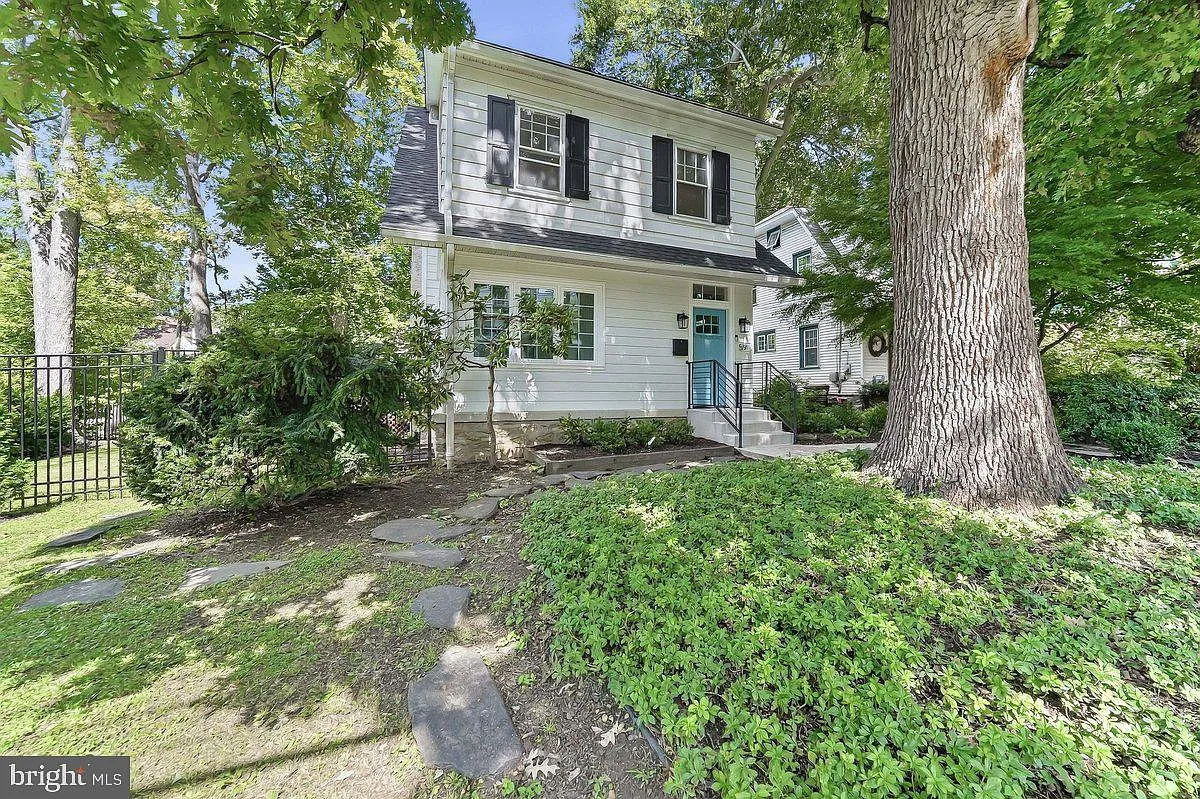
Bell Elite Senior Living — a nurse-led, family-owned personal care home in Lansdowne, PA. Warm living spaces, private bedrooms, and a chef's kitchen — come see the difference.
Understanding the Internal Compass When the Map Fades Away
Have you ever woken up in the middle of the night with your heart pounding because you realized your mother was no longer in her bedroom? It is a terrifying sensation that many families across Delaware County experience as they navigate the complexities of dementia and Alzheimer’s disease. You might find yourself pacing the hallways of your own home, wondering how a person who once navigated the streets of Upper Darby with ease can now get lost in a twenty foot corridor. Why does the brain insist on moving when it no longer knows where it is going?
Imagine this scenario for a moment. Picture your father sitting in his favorite armchair in Springfield, watching the birds outside, when suddenly he stands up with a look of intense purpose. He tells you he needs to go to the train station to catch a ride to a job he retired from thirty years ago. When you try to explain that he is already home, his frustration boils over because his internal reality no longer matches the walls surrounding him. This is the root of wandering, a phenomenon that affects over sixty percent of individuals living with dementia at some point during their journey.
Is it possible that wandering is actually a form of communication rather than just a symptom of a broken brain? When we look at it through the lens of a nurse, we see that movement is often a response to an unmet need like hunger, thirst, or the simple desire for human connection. Have you noticed if the wandering increases when the room gets too loud or when the sun begins to set over the Pennsylvania hills? This "sundowning" effect creates a sense of profound restlessness that drives a person to seek out a place that feels safe, even if that place only exists in their distant memories.
Speak With Our Nursing Team
We help Pennsylvania families navigate senior care decisions with compassion and clinical expertise.
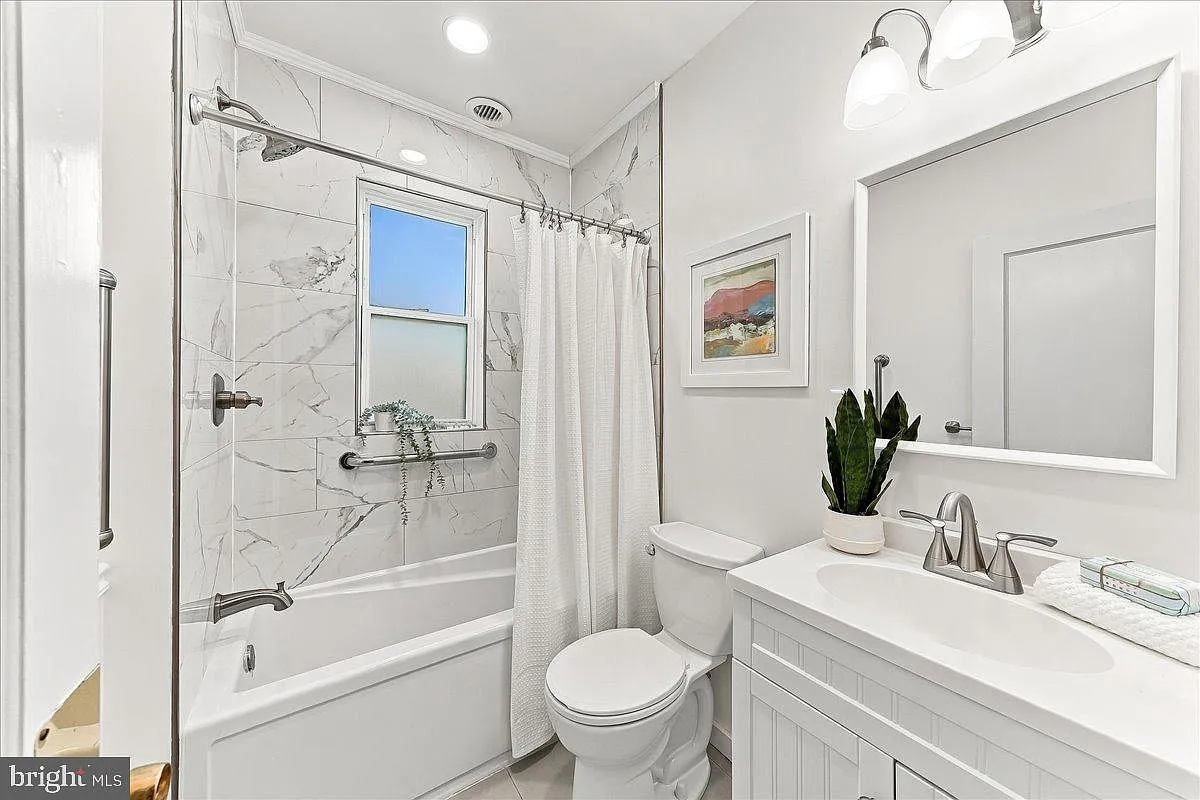
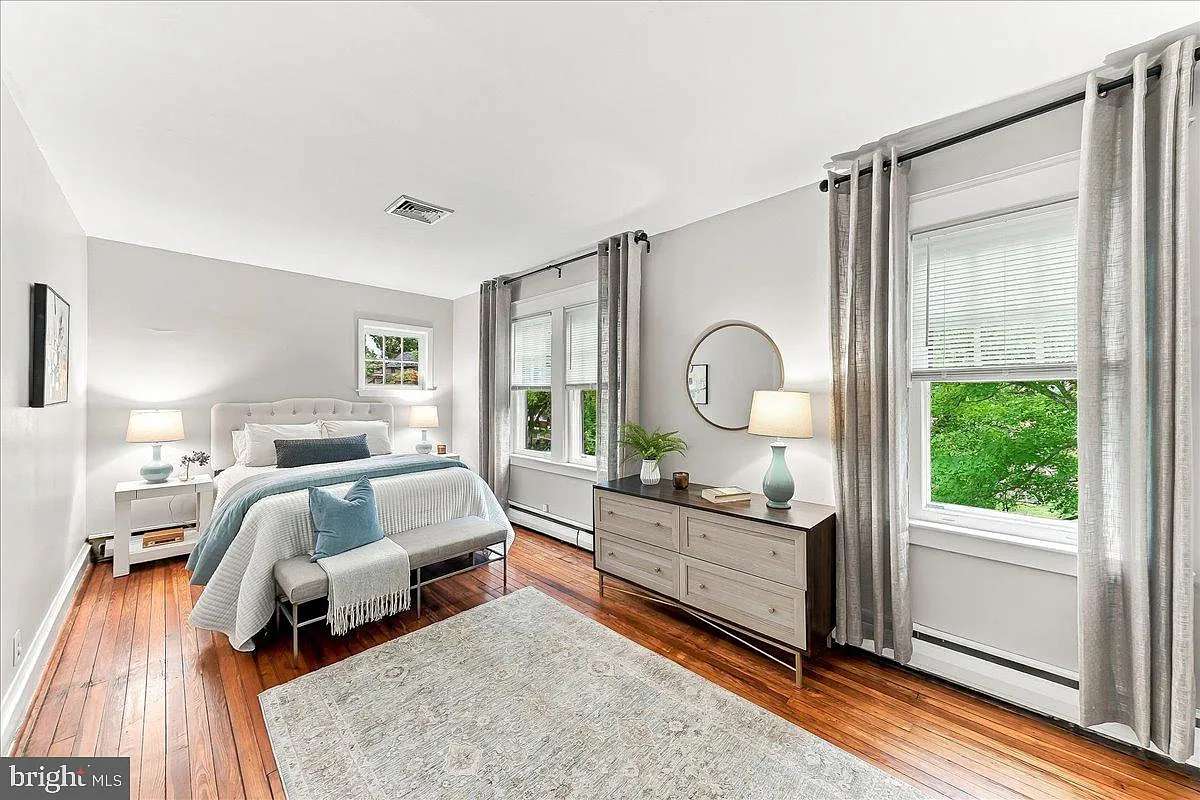
Private bedrooms and accessible bathrooms, designed for safety, comfort, and dignity.
Q: Why do dementia patients specifically try to leave their homes even when they are comfortable? The brain's hippocampal region, which handles spatial navigation and short term memory, is often the first area to suffer significant damage in dementia. This means a person may physically be in their living room in Havertown, but their brain is telling them they are in a strange, unrecognizable environment. They aren't trying to run away from you so much as they are trying to run toward a sense of familiarity that they can no longer find in the present moment.
Does your loved one seem to follow a specific pattern, perhaps walking in circles or heading toward the same door every afternoon? Understanding these patterns is the first step toward creating a safer environment. At Bell Elite Senior Living, we believe that observing these nuances is essential for providing high quality personal care. We see wandering not as a problem to be suppressed with medication, but as a signal that we need to adjust the environment to meet the resident where they are emotionally.
Have you considered how much the physical environment of a traditional house in the Philadelphia suburbs might be contributing to this confusion? Dark rugs can look like holes in the floor to a person with failing depth perception, and mirrors can make them think a stranger is standing in the room. When the world becomes a series of optical illusions, the natural human instinct is to move away from the confusion. If you are feeling the weight of this constant surveillance, please know that you are not alone in this struggle.
Creating a Sanctuary of Safety Without the Feeling of a Cage
Speak With Our Nursing Team
We help Pennsylvania families navigate senior care decisions with compassion and clinical expertise.
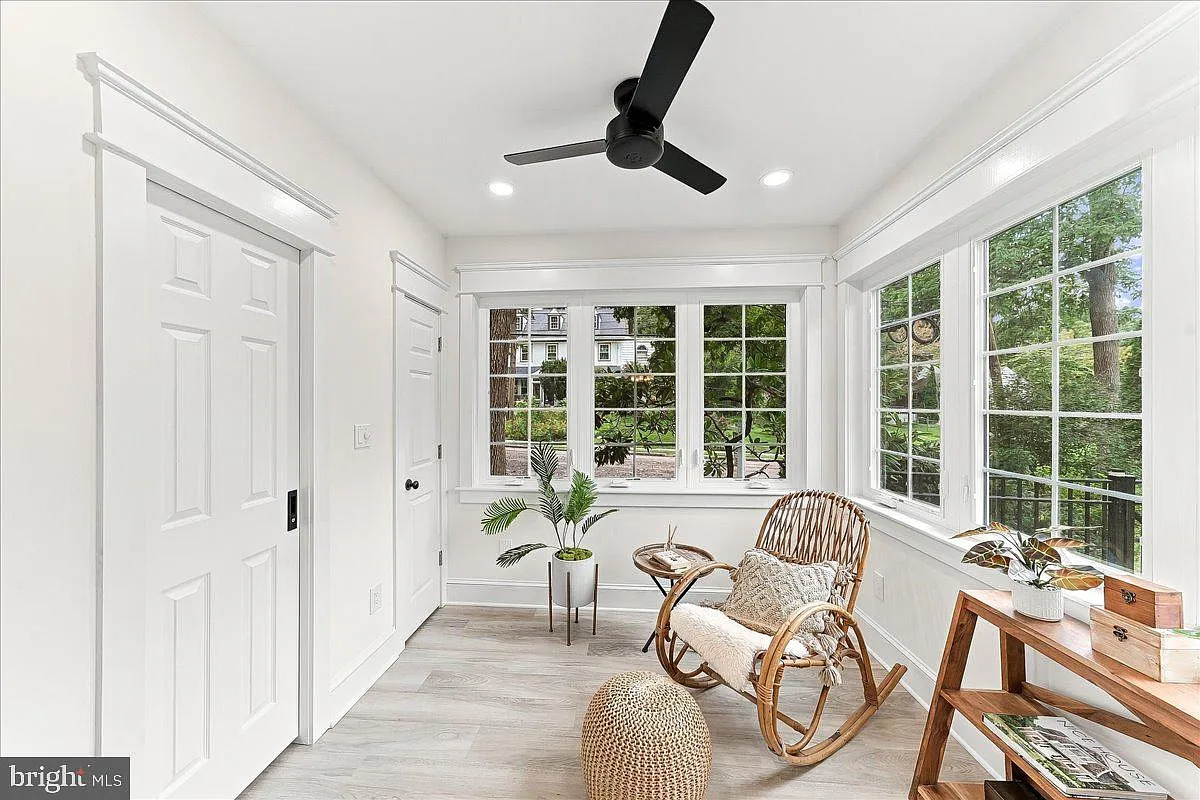
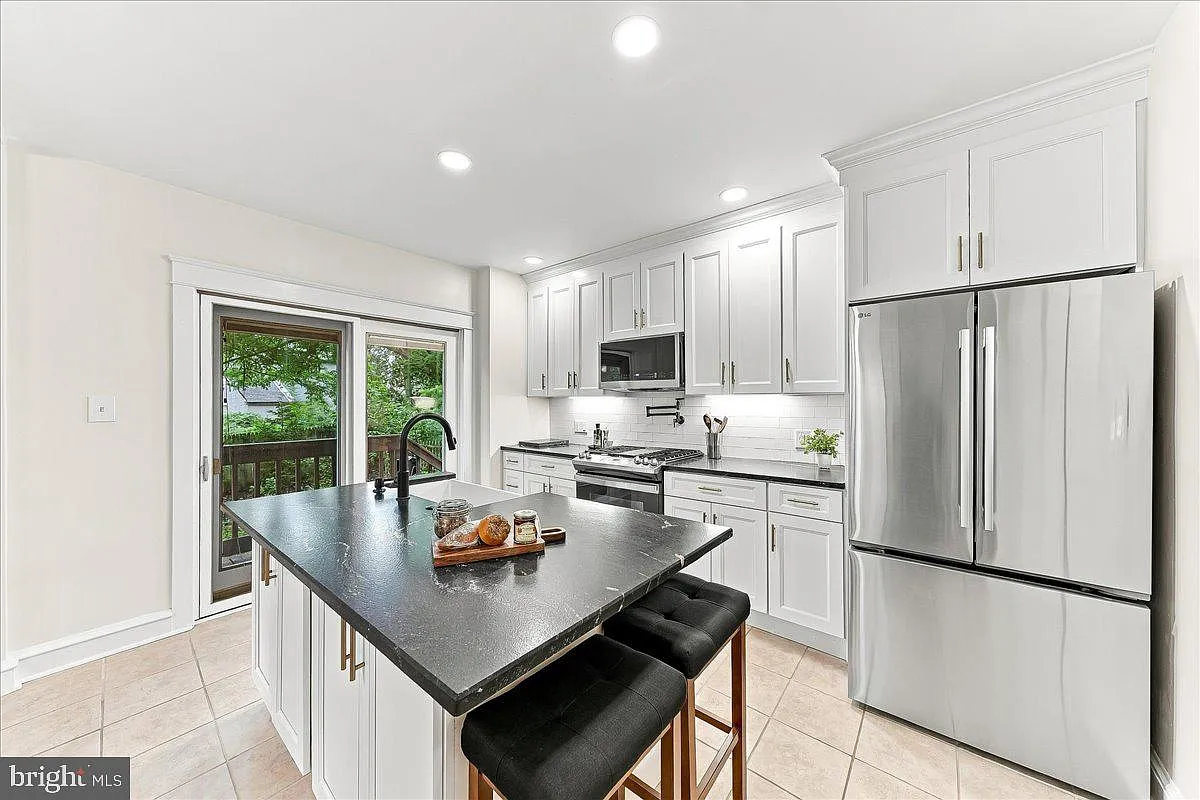
Home-cooked meals in our chef's kitchen and peaceful moments in the sunroom — life at Bell Elite.
Do you ever feel like a detective trying to solve the mystery of why your parent keeps trying to open the back door at exactly four in the afternoon? It is a common struggle for families in Media and Broomall who want to keep their parents safe without making them feel like they are in a prison. The challenge lies in balancing the dignity of the individual with the hard reality that a person who wanders can cover up to several miles in a very short time if they manage to get outside.
Picture this situation where a daughter installs three different locks on the front door of her Drexel Hill home, only to find her father trying to climb out of a first floor window because he felt trapped. This is the heartbreak of home care when the environment isn't specifically designed for cognitive impairment. How can we change the physical space to reduce the urge to "escape" while still maintaining a warm and residential feel?
One effective strategy involves camouflaging the exits that shouldn't be used. In many professional care settings, doors are painted the same color as the walls or covered with murals so they don't look like an invitation to leave. Have you ever thought about how a simple "stop" sign or a piece of dark fabric placed over a doorknob might act as a visual barrier for someone with dementia? These small adjustments can significantly lower the anxiety levels of both the resident and the caregiver.
Q: Is it better to use physical restraints or specialized environmental design to manage wandering? Modern nursing standards and Pennsylvania state regulations strongly discourage the use of physical restraints because they often lead to increased agitation, muscle atrophy, and a loss of dignity. Instead, we focus on environmental design like secured courtyards and circular walking paths that allow a person to move freely without ever reaching a dead end. This approach honors the person's need for movement while ensuring they remain within a supervised and safe perimeter.
Have you noticed how your loved one reacts to different lighting throughout the day? Shadows can be terrifying for someone with a declining cognitive state, often looking like people or objects that aren't actually there. By ensuring that hallways are brightly and evenly lit, we can reduce the visual triggers that lead to wandering. We often find that families in the Delaware County area are surprised at how much a few well placed LED lights can change the evening dynamic in a personal care home.
Speak With Our Nursing Team
We help Pennsylvania families navigate senior care decisions with compassion and clinical expertise.
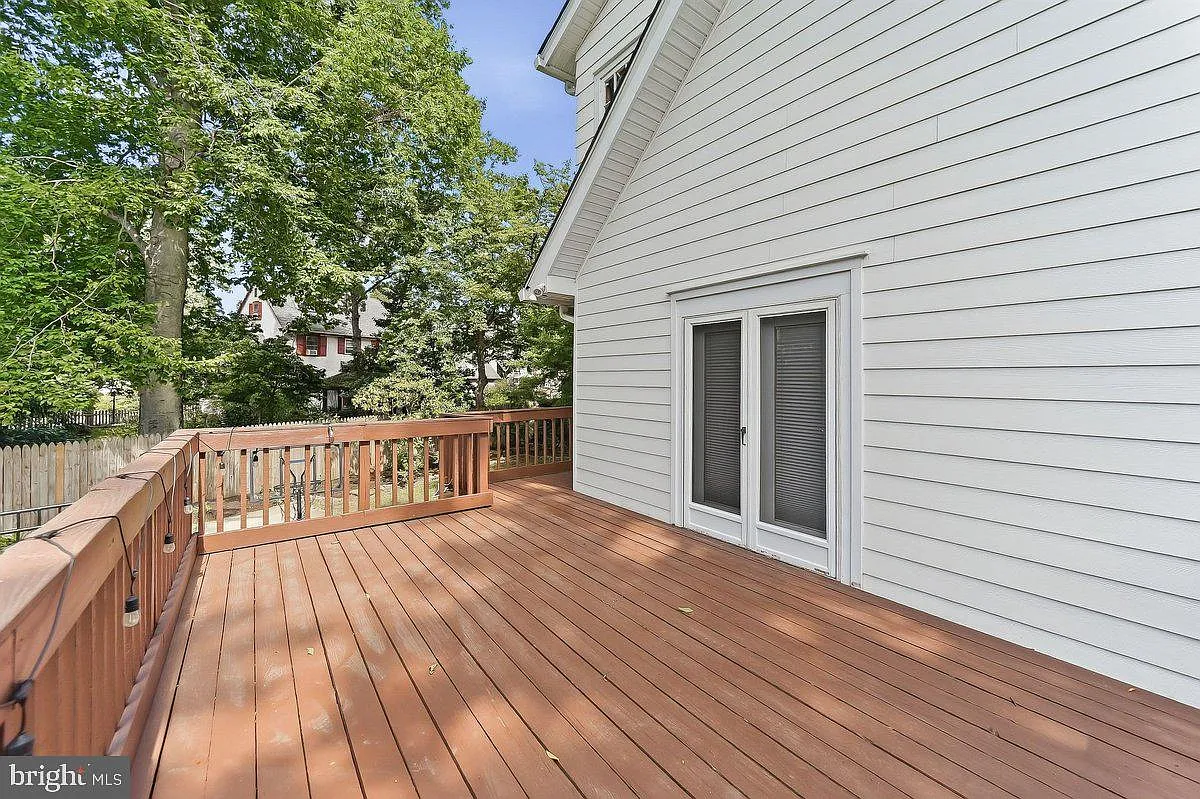
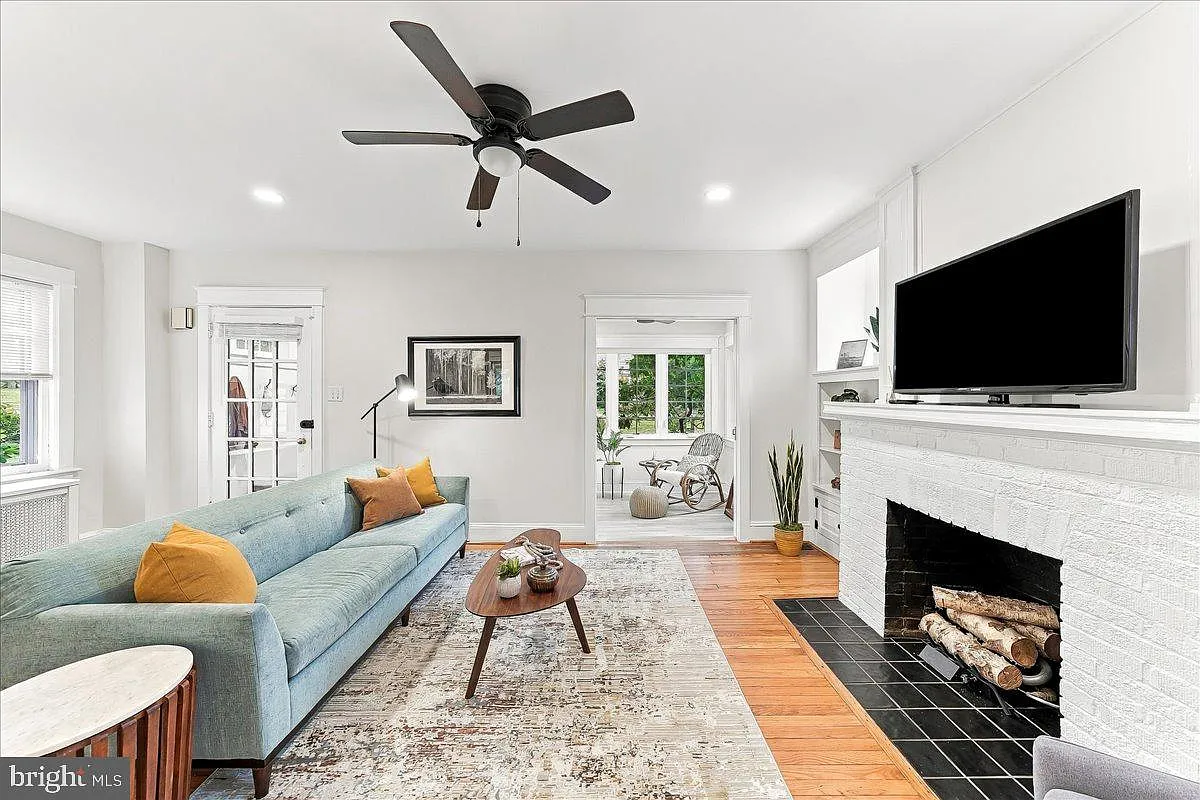
Gather in our warm living room or enjoy fresh air on the deck — every space feels like home.
Bell Elite Senior Living, located at (484) 356-1070, takes a nurse led approach to these environmental factors. We understand that safety isn't just about locks, it is about the feeling of peace that comes from a well managed space. When a resident feels like they belong, the urge to wander often diminishes. Are you ready to see how a professional environment can take the burden of constant "exit guarding" off your shoulders?
Have questions about personalized care options? Bell Elite Senior Living's nursing team is ready to help. Call (484) 356-1070 or schedule a free consultation today.
The Emotional Geography of Memory Loss and Movement
Is it possible to find a balance between the freedom your parent deserves and the safety they desperately need? This question haunts many adult children in the Philadelphia suburbs as they watch their parents decline. You might feel a deep sense of guilt for even considering a personal care home, worrying that you are "locking them up." But what if moving to a specialized setting actually gave them more freedom than they have at home?
Imagine your mother in her house in Swarthmore, where she is restricted to one or two rooms because the stairs are too dangerous and the back door is now permanently locked. She spends her days staring at the same four walls, her world shrinking every week. Now, picture her in a personal care home where she can walk through the dining room, visit the common areas, and stroll through a secured garden whenever she likes. In this context, professional care isn't a cage, it is a restoration of the ability to move without fear.
Q: How do I handle the guilt I feel when my parent asks to "go home" even though they are already in a safe facility? This is perhaps the most difficult emotional hurdle for families. It is important to realize that when a person with advanced dementia says they want to go home, they are often expressing a desire for a time in their life when they felt powerful, recognized, and safe. They aren't necessarily talking about a physical address in Delaware County. The best response is not to argue with facts, but to validate the feeling by saying something like, "You feel safe at home, don't you? Tell me about your favorite room there."
Does it help to know that many other families are walking this exact same path alongside you? The emotional toll of caring for a wanderer is immense, often leading to caregiver burnout and health problems for the adult children. Have you found yourself jumping every time the phone rings, fearing it is a neighbor or the police saying your parent was found blocks away? This chronic stress is a signal that the current living situation may no longer be sustainable or safe for anyone involved.
Q: What are the risks of a dementia patient wandering in a suburban area like Delaware County? Suburban environments pose unique risks such as busy roads like Route 1 or West Chester Pike, where drivers may not expect a confused pedestrian. Additionally, Pennsylvania weather can be unpredictable, and wandering during a cold winter night or a humid summer afternoon can quickly lead to hypothermia or dehydration. Statistically, if a wandering person is not found within twenty four hours, nearly half will suffer a serious injury or worse, which is why professional oversight is so critical.
We often talk to families who feel they are betraying their parents by seeking help, but we invite you to look at it differently. By choosing a nurse led home like Bell Elite Senior Living, you are choosing a team that understands the clinical and emotional nuances of this behavior. We are here to be the professional support system that allows you to return to being the loving son or daughter. Why should you have to be the security guard when you could be the visitor who brings the favorite cookies and shares the old stories?
Meaningful Engagement as a Tool for Prevention
What if the solution to wandering isn't a locked door but a more meaningful day? We often find that boredom is a primary driver of exit seeking behavior in personal care homes across the region. When a resident has no sense of purpose or nothing to occupy their hands and mind, the brain defaults to its old habit of "going to work" or "checking on the kids." Are we providing enough stimulation to keep their curiosity engaged within the safety of our walls?
Picture a gentleman who used to be a carpenter in Montgomery County. If he is sitting idle, his hands will start to look for things to fix, and he might find himself trying to take apart the latch on the garden gate. However, if we give him a "busy board" with various locks and bolts to tinker with, his wandering urge may disappear entirely. He is no longer trying to leave, he is simply fulfilling his innate need to work with his hands.
Have you noticed that your loved one is more likely to wander when they are understimulated? In a professional setting, we use "reminiscence therapy" and sensory activities to anchor a person in the present moment. This might involve folding warm towels, listening to big band music that was popular in Philadelphia decades ago, or looking through old photo albums. When the mind is engaged, the feet are much more likely to stay put.
Q: Can structured activities really reduce the physiological urge to wander? Yes, because many types of wandering are actually "searching" behaviors. The person is searching for something familiar, something to do, or someone they recognize. By providing a structured daily routine that includes physical movement, social interaction, and cognitive tasks, we can fulfill those underlying needs. A tired body and an engaged mind are much less likely to seek out exits in the middle of the night.
Q: How does a family owned personal care home differ from a large facility in managing these behaviors? In a family owned environment like Bell Elite Senior Living, the staff to resident ratio typically allows for much more personalized attention. We know that Mr. Jones starts to get restless when he smells coffee because it reminds him of his morning commute, so we can proactively engage him in a conversation or a walk before the urge to leave takes over. Larger facilities often lack the consistency of staff to notice these subtle, individual triggers.
Is it time to consider a setting where your parent's individual history is used to build their daily schedule? At Bell Elite, we pride ourselves on being nurse led, which means we understand the medical reasons behind the behavior while maintaining the warmth of a family home. We serve families from Havertown to Swarthmore who are looking for that specific blend of clinical expertise and genuine compassion. You can reach us at (484) 356-1070 to discuss how we can create a custom engagement plan for your loved one.
Ready to explore tailored care solutions? Speak with our coordinators at Bell Elite. Phone: (484) 356-1070 • Request a tour
The Nurse Led Advantage in Clinical Oversight
How does having a nurse led team change the way we look at wandering behaviors? In many personal care homes, the management may have a business background, but at Bell Elite Senior Living, we approach every challenge from a clinical perspective first. When a resident suddenly starts wandering more frequently, a nurse doesn't just see a behavioral problem, they see a potential medical issue like a urinary tract infection or a reaction to a new medication.
Imagine a woman who has lived peacefully in her personal care home for months but suddenly starts trying to leave every night at midnight. A non clinical staff member might simply try to redirect her, but a nurse will ask if she is experiencing pain that she can't verbalize. Studies show that up to eighty percent of people with dementia have difficulty communicating physical discomfort, which often manifests as increased agitation and wandering. Could a simple change in pain management be the key to keeping your parent safe and settled?
Have you ever wondered if the medications your parent is taking for their memory are actually contributing to their restlessness? Some medications can cause "akathisia," a subjective feeling of inner restlessness that makes it almost impossible for a person to sit still. A nurse led team can work closely with physicians in Delaware County to fine tune these prescriptions, ensuring that the resident is calm but not over-sedated. This medical oversight is a critical layer of safety that many families overlook when choosing a home.
Q: What should I ask about medical supervision when touring personal care homes in Pennsylvania? You should ask specifically who is responsible for monitoring behavioral changes and how those changes are documented and communicated to the doctor. Ask if there is a nurse on site or on call who can assess for infections or medication side effects. In Pennsylvania, personal care homes have specific regulations regarding medication administration, and having a nurse led team often means a higher standard of accuracy and clinical insight.
Q: Are there specific medical conditions that make wandering more dangerous? Absolutely, residents with diabetes or heart conditions are at much higher risk if they wander and miss a dose of medication or a meal. Furthermore, those with gait instability are at a high risk for falls while wandering, especially in unfamiliar or poorly lit areas. A nurse led facility will conduct regular fall risk assessments and ensure that the resident's physical health is prioritized alongside their cognitive needs.
Does it give you peace of mind to know that a professional is watching over the "why" behind the wandering? We believe that every movement has a meaning, and our job is to translate that meaning into a care plan that works. Whether it is a resident from Upper Darby or a new friend from Chester County, we provide the same high level of clinical scrutiny to ensure everyone stays safe. If you have questions about our medical protocols, our team at (484) 356-1070 is always available to walk you through our process.
Finding Peace in a New Path Forward
Can you imagine a future where you are the daughter again instead of the constant security guard? It is a transition that many families in our community find life changing. When you no longer have to worry about the locks, the alarms, or the middle of the night phone calls, you finally have the emotional space to simply enjoy your parent's company. You can sit on the porch together, share a meal, and focus on the love that remains despite the memory loss.
Picture a Saturday afternoon where you visit your father at Bell Elite Senior Living and find him sitting in the garden, safely enjoying the fresh air while a staff member nearby engages him in a conversation about his old neighborhood in Philadelphia. You don't have to check the doors or worry about him slipping away when you turn your back to pour a cup of tea. That sense of relief is what we strive to provide for every family we serve in the Delaware County area.
Q: How do we know when it is finally the "right time" to move a wandering parent into professional care? The right time is usually before a crisis happens, not after. If you are unable to sleep because you are listening for the sound of the front door, or if your parent has already had a "near miss" incident where they were found outside alone, it is time. Waiting for a fall or a wandering incident that results in injury only adds trauma to an already difficult situation. Taking action now is an act of love and protection, not an admission of failure.
Is it possible that the best thing for your parent's happiness is a community of peers and professionals who understand their world? We often see residents thrive when they move into a structured environment because the "noise" of trying to manage a large, confusing house is removed. They find a new rhythm in their lives, one that is paced to their abilities and supported by people who truly care. Bell Elite Senior Living is more than just a facility, it is a family owned home where we treat your parents like our own.
As you look toward the future, remember that you don't have to navigate the complexities of dementia alone. Whether you are in Media, Havertown, or anywhere else in the Philadelphia suburbs, there is a community here to support you. We invite you to call Bell Elite Senior Living at (484) 356-1070 to talk about your parent's specific needs and how we can help manage their wandering with dignity and grace.
Have you taken a deep breath today and realized that there is hope for a calmer, safer way of life for your family? The journey of dementia is long and often winding, but it doesn't have to be a path you walk in fear. By choosing a nurse led, family owned personal care home, you are giving your parent the gift of safety and yourself the gift of peace. We are here to help you turn the page to a new chapter, one where wandering is managed with expertise and every resident is known by name.
A Glimpse Inside Bell Elite
A warm, family-like residence — not an institution. Every space is designed for comfort, safety, and dignity.
Ready to Take the Next Step?
Bell Elite Senior Living is a nurse-led, family-owned personal care home in Delaware County, Pennsylvania. We're here to help.
Proudly Serving Families Across the Greater Philadelphia Region
Bell Elite Senior Living is a nurse-led, family-owned personal care home located in Delaware County, Pennsylvania — and we proudly serve families from across the entire Greater Philadelphia area and surrounding communities. Whether you are searching for a personal care home in Delaware County PA, exploring senior living options near Philadelphia, or looking for compassionate elder care for a loved one in Montgomery County, Bucks County, or Chester County, our team is here to help guide you through every step of the decision.
Families come to Bell Elite from throughout Philadelphia and its suburbs — including Upper Darby, Havertown, Drexel Hill, Broomall, Swarthmore, Media, Springfield, Lansdowne, Darby, Collingdale, and Sharon Hill in Delaware County; Ardmore, Norristown, Lansdale, Cheltenham, Abington, Blue Bell, Jenkintown, Ambler, and Horsham in Montgomery County; Doylestown, Newtown, Langhorne, Bristol, Yardley, Quakertown, and Levittown in Bucks County; and West Chester, Malvern, Exton, Downingtown, Phoenixville, Coatesville, and Paoli in Chester County. We are also a trusted resource for families in South Jersey communities such as Cherry Hill, Voorhees, Marlton, Moorestown, Mount Laurel, Haddonfield, Collingswood, and Camden County who are seeking high-quality personal care across the river in Pennsylvania. Families from Wilmington, Newark, and New Castle County, Delaware also regularly choose Bell Elite for its clinical excellence and intimate, home-like setting.
Our central location in Delaware County puts us within easy reach of Center City Philadelphia, the Main Line, South Philadelphia, Northeast Philadelphia, and the Philadelphia suburbs — making visits from family members throughout the region straightforward and stress-free. We understand that choosing the right personal care home is one of the most important decisions a family will make, and distance should never be a barrier to accessing exceptional, nurse-led care.
Frequently Asked Questions About Our Service Area
Does Bell Elite Senior Living serve families from Philadelphia?
Yes. Bell Elite Senior Living is located in Delaware County, PA, just minutes from Philadelphia. We regularly welcome residents and their families from across Philadelphia, including South Philly, Northeast Philadelphia, Kensington, Germantown, and Center City.
Do you accept residents from Montgomery County, PA?
Absolutely. We serve families throughout Montgomery County including Norristown, Ardmore, Lansdale, Cheltenham, Blue Bell, Jenkintown, and Ambler. Our nurse-led care model is a popular choice for families across the Philadelphia suburbs.
Can families from Bucks County place a loved one at Bell Elite?
Yes. Many of our residents come from Bucks County communities such as Doylestown, Newtown, Yardley, Langhorne, and Bristol. Our facility is easily accessible from Route 1 and I-95 corridors.
Do you serve Chester County families looking for personal care?
Yes. Families from West Chester, Malvern, Exton, Downingtown, Phoenixville, Paoli, and Coatesville in Chester County frequently choose Bell Elite for our small resident count, clinical oversight, and personalized care plans.
Is Bell Elite an option for families in South Jersey near Philadelphia?
Yes. Many families from Cherry Hill, Voorhees, Marlton, Mount Laurel, Haddonfield, Moorestown, and Camden County in New Jersey choose Bell Elite Senior Living in nearby Delaware County, PA for its nurse-led care and welcoming environment.
Do you accept residents from Delaware (Wilmington, Newark, New Castle County)?
Yes. Families from Wilmington, Newark, Middletown, and throughout New Castle County, Delaware have placed loved ones at Bell Elite. Our location in Delaware County, PA makes us a convenient and high-quality option for Delaware families seeking nurse-led personal care.
How do I find out if Bell Elite can serve my family's location?
Call us at (484) 356-1070 or visit our contact page. We serve the entire Greater Philadelphia region and surrounding areas and are happy to discuss your specific situation, schedule a tour, and answer any questions about our care services.
Related Articles



Related Care Services at Bell Elite
Our nurse-led personal care home in Lansdowne, PA offers specialized services for seniors across the Greater Philadelphia region.
Personal Care Home Near You
Bell Elite is located in Lansdowne, PA — minutes from Philadelphia. See care details for your community:
Have Questions After Reading?
Our nursing team offers free, no-pressure consultations for Pennsylvania families.
Talk to a nurse, not a salesperson. Our team includes RNs, LPNs, a PMHNP, and Family Nurse Practitioners.