

Hidden fees to ask about before signing a PA personal care contract
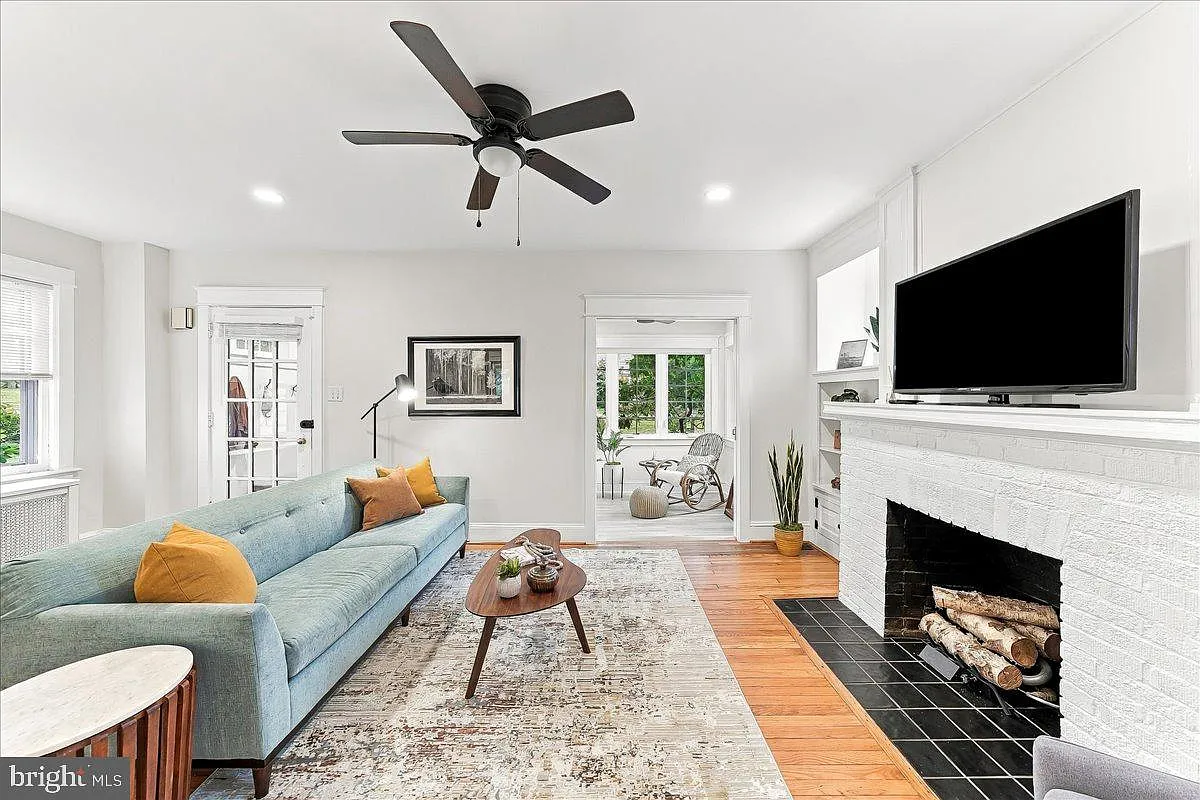
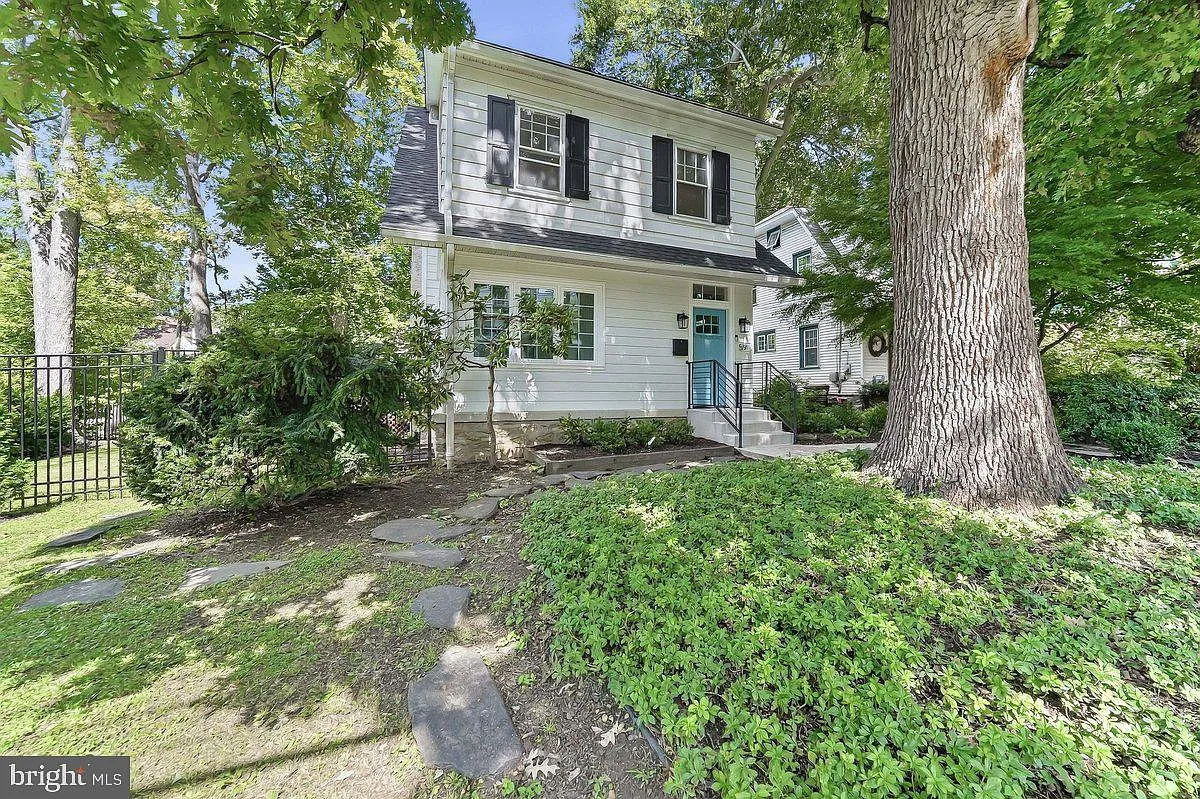
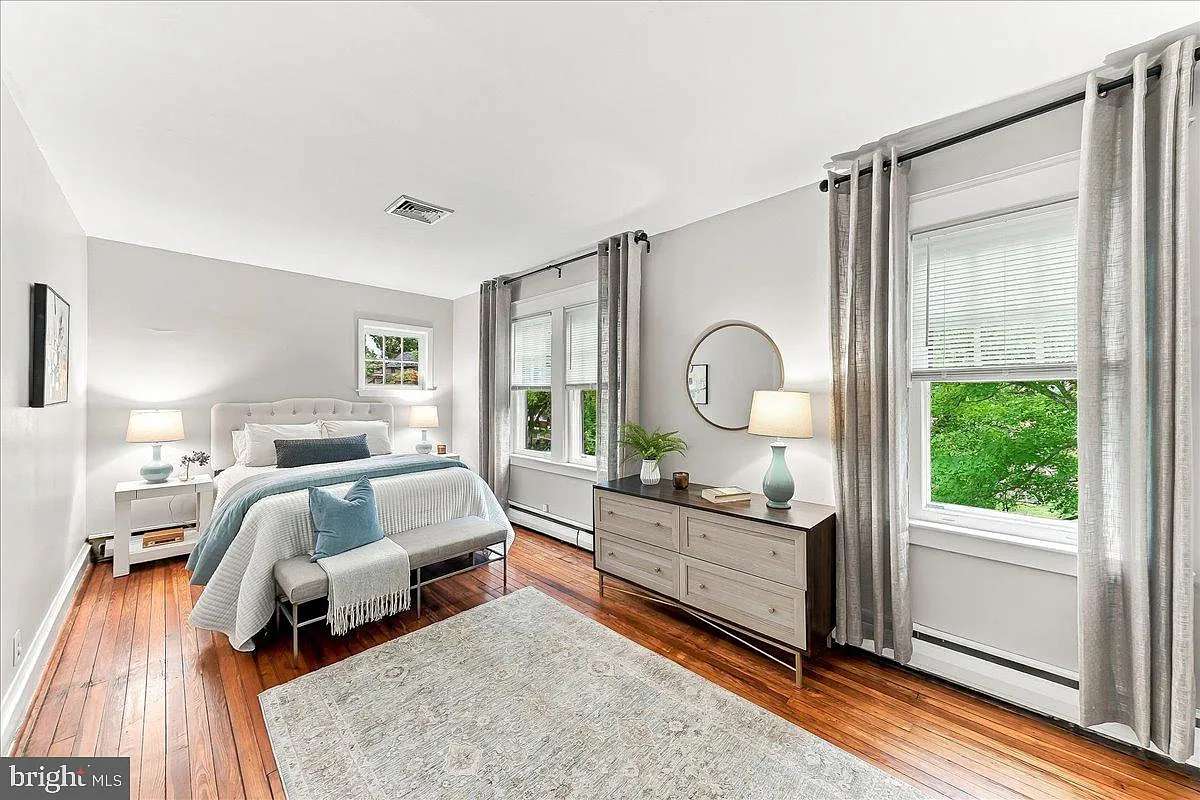
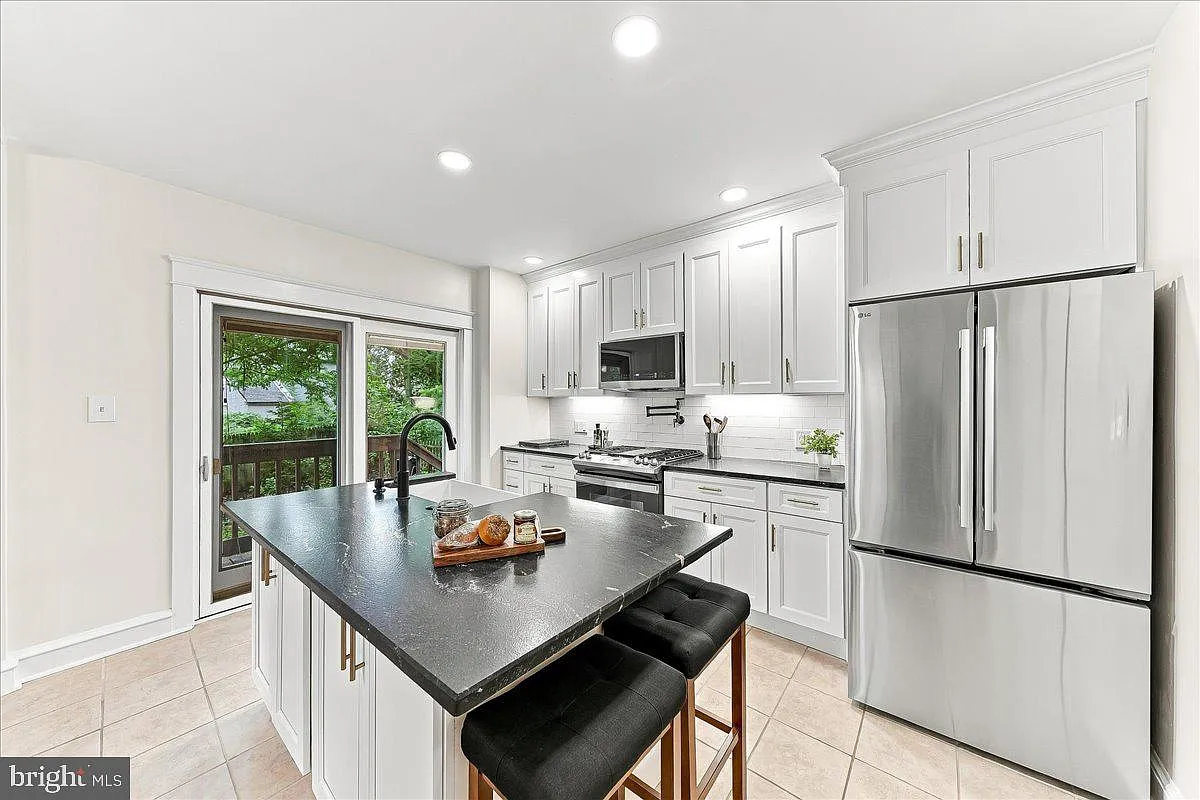
Bell Elite Senior Living — a nurse-led, family-owned personal care home in Lansdowne, PA. Warm living spaces, private bedrooms, and a chef's kitchen — come see the difference.
The First Glance and the Invisible Community Fee
Have you ever wondered why the initial price quote you receive from a senior living community in Delaware County seems to shift the moment you sit down to sign the paperwork? It is a common source of stress for families in Media and Springfield who are already navigating the emotional weight of transitioning a parent into a personal care home. Imagine this scenario: you have toured several beautiful facilities, you have finally found a place that feels like home, and you have carefully balanced your monthly budget to afford the stated rent, only to be hit with a massive, one time charge called a community fee or an administrative fee. This is often the first hidden cost that catches families off guard. This fee can range from a few thousand dollars to an amount equivalent to two months of rent. While some facilities claim this covers the cost of preparing the room or processing the application, it is essentially a move-in tax that does not go toward the actual care of your loved one.
Q: Is the community fee negotiable or refundable if my loved one moves out shortly after arriving? In most Pennsylvania personal care homes, the community fee is strictly non-refundable once the resident has moved in, though you may be able to negotiate the amount before signing the contract. At Bell Elite Senior Living, we believe in radical transparency because we know that families are looking for stability, not surprise invoices that drain their savings before the first month is even over.
When you are looking at homes in the Philadelphia suburbs, you must ask specifically if this fee is a one time occurrence or if it repeats annually. Some corporate run facilities in Montgomery County have been known to charge a renewal fee every year, which can add up to tens of thousands of dollars over the course of a resident’s stay. Picture this: your mother has lived in her new home for twelve months, she is finally settled, and suddenly you receive a bill for three thousand dollars just to keep her spot. It feels predatory, doesn't it? As a nurse, I have seen the way these financial surprises can affect a senior’s health, causing unnecessary anxiety that impacts their sleep and appetite.
Speak With Our Nursing Team
We help Pennsylvania families navigate senior care decisions with compassion and clinical expertise.
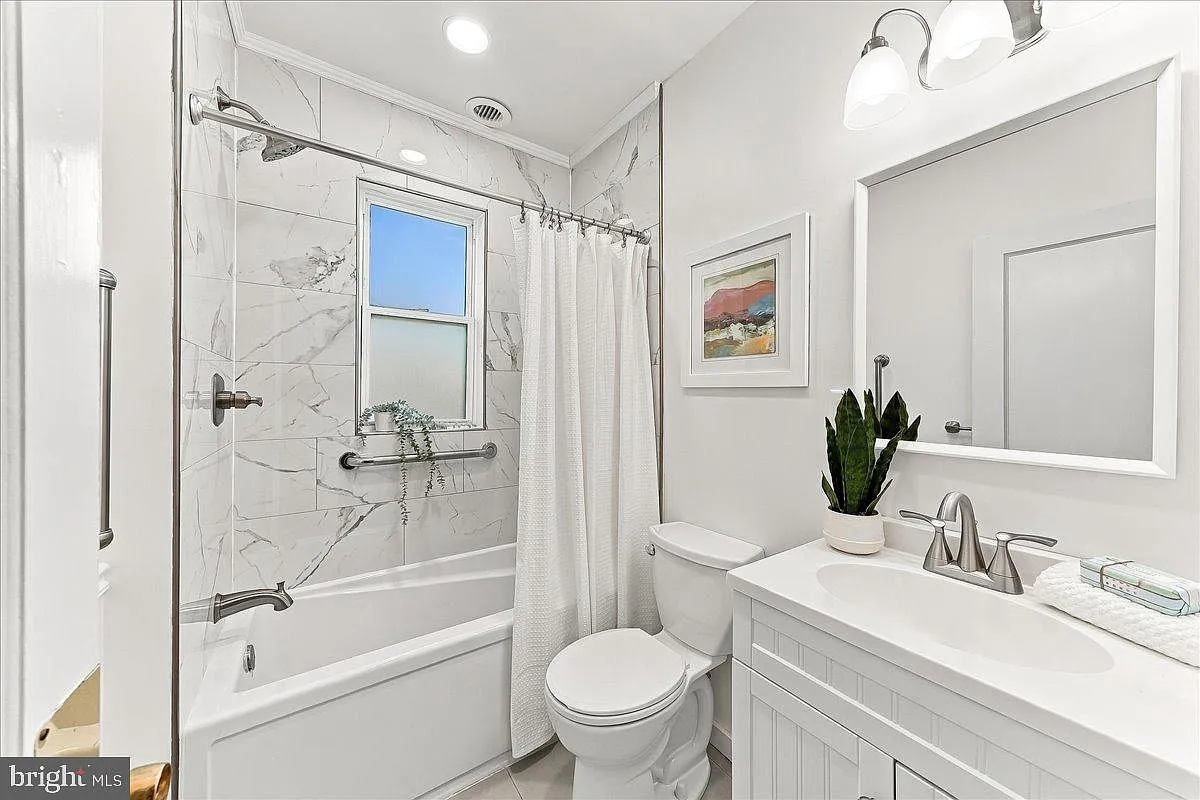
Private bedrooms and accessible bathrooms, designed for safety, comfort, and dignity.
Q: Do all personal care homes in Pennsylvania charge an administrative fee? While many large chains include these fees as a standard operating procedure, smaller, family owned homes are often more flexible or may waive them entirely to better serve the local community. You should always ask for a written breakdown of what the fee actually covers. If the facility cannot explain the tangible benefit to your loved one, it is likely just an extra layer of profit for the corporation.
It is also vital to ask about the pre-admission assessment fee. Before a resident moves into a personal care home in Pennsylvania, a medical evaluation must be completed to ensure the home can meet their needs. Some facilities charge a separate fee for their staff to perform this assessment, while others include it in the move-in costs. In Delaware County, these assessments are a legal requirement, but the cost associated with them should never be a mystery. Research shows that nearly 40 percent of families feel they were not fully informed about move-in costs until the final contract was placed in front of them. You deserve better than a last-minute financial ambush.
The Complex World of Tiered Care Levels
Why is it that two residents living in the same hallway can pay vastly different monthly rates even if their rooms are identical? This is where the concept of tiered care comes into play, and it is perhaps the most misunderstood aspect of personal care contracts in the Commonwealth of Pennsylvania. Imagine your father moves in needing very little help, perhaps just some reminders to take his medicine and a little help with laundry. You sign a contract for the base rate, feeling confident in the affordability. However, six months later, he suffers a minor fall or his memory begins to decline, and suddenly he needs help with showering or dressing. In a tiered pricing model, your monthly bill could jump by $500 to $1,500 per month overnight as he moves from level one to level two care.
Speak With Our Nursing Team
We help Pennsylvania families navigate senior care decisions with compassion and clinical expertise.
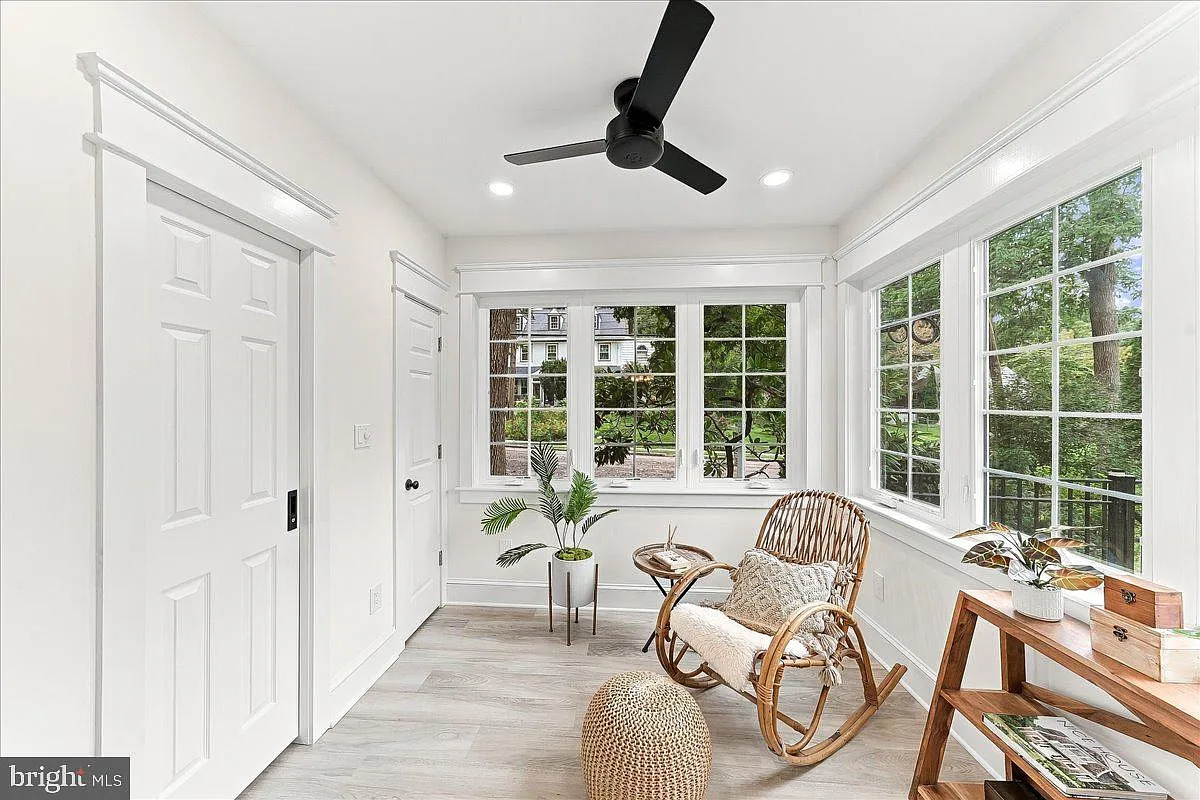
Home-cooked meals in our chef's kitchen and peaceful moments in the sunroom — life at Bell Elite.
Q: How often does the facility re-evaluate a resident’s care level and price? Most facilities conduct an assessment upon move-in and then again every six to twelve months, or whenever there is a significant change in the resident’s condition. You must ask how these changes are documented and whether you have the right to appeal a level increase if you feel your loved one does not actually require that extra help.
The danger for families in Havertown or Upper Darby is that these care levels are often subjective. If a facility is short staffed, they might move a resident to a higher care tier simply because it takes their staff longer to provide basic services, effectively charging you for their own inefficiency. This is why a nurse-led environment is so critical. When a nurse manages the care, the assessments are based on clinical evidence and actual physical needs, not just a desire to increase the bottom line. You should always ask to see the point system or the rubric used to determine these tiers. If the contract says the care level is at the sole discretion of the management, you are essentially giving them a blank check.
Q: Can my monthly rate increase if my loved one only needs temporary help after a hospital stay? Many contracts allow for temporary surcharges if a resident needs extra support after a surgery or illness, but you must ensure there is a clear path to return to the lower rate once they have recovered. Without a specific clause in the contract, you might find yourself stuck at a higher price point long after the need for extra care has passed.
Think about the long term implications of these tiers. A resident who stays in a facility for five years might see their costs double as their physical needs increase. If you are not prepared for that progression, you might be forced to move your loved one during a time when they are most vulnerable. Statistics indicate that the average resident will experience at least two level-of-care increases during their stay in a personal care home. Being informed about these jumps before you sign is the only way to protect your family’s financial future. Call us at Bell Elite Senior Living if you need help deciphering how these tiers work in practice.
Have questions about personalized care options? Bell Elite Senior Living's nursing team is ready to help. Call (484) 356-1070 or schedule a free consultation today.
Speak With Our Nursing Team
We help Pennsylvania families navigate senior care decisions with compassion and clinical expertise.
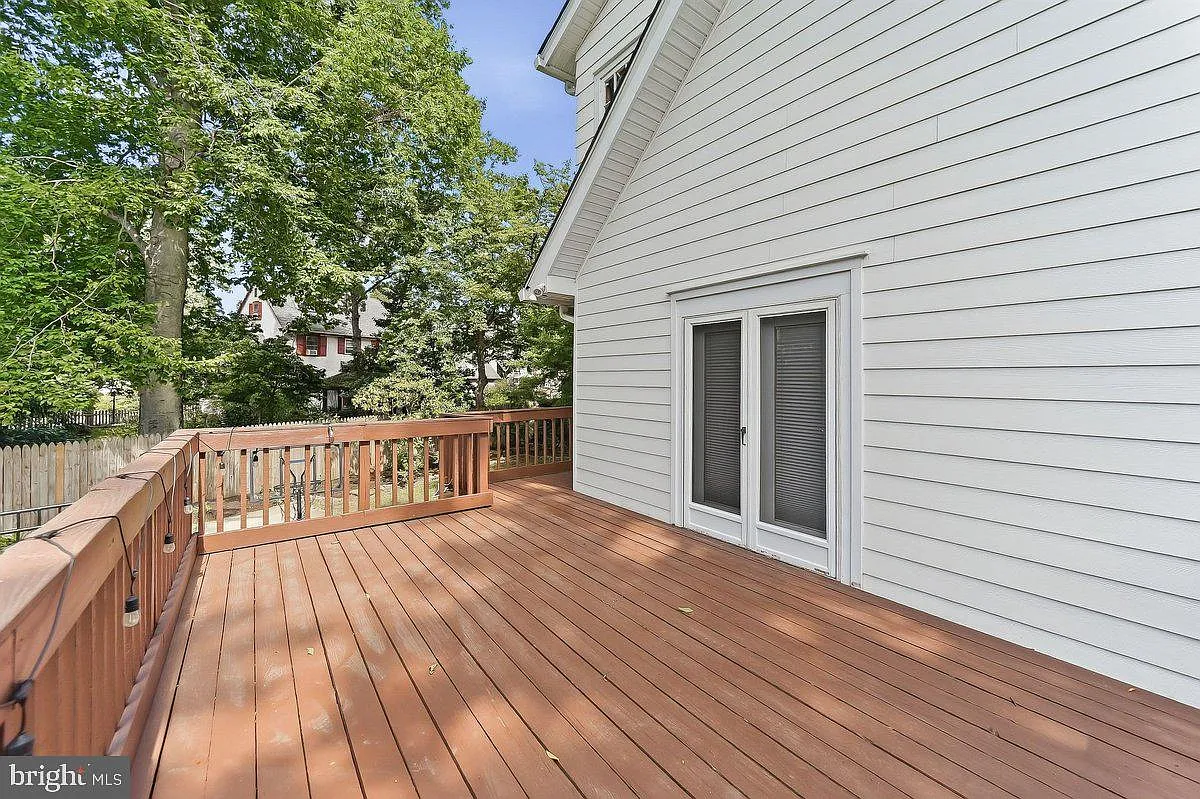
Gather in our warm living room or enjoy fresh air on the deck — every space feels like home.
The Sneaky Surcharge for Medication Management
Is it reasonable to expect that a personal care home would include basic medication assistance in their base price? While many families assume this is a core service, a significant number of facilities in the Philadelphia suburbs treat medication management as a separate, add-on fee. Imagine this: you have already accounted for the rent and the care level, but then you see an extra charge of $300 a month just for a staff member to hand your mother her pills. For a senior on a fixed income, this can be the difference between staying in their chosen home and having to move to a less desirable location. In Pennsylvania, personal care homes are strictly regulated on how they handle medications, but those regulations do not prevent them from charging you for the labor involved.
Q: Can I avoid medication management fees if I or an outside nurse handle the pills? Generally, facilities require their own staff to manage medications for safety and liability reasons, meaning you cannot opt out of the fee if your loved one is unable to self-administer. However, you should ask if the fee is flat or if it increases based on the number of medications or the complexity of the delivery, such as injections or crushed pills.
Another hidden cost related to medicine is the pharmacy surcharge. Many corporate facilities in Chester County or Delaware County have exclusive contracts with specific long-term care pharmacies. They may tell you that you are required to use their pharmacy, which often charges higher prices than your local CVS or Walgreens. If you insist on using your own pharmacy, the facility might charge you a monthly processing fee or a delivery fee to accept the medications. This is a classic example of a hidden cost that serves the facility's logistics rather than the resident’s well-being.
Q: What happens if a resident needs a new medication in the middle of the month? Some facilities charge a special courier fee or an administrative fee to update the medication administration record, which can be an unwelcome surprise on your monthly statement. You should ask if these updates are included in the base medication fee or if every change results in a new line-item charge.
You should also be aware of the costs associated with medical supplies. Items like diabetic test strips, lancets, or even the cups used to distribute water with pills are sometimes billed back to the family at a significant markup. As a nurse-owned home, Bell Elite Senior Living understands that medication is a necessity, not a luxury. We encourage families to call (484) 356-1070 to discuss how we handle these essentials without nickel-and-diming our residents. When you are visiting homes in Swarthmore or Drexel Hill, look closely at the pharmacy disclosure forms. Data suggests that pharmacy related surcharges can add up to over $2,000 a year if they are not carefully monitored.
Daily Living Extras and Ancillary Services
Have you ever stayed in a hotel that seemed affordable until you saw the charges for the minibar, the Wi-Fi, and the parking? Many personal care contracts operate on this exact model, where the base price covers the room and meals, but everything else comes with a price tag. Picture this: your aunt loves to have her hair done every Friday, and she enjoys the weekly shuttle to the grocery store in Broomall. In some facilities, the salon is an outside vendor that charges premium rates, and the transportation service is billed by the mile or by the trip. These ancillary costs can quietly inflate a bill by hundreds of dollars every month.
Q: Are basic utilities like cable, internet, and phone service included in the monthly rent? In many modern facilities, basic electricity and water are covered, but high-speed internet and expanded cable packages are billed separately. You must ask if the resident is responsible for setting up their own accounts or if the facility provides a bulk package that is mandatory for all rooms.
Incontinence supplies are another major area where hidden fees thrive. If your loved one requires briefs or pads, you might assume you can simply bring them in from the store. However, many facilities in the Philadelphia area require you to purchase these items through their preferred medical supply vendor, often at twice the retail cost. Furthermore, some contracts include a disposal fee for these items, citing the extra labor and biohazard requirements. It sounds unbelievable, but it is a reality in many corporate-run settings where every task is assigned a dollar value.
Q: Is there a fee for staff to escort my loved one to the dining room or to activities? While it sounds like a basic part of care, some facilities with tiered systems charge an escort fee for residents who cannot walk to meals independently. If your loved one is in a wheelchair and needs someone to push them to the dining hall three times a day, those few minutes of help can be billed as a significant monthly service.
Even something as simple as laundry can be a hidden expense. While most personal care homes include basic laundry, they may limit the number of loads per week or charge extra for delicate items that require special care. If your father has a favorite wool sweater that needs hand washing, you might be surprised to see a $25 per item charge on his bill. These small costs are designed to capture every possible cent of revenue from a family. At Bell Elite Senior Living, we believe that the focus should be on the resident’s comfort, not on counting how many pairs of socks we washed. We suggest looking for a home that offers an all-inclusive or highly transparent model to avoid these frustrations.
Ready to explore tailored care solutions? Speak with our coordinators at Bell Elite. Phone: (484) 356-1070 • Request a tour
Termination Fees and the Moving Out Mystery
What happens to your money if your loved one needs to move to a higher level of care, like a skilled nursing facility, or if they pass away shortly after paying for the month? This is a difficult topic to discuss, but it is where some of the most substantial financial losses occur for families in Delaware County. Imagine this: your mother has been at a facility in Media for two years, and she suddenly requires specialized hospital care that means she cannot return to her personal care home. You notify the facility, but they point to a clause in the contract stating that you must give a full sixty days of notice. You are now stuck paying for a room that is sitting empty for two months while also paying for a hospital or a new facility.
Q: How much notice is legally required to terminate a personal care contract in Pennsylvania? According to Pennsylvania law, a resident must typically provide 30 days’ notice to terminate a contract, but many facilities try to write longer periods into their agreements. You should always check if the facility allows for an immediate termination without penalty in the event of a medical emergency or death.
Some contracts also include a cleaning or refurbishment fee that is automatically deducted from the security deposit regardless of the condition of the room. They might charge $500 to $1,000 to repaint the walls and steam the carpets after a resident leaves. This is often buried in the fine print of the move-out section. If you are looking at homes in Springfield or Havertown, ask the administrator directly if they have a history of returning security deposits in full. You might be surprised by the hesitation in their answer.
Q: Will the facility refund the unused portion of the monthly rent if a resident passes away? This is one of the most heartbreaking hidden fees. Many corporate contracts state that the monthly rent is non-refundable, meaning if a resident passes away on the second day of the month, the facility keeps the payment for the remaining twenty-eight days. You should look for a contract that offers a pro-rated refund policy to protect your estate.
There is also the issue of the bed-hold fee. If your loved one goes to the hospital for a week, you might think your monthly rent covers their spot. However, some facilities charge a daily bed-hold fee on top of the rent to ensure the room isn't given to someone else while they are gone. This effectively means you are paying double for that week. It is a practice that highlights the difference between a business-first mentality and a care-first mentality. When you call Bell Elite Senior Living at (484) 356-1070, we can talk through these scenarios with you honestly, because we know that families deserve compassion during these transitions, not a bill for an empty bed.
The Vital Importance of a Nurse-Led Advocacy
Have you ever considered that the best way to avoid hidden fees is to choose a home where the owners are clinical professionals rather than distant investors? When a personal care home is nurse-led and family-owned, the entire philosophy of the building shifts from profit-maximization to patient-centered care. In Delaware County, we have seen a rise in large equity firms buying up local homes, which often leads to the implementation of all the hidden fees we have discussed. Imagine this: instead of a corporate manager looking at a spreadsheet, you have a nurse looking at your father’s health. A nurse understands that a change in mobility is a clinical issue to be managed, not just an opportunity to move someone to level three pricing.
Q: Why does a nurse-led facility offer better price transparency? Nurses are trained in advocacy and ethics, meaning their primary goal is the well-being of the resident. A nurse-led home like Bell Elite Senior Living is more likely to offer inclusive pricing because we understand that the stress of hidden fees can negatively impact the health of both the resident and their family members.
When you are touring facilities in Media, Upper Darby, or Swarthmore, ask who makes the final decisions on pricing and care levels. If the answer is an off-site regional director or a corporate office in another state, you are more likely to encounter hidden fees. However, if the owners are on-site and have a clinical background, you have a direct line of communication. You can ask them why a certain charge is on your bill and get a straight answer. Statistical evidence suggests that residents in smaller, owner-operated homes report higher satisfaction levels with their care and feel more respected in their financial dealings.
Q: Can a nurse help me understand the fine print of a personal care contract? Yes, a nurse who has worked in the industry can point out red flags that a layperson might miss, such as vague language regarding care level increases or hidden pharmacy surcharges. At Bell Elite Senior Living, we see ourselves as your partners in this journey, helping you navigate the complexities of Pennsylvania’s elder care landscape.
Choosing a personal care home is one of the most significant decisions you will ever make for your family. It is about more than just a room and a meal plan; it is about finding a community that values honesty and integrity. By asking these hard questions about community fees, tiered care, medication surcharges, and termination policies, you are protecting your loved one’s dignity and your own peace of mind. Remember, you have the right to a clear, understandable contract that reflects the true cost of care. If you are feeling overwhelmed by the process in Delaware County, please reach out to us. You can call Bell Elite Senior Living at (484) 356-1070 any time to speak with a nurse who cares about your family’s future as much as you do. We are here to ensure that your journey into senior living is defined by comfort and clarity, not by hidden costs and confusion.
A Glimpse Inside Bell Elite
A warm, family-like residence — not an institution. Every space is designed for comfort, safety, and dignity.
Ready to Take the Next Step?
Bell Elite Senior Living is a nurse-led, family-owned personal care home in Delaware County, Pennsylvania. We're here to help.
Proudly Serving Families Across the Greater Philadelphia Region
Bell Elite Senior Living is a nurse-led, family-owned personal care home located in Delaware County, Pennsylvania — and we proudly serve families from across the entire Greater Philadelphia area and surrounding communities. Whether you are searching for a personal care home in Delaware County PA, exploring senior living options near Philadelphia, or looking for compassionate elder care for a loved one in Montgomery County, Bucks County, or Chester County, our team is here to help guide you through every step of the decision.
Families come to Bell Elite from throughout Philadelphia and its suburbs — including Upper Darby, Havertown, Drexel Hill, Broomall, Swarthmore, Media, Springfield, Lansdowne, Darby, Collingdale, and Sharon Hill in Delaware County; Ardmore, Norristown, Lansdale, Cheltenham, Abington, Blue Bell, Jenkintown, Ambler, and Horsham in Montgomery County; Doylestown, Newtown, Langhorne, Bristol, Yardley, Quakertown, and Levittown in Bucks County; and West Chester, Malvern, Exton, Downingtown, Phoenixville, Coatesville, and Paoli in Chester County. We are also a trusted resource for families in South Jersey communities such as Cherry Hill, Voorhees, Marlton, Moorestown, Mount Laurel, Haddonfield, Collingswood, and Camden County who are seeking high-quality personal care across the river in Pennsylvania. Families from Wilmington, Newark, and New Castle County, Delaware also regularly choose Bell Elite for its clinical excellence and intimate, home-like setting.
Our central location in Delaware County puts us within easy reach of Center City Philadelphia, the Main Line, South Philadelphia, Northeast Philadelphia, and the Philadelphia suburbs — making visits from family members throughout the region straightforward and stress-free. We understand that choosing the right personal care home is one of the most important decisions a family will make, and distance should never be a barrier to accessing exceptional, nurse-led care.
Frequently Asked Questions About Our Service Area
Does Bell Elite Senior Living serve families from Philadelphia?
Yes. Bell Elite Senior Living is located in Delaware County, PA, just minutes from Philadelphia. We regularly welcome residents and their families from across Philadelphia, including South Philly, Northeast Philadelphia, Kensington, Germantown, and Center City.
Do you accept residents from Montgomery County, PA?
Absolutely. We serve families throughout Montgomery County including Norristown, Ardmore, Lansdale, Cheltenham, Blue Bell, Jenkintown, and Ambler. Our nurse-led care model is a popular choice for families across the Philadelphia suburbs.
Can families from Bucks County place a loved one at Bell Elite?
Yes. Many of our residents come from Bucks County communities such as Doylestown, Newtown, Yardley, Langhorne, and Bristol. Our facility is easily accessible from Route 1 and I-95 corridors.
Do you serve Chester County families looking for personal care?
Yes. Families from West Chester, Malvern, Exton, Downingtown, Phoenixville, Paoli, and Coatesville in Chester County frequently choose Bell Elite for our small resident count, clinical oversight, and personalized care plans.
Is Bell Elite an option for families in South Jersey near Philadelphia?
Yes. Many families from Cherry Hill, Voorhees, Marlton, Mount Laurel, Haddonfield, Moorestown, and Camden County in New Jersey choose Bell Elite Senior Living in nearby Delaware County, PA for its nurse-led care and welcoming environment.
Do you accept residents from Delaware (Wilmington, Newark, New Castle County)?
Yes. Families from Wilmington, Newark, Middletown, and throughout New Castle County, Delaware have placed loved ones at Bell Elite. Our location in Delaware County, PA makes us a convenient and high-quality option for Delaware families seeking nurse-led personal care.
How do I find out if Bell Elite can serve my family's location?
Call us at (484) 356-1070 or visit our contact page. We serve the entire Greater Philadelphia region and surrounding areas and are happy to discuss your specific situation, schedule a tour, and answer any questions about our care services.
Related Articles


Related Care Services at Bell Elite
Our nurse-led personal care home in Lansdowne, PA offers specialized services for seniors across the Greater Philadelphia region.
Personal Care Home Near You
Bell Elite is located in Lansdowne, PA — minutes from Philadelphia. See care details for your community:
Have Questions After Reading?
Our nursing team offers free, no-pressure consultations for Pennsylvania families.
Talk to a nurse, not a salesperson. Our team includes RNs, LPNs, a PMHNP, and Family Nurse Practitioners.