

Finding a home in Upper Darby that accommodates walkers and wheelchairs
Bell Elite Senior Living — a nurse-led, family-owned personal care home in Lansdowne, PA. Warm living spaces, private bedrooms, and a chef's kitchen — come see the difference.
How can a family navigate the unique challenges of finding a mobility-friendly home in the historic neighborhoods of Upper Darby?
Have you ever spent an afternoon driving through the beautiful, tree-lined streets of Delaware County only to realize that the very charm of our local architecture often creates a hidden barrier for our seniors? The stone twins and brick row homes that define Upper Darby and Drexel Hill are iconic symbols of Pennsylvania history, yet they were rarely built with a walker or a wheelchair in mind. For a daughter or son looking to ensure their parent stays safe, these stairs and narrow hallways can quickly transform from nostalgic features into dangerous obstacles. How many times have you looked at a beloved family home and suddenly seen a trip hazard in every doorway? It is a heavy realization to acknowledge that the place where memories were made may no longer be the place where safety can be guaranteed.
Imagine this scenario for a moment. You are bringing your mother home after a brief hospital stay, and as the transport van pulls up to the curb, your heart sinks. You see those three concrete steps leading to the porch, and you realize that even with a standard walker, the transition from the pavement to the living room is going to be a monumental struggle. Is it fair to ask a senior to navigate a mountain every time they want to get the mail? When we talk about finding a home in Upper Darby that truly accommodates mobility aids, we are not just talking about ramps and wide doors. We are talking about the restoration of independence and the removal of the constant, low-level anxiety that comes with every step.
Q: Why is it so difficult to find wheelchair-accessible housing in older Delaware County neighborhoods? Most of the residential infrastructure in areas like Upper Darby, Havertown, and Lansdowne dates back to an era when building codes did not prioritize universal design or aging in place. These homes often feature narrow twenty-eight-inch doorways that cannot accommodate a standard thirty-two-inch wheelchair, and many are designed with a split-level layout or steep basement stairs. Because these structures are often closely packed or built with load-bearing stone walls, retrofitting them for full accessibility can be prohibitively expensive or structurally impossible, which leads many families to seek professional personal care settings that were specifically designed for mobility.
Speak With Our Nursing Team
We help Pennsylvania families navigate senior care decisions with compassion and clinical expertise.
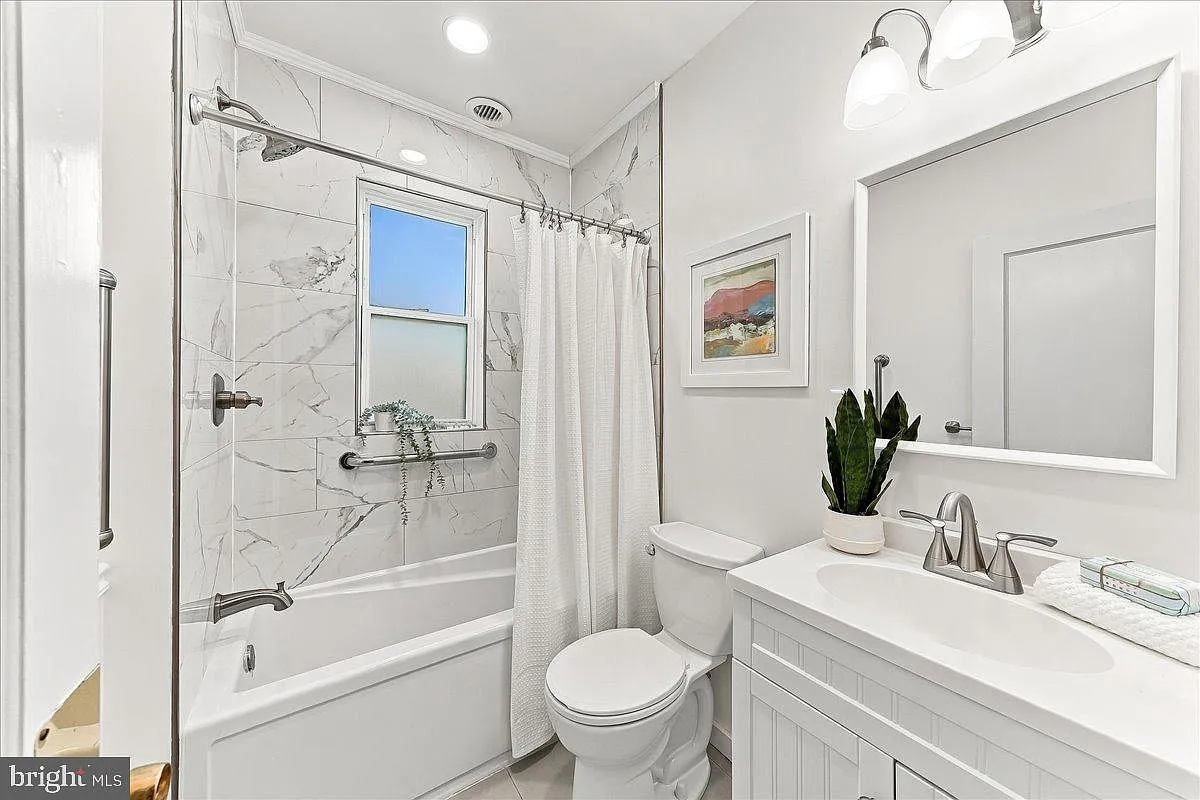
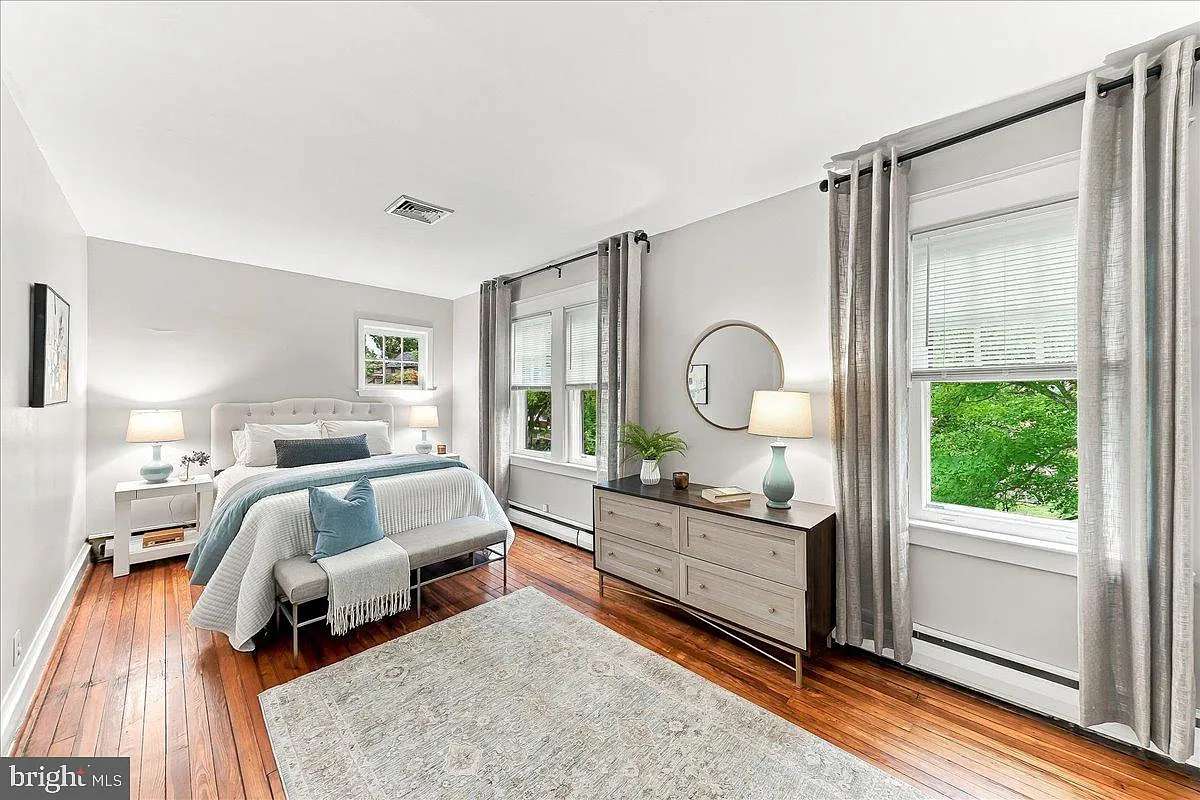
Private bedrooms and accessible bathrooms, designed for safety, comfort, and dignity.
Does it feel like you are constantly measuring the world with a tape measure lately? I know that feeling well because as a nurse, I look at environments through a lens of fall prevention and skin integrity. When a senior has to squeeze a walker through a tight bathroom door in a traditional Upper Darby home, they often end up "side-stepping," which is one of the most common ways to lose balance. If the environment does not work with the mobility aid, the senior eventually stops using the aid correctly, or worse, they stop moving altogether. We have to ask ourselves if we are sacrificing their physical health for the sake of staying in a house that no longer fits their needs. Statistics from the Centers for Disease Control and Prevention indicate that one out of every four older adults falls each year, and many of those falls are directly related to environmental hazards within the home.
Q: Can a standard walker be used effectively in a small apartment or row home? While a senior might manage to maneuver a walker in a small space for a short period, the confined layout of many traditional apartments in the Philadelphia suburbs often leads to furniture hopping. This occurs when a senior leaves their walker in the hallway because it is too bulky to fit between the bed and the dresser, choosing instead to lean on unstable tables or chairs for support. This practice significantly increases the risk of a catastrophic fall, making it essential to find a living environment where the floor plan is open and wide enough to allow for continuous use of the mobility device without interruption.
Is there a way to bridge the gap between the comfort of home and the safety of a facility? At Bell Elite Senior Living, we believe the answer lies in a nurse-led approach that treats mobility not just as a physical task, but as a vital sign of well-being. When we look at a resident who uses a wheelchair, we aren't just looking at the wheels; we are looking at their path through the day. We consider the height of the dining tables, the firmness of the chairs, and the texture of the flooring. Have you considered how a simple change in carpet pile can make the difference between a senior feeling confident or feeling like they are walking through sand? In Delaware County, finding a home that understands these nuances is the first step toward a more relaxed, joyful chapter for your loved one.
What specific environmental features should you prioritize when touring a personal care home for someone using a mobility aid?
Speak With Our Nursing Team
We help Pennsylvania families navigate senior care decisions with compassion and clinical expertise.
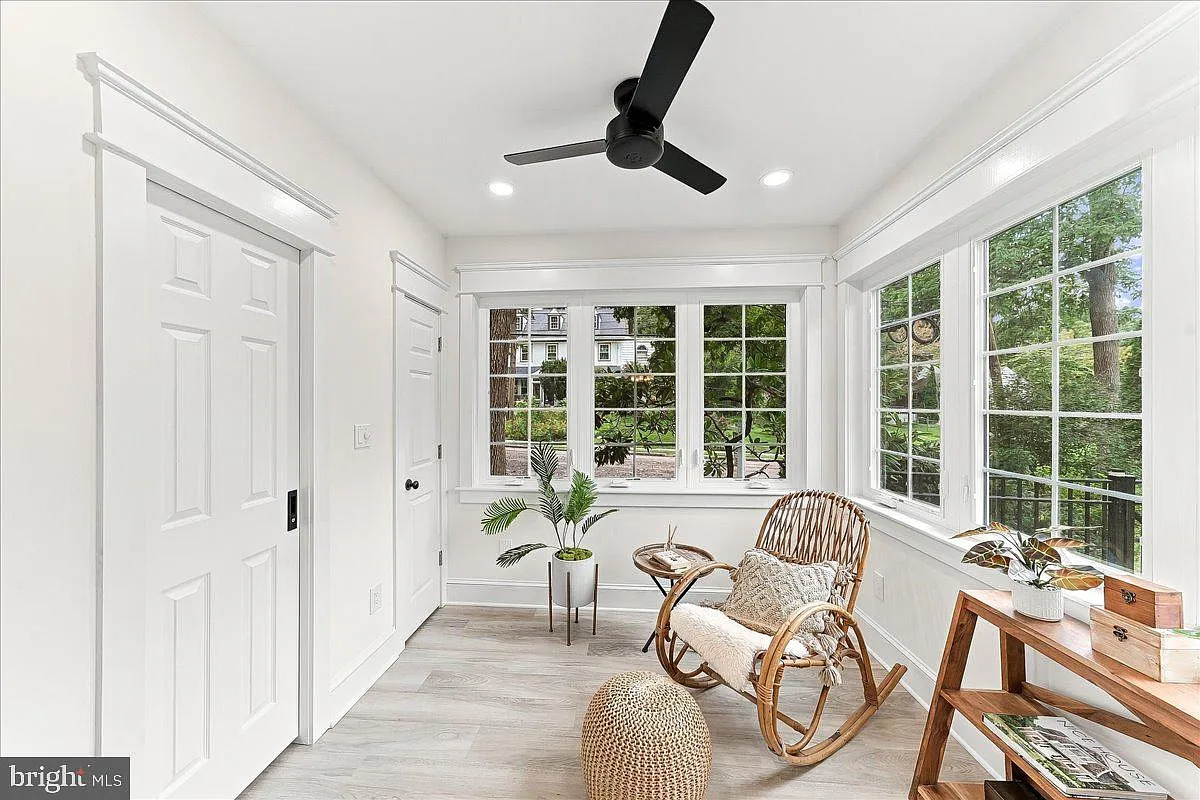
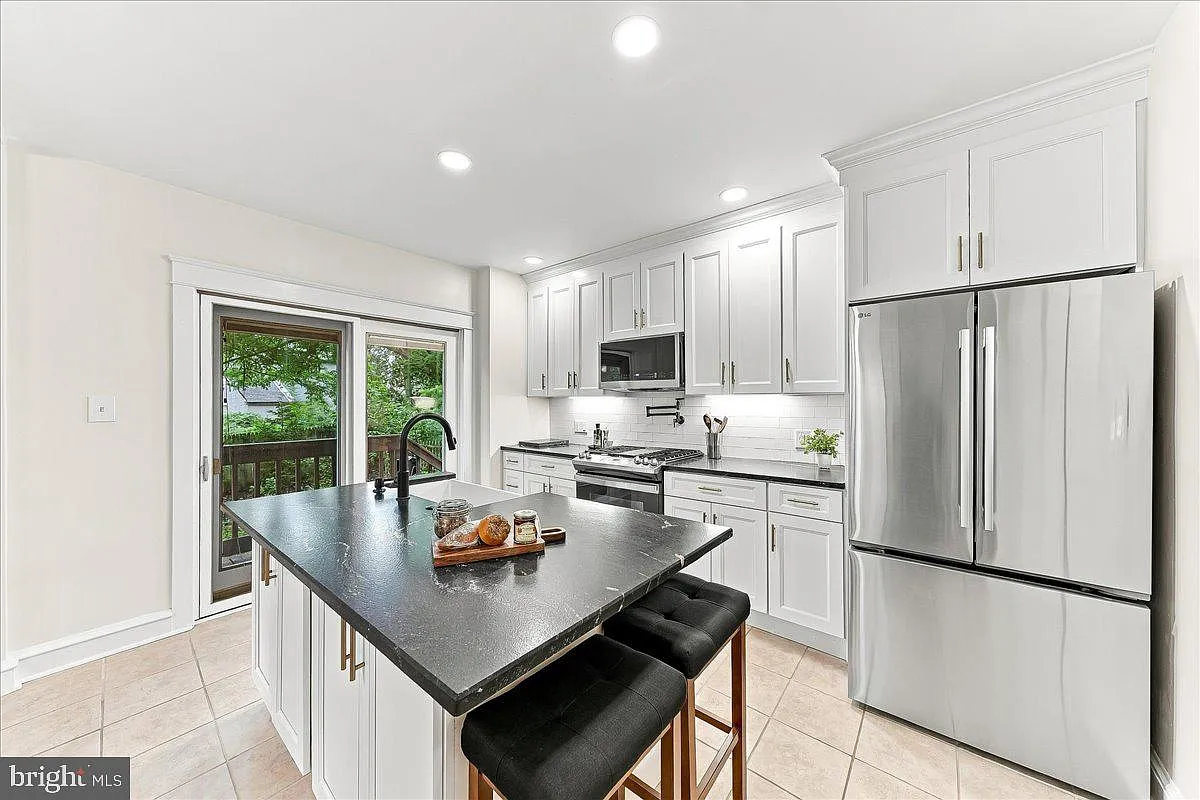
Home-cooked meals in our chef's kitchen and peaceful moments in the sunroom — life at Bell Elite.
When you walk into a potential new home for your parent, do you find yourself looking at the floors first? It might seem strange to some, but for a family dealing with mobility challenges, the floor is the most important piece of furniture in the building. A nurse would tell you that the transition from a hard surface to a thick rug is a prime location for a trip. In the older buildings of the Philadelphia suburbs, you often see transitions that are nearly an inch high, which can catch the tip of a walker or stop a wheelchair caster dead in its tracks. Are the hallways wide enough for two people to pass each other even if one is using a large motorized chair?
Picture this: your father is heading to the dining room for lunch, and he is feeling particularly independent today. He is using his rollator, and he is moving at a good clip. In a properly designed home, he shouldn't have to worry about sharp corners or narrow bottlenecks that require him to perform a multi-point turn. He should be able to glide from his bedroom to the social areas without ever having to lift his device over a threshold. This level of environmental ease does more than just prevent falls; it preserves his dignity. Nobody wants to feel like their equipment is a nuisance to others or a barrier to their own social life. Research shows that seniors who feel their mobility aids are difficult to use are sixty percent more likely to become socially isolated, which can lead to a rapid decline in cognitive and emotional health.
Q: What is the difference between an "accessible" room and a "mobility-optimized" environment? An accessible room often meets the bare minimum of legal requirements, such as a ramp and a grab bar, but a mobility-optimized environment, like what we provide at Bell Elite Senior Living, considers the daily flow of a senior's life. This includes things like the height of the electrical outlets so a resident doesn't have to bend over dangerously far, the presence of reinforced walls for future equipment, and lighting that eliminates shadows which can be confusing for those with visual impairments. Optimization means the environment adapts to the person, rather than forcing the person to adapt to the room.
Have you noticed how much energy your loved one spends just thinking about their next step? When every movement requires a mental calculation of risk, the senior becomes exhausted before they even get to the activity they were planning to enjoy. A nurse-led home focuses on reducing this cognitive load. We ensure that every room has clear sightlines and that grab bars are placed exactly where a person naturally reaches for support. Why should a senior have to be a navigator and an engineer just to get to the bathroom? By choosing a home that has been vetted by nursing professionals, you are ensuring that the physical environment is an ally in their care, not an enemy.
Q: How do personal care homes in Pennsylvania handle the transition from a walker to a wheelchair? In Pennsylvania, personal care homes are regulated to ensure they can meet the needs of residents, but not every home is equipped for heavy mobility needs. A nurse-led home will typically conduct a comprehensive assessment to determine if the current environment can safely support a resident as their needs change. This might involve adjusting the layout of the room, implementing specialized transfer techniques, or utilizing hoyer lifts if necessary. The goal is always to keep the resident in the most comfortable, least restrictive environment possible while ensuring their physical safety and the safety of the staff.
Speak With Our Nursing Team
We help Pennsylvania families navigate senior care decisions with compassion and clinical expertise.
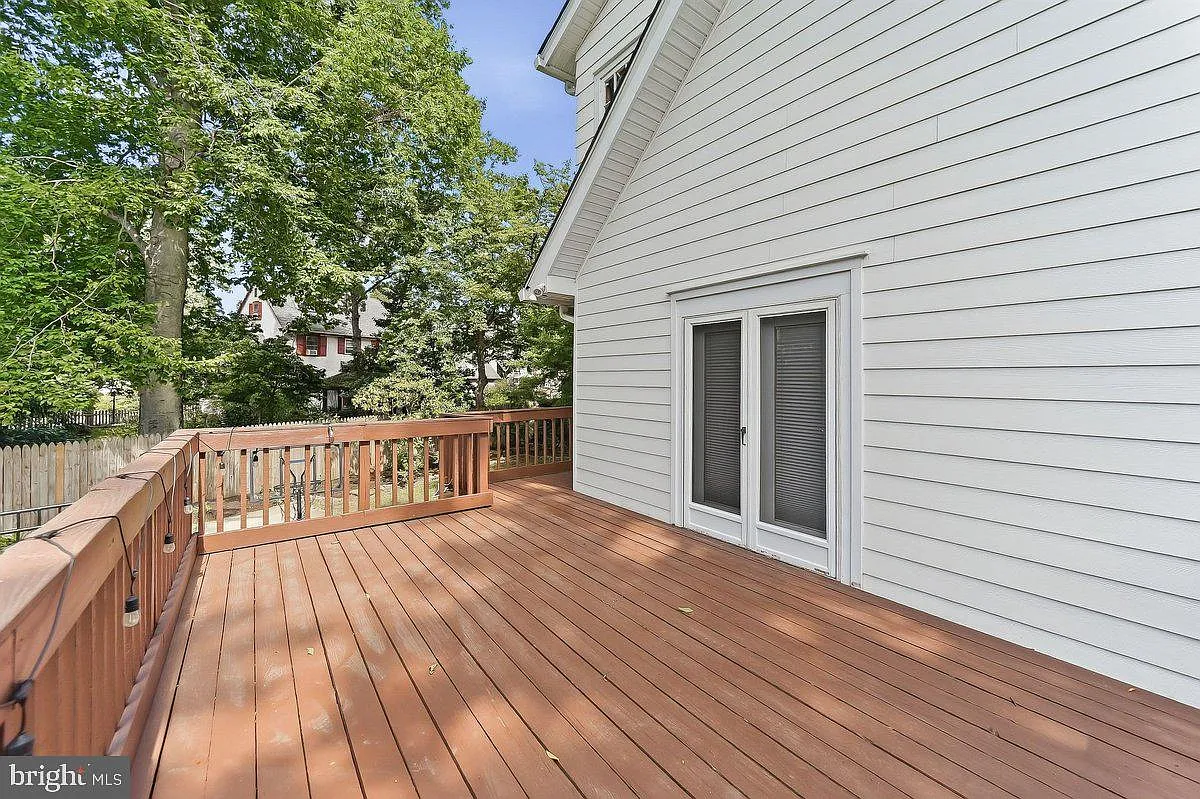
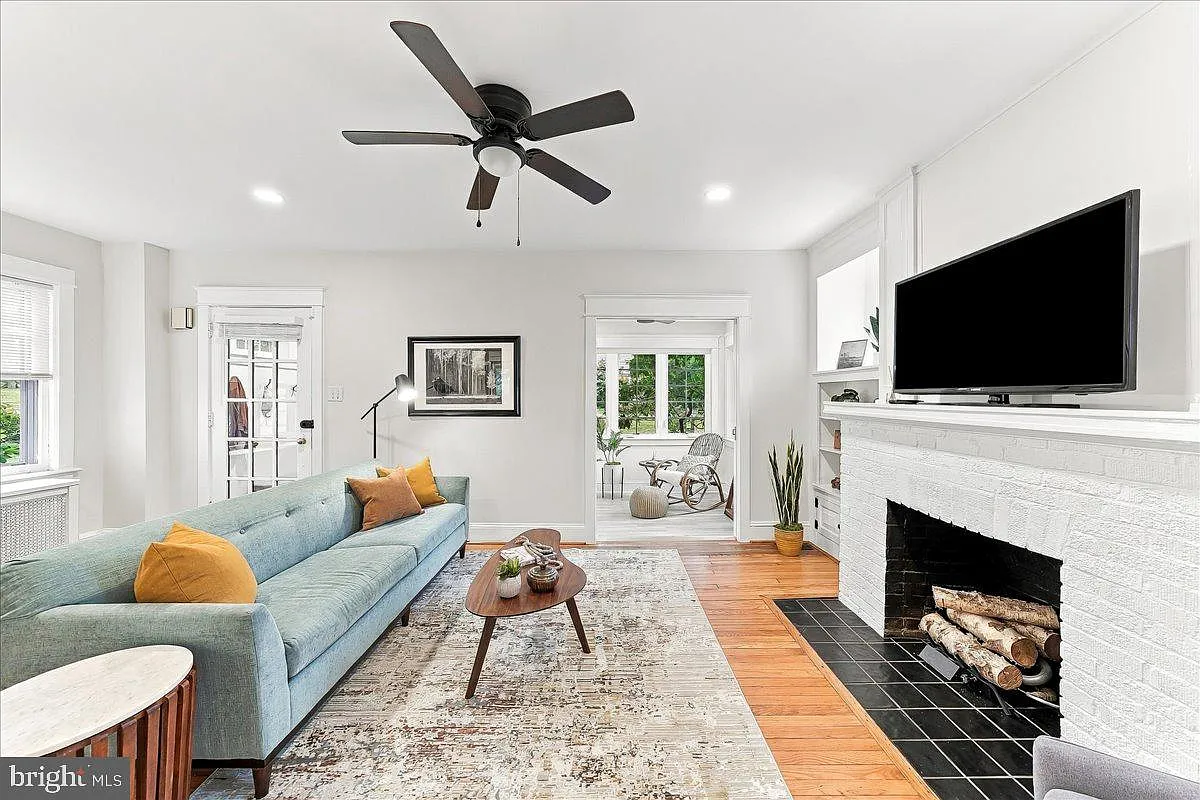
Gather in our warm living room or enjoy fresh air on the deck — every space feels like home.
When we talk about Delaware County care, we have to talk about the commitment to the individual. At Bell Elite Senior Living, located right here in the heart of our community, we take the time to map out the movements of each resident. We ask ourselves: can Mrs. Smith reach the sink while sitting in her chair? Can Mr. Jones turn his walker around without hitting the nightstand? These small details are the building blocks of a safe life. A study by the National Institute on Aging suggests that environmental modifications can reduce the risk of falls by up to forty percent in high-risk populations. Isn't that a level of peace of mind that every family deserves?
Have questions about personalized care options? Bell Elite Senior Living's nursing team is ready to help. Call (484) 356-1070 or schedule a free consultation today.
Why does a nurse-led approach make such a significant difference for residents with mobility challenges?
Have you ever wondered why some seniors seem to thrive in a personal care home while others appear to withdraw? Often, the difference lies in the level of clinical oversight regarding their physical movement. A nurse does not just see a walker; a nurse sees a tool that requires proper posture, appropriate height adjustment, and regular maintenance. When a home is nurse-led, the daily routine is infused with a deep understanding of body mechanics and the physiological consequences of how one moves. Are the caregivers trained to spot the subtle signs of a gait change that might indicate a brewing urinary tract infection or a medication side effect?
Imagine this: a resident is starting to lean more heavily to the left side while using their wheelchair. A standard caregiver might just reposition them, but a nurse will ask why the lean is happening in the first place. Is there a new pain in the hip? Is the resident developing a pressure sore that they cannot yet feel? Is it a sign of a neurological shift? At Bell Elite Senior Living, our nursing background means we are constantly assessing, not just supervising. We understand that for a senior in Upper Darby, maintaining mobility is the key to maintaining their sense of self. How can we expect a resident to participate in a local community outing to Media or Springfield if they are struggling with a poorly fitted mobility device?
Q: How often should a senior's mobility aid be evaluated by a professional? A senior’s mobility aid should be evaluated at least every six months or immediately following any change in health status, such as a fall or a hospital stay. Over time, walkers can become loose, and wheelchair tires can lose their grip, creating new hazards. A nurse or a physical therapist can ensure that the height of the device is still appropriate for the resident's current posture, as many seniors experience changes in spinal alignment that can make their old equipment settings uncomfortable or even dangerous.
Do you know how to tell if your parent is using their walker correctly, or are you just glad they are using it at all? It is a common struggle for families who are trying their best but lack the clinical training to recognize improper form. A nurse-led team provides that missing piece of the puzzle. We offer the education and the gentle corrections that keep residents safe while they move through our halls. We also understand the psychology of mobility; many seniors feel a sense of shame or "giving up" when they move from a cane to a walker. How do we help them see that these tools are actually keys to freedom rather than symbols of decline?
Q: Can a personal care home provide physical therapy on-site for mobility improvement? While most personal care homes do not employ full-time physical therapists themselves, a high-quality home like Bell Elite Senior Living maintains strong relationships with local Delaware County home health agencies. These therapists can come directly to our home in Upper Darby to work with residents in a familiar environment. This allows for a collaborative approach where the nurses, caregivers, and therapists all work together on a unified plan to improve the resident's strength, balance, and confidence.
In our family-owned home, we treat every resident as if they were our own mother or father. This means we are not just looking at a checklist of tasks; we are looking at the quality of their movement. Statistics from the American Journal of Public Health show that seniors who receive regular, coordinated mobility assessments have a significantly lower rate of hospital readmissions. We take this to heart at Bell Elite Senior Living, (484) 356-1070, because we know that one prevented fall can change the entire trajectory of a senior's life. Why settle for a facility that just watches your loved one when you can choose a home that actively manages their wellness?
How does a family-owned, nurse-led home in Upper Darby compare to larger, corporate assisted living facilities?
Is it possible that the sheer size of a large senior living complex is actually a disadvantage for someone with limited mobility? While the grand lobbies and long corridors of corporate facilities might look impressive on a brochure, they can be incredibly daunting for someone who tires easily or uses a wheelchair. Have you considered the physical toll it takes on a senior to navigate a three-hundred-foot hallway just to get to the dining room three times a day? In a larger facility, does a resident become just a room number, or are their specific mobility quirks truly known by the staff on every shift?
Picture this: your mother wants to join the weekly social gathering, but today her arthritis is flaring up, and every step with her walker is painful. In a large, corporate setting, she might just decide to stay in her room because the journey to the activity center is too far and there are too many people to navigate around. But in a smaller, family-owned home like Bell Elite Senior Living, the journey is short, the environment is intimate, and the staff is right there to offer a supportive arm or a quick transport in a wheelchair. Isn't the goal to keep them involved in the community, rather than isolated by the very architecture of their home?
Q: What are the benefits of a higher staff-to-resident ratio for seniors with mobility needs? A higher staff-to-resident ratio means that when a senior needs help moving from their chair to their bed, they don't have to wait for twenty minutes for a busy aide to finish with five other people. It means that transfers are done slowly and safely, without the rush that often leads to skin tears or accidental falls. In a smaller home setting, caregivers have the time to ensure that the resident's feet are properly positioned and that they are wearing the correct footwear before they even stand up, which is a critical step in fall prevention.
Does the word "institutional" make you feel uneasy when you think about your parent’s future? Many families in the Philadelphia suburbs are looking for something that feels like a real home, with the smells of home-cooked meals and the sound of familiar voices. Larger facilities often struggle to maintain that warmth because their systems are built for efficiency, not necessarily for individual connection. When you call us at Bell Elite Senior Living at (484) 356-1070, you are talking to the people who are actually on the floor with your loved ones. We know their favorite chair, we know which side of the bed they prefer to get out of, and we know exactly how much assistance they need to feel confident.
Q: Are smaller personal care homes more expensive than large corporate ones? Interestingly, smaller family-owned personal care homes are often more cost-effective because they do not have the massive overhead and marketing budgets of national chains. Families frequently find that the "all-inclusive" nature of a smaller home provides much better value than a corporate facility that charges extra for every "level of care" or every time a staff member helps a resident use their walker. By choosing a local home in Delaware County, you are often getting a much more personalized and intensive level of care for a similar or even lower price point.
When we talk about life in Upper Darby, we are talking about a community where neighbors look out for one another. That is the philosophy we bring to our work every single day. We are not just a business; we are a family-owned labor of love. According to data from the National Center for Assisted Living, residents in smaller residential care settings report higher levels of satisfaction with their social interactions and their sense of belonging. We see this every day when our residents sit together in our living room, sharing stories about growing up in Drexel Hill or working in Philadelphia. Mobility aids shouldn't be a barrier to these connections; in the right home, they are simply the wheels that bring people together.
Ready to explore tailored care solutions? Speak with our coordinators at Bell Elite. Phone: (484) 356-1070 • Request a tour
What does "dignity in motion" look like for a senior living in a personal care home?
Have you ever considered how much of our identity is tied to how we move through the world? For a senior who has spent decades walking the streets of Upper Darby or commuting into the city, the transition to using a wheelchair can feel like a loss of their former self. Does a mobility aid have to be a sign of defeat, or can it be framed as a tool for empowerment? How do we ensure that a resident's dignity remains intact even when they require help with the most basic movements?
Imagine this: your father is a proud man who always took care of everything himself. Now, he needs help getting from his wheelchair to the dining table. A dignified approach means the caregiver doesn't just "hoist" him up; they engage him in the process, asking for his help, explaining each step, and ensuring he is covered and comfortable. It means never rushing him, even if there are other tasks to be done. It means recognizing that his pace is the only pace that matters in that moment. At Bell Elite Senior Living, we train our staff to understand that every transfer is an opportunity to build trust and show respect. Is there anything more important than knowing your parent is being treated with the same reverence you would give them yourself?
Q: How can personal care homes help residents maintain their muscle tone even if they use a wheelchair? Maintaining muscle tone is a "use it or lose it" scenario for seniors, which is why a nurse-led home incorporates "active movement" into the daily routine. Even for those in a wheelchair, there are seated exercises, leg lifts, and upper-body movements that can be done to prevent atrophy. We encourage residents to do as much as they safely can for themselves, whether it is reaching for a glass of water or helping to propel their own chair. These small actions keep the muscles engaged and, perhaps more importantly, keep the brain connected to the body's physical capabilities.
Why do we often overlook the emotional impact of mobility equipment? It is not just about the physics of walking; it is about the psychology of being seen. When a senior is in a home that is truly optimized for their needs, their equipment becomes invisible because it works so seamlessly with the environment. They don't have to worry about getting stuck or being a burden. Instead, they can focus on the conversation, the meal, or the activity at hand. How much more could your loved one enjoy their life if they weren't constantly preoccupied with the logistics of their own body?
Q: Does using a wheelchair mean a senior can no longer participate in community outings? Absolutely not! In fact, a wheelchair often makes community outings more accessible for seniors who would otherwise tire too quickly to enjoy them. A dedicated personal care home in the Delaware County area will have the resources or transportation partners to ensure that residents can still visit local parks, attend religious services, or go out for a meal in places like Broomall or Havertown. The goal of using a mobility aid is to expand the resident's world, not to shrink it, and a nurse-led team is essential in planning these trips to ensure they are safe and enjoyable.
In the heart of Delaware County, we understand the value of a life well-lived. We see the strength in our residents every day, regardless of whether they are walking on their own two feet or rolling on four wheels. A study published in the Gerontologist found that seniors who feel they have control over their mobility report a forty-five percent higher rate of overall life satisfaction. At Bell Elite Senior Living, we are dedicated to providing that sense of control. We believe that everyone deserves to move through their day with grace, and we have built our home to make that a reality. (484) 356-1070 is more than just a phone number; it is a gateway to a life where your loved one’s dignity is always the top priority.
How do you make the final decision and transition your loved one to a mobility-friendly home?
How do you know when you have finally found "the one"? After weeks of touring facilities in Upper Darby, Drexel Hill, and the surrounding Philadelphia suburbs, the decision can feel overwhelming. Do you trust your gut, or do you trust the data? Is the most important factor the brand-new carpet in the lobby, or is it the way the nurse looks at your mother when they first meet? When you think about the future, do you see a place where your loved one will just exist, or a place where they will truly belong?
Imagine this: it is moving day, and you are feeling a mix of guilt, relief, and exhaustion. You pull up to Bell Elite Senior Living, and instead of a chaotic intake process, you are met with a calm, nurse-led team that already knows your father’s name and his favorite snacks. They have already checked the height of his bed to make sure his feet will touch the floor comfortably when he sits on the edge. They have cleared a wide path for his walker. In that moment, the weight on your shoulders begins to lift. You realize that you are not giving up on your parent; you are giving them a safer, more supportive environment where they can thrive.
Q: What is the most important question to ask during a final walkthrough of a personal care home? The most important question is: "Can you show me exactly how my loved one will navigate their daily routine from start to finish?" Don't just look at the room; ask the staff to walk you through the path to the dining room, the bathroom, and the social areas. Observe if there are any narrow turns or heavy doors that would be difficult for someone with a walker. Ask about the specific protocols they have for when a resident's mobility changes. A transparent and knowledgeable staff will be able to answer these questions with specific, practical details rather than vague promises.
Are you prepared for the "adjustment period" that follows a move? Even in the best environment, changing homes is a significant life event. A nurse-led home understands the physiological impact of this stress, which can sometimes lead to temporary confusion or a decrease in mobility. We are trained to monitor for these signs and provide the extra support needed during those first few weeks. We work closely with families in Delaware County to ensure the transition is as smooth as possible, keeping the lines of communication open every step of the way. Why go through this process alone when you can have a team of professionals walking beside you?
Q: How does Bell Elite Senior Living handle emergencies for residents with limited mobility? Emergency preparedness is a cornerstone of our nursing-led model. We have specific evacuation plans tailored to the mobility level of each resident, ensuring that those who require the most assistance are prioritized and handled with specialized equipment if necessary. Our staff undergoes regular training and drills to ensure that in any situation, from a simple power outage to a more serious event, every resident is moved safely and calmly. This level of preparation is something we take very seriously as a family-owned business in Upper Darby.
Choosing the right home is about more than just finding a building with ramps. It is about finding a community that sees the person behind the walker. It is about choosing a nurse-led environment where clinical expertise meets family values. At Bell Elite Senior Living, we invite you to experience the difference that personalized, compassionate care can make. Data from the American Seniors Housing Association indicates that seniors in specialized care environments experience a thirty percent decrease in fall-related injuries compared to those staying in non-optimized residential homes. We are here to help you navigate this journey, whether you are just starting your search or are ready to make a move. Call us at (484) 356-1070 to learn more about how we can support your family and provide a safe, mobility-friendly home right here in Delaware County.
A Glimpse Inside Bell Elite
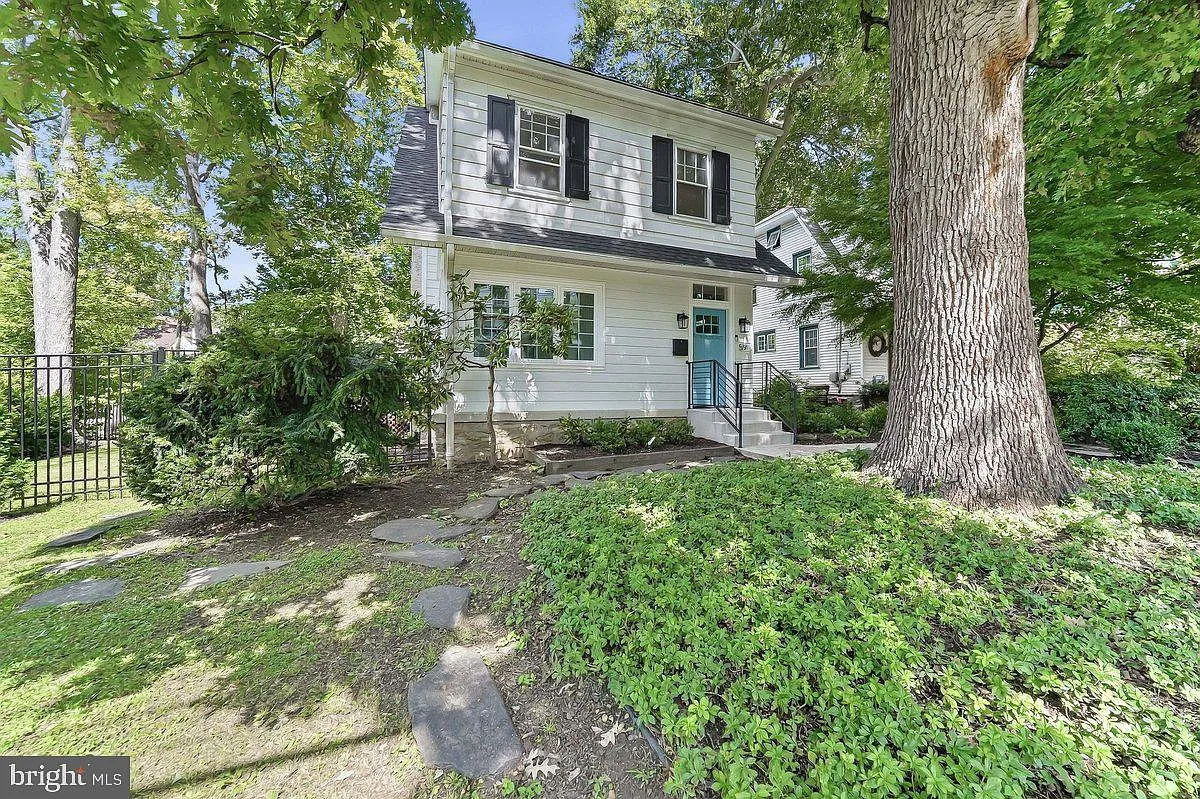
A warm, family-like residence — not an institution. Every space is designed for comfort, safety, and dignity.
Ready to Take the Next Step?
Bell Elite Senior Living is a nurse-led, family-owned personal care home in Delaware County, Pennsylvania. We're here to help.
Proudly Serving Families Across the Greater Philadelphia Region
Bell Elite Senior Living is a nurse-led, family-owned personal care home located in Delaware County, Pennsylvania — and we proudly serve families from across the entire Greater Philadelphia area and surrounding communities. Whether you are searching for a personal care home in Delaware County PA, exploring senior living options near Philadelphia, or looking for compassionate elder care for a loved one in Montgomery County, Bucks County, or Chester County, our team is here to help guide you through every step of the decision.
Families come to Bell Elite from throughout Philadelphia and its suburbs — including Upper Darby, Havertown, Drexel Hill, Broomall, Swarthmore, Media, Springfield, Lansdowne, Darby, Collingdale, and Sharon Hill in Delaware County; Ardmore, Norristown, Lansdale, Cheltenham, Abington, Blue Bell, Jenkintown, Ambler, and Horsham in Montgomery County; Doylestown, Newtown, Langhorne, Bristol, Yardley, Quakertown, and Levittown in Bucks County; and West Chester, Malvern, Exton, Downingtown, Phoenixville, Coatesville, and Paoli in Chester County. We are also a trusted resource for families in South Jersey communities such as Cherry Hill, Voorhees, Marlton, Moorestown, Mount Laurel, Haddonfield, Collingswood, and Camden County who are seeking high-quality personal care across the river in Pennsylvania. Families from Wilmington, Newark, and New Castle County, Delaware also regularly choose Bell Elite for its clinical excellence and intimate, home-like setting.
Our central location in Delaware County puts us within easy reach of Center City Philadelphia, the Main Line, South Philadelphia, Northeast Philadelphia, and the Philadelphia suburbs — making visits from family members throughout the region straightforward and stress-free. We understand that choosing the right personal care home is one of the most important decisions a family will make, and distance should never be a barrier to accessing exceptional, nurse-led care.
Frequently Asked Questions About Our Service Area
Does Bell Elite Senior Living serve families from Philadelphia?
Yes. Bell Elite Senior Living is located in Delaware County, PA, just minutes from Philadelphia. We regularly welcome residents and their families from across Philadelphia, including South Philly, Northeast Philadelphia, Kensington, Germantown, and Center City.
Do you accept residents from Montgomery County, PA?
Absolutely. We serve families throughout Montgomery County including Norristown, Ardmore, Lansdale, Cheltenham, Blue Bell, Jenkintown, and Ambler. Our nurse-led care model is a popular choice for families across the Philadelphia suburbs.
Can families from Bucks County place a loved one at Bell Elite?
Yes. Many of our residents come from Bucks County communities such as Doylestown, Newtown, Yardley, Langhorne, and Bristol. Our facility is easily accessible from Route 1 and I-95 corridors.
Do you serve Chester County families looking for personal care?
Yes. Families from West Chester, Malvern, Exton, Downingtown, Phoenixville, Paoli, and Coatesville in Chester County frequently choose Bell Elite for our small resident count, clinical oversight, and personalized care plans.
Is Bell Elite an option for families in South Jersey near Philadelphia?
Yes. Many families from Cherry Hill, Voorhees, Marlton, Mount Laurel, Haddonfield, Moorestown, and Camden County in New Jersey choose Bell Elite Senior Living in nearby Delaware County, PA for its nurse-led care and welcoming environment.
Do you accept residents from Delaware (Wilmington, Newark, New Castle County)?
Yes. Families from Wilmington, Newark, Middletown, and throughout New Castle County, Delaware have placed loved ones at Bell Elite. Our location in Delaware County, PA makes us a convenient and high-quality option for Delaware families seeking nurse-led personal care.
How do I find out if Bell Elite can serve my family's location?
Call us at (484) 356-1070 or visit our contact page. We serve the entire Greater Philadelphia region and surrounding areas and are happy to discuss your specific situation, schedule a tour, and answer any questions about our care services.
Related Articles



Related Care Services at Bell Elite
Our nurse-led personal care home in Lansdowne, PA offers specialized services for seniors across the Greater Philadelphia region.
Personal Care Home Near You
Bell Elite is located in Lansdowne, PA — a short drive from Upper Darby. See care details for your community:
Have Questions After Reading?
Our nursing team offers free, no-pressure consultations for Pennsylvania families.
Talk to a nurse, not a salesperson. Our team includes RNs, LPNs, a PMHNP, and Family Nurse Practitioners.