

Evaluating Lighting and Floor Plans for Senior Safety in Philly Homes
Bell Elite Senior Living — a nurse-led, family-owned personal care home in Lansdowne, PA. Warm living spaces, private bedrooms, and a chef's kitchen — come see the difference.
The Invisible Risks Lurking in the Shadows of Philadelphia Homes
Have you ever walked into your childhood home in Media or Havertown and suddenly realized that the very hallways you once ran through now feel like a complex obstacle course for your aging parents? It is a startling realization that many families across Delaware County, Pennsylvania face as their loved ones begin to experience changes in mobility and vision. We often think of home as the safest place on earth, yet for a senior, the architecture of a traditional Philadelphia rowhome or a suburban colonial can become a series of hidden hazards. As a nurse, I have spent years assessing environments to ensure they support healing rather than hindering it, and I want to share that perspective with you today.
Imagine this: your mother is walking to the kitchen in the middle of the night for a glass of water, but the transition from the carpeted living room to the tiled kitchen is nearly invisible because the lighting is too dim. Can you see how a simple lack of contrast could lead to a life-changing fall? This is not just about aesthetics or home decor, but rather it is about the fundamental way a human body interacts with its surroundings as we age. When we talk about senior safety, we are really talking about the intersection of biology and architecture.
Q: Why are older homes in the Philadelphia suburbs particularly challenging for senior safety? Many homes in areas like Upper Darby or Springfield were built decades ago when building codes did not prioritize accessibility or aging in place. These structures often feature narrow hallways, steep staircases with inadequate railings, and uneven flooring transitions that can easily trip someone using a walker or cane. Additionally, older electrical systems often limit where you can place high-quality lighting, leaving many corners of the home in dangerous shadows that hide cords or small pets.
Speak With Our Nursing Team
We help Pennsylvania families navigate senior care decisions with compassion and clinical expertise.
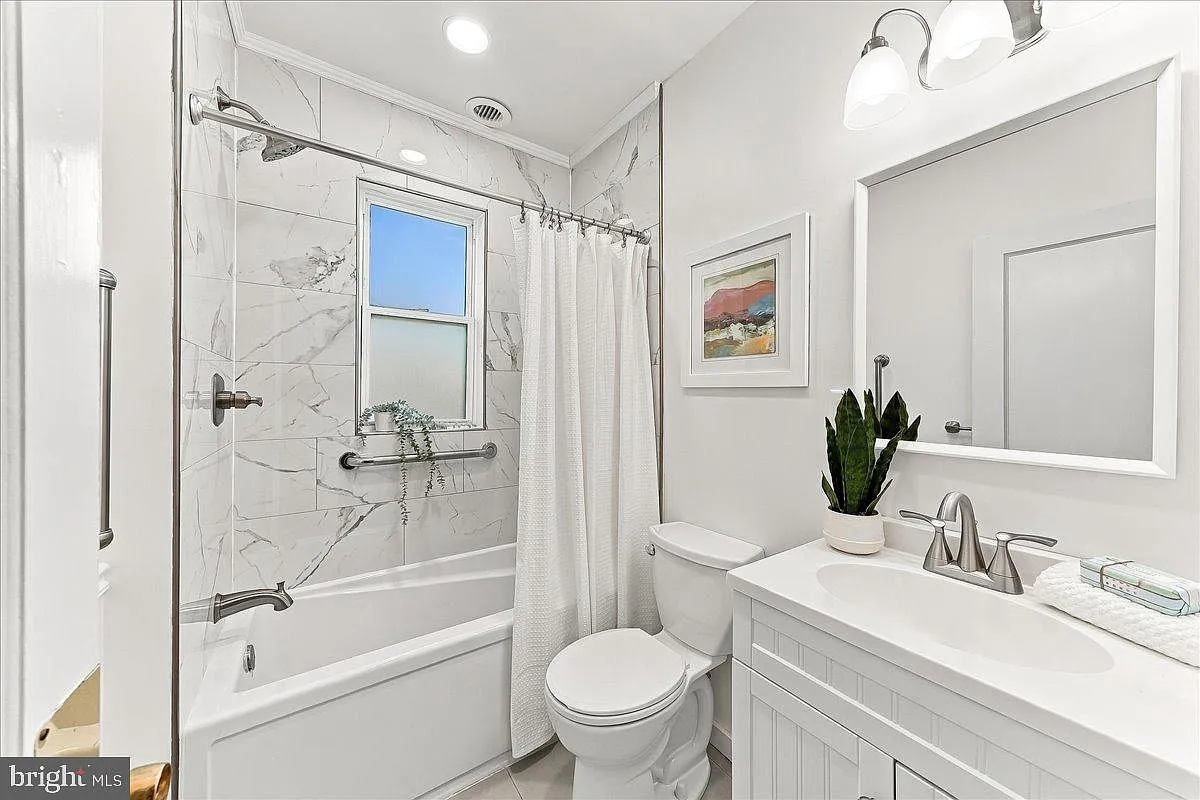
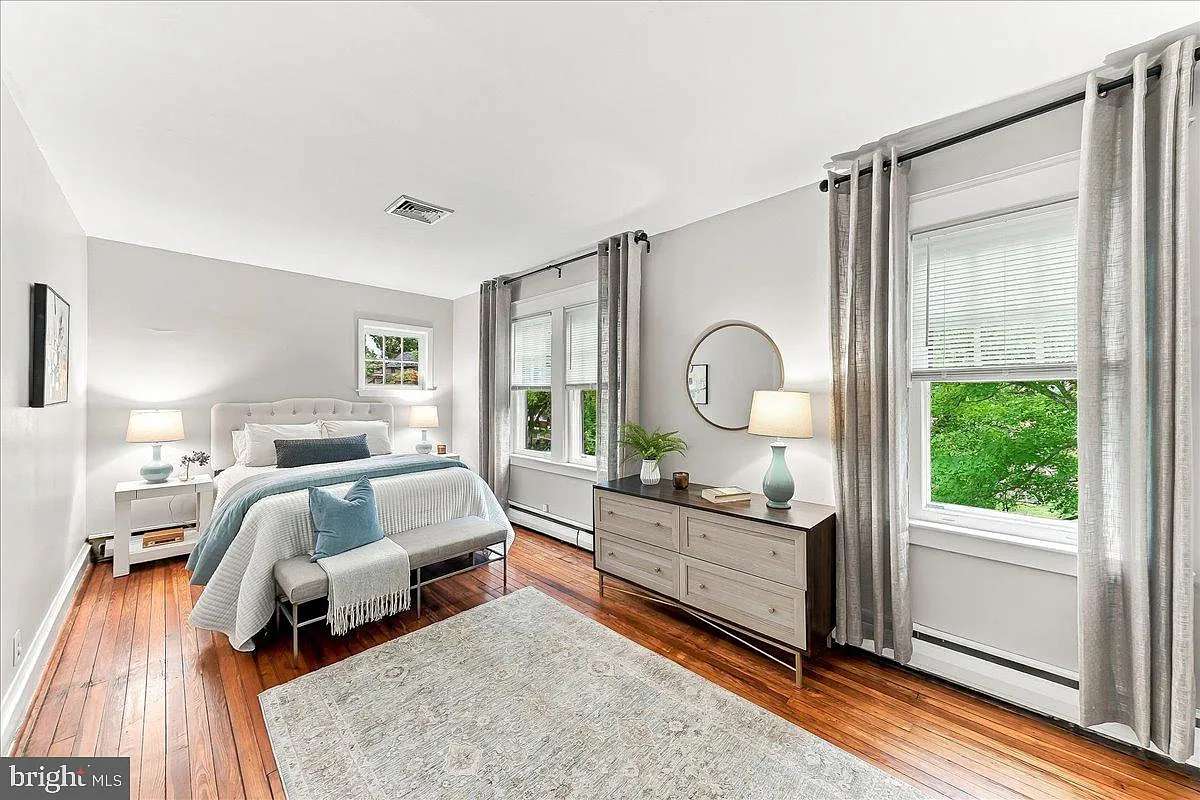
Private bedrooms and accessible bathrooms, designed for safety, comfort, and dignity.
How often do we overlook the glare reflecting off a highly polished hardwood floor in a sunlit Swarthmore living room? Did you know that glare can be just as blinding as total darkness for a senior with cataracts or macular degeneration? It is these subtle nuances that we must address if we want to keep our elders safe and independent for as long as possible. We need to look at our homes through a clinical lens, identifying every potential trip hazard and every dark corner that could cause a misstep.
When we consider the layout of a home, we have to ask ourselves if the furniture placement allows for a clear, wide path of travel. Is there enough room for a caregiver to walk alongside your loved one, or for a wheelchair to turn around without bumping into a heavy oak dresser? In my experience at Bell Elite Senior Living, we find that creating these wide, unobstructed pathways is one of the most effective ways to reduce anxiety and prevent accidents.
Q: Is it better to have an open floor plan or a more traditional room-to-room layout for a senior? While open floor plans are very popular in modern design, they can sometimes be disorienting for seniors with cognitive impairments who rely on walls for physical support or visual cues to identify different areas of the home. However, the main benefit of an open plan is the lack of doorways and thresholds, which are common sites for trips and falls. The best floor plan is one that minimizes transitions while providing enough structural landmarks to help a senior navigate confidently and safely.
Illuminating the Path to Safety Through Nursing Science
Speak With Our Nursing Team
We help Pennsylvania families navigate senior care decisions with compassion and clinical expertise.
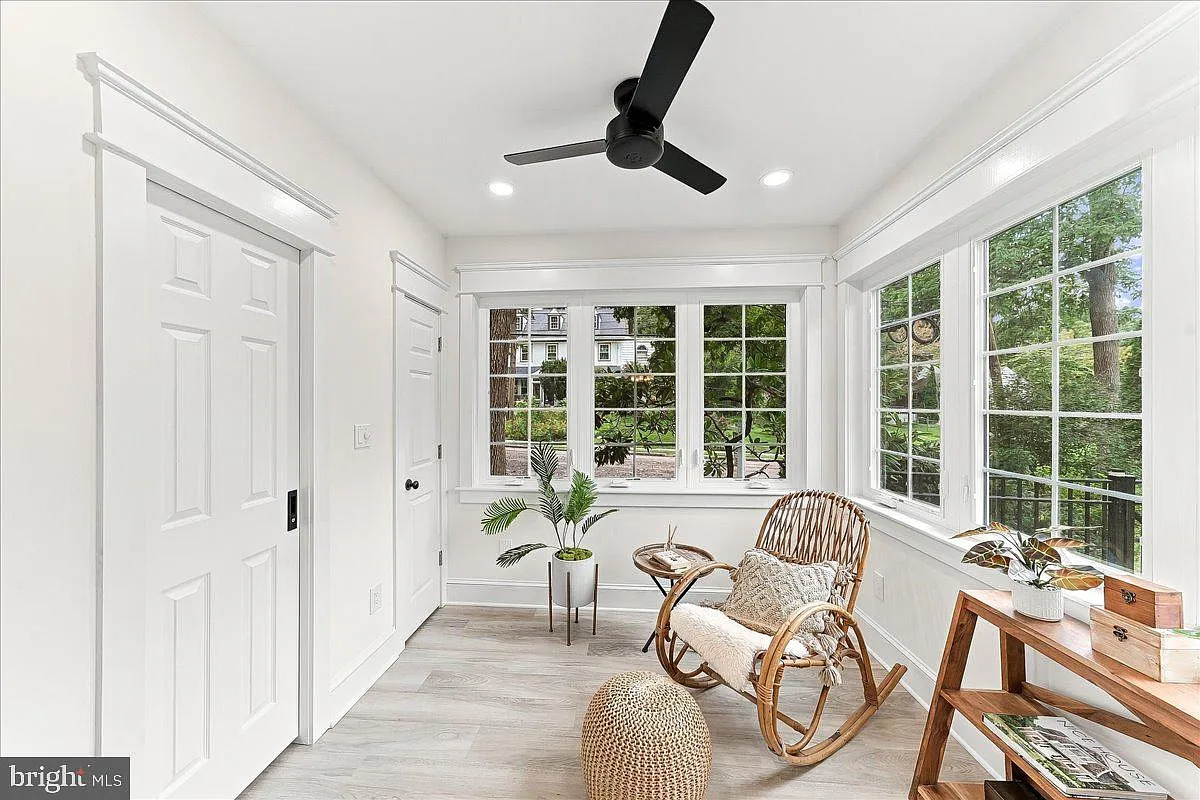
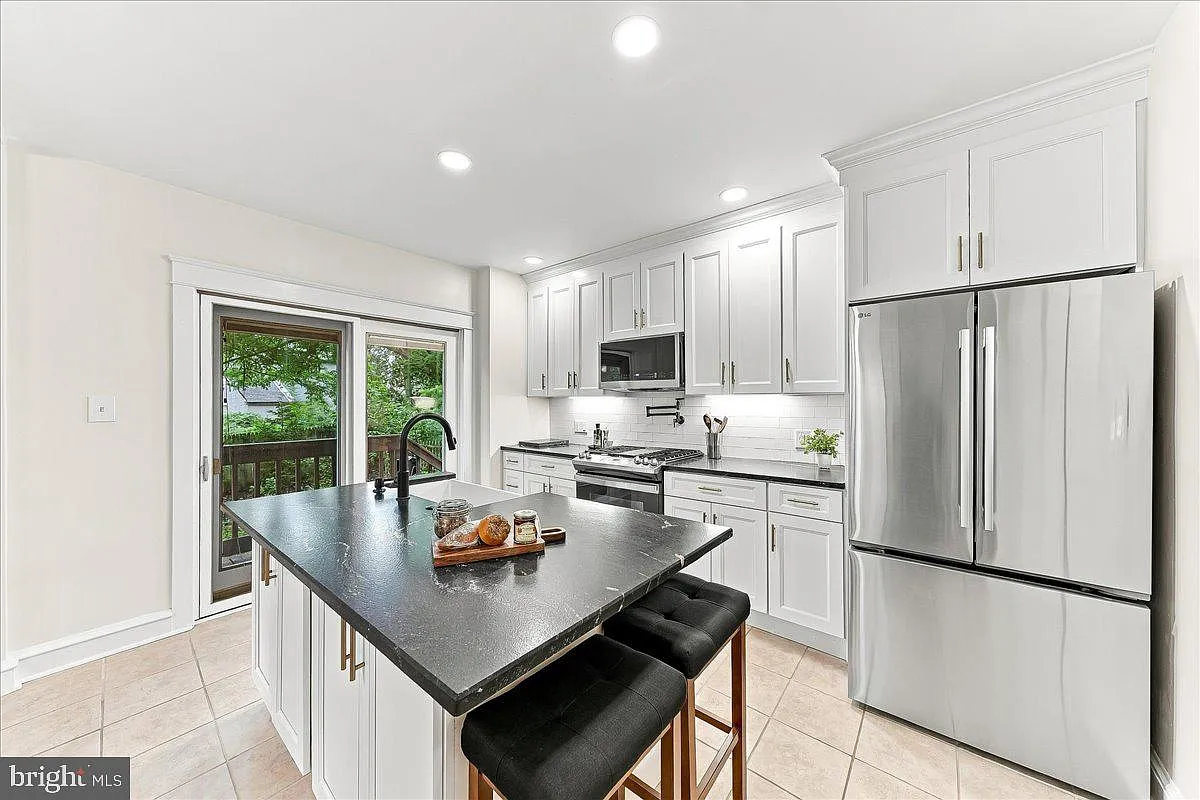
Home-cooked meals in our chef's kitchen and peaceful moments in the sunroom — life at Bell Elite.
Do you know that by the time a person reaches the age of sixty, their eyes require three times as much light to see as they did when they were twenty? This biological reality is one of the primary reasons why lighting is the most critical element of a senior-safe home environment. When I visit families in Drexel Hill or Broomall, I often see homes lit with soft, warm bulbs that create a cozy atmosphere but fail to provide the necessary clarity for a senior to navigate safely.
Picture this scenario: your father is trying to read the labels on his medication bottles in the bathroom, but the single overhead light creates a shadow exactly where he needs to see. Could this lead to a dangerous medication error? The answer is a resounding yes, which is why task lighting is so vital in areas where precision is required. We need to ensure that light is distributed evenly across a room to eliminate the deep shadows that can look like holes or obstacles to a senior with declining depth perception.
Q: What is the best type of light bulb to use for senior safety in a residential setting? For maximum safety, we recommend using LED bulbs that fall within the 5,000K to 6,500K range, which mimics natural daylight and provides the crispest visual contrast. These bulbs are far more effective than traditional incandescent bulbs because they do not flicker and they maintain a consistent color temperature, helping seniors distinguish between different objects and floor levels more easily. Furthermore, LEDs stay cool to the touch, reducing the risk of burns if a senior accidentally grazes a lamp while reaching for a light switch.
Have you noticed how your loved one might hesitate before stepping into a room where the sun is streaming through the window? This hesitation is often caused by the intense contrast between the bright sunlight and the shadows, which can be physically painful for aging eyes. By using sheer curtains or blinds to diffuse this light, we can create a much more comfortable and safer environment. It is all about maintaining a consistent level of illumination throughout the entire home so the eyes do not have to constantly adjust to changing light levels.
At Bell Elite Senior Living, we prioritize lighting that supports the natural circadian rhythm, which is the internal clock that tells our bodies when to sleep and when to wake. In Delaware County, where the winter months can be quite dark, ensuring that our residents have access to bright, daytime-balanced light is essential for their mental health and physical safety. Can you imagine how much better your loved one might feel if their home felt bright and cheerful even on a cloudy Pennsylvania afternoon?
Speak With Our Nursing Team
We help Pennsylvania families navigate senior care decisions with compassion and clinical expertise.
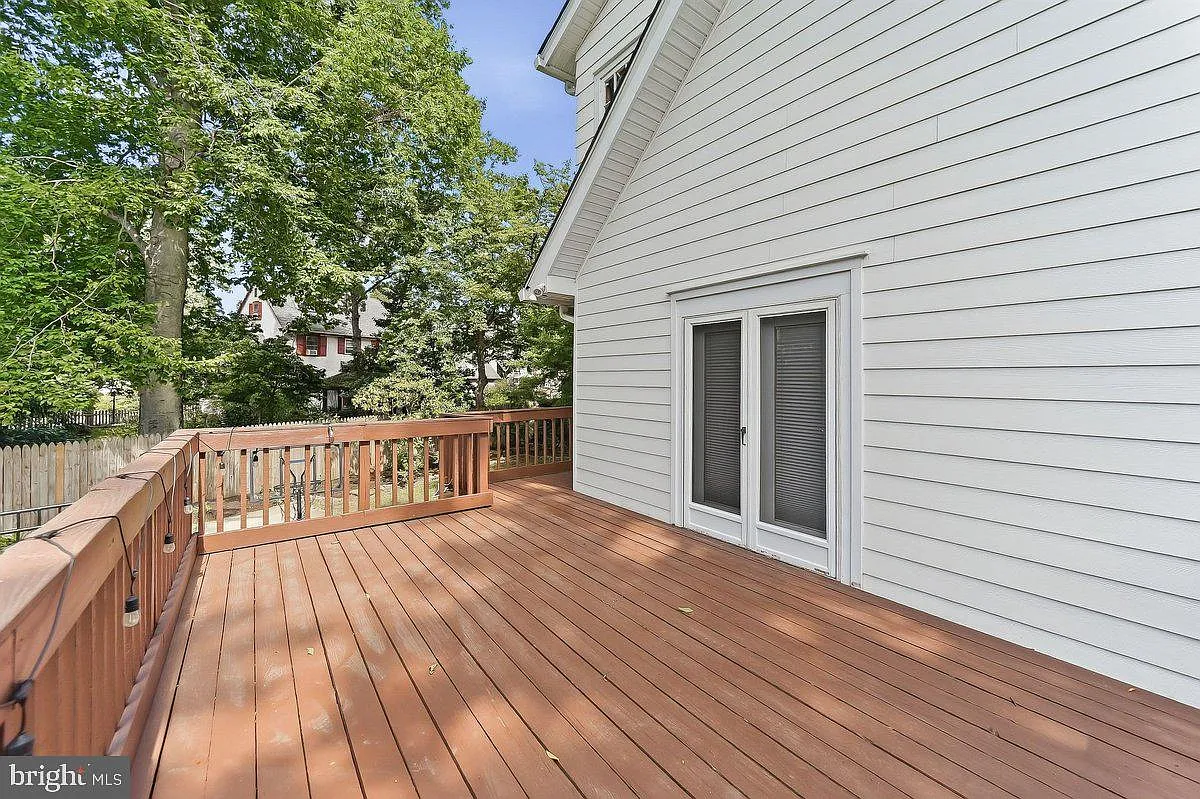
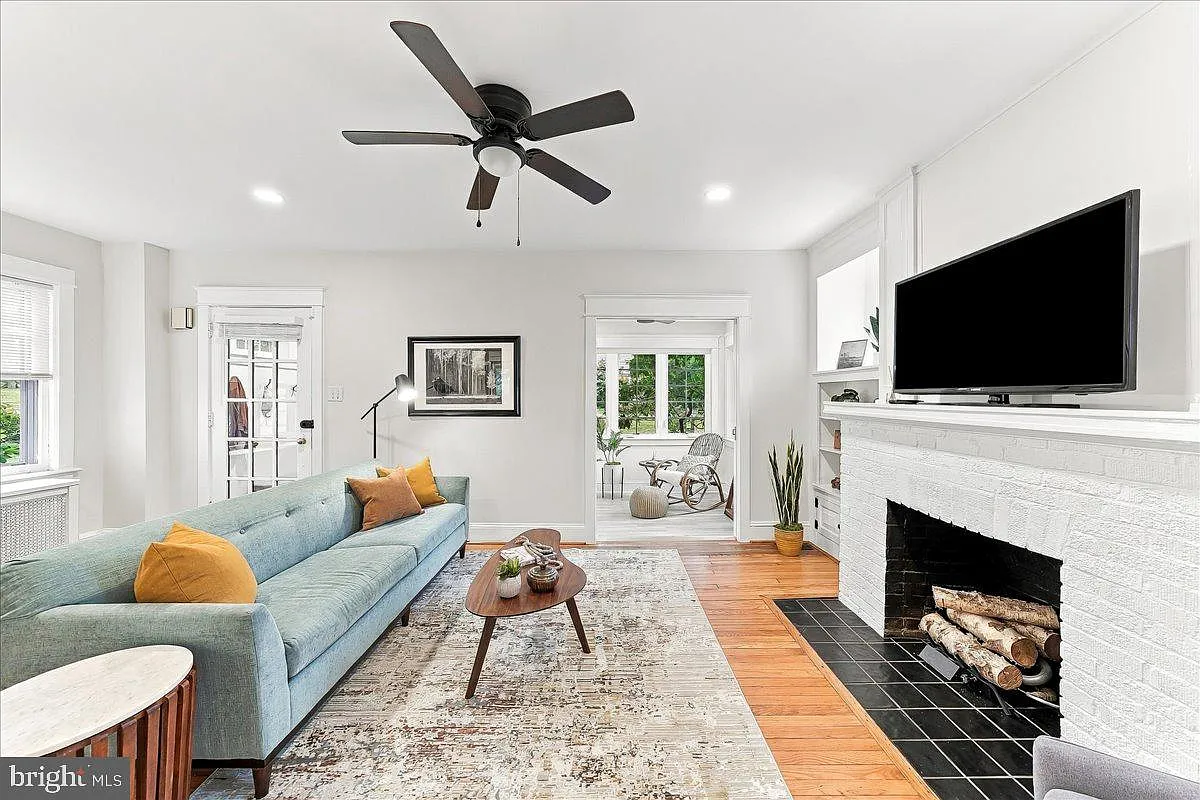
Gather in our warm living room or enjoy fresh air on the deck — every space feels like home.
Have questions about personalized care options? Bell Elite Senior Living's nursing team is ready to help. Call (484) 356-1070 or schedule a free consultation today.
Spatial Intelligence and the Psychology of Senior Floor Plans
Could the very way your furniture is arranged be contributing to your loved one’s risk of falling? Many families in the Philadelphia suburbs take great pride in their antique furniture and heirloom rugs, but these pieces often create a cluttered environment that is difficult for a senior to navigate. When we talk about floor plans, we are not just talking about the walls of the house, but also about the negative space that allows for safe movement.
Imagine this: a senior is using a walker to navigate a narrow path between a coffee table and a sofa, and the walker gets snagged on the edge of a decorative area rug. This is a classic example of how a well-meaning home design can lead to a traumatic event. As a nurse, I always recommend removing all throw rugs and area rugs, or at the very least, securing them with heavy-duty double-sided tape. Research shows that rugs are one of the top causes of falls in the home, especially when they are placed on top of smooth surfaces like hardwood or tile.
Q: How wide should a hallway or doorway be to accommodate a senior safely? Ideally, doorways should be at least 32 to 36 inches wide to allow for the comfortable passage of a walker or a wheelchair without scraping the hands of the senior or the person assisting them. In many older homes in Delaware County, doorways are significantly narrower than this, which may require professional modifications such as installing swing-clear hinges that allow the door to open fully out of the way. Wider pathways not only improve safety but also reduce the feeling of being trapped or restricted in one's own home.
Is there a clear line of sight from the bedroom to the bathroom in your loved one’s home? This is one of the most important aspects of a senior-safe floor plan, as many falls occur during late-night trips to the restroom. If a senior has to navigate around furniture or through multiple doors to reach the bathroom, the risk of an accident increases exponentially. We often suggest a "line of sight" layout where the path is direct and illuminated by motion-activated nightlights that guide the way without the need to fumble for a switch.
When we evaluate a floor plan, we also look at the height of the furniture. Is the bed at a height where your loved one can sit with their feet flat on the floor? Are the chairs firm enough to provide support when standing up, or are they so soft that a senior sinks into them and struggles to get out? These are the practical details that make a huge difference in daily life. In our personal care home, Bell Elite Senior Living, we carefully select furniture that balances comfort with the structural support necessary for safe transitions.
Q: Should I move my parent's bedroom to the first floor even if they can still climb stairs? It is often wise to transition to first-floor living before it becomes an absolute medical necessity because a sudden illness or injury can make stairs impossible overnight. By proactively moving the bedroom and a full bathroom to the main level, you are creating a "landing zone" that ensures your loved one can remain in their home even if their mobility changes. This preemptive move reduces the stress of a crisis-driven renovation and allows the senior to acclimate to their new space while they are still relatively mobile.
Navigating Thresholds and Transitions Across Delaware County
Have you ever stopped to count how many times you step over a small lip or threshold as you move through your home? For a healthy adult, these half-inch transitions are barely noticeable, but for a senior with a shuffling gait or decreased foot clearance, they are significant hazards. In the older neighborhoods of Media and Havertown, many homes feature beautiful but dangerous transitions between different types of flooring, such as from a thick carpet to a linoleum kitchen floor.
Picture this: your grandmother is carrying a laundry basket and fails to lift her foot quite high enough to clear the metal transition strip between the hallway and the bedroom. Does it surprise you to learn that a trip over a threshold just one-quarter of an inch high can result in a hip fracture? This is why we advocate for flush transitions whenever possible, meaning the flooring is at the exact same level throughout the entire house. If a threshold cannot be removed, it should be highlighted with a contrasting color of tape to alert the senior to its presence.
Q: Can a ramp be installed over small steps inside a home without looking like a hospital? Yes, there are many modern, aesthetically pleasing rubber threshold ramps that blend into the flooring and provide a gentle slope instead of a sharp step. These ramps are especially useful for sliding glass doors leading to a patio or for the small steps often found in sunken living rooms common in 1970s-era homes in Springfield and Broomall. By smoothing out these transitions, you are significantly reducing the cognitive load on a senior who otherwise has to constantly monitor their feet for potential trip points.
How many times have you noticed your loved one reaching for a wall or a piece of furniture to steady themselves? This behavior, often called "wall surfing," is a clear sign that the current floor plan does not provide enough stability. Installing grab bars in strategic locations—not just in the bathroom, but also near doorways and long stretches of hallway—can provide the necessary support to prevent a fall. These bars should be securely anchored into studs and have a non-slip texture to ensure a firm grip even if the hands are weak or arthritic.
At Bell Elite Senior Living, located at (484) 356-1070, we recognize that every transition is a moment of risk. Our facility is designed with the understanding that a seamless floor plan is the foundation of senior health. We ensure that every doorway is wide enough and every floor surface is consistent, which allows our residents to move with a sense of freedom and dignity that is often lost in a traditional residential setting.
Q: What is the most dangerous room in the house for a senior, and how does the floor plan play a role? Statistically, the bathroom is the most dangerous room due to the combination of wet surfaces, cramped spaces, and the physical exertion required for bathing and toileting. A safe bathroom floor plan must include enough space for a senior to maneuver a mobility aid and should ideally feature a walk-in shower with no curb at all. By removing the need to step over a high tub wall, you eliminate one of the single most common causes of catastrophic falls among the elderly in Pennsylvania and across the country.
Ready to explore tailored care solutions? Speak with our coordinators at Bell Elite. Phone: (484) 356-1070 • Request a tour
The Bathroom Blueprint for Accident Prevention
Do you realize that the bathroom is often the smallest room in the house but requires the most complex physical movements from a senior? In many Philadelphia homes, bathrooms are tucked away in tight corners with narrow doors that make it nearly impossible to provide assistance. When we evaluate lighting and floor plans for senior safety, the bathroom must be our top priority because it is where the most severe injuries often occur.
Imagine this: your loved one is stepping out of a shower onto a wet tile floor, and because the lighting is dim, they cannot see the puddle of water that has formed near the sink. Can you feel the tension in that moment? We prevent this by installing non-slip flooring with a high coefficient of friction, which stays grippy even when wet. Furthermore, we must ensure there is redundant lighting in the bathroom, meaning that if one bulb burns out, there are still several others to provide adequate illumination for grooming and hygiene tasks.
Q: Is a walk-in tub really the best option for senior safety in the bathroom? While walk-in tubs are heavily marketed, many nurses and safety experts actually prefer a curbless walk-in shower with a built-in bench. Walk-in tubs require the senior to sit inside the tub while it fills and drains, which can lead to chilling and discomfort, and the doors can sometimes leak or fail over time. A curbless shower allows for a seamless transition from the bathroom floor directly into the bathing area, which is much safer for individuals who use a shower chair or need the assistance of a caregiver.
Have you considered the height of the toilet in your parent's home? Most standard toilets are quite low, which requires significant leg strength to stand up from, often leading to a loss of balance. Replacing a standard toilet with a "comfort height" or "ADA-compliant" model can make a world of difference for someone with arthritis or limited mobility. It is a simple floor plan change that provides immediate benefits for daily independence and safety.
At Bell Elite Senior Living, we believe that safety should never come at the expense of comfort. Our bathrooms are designed to be both functional and beautiful, featuring high-contrast colors that help seniors distinguish between the wall, the floor, and the fixtures. This visual clarity is essential for those with declining vision, as it helps them navigate the space with greater confidence and less fear of miscalculating a step.
Q: How can I improve lighting in a bathroom without doing a full renovation? You can start by adding battery-operated or plug-in motion-sensor lights under the vanity or along the baseboards to provide a soft glow during the night. Additionally, replacing a standard mirror with a lighted LED vanity mirror can provide bright, even light on the face, which is helpful for shaving or applying medication. Even changing out the light switches to large, illuminated rocker-style switches can make it easier for a senior to find and operate the lights in the middle of the night.
Choosing a Safe Harbor at Bell Elite Senior Living
Have you ever wondered why so many families in Delaware County feel overwhelmed when it's time to look for care? The weight of ensuring a loved one's safety while trying to maintain their quality of life is a heavy burden to carry alone. We often find that families have spent thousands of dollars trying to retrofit an old home in Media or Drexel Hill, only to realize that the fundamental structure of the house still poses significant risks. This is where a nurse-led, family-owned personal care home like Bell Elite Senior Living can provide a profound sense of relief.
Picture this: your mother living in a suite where every light switch is easily reachable, every floor is level, and the hallways are bathed in warm, clear light that eliminates shadows and confusion. Can you imagine the peace of mind you would feel knowing she is in an environment designed by medical professionals who understand exactly how to prevent falls? Our facility is not just a building, it is a clinical intervention designed to promote independence and safety for every resident we serve.
Q: What makes a nurse-led personal care home different from a traditional assisted living facility? A nurse-led home means that every aspect of the environment and the daily routine is viewed through a clinical lens. At Bell Elite Senior Living, our nursing background allows us to anticipate needs before they become emergencies. We don't just look at a floor plan as a set of rooms, we look at it as a therapeutic space that must support the specific physical and cognitive challenges of our residents. This level of professional oversight ensures a higher standard of safety and a more personalized approach to care.
Why settle for a home environment that feels like a constant battle against gravity and poor lighting? When you choose Bell Elite Senior Living, you are choosing a community that understands the nuances of senior safety in the context of our local Pennsylvania community. We are deeply rooted in Delaware County, and we take pride in offering a warm, family-oriented atmosphere that feels like home, but functions like a state-of-the-art care environment.
If you are feeling the strain of managing a loved one’s safety in a home that no longer meets their needs, I encourage you to reach out to us. We can discuss your specific situation and help you evaluate whether a move to a professionally designed environment is the right step for your family. You can call us at (484) 356-1070 to speak directly with our team and learn more about how we prioritize the health and happiness of our residents.
Q: When is the right time to stop modifying a home and consider a personal care home instead? The right time is usually before a major fall or health crisis occurs. If your loved one is starting to limit their activities—such as avoiding the second floor or being afraid to shower when no one else is home—it is a sign that their environment is no longer supporting their independence. Moving to a facility like Bell Elite Senior Living while they are still able to participate in the transition allows them to build new routines and friendships in a safe, supportive setting, rather than being forced to move under the stress of an injury.
Taking the first step is often the hardest part, but you don't have to do it alone. Whether you live in Havertown, Springfield, or anywhere in the Philadelphia suburbs, our team is here to be your partner in this journey. We believe that every senior deserves to live in a space that is as safe as it is welcoming, and we are committed to providing that for the families of Delaware County. Give us a call at (484) 356-1070 and let's start the conversation today.
A Glimpse Inside Bell Elite
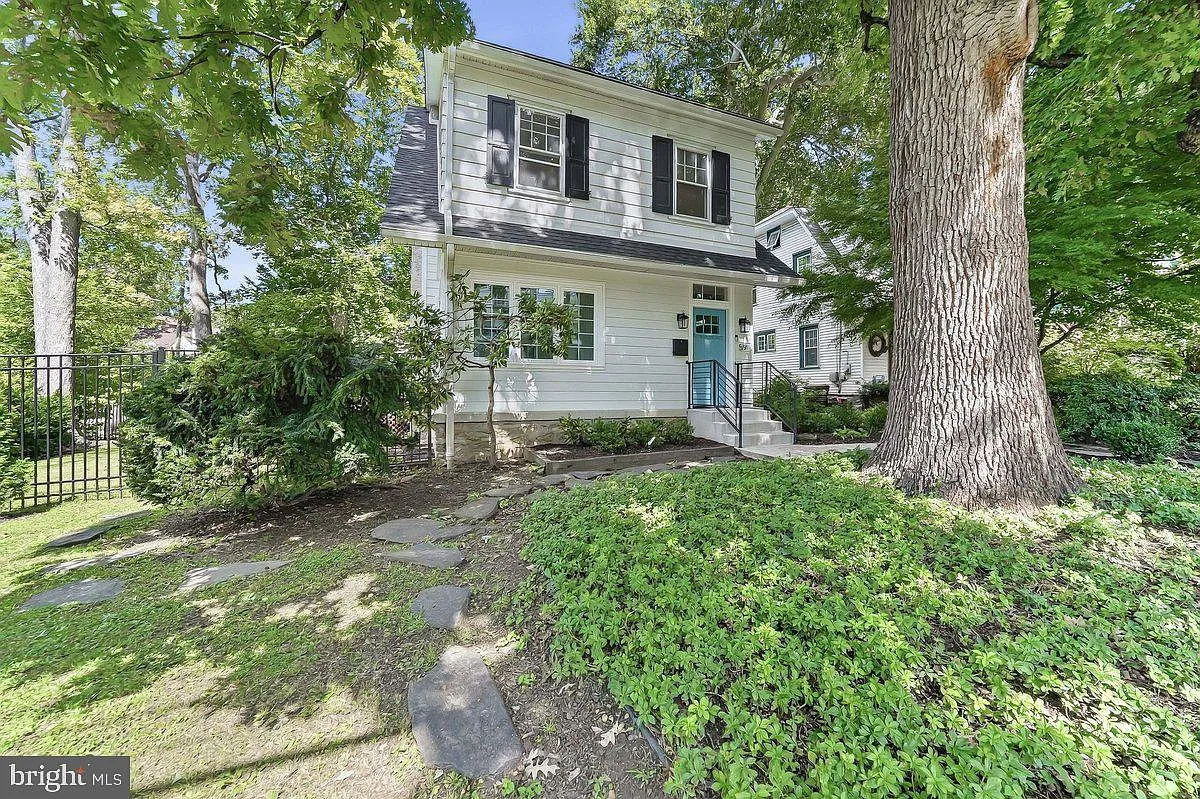
A warm, family-like residence — not an institution. Every space is designed for comfort, safety, and dignity.
Ready to Take the Next Step?
Bell Elite Senior Living is a nurse-led, family-owned personal care home in Delaware County, Pennsylvania. We're here to help.
Proudly Serving Families Across the Greater Philadelphia Region
Bell Elite Senior Living is a nurse-led, family-owned personal care home located in Delaware County, Pennsylvania — and we proudly serve families from across the entire Greater Philadelphia area and surrounding communities. Whether you are searching for a personal care home in Delaware County PA, exploring senior living options near Philadelphia, or looking for compassionate elder care for a loved one in Montgomery County, Bucks County, or Chester County, our team is here to help guide you through every step of the decision.
Families come to Bell Elite from throughout Philadelphia and its suburbs — including Upper Darby, Havertown, Drexel Hill, Broomall, Swarthmore, Media, Springfield, Lansdowne, Darby, Collingdale, and Sharon Hill in Delaware County; Ardmore, Norristown, Lansdale, Cheltenham, Abington, Blue Bell, Jenkintown, Ambler, and Horsham in Montgomery County; Doylestown, Newtown, Langhorne, Bristol, Yardley, Quakertown, and Levittown in Bucks County; and West Chester, Malvern, Exton, Downingtown, Phoenixville, Coatesville, and Paoli in Chester County. We are also a trusted resource for families in South Jersey communities such as Cherry Hill, Voorhees, Marlton, Moorestown, Mount Laurel, Haddonfield, Collingswood, and Camden County who are seeking high-quality personal care across the river in Pennsylvania. Families from Wilmington, Newark, and New Castle County, Delaware also regularly choose Bell Elite for its clinical excellence and intimate, home-like setting.
Our central location in Delaware County puts us within easy reach of Center City Philadelphia, the Main Line, South Philadelphia, Northeast Philadelphia, and the Philadelphia suburbs — making visits from family members throughout the region straightforward and stress-free. We understand that choosing the right personal care home is one of the most important decisions a family will make, and distance should never be a barrier to accessing exceptional, nurse-led care.
Frequently Asked Questions About Our Service Area
Does Bell Elite Senior Living serve families from Philadelphia?
Yes. Bell Elite Senior Living is located in Delaware County, PA, just minutes from Philadelphia. We regularly welcome residents and their families from across Philadelphia, including South Philly, Northeast Philadelphia, Kensington, Germantown, and Center City.
Do you accept residents from Montgomery County, PA?
Absolutely. We serve families throughout Montgomery County including Norristown, Ardmore, Lansdale, Cheltenham, Blue Bell, Jenkintown, and Ambler. Our nurse-led care model is a popular choice for families across the Philadelphia suburbs.
Can families from Bucks County place a loved one at Bell Elite?
Yes. Many of our residents come from Bucks County communities such as Doylestown, Newtown, Yardley, Langhorne, and Bristol. Our facility is easily accessible from Route 1 and I-95 corridors.
Do you serve Chester County families looking for personal care?
Yes. Families from West Chester, Malvern, Exton, Downingtown, Phoenixville, Paoli, and Coatesville in Chester County frequently choose Bell Elite for our small resident count, clinical oversight, and personalized care plans.
Is Bell Elite an option for families in South Jersey near Philadelphia?
Yes. Many families from Cherry Hill, Voorhees, Marlton, Mount Laurel, Haddonfield, Moorestown, and Camden County in New Jersey choose Bell Elite Senior Living in nearby Delaware County, PA for its nurse-led care and welcoming environment.
Do you accept residents from Delaware (Wilmington, Newark, New Castle County)?
Yes. Families from Wilmington, Newark, Middletown, and throughout New Castle County, Delaware have placed loved ones at Bell Elite. Our location in Delaware County, PA makes us a convenient and high-quality option for Delaware families seeking nurse-led personal care.
How do I find out if Bell Elite can serve my family's location?
Call us at (484) 356-1070 or visit our contact page. We serve the entire Greater Philadelphia region and surrounding areas and are happy to discuss your specific situation, schedule a tour, and answer any questions about our care services.
Related Articles


Related Care Services at Bell Elite
Our nurse-led personal care home in Lansdowne, PA offers specialized services for seniors across the Greater Philadelphia region.
Personal Care Home Near You
Bell Elite is located in Lansdowne, PA — minutes from Philadelphia. See care details for your community:
Have Questions After Reading?
Our nursing team offers free, no-pressure consultations for Pennsylvania families.
Talk to a nurse, not a salesperson. Our team includes RNs, LPNs, a PMHNP, and Family Nurse Practitioners.