

Dehydration in Seniors: The Silent Risk Every Family Should Understand
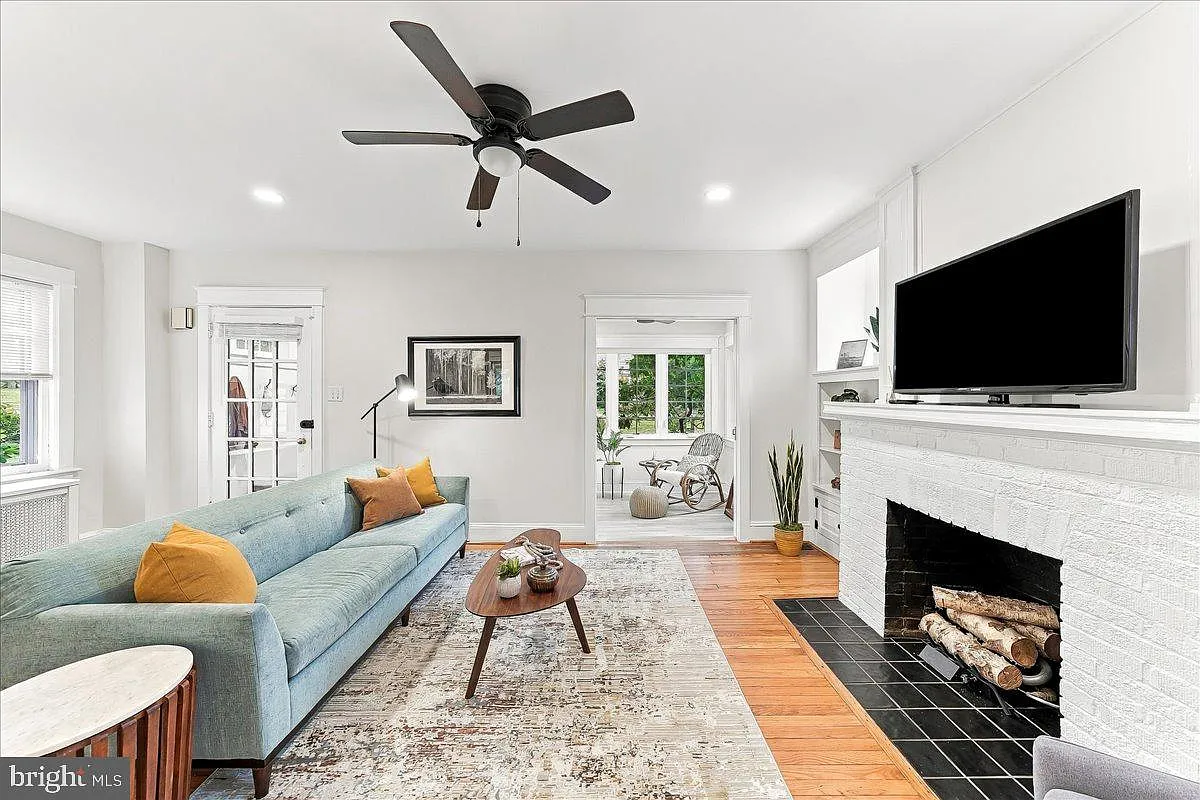
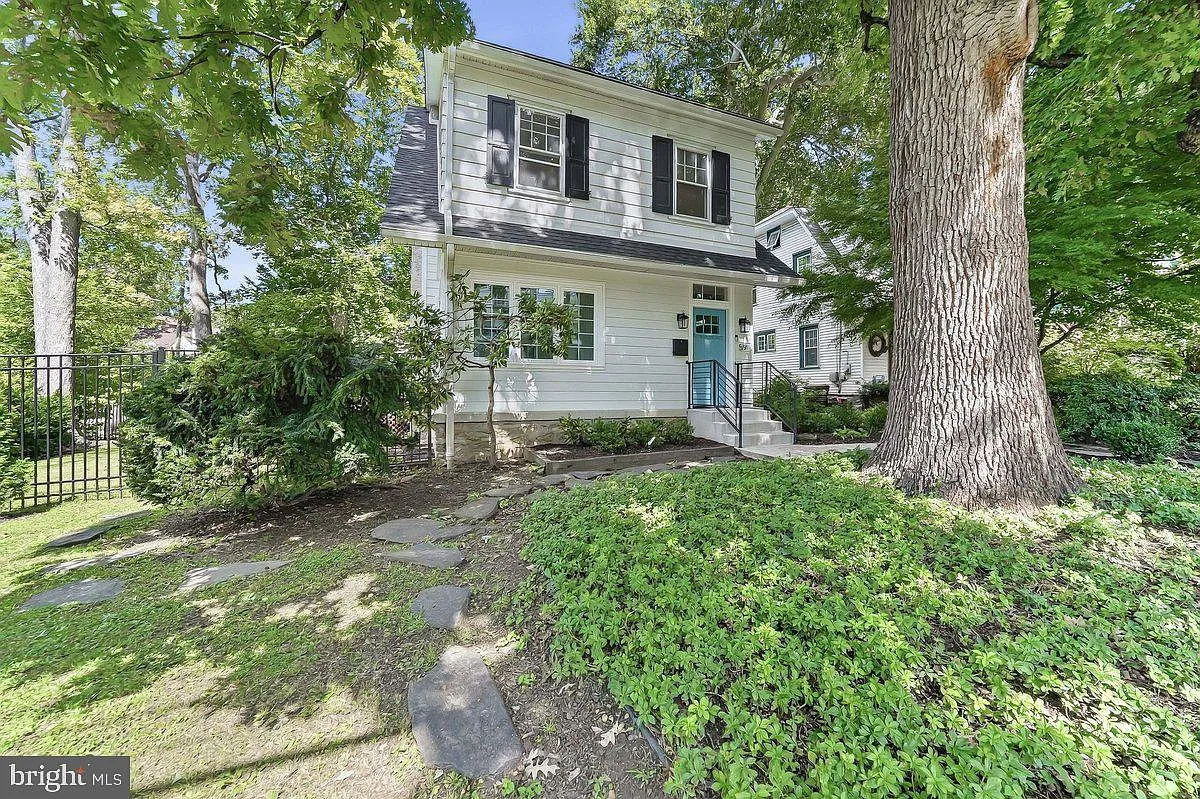

Bell Elite Senior Living — a nurse-led, family-owned personal care home in Lansdowne, PA. Warm living spaces, private bedrooms, and a chef's kitchen — come see the difference.
The Hidden Biology of Why Seniors Stop Feeling Thirsty
Have you ever noticed that your aging parent rarely asks for a glass of water, even on a humid July afternoon in Media? It is a phenomenon that puzzles many devoted family members across Delaware County because we are taught from a young age that thirst is a natural, undeniable signal from our bodies. Yet, as a nurse, I have seen time and again how this biological compass begins to fail as we enter our golden years. The biological reality is that the sensation of thirst diminishes significantly as people age, which creates a dangerous gap between what the body needs and what the brain perceives. Why does this happen, and why is it so hard for us to spot until it becomes an emergency?
Imagine this scenario for a moment. Picture your mother sitting in her favorite sunlit chair in Drexel Hill, surrounded by her books and the quiet comfort of her home. To you, the room feels a bit warm, perhaps even stuffy, and you find yourself reaching for a cold bottle of water every twenty minutes. To her, everything feels perfectly fine. Her body is losing fluids through simple respiration and skin evaporation, yet the receptors in her brain that should be screaming for hydration are whispering or perhaps remaining silent altogether. Have you considered that her lack of interest in drinking isn't stubbornness, but a literal loss of a physical sense?
Q: Is it true that the sensation of thirst actually disappears as we get older? It is a physiological reality that the hypothalamus, which is the part of the brain responsible for regulating thirst and body temperature, becomes less sensitive as we age. For many seniors in Pennsylvania, this biological trigger does not fire with the same urgency it once did. This means by the time an older adult actually feels the urge to drink, they may already be entering a state of clinical dehydration. This is why we often refer to it as a silent risk, because the body's internal alarm system is effectively broken.
Speak With Our Nursing Team
We help Pennsylvania families navigate senior care decisions with compassion and clinical expertise.
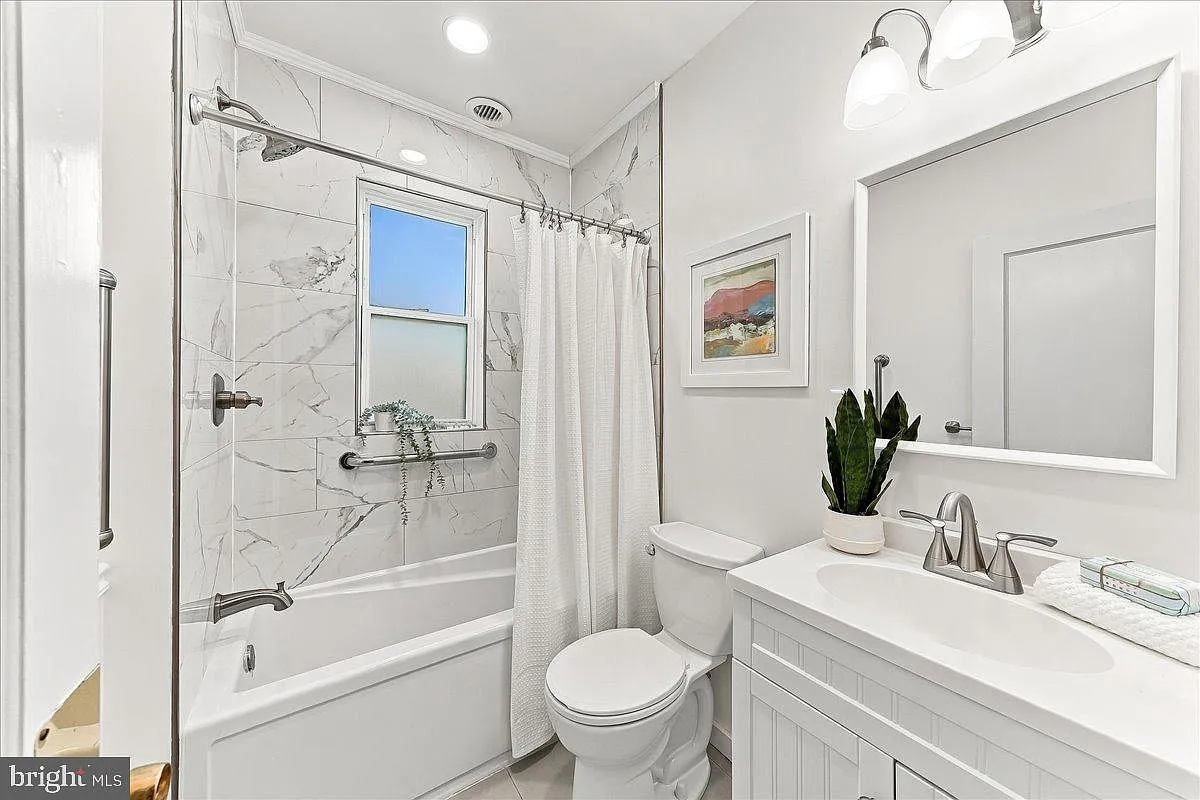
Private bedrooms and accessible bathrooms, designed for safety, comfort, and dignity.
The kidneys also play a massive role in this complex equation of fluid balance. As we age, our kidneys become less efficient at concentrating urine and conserving water when the body is running low. This means that even if a senior is not taking in enough fluids, their body continues to expel water at a rate that it cannot afford. In a nurse-led environment like Bell Elite Senior Living, we monitor these subtle shifts because we know that up to 30 percent of seniors may be chronically dehydrated without even realizing it. Does it worry you to think that your loved one might be losing vital fluids even while they are resting?
We must also look at the composition of the human body itself. Did you know that the total volume of water in our bodies decreases as we get older? A younger adult might be composed of sixty percent water, but for a senior, that number can drop significantly as muscle mass is replaced by fat tissue, which holds less water. This leaves less of a safety buffer. When a senior in Havertown or Springfield loses even a small amount of fluid, it represents a much larger percentage of their total body water than it would for a younger person. How can we expect them to stay resilient when their internal reservoir is already so much smaller than it used to be?
Q: Why do seniors often resist drinking water even when it is offered to them? Resistance often stems from a fear of incontinence or the physical difficulty of reaching a restroom in time. Many seniors in Delaware County purposefully limit their fluid intake because they are embarrassed by potential accidents or because they find the frequent trips to the bathroom to be exhausting. At Bell Elite Senior Living, we address this by creating a supportive environment where bathroom assistance is always available, removing the fear factor that often leads to self-imposed dehydration.
When you call us at (484) 356-1070, we can talk through these physical changes in more detail. It is important to remember that this is not just about a dry mouth. It is about the fundamental way the body processed fluids over a lifetime. If the signals are gone, the responsibility shifts to the caregivers and the family to provide that external regulation. Are we doing enough to bridge that gap between what they feel and what they actually need?
Speak With Our Nursing Team
We help Pennsylvania families navigate senior care decisions with compassion and clinical expertise.
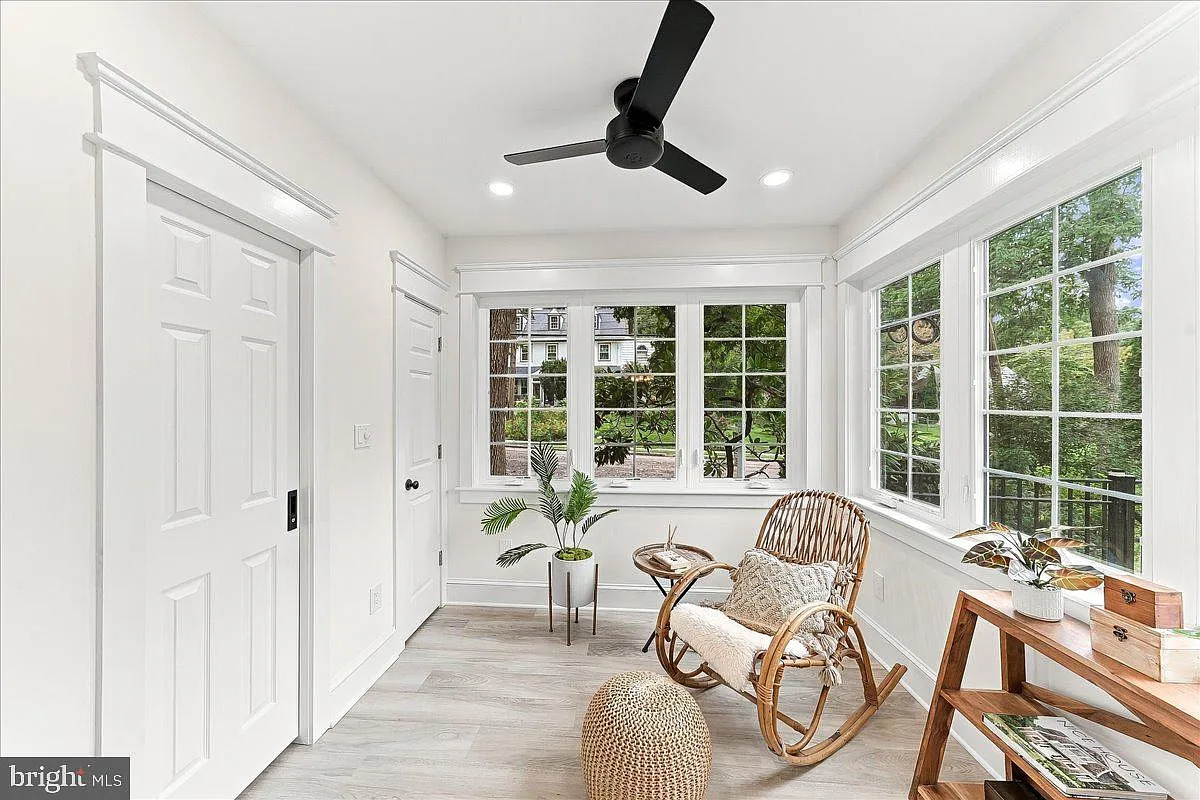
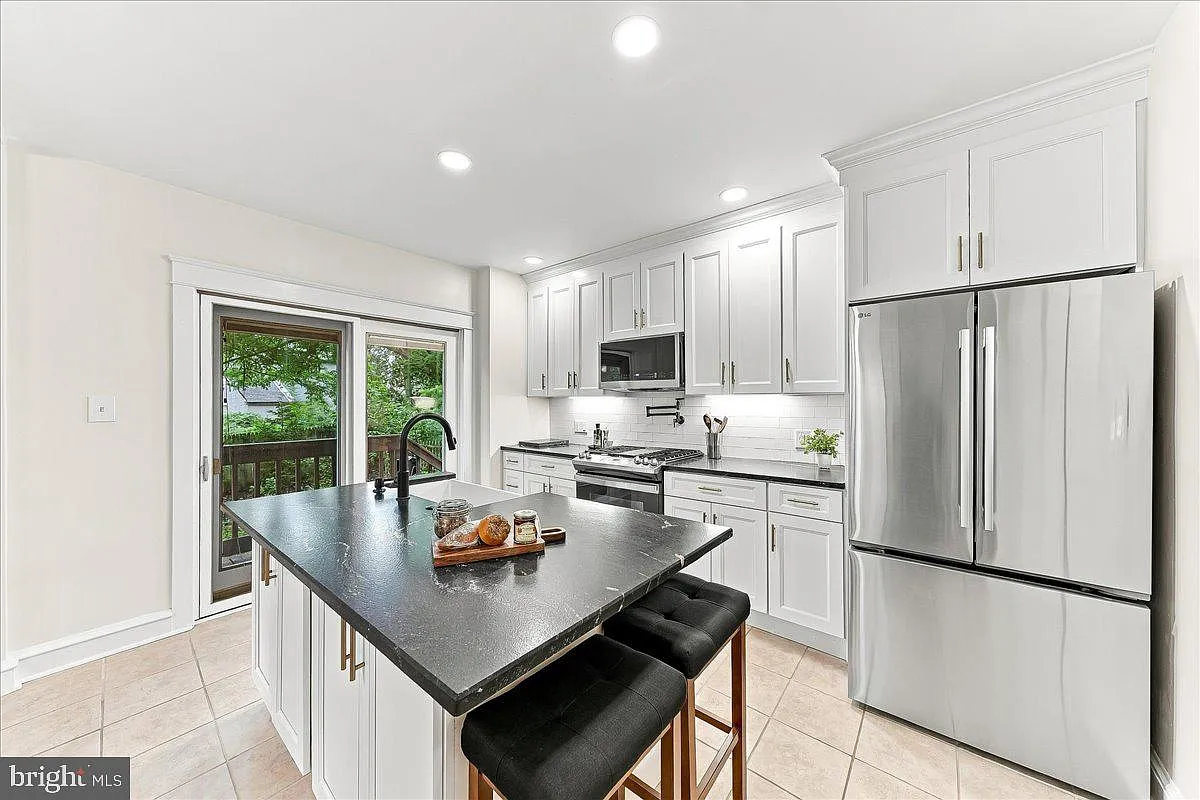
Home-cooked meals in our chef's kitchen and peaceful moments in the sunroom — life at Bell Elite.
Recognizing the Masked Symptoms of Fluid Loss
Does your loved one ever seem suddenly confused or more lethargic than usual, leaving you to wonder if they are just having an "off" day? In many cases, families in Delaware County mistake the signs of dehydration for the early stages of dementia or just a natural part of getting older. Imagine this: your father, who is usually sharp and engaged, starts forgetting where he put his glasses or begins to mumble his words during a visit in Broomall. Your first instinct might be to worry about a stroke or Alzheimer's disease, but the culprit could actually be a simple lack of water.
Dehydration in the elderly does not always look like the parched, cracked lips we see in movies. Instead, it often manifests as cognitive impairment, dizziness, and a sudden increase in falls. When the brain is deprived of adequate fluid, it literally shrinks away from the skull, leading to headaches and a mental fog that can be terrifying for both the senior and their family. Have you ever considered that a simple glass of water could be the key to clearing up a sudden bout of confusion?
Q: How can I tell if my parent is dehydrated if they say they aren't thirsty? One of the most reliable ways to check is by looking at the color of their urine. While this can be a delicate subject, dark, amber-colored urine is a clear sign that the body is desperately trying to conserve water. Additionally, you can check for skin turgor by gently pinching the skin on the back of their hand. If the skin stays tented or takes a long time to flatten back down, it is a sign of reduced elasticity due to fluid loss. However, be aware that in very thin seniors, this test might be less accurate, which is why clinical observation is so vital.
The physical toll of dehydration extends far beyond the brain. It affects the heart, the lungs, and the digestive system. When blood volume drops due to lack of water, the heart has to work much harder to pump oxygen-rich blood to the extremities. This can lead to a rapid heart rate and a drop in blood pressure when standing up, which is a leading cause of fractures and hospitalizations in the Philadelphia suburbs. If your loved one feels faint when they get out of bed, have you looked into their daily water intake as a primary suspect?
Speak With Our Nursing Team
We help Pennsylvania families navigate senior care decisions with compassion and clinical expertise.
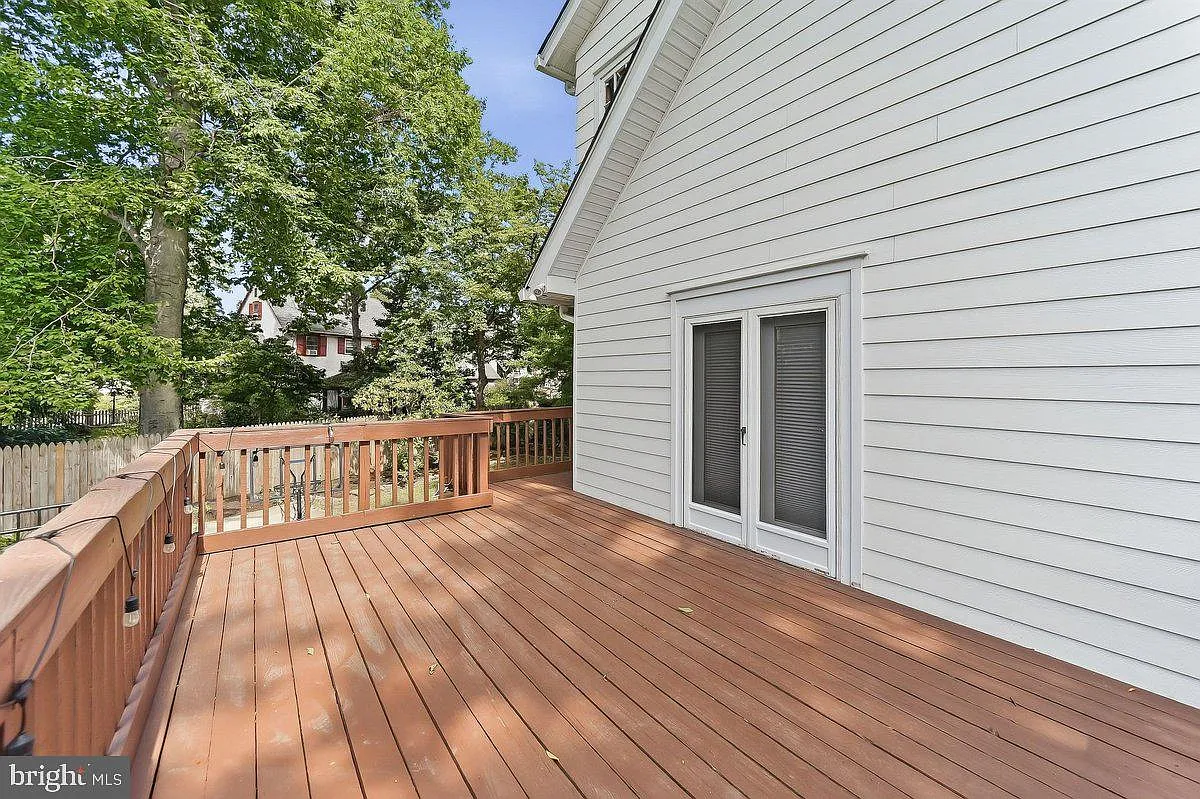
Gather in our warm living room or enjoy fresh air on the deck — every space feels like home.
Another subtle sign that often goes unnoticed is a persistent dry cough or a change in the way they speak. Without enough moisture, the vocal cords and the lining of the throat become irritated, leading to a raspy voice or constant throat clearing. In a family-owned personal care home like Bell Elite Senior Living, our staff is trained to listen for these auditory cues. We understand that dehydration is one of the top ten reasons for hospital admissions among the elderly in Pennsylvania, and we work tirelessly to ensure our residents never become part of that statistic. Can you imagine the peace of mind that comes from knowing someone is watching for these tiny changes every single hour?
Q: Can dehydration cause a senior to become aggressive or agitated? Yes, it absolutely can. When the electrolyte balance in the body is disrupted due to a lack of fluids, it can lead to irritability, agitation, and even hallucinations. Families in areas like Upper Darby often find that their loved ones become much calmer and more settled once their hydration levels are stabilized. It is a biological reaction to a physical crisis, not necessarily a behavioral issue that requires heavy medication.
Have questions about personalized care options? Bell Elite Senior Living's nursing team is ready to help. Call (484) 356-1070 or schedule a free consultation today.
Medical and Environmental Catalysts for Dehydration in the Philadelphia Suburbs
Why does it seem like certain times of the year or certain changes in medication trigger a sudden health decline in our seniors? Living in Delaware County, we experience the full spectrum of Pennsylvania weather, from the humid, sweltering heat of August to the bone-dry, heated air of a January winter. Both of these extremes are recipes for disaster when it comes to maintaining a senior's fluid balance. Picture a winter day in Swarthmore where the radiator is humming and the air inside the house is as dry as a desert. Your loved one isn't sweating, so you think they are fine, but they are losing significant moisture through their breath alone.
The environment is only half of the story, though. We must also look at the medicine cabinet. Many of the most common prescriptions for seniors—such as blood pressure medications, diuretics, and even certain antidepressants—increase the risk of fluid loss. Nearly 80 percent of seniors take at least one medication that can contribute to dehydration. Have you sat down with a professional to review how your parent's current prescriptions might be working against their hydration goals?
Q: My mother is on a "water pill" for her heart. Should I still be pushing her to drink more? This is one of the most complex balancing acts in geriatric care. Diuretics, or water pills, are designed to remove excess fluid to protect the heart and kidneys, but they can easily tip a senior into a state of dehydration. It is essential to follow a doctor's specific fluid intake guidelines. At Bell Elite Senior Living, our nurse-led team coordinates closely with physicians to ensure that residents on diuretics are getting the exact amount of fluid they need to stay safe without overloading their system.
Chronic conditions also play a significant role. Seniors with diabetes often struggle with dehydration because high blood sugar levels force the kidneys to work overtime to flush out excess glucose, taking precious water along with it. Similarly, those with mobility issues in places like Havertown may find it physically taxing to get up and get a drink, so they simply choose to go without. If it takes five minutes of painful movement to reach the kitchen, wouldn't you be tempted to skip that glass of water too?
Cognitive decline and memory loss create yet another layer of risk. A senior with early-stage Alzheimer's in Springfield might simply forget that they haven't had anything to drink all day. They might look at a full glass of water and believe they have already finished it. In these cases, the environment must be structured to make hydration effortless and automatic. Have you ever wondered if the "stubbornness" you see is actually a person who is simply lost in the steps of a task that used to be second nature?
Q: Does coffee or tea count toward a senior's daily fluid goals? While researchers have found that caffeine has a milder diuretic effect than previously thought, we still recommend that water remains the primary source of hydration. Drinks like coffee, soda, and even certain juices can have high sugar or caffeine content that might not be ideal for every senior. In our care home, we focus on providing refreshing alternatives like infused waters or decaffeinated herbal teas that provide the hydration benefit without the unwanted side effects.
Pennsylvania regulations for personal care homes are very specific about maintaining a comfortable and safe environment, but at Bell Elite Senior Living, we go beyond the minimum requirements. We understand that the local climate in the Philadelphia suburbs demands constant vigilance. Whether it is a heatwave in Media or a cold snap in Drexel Hill, we are always adjusting our hydration protocols to match the world outside. Isn't that the kind of proactive care your family deserves?
Proactive Prevention and the Art of Gentle Encouragement
How do we turn the tide against a biological system that is working against itself? Preventing dehydration is not about forcing a senior to chug a massive bottle of water once a day, which can be overwhelming and physically uncomfortable. Instead, it is about the "art of the sip." It is about making hydration a social, enjoyable, and seamless part of the day. Imagine a sunny afternoon at Bell Elite Senior Living where residents are enjoying a flavored water bar with fresh cucumber and mint while chatting about their families. It doesn't feel like a medical requirement; it feels like a treat.
One of the most effective strategies we use is offering foods that have a high water content. Many seniors in Delaware County who resist drinking water will happily enjoy a bowl of soup, a slice of watermelon, or a crisp piece of celery with peanut butter. Foods like cucumbers, strawberries, and lettuce are over 90 percent water, making them incredible allies in the fight against dehydration. Have you tried incorporating more "water-heavy" foods into your loved one's diet instead of just focusing on the glass?
Q: My father hates the taste of plain water. What can I do to help him stay hydrated? This is a very common challenge. Many seniors find plain water to be bland or unappealing. You can try adding natural flavor enhancers like a splash of cranberry juice, a slice of lemon, or even a few frozen berries which act like flavorful ice cubes. Some families in the Media area find that offering water at different temperatures—chilled, room temperature, or even warmed as a light tea—makes a world of difference in how much their loved one is willing to drink.
Small, frequent servings are much more effective than large quantities at once. Using smaller, attractive glassware can make the task feel less daunting. A heavy, thirty-two-ounce insulated tumbler might be great for a hiker in Ridley Creek State Park, but for a senior with arthritis in Broomall, it might be too heavy to lift. A small, five-ounce glass that is refilled often is much more manageable and less intimidating. Have you looked at the cups and glasses your parent is using to see if they are actually a barrier to drinking?
Social cues are also incredibly powerful. We are social creatures, and we often mirror the behaviors of those around us. If you sit down with your loved one and enjoy a drink together, they are much more likely to take a sip themselves. At Bell Elite Senior Living, our staff often sits with residents during hydration breaks, making it a communal activity rather than a clinical task. Do you find that your parent drinks more when you are there visiting and sharing a beverage with them?
Q: Are there any specific times of day when hydration is more important? Starting the day with a glass of water is crucial because we all wake up in a slightly dehydrated state after hours of sleep. However, we also advise seniors to taper their fluid intake in the evening to prevent multiple trips to the bathroom during the night, which can lead to sleep deprivation and increased fall risks. It is a delicate balance of front-loading hydration in the morning and afternoon while being mindful of the nighttime hours.
Establishing a routine is the ultimate key to success. When hydration becomes as routine as brushing one's teeth or checking the mail, the mental effort required to stay healthy decreases. In our nurse-led home, we don't wait for residents to ask for a drink. We proactively offer fluids throughout the day, ensuring that even those who don't feel thirsty are getting what they need. Can you imagine how much stress would be lifted from your shoulders if you didn't have to spend every visit counting the ounces your parent has consumed?
Ready to explore tailored care solutions? Speak with our coordinators at Bell Elite. Phone: (484) 356-1070 • Request a tour
The Clinical Advantage of Nurse-Led Care in Personal Care Homes
Why does it make such a difference when a personal care home is led by a nurse instead of just an administrator? The answer lies in the ability to see the "unseen." When you call Bell Elite Senior Living at (484) 356-1070, you are connecting with a team that understands the complex interplay between hydration, medication, and chronic illness. A nurse knows that a slight change in a resident's gait or a subtle shift in their skin tone isn't just a sign of aging, it is a clinical data point that requires immediate attention.
In many large, corporate-run facilities in the Philadelphia suburbs, the staff-to-resident ratio might be so high that these small changes go unnoticed until they become a crisis. But in a family-owned, nurse-led environment, we have the luxury of time and the expertise to intervene early. We aren't just looking for "enough" water; we are looking for the right balance for each individual's unique health profile. Have you ever felt like your loved one was just another number in a large facility, rather than a person with specific medical needs?
Q: What exactly does "nurse-led" mean for my parent's daily life? It means that clinical oversight is woven into the very fabric of the home. Instead of waiting for a visiting nurse to stop by once a week, our residents have access to nursing expertise that guides their daily care plans. This includes monitoring for signs of dehydration, managing complex medication schedules, and being able to quickly assess whether a resident needs a simple glass of water or a call to their primary care physician. It provides a level of safety and sophistication that goes far beyond basic room and board.
The personal care home model in Pennsylvania is designed to provide a middle ground between independent living and a nursing home. However, because dehydration is so prevalent, having a nurse's eye on the situation is a game-changer. We can spot a urinary tract infection—which is often exacerbated by dehydration—long before it leads to a trip to the emergency room at Taylor Hospital or Riddle Memorial. How much value do you place on the ability to prevent a hospital stay before it even begins?
Our family-owned approach also means that we treat our residents like our own neighbors from Media, Springfield, or Swarthmore. We know their preferences, their stories, and their "normal." When someone isn't acting like themselves, we notice immediately. This level of intimacy is only possible in a smaller setting where the owners and the nursing staff are present and involved every single day. Does your current care situation offer that kind of deep, personal connection?
Q: Can a personal care home really handle a senior who has multiple medical conditions? At Bell Elite Senior Living, we specialize in this. Many of our residents come to us with a combination of heart issues, diabetes, and mobility challenges. Because we are nurse-led, we are uniquely equipped to manage these overlapping needs. We don't just see the dehydration, we see the heart condition that makes fluid management tricky and the arthritis that makes holding a cup difficult. We look at the whole person, not just the symptom.
We also believe in empowering families with information. We don't just care for your loved one, we partner with you. When you visit us, we can show you the systems we have in place to ensure your parent is staying hydrated and healthy. We believe that transparency and communication are the foundations of great care. Are you ready to work with a team that values your input and treats your parent with the clinical excellence they deserve?
Long-Term Longevity and the Vital Importance of Proper Hydration
Have you ever considered that the secret to a longer, more vibrant life might be found right in the kitchen tap? Proper hydration is not just about avoiding a short-term crisis like heatstroke or a dizzy spell. It is a fundamental pillar of long-term health that affects every single organ system in the body. For seniors in Delaware County, staying hydrated means better kidney function, improved digestion, more resilient skin, and a sharper mind. It is the fuel that keeps the biological engine running smoothly.
When we prioritize hydration, we are actually investing in a senior's independence. A well-hydrated senior is less likely to fall, less likely to experience the debilitating effects of a urinary tract infection, and more likely to have the energy to participate in the activities they love. Whether it is a stroll through the local park in Upper Darby or a crafting session in our communal room, everything is easier when the body is properly fueled with water. Why would we settle for a life of "getting by" when vibrant health is still within reach?
Q: How long does it take to see the benefits of improved hydration in a senior? The results can often be seen incredibly quickly. Within just a few days of consistent, proper hydration, many seniors experience improved mental clarity, more regular bowel movements, and a boost in their overall mood. It is one of the most cost-effective and impactful health interventions available. In our home, we have seen residents who arrived appearing frail and confused become much more engaged and lively simply because their fluid and electrolyte levels were brought back into balance.
The ripple effects of good hydration extend to the healthcare system as a whole. By preventing the complications associated with dehydration, we are reducing the need for aggressive medical interventions and hospitalizations. This leads to a higher quality of life and less stress for the entire family. In the suburbs of Philadelphia, where we have access to some of the best medical care in the world, the best care is still the care that keeps you out of the hospital in the first place. Don't you agree that prevention is always better than the alternative?
As a family-owned home, Bell Elite Senior Living is dedicated to the idea that the later years of life should be filled with dignity and comfort. We know that the families in Media, Havertown, and Broomall are looking for more than just a place for their parents to sleep. They are looking for a place where their parents will thrive. Hydration is just one part of our comprehensive, nurse-led approach to wellness. Are you ready to see how a focus on the "little things" like a glass of water can make a massive difference in your loved one's life?
Q: What is the first step a family should take if they are worried about their loved one's hydration? The first step is observation and a conversation with a professional. Start tracking how much they are actually drinking and look for those subtle signs like confusion or dark urine. Then, give us a call at (484) 356-1070. We can discuss your observations and help you determine if your loved one might benefit from the structured, clinical oversight we provide. You don't have to manage this silent risk alone.
In the end, it all comes back to that "nurse friend" perspective. We want what you want: a safe, happy, and healthy parent who can enjoy their time in Delaware County to the fullest. Dehydration may be a silent risk, but it is one that we can easily defeat when we work together. The journey toward better health starts with a single sip and a single phone call. Will you take that step with us today to ensure your loved one is protected from this hidden danger?
At Bell Elite Senior Living, we are more than just a personal care home. We are a community of caregivers who understand the biology, the environment, and the emotions involved in aging. We are here to provide the clinical expertise of a nurse with the warmth of a family member. Let us help you turn the page to a new chapter of health and vitality for your parent. Do you feel ready to give your loved one the gift of professional, compassionate, and nurse-led care?
A Glimpse Inside Bell Elite
A warm, family-like residence — not an institution. Every space is designed for comfort, safety, and dignity.
Ready to Take the Next Step?
Bell Elite Senior Living is a nurse-led, family-owned personal care home in Delaware County, Pennsylvania. We're here to help.
Proudly Serving Families Across the Greater Philadelphia Region
Bell Elite Senior Living is a nurse-led, family-owned personal care home located in Delaware County, Pennsylvania — and we proudly serve families from across the entire Greater Philadelphia area and surrounding communities. Whether you are searching for a personal care home in Delaware County PA, exploring senior living options near Philadelphia, or looking for compassionate elder care for a loved one in Montgomery County, Bucks County, or Chester County, our team is here to help guide you through every step of the decision.
Families come to Bell Elite from throughout Philadelphia and its suburbs — including Upper Darby, Havertown, Drexel Hill, Broomall, Swarthmore, Media, Springfield, Lansdowne, Darby, Collingdale, and Sharon Hill in Delaware County; Ardmore, Norristown, Lansdale, Cheltenham, Abington, Blue Bell, Jenkintown, Ambler, and Horsham in Montgomery County; Doylestown, Newtown, Langhorne, Bristol, Yardley, Quakertown, and Levittown in Bucks County; and West Chester, Malvern, Exton, Downingtown, Phoenixville, Coatesville, and Paoli in Chester County. We are also a trusted resource for families in South Jersey communities such as Cherry Hill, Voorhees, Marlton, Moorestown, Mount Laurel, Haddonfield, Collingswood, and Camden County who are seeking high-quality personal care across the river in Pennsylvania. Families from Wilmington, Newark, and New Castle County, Delaware also regularly choose Bell Elite for its clinical excellence and intimate, home-like setting.
Our central location in Delaware County puts us within easy reach of Center City Philadelphia, the Main Line, South Philadelphia, Northeast Philadelphia, and the Philadelphia suburbs — making visits from family members throughout the region straightforward and stress-free. We understand that choosing the right personal care home is one of the most important decisions a family will make, and distance should never be a barrier to accessing exceptional, nurse-led care.
Frequently Asked Questions About Our Service Area
Does Bell Elite Senior Living serve families from Philadelphia?
Yes. Bell Elite Senior Living is located in Delaware County, PA, just minutes from Philadelphia. We regularly welcome residents and their families from across Philadelphia, including South Philly, Northeast Philadelphia, Kensington, Germantown, and Center City.
Do you accept residents from Montgomery County, PA?
Absolutely. We serve families throughout Montgomery County including Norristown, Ardmore, Lansdale, Cheltenham, Blue Bell, Jenkintown, and Ambler. Our nurse-led care model is a popular choice for families across the Philadelphia suburbs.
Can families from Bucks County place a loved one at Bell Elite?
Yes. Many of our residents come from Bucks County communities such as Doylestown, Newtown, Yardley, Langhorne, and Bristol. Our facility is easily accessible from Route 1 and I-95 corridors.
Do you serve Chester County families looking for personal care?
Yes. Families from West Chester, Malvern, Exton, Downingtown, Phoenixville, Paoli, and Coatesville in Chester County frequently choose Bell Elite for our small resident count, clinical oversight, and personalized care plans.
Is Bell Elite an option for families in South Jersey near Philadelphia?
Yes. Many families from Cherry Hill, Voorhees, Marlton, Mount Laurel, Haddonfield, Moorestown, and Camden County in New Jersey choose Bell Elite Senior Living in nearby Delaware County, PA for its nurse-led care and welcoming environment.
Do you accept residents from Delaware (Wilmington, Newark, New Castle County)?
Yes. Families from Wilmington, Newark, Middletown, and throughout New Castle County, Delaware have placed loved ones at Bell Elite. Our location in Delaware County, PA makes us a convenient and high-quality option for Delaware families seeking nurse-led personal care.
How do I find out if Bell Elite can serve my family's location?
Call us at (484) 356-1070 or visit our contact page. We serve the entire Greater Philadelphia region and surrounding areas and are happy to discuss your specific situation, schedule a tour, and answer any questions about our care services.
Related Articles



Related Care Services at Bell Elite
Our nurse-led personal care home in Lansdowne, PA offers specialized services for seniors across the Greater Philadelphia region.
Personal Care Home Near You
Bell Elite is located in Lansdowne, PA — minutes from Philadelphia. See care details for your community:
Have Questions After Reading?
Our nursing team offers free, no-pressure consultations for Pennsylvania families.
Talk to a nurse, not a salesperson. Our team includes RNs, LPNs, a PMHNP, and Family Nurse Practitioners.