Comparing Care Quality in For-Profit vs. Non-Profit Homes in Philly
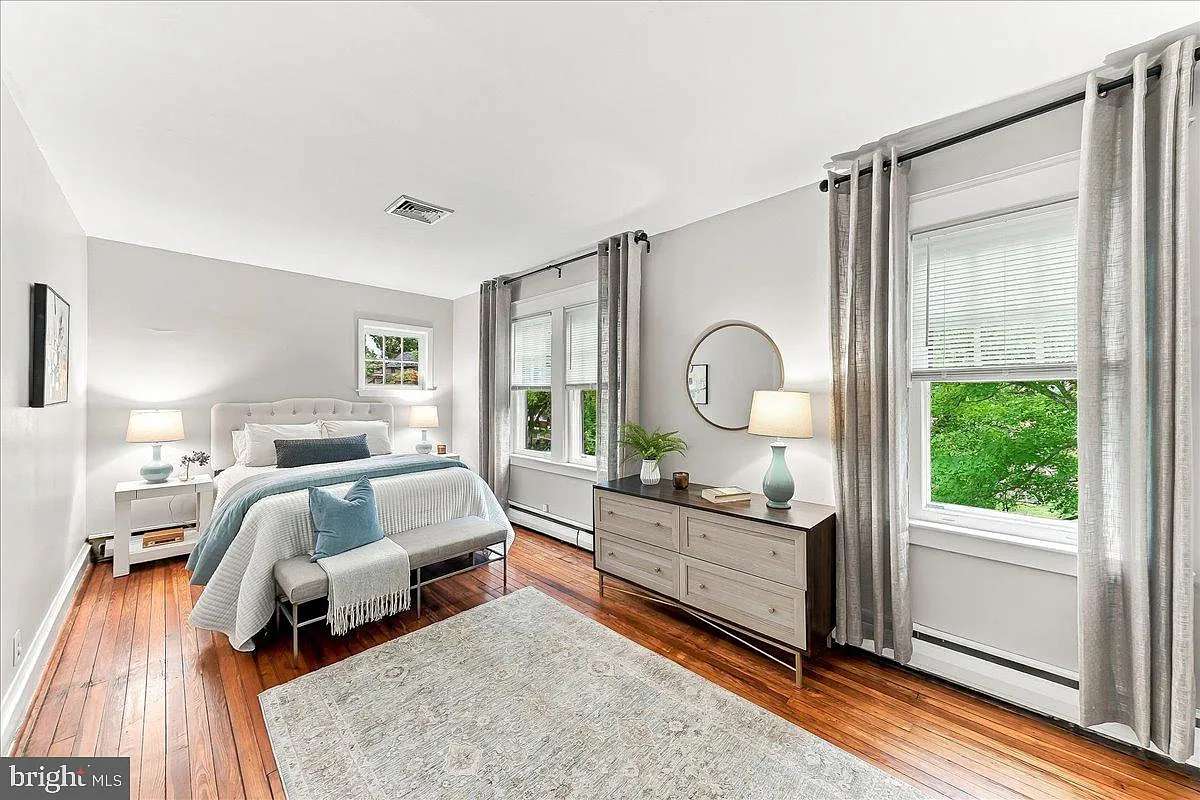
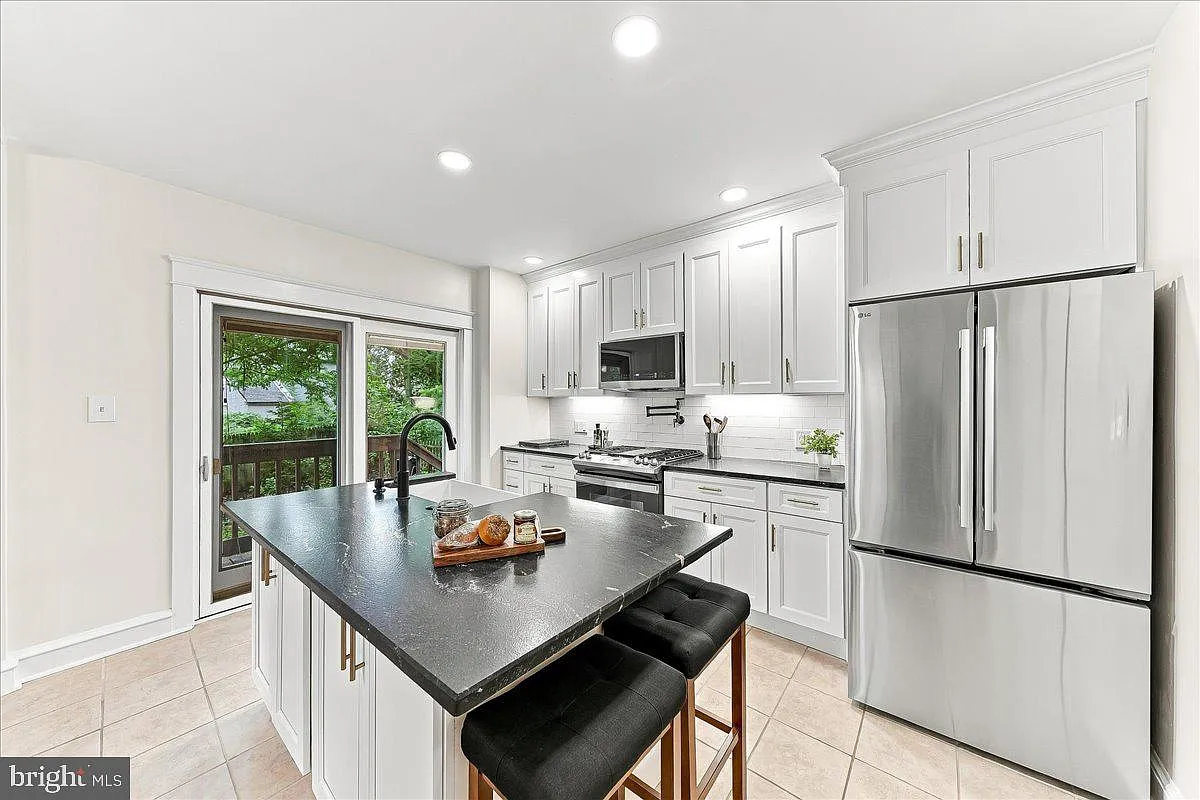
Bell Elite Senior Living — a nurse-led, family-owned personal care home in Lansdowne, PA. Warm living spaces, private bedrooms, and a chef's kitchen — come see the difference.
The Hidden Truth Behind the Tax Status of Pennsylvania Senior Care
Have you ever found yourself staring at a glossy brochure for a senior living community in the Philadelphia suburbs and wondered if the tax status on the back page actually dictates how well your mother will be treated? It is a question that keeps many daughters and sons awake at night as they navigate the winding roads of Delaware County looking for the perfect fit. We often assume that a non-profit designation acts as a shield against poor care, but the reality on the ground in places like Media or Springfield is far more nuanced. As a nurse who has walked these hallways for years, I want to help you peel back the curtain on what these labels really mean for your family.
Imagine this scenario for a moment. You walk into a beautifully appointed lobby in a high-rise near City Line Avenue. The carpets are plush, the art is modern, and the receptionist greets you with a rehearsed smile. You see the non-profit seal and feel a sense of relief. You think to yourself that because they do not have shareholders, every penny must be going back into your father’s dinner or his medication management. But then you notice the hallway smells faintly of unanswered call bells. You see a lone aide rushing between six different rooms while the administrative offices are filled with people in suits. Does that non-profit status feel like a guarantee of quality in that moment?
Q: Does a non-profit status mean a senior living home is cheaper for families in Delaware County? No, a non-profit designation is a tax status and not a pricing model. In fact, many non-profit Continuing Care Retirement Communities in the Philadelphia area require substantial entry fees that can reach hundreds of thousands of dollars. While these organizations do not pay federal taxes, they still need to maintain significant profit margins to fund future expansions and pay high executive salaries. The cost to the consumer is often comparable to, or even higher than, for-profit personal care homes in the region.
Speak With Our Nursing Team
We help Pennsylvania families navigate senior care decisions with compassion and clinical expertise.
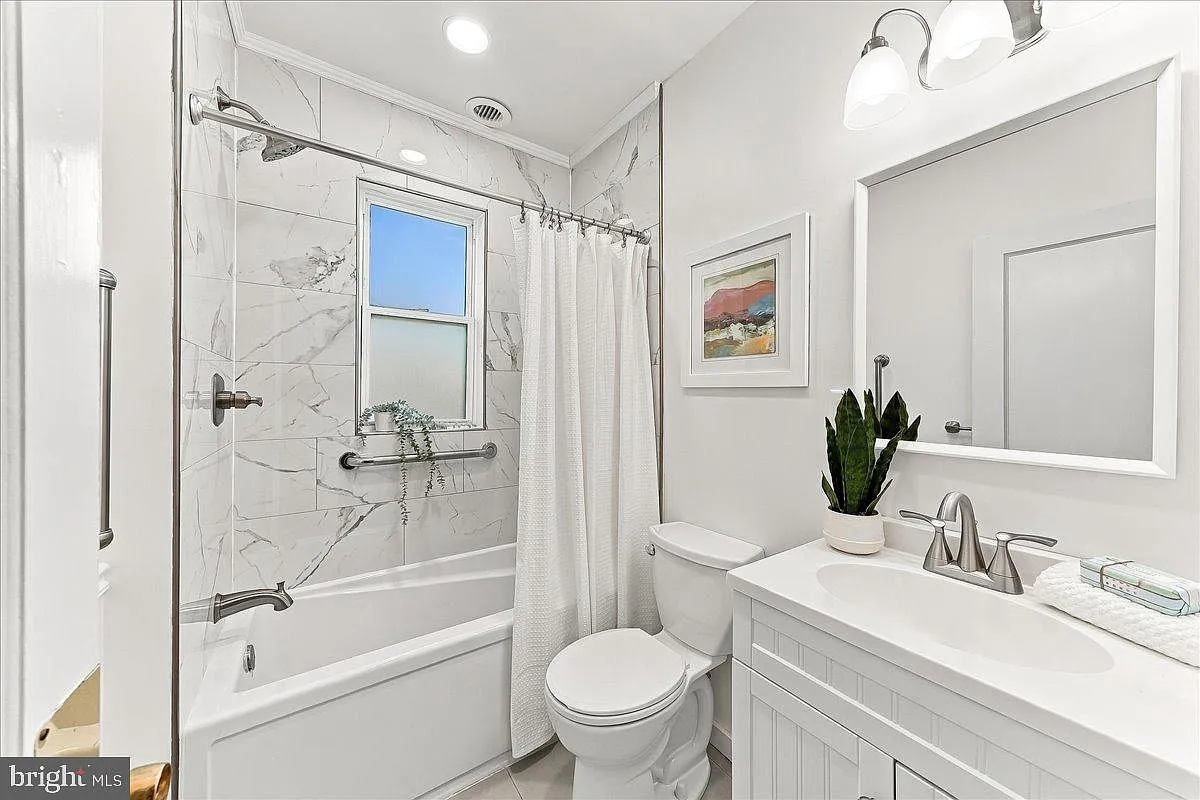
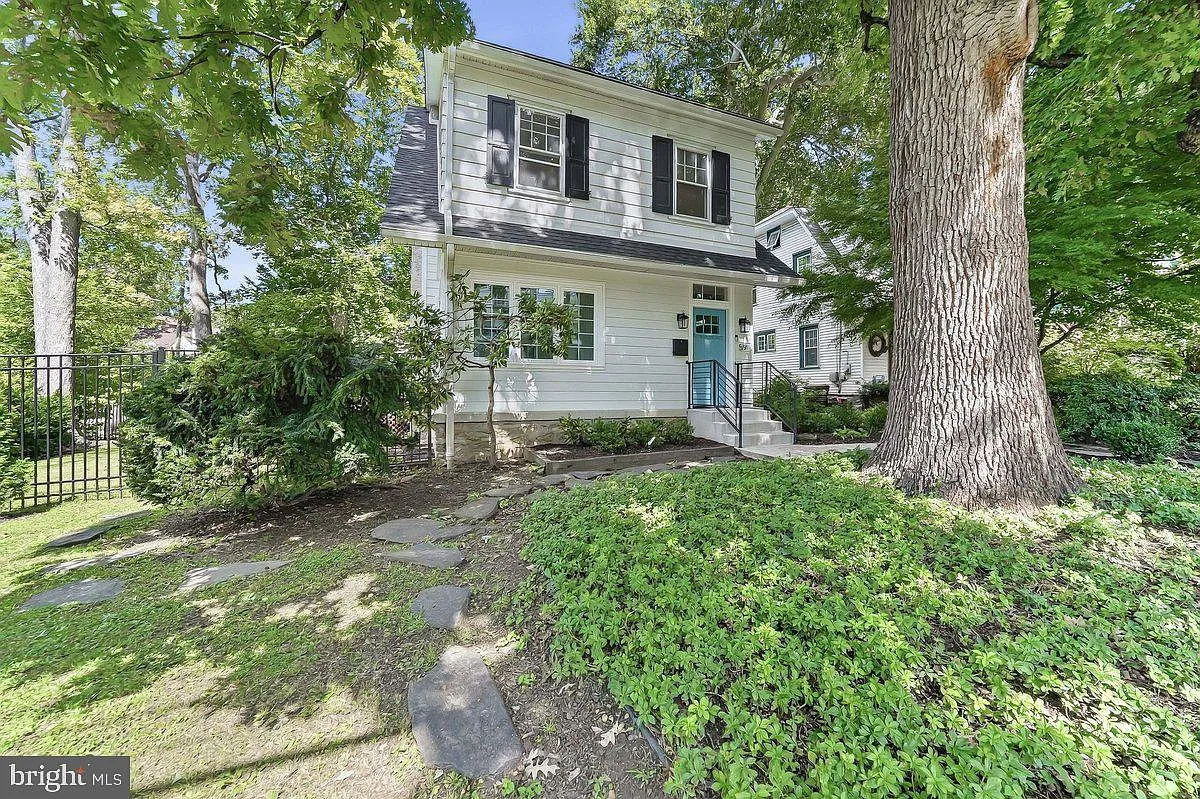
Private bedrooms and accessible bathrooms, designed for safety, comfort, and dignity.
The truth is that for-profit and non-profit homes in Pennsylvania are held to the exact same regulatory standards by the Department of Human Services. Whether a home is located in the heart of Upper Darby or tucked away in a quiet corner of Swarthmore, the state does not give a pass to a facility just because it has a 501(c)(3) designation. They are all inspected for safety, staffing ratios, and cleanliness. So, if the rules are the same, why do we get so caught up in the business structure? We do it because we want a shortcut to trust. We want to believe that a mission statement is a substitute for a dedicated nurse-led team, but your loved one cannot receive care from a mission statement.
Q: Are for-profit homes always owned by large, faceless corporations? Absolutely not. While there are massive national chains operating in the Philly suburbs, there is a vibrant sector of family-owned, for-profit personal care homes. These smaller operations, like Bell Elite Senior Living, are often led by clinicians who live in the community. In these cases, the profit is not going to a Wall Street hedge fund but is being reinvested by a local family into the very house where your parent lives. This local accountability often leads to a much higher level of oversight than you would find in a massive non-profit institution.
When you look at the landscape of care in Delaware County, you have to ask yourself who is ultimately accountable when something goes wrong. In a massive non-profit, the buck might stop at a board of directors who meet once a quarter. In a small, for-profit, nurse-led home, the buck stops with the person you see in the kitchen or the hallway every single day. Research indicates that the size of the facility often correlates more strongly with quality of life than the tax status does. Smaller environments naturally foster the kind of familiar bonds that prevent seniors from feeling like just another room number in a vast complex.
Understanding the Mission Versus the Margin in Local Care
Speak With Our Nursing Team
We help Pennsylvania families navigate senior care decisions with compassion and clinical expertise.
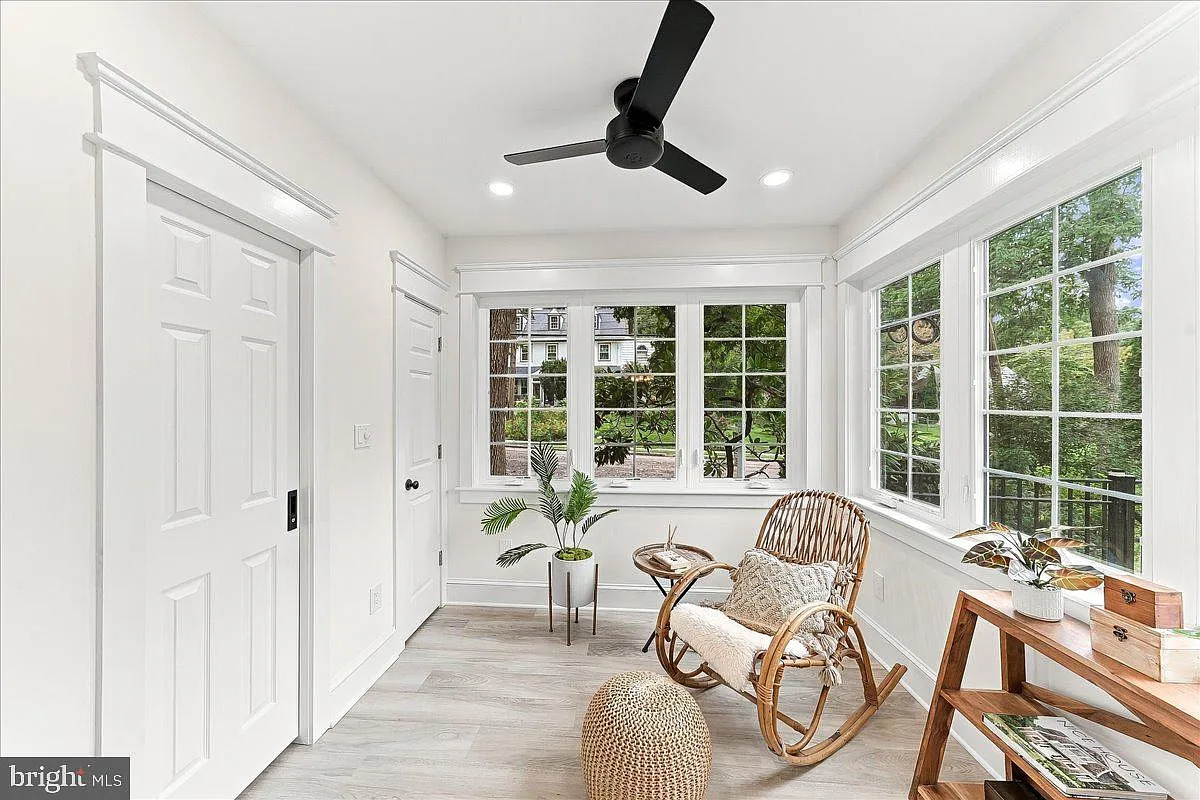
Home-cooked meals in our chef's kitchen and peaceful moments in the sunroom — life at Bell Elite.
Why does it seem like every time we talk about elder care in Delaware County, the conversation turns into a debate about bottom lines versus mission statements? It is because we have been conditioned to think that money and compassion are at odds with one another. However, I want you to picture a different reality. Picture a small personal care home in a neighborhood you know well, perhaps near Havertown or Broomall. The owner is a nurse who decided to open her own home because she was tired of seeing residents in large facilities wait forty minutes for a glass of water. She runs a for-profit business, yes, but her profit is the result of providing such exceptional care that families tell all their neighbors about her.
In this scenario, the profit motive actually drives excellence. If her care is poor, her beds stay empty and her business fails. She does not have a massive endowment or tax breaks to fall back on. She has to be the best every day. On the flip side, some non-profits in the Philadelphia area have become so large that they function exactly like corporations. They have marketing departments, legal teams, and complex management hierarchies. Have you ever wondered if a resident’s individual needs get lost in that much bureaucracy? When a facility has three hundred residents, can the administrator really know how your mother likes her tea?
Q: Do non-profit homes have better staffing ratios than for-profit homes in Pennsylvania? There is no universal rule that favors one over the other. While some large non-profits have more total employees, those employees are often concentrated in administrative or maintenance roles rather than direct bedside care. A smaller for-profit home might have fewer total staff members but a much higher ratio of caregivers to residents. The key is to ask for the direct care hours per resident day, which tells you how much actual time a nurse or aide is spending with your loved one.
Bell Elite Senior Living understands that the quality of a day is measured in the small moments of connection. When a home is family-owned and nurse-led, the clinical expertise is baked into every decision. You are not waiting for a corporate office in another state to approve a change in a resident’s diet or a new safety protocol. You are talking to the decision-maker who is standing right in front of you. Local, nurse-led homes often maintain staffing levels that exceed state minimums because they understand that a stressed staff cannot provide soulful care.
Q: Is it true that for-profit homes "kick out" residents when their money runs out more often than non-profits? This is a common fear, but the reality is more complex. While some non-profits have "charitable care" funds, these are often limited and come with strict financial requirements. Many for-profit personal care homes work closely with families to navigate long-term care insurance or Veterans benefits. Furthermore, because smaller for-profit homes have lower overhead, they are sometimes more flexible with payment arrangements than a large institution with fixed corporate costs. It is always vital to discuss the transition to Medicaid or alternative funding early in the process regardless of the home’s tax status.
Speak With Our Nursing Team
We help Pennsylvania families navigate senior care decisions with compassion and clinical expertise.
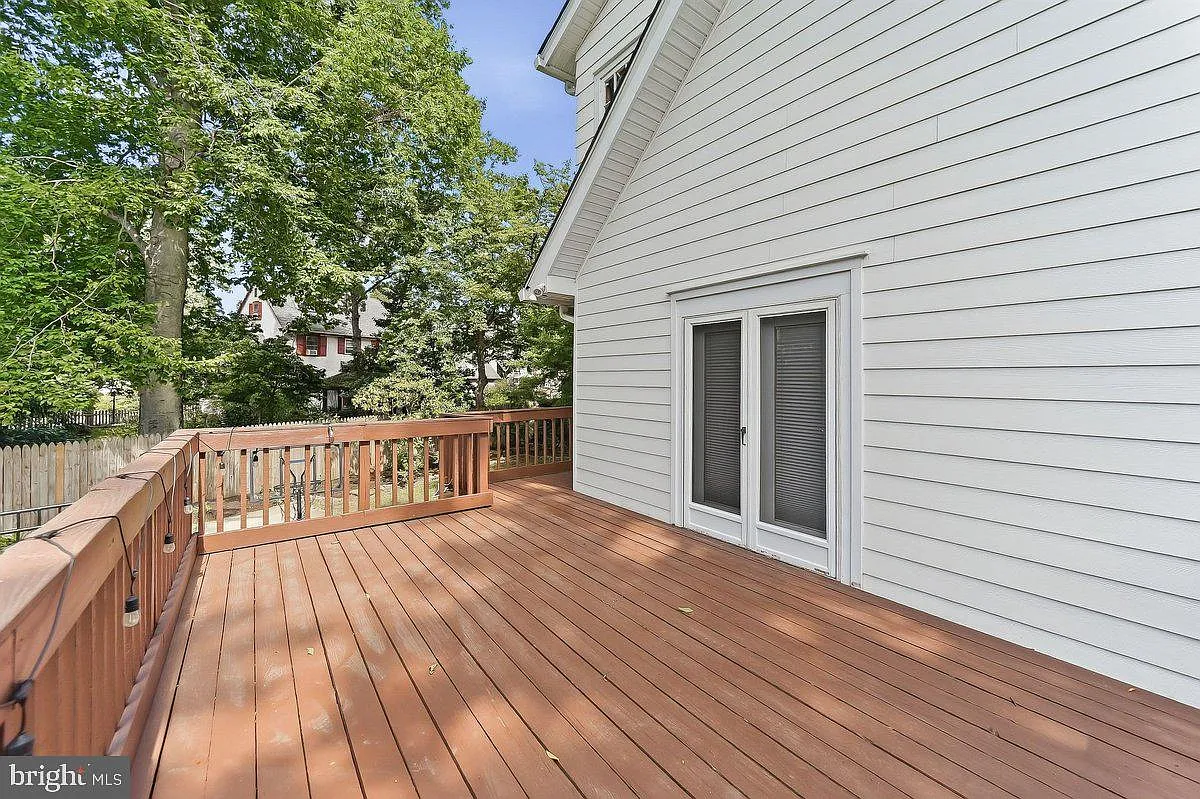
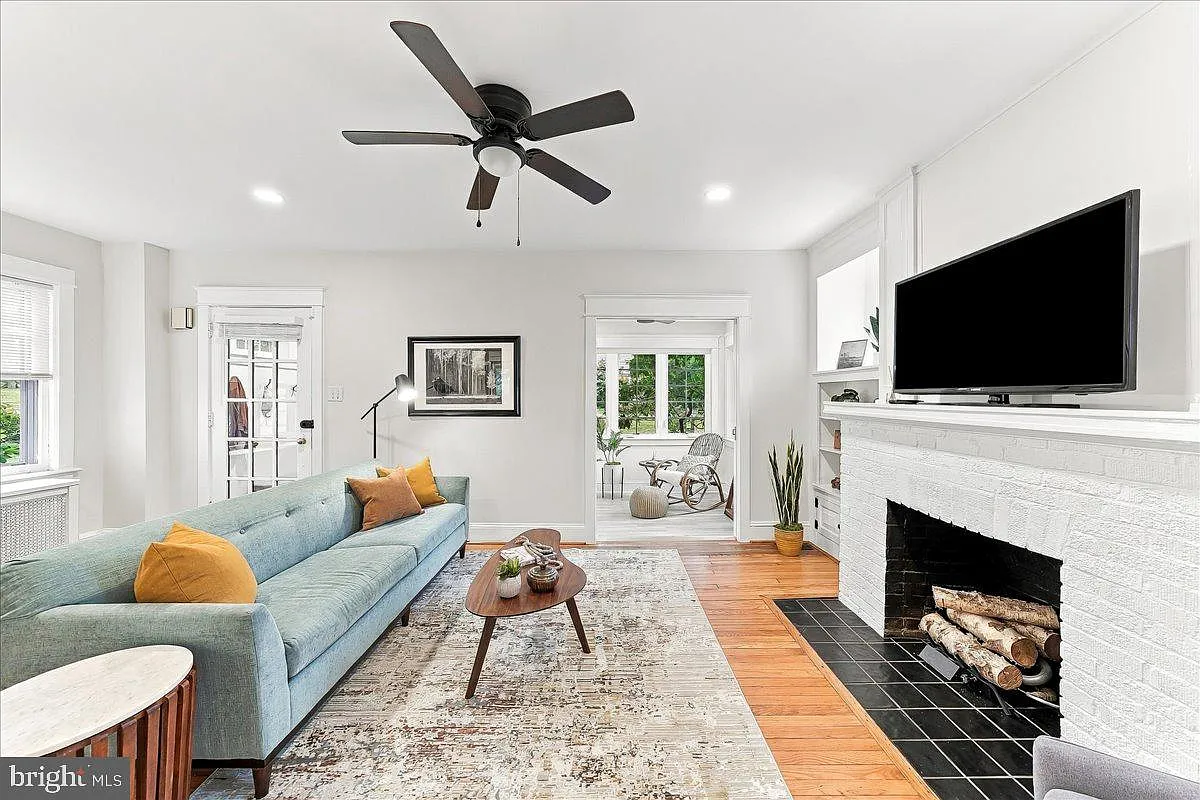
Gather in our warm living room or enjoy fresh air on the deck — every space feels like home.
We have to move past the labels and start looking at the people. If you are touring a facility in Media, don't just look at the tax status on their website. Look at the eyes of the staff. Are they rushing past you, or do they stop to acknowledge the residents by name? Are the residents engaged in meaningful activity, or are they lined up in wheelchairs in front of a television? The heart of a home is found in its culture, not its accounting practices. A for-profit home with a soul will always outperform a soulless non-profit.
Have questions about personalized care options? Bell Elite Senior Living's nursing team is ready to help. Call (484) 356-1070 or schedule a free consultation today.
The Corporate Shadow and the Personal Touch
Does the phrase for profit automatically mean that a personal care home cares more about its investors than its residents? This is perhaps the most significant misconception in the entire senior living industry. When we talk about for-profit care in the Philadelphia suburbs, we are talking about a massive spectrum of providers. On one end, you have the multi-billion dollar real estate investment trusts that happen to own senior housing. On the other end, you have a nurse-led, family-owned home where the owners are involved in the daily medication passes and meal preparations. These two things could not be more different.
Think about your favorite local restaurant in Drexel Hill or Springfield. It is likely a for-profit business, but you go there because the food is consistent, the owner recognizes you, and the quality is higher than the national chain down the street. The same logic applies to personal care. Family-owned personal care homes represent the "small business" heart of the industry. They have a vested interest in their reputation within Delaware County because they live here, their children go to school here, and they shop at the same grocery stores as you.
Q: How can I tell if a for-profit home is prioritizing quality over cost-cutting? Look at the tenure of the staff. In corporate-owned homes focused solely on margins, staff turnover is often incredibly high because the work environment is stressful and under-resourced. In a high-quality, family-operated home, you will often find caregivers who have been there for years. Ask the owner directly about their background. If the person running the home is a nurse or a social worker, their primary lens is clinical and emotional well-being. If the person running the home has a background only in finance, the priorities may be different.
One of the greatest advantages of a smaller, family-owned home like Bell Elite Senior Living is the speed of adaptation. In a large non-profit or a corporate for-profit, changing a resident's routine might require three meetings and an official form. In a nurse-led home, if a resident starts showing signs of a urinary tract infection or a change in mood, the clinical owner can intervene immediately. This agility saves lives. It prevents unnecessary hospitalizations and ensures that the resident’s dignity is maintained through every transition.
Q: Do for-profit homes have to follow different medical rules than non-profits in Pennsylvania? No, the medical and clinical regulations are identical. Both must adhere to the Pennsylvania Code Title 55, Chapter 2600. This covers everything from how medications are stored to how often fire drills are conducted. The difference lies in the implementation. A nurse-led home often views these regulations as the floor, not the ceiling. They strive for a level of clinical excellence that goes far beyond what a state inspector requires because their professional license and personal reputation are on the line.
Consider the physical environment as well. Large non-profit institutions often feel like hospitals or hotels. They are grand, but they are also impersonal. A smaller personal care home is just that: a home. It is a place where your father can keep his favorite chair and where the smell of home-cooked meals wafts through the air. For many seniors in the Philadelphia area, this sense of normalcy is the best medicine. It reduces the agitation often associated with dementia and helps residents feel like they are still part of a living, breathing family rather than a patient in a facility.
The Nurse-Led Advantage in Delaware County
What if I told you that the secret to high quality care in Pennsylvania has less to do with who owns the building and more to do with who is walking the halls at three in the morning? When you are comparing for-profit and non-profit options, the most important question you can ask is who is leading the clinical team. In many large facilities, the executive director is a business manager, not a clinician. This creates a gap between the people making the budget and the people providing the care. When a home is nurse-led, that gap disappears.
Imagine your loved one has a complex medication regimen or a chronic condition like congestive heart failure. In a typical large-scale facility, the aide might notice a small change in swelling, report it to a med-tech, who reports it to a floor nurse, who eventually tells the administrator. In a nurse-led personal care home, the person overseeing the care has the clinical eyes to spot those changes instantly. Nurse-led homes in the Philly suburbs are often more effective at chronic disease management because the leadership understands the pathophysiology behind the symptoms.
Q: Why is nurse leadership so rare in the ownership of personal care homes? Running a personal care home is an exhausting, 24/7 commitment that requires both clinical expertise and business savvy. Many nurses prefer to work in hospital settings where they can leave their work at the end of a shift. However, those rare nurses who choose to open their own homes, like the team at Bell Elite Senior Living, do so out of a deep calling. They wanted to create the environment they couldn't find in the corporate world. This leads to a level of passion that is impossible to replicate in a non-profit board room.
We often talk about "person-centered care," but what does that actually look like in practice? In Delaware County, it looks like knowing that a resident in Media loves the Philadelphia Eagles and making sure the game is on for him every Sunday with his favorite snacks. It looks like recognizing that a resident from Havertown is feeling lonely and sitting down with her for twenty minutes just to talk about her grandchildren. Nurse-led care is holistic care. It recognizes that a resident is a whole person with a history, a family, and a soul, not just a set of vitals to be recorded.
Q: Are nurse-led homes more expensive because of the higher level of expertise? Not necessarily. In fact, because nurse-led homes are often smaller and more efficiently run, they can offer competitive pricing. By cutting out the middle management and corporate overhead found in large non-profits and national chains, more of the family's monthly payment goes directly toward high-quality food, better staffing ratios, and superior clinical oversight. You are paying for care, not for a corporate marketing budget or a high-rise office in Center City.
When you call (484) 356-1070, you aren't reaching a call center in another time zone. You are reaching a local team that understands the specific needs of seniors in the Delaware County area. This local expertise is invaluable. Whether it is knowing which local doctors are the most responsive or understanding the intricacies of Pennsylvania's personal care regulations, a nurse-led, family-owned home provides a layer of security that a faceless institution simply cannot match. You aren't just a client; you are a neighbor.
Ready to explore tailored care solutions? Speak with our coordinators at Bell Elite. Phone: (484) 356-1070 • Request a tour
Cutting Through the Marketing in the Philadelphia Suburbs
How do you cut through the marketing noise when you are visiting facilities in Media or Havertown to find the truth behind the curtain? It starts with looking past the "non-profit" or "for-profit" label and asking the hard questions that truly impact daily life. Start by visiting at an unusual time. Don't just go during the scheduled tour on a Tuesday morning when everyone is on their best behavior. Go on a Sunday afternoon or a Thursday evening. Does the home still feel calm? Are the residents still well-groomed and engaged?
In the Philadelphia area, we have a wealth of choices, which can lead to decision paralysis. Families in Montgomery County or Chester County often feel pressured to choose the biggest, most well-known name. But bigger is not always better. The most important factor in senior care quality is the relationship between the caregiver and the resident. In a smaller for-profit home, these relationships are deep and enduring. The caregiver knows how the resident likes their eggs, what time they prefer to wake up, and what stories make them laugh. This is the essence of quality care, and it cannot be bought with a tax-exempt status.
Q: What are the three most important questions to ask a home regardless of its profit status? First, ask who makes the final decisions regarding clinical care and if that person is on-site daily. Second, ask about the staff-to-resident ratio during the night shift, as this is often where large facilities cut corners. Third, ask to see their most recent state inspection report from the Pennsylvania Department of Human Services. Every home is required to have this available. If they hesitate to show it to you or if the report is full of repeat violations, the tax status doesn't matter.
Bell Elite Senior Living prides itself on transparency. Being a family-owned home means there is nowhere to hide. If a family has a concern, they don't have to navigate a complex grievance process; they just talk to the owners. This level of direct accountability is a breath of fresh air for families who have felt ignored by larger systems. Whether you are coming from Drexel Hill or Swarthmore, the goal is the same: peace of mind. You want to know that when you go home at night, your loved one is safe, respected, and truly cared for.
Q: Do for-profit homes have fewer activities than non-profits? This is another myth. While a massive non-profit might have a dedicated theater room, a smaller for-profit home often offers activities that are more personalized and less performative. Instead of a generic "bingo hour" for fifty people, a smaller home might facilitate a small gardening club or a personalized music session based on a resident’s specific tastes. The quality of engagement is far more important than the size of the activity room. Personal care is about life, and life happens in the small, meaningful interactions.
As you weigh your options in Delaware County, remember that you are looking for a home, not an institution. You are looking for a place where your parent is known and loved. Statistical data shows that residents in smaller care settings often experience fewer falls and lower rates of depression. This is because the staff can keep a closer eye on them and provide the emotional support that prevents isolation. The profit status of the organization is just a footnote in the story of your loved one’s daily life.
Choosing the Heartbeat of the Home
Are you ready to stop worrying about the business model and start focusing on the heartbeat of the home? The choice between for-profit and non-profit is often a distraction from what really matters. At the end of the day, your mother or father will not care about the home’s tax returns. They will care about whether the aide was gentle when helping them dress. They will care about whether the food was hot and tasty. They will care about whether they felt like a person or a task to be completed.
As a nurse, I have seen families choose the big-name non-profit only to be heartbroken by the lack of communication and the high staff turnover. I have also seen families choose a small, nurse-led for-profit and watch their loved one thrive in ways they never thought possible. The difference is always the people. In Delaware County, we are lucky to have options like Bell Elite Senior Living, where the nurse-led, family-owned model puts the resident at the absolute center of the universe. It is a model built on clinical excellence and local heart.
Q: How do I make the final transition into a personal care home less stressful? Preparation is key. Once you have chosen a home like Bell Elite, involve the clinical team early. A nurse-led home will perform a comprehensive assessment before move-in to ensure the environment is ready for your loved one’s specific needs. Bring familiar items from home, like a favorite quilt or family photos, to help the new room feel like their own space. Most importantly, trust the team you have chosen. If you have done your homework and found a home with strong clinical leadership and a warm heart, you can finally breathe a sigh of relief.
Remember that you are not alone in this journey. Thousands of families in Media, Upper Darby, and across the Philadelphia suburbs are asking these same questions. They are all looking for that same sense of security. Personal care is a partnership between the home and the family. When you choose a local, family-owned provider, you are entering into a relationship based on mutual respect and a shared goal: the well-being of your elder. You are not just a number on a spreadsheet; you are part of the family.
Q: What if my loved one’s needs change over time? One of the best reasons to choose a nurse-led home is the ability to age in place. Because the leadership has a medical background, they can often manage increasing levels of care that might force a move in a less clinically-focused environment. Whether it is managing new medications or providing more assistance with daily activities, a nurse-led team at Bell Elite Senior Living can adapt the care plan in real-time. This stability is one of the greatest gifts you can give a senior.
If you are feeling overwhelmed, take a deep breath. You have already taken the most important step by educating yourself about the realities of care quality in Pennsylvania. Do not let the labels of for-profit or non-profit dictate your decision. Instead, look for the nurses. Look for the owners who are present. Look for the residents who are smiling. If you want to experience the difference that a nurse-led, family-owned home can make, reach out to Bell Elite Senior Living at (484) 356-1070. Your family deserves the peace of mind that comes from knowing you’ve chosen a home with a heart that beats for its residents every single day.
A Glimpse Inside Bell Elite
A warm, family-like residence — not an institution. Every space is designed for comfort, safety, and dignity.
Ready to Take the Next Step?
Bell Elite Senior Living is a nurse-led, family-owned personal care home in Delaware County, Pennsylvania. We're here to help.
Proudly Serving Families Across the Greater Philadelphia Region
Bell Elite Senior Living is a nurse-led, family-owned personal care home located in Delaware County, Pennsylvania — and we proudly serve families from across the entire Greater Philadelphia area and surrounding communities. Whether you are searching for a personal care home in Delaware County PA, exploring senior living options near Philadelphia, or looking for compassionate elder care for a loved one in Montgomery County, Bucks County, or Chester County, our team is here to help guide you through every step of the decision.
Families come to Bell Elite from throughout Philadelphia and its suburbs — including Upper Darby, Havertown, Drexel Hill, Broomall, Swarthmore, Media, Springfield, Lansdowne, Darby, Collingdale, and Sharon Hill in Delaware County; Ardmore, Norristown, Lansdale, Cheltenham, Abington, Blue Bell, Jenkintown, Ambler, and Horsham in Montgomery County; Doylestown, Newtown, Langhorne, Bristol, Yardley, Quakertown, and Levittown in Bucks County; and West Chester, Malvern, Exton, Downingtown, Phoenixville, Coatesville, and Paoli in Chester County. We are also a trusted resource for families in South Jersey communities such as Cherry Hill, Voorhees, Marlton, Moorestown, Mount Laurel, Haddonfield, Collingswood, and Camden County who are seeking high-quality personal care across the river in Pennsylvania. Families from Wilmington, Newark, and New Castle County, Delaware also regularly choose Bell Elite for its clinical excellence and intimate, home-like setting.
Our central location in Delaware County puts us within easy reach of Center City Philadelphia, the Main Line, South Philadelphia, Northeast Philadelphia, and the Philadelphia suburbs — making visits from family members throughout the region straightforward and stress-free. We understand that choosing the right personal care home is one of the most important decisions a family will make, and distance should never be a barrier to accessing exceptional, nurse-led care.
Frequently Asked Questions About Our Service Area
Does Bell Elite Senior Living serve families from Philadelphia?
Yes. Bell Elite Senior Living is located in Delaware County, PA, just minutes from Philadelphia. We regularly welcome residents and their families from across Philadelphia, including South Philly, Northeast Philadelphia, Kensington, Germantown, and Center City.
Do you accept residents from Montgomery County, PA?
Absolutely. We serve families throughout Montgomery County including Norristown, Ardmore, Lansdale, Cheltenham, Blue Bell, Jenkintown, and Ambler. Our nurse-led care model is a popular choice for families across the Philadelphia suburbs.
Can families from Bucks County place a loved one at Bell Elite?
Yes. Many of our residents come from Bucks County communities such as Doylestown, Newtown, Yardley, Langhorne, and Bristol. Our facility is easily accessible from Route 1 and I-95 corridors.
Do you serve Chester County families looking for personal care?
Yes. Families from West Chester, Malvern, Exton, Downingtown, Phoenixville, Paoli, and Coatesville in Chester County frequently choose Bell Elite for our small resident count, clinical oversight, and personalized care plans.
Is Bell Elite an option for families in South Jersey near Philadelphia?
Yes. Many families from Cherry Hill, Voorhees, Marlton, Mount Laurel, Haddonfield, Moorestown, and Camden County in New Jersey choose Bell Elite Senior Living in nearby Delaware County, PA for its nurse-led care and welcoming environment.
Do you accept residents from Delaware (Wilmington, Newark, New Castle County)?
Yes. Families from Wilmington, Newark, Middletown, and throughout New Castle County, Delaware have placed loved ones at Bell Elite. Our location in Delaware County, PA makes us a convenient and high-quality option for Delaware families seeking nurse-led personal care.
How do I find out if Bell Elite can serve my family's location?
Call us at (484) 356-1070 or visit our contact page. We serve the entire Greater Philadelphia region and surrounding areas and are happy to discuss your specific situation, schedule a tour, and answer any questions about our care services.
Related Articles



Related Care Services at Bell Elite
Our nurse-led personal care home in Lansdowne, PA offers specialized services for seniors across the Greater Philadelphia region.
Personal Care Home Near You
Bell Elite is located in Lansdowne, PA — minutes from Philadelphia. See care details for your community:
Have Questions After Reading?
Our nursing team offers free, no-pressure consultations for Pennsylvania families.
Talk to a nurse, not a salesperson. Our team includes RNs, LPNs, a PMHNP, and Family Nurse Practitioners.