
Comparing Care Home Staff Training in Bucks and Montgomery Counties
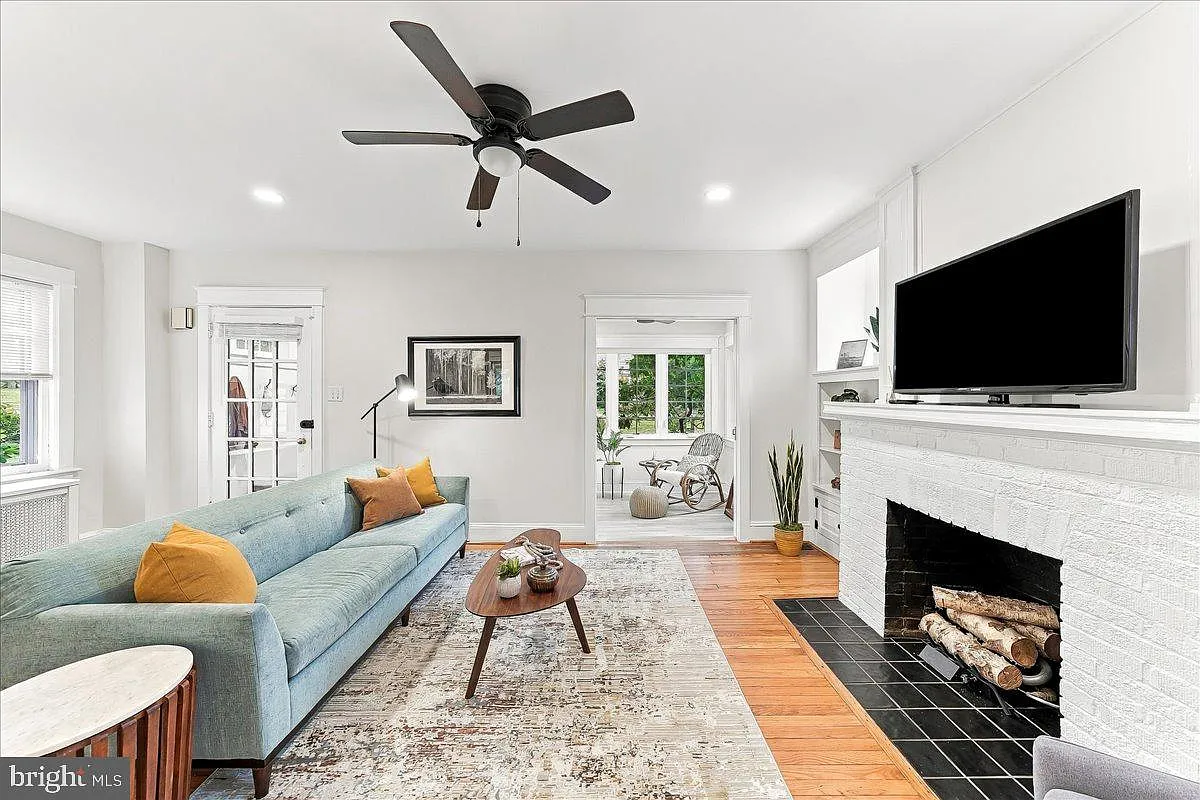
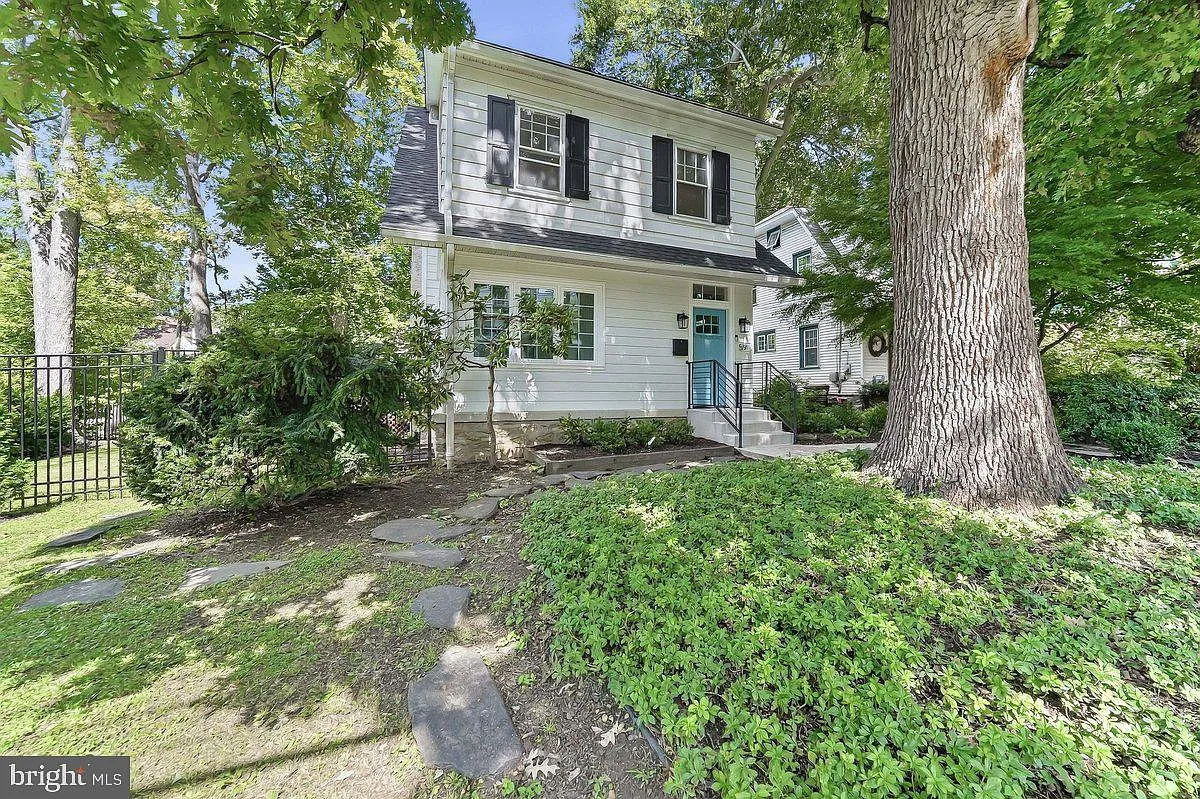
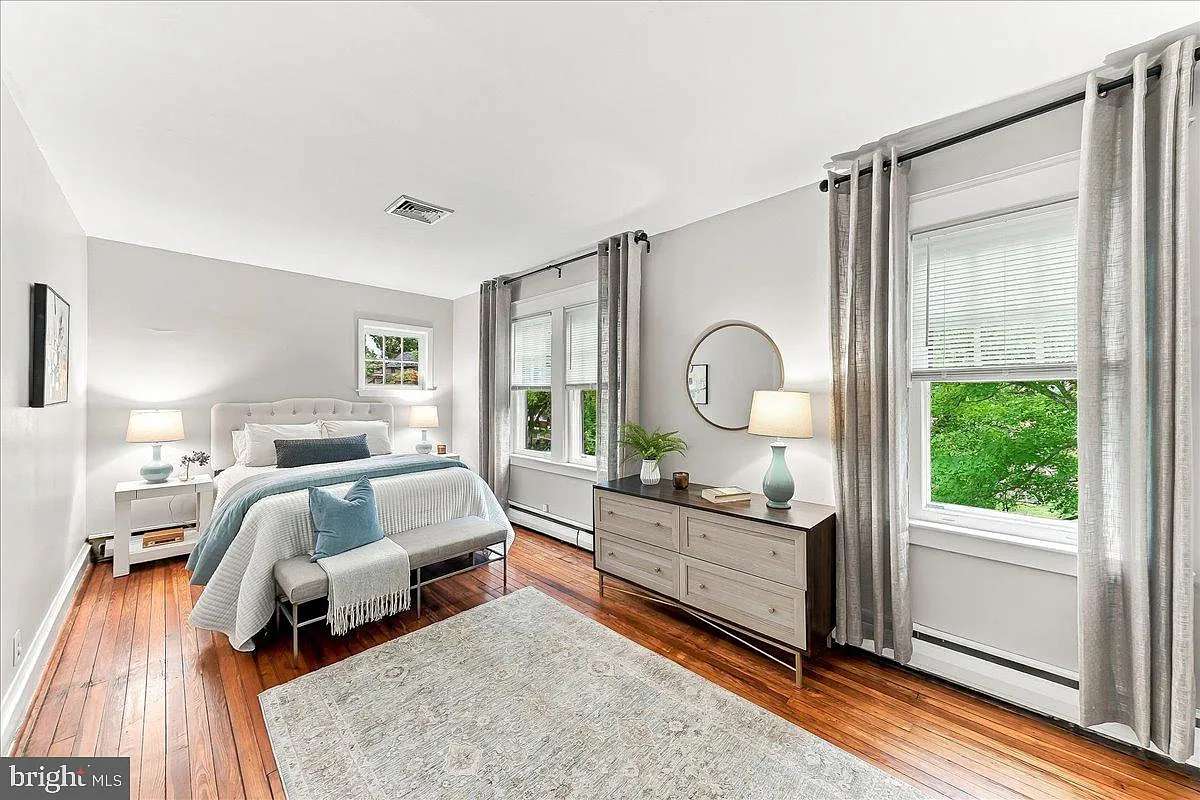
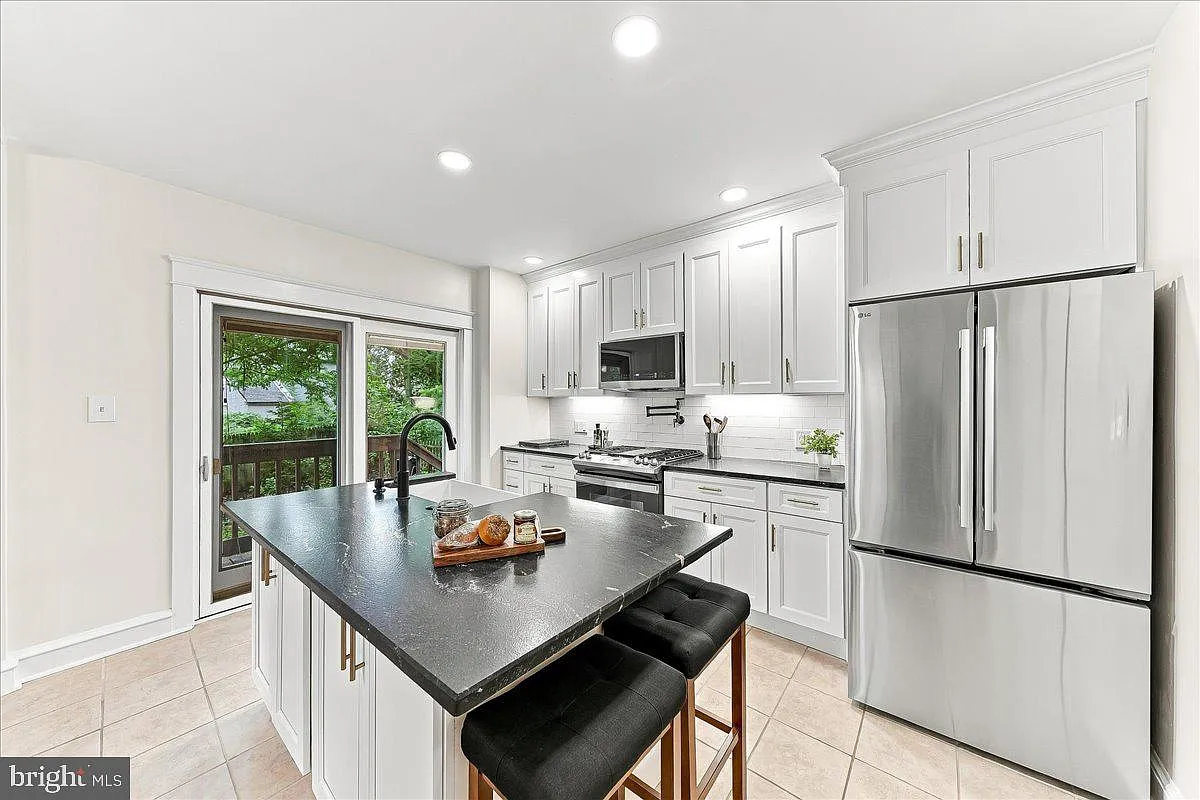
Bell Elite Senior Living — a nurse-led, family-owned personal care home in Lansdowne, PA. Warm living spaces, private bedrooms, and a chef's kitchen — come see the difference.
The Stark Reality of Caregiver Competency Across County Lines
Have you ever wondered if the hands providing daily care for your mother or father are truly trained to handle a medical crisis or if they are simply following a basic checklist? It is a heavy question that keeps many families awake at night from Media to Doylestown. When you begin your search for the perfect personal care home, you might assume that every facility follows the exact same playbook because they all operate within the Commonwealth of Pennsylvania. While it is true that state regulations provide a baseline, the actual culture of training can vary wildly between the sprawling corporate campuses of Montgomery County and the more traditional, community-focused homes in Bucks County. You deserve to know that the training a staff member receives in a high-turnover environment in King of Prussia might look nothing like the hands-on, nurse-led mentorship we prioritize here at Bell Elite Senior Living.
Imagine this for a moment. Picture a young caregiver named Sarah who just started her first day at a large assisted living facility in a busy part of Montgomery County. She is handed a tablet with twelve hours of mandatory video modules to complete before she can even step onto the floor. She sits in a windowless breakroom, clicking through slides about fire safety and HIPAA compliance, while the real-world sounds of call bells and confused residents echo in the hallway. By the time she finishes her digital orientation, she has technically met the state requirements, but does she actually know how to soothe a resident who is agitated because they cannot remember where they parked a car they haven't owned in twenty years? Contrast this with a nurse-led environment where that same caregiver spends her first forty hours shadowing a licensed professional who demonstrates the art of redirection and the science of skin integrity. The difference between checking a box and building a skill is what defines the quality of life for your loved one.
Q: Do all personal care homes in Pennsylvania require their staff to be Certified Nursing Assistants? In Pennsylvania, the law does not actually mandate that every direct care staff member in a personal care home be a CNA. While many high-quality homes like Bell Elite Senior Living prefer advanced certifications, the state minimum only requires that staff be at least eighteen years old and complete a specific competency program approved by the Department of Human Services. This is exactly why we tell families in Delaware County to look beyond the basic credentials and ask about the ongoing, clinical oversight provided by the leadership team.
Speak With Our Nursing Team
We help Pennsylvania families navigate senior care decisions with compassion and clinical expertise.
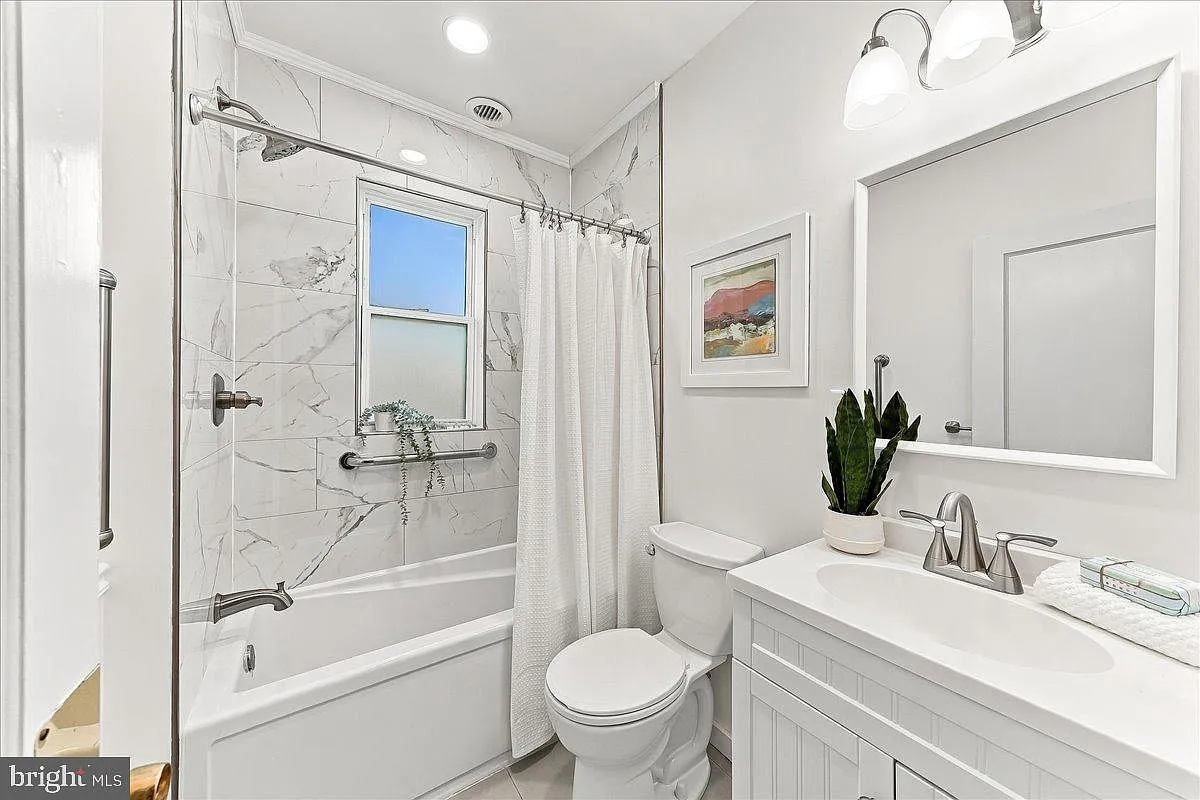
Private bedrooms and accessible bathrooms, designed for safety, comfort, and dignity.
Many families in the Philadelphia suburbs feel a sense of security when they see a brand-new, gleaming facility with modern art in the lobby. However, as a nurse, I often tell my friends that the most expensive wallpaper in Montgomery County cannot replace a well-trained set of eyes. A caregiver who has been trained specifically in geriatric assessment by a registered nurse will notice a slight change in a resident’s gait or a subtle cloudiness in their cognition long before a medical emergency occurs. We have seen that in more suburban, residential pockets of Bucks County, there is often a greater emphasis on long-tenured staff who rely on years of experience, whereas Montgomery County facilities often lean into tech-heavy training solutions. Both have their merits, but neither replaces the clinical intuition that comes from a family-owned, nurse-led model where the owners are physically present in the building at (484) 356-1070.
Does the training reflect the specific needs of the local population? In areas like Upper Darby or Havertown, we see a diverse aging population with complex medical histories, including heart disease and diabetes. A staff member in a Bucks County home might be expertly trained in the social aspects of senior living, but are they prepared for the clinical nuances of managing a sliding-scale insulin regimen? The state of Pennsylvania requires annual training, but the depth of that training is often left to the discretion of the administrator. When you visit a home in Springfield or Broomall, you should feel empowered to ask how often the staff practices emergency response drills that go beyond just fire evacuations. You want to know if they are trained to recognize the early signs of a urinary tract infection, which is one of the leading causes of sudden confusion and hospitalizations in seniors.
Q: How does the training for medication administration work in these counties? Staff members who are not licensed nurses must complete a state-mandated Medication Administration Training Program and pass both a written and clinical practicum to handle medications. In many large Montgomery County facilities, this task is delegated to dozens of staff members to keep up with the volume of residents. At a smaller, nurse-led home, the oversight of this process is significantly more rigorous because a nurse is directly responsible for the accuracy and safety of every pill that is dispensed.
The Nurse-Led Difference in Clinical Competency
Speak With Our Nursing Team
We help Pennsylvania families navigate senior care decisions with compassion and clinical expertise.
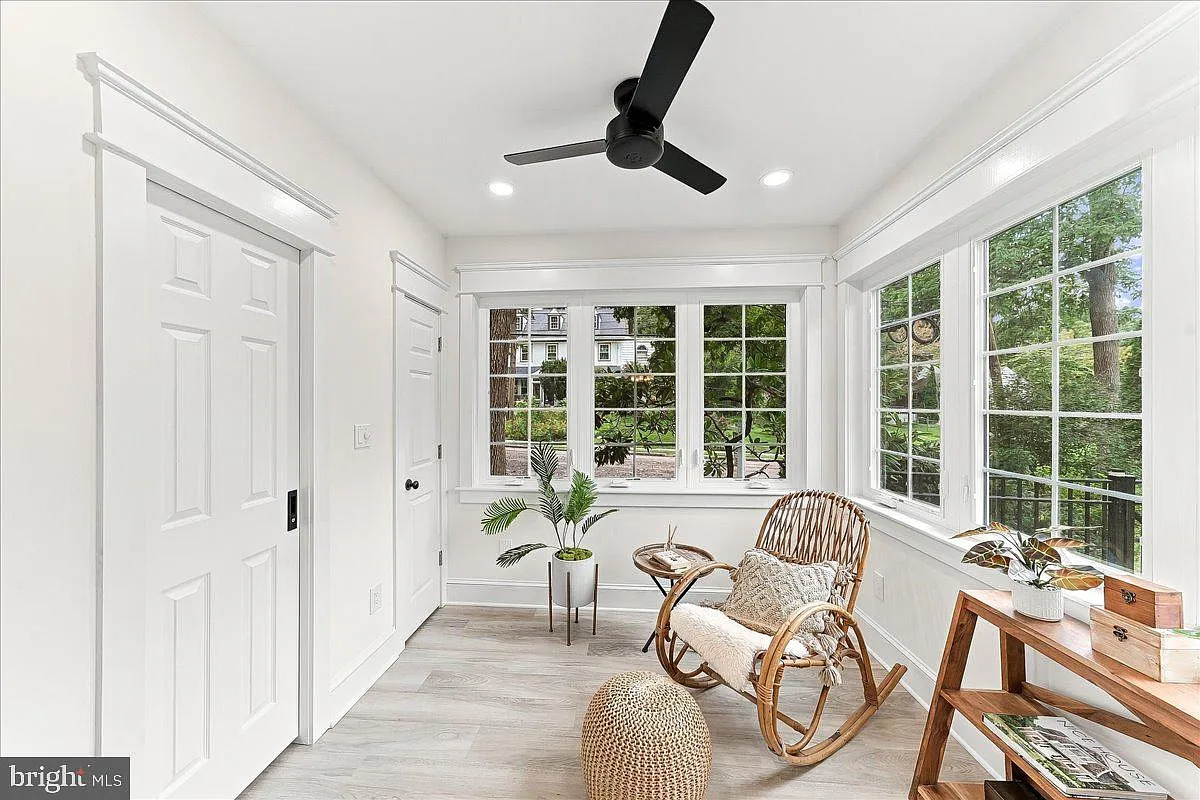
Home-cooked meals in our chef's kitchen and peaceful moments in the sunroom — life at Bell Elite.
What does it actually mean for a personal care home to be nurse-led, and why should a family in Swarthmore or Drexel Hill care about that distinction? Many people assume that every senior living facility has a nurse on-site twenty-four hours a day, but that is rarely the case in standard personal care homes across Bucks and Montgomery Counties. In many corporate settings, the administrator might have a background in business or hospitality rather than medicine. This creates a fundamental gap in how staff members are trained to think. When a nurse leads the team, the training shift moves from task-oriented care to clinical-thinking care. Instead of just learning how to help a resident get dressed, the staff at Bell Elite Senior Living are trained to observe the resident’s skin, their breathing patterns, and their level of engagement during that morning routine.
Picture this scenario. A resident in a large, bustling facility in Lansdale starts to refuse their breakfast for two mornings in a row. A staff member who was trained primarily in hospitality might simply note that the resident wasn't hungry and offer a different meal. However, a caregiver trained under a nurse-led model in Delaware County would be taught that a sudden loss of appetite in an eighty-year-old can be a red flag for something much deeper, perhaps a cardiac issue or a medication side effect. That caregiver would know to report the change immediately to the clinical lead. This proactive approach is the hallmark of a family-owned home where the stakes are personal and the residents are treated like our own kin. We take pride in being a resource for the community, and you can always reach us at (484) 356-1070 to talk through these clinical nuances.
Q: Why is there such a high turnover rate in senior care, and how does that affect training? Turnover is a massive challenge across the entire Philadelphia region, often exceeding fifty percent in some large Montgomery County institutions. When a facility is constantly hiring new people, they are stuck in a perpetual cycle of basic orientation training and never get to the advanced, specialized education that residents really need. Family-owned homes tend to have much higher staff retention, which means the training can build upon itself year after year, creating a team of experts rather than a revolving door of beginners.
Have you noticed how some facilities seem to have a lot of "flash" but very little "substance" when you ask about their medical protocols? It is easy to train someone to smile and be polite, but it is much harder to train them to remain calm and effective during a fall or a sudden behavioral outburst. In the more affluent parts of Bucks County, facilities often invest heavily in "concierge training," teaching staff how to provide five-star service. While luxury is lovely, it doesn't save lives. The nurse-led philosophy ensures that the "care" in personal care is grounded in evidence-based practice. We believe that families in Media and Springfield shouldn't have to choose between a warm, home-like environment and high-level clinical oversight. You can have both when the culture of the home is built on a foundation of nursing excellence.
Think about the sheer volume of information a caregiver needs to retain. They must understand nutrition, hydration, mobility assistance, infection control, and psychological support. In a large Montgomery County corporate setting, this training is often delivered through a screen. But how can you learn the proper way to help someone stand up from a chair by watching a video? You can't. It requires physical demonstration and a nurse standing right next to you to correct your form so that neither the resident nor the caregiver gets hurt. This physical, mentored training is what we prioritize at Bell Elite Senior Living. It is the difference between knowing the theory of care and possessing the skill of care.
Speak With Our Nursing Team
We help Pennsylvania families navigate senior care decisions with compassion and clinical expertise.
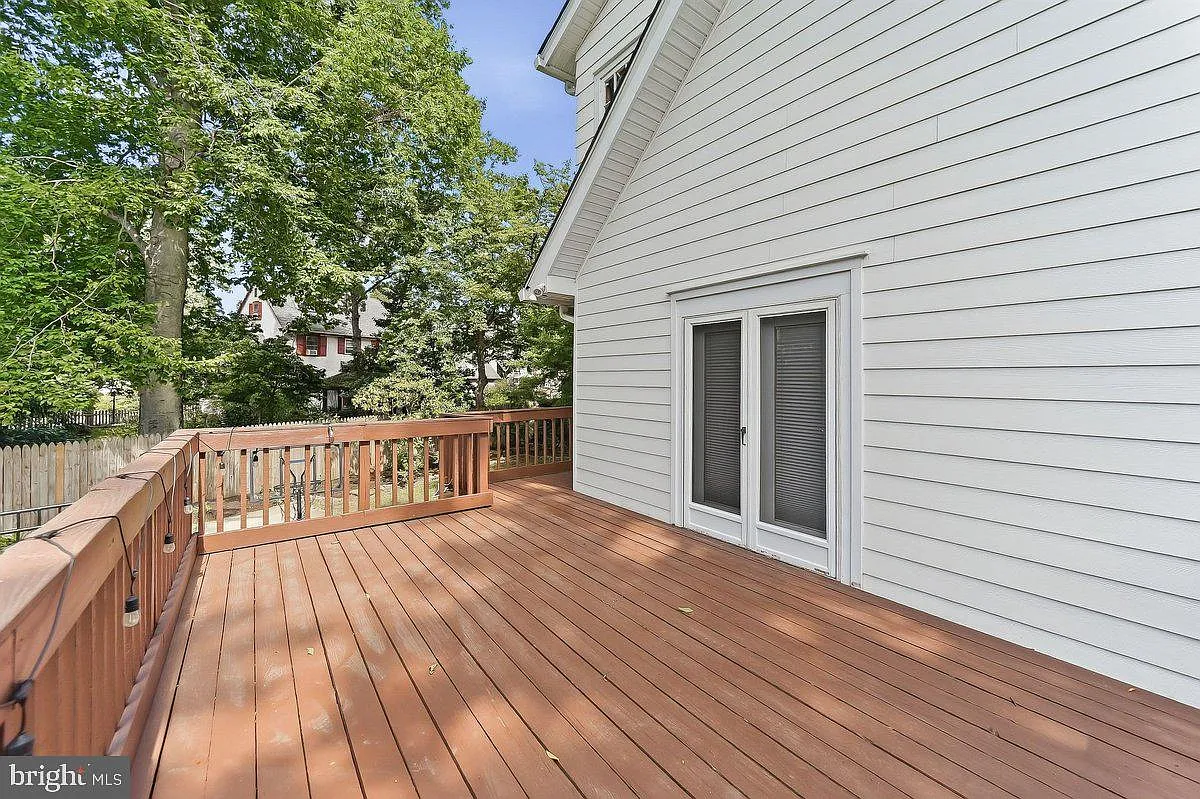
Gather in our warm living room or enjoy fresh air on the deck — every space feels like home.
Q: Is there a difference in how staff are trained to handle emergencies in small versus large homes? In a large facility, emergency training often involves complex protocols and communication chains that can break down under pressure. In a smaller, family-owned setting, the training is more intimate and immediate. Staff know exactly where every resident is at all times and the emergency training is tailored to the specific physical layout and the unique needs of the few individuals living there, rather than a generic plan for hundreds.
Have questions about personalized care options? Bell Elite Senior Living's nursing team is ready to help. Call (484) 356-1070 or schedule a free consultation today.
Regulatory Standards and Regional Variations in Pennsylvania
Why is it that two homes only twenty miles apart, one in Bucks County and one in Delaware County, can feel so completely different in their approach to safety? The answer lies in the interpretation of Pennsylvania’s Title 55, Chapter 2600 regulations. These rules are the bible for personal care homes in the Commonwealth, but they represent the floor, not the ceiling. The Department of Human Services sets the minimum hours for initial and annual training, but how a facility chooses to fill those hours says everything about their priorities. In the high-demand markets of Montgomery County, where the cost of living is high and the labor market is tight, some facilities might be tempted to do the bare minimum to get staff onto the floor quickly. In contrast, a nurse-led home in the Delaware County suburbs often views these regulations as a starting point, exceeding them by integrating clinical certifications that the state doesn't even require.
Imagine a snowy winter day in Broomall. The power flickers, and the heating system struggles. A staff that has only been trained to the state minimum might know where the flashlights are, but a team that has undergone rigorous, nurse-led emergency preparedness training will already have a plan for monitoring the body temperatures of vulnerable residents and knowing exactly which medications need to be refrigerated during a prolonged outage. This level of foresight is not taught in a standard state-approved module. It comes from the professional experience of a nurse who has seen these scenarios play out in hospitals and specialized care settings. We make sure our team at Bell Elite Senior Living is prepared for the unexpected because we know that for our families in Media and Swarthmore, there is no such thing as being too careful.
Q: Are there specific staff-to-resident ratios mandated by Pennsylvania law? Surprisingly, Pennsylvania does not have a one-size-fits-all staff-to-resident ratio for personal care homes. Instead, the law requires that there be "sufficient" staff to meet the needs of the residents. This ambiguity is why you will see vastly different staffing levels in Bucks County versus Montgomery County. A home that invests in its staff training usually understands that you need more than just bodies in the building; you need trained, competent professionals who have the time to actually implement what they have learned.
When you look at the landscape of care in the Philadelphia suburbs, you also have to consider the specialized training for specific conditions. Does a facility in Doylestown have the same training requirements for their memory care wing as a home in Havertown? By law, yes, they must provide additional hours of dementia-specific training. However, the quality of that training varies. Is it a generic video, or is it a deep dive into the "Positive Approach to Care" or other evidence-based methods? At Bell Elite Senior Living, our nurse-led approach means that we don't just talk about dementia; we train our staff on the neurological changes happening in the brain so they can respond with empathy rather than frustration. If you have questions about how we handle these complex needs, our team is just a phone call away at (484) 356-1070.
Think about the cultural competency required in a place as diverse as Delaware County. Training shouldn't just be about medical tasks; it should also be about understanding the varied backgrounds of the people we serve in places like Upper Darby and Drexel Hill. A staff member in a more homogenous part of Bucks County might not receive the same level of training regarding diverse dietary preferences or cultural traditions that are common in our local area. We believe that true care involves honoring the whole person, and that requires a training curriculum that is as diverse as the community we call home. We are proud to be a family-owned business that reflects the values of our neighbors.
Q: How often is staff training audited by the state? The Pennsylvania Department of Human Services typically conducts annual inspections where they review training logs and personnel files to ensure compliance with Chapter 2600. However, an annual audit only captures a snapshot in time. A truly high-quality home conducts its own internal audits and clinical competencies monthly or even weekly to ensure that the high standards set during orientation are being maintained every single day on every single shift.
Dementia and Memory Care Training Depth
Could you imagine the fear of losing your sense of time, place, and even your own identity, only to be cared for by someone who doesn't understand why you are afraid? This is the reality for many seniors in memory care units across Montgomery and Bucks Counties if the staff training is lacking. While the state of Pennsylvania requires that staff in dementia care units receive at least eight hours of specialized training annually, we believe that is nowhere near enough. In the fast-paced, high-volume facilities often found in the more urbanized parts of Montgomery County, staff may only get the basics of how to prevent wandering. But memory care is so much more than just locked doors. It is about communication, environment, and the delicate art of maintaining a resident's dignity when their memory fails them.
Picture this scene in a quiet corner of a home in Media. A resident named George is becoming increasingly upset because he believes he needs to go to work at the shipyard, a job he retired from thirty years ago. A caregiver with standard training might try to argue with George, telling him he is retired and that he is in a care home. This only makes George more agitated and scared. But a caregiver at Bell Elite Senior Living, who has been trained by a nurse in the nuances of "validation therapy," would instead walk with George, ask him about his work at the shipyard, and gradually transition him to a different activity by honoring his reality. This level of sophisticated, empathetic care doesn't happen by accident. It is the result of intensive, ongoing training that we provide to our staff.
Q: Is there a specific certification for memory care providers in Pennsylvania? While there is no single state-issued "Dementia License" for individual caregivers, reputable homes often seek out third-party certifications or develop their own proprietary, nurse-led curricula. In Delaware County, we focus on ensuring our staff understands the physiological progression of Alzheimer’s and other dementias. This allows them to anticipate needs before they become behaviors, which is a much more humane and effective way to provide care than simply reacting to crises as they happen in some of the larger, less specialized facilities in the Philly suburbs.
When comparing Bucks and Montgomery County facilities, you might notice that Montgomery County often has more "Memory Care Only" communities. These can be excellent, but they can also be very clinical and institutional. In Bucks County, you often find smaller "neighborhoods" within larger personal care homes. Regardless of the setting, the most important question for families in Springfield or Broomall to ask is: "Who is teaching the dementia training?" If the answer is an outside consultant who comes in once a year, that is a red flag. You want a home where the dementia training is woven into the daily huddles and overseen by a nurse who knows the residents’ specific triggers and histories. That is the level of dedication we bring to Bell Elite Senior Living every day, and we invite you to call us at (484) 356-1070 to learn more about our philosophy.
How does the training address the use of antipsychotic medications? This is a major concern for families across the Philadelphia region. In some larger, understaffed facilities in the suburbs, there can be a reliance on medication to manage "difficult" behaviors. However, a well-trained staff knows that most behaviors are actually forms of communication. If a staff member is trained to look for the "why" behind the behavior—is the resident in pain? do they need to use the bathroom? are they overstimulated by the loud TV in the lounge?—they can often resolve the issue without needing heavy sedation. This "behavior-first" training is a core component of our nurse-led model, ensuring that your loved one stays as alert and engaged as possible.
Q: What should I ask during a tour about memory care training? You should ask to see the actual training manual or curriculum used for dementia care. Ask how often staff are tested on their skills, not just how many hours they sit in a classroom. Most importantly, ask if the same staff members work with the memory care residents every day. Consistent staffing is the only way for training to be truly effective, as the caregiver needs to know the resident’s unique "language" of memory loss, something we feel very strongly about in our Delaware County home.
Ready to explore tailored care solutions? Speak with our coordinators at Bell Elite. Phone: (484) 356-1070 • Request a tour
The Human Element: Empathy and Soft Skills Training
Have you ever met someone who was technically brilliant at their job but had the bedside manner of a cold stone? In the world of senior living, technical skills like knowing how to take a blood pressure reading are vital, but they are only half of the equation. The "soft skills"—empathy, active listening, patience, and respect—are what actually make a house a home. In the corporate-heavy landscape of Montgomery County, the pressure to meet efficiency metrics can sometimes crowd out the time needed for these human connections. Staff are often trained to be fast, but are they trained to be present? In a family-owned, nurse-led home in Delaware County, we believe that the most important part of training is teaching our team how to see the person inside the patient.
Imagine a rainy Tuesday afternoon in Swarthmore. A resident is feeling lonely and starts to tell a long, repetitive story about their childhood in Philadelphia. A caregiver who is being pushed to finish their "rounds" in a large, busy facility might politely cut the resident off to move on to the next room. But in a home like Bell Elite Senior Living, where the owners are nurses who understand the clinical value of social engagement, that staff member is trained to recognize that this conversation is just as important as the resident's physical care. We train our staff to sit down, make eye contact, and truly listen. This reduces depression, lowers blood pressure, and creates a sense of belonging that you just can't get in a more institutional setting. If this sounds like the kind of environment you want for your family, please reach out to us at (484) 356-1070.
Q: Can empathy really be taught, or is it something caregivers just have? While some people are naturally more empathetic, we believe that empathy can be fostered and refined through specific training. We use role-playing exercises where staff members experience what it feels like to have limited mobility or impaired vision. This "experiential training" is common in high-touch, nurse-led homes in the Media and Havertown areas, helping staff develop a profound respect for the daily challenges our residents face. It turns a "job" into a "calling."
Think about the difference between "hospitality" and "hospitality with a heart." Many luxury facilities in Bucks County pride themselves on their restaurant-style dining and valet parking. But does the server in that dining room know how to gently encourage a resident who is struggling with their silverware without making them feel embarrassed? That requires a specific kind of training that blends service with clinical sensitivity. We often see that in Delaware County, the community ties are so strong that the staff often feel like neighbors caring for neighbors. This local connection naturally enhances the empathy in our care, as many of our team members grew up in the same streets of Upper Darby or Springfield as the residents they now serve.
Does the training include support for the caregivers themselves? Providing care for seniors, especially those with complex needs, can be emotionally draining. In Montgomery County's larger facilities, burnout is a major issue because staff often feel like a number in a giant machine. A family-owned home provides a much better support system, training staff in stress management and emotional resilience. When caregivers feel cared for, they provide better care. It is a simple cycle, but one that is often overlooked in the quest for corporate profitability. Our nurse-led team at Bell Elite Senior Living makes sure our staff has the emotional tools they need to stay compassionate and energized year after year.
Q: How do you ensure that staff members treat residents with dignity during personal care? Dignity training is a cornerstone of our orientation. We teach specific techniques for providing assistance with bathing and dressing that maximize the resident’s privacy and autonomy. For example, we train staff to always explain what they are doing before they do it and to give the resident as many choices as possible, such as which outfit to wear or which soap to use. These small acts of respect are what preserve a person's spirit, and they are non-negotiable in our home.
Choosing the Right Path for Your Loved One
How do you take all this information about training, regulations, and county differences and turn it into a final decision for your family? It can feel like you are trying to solve a puzzle with a thousand pieces, especially when you are balancing the needs of a parent in Media with your own busy life in Drexel Hill or Swarthmore. The most important thing to remember is that you are not just looking for a building; you are looking for a team. When you visit homes in Bucks, Montgomery, or Delaware County, don't just look at the menu or the activity calendar. Look at the staff. Are they engaged? Do they look stressed or calm? Do they interact with the residents with genuine warmth? The training you have been reading about will be visible in every interaction if it is being done correctly.
Imagine a year from now. Your loved one is settled into their new home. They are smiling, they are well-cared for, and you finally have peace of mind. That peace of mind comes from knowing that the people surrounding your parent have been trained to the highest possible standard by a nurse who truly cares. Whether you choose a facility in the heart of Montgomery County or a more intimate, family-owned home like Bell Elite Senior Living in Delaware County, you now have the tools to ask the hard questions. You know that state minimums aren't enough and that a nurse-led model offers a level of safety and clinical depth that is hard to match. We are always here to be a resource for you, even if you just need someone to talk to about your options. Our number is (484) 356-1070, and we would be honored to help you navigate this journey.
Q: What is the single most important question to ask an administrator about their staff? The most telling question you can ask is: "How do you support your staff's continuing education beyond what the state requires?" An administrator who can immediately list specific, advanced clinical or empathy-based training programs is showing you that they value quality over cost. If they hesitate or only mention the mandatory state modules, you know that their priority is compliance, not excellence.
Think about the long-term future. As your loved one’s needs change, will the staff be trained to adapt? Many residents in personal care homes eventually require more assistance as they age. A home that invests in advanced training will be able to keep your loved one in place much longer, avoiding the trauma of another move to a nursing home. In Delaware County, we take pride in our ability to provide a high level of care that allows our residents to age in place with dignity. Our nurse-led team is constantly updating our training to reflect the latest in geriatric care, ensuring that we are always ready for whatever the future may hold. This commitment to lifelong learning is what sets us apart and gives our families the confidence they deserve.
Does the home feel like a community or a corporation? This is perhaps the most subjective but important part of your search. When you walk into a home in Havertown or Broomall, you should feel a sense of warmth and stability. You should see staff members who have been there for years, not weeks. You should see a leadership team that knows every resident’s name and their life story. This is the essence of a family-owned, nurse-led home. We aren't just a business; we are a part of the Delaware County community. We invite you to come and see the difference for yourself at Bell Elite Senior Living. Let us show you what truly exceptional, well-trained care looks like.
Q: How can I verify the training claims made by a facility? You can ask to see their recent state inspection reports, which are public record in Pennsylvania. These reports will note if there were any deficiencies related to staff training or background checks. Additionally, you can ask for references from current families. A home that is proud of its staff training will be more than happy to connect you with families who can speak to the high quality of care their loved ones receive every day.
We know this is one of the most difficult decisions you will ever make. It is a journey filled with emotion, but you don't have to walk it alone. From the first phone call to the day of move-in and every day after, we are committed to providing the kind of care we would want for our own parents. That starts with a team that is not just trained, but inspired. If you are ready to take the next step or if you just have more questions about how care in Delaware County compares to the rest of the Philadelphia area, please reach out to us. We are Bell Elite Senior Living, and you can reach our nursing-led team at (484) 356-1070. We look forward to meeting you and your family.
A Glimpse Inside Bell Elite
A warm, family-like residence — not an institution. Every space is designed for comfort, safety, and dignity.
Ready to Take the Next Step?
Bell Elite Senior Living is a nurse-led, family-owned personal care home in Delaware County, Pennsylvania. We're here to help.
Proudly Serving Families Across the Greater Philadelphia Region
Bell Elite Senior Living is a nurse-led, family-owned personal care home located in Delaware County, Pennsylvania — and we proudly serve families from across the entire Greater Philadelphia area and surrounding communities. Whether you are searching for a personal care home in Delaware County PA, exploring senior living options near Philadelphia, or looking for compassionate elder care for a loved one in Montgomery County, Bucks County, or Chester County, our team is here to help guide you through every step of the decision.
Families come to Bell Elite from throughout Philadelphia and its suburbs — including Upper Darby, Havertown, Drexel Hill, Broomall, Swarthmore, Media, Springfield, Lansdowne, Darby, Collingdale, and Sharon Hill in Delaware County; Ardmore, Norristown, Lansdale, Cheltenham, Abington, Blue Bell, Jenkintown, Ambler, and Horsham in Montgomery County; Doylestown, Newtown, Langhorne, Bristol, Yardley, Quakertown, and Levittown in Bucks County; and West Chester, Malvern, Exton, Downingtown, Phoenixville, Coatesville, and Paoli in Chester County. We are also a trusted resource for families in South Jersey communities such as Cherry Hill, Voorhees, Marlton, Moorestown, Mount Laurel, Haddonfield, Collingswood, and Camden County who are seeking high-quality personal care across the river in Pennsylvania. Families from Wilmington, Newark, and New Castle County, Delaware also regularly choose Bell Elite for its clinical excellence and intimate, home-like setting.
Our central location in Delaware County puts us within easy reach of Center City Philadelphia, the Main Line, South Philadelphia, Northeast Philadelphia, and the Philadelphia suburbs — making visits from family members throughout the region straightforward and stress-free. We understand that choosing the right personal care home is one of the most important decisions a family will make, and distance should never be a barrier to accessing exceptional, nurse-led care.
Frequently Asked Questions About Our Service Area
Does Bell Elite Senior Living serve families from Philadelphia?
Yes. Bell Elite Senior Living is located in Delaware County, PA, just minutes from Philadelphia. We regularly welcome residents and their families from across Philadelphia, including South Philly, Northeast Philadelphia, Kensington, Germantown, and Center City.
Do you accept residents from Montgomery County, PA?
Absolutely. We serve families throughout Montgomery County including Norristown, Ardmore, Lansdale, Cheltenham, Blue Bell, Jenkintown, and Ambler. Our nurse-led care model is a popular choice for families across the Philadelphia suburbs.
Can families from Bucks County place a loved one at Bell Elite?
Yes. Many of our residents come from Bucks County communities such as Doylestown, Newtown, Yardley, Langhorne, and Bristol. Our facility is easily accessible from Route 1 and I-95 corridors.
Do you serve Chester County families looking for personal care?
Yes. Families from West Chester, Malvern, Exton, Downingtown, Phoenixville, Paoli, and Coatesville in Chester County frequently choose Bell Elite for our small resident count, clinical oversight, and personalized care plans.
Is Bell Elite an option for families in South Jersey near Philadelphia?
Yes. Many families from Cherry Hill, Voorhees, Marlton, Mount Laurel, Haddonfield, Moorestown, and Camden County in New Jersey choose Bell Elite Senior Living in nearby Delaware County, PA for its nurse-led care and welcoming environment.
Do you accept residents from Delaware (Wilmington, Newark, New Castle County)?
Yes. Families from Wilmington, Newark, Middletown, and throughout New Castle County, Delaware have placed loved ones at Bell Elite. Our location in Delaware County, PA makes us a convenient and high-quality option for Delaware families seeking nurse-led personal care.
How do I find out if Bell Elite can serve my family's location?
Call us at (484) 356-1070 or visit our contact page. We serve the entire Greater Philadelphia region and surrounding areas and are happy to discuss your specific situation, schedule a tour, and answer any questions about our care services.
Related Articles



Related Care Services at Bell Elite
Our nurse-led personal care home in Lansdowne, PA offers specialized services for seniors across the Greater Philadelphia region.
Personal Care Home Near You
Bell Elite is located in Lansdowne, PA — minutes from Philadelphia. See care details for your community:
Have Questions After Reading?
Our nursing team offers free, no-pressure consultations for Pennsylvania families.
Talk to a nurse, not a salesperson. Our team includes RNs, LPNs, a PMHNP, and Family Nurse Practitioners.