

Activities of Daily Living: What They Are and Why They Define Senior Care Needs
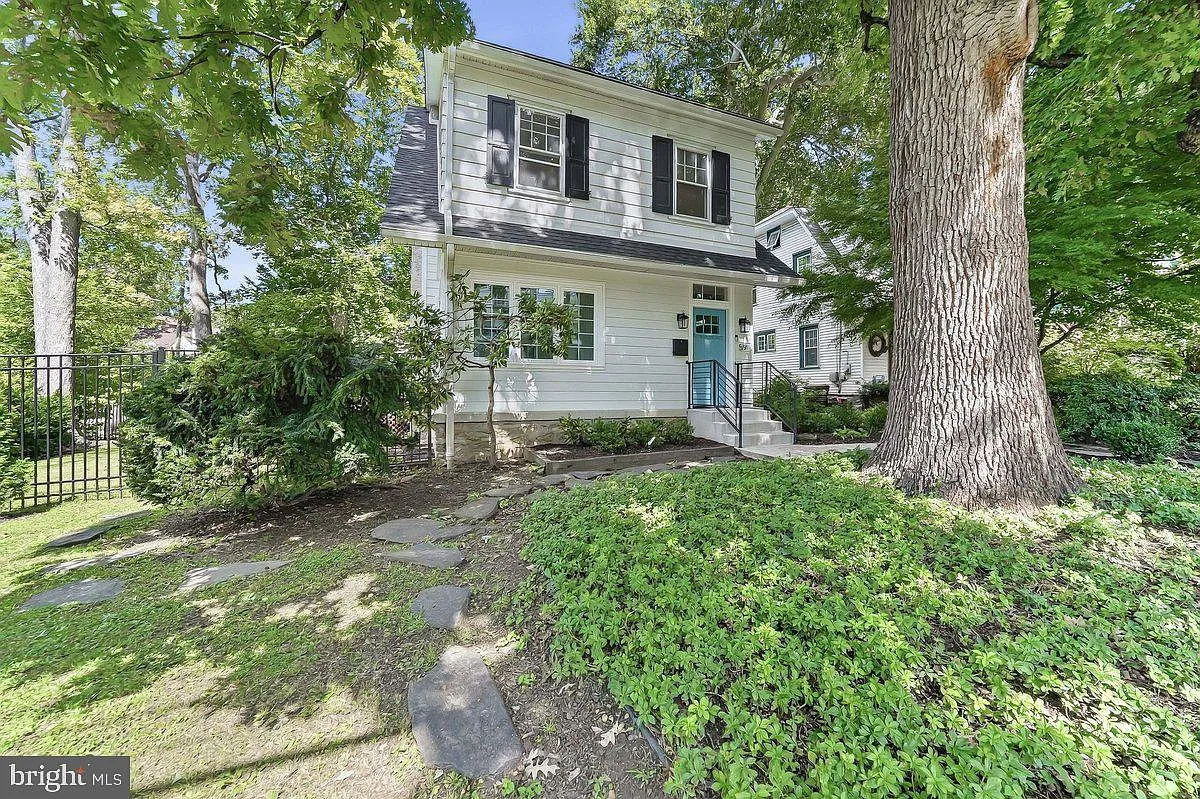
Bell Elite Senior Living — a nurse-led, family-owned personal care home in Lansdowne, PA. Warm living spaces, private bedrooms, and a chef's kitchen — come see the difference.
Have you ever wondered why so many families in Delaware County feel overwhelmed when it's time to look for care?
It often starts with a single phone call or a weekend visit to a family home in Media or Havertown where things just seem slightly off. Maybe you noticed that the refrigerator is nearly empty, or perhaps you saw that your mother is wearing the same outfit she had on three days ago. These subtle shifts are more than just signs of aging, because they represent a fundamental change in how a person interacts with their environment. As a nurse, I have sat at many kitchen tables across the Philadelphia suburbs, holding the hands of adult children who are trying to make sense of these changes. They ask me if this is just "getting older" or if it is something more significant that requires a professional level of support. The answer almost always lies in a clinical framework we call Activities of Daily Living, or ADLs for short. These are the basic, essential tasks that we all perform every day without even thinking about them, from the moment we wake up until we tuck ourselves in at night. When these tasks become difficult or dangerous to perform alone, it creates a ripple effect that touches every aspect of a senior’s health and safety.
Why does it feel so heavy to talk about these things? Perhaps it is because these tasks are so deeply personal and tied to our sense of dignity. Imagine this: you are a proud grandfather who has lived in the same Drexel Hill home for forty years, and suddenly, the simple act of stepping over the side of a bathtub feels like climbing a mountain. You might start to skip showers, not because you are lazy, but because you are privately terrified of falling. This is where the nurse-led perspective at Bell Elite Senior Living becomes so vital. We understand that a decline in ADLs is not a failure of character, but a medical and functional shift that requires a compassionate, structured response. Have you noticed your loved one hesitating before they stand up or avoiding certain rooms in the house? Are they becoming more withdrawn because they are embarrassed about their physical limitations? These are the real-world questions that define the care journey for families throughout the Commonwealth of Pennsylvania.
Q: What exactly are Activities of Daily Living and why do doctors talk about them so much? Activities of Daily Living are the fundamental skills required to independently care for oneself such as eating, bathing, and walking. Health professionals use these as a primary benchmark because they are the most accurate predictors of whether a senior can safely live alone or if they require the supportive environment of a personal care home. If a person cannot manage these basic functions, their risk for hospitalization, malnutrition, and injury increases exponentially, which is why they are the "gold standard" for determining care levels.
Speak With Our Nursing Team
We help Pennsylvania families navigate senior care decisions with compassion and clinical expertise.
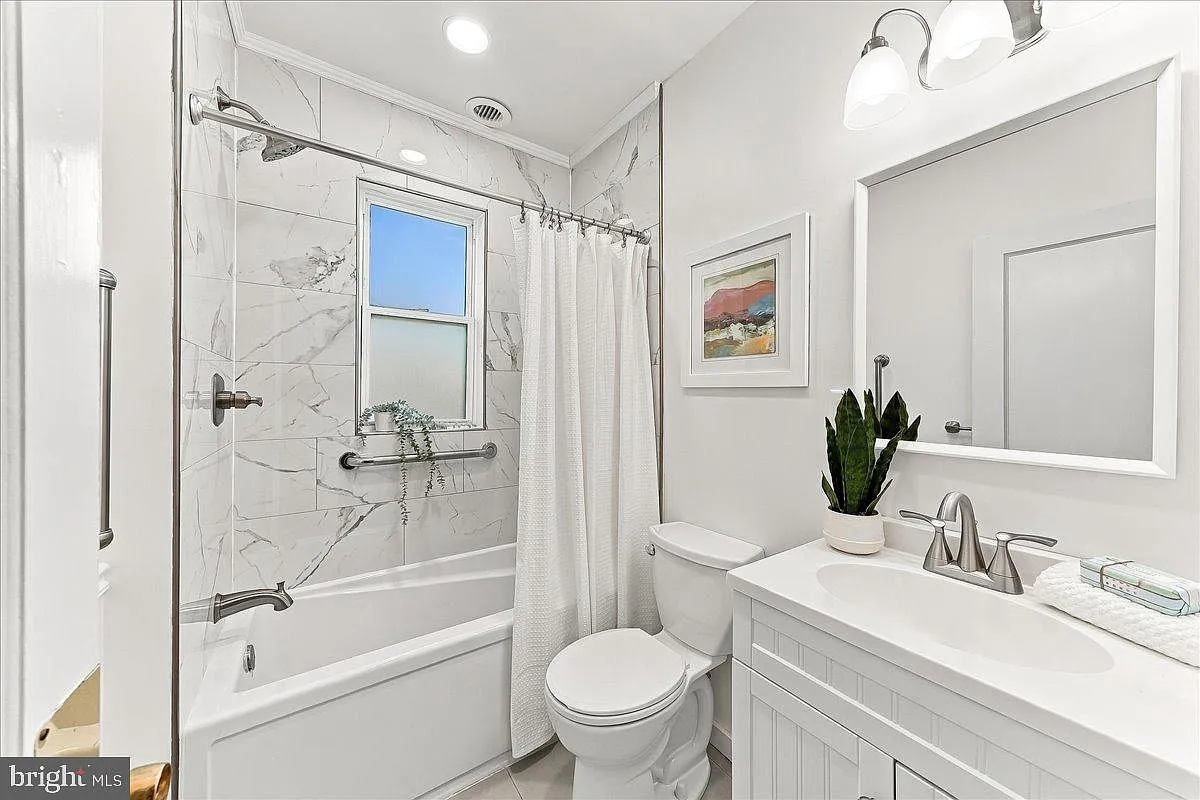
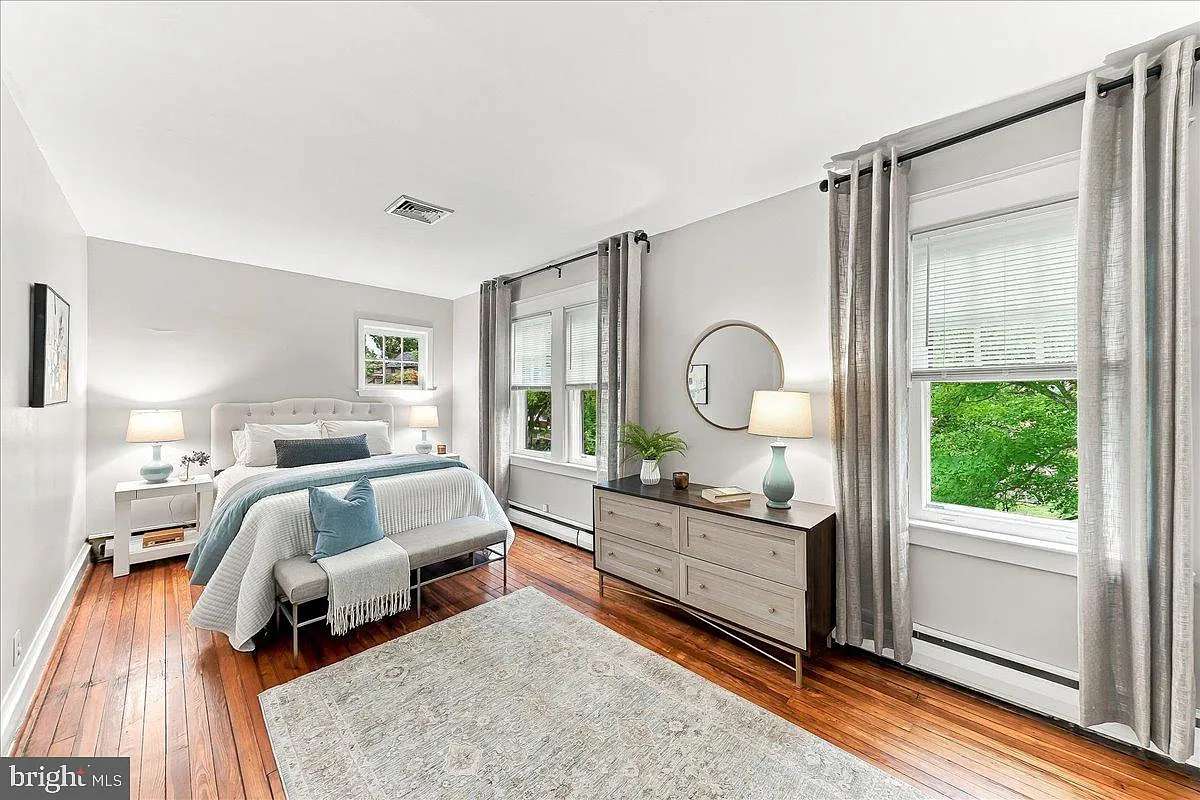
Private bedrooms and accessible bathrooms, designed for safety, comfort, and dignity.
Navigating the landscape of senior care in the Delaware County area can feel like learning a completely new language. You hear terms like personal care, assisted living, and skilled nursing, and it is easy to get lost in the jargon. However, everything truly boils down to how much help a person needs with their ADLs. Statistics show that more than 50 percent of seniors over the age of 85 require assistance with at least one ADL, and that number grows as health conditions evolve. When we talk about ADLs, we are looking at the foundational pillars of human independence. If these pillars start to crumble, the entire structure of a senior's lifestyle is at risk. Have you seen the stress in your own eyes when you realize you cannot be there twenty-four hours a day to help? Do you worry every time the phone rings that it might be a call about a fall or an accident? This is the reality for thousands of caregivers in our community, and understanding ADLs is the first step toward finding a sustainable solution.
Can you picture the exact moment you realized your parent’s daily routine was no longer a matter of habit but a struggle for survival?
There is often a specific "Big Six" list of ADLs that we monitor closely in a nurse-led setting. These include bathing, dressing, toileting, transferring, continence, and eating. Each one of these tasks requires a complex coordination of physical strength, balance, and cognitive processing. Think about the act of getting dressed in the morning. It seems simple, doesn't it? But for a senior in Springfield or Broomall who is dealing with arthritis or the early stages of memory loss, it involves choosing appropriate clothing for the Pennsylvania weather, managing tiny buttons, reaching for socks, and maintaining balance while stepping into trousers. If any part of that chain breaks, the senior may end up wearing inappropriate clothing or, worse, suffering a fall while trying to get dressed. How many times have you visited your loved one and noticed they are wearing a heavy sweater on a humid July day in the Philadelphia suburbs?
Q: How do I know if my mom needs help with bathing if she says she is doing fine? The easiest way to tell is to look for subtle physical cues such as greasy hair, an unusual body odor, or a bathroom that looks "too clean," meaning the towels are never damp and the soap is never wet. Many seniors develop a fear of water or the slippery surfaces of a bathroom, which leads them to avoid bathing altogether while telling their families they are still managing. A nurse-led assessment can gently determine the truth without stripping the senior of their dignity or making them feel attacked.
Speak With Our Nursing Team
We help Pennsylvania families navigate senior care decisions with compassion and clinical expertise.
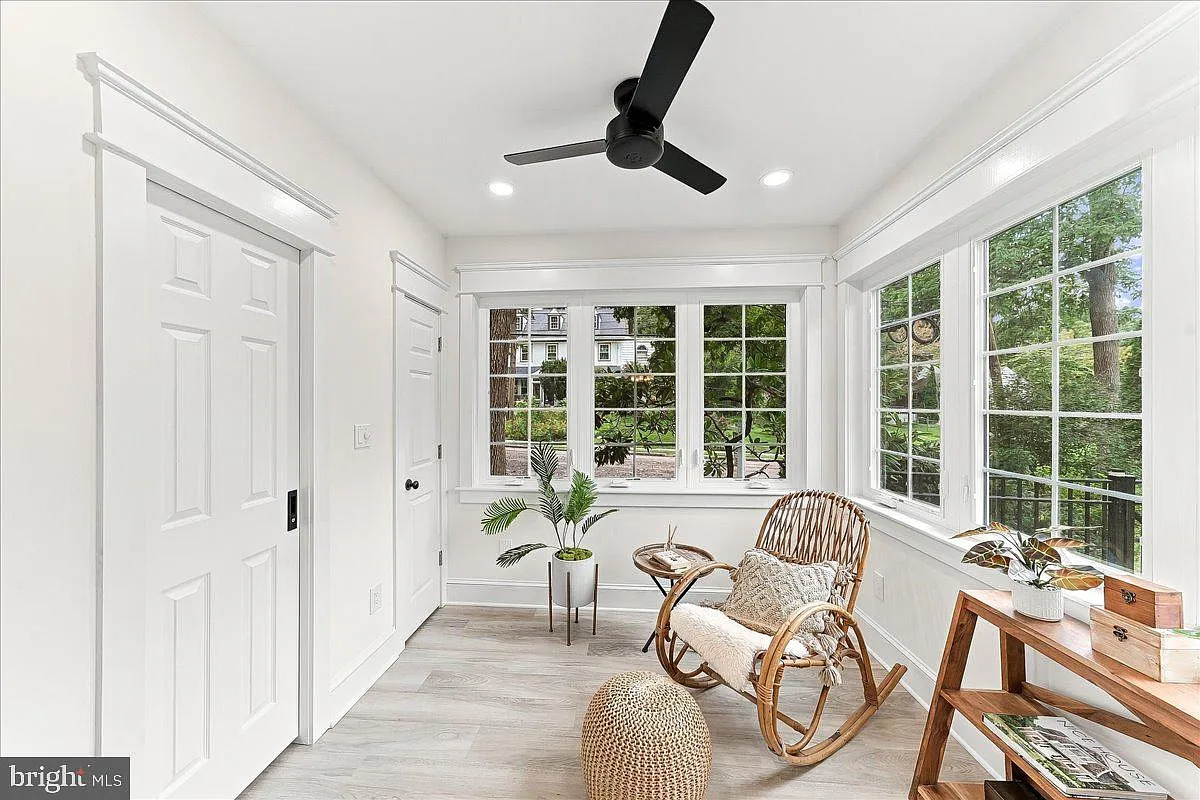
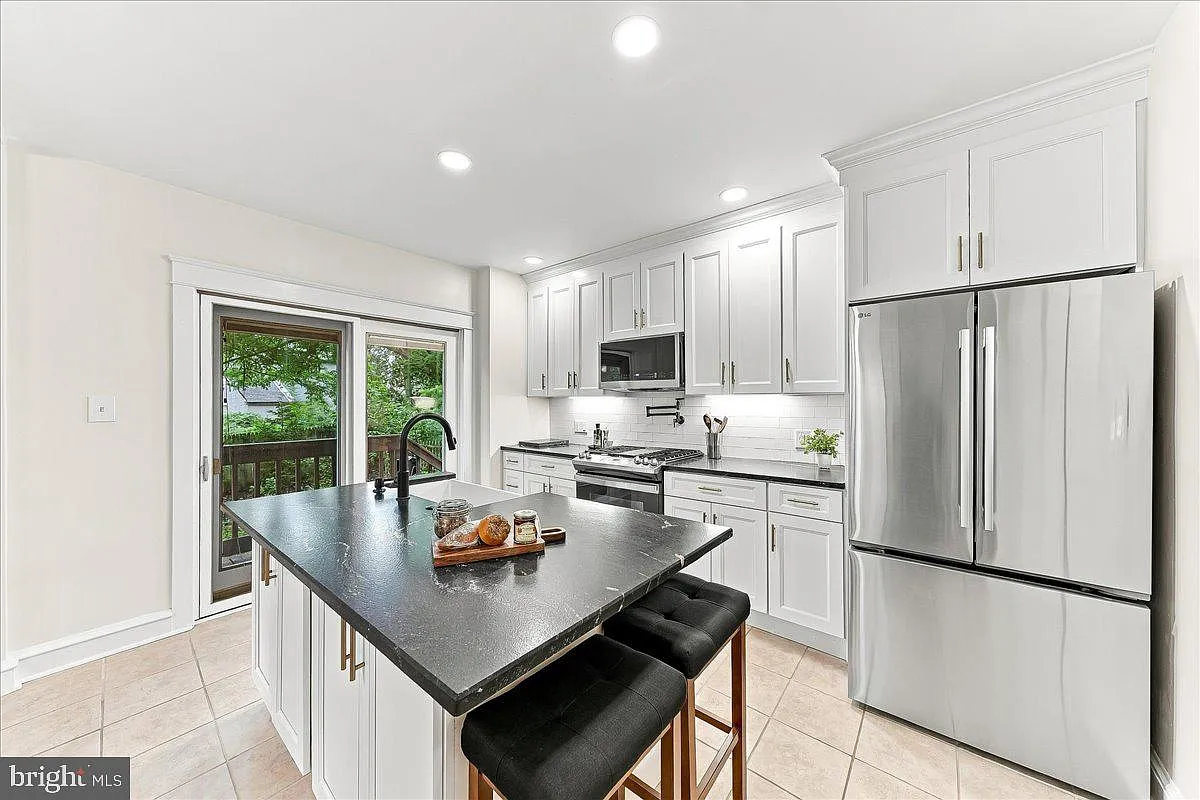
Home-cooked meals in our chef's kitchen and peaceful moments in the sunroom — life at Bell Elite.
Bathing is often the first ADL to become a challenge because it is physically demanding and poses the highest risk for injury. In fact, one out of every three seniors falls each year, and a significant portion of those falls occur in the bathroom. When a senior moves into Bell Elite Senior Living, our nursing team assesses exactly what kind of support is needed. Does the person just need someone to stand nearby for "standby assistance" in case they lose their balance? Or do they need "hands-on assistance" where a caregiver actually helps with the washing? This distinction is crucial because the goal is always to preserve as much independence as possible while ensuring absolute safety. Have you considered how much peace of mind you would have knowing a professional was there to ensure your father didn't slip in the shower? Can you imagine the relief of not having to be the one to perform these intimate tasks, allowing you to go back to being the daughter or the son rather than the bath aide?
Q: What does "transferring" mean in a clinical sense? Transferring refers to a person’s ability to move their body from one position to another, specifically getting in and out of a bed, a chair, or a wheelchair. This is a critical ADL because if a senior cannot transfer independently, they are at high risk for developing pressure sores or being unable to reach a phone or exit a building during an emergency. It is a fundamental marker of mobility and physical strength that determines the level of staffing support a resident will need in a personal care home.
Then there is the issue of eating. This isn't just about the ability to swallow, but the entire process of getting food from the plate to the mouth. For some of our neighbors in Upper Darby or Drexel Hill, tremors or weakness in the hands can make using utensils a frustrating ordeal. When eating becomes difficult, seniors often start to eat less, leading to unintended weight loss and a weakened immune system. Malnutrition affects up to 15 percent of seniors living in the community, often because the physical act of eating has become a chore. Are you seeing your loved one push food around the plate? Are they choosing soft, processed foods because they are easier to manage than healthy, fresh options? At Bell Elite Senior Living, reachable at (484) 356-1070, we see these challenges as opportunities to provide tailored support that honors the individual's needs.
Have questions about personalized care options? Bell Elite Senior Living's nursing team is ready to help. Call (484) 356-1070 or schedule a free consultation today.
What happens when the "simple" things like checking the mail or taking a pill become the most stressful parts of the day?
Speak With Our Nursing Team
We help Pennsylvania families navigate senior care decisions with compassion and clinical expertise.
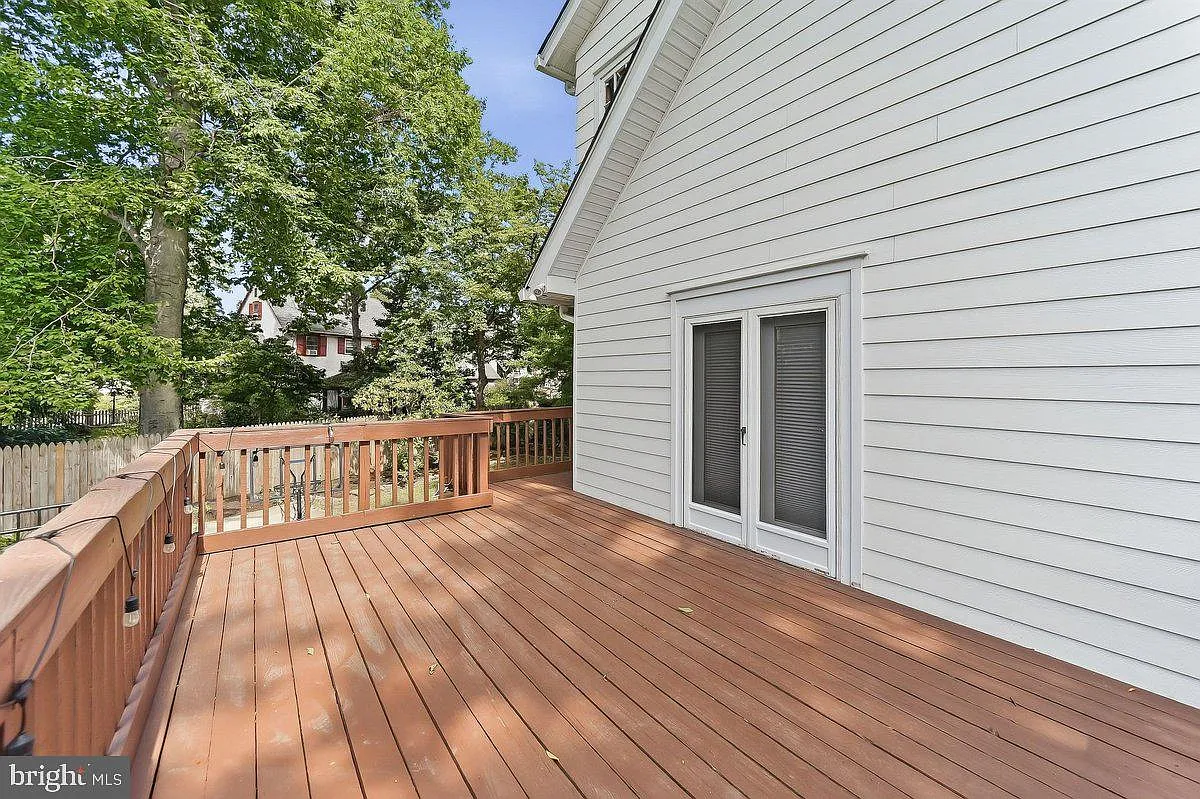
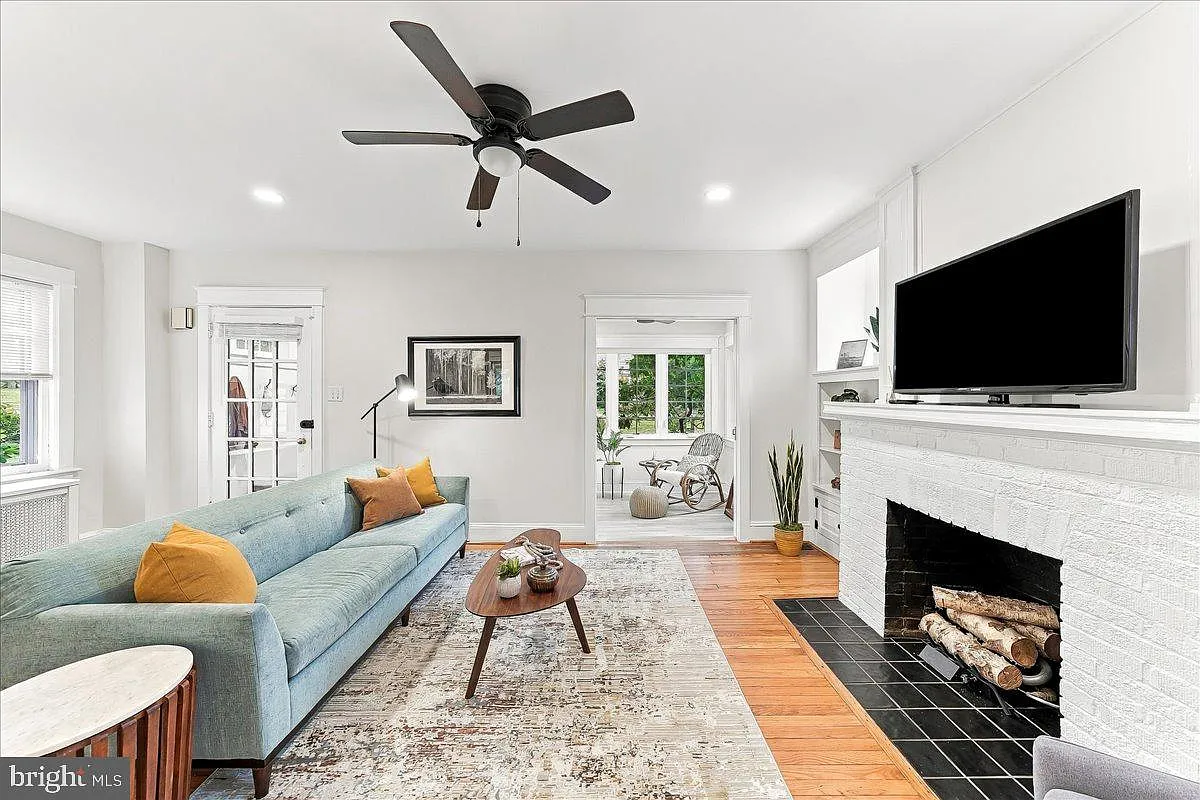
Gather in our warm living room or enjoy fresh air on the deck — every space feels like home.
While the basic ADLs are about physical survival, we must also look at Instrumental Activities of Daily Living, or IADLs. These are the tasks that allow a person to live independently within a community like Swarthmore or Media. These include things like managing finances, handling transportation, grocery shopping, preparing meals, and managing medications. While a person might still be able to dress and bathe themselves, they may be failing at these more complex tasks. Have you noticed stacks of unopened mail on the counter? Is the car in the driveway showing new dents that your parent cannot explain? These are the red flags of IADL decline. This is often where the "nurse-led" aspect of Bell Elite Senior Living really shines, because we understand that medication management is one of the most dangerous IADLs to mismanage.
Q: Is forgetting a pill every now and then really a sign that my parent needs a personal care home? Medication errors are a leading cause of hospitalizations among seniors in Pennsylvania. If a senior is forgetting doses, doubling up on heart medication, or losing track of their prescriptions, it is no longer just a "memory slip" but a life-threatening safety issue. Personal care homes provide professional medication administration, ensuring the right pill is taken at the right time, which can stabilize a senior's health and even improve their cognitive clarity almost overnight.
Picture this: your father has lived in the Philadelphia suburbs for sixty years and has always been meticulous with his bills. Now, he is receiving shut-off notices from the utility company because he simply forgot where he put the checkbook. This transition can be heartbreaking for a family to witness. It feels like the person you knew is slowly being replaced by a version of themselves that is overwhelmed by the world. Does he seem more anxious when the phone rings? Is he avoiding the grocery store because the checkout process has become too confusing? These IADLs require a higher level of cognitive function than basic ADLs, and they are often the first things to slip when someone is experiencing the early stages of dementia or physical exhaustion.
Q: Why are IADLs often the first things to decline before basic ADLs like eating? IADLs require complex "executive function" in the brain, which involves planning, sequencing, and multitasking. These cognitive pathways are often more sensitive to the early stages of aging or neurological decline than the more "automatic" physical movements required for basic ADLs. Because of this, a senior might look physically healthy and strong while their ability to manage their life is actually falling apart behind the scenes.
In a family-owned environment like Bell Elite Senior Living, we take the time to look at the whole person. We don't just see a resident who needs help with a meal; we see a person who might have been the primary cook for their family for fifty years and is now grieving the loss of that role. When a senior can no longer drive to the store in Broomall or manage their own stove safely, it represents a loss of agency. Our job is to fill those gaps so the senior can focus on the things they still enjoy. We handle the cooking, the cleaning, the laundry, and the medication, which often lifts a massive weight of anxiety off the resident's shoulders. Can you see how much happier they might be if they didn't have to worry about the "business of living" anymore? Would your relationship with them improve if you spent your visits laughing and talking instead of cleaning their kitchen and sorting their pills?
How do you decide when "enough is enough" and it is finally time to seek professional support for your loved one?
This is perhaps the most difficult question any family in Delaware County faces. There is often a "tipping point" where the burden of care becomes too much for a family caregiver to handle alone. Perhaps you are a member of the "sandwich generation," caught between the needs of your growing children in Havertown and your aging parents in Media. You are trying to do it all, but you are exhausted, burnt out, and starting to feel resentful. Does that sound familiar? Are you losing sleep because you are constantly checking your phone for an emergency? Research indicates that family caregivers of seniors with high ADL needs spend an average of 24 hours per week providing care, which is equivalent to a part-time job on top of their actual careers and lives.
Q: What is the most common sign that it is time for a personal care home? The most common sign is "caregiver burnout," where the primary family member can no longer maintain their own health or responsibilities because the senior's ADL needs have become a twenty-four-hour-a-day job. If the senior is no longer safe at home for even a few hours, or if their needs have surpassed your physical ability to help them, it is time to look at a nurse-led facility. Safety and the preservation of the family bond should always come first.
At Bell Elite Senior Living, we often hear from families who waited until a crisis occurred—a broken hip, a fire on the stove, or a wandering incident—before reaching out. We always tell people that it is better to move "six months too early than one day too late." When you wait for a crisis, the choices are often taken out of your hands by a hospital social worker. By proactively addressing ADL needs, you can make a choice together as a family. Imagine a transition that is calm, planned, and supportive, rather than one born out of a chaotic emergency room visit in Philadelphia. Does the idea of a peaceful transition sound like a dream compared to your current reality? Have you thought about how much more your loved one would enjoy a personal care home if they moved in while they still had the energy to make friends and enjoy the activities?
Q: Can a senior's ADL abilities improve once they move into a care home? Surprisingly, yes. Many seniors experience "failure to thrive" at home due to isolation and poor nutrition. Once they move into a structured environment like Bell Elite Senior Living where they receive regular meals, social stimulation, and professional medication management, their physical strength and cognitive awareness often improve. We have seen residents who arrived needing significant help regain the ability to walk more independently and engage in hobbies they had previously abandoned.
The nurse-led model is especially important during this transition. Nurses are trained to spot the "silent" signs of decline that a family might miss. We look at skin integrity, gait stability, and subtle changes in mood that could indicate a physical ailment like a urinary tract infection, which often manifests as confusion in seniors. In our home, we provide that watchful eye that a busy family member simply cannot maintain. We are here to be the professional backstop for your family. If you have been feeling the weight of the world on your shoulders, please know that you don't have to carry it alone. You can reach us at (484) 356-1070 to discuss your specific situation.
Ready to explore tailored care solutions? Speak with our coordinators at Bell Elite. Phone: (484) 356-1070 • Request a tour
Why does a nurse-led, family-owned home make such a difference when it comes to managing these deeply personal needs?
When you choose a care home in Delaware County, you are not just looking for a room; you are looking for a team that will become an extension of your family. In many large, corporate-run facilities, the staff-to-resident ratio can be high, and the care can feel transactional. However, a nurse-led, family-owned home like Bell Elite Senior Living operates on a different philosophy. Because we are nurse-led, every decision is filtered through a clinical lens of safety and wellness. Because we are family-owned, every resident is treated with the same warmth and respect we would want for our own parents. Have you ever felt like just a number in a large medical system? Do you want a care team that knows your father’s favorite flavor of ice cream and the name of his childhood dog?
Q: Why does it matter that a home is "nurse-led" specifically for ADL support? A nurse-led home means that the person overseeing the care plan has clinical expertise in the aging process. Nurses can identify when a change in a resident's ability to perform an ADL is a sign of a new medical issue rather than just "normal aging." This leads to faster interventions, fewer hospitalizations, and a much higher level of overall health monitoring that a non-clinical manager simply cannot provide.
In the Philadelphia suburbs, we have a culture of looking out for one another. Our home is a reflection of that community spirit. We understand the specific regulations in Pennsylvania regarding personal care, and we pride ourselves on exceeding those standards. We see the management of ADLs not as a checklist of tasks to be completed, but as a series of moments to connect with our residents. Helping someone get dressed is a chance to have a conversation and check in on their emotional state. Helping someone to the dining room is a chance to encourage their mobility and celebrate their progress. Can you feel the difference in that approach? Is this the kind of environment where you can see your loved one truly thriving?
Q: Does Bell Elite Senior Living help with all six of the core ADLs? Yes, our team is fully equipped and trained to provide assistance with bathing, dressing, toileting, transferring, continence care, and eating. We develop an individualized care plan for every resident that outlines exactly how much help is needed for each task, ensuring that we are supporting them where they are weak and encouraging them where they are strong. This balanced approach is the key to maintaining a high quality of life for our seniors.
We also believe in the power of transparency and communication. When you call (484) 356-1070, you aren't talking to a call center in another state; you are talking to the people who are actually on the floor, caring for your loved ones every day. We know that the decision to move a parent into a personal care home is one of the hardest choices you will ever make. It is filled with guilt, uncertainty, and fear. Our goal is to replace those feelings with confidence and peace. We want you to walk out of our doors after a visit feeling like you can finally take a deep breath, knowing that your mom or dad is safe, clean, fed, and loved.
Are you ready to stop worrying about the "what-ifs" and start focusing on the quality of the time you spend together?
As we have explored, Activities of Daily Living are the quiet indicators of how a senior is truly faring. They are the heartbeat of senior care. By understanding what they are and why they matter, you are already ahead of the curve. You are no longer just reacting to problems; you are becoming an informed advocate for your loved one’s well-being. Whether they are in Media, Upper Darby, or Springfield, the seniors of Delaware County deserve to live with dignity and grace. They deserve to have their needs met by professionals who see them for the incredible people they are, not just the assistance they require.
Q: How do we get started with an assessment if we think my dad needs help? The process is simple and starts with a conversation. You can call Bell Elite Senior Living at (484) 356-1070 to schedule a time for our nursing team to meet your loved one. We will conduct a thorough, gentle assessment of their ADL and IADL needs and help you determine if our personal care home is the right fit for their current level of function. We are here to guide you through every step of the Pennsylvania personal care admission process.
Think about the future you want for your family. Do you want to continue the cycle of stress, late-night emergencies, and the constant fear of a fall? Or do you want to transition into a season of life where your loved one is supported by experts in a beautiful, home-like setting? Imagine your mother sitting in a sun-drenched living room, laughing with new friends, while a professional nurse ensures her medications are managed and her needs are met. This isn't just a dream; it is the daily reality at Bell Elite Senior Living. We invite you to become a part of our family.
Q: What if my loved one’s needs increase over time? One of the greatest benefits of a nurse-led personal care home is our ability to adapt. As a resident’s ADL needs change, we adjust their care plan accordingly. Because we have a clinical eye on their daily health, we can often anticipate these changes and prepare for them, ensuring a seamless continuum of care that keeps the resident stable and comfortable for as long as possible.
The journey of aging is one we all must walk, but we don't have to walk it alone. In the heart of Delaware County, there is a place where care is personal, nursing is professional, and families find the support they need. We are proud to be a family-owned resource for our neighbors in Havertown, Broomall, and beyond. If you are ready to take the next step, or if you just need a friendly nurse to talk to about your concerns, we are only a phone call away. Please reach out to Bell Elite Senior Living at (484) 356-1070. Let us help you navigate the complexities of ADLs so you can get back to the most important job of all: being a family.
A Glimpse Inside Bell Elite
A warm, family-like residence — not an institution. Every space is designed for comfort, safety, and dignity.
Ready to Take the Next Step?
Bell Elite Senior Living is a nurse-led, family-owned personal care home in Delaware County, Pennsylvania. We're here to help.
Proudly Serving Families Across the Greater Philadelphia Region
Bell Elite Senior Living is a nurse-led, family-owned personal care home located in Delaware County, Pennsylvania — and we proudly serve families from across the entire Greater Philadelphia area and surrounding communities. Whether you are searching for a personal care home in Delaware County PA, exploring senior living options near Philadelphia, or looking for compassionate elder care for a loved one in Montgomery County, Bucks County, or Chester County, our team is here to help guide you through every step of the decision.
Families come to Bell Elite from throughout Philadelphia and its suburbs — including Upper Darby, Havertown, Drexel Hill, Broomall, Swarthmore, Media, Springfield, Lansdowne, Darby, Collingdale, and Sharon Hill in Delaware County; Ardmore, Norristown, Lansdale, Cheltenham, Abington, Blue Bell, Jenkintown, Ambler, and Horsham in Montgomery County; Doylestown, Newtown, Langhorne, Bristol, Yardley, Quakertown, and Levittown in Bucks County; and West Chester, Malvern, Exton, Downingtown, Phoenixville, Coatesville, and Paoli in Chester County. We are also a trusted resource for families in South Jersey communities such as Cherry Hill, Voorhees, Marlton, Moorestown, Mount Laurel, Haddonfield, Collingswood, and Camden County who are seeking high-quality personal care across the river in Pennsylvania. Families from Wilmington, Newark, and New Castle County, Delaware also regularly choose Bell Elite for its clinical excellence and intimate, home-like setting.
Our central location in Delaware County puts us within easy reach of Center City Philadelphia, the Main Line, South Philadelphia, Northeast Philadelphia, and the Philadelphia suburbs — making visits from family members throughout the region straightforward and stress-free. We understand that choosing the right personal care home is one of the most important decisions a family will make, and distance should never be a barrier to accessing exceptional, nurse-led care.
Frequently Asked Questions About Our Service Area
Does Bell Elite Senior Living serve families from Philadelphia?
Yes. Bell Elite Senior Living is located in Delaware County, PA, just minutes from Philadelphia. We regularly welcome residents and their families from across Philadelphia, including South Philly, Northeast Philadelphia, Kensington, Germantown, and Center City.
Do you accept residents from Montgomery County, PA?
Absolutely. We serve families throughout Montgomery County including Norristown, Ardmore, Lansdale, Cheltenham, Blue Bell, Jenkintown, and Ambler. Our nurse-led care model is a popular choice for families across the Philadelphia suburbs.
Can families from Bucks County place a loved one at Bell Elite?
Yes. Many of our residents come from Bucks County communities such as Doylestown, Newtown, Yardley, Langhorne, and Bristol. Our facility is easily accessible from Route 1 and I-95 corridors.
Do you serve Chester County families looking for personal care?
Yes. Families from West Chester, Malvern, Exton, Downingtown, Phoenixville, Paoli, and Coatesville in Chester County frequently choose Bell Elite for our small resident count, clinical oversight, and personalized care plans.
Is Bell Elite an option for families in South Jersey near Philadelphia?
Yes. Many families from Cherry Hill, Voorhees, Marlton, Mount Laurel, Haddonfield, Moorestown, and Camden County in New Jersey choose Bell Elite Senior Living in nearby Delaware County, PA for its nurse-led care and welcoming environment.
Do you accept residents from Delaware (Wilmington, Newark, New Castle County)?
Yes. Families from Wilmington, Newark, Middletown, and throughout New Castle County, Delaware have placed loved ones at Bell Elite. Our location in Delaware County, PA makes us a convenient and high-quality option for Delaware families seeking nurse-led personal care.
How do I find out if Bell Elite can serve my family's location?
Call us at (484) 356-1070 or visit our contact page. We serve the entire Greater Philadelphia region and surrounding areas and are happy to discuss your specific situation, schedule a tour, and answer any questions about our care services.
Related Articles



Related Care Services at Bell Elite
Our nurse-led personal care home in Lansdowne, PA offers specialized services for seniors across the Greater Philadelphia region.
Personal Care Home Near You
Bell Elite is located in Lansdowne, PA — minutes from Philadelphia. See care details for your community:
Have Questions After Reading?
Our nursing team offers free, no-pressure consultations for Pennsylvania families.
Talk to a nurse, not a salesperson. Our team includes RNs, LPNs, a PMHNP, and Family Nurse Practitioners.